United Nations Convention for the Rights of the Child: How children’s rights are violated in conflict situations.
Introduction (Section 1 of 2)
Why write a Blog about the effects of war on children? I’ve been thinking about this subject for about 6 months and started doing some research: news articles, blogs, charities’ websites. (Thanks to those who sent me links to articles they thought might be useful.) So I’ll begin by talking about what in particular got me started.
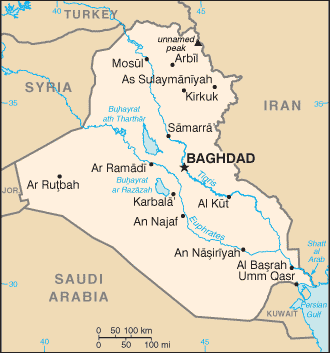
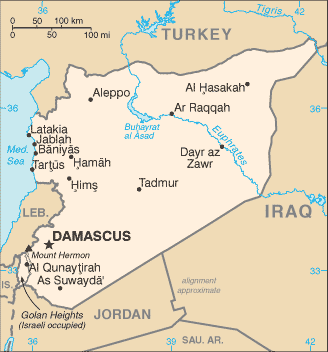
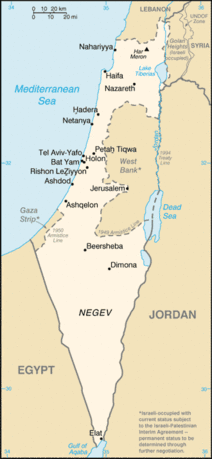
In June last year I watched a TV documentary written and presented by BBC journalist Lyse Doucett, who followed the day to day lives of six Syrian children, and also reported on the experiences of children in Gaza. This film was distressing to watch, not just because of their experiences but because of how they talked and behaved, their attitudes and opinions about life. Secondly, on 4th August I watched the first of the BBC programmes marking 100 years since Britain’s entry into the First World War. It struck me as ironic that the news that day in 2014 reported on conflicts in four separate regions: Gaza, Syria, Ukraine and Iraq. This made me consider that war is always with us; many thousands of people including children have never known a time of peace. Of course it’s right to remember and commemorate those who sacrificed their lives in ‘The war to end all wars’ but it wasn’t, was it? War continues as it always has done, but it’s fought differently in the 21st Century. ‘Gone are the days when wars were fought between countries’ armies on a remote battlefield. The vast majority of modern conflicts take place within countries, not between them. And whereas civilians were once far removed from the fighting, they’re now routinely targeted and make up 90% of the casualties.’ (warchild.org.uk ). So I started to think about how children, who are given no choice in the matter and don’t understand what’s happening, only that their lives are being turned upside down, ultimately will be most affected. The UNCRC, a charter which seeks to promote children’s rights (to protection, provision and participation) is a good place to start when considering the effects of war on children.
You may be asking, what’s the point of documenting this, it doesn’t change anything. But as I research the subject, I’m realising the valuable work that NGOs such as Save the Children and UNICEF are doing which does change things. It’s really encouraging and inspiring to read how children are being helped to overcome trauma, injury and disability, so I suppose one reason for this blog is to raise awareness. My intention is to be non political and non religious with no comment about actual conflicts, only their effects.
 claresimons1