Article 2 is concerned with non-discrimination: ‘The Convention applies to all children, whatever their race, religion or abilities, whatever they think or say…….no child should be treated unfairly on any basis.’ I’ve left out a bit about language/gender/disability/culture/status of parents.
Of course in one sense war doesn’t discriminate, all children affected by war are at risk of trauma, injury and death. And all children in a war zone are denied the right to education, healthcare, shelter, and a ‘normal’ childhood; they are definitely ‘treated unfairly’.
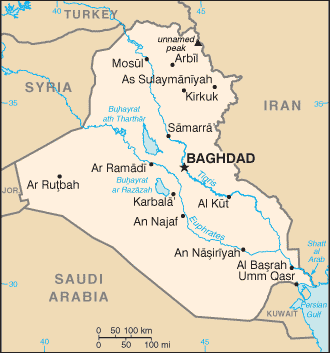
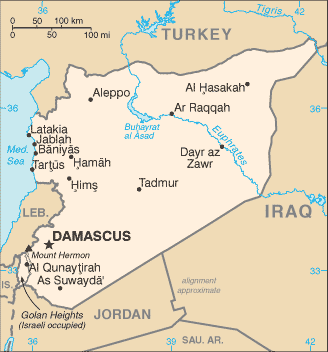
But further discrimination can be evidenced: poorer families are unable to move to safer areas because of low income/status. These families struggle to survive at the best of times, they certainly don’t have the resources to move themselves and their possessions away from the conflict zone. And you might remember the story about the Yazidi (Iraqi) father who was forced to abandon his 4 year old disabled son as the family fled from the advance of IS jihadists on their village. The family travelled on foot for days over a mountain range and were unable to carry little Aziz any further. Although, Aziz was rescued and taken to hospital in Syria, sadly he died. His father was devastated, distraught, heartbroken. But I don’t condemn him, he didn’t leave his son to die, war killed him.
‘How is it that women and girls make up the highest proportion of refugees and displaced populations and yet they are the least visible?’ asks David Miliband, former Labour politician and now CEO and president of the International Rescue Committee. This question prefaces a report from the IRC entitled ‘Are we listening? Acting on our Commitments to Women and Girls affected by the Syrian conflict.’ And women and girls in conflict situations face much worse: in Iraq they are captured and sold into sexual slavery by IS militants, considered to be the spoils of war. A 17 year old girl says: ‘Nor do they spare the girls. Some of our group are not even 13 years old….They say we are like goats bought at a market’. Both these quotes are taken from an article in Premier Christianity, November 2014 issue: ‘The Female Cost of War’ (premierchristianity.org.uk). In countries affected by war, the powerful will always exploit the vulnerable.
I talked in the first post about the BBC documentary by Lyse Doucette on the children who live constantly with the threat of violence and death. At the end of the programme we see a girl, about 8 or 9, with one leg, supported on crutches. She doesn’t have a prosthesis (artificial leg) and moves along the road with difficulty. She stands and watches a group of her friends playing in the war ravaged street, chasing each other and sitting playing games with pebbles in the rubble. She can’t join in their games but she doesn’t look sad, just resigned to her situation. War has robbed her of her right to play and join in (Article 31.)
We can clearly see that certain groups of children are more likely to experience discrimination than others.
 claresimons1