Noticing how lovely my local churches are looking in the Spring sunshine, with the daffodils around them, I thought I’d visit some closer to home than usual. These are all in London boroughs, so they all count as London!
All Saints Carshalton
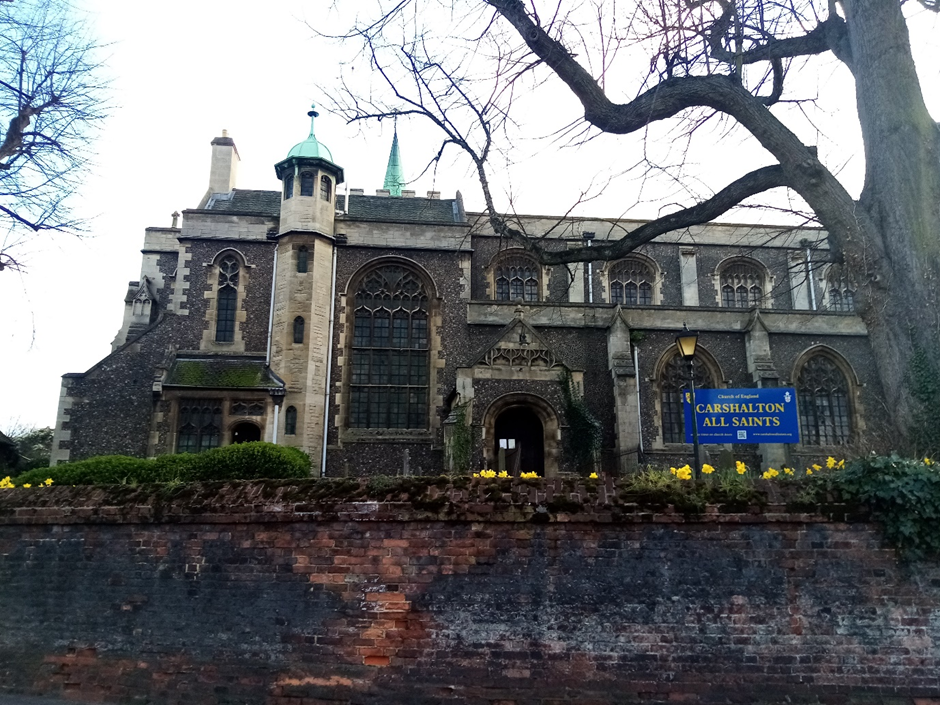
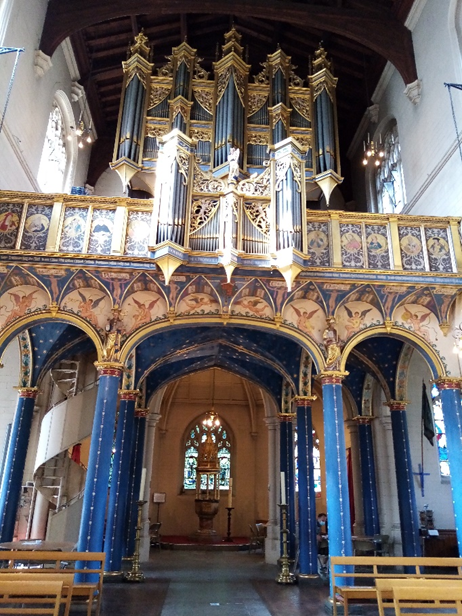
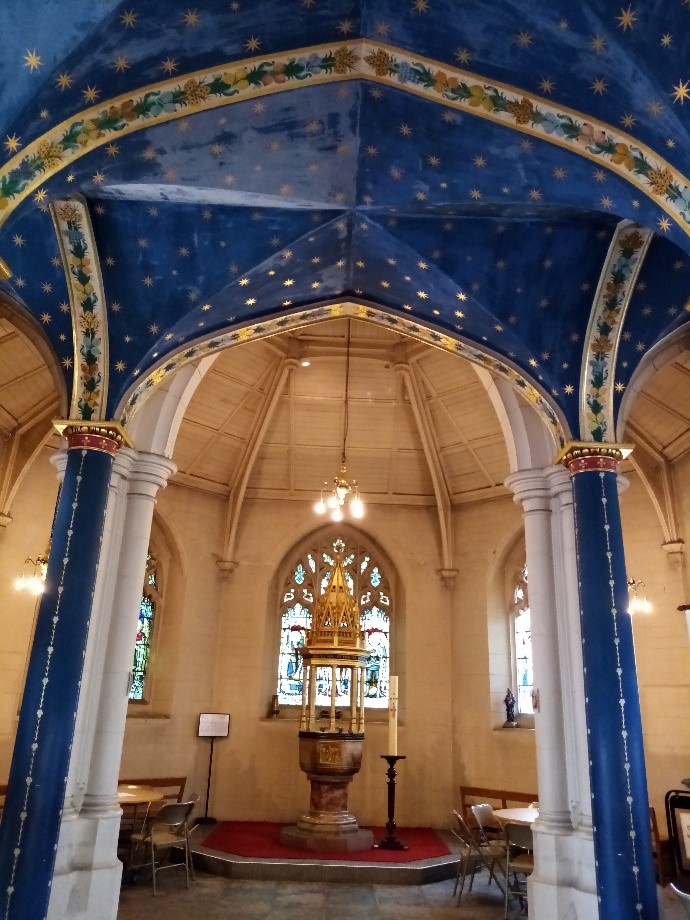
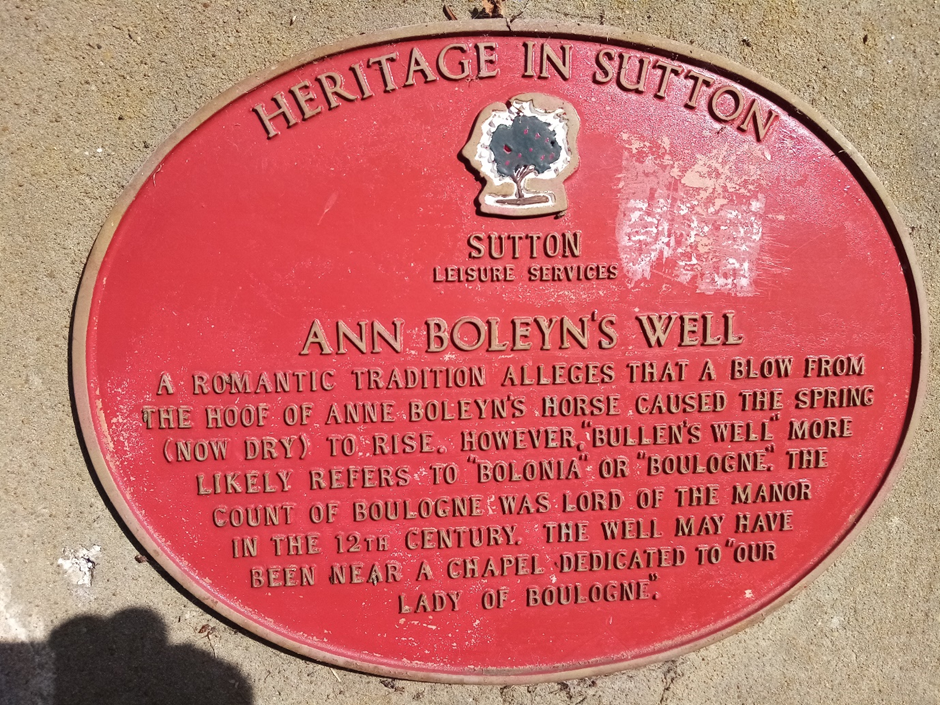
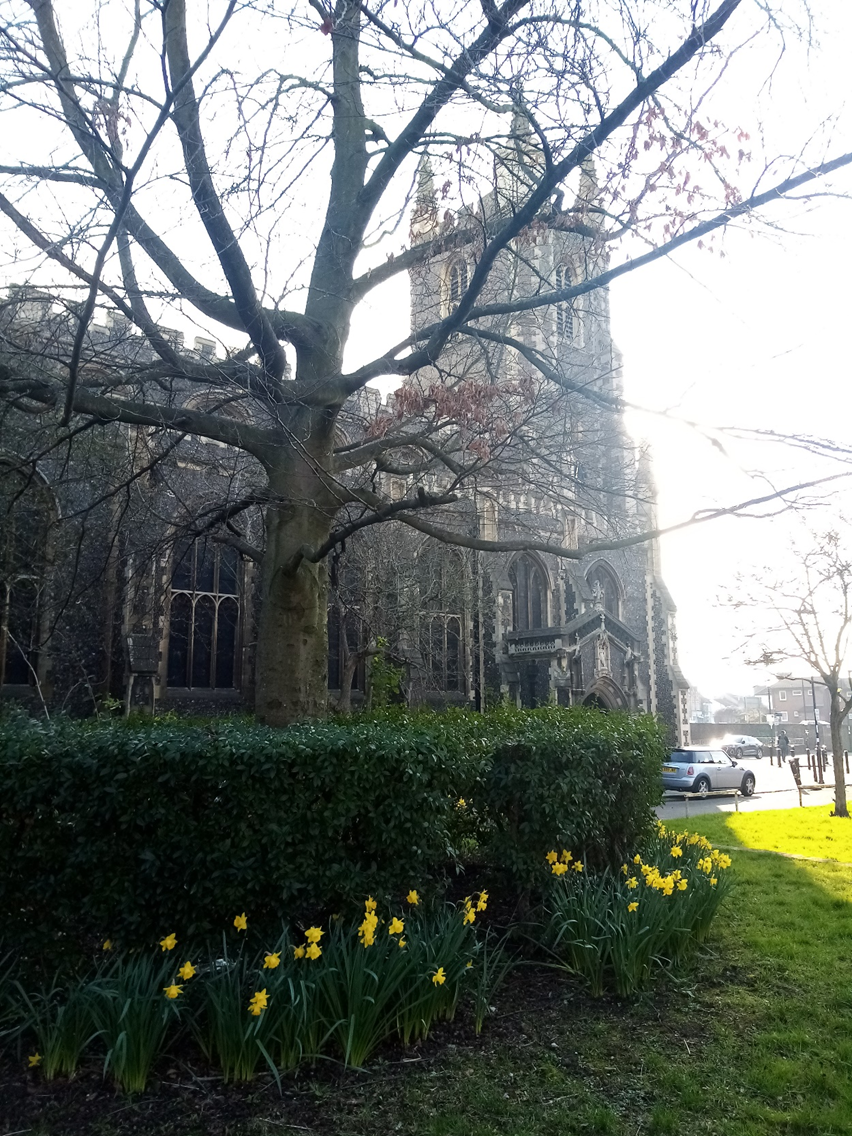
A church has stood on this site since Saxon times and was mentioned in the Domesday Book (1086.) At that time there was a spring rising nearby, one source of the River Wandle, which we now know as Carshalton Ponds. Parts of the original construction, notably the tower, remain but it has been added to over the next 800 years to the building we see today. The interior is spectacular, these works were installed between 1920 and 1941. The Revd. WR Corbould became Rector in 1919 and through his friendship with Sir Ninian Comper, a renowned church architect, began work on a series of ‘remarkable embellishments’; they certainly make it different from most parish churches. A red Sutton Heritage plaque on the outside wall lists people associated with the church, who all have the distinction of having Sutton/Carshalton streets named after them: Nicholas Gaynesford, Sherriff of Surrey and Sussex; Sir William Scawen, Governor of the Bank of England; Sir John Fellowes, sub-governor of the South Sea Company.
Source: Church website

Croydon Minster
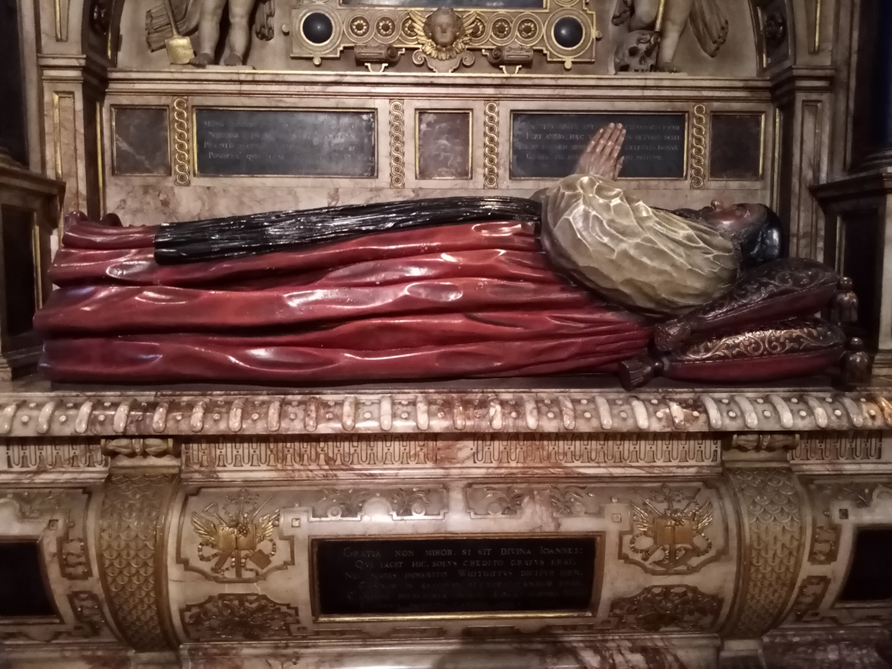
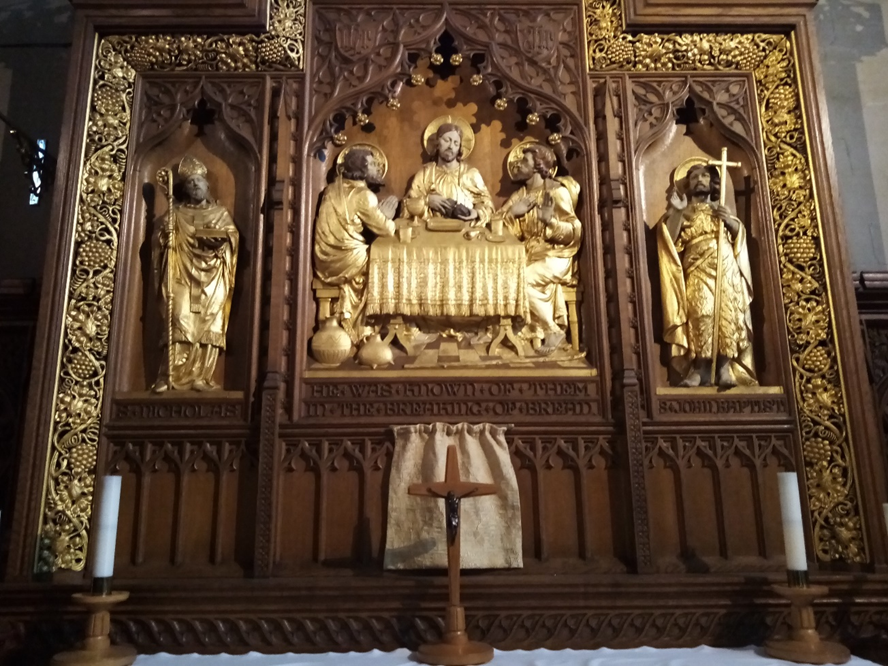
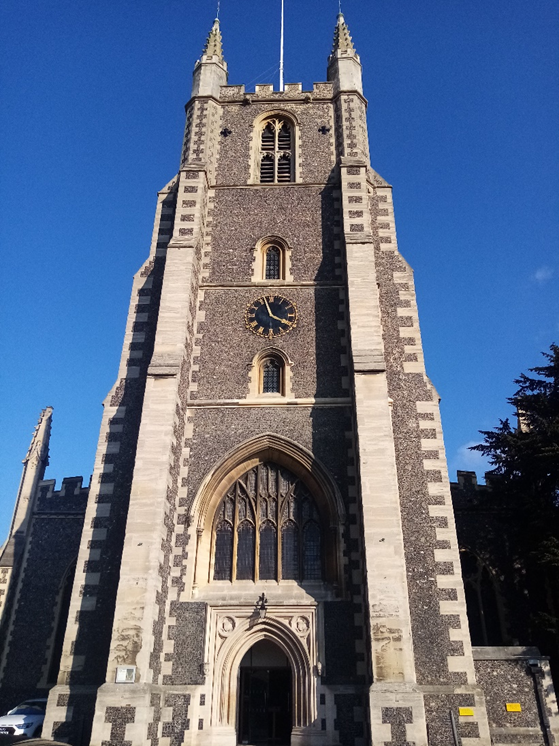
Like All Saints, the Parish Church of Croydon is believed to have been founded in Saxon times, there being a record of ‘a priest of Croydon’ in 960. There is mention of a church in the Domesday Book and there are historic links with the Archbishops of Canterbury, who had a Palace in Croydon, in use until the 18th Century. The building is now the Old Palace of John Whitgift School, a private Girls Senior School. Six Archbishops of Canterbury are buried in the church, and until 1984, Croydon was actually an outpost of the Diocese of Canterbury, after which it joined the Diocese of Southwark. Kings Henry 7th and 8th and Queen Elizabeth 1st were regular visitors to the archbishops at Croydon and would have attended the church. Formerly a Parish Church, dedicated to St John the Baptist, in recognition of its historical connections and as the ‘Mother Church’ of Croydon, it was designated a Minster Church in May 2011. The church is actively involved in the life of the community of Croydon and regularly hosts civic events as well as ordinations and diocesan events. A cathedral by another name? Possibly Croydon isn’t entitled to a cathedral because it doesn’t have city status (yet.)
Source: Booklet in the church
St Mark’s Woodcote
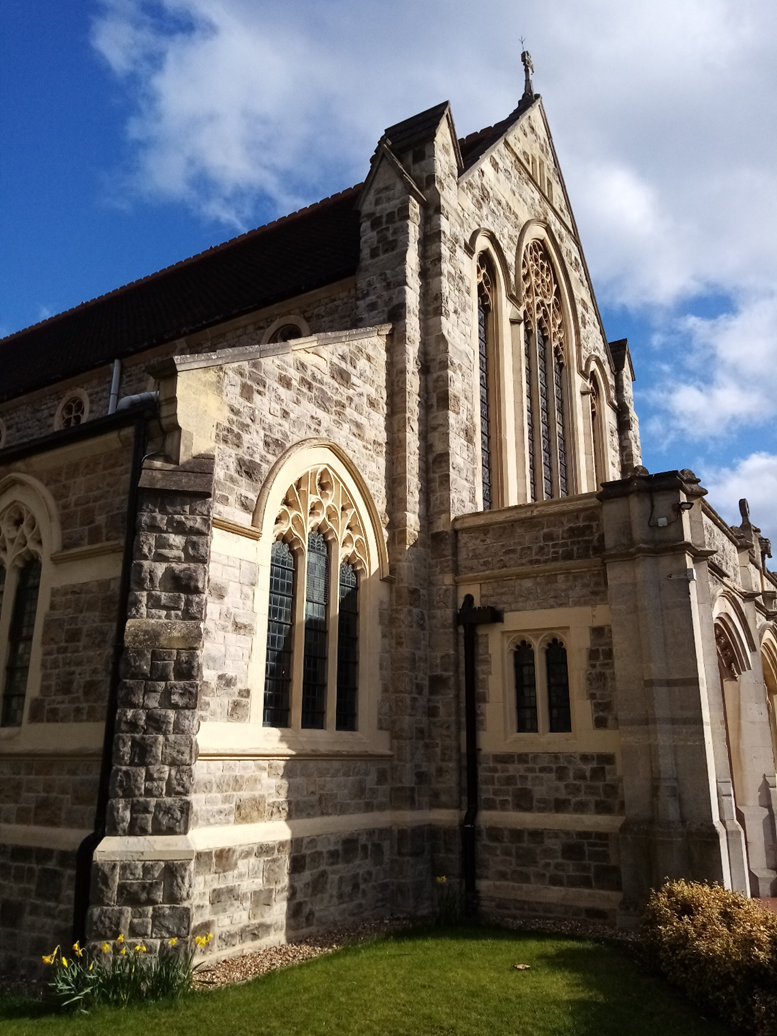
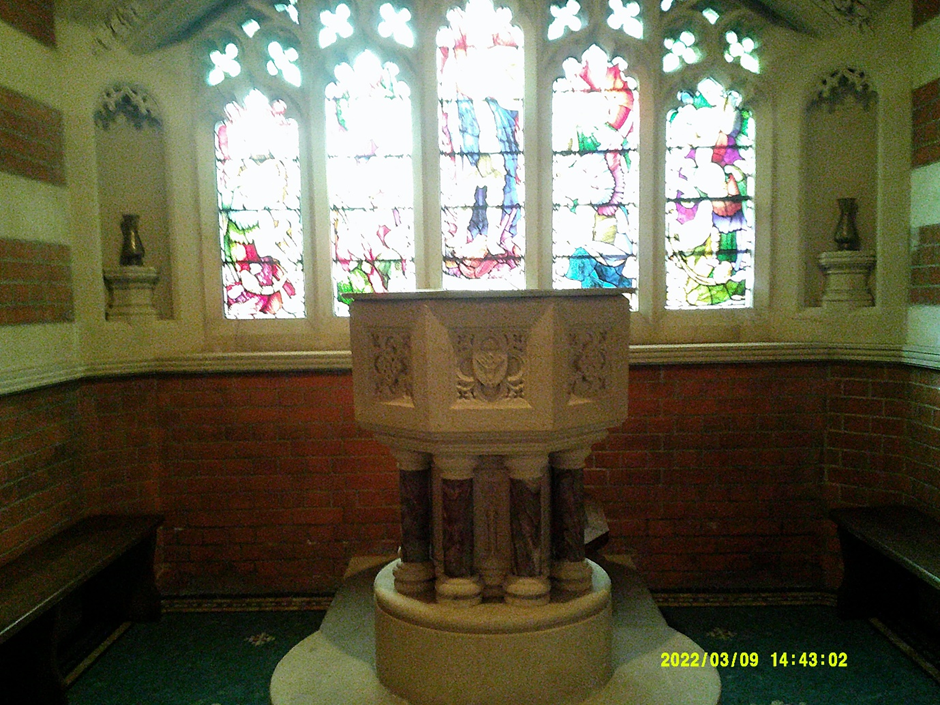
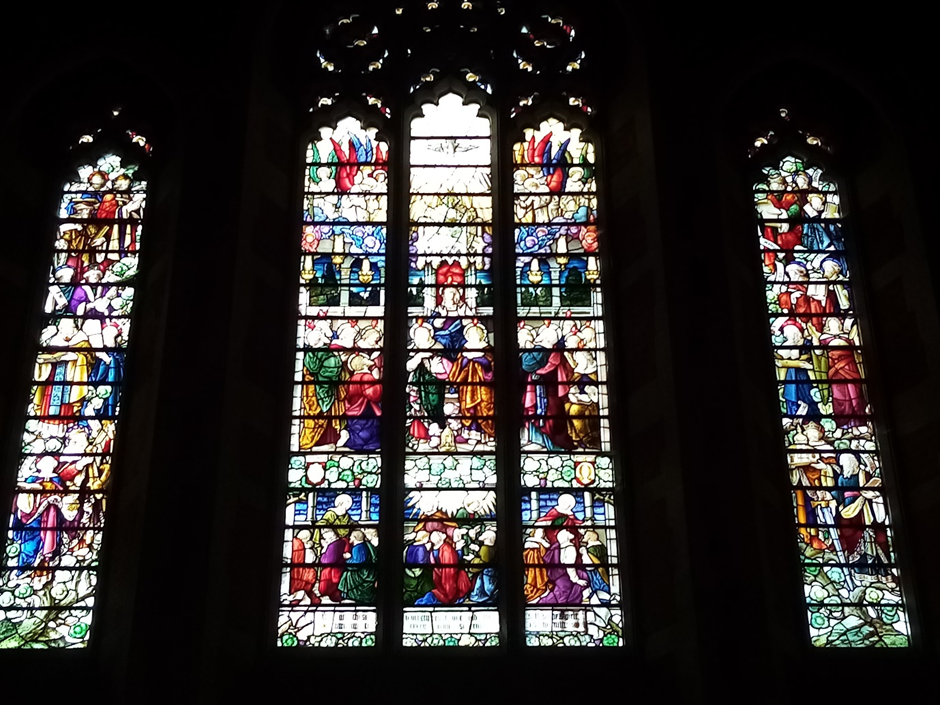
And now, a church built and consecrated 950 years after the first church in Croydon! St Mark’s was built in response to rapid urban growth in the mostly still rural area of South London, an answer to the need for the housing developments of Woodcote and Purley. The church was consecrated in 1910, replacing an earlier temporary building. As a new C of E church, not yet established in the community, it was decided that St Mark’s should be neither ‘High’ nor ‘Low’ church, but Evangelical in its services and outreach. Although St Mark’s was established to serve its upper- and middle-class community, the very first appointed minister arranged for regular church services to be held from a cart drawn to the poorer streets in the town of Purley so that the poorer townsfolk could hear the Gospel preached. Not too many poorer streets in Purley now! An unusual feature of the church is that it has what I call an ‘outside’ bell tower: the bell is in a little tower of its own on top of the church. The church website says, on the history of the building: ‘The plan had included a tower and steeple (with a ring of six bells) on the north side but that proved to be far costly than anticipated.’ So I assume this little tower with its single bell was built instead. The church has some nice stained-glass windows, including one dedicated to Edmund Harrison, who donated the land the church is built on.
Source: Church website

St Peter and St Paul’s, Chaldon
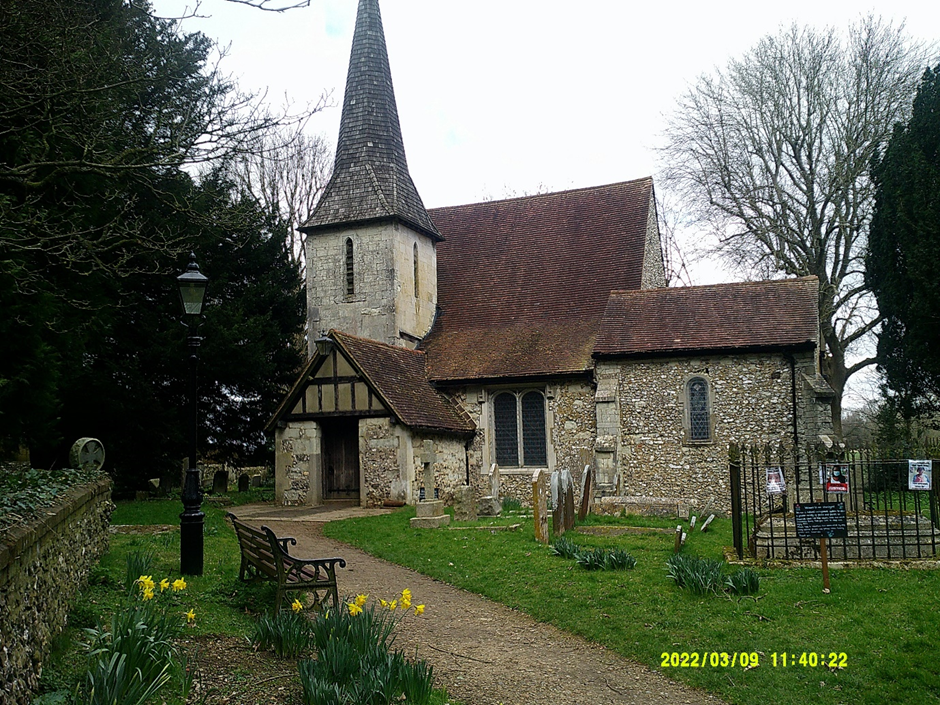
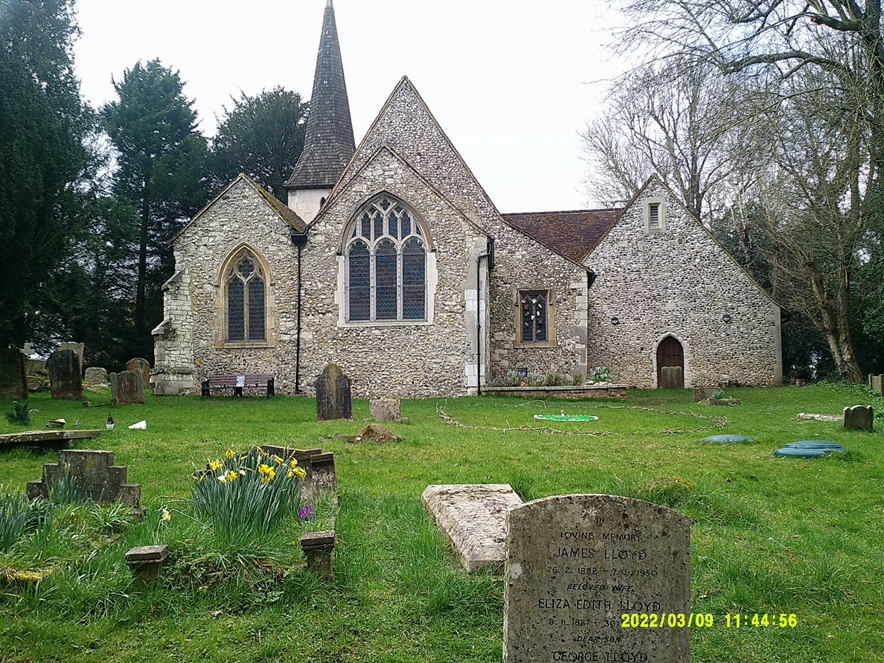
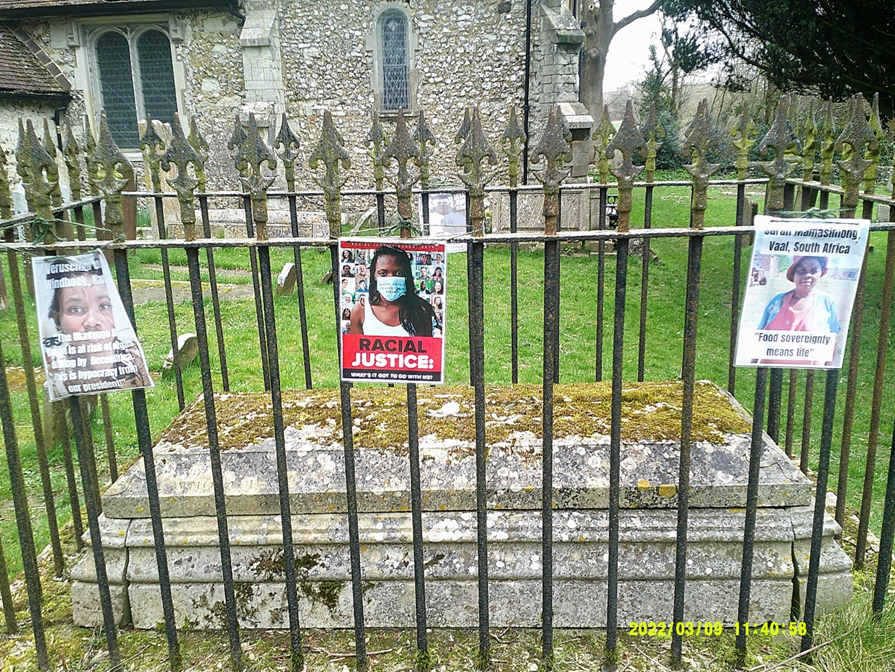
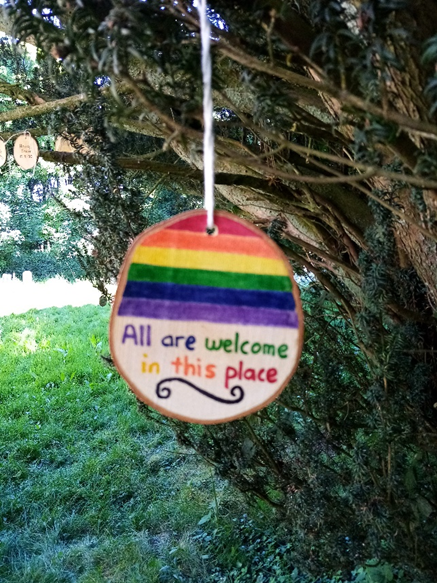
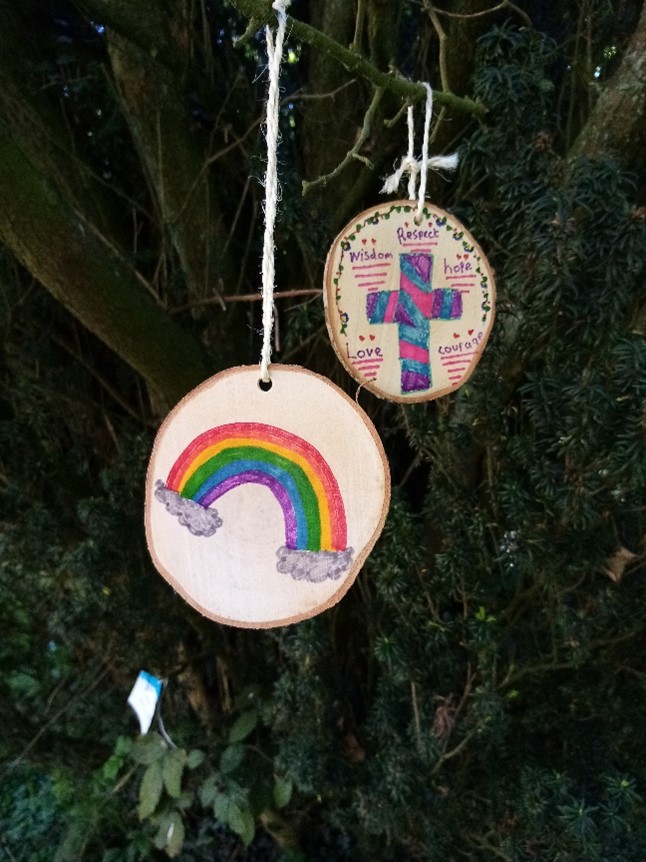
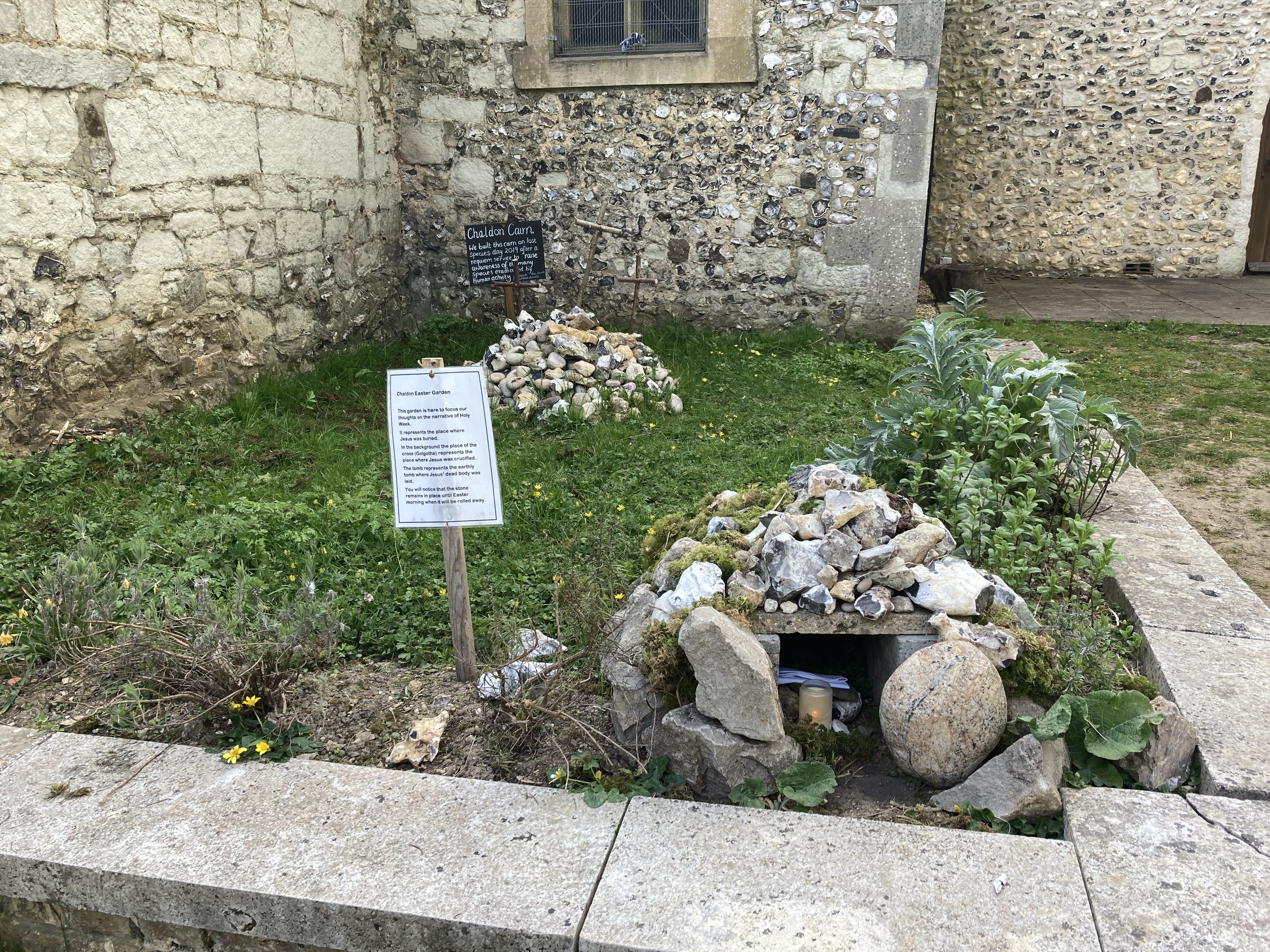
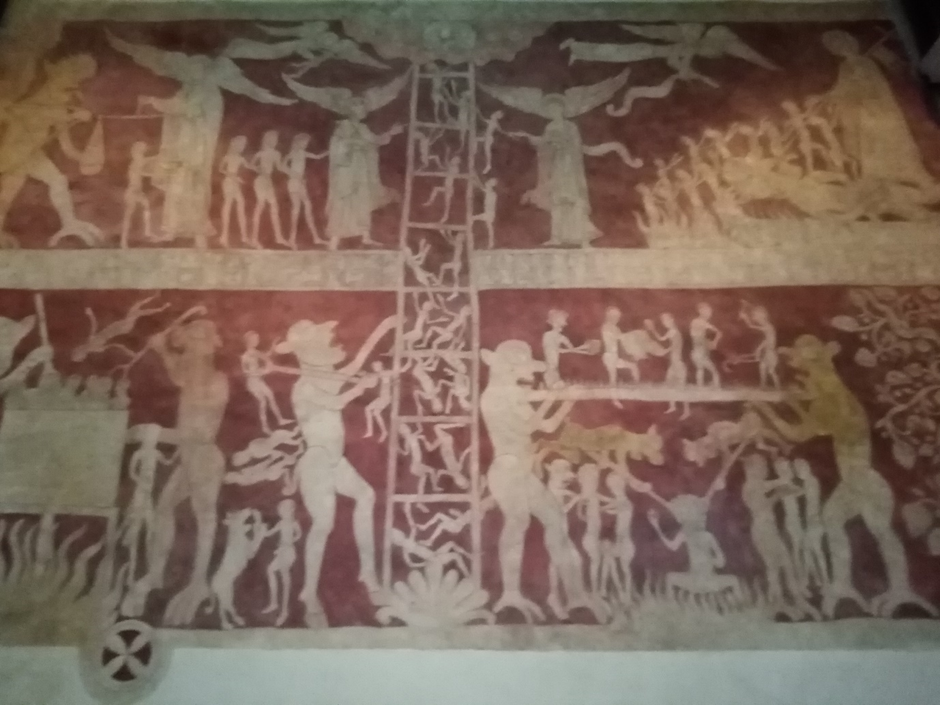
I have to admit, I’m rather obsessed with this church, having visited it in every season and I even have a jigsaw made of it! This little church sits on a hill surrounded by fields and country lanes and has a beautiful churchyard. A Chaldon Church of Saxon Foundation is recorded on the site in 727AD, and the present church was begun in the late 10th century, before the Norman Conquest, and a substantial part this building still stands. St Peter and St Paul’s is famous worldwide for its twelfth century ‘doom mural’ on the west wall, described as ‘perhaps the most interesting ancient wall painting in England.’ The mural depicts the Last Judgement and purgatory and consists of a background of red pigment mixed with egg yolk to make a permanent, fast-drying painting medium which can last for 2,000 years. The figures are in a cream colour which is unusual. The top half of the mural shows the judgement and salvation of souls, and the lower half has demons and souls which have descended into Hell. The ladder in the middle shows mortal souls climbing up to Heaven or falling off down into Hell. All very graphic and terrifying, presumably intended to frighten the congregation into obedience! The contrast with the identity of the church today couldn’t be more striking: there is a strong sense of mission for justice and equality and of love and care of others, evidenced by posters and tree-hangings around the church.
Source: Church website

 claresimons1