The modern London Borough of Tower Hamlets came into being in 1965 when three metropolitan boroughs merged: Bethnal Green, Poplar and Stepney. But the original tower hamlets were small villages (hamlets) north and east of the Tower of London which were not large enough to have their own town hall and mayor, so came under the governance of the Tower. Although it sounds like a modern name, the Tower Hamlets date back to the 1500s. The borough includes the ‘traditional’ East End, it’s where Walford of EastEnders would be if it was real! And it has expanded to include the Isle of Dogs and the business district of Canary Wharf. This month I visited four churches within the aforementioned metropolitan boroughs.
Source: Wikipedia
All Saints Church, Poplar
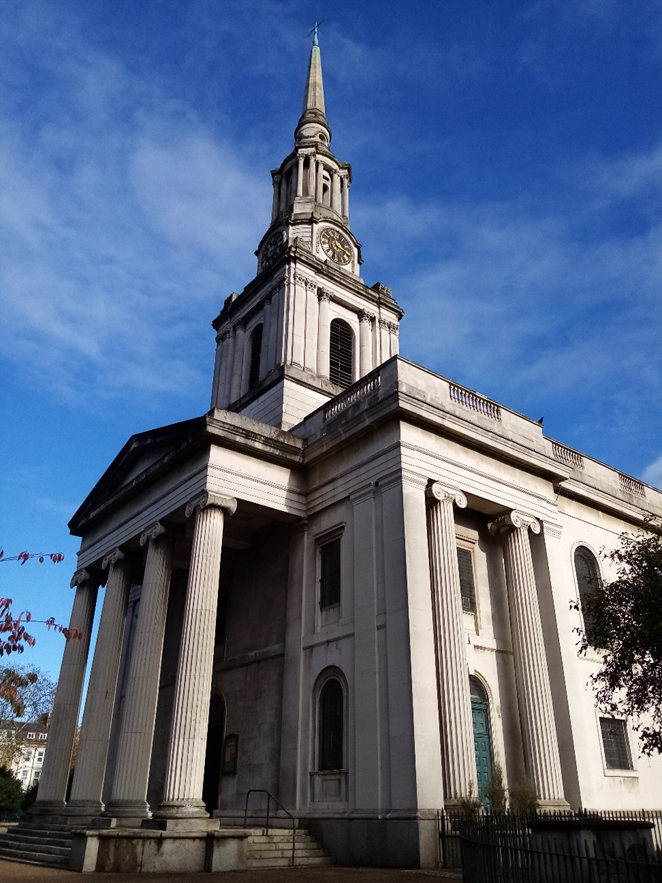
This is the large Victorian church mentioned in ‘Call the Midwife’ by Jennifer Worth: ‘The Sisters and lay staff attended All Saints Church, East India Dock Road for midnight Mass. I was astonished to find the church absolutely packed….it must have held 500 people that night.’ * The church was built in 1821-23 to serve the newly created parish, which at the time included wealthy merchants and professionals connected with the shipping trade. The East and West India Docks had been dug out at the turn of the 19th century and a large development of terraced houses and flats was built to house the huge workforce employed on the ships and in the dockyards. As Jennifer Worth notes in her books, all classes of worker: professionals, management, skilled and unskilled attended All Saints as their local parish church. The London docks were heavily bombed in the 1940s Blitz, when the church was severely damaged and night after night, hundreds of people used the crypt as an air raid shelter. Fast forward to 2022 and the crypt has a very different purpose. Every weekday morning it is open for homeless people as a warm and welcoming space to get hot drinks and snacks, charge their phones and get housing and benefits advice, perhaps watch TV or have a game of snooker. Thanks to Paul and the team from Thisisgrowth.org for chatting to me and showing me around!
Sources: *Call the Midwife, Jennifer Worth, 2002, Phoenix Paperbacks; Wikipedia
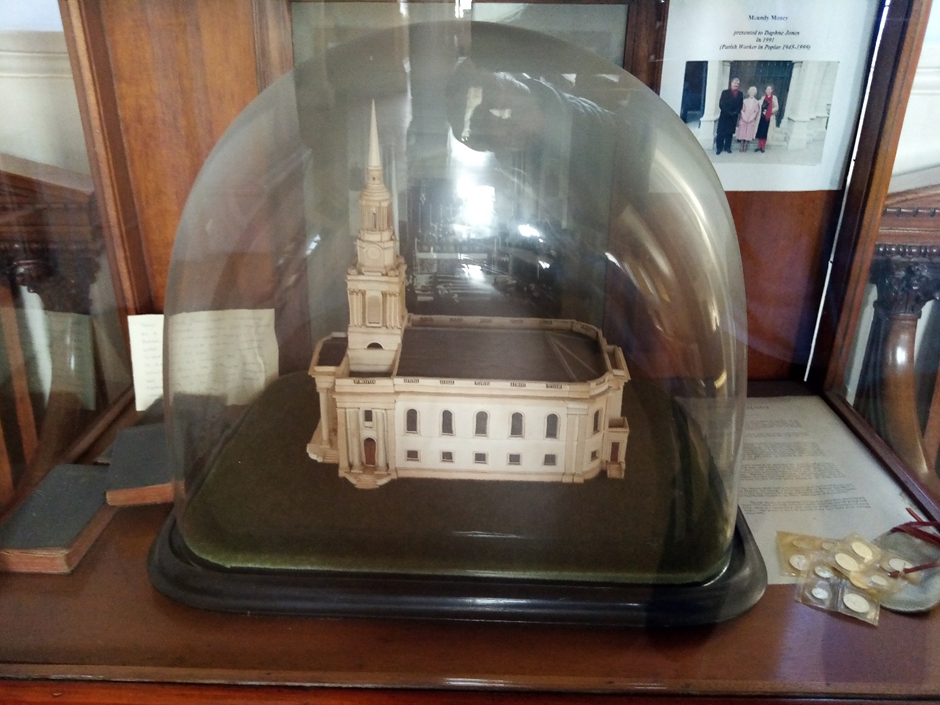
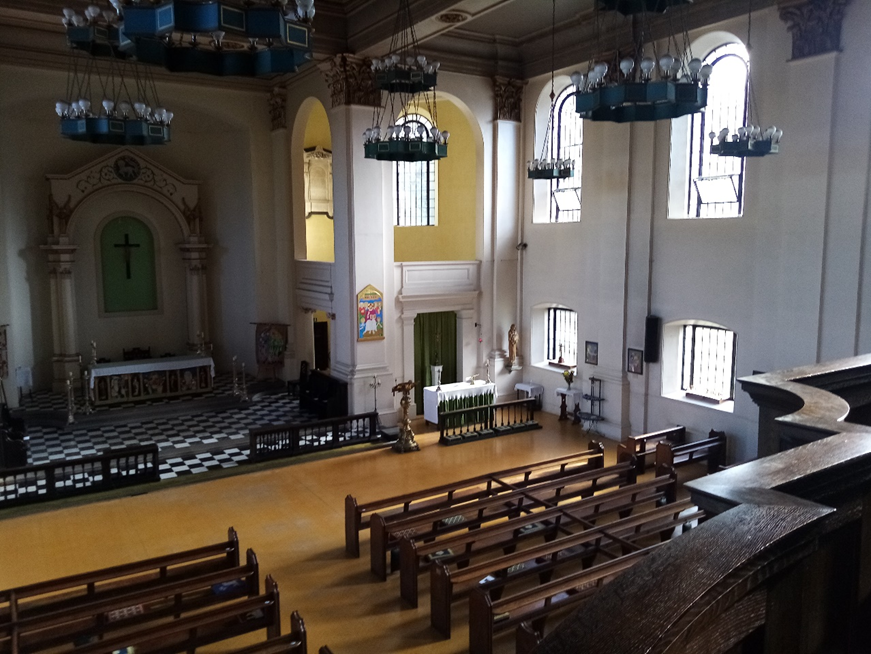

A haven for homeless people in the crypt of All Saints
St Anne’s, Limehouse
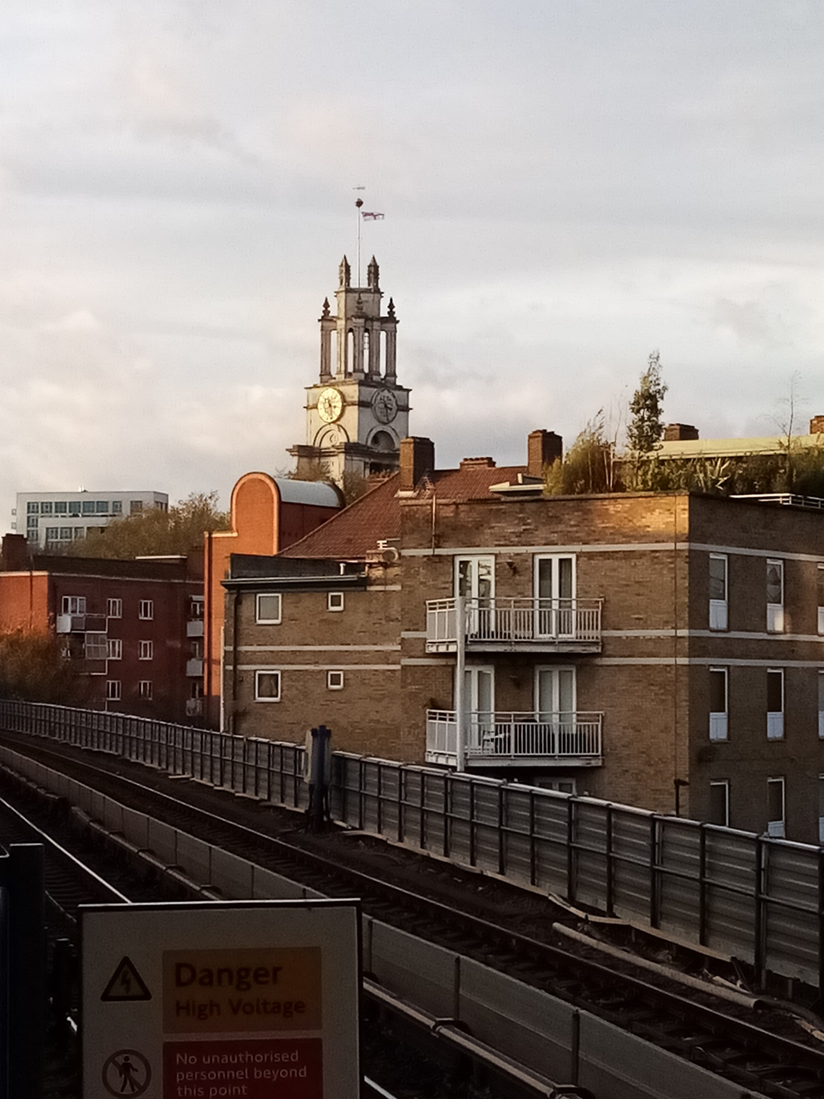
All the churches I visited are fairly large, but St Anne’s Limehouse is huge, towering above all local buildings when seen from the elevated DLR. The current building was designed by Nicholas Hawksmoor and completed in 1730, one of 12 churches built to serve the rapidly expanding population of London in the 18th century. Other supersized Hawksmoor churches are Christchurch Spitalfields and St George-in-the-East. The church may have been named for Queen Anne, who reigned from 1707 to 1714, because she raised the money to build it by taxing the transportation of coal along the River Thames. She decreed that as the church was close to the River it would be an important place for sea captains to register important events taking place at sea and granted to St Anne’s the right to display the Royal Navy’s second most senior ensign, the White Ensign. The Queen’s (or possibly now King’s) Regulations still allow it to be displayed 24 hours a day, 365 days a year. Occupying a site close to the Limehouse Cut and Regent’s Canal Dock (now Limehouse Basin), St Anne’s was another church built to serve the community of ship owners, merchants and dock workers.
Source: Wikipedia
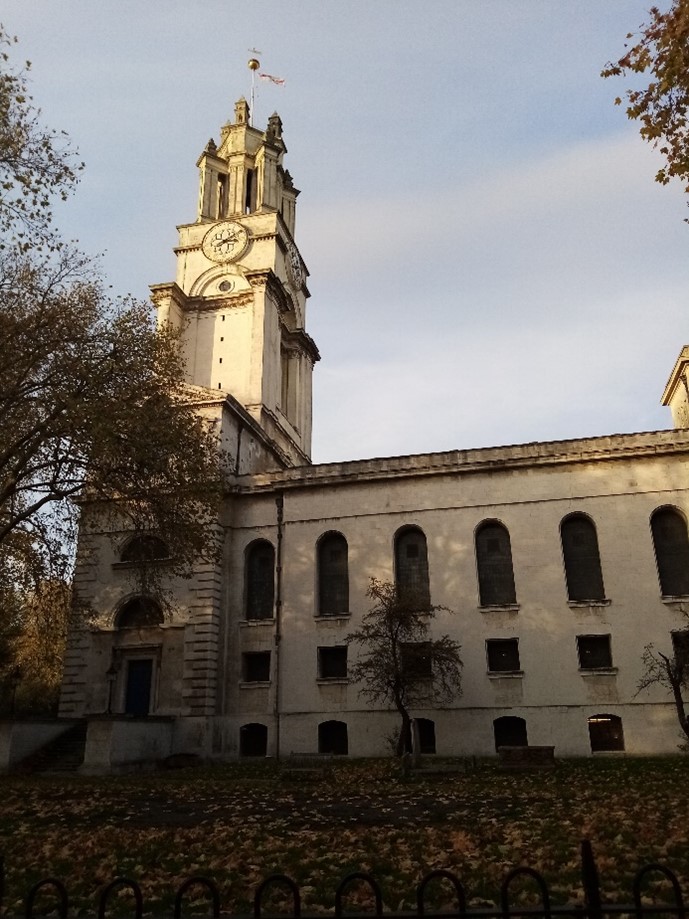
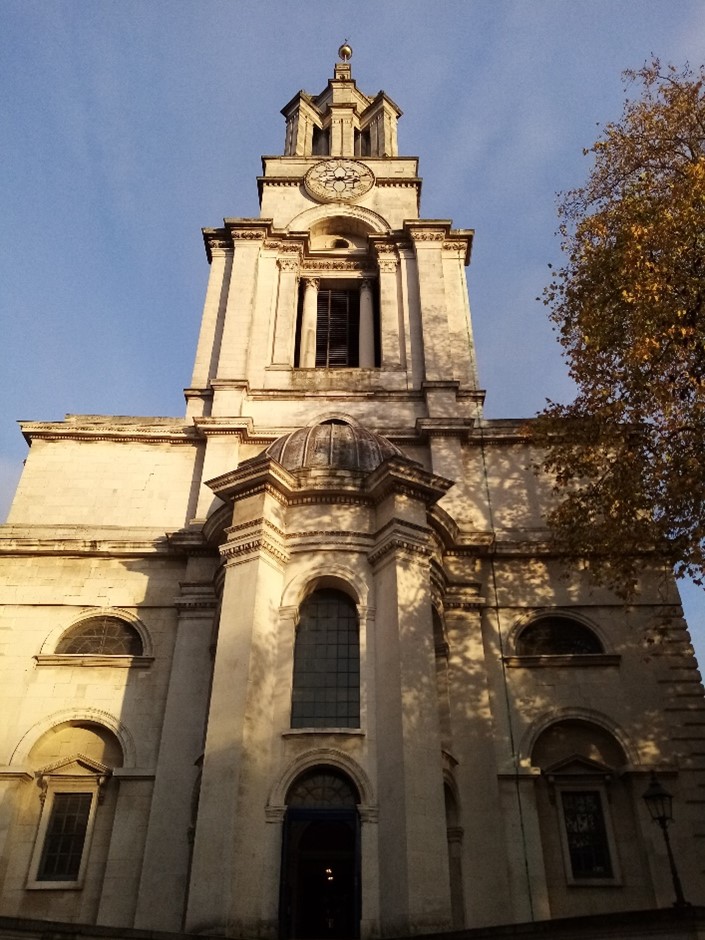
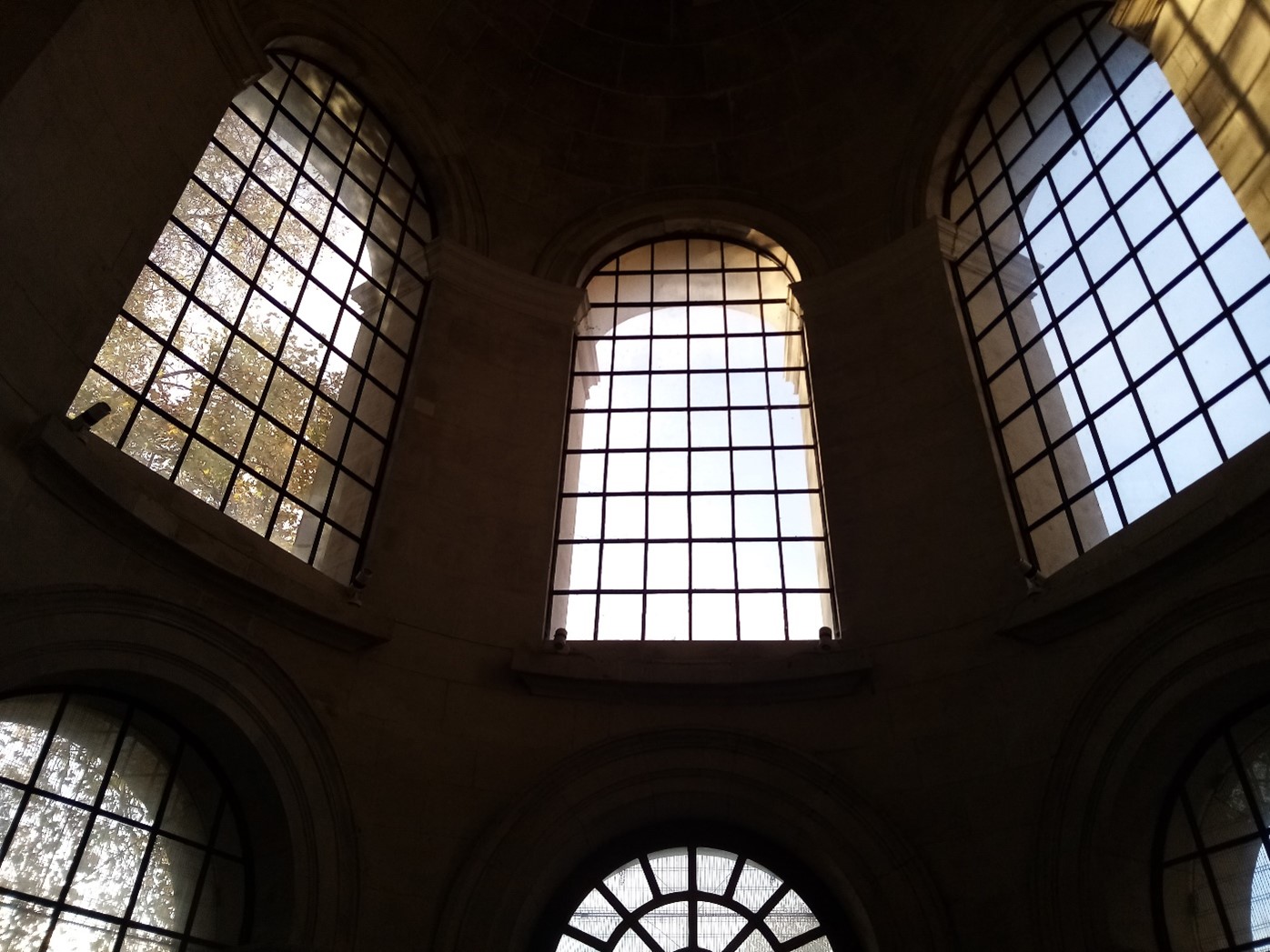
Imposing Entrance to St Annes
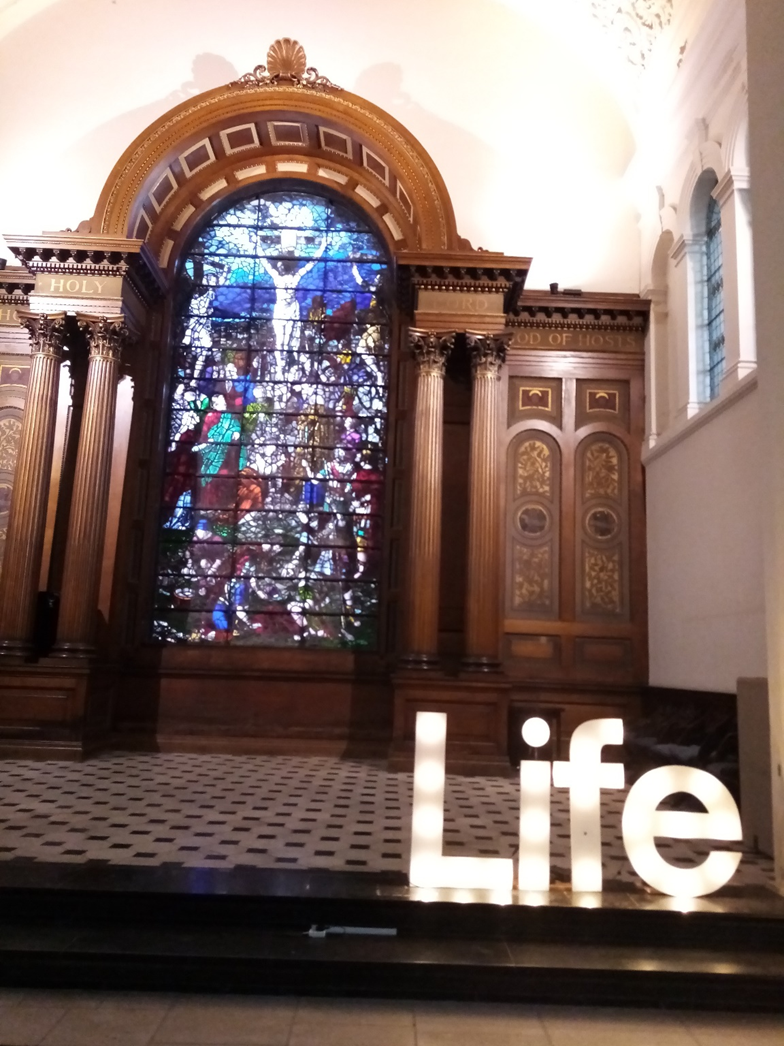
St John on Bethnal Green
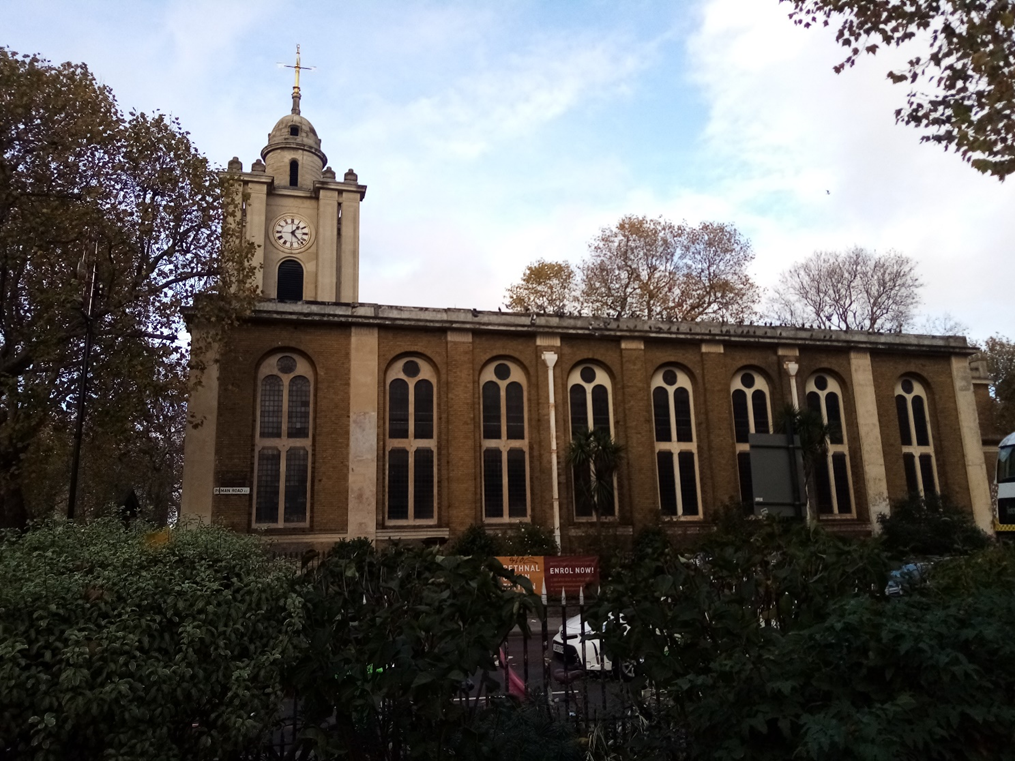
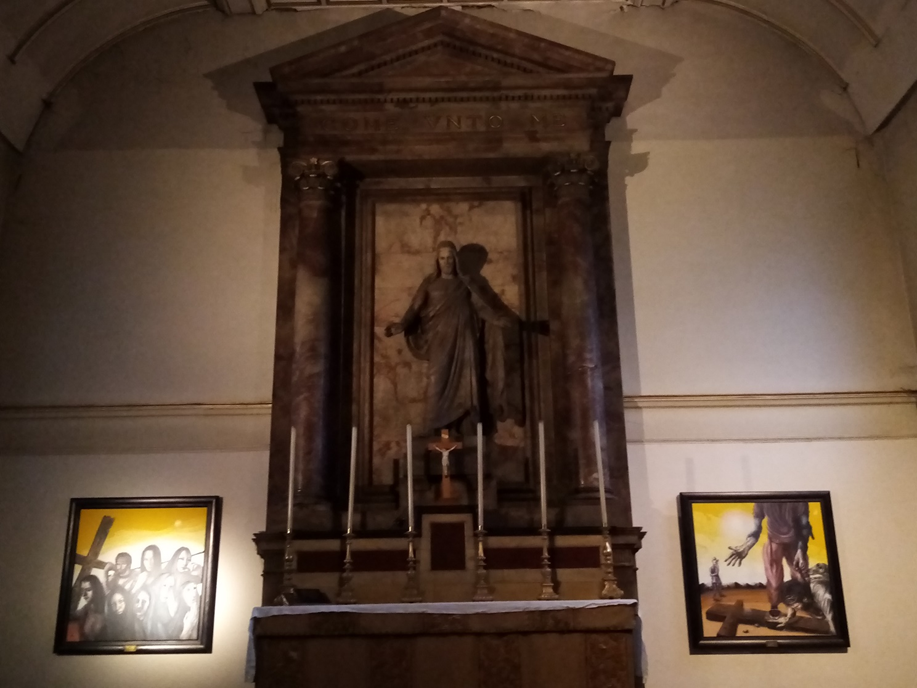
Like All Saints, St John was built is the early 19th century. It was designed by the architect Sir John Soane, most famous for designing the Bank of England, and the church is actually on the Green. What I found interesting about the interior of the church is the specially commissioned Fourteen Stations of the Cross paintings. The artist who was granted the commission by the Church of England in 2000 was a controversial choice because he is not a practising Christian. However, it was agreed that Chris Gollon could produce the designs for the paintings in consultation with Fr Alan Green, the Rector of the church. St John holds regular art, music and film events and has been listed in The Guardian newspaper as one of the top five cultural highlights of the East End because of its mixture of spirituality and art. There was an art exhibition when I visited; dozens of paintings were displayed in the porch and upstairs in the gallery of the church. Directly opposite the church is Bethnal Green Underground Station which has a memorial to the worst civilian disaster of World War ll which happened at the station. As the air raid warning sounded on 30th March 1943, hundreds of people ran to the tube station to take cover. 173 people were killed in the ensuing crush in the entrance and on the staircase. The memorial, unveiled in 2017, lists the names of all the victims.
Sources: Wikipedia; historic-uk.com

Two pictures from the Stations of the Cross 
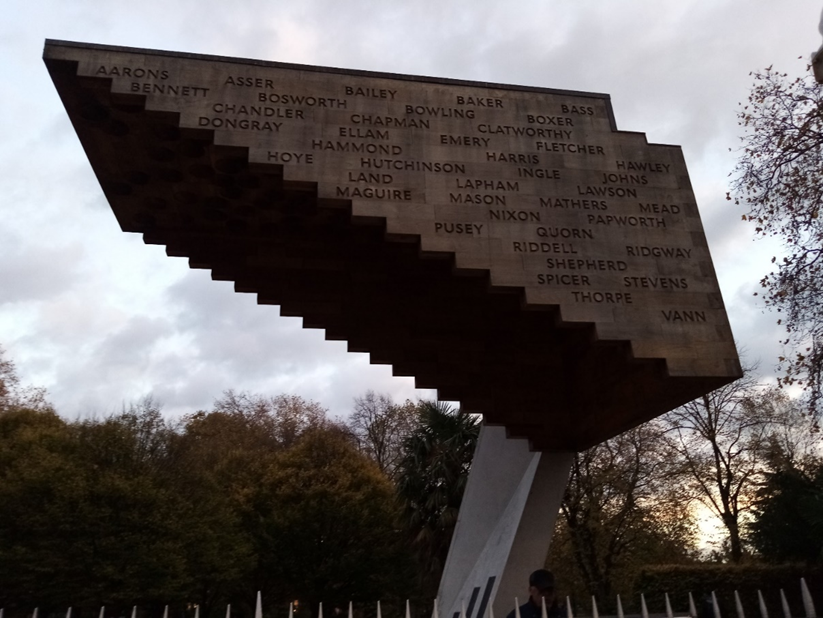
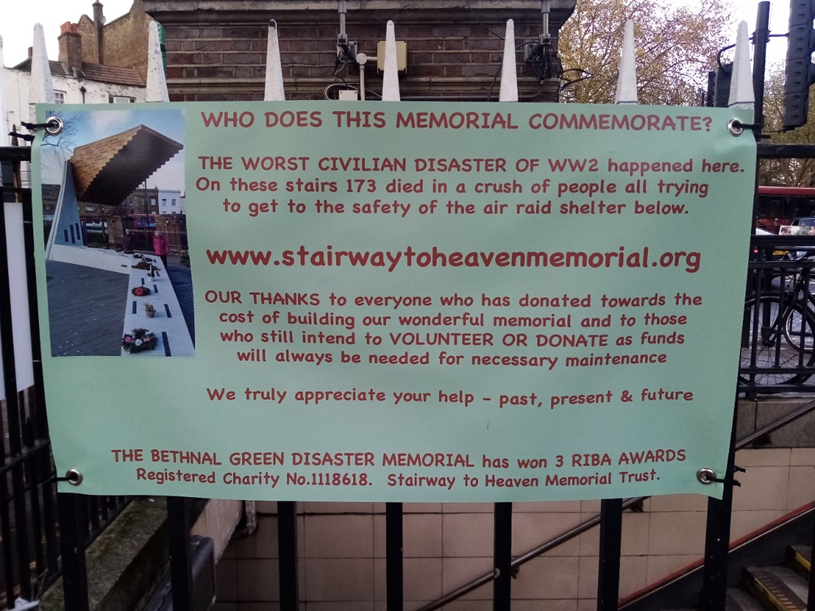
Memorial to the 1943 Bethnal Green Tube Disaster
St Dunstan’s, Stepney Green
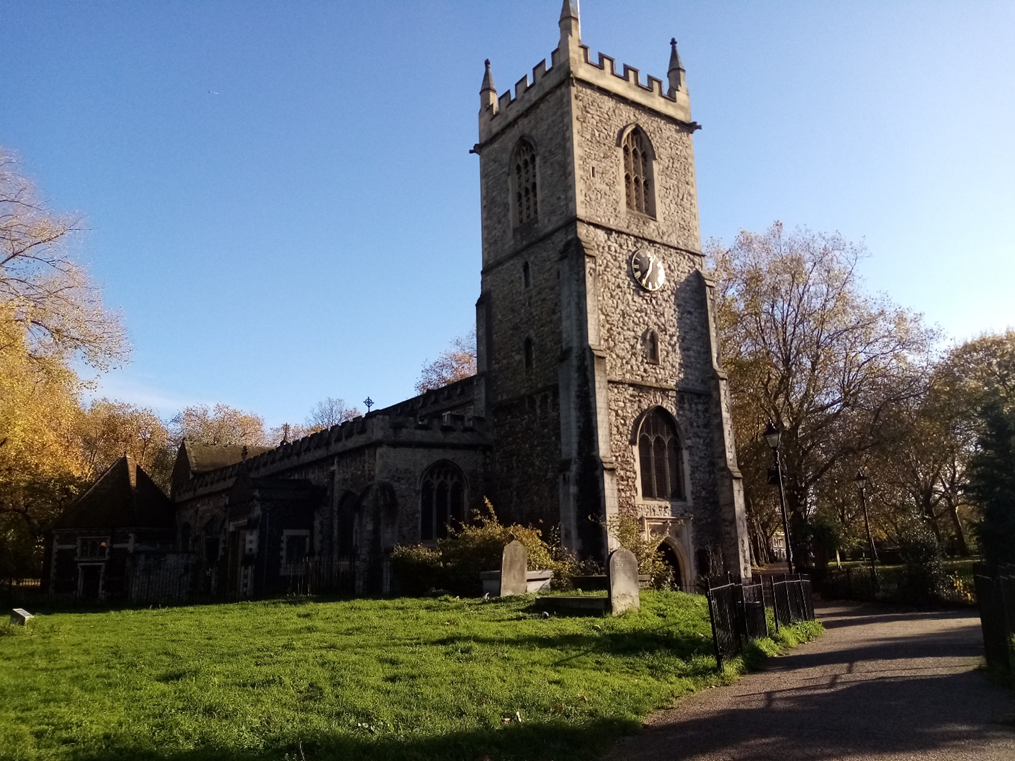
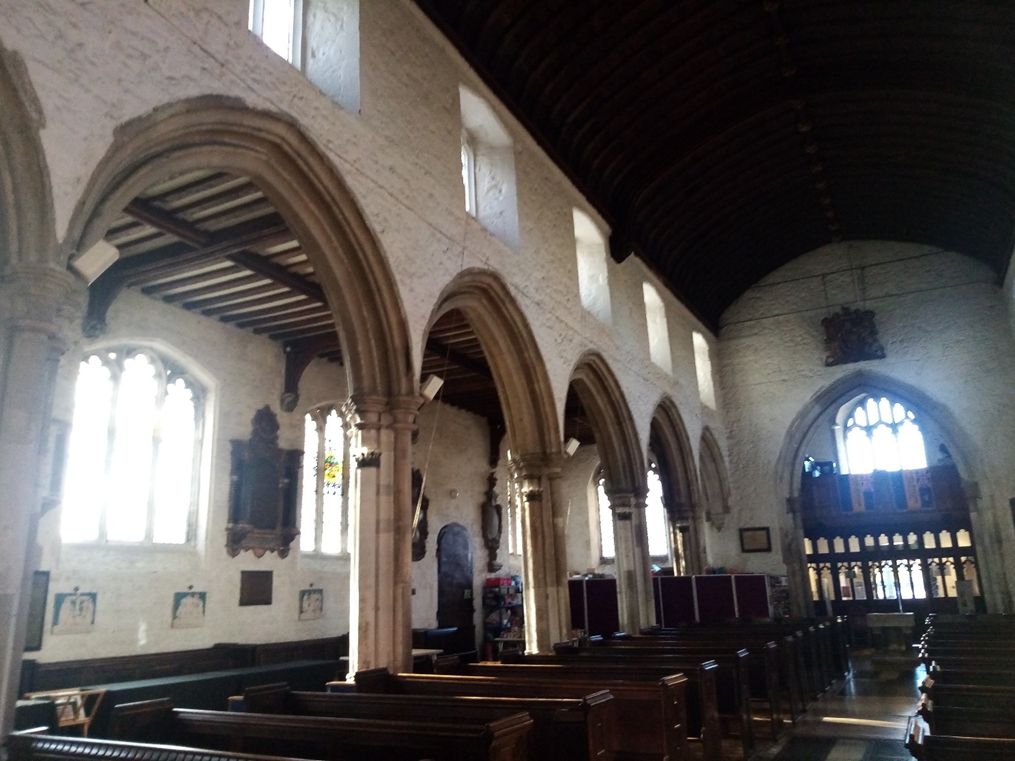
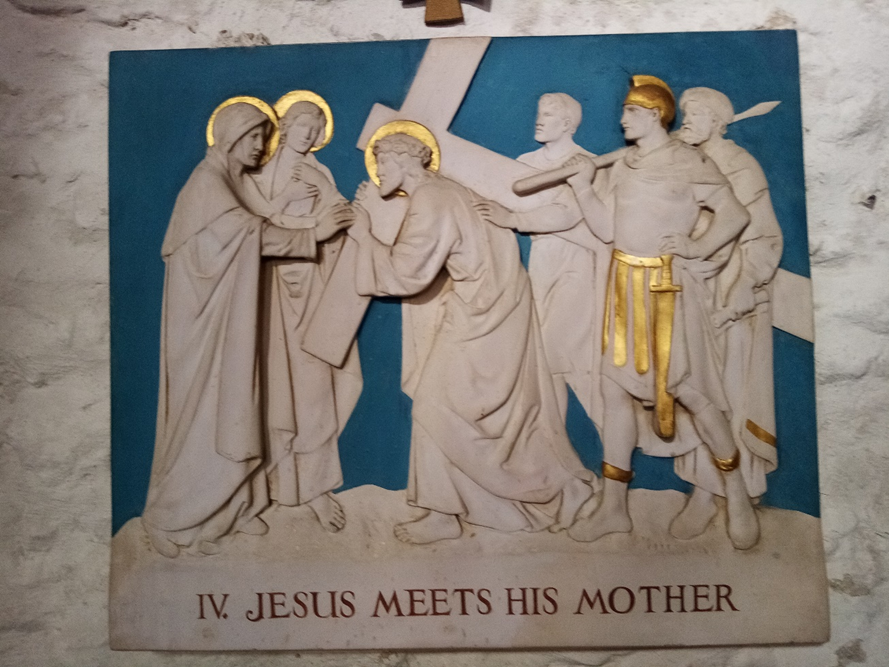
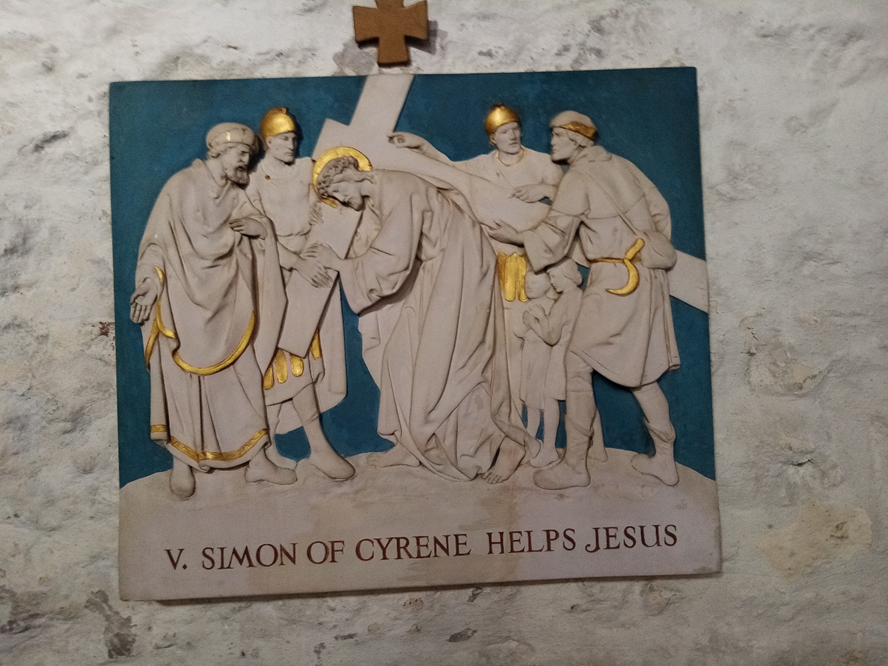
There are several churches in the London area dedicated to St Dunstan. He was a first century Bishop of London, Minister of State (an early Prime Minister) to several kings and finally Archbishop of Canterbury. Approaching St Dunstan’s today, for a moment the church and its surroundings look as they have done for hundreds of years. Indeed, the site has been used for Christian worship for over a thousand years. In AD952 Dunstan replaced the wooden structure on the site with a stone building dedicated to ‘All the Saints’. He was probably living at the Manor of Stepney at the time. When Dunstan was made a saint in 1029, the church was rededicated to St Dunstan and All Saints. The current building is 15th century and was added to in the Victorian era. The church is known as The Mother Church of the East End as the parish covered most of what would become inner East London. Inside, the Stations of the Cross are displayed, not as dramatic as those of St John, but unusual because they are in relief. Outside, the churchyard was enlarged in the 17th century to cope with the huge numbers of deaths during the Great Plague; in one 18-month period, 6,583 people died. The churchyard was closed to burials in 1854 and was converted to a garden a few years later by the Metropolitan Public Gardens Association. It remains a pleasant place to walk and sit- I had my lunch there!
Source: Wikipedia

 claresimons1