Here are four more ancient sites of Christian worship and community, dating from the 600s to the 900s AD. Their origins are obscure and surrounded in myth and legend; little remains of the original buildings and the only evidence we have of their existence is documents from the time and stories handed down through the generations. But it was good to visit these sites and imagine myself back in time…..
Westminster Abbey
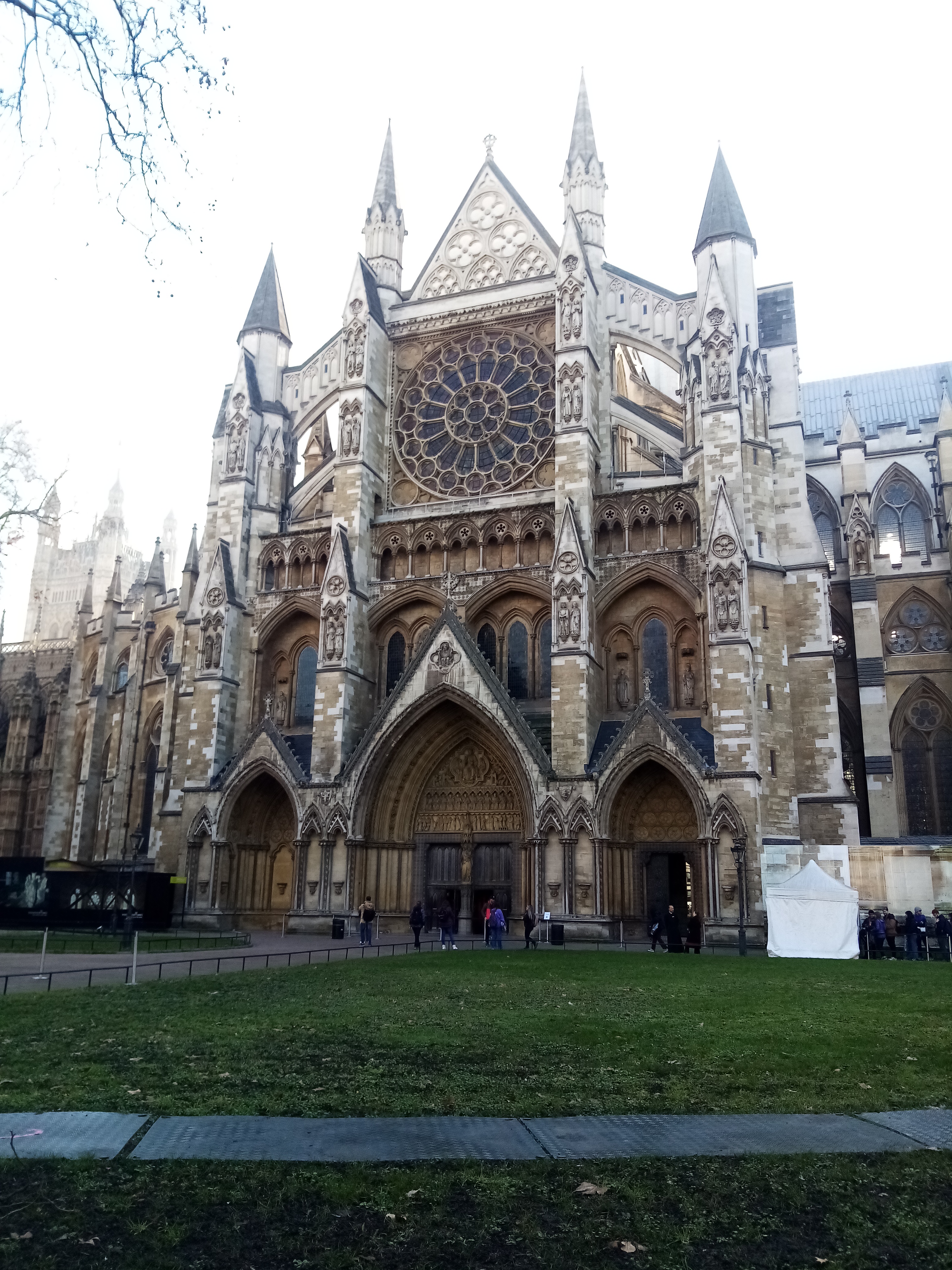
The site of Westminster Abbey ( officially the Collegiate Church of St Peter) has been considered sacred for well over 1,000 years. ‘A document of 785 describes it as “that terrible place which is known as Westminster” – terrible, in this context meaning sacred or holy terror.’* The first recorded origins of a Christian site are of a monastery dedicated to St Peter in the 960s AD, probably founded by a Christian Saxon King, Sebert. There is also a legend/tradition that a young fisherman had a vision of St Peter (once a fisherman himself!) on Thorney Island; at one time the site was a small island in the Thames. Between 1042 and 1052, King Edward the Confessor began replacing the original wooden buildings with the new Abbey of St Peter, to provide himself with a royal burial church. The earliest remaining parts of the 11th century building are the Chamber of the Pyx and the Chapter House (see below.) The Abbey later became known as Westminster Abbey to distinguish it from the ‘East Minster’, St Paul’s Cathedral, and in the last 900 years, has been the location of 39 coronations, burial site of 18 English, Scottish and British monarchs, and at least 16 royal weddings.
*London The Biography, Peter Ackroyd, Vintage, 2000. Other sources: Wikipedia, Westminster Abbey website, notices in the Pyx Chamber and Chapter House
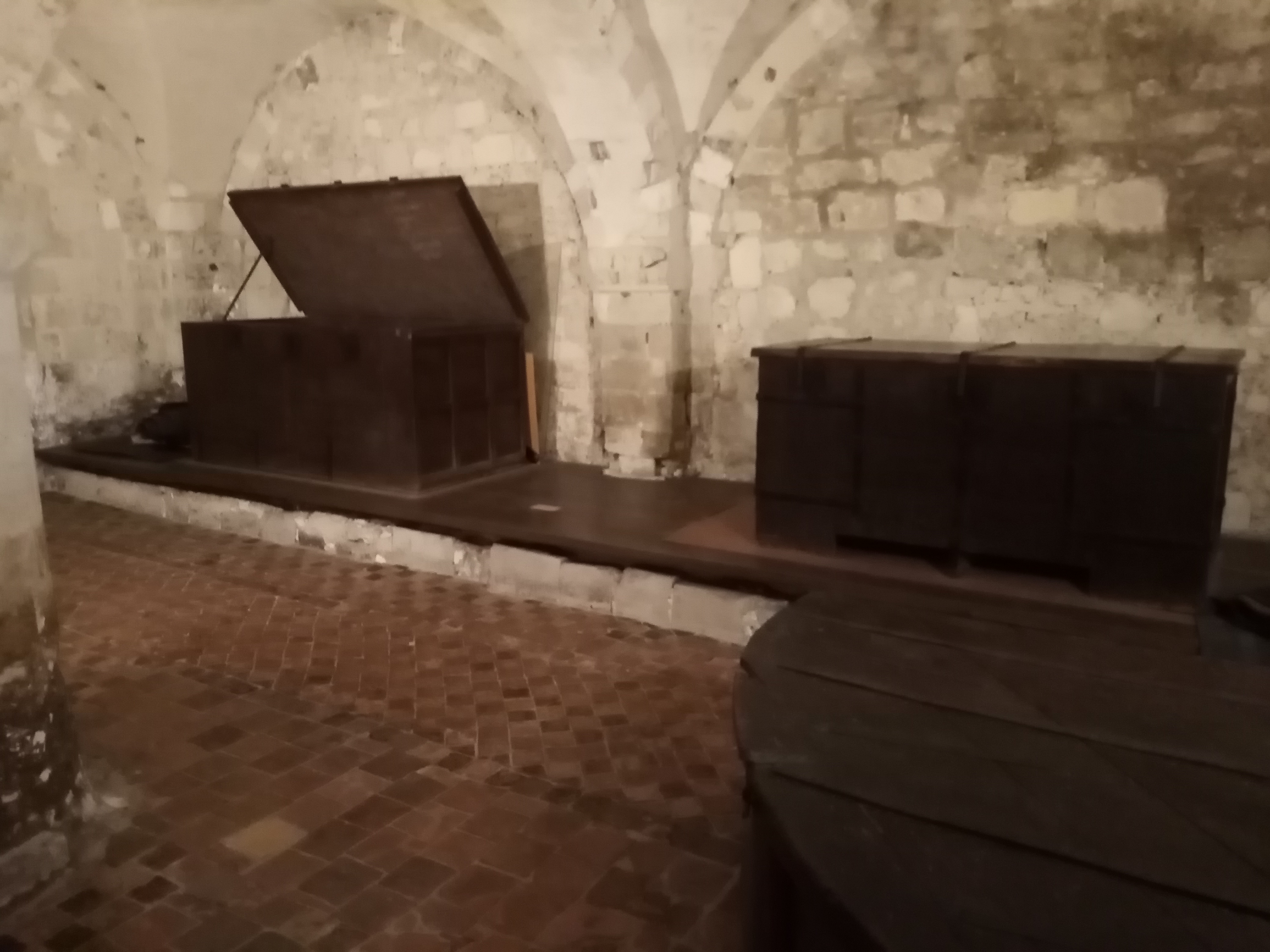
The name ‘Pyx’ refers to small boxes containing the official samples of gold and silver coinage kept here. Newly-minted coins were annually tested against these samples in a public ‘Trial of the Pyx.’ The Pyx Chamber also served as a strong room, like a safe, containing valuable items belonging to the monarch.
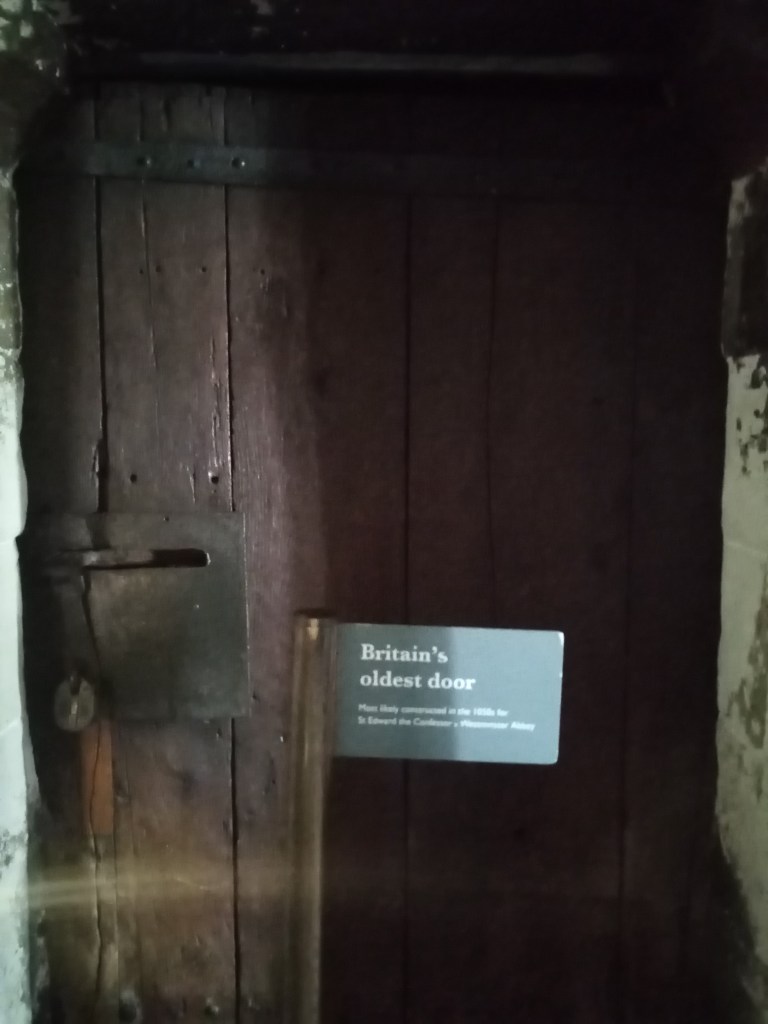
England’s oldest door, made for Edward the Confessor 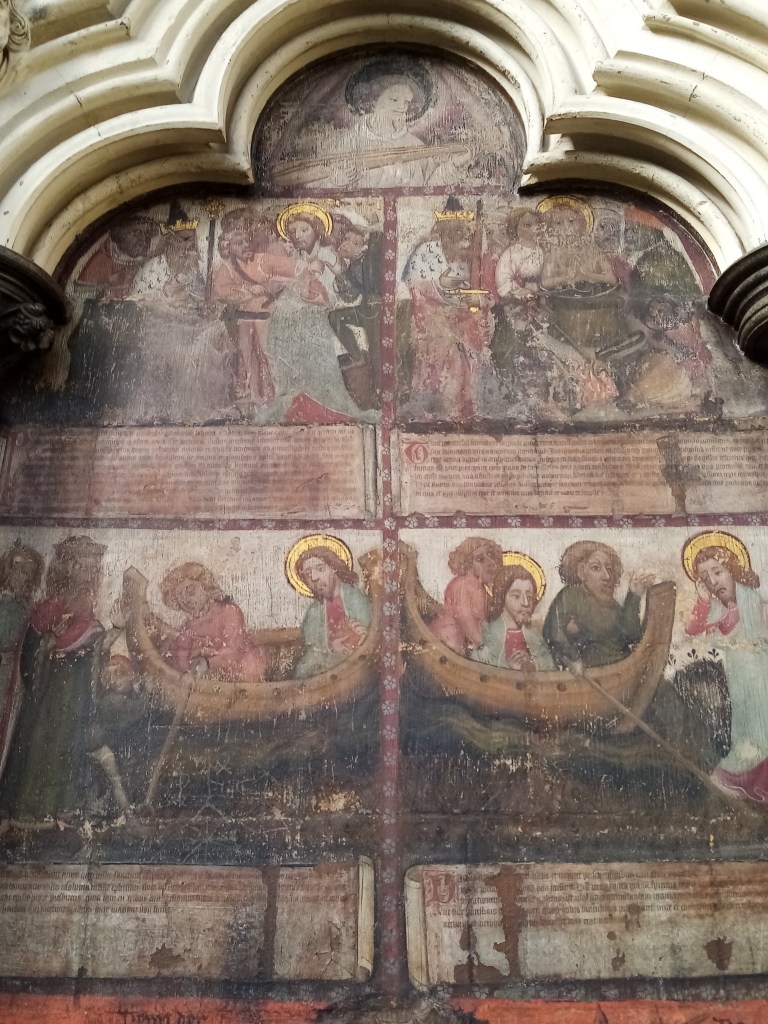
smart 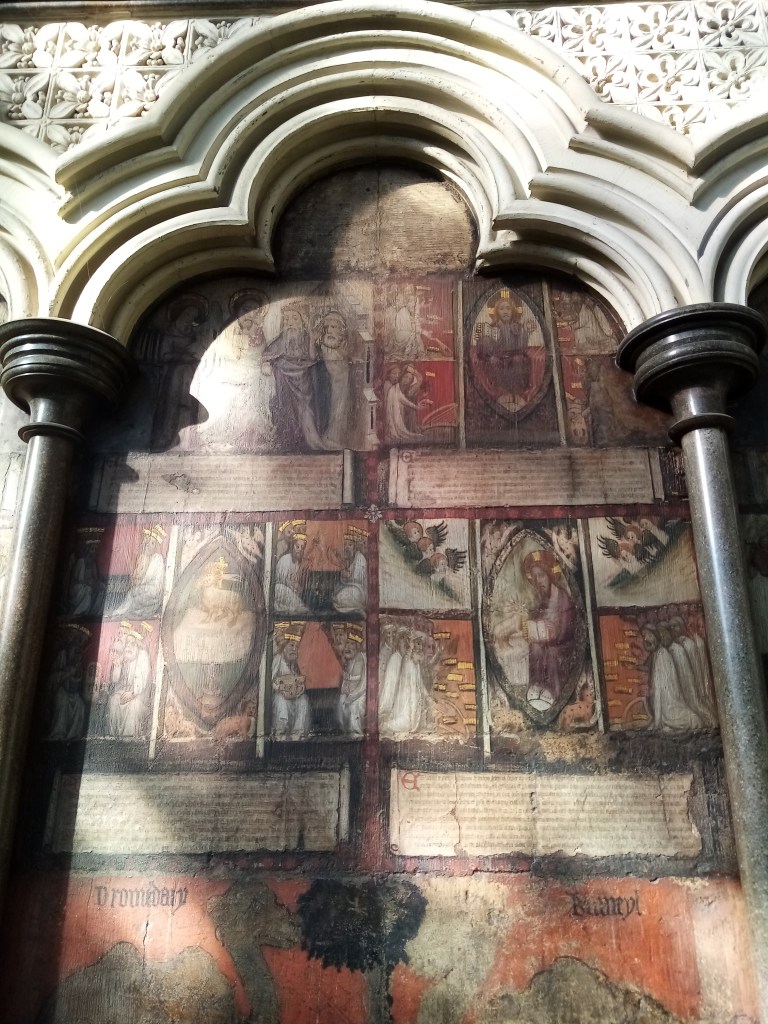
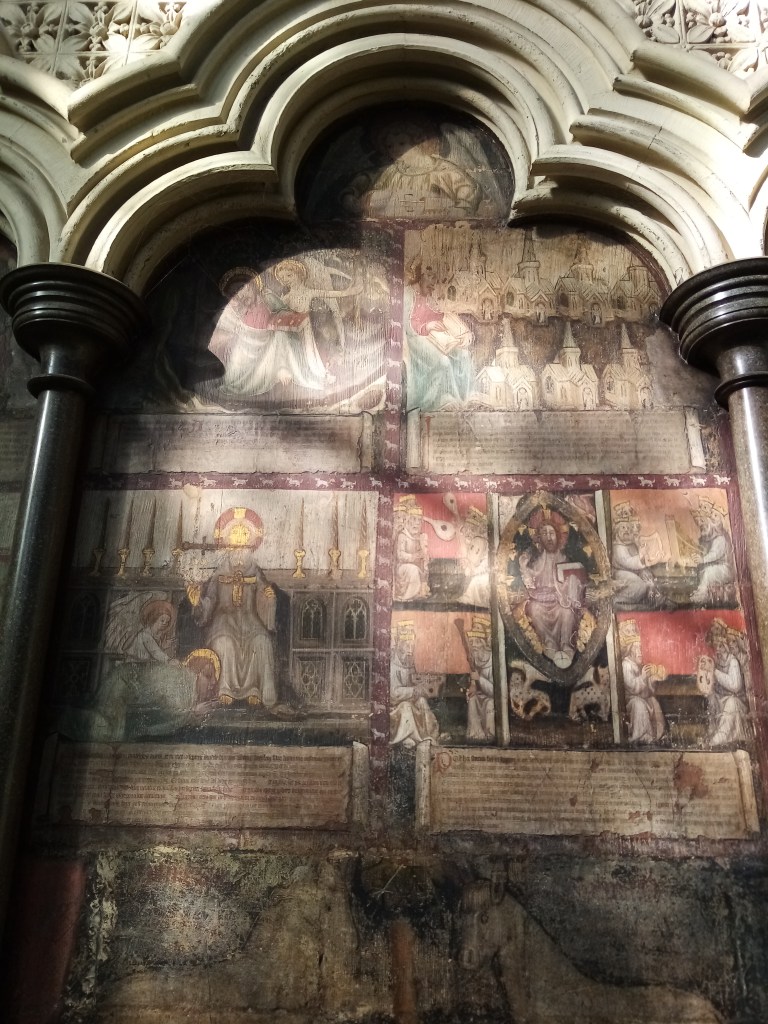
‘England’s oldest door’, made for Edward the Confessor, was not in situ but elsewhere in Westminster Abbey. The beautiful Mediaeval wall paintings in the Chapter House show scenes from the Book of Revelation.
Southwark Cathedral
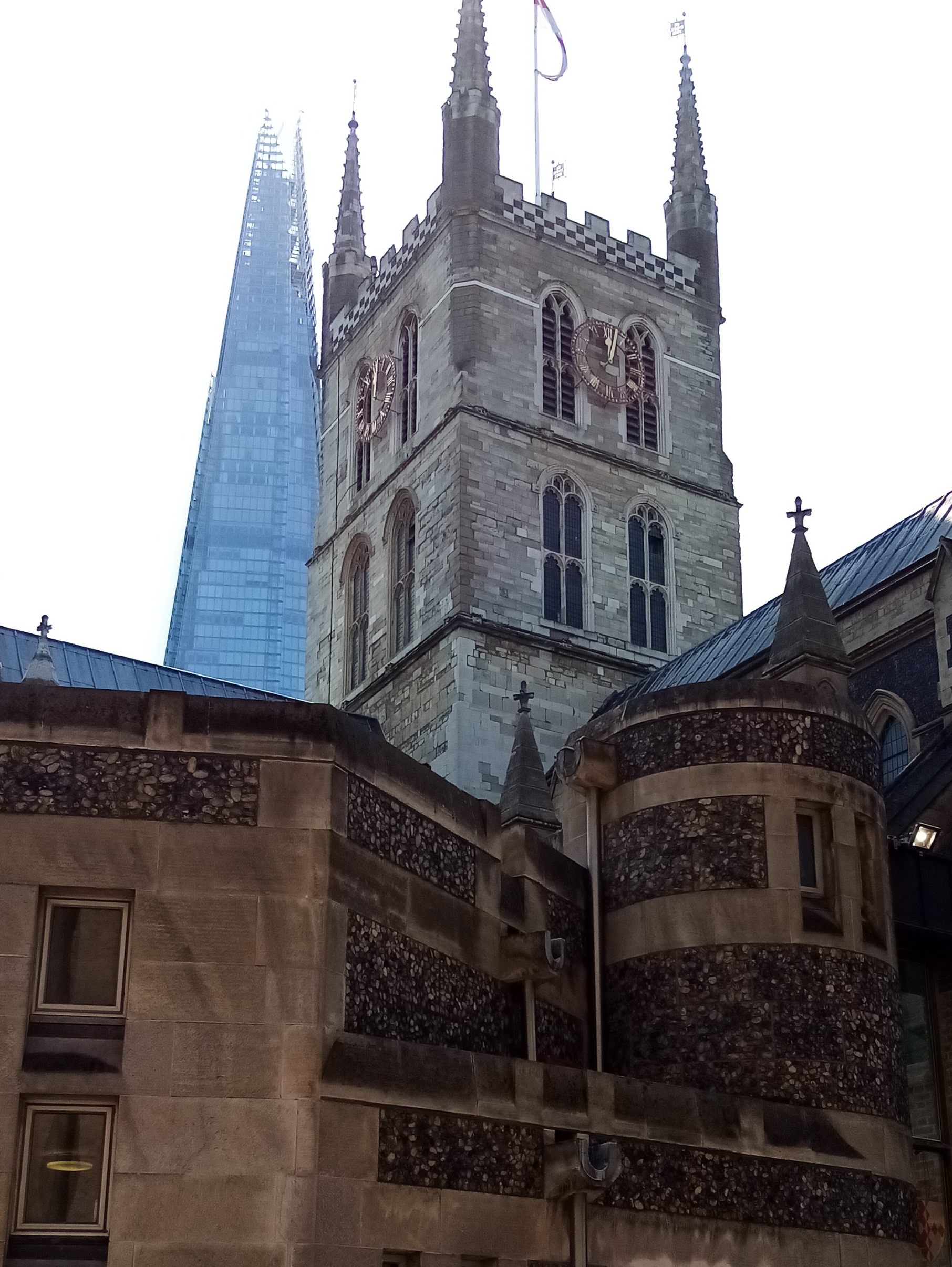
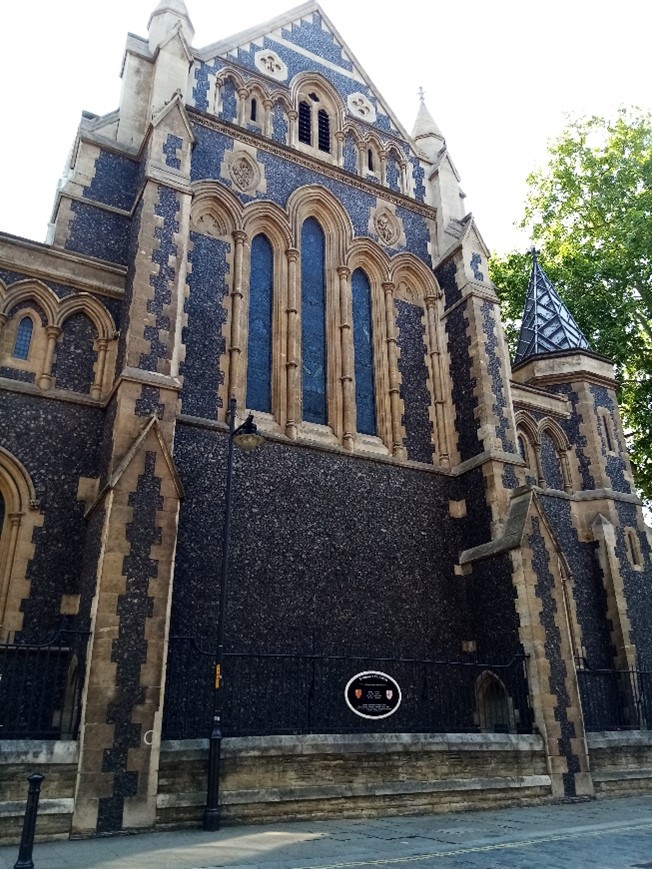
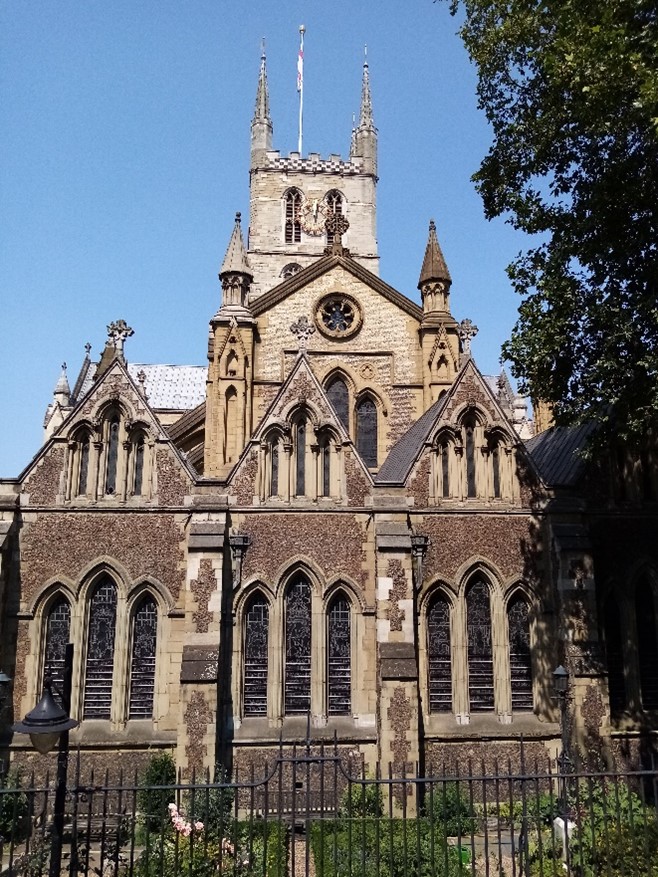
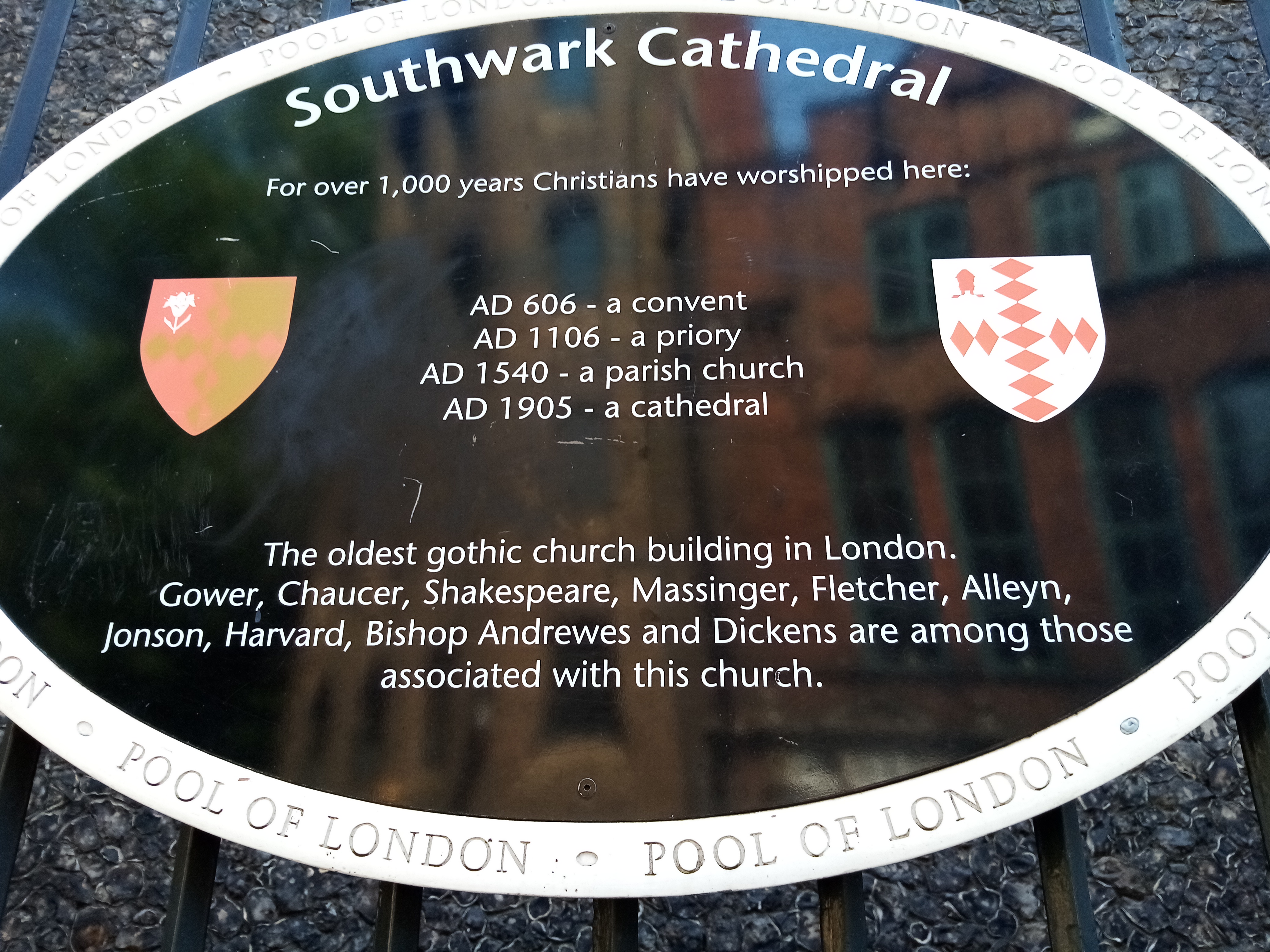
The Cathedral and Collegiate Church of St Saviour and St Mary Overie stands at the oldest crossing point of the River Thames; for many centuries this was the only entrance to the City situated across the river. This has been a site of Christian community for more than 1,000 years but was only designated as a cathedral in 1905 with the creation of the Diocese of Southwark. As usual, its origins are surrounded in mystery; the 16th century historian John Stow suggests that the first establishment on the site was a community of nuns founded in 606AD by St Swithin, which may well be true. But the first verified reference is of a ‘minster’ in the Domesday Book of 1086. In 1106 the church was ‘re-founded’ as an Augustine priory. The church was dedicated to St Mary and known as St Mary Overie – ‘over the river’ – to distinguish it from all the other Mary churches on the City side. The Augustine cannons founded a hospital next to the church which was the direct predecessor of today’s St Thomas’ Hospital which stands today near Lambeth Palace. At the Dissolution of the Monasteries in 1539, the church became the property of Henry Vlll who rented it to the congregation! A group of merchants bought the church in 1611 for £800 from the then King James l. Small beginnings for a Cathedral whose diocese it serves has a population of two and a half million people, served by over 300 parishes.
Source: Southwark Cathedral website
Barking Abbey
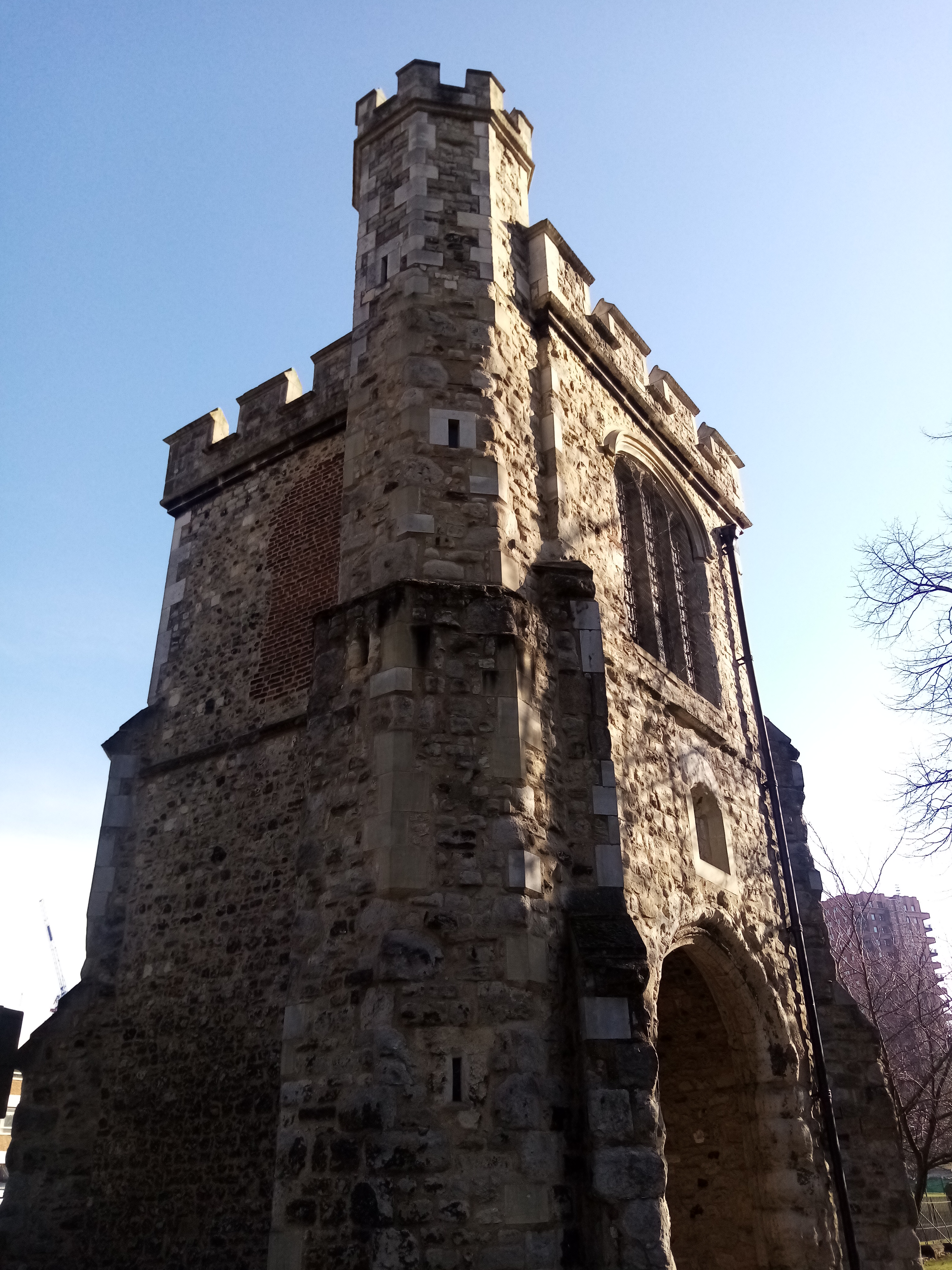
Travel East out of the City on the District Line and you reach Barking and its once-magnificent Abbey, although all that remains are a footprint of stone walls and the Curfew Tower. Its founder was St Erkenwald, Bishop of London, who in 666AD established a nunnery for his sister St Ethelburga, who became the Abbess. The siblings were of royal heritage and the Abbey was under the patronage of the Royal House of the East Saxons. Barking was a ‘double house’ of both nuns and monks in separate living quarters but sharing the church and public areas; both houses were ruled by an Abbess. Good to see gender equality flourishing in the 7th century! In 871 the small town of Barking was attacked by Vikings and came under the pagan Danelaw system; the Abbey was sacked and then abandoned. In 909 it was rebuilt as a female-only nunnery after the Saxons regained control of Essex. Following his coronation in 1066, King William 1st of England ruled from the Abbey for a while and gave the incumbent Abbess a royal charter. However, the Abbey’s glory days ended in 1539 as part of Henry VIII’s Dissolution of the Monasteries. Most of the stonework was taken away and used to build Henry’s palaces at Greenwich and Dartford.
Sources: Barking Abbey, Heritage Booklet 2016, Information boards at the site
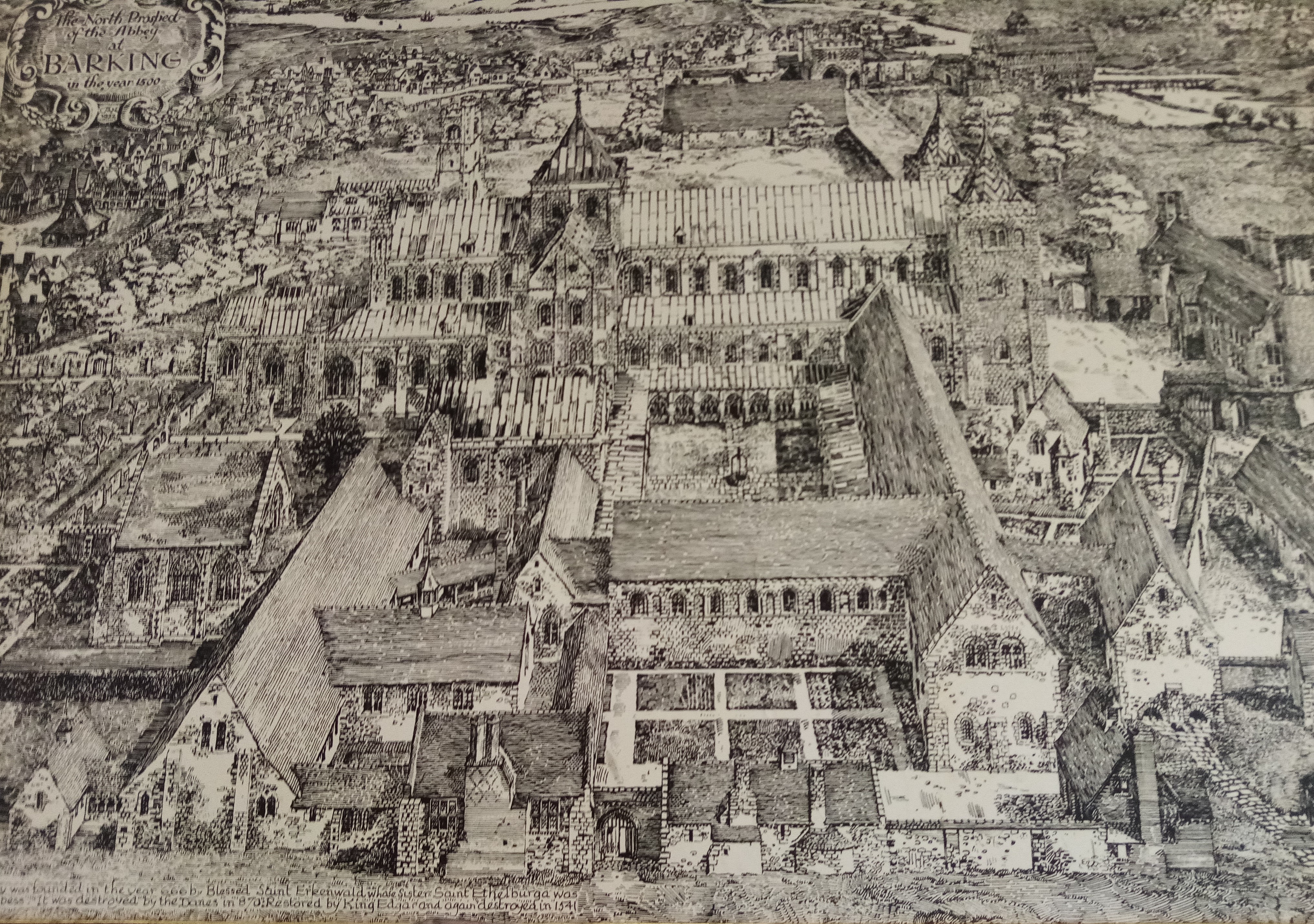
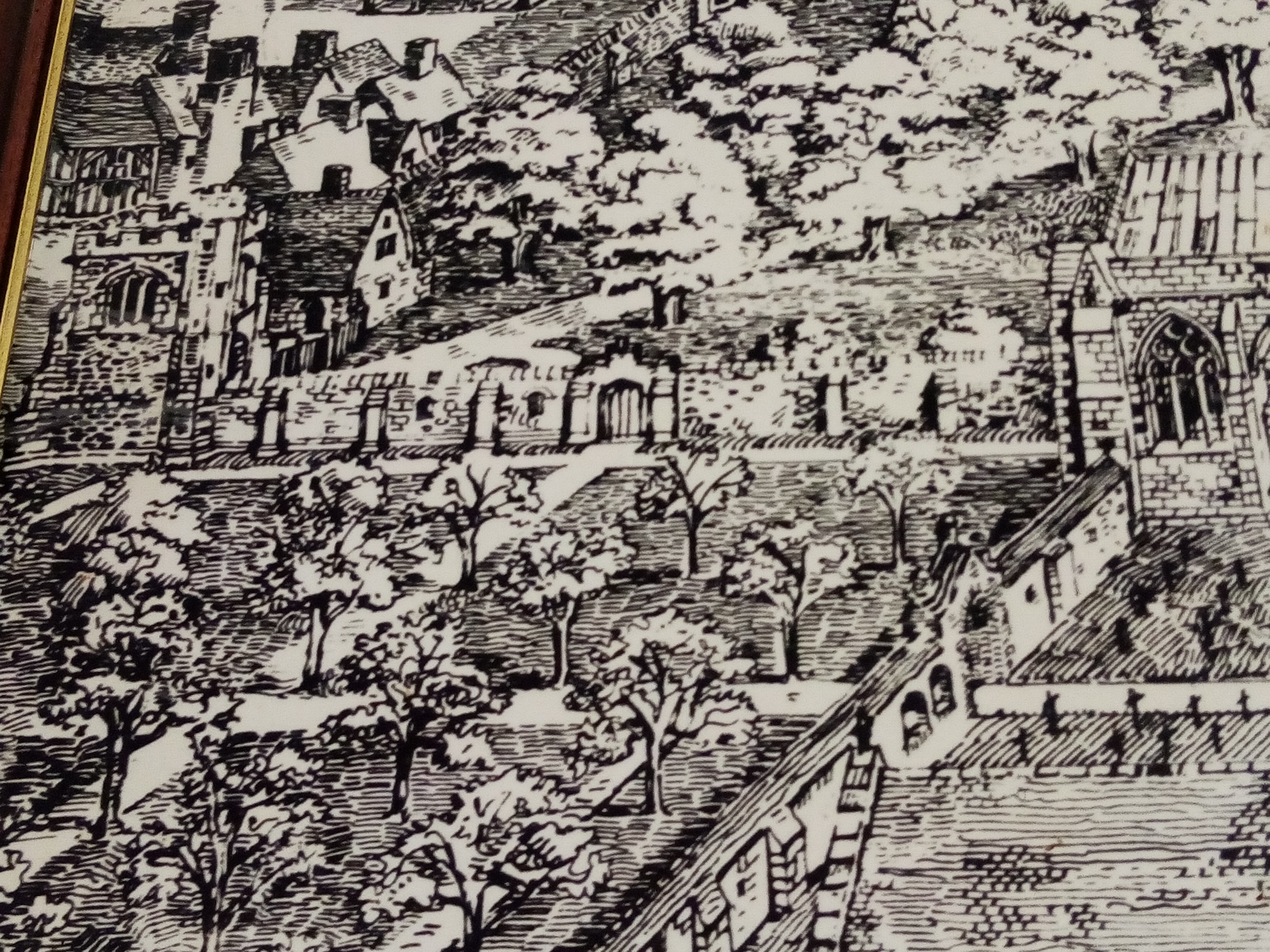
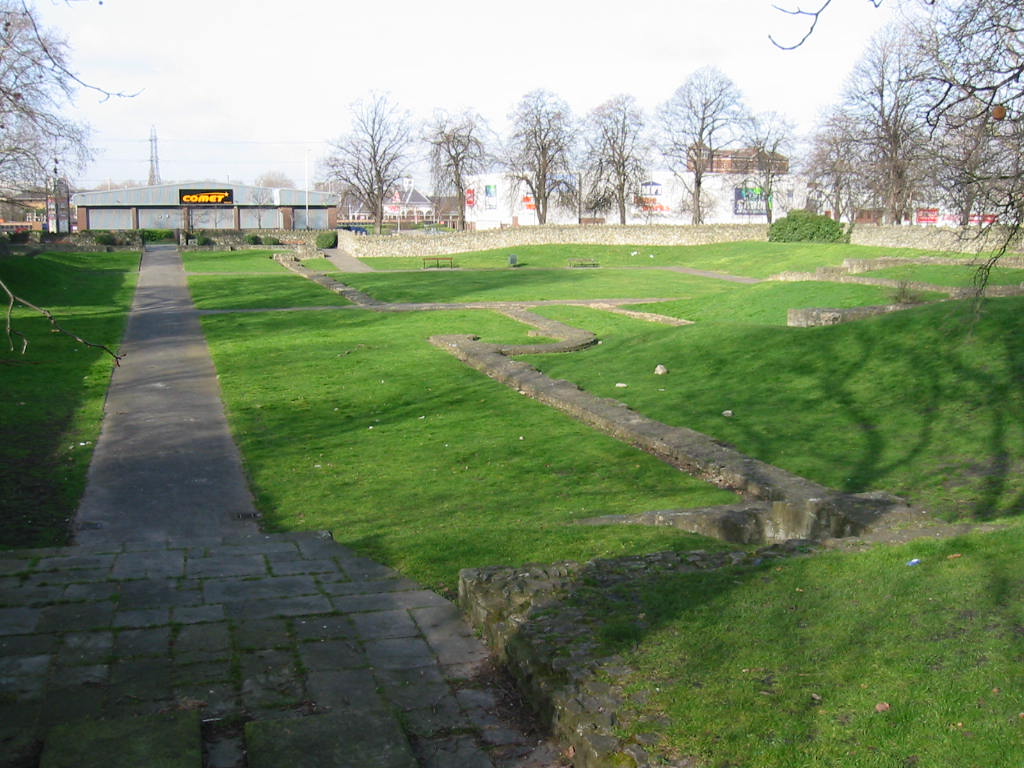
Remains of the Abbey, not my photo as I visited in half term and there were children playing everywhere on Abbey Green, so I couldn’t risk getting them in the photo! Credit: Wikipedia Commons.
St Clement Danes
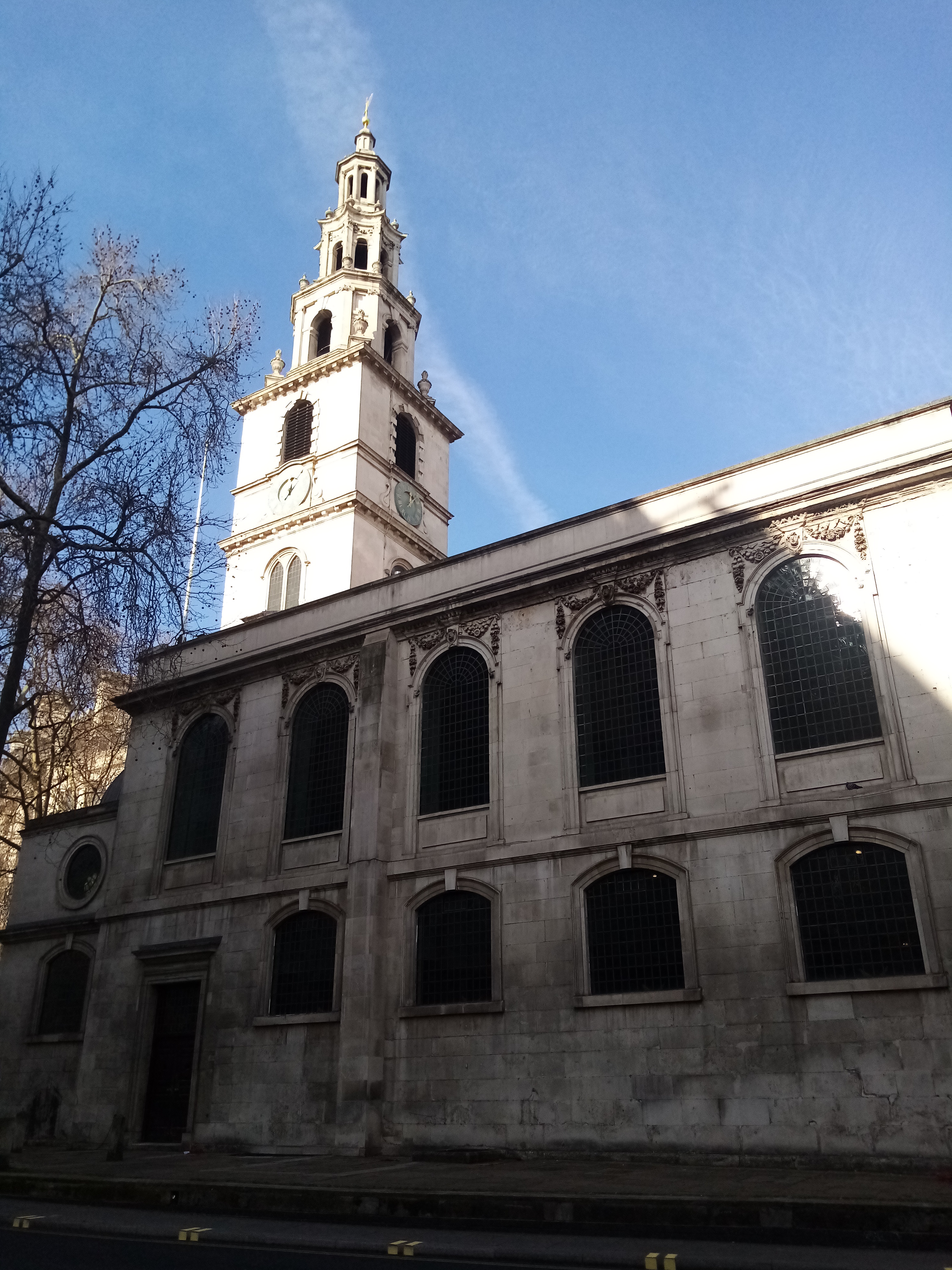
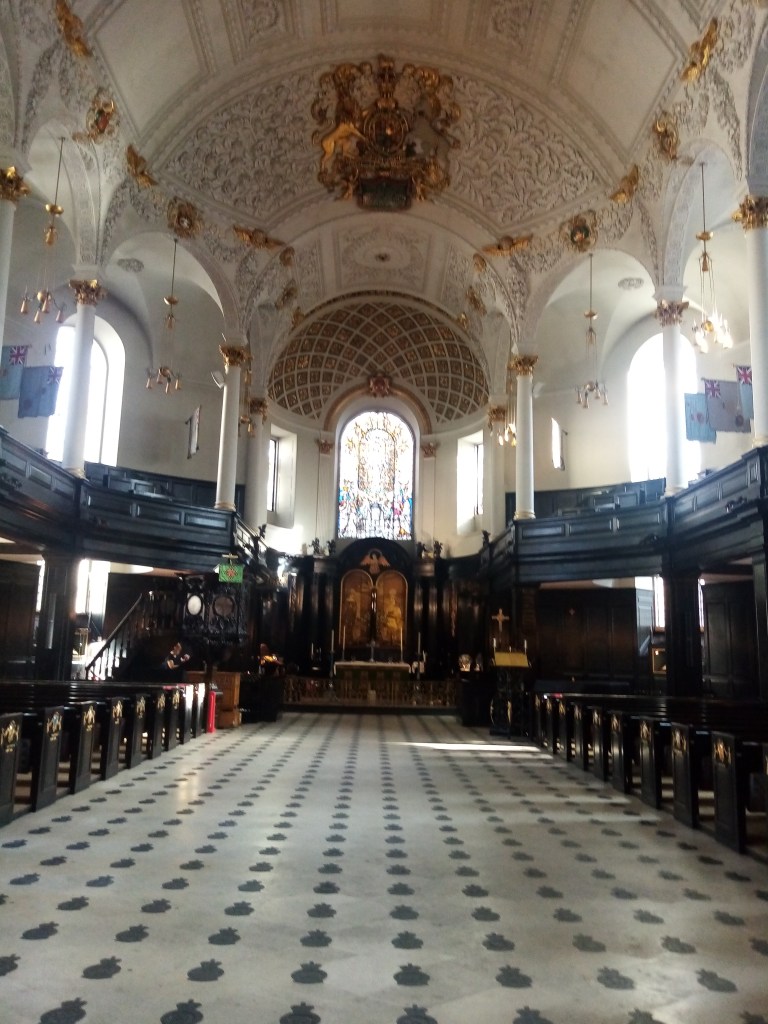
St Clement Danes stands on an ‘island’ in The Strand, next to the Royal Courts of Justice, just West of the City and just East of Aldwych – ‘old port’. Its origins date back to the 9th century but there are two theories about how it was established and how it got its name. 1. Danish settlers who had married English women remained in the area near to the port and took over an existing Saxon church, dedicating it to St Clement, the patron saint of mariners, hence it became known as St Clement of the Danes. 2. Alfred the Great drove the Danes out of the City of London but then stipulated the building of a church at Aldwych for those of them who had accepted Christianity. In both cases, the Danes being a seafaring nation, the church was named for St Clement. The original wooden church was rebuilt by William the Conqueror and escaped being damaged in the Great Fire, but by the 1600s it was in poor repair so our friend Sir Christopher Wren was invited to rebuild the church in his signature style. However, in May 1941, one of the worst nights of the German Blitz, the church received a direct hit and was almost completely destroyed, apart from the outer walls and the tower. The ruined building lay abandoned until 1958, when it was rebuilt and reconsecrated as the Central Church of the RAF. (more about that in a later post – ‘Military Churches.’) A charming tradition of the church is that several times a day, the bells chime the tune ‘Oranges and Lemons say the Bells of St Clements’, and I was lucky enough to be there at midday to hear it!
Sources: Wikipedia, St Clement Danes website
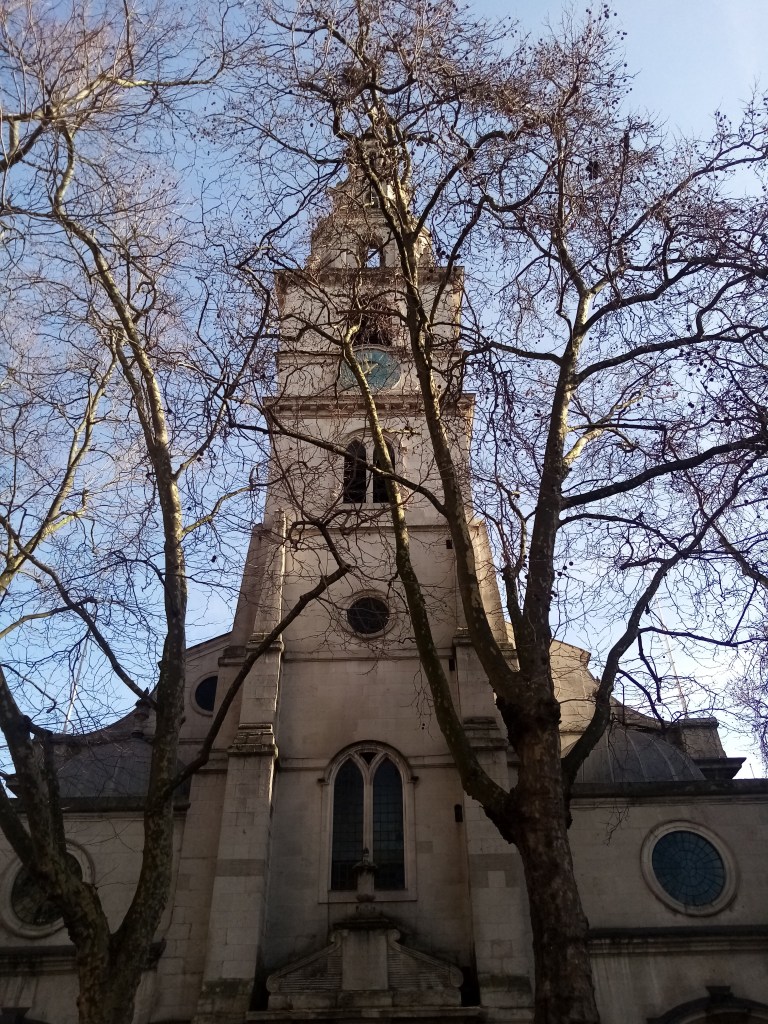
Front view of St Clement Danes 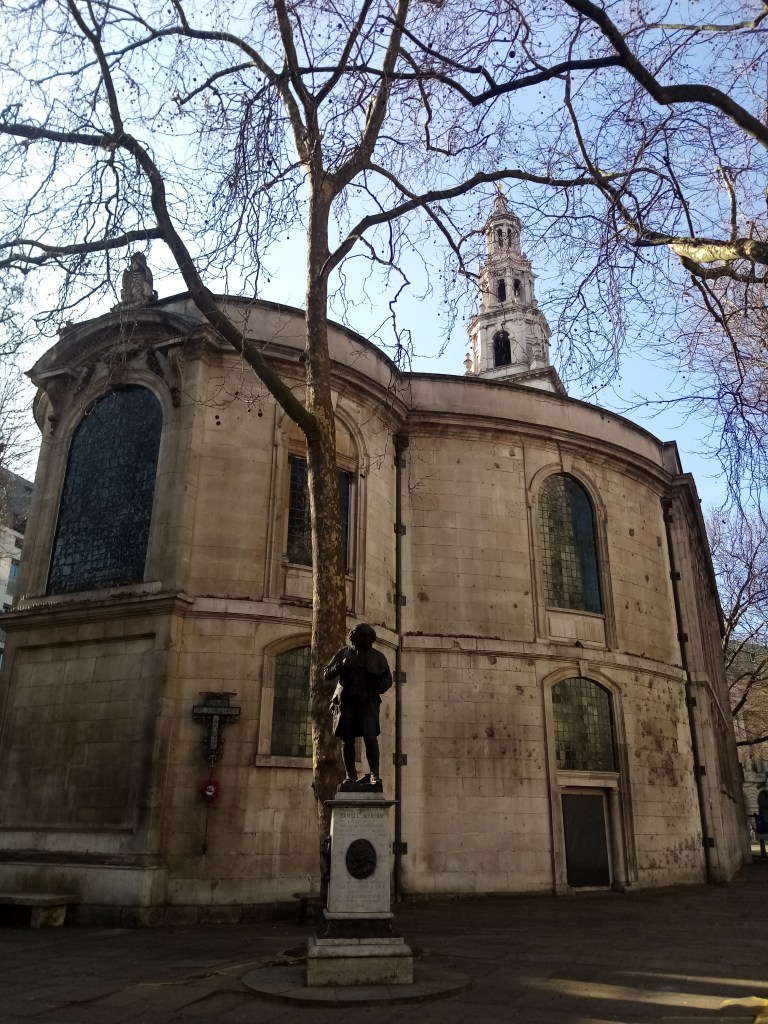
Showing bomb damage to outer walls 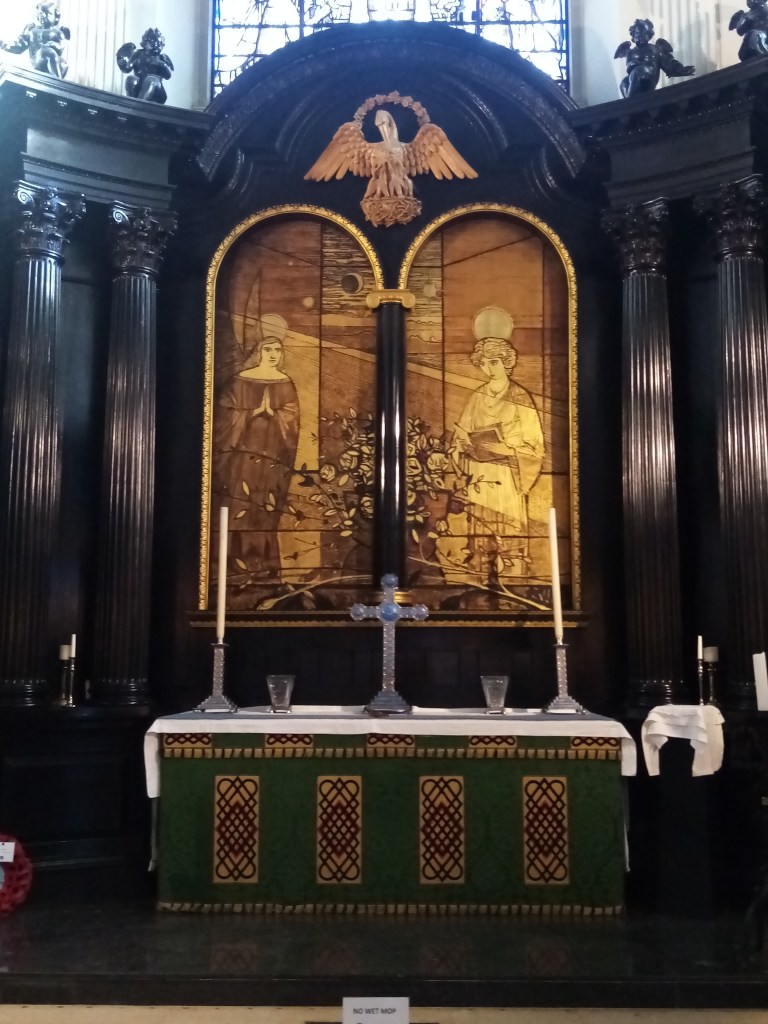
 claresimons1