Continuing the theme of churches in the London boroughs, this month I visited Hampstead in the London Borough of Camden. This pretty village in NW3 has for 300 years been a favourite of artists, musicians, writers and other celebrities of the day. Because Hampstead is only four miles from Charing Cross, it was considered to be ‘in the country’, situated as it is on the edge of the 790-acre Hampstead Heath. Still favoured by celebrities and media figures today, Hampstead has more millionaires than any other area of the UK. The earliest record of Hampstead is a grant to the monastery of St Peter’s, Westminster (now Westminster Abbey) in AD986, and it is mentioned in the Domesday Book (1086). Hampstead is an interesting place to visit, even if you’re not seeking out churches….so I’ve included some local historical bits and pieces.
Source: Wikipedia
St John’s-in-Hampstead
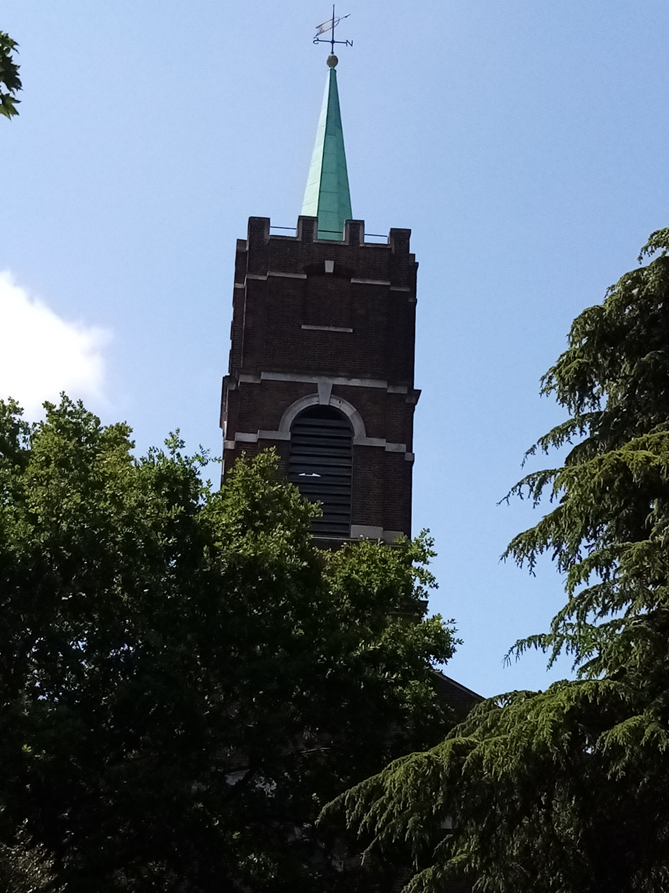
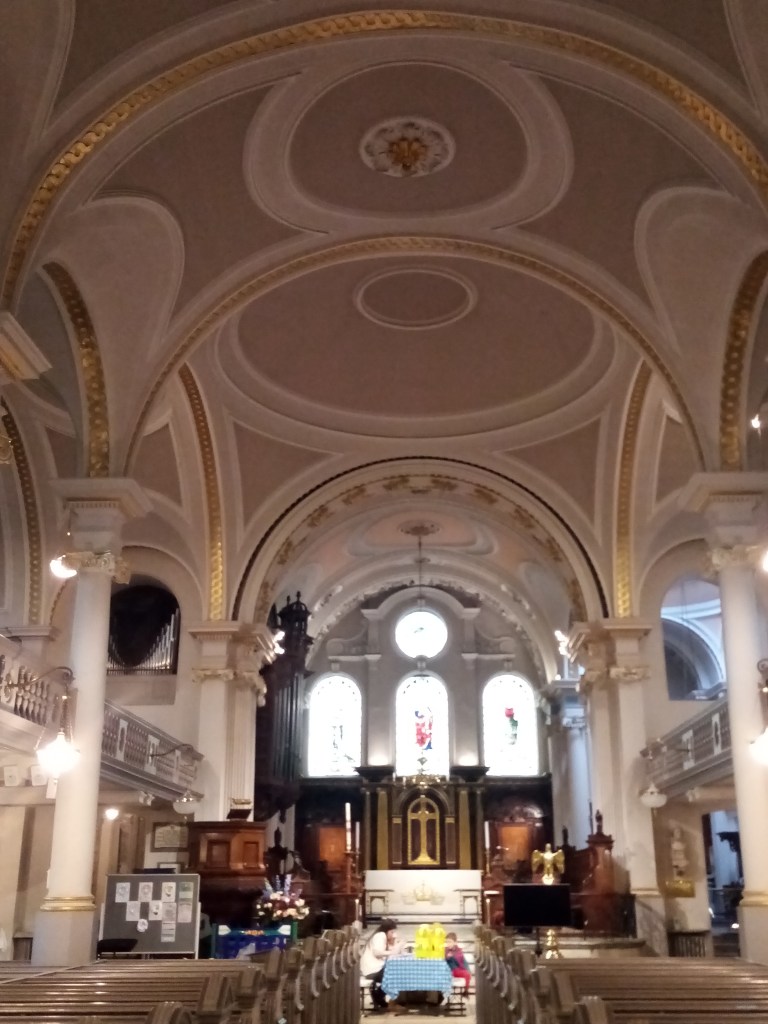
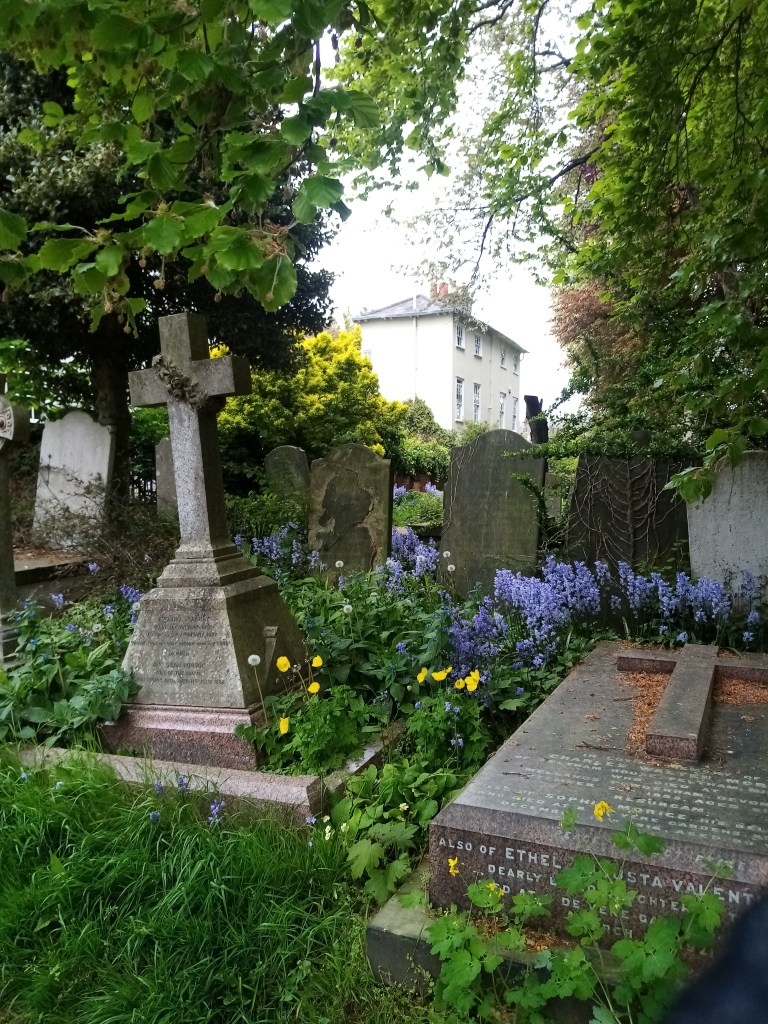
This church is situated in Church Row, described as ‘the show piece of Hampstead’ Beautifully preserved Georgian houses line the street leading up to St John’s and its picturesque churchyard. The current building was completed in 1747 but the first record of a church on the site are from 1312. The original small church was replaced several times until in the early 1700s Hampstead grew in popularity as a fashionable, out of town health resort frequented by people who wanted to get out of the smoky, bustling city. The subsequent new-build of 1747 was again too small by 1827 as the population of London expanded outwards so it was extended, adding 524 seats. In 1871 plans were considered to demolish the tower as part of a ‘beautifying and improving’ project but this was protested by the likes of William Morris, Holman Hunt, Anthony Trollope and Ford Madox Brown among others, the glitterati of the day. I’m with them, I don’t see how knocking down a tower can improve a church! The churchyard is the final resting place of artist John Constable, architect George Gilbert Scott, comedian Peter Cook and Labour Party leader Hugh Gaitskell. I happened to visit on the public holiday for the King’s coronation and the church was open for festivities.
Source: Wikipedia
Interior 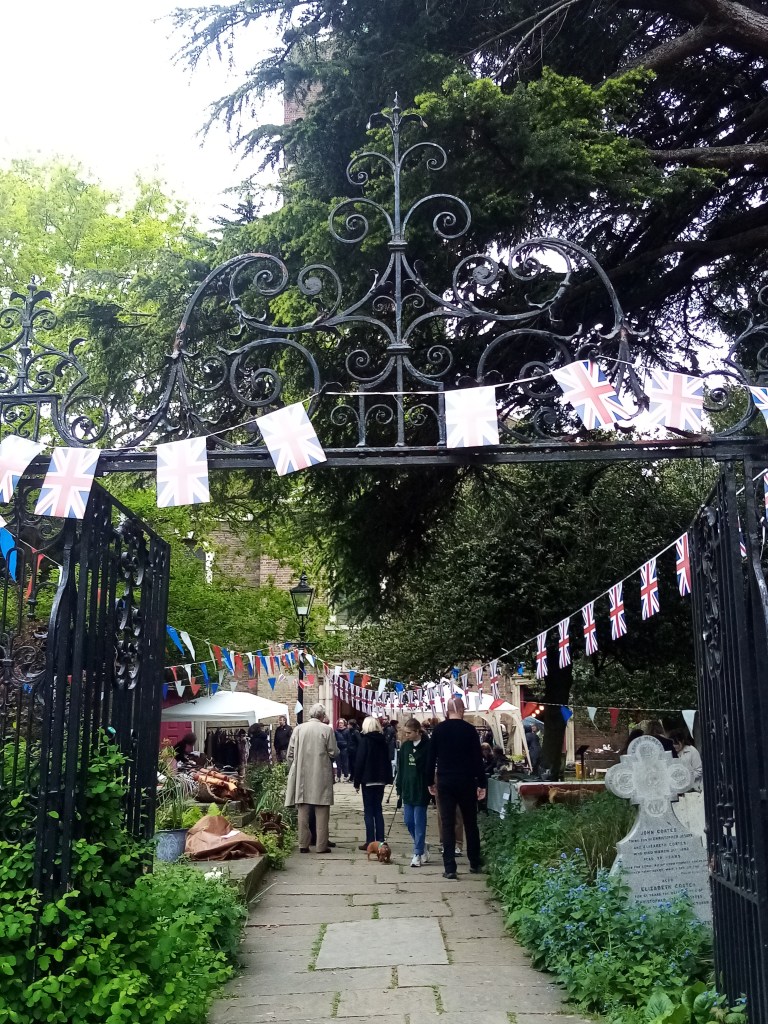
St Mary’s Hampstead
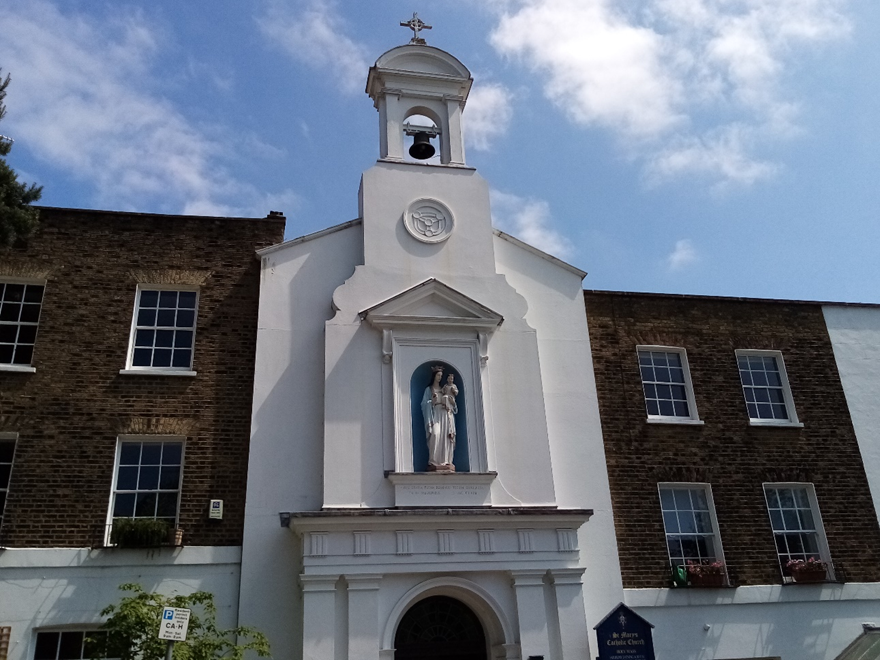
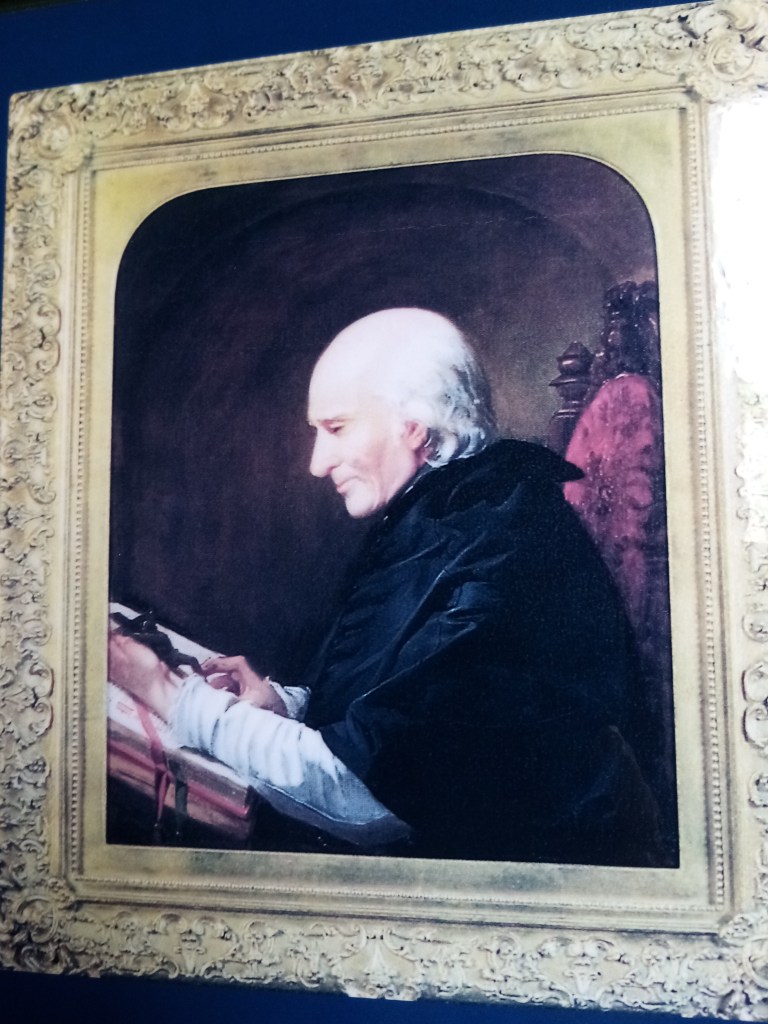
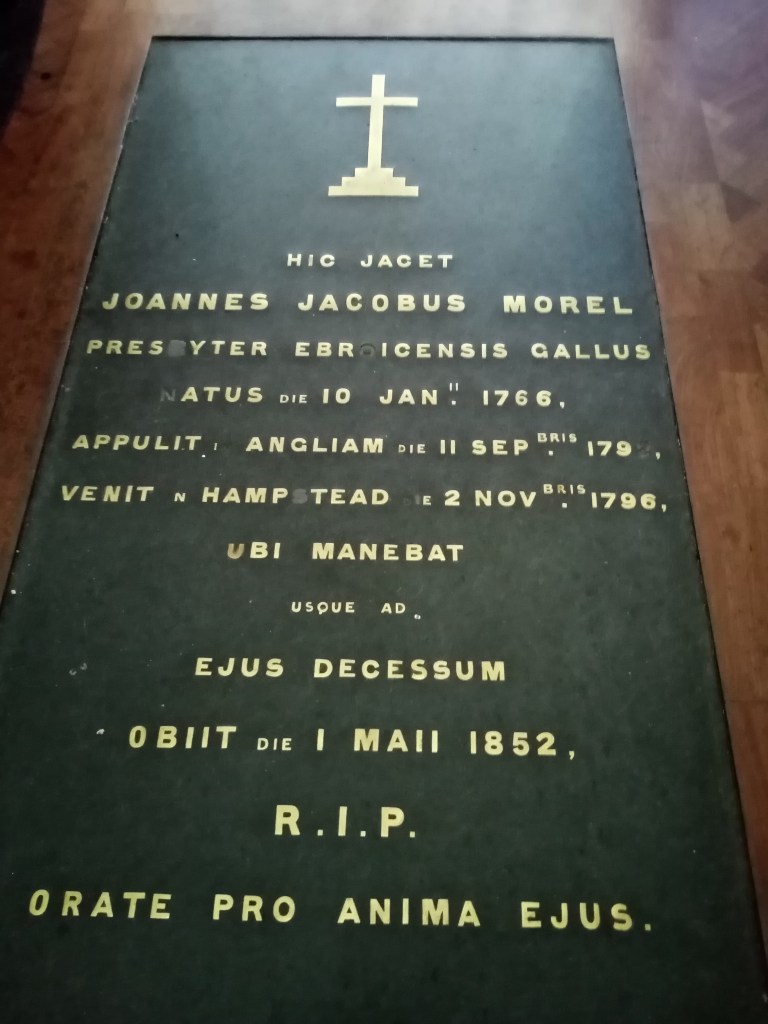
This pretty little church, formally a chapel, is located in Holly Place, part of a terrace of Georgian cottages and standing no taller than its neighbours, apart from the bell tower. The beautiful façade with bell tower and statue of the Virgin and Child, was designed by architect William Wardell. Originally the church had a plain frontage; the bell tower was added when the law was changed to allow bells to be rung from Catholic churches in 1852. St Mary’s was the first Catholic church to be established in Hampstead after the English Reformation in the 16th century. The first minister was a refugee from the French Revolution, who arrived in England in 1792. Abbe Jean Jacques Morel’s first role was to act as chaplain to the many French families in exile in the village. After the defeat of Napoleon and the return of the refugees to France, Abbe Morel accepted an offer by the many other Catholics living in the area to be the Parish Priest of a newly-built chapel dedicated to St Mary in 1816. He made education a priority and quickly established two schools, one each for boys and girls, supported by wealthy parishioners. The sanctuary of the church is beautifully decorated with tile mosaics; I like the contrast with the plain white walls.
Source: Literature in the church; Wikipedia
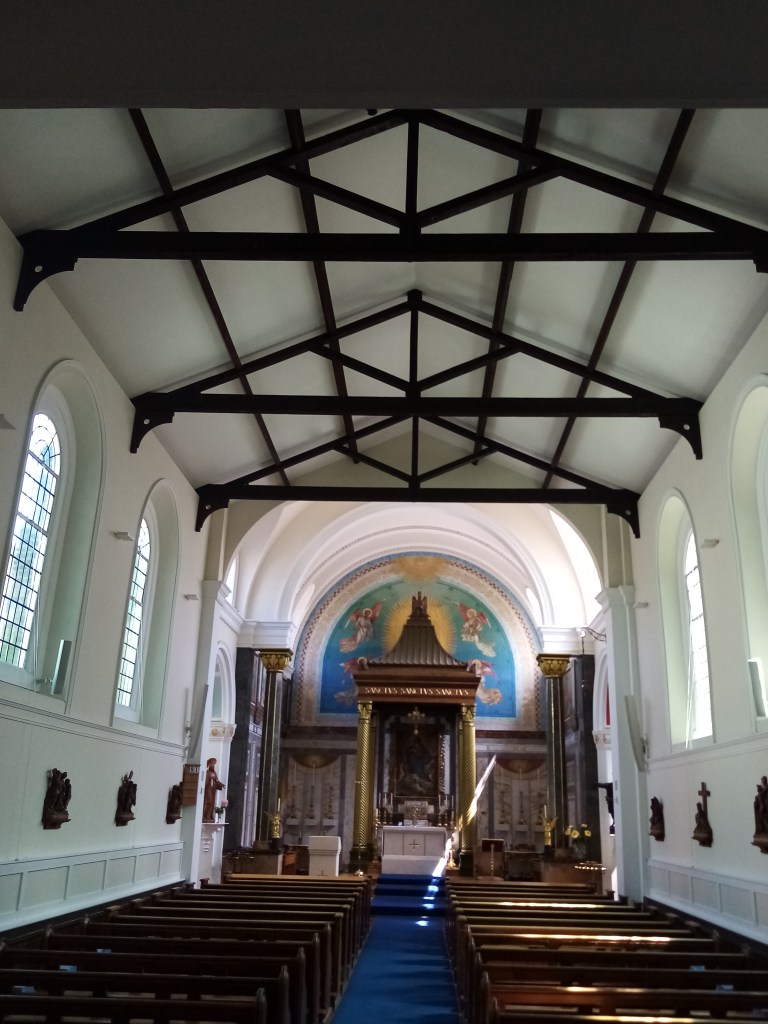
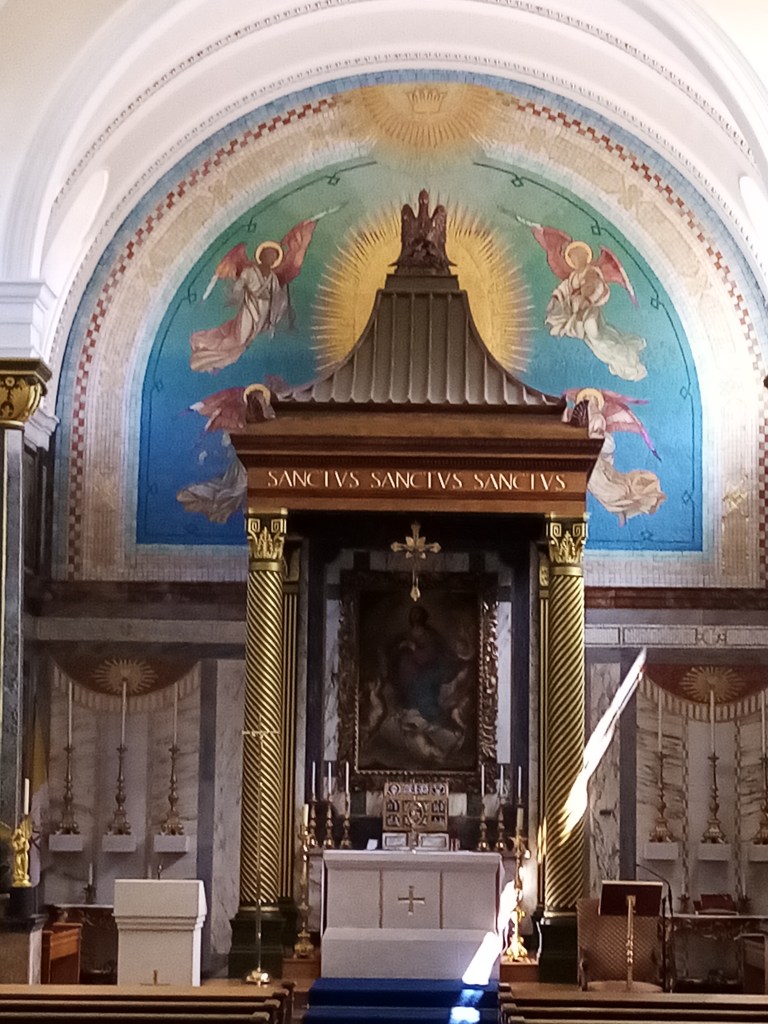
St John’s, Downshire Road
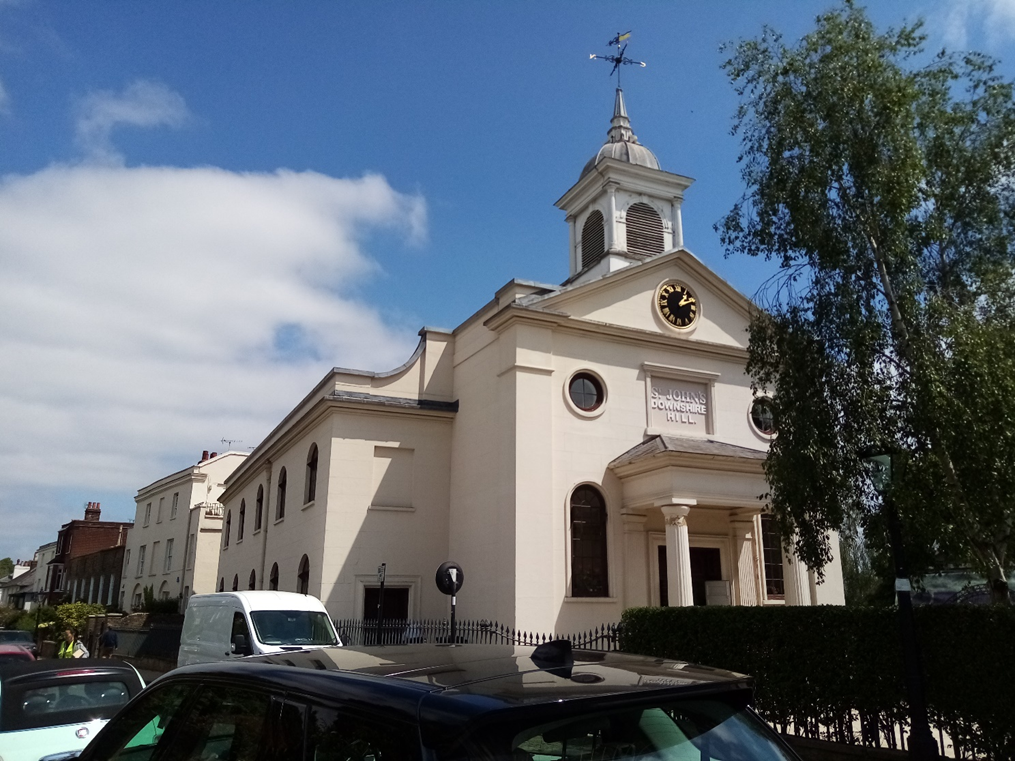
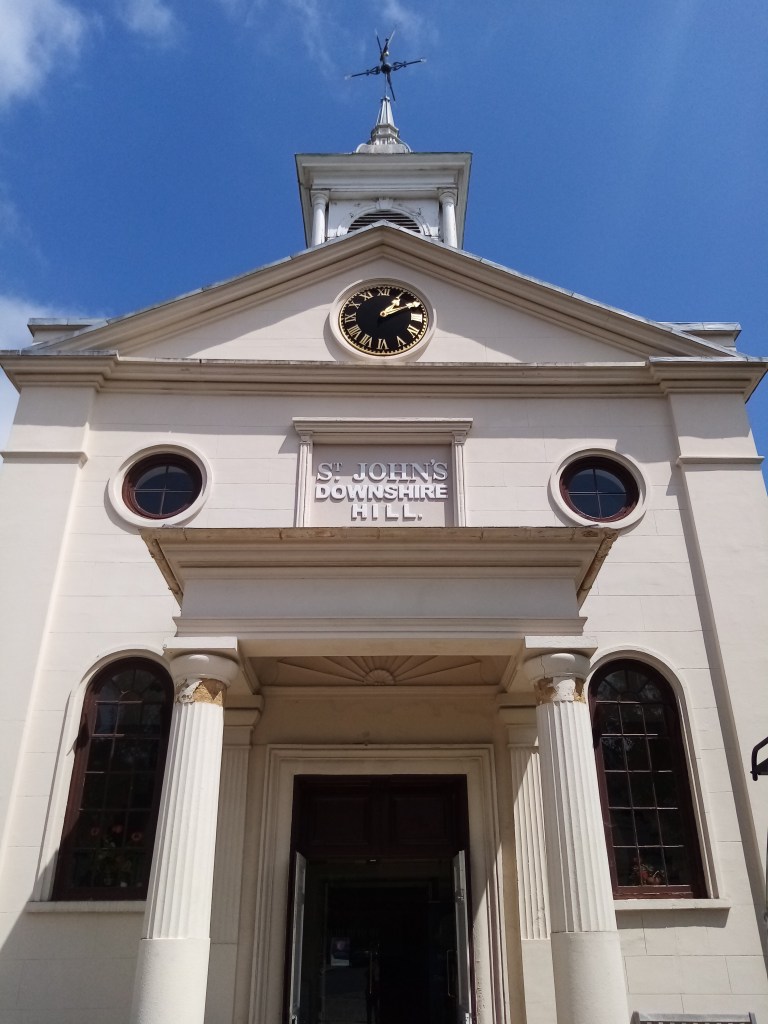
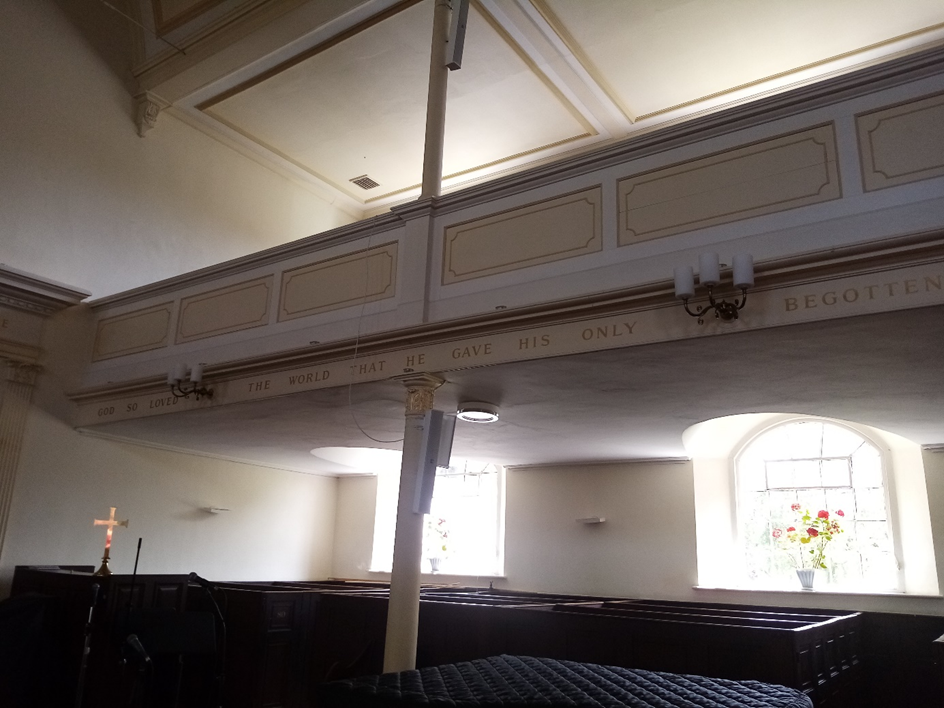
The other St John’s in the area is the only remaining Proprietary Chapel in the Diocese of London, and one of a handful left in England. A proprietary chapel is one that once belonged to a private person or a group of people, but was open to the public. They were common in the 19th century, being established to cope with rapid urbanisation. They were often set up by evangelical philanthropists to spread Christianity in cities where the expanding population could no longer be served by the parish church. As a proprietary chapel, St John’s is financially independent of the Church of England; all the ongoing running costs are provided entirely by the congregation. The land on which the church is built was purchased from the Manor of Belsize in 1812, and construction was completed in 1823. The former home of the poet John Keats is nearby in Keats Row. He lived there from 1818 until 1820, so he would have seen the construction of the church. In 1821, Keats relocated to Italy because of his failing health and never returned to Hampstead; he died later that year in Rome from tuberculosis, aged just 25.
Source: Wikipedia
Christchurch, Hampstead
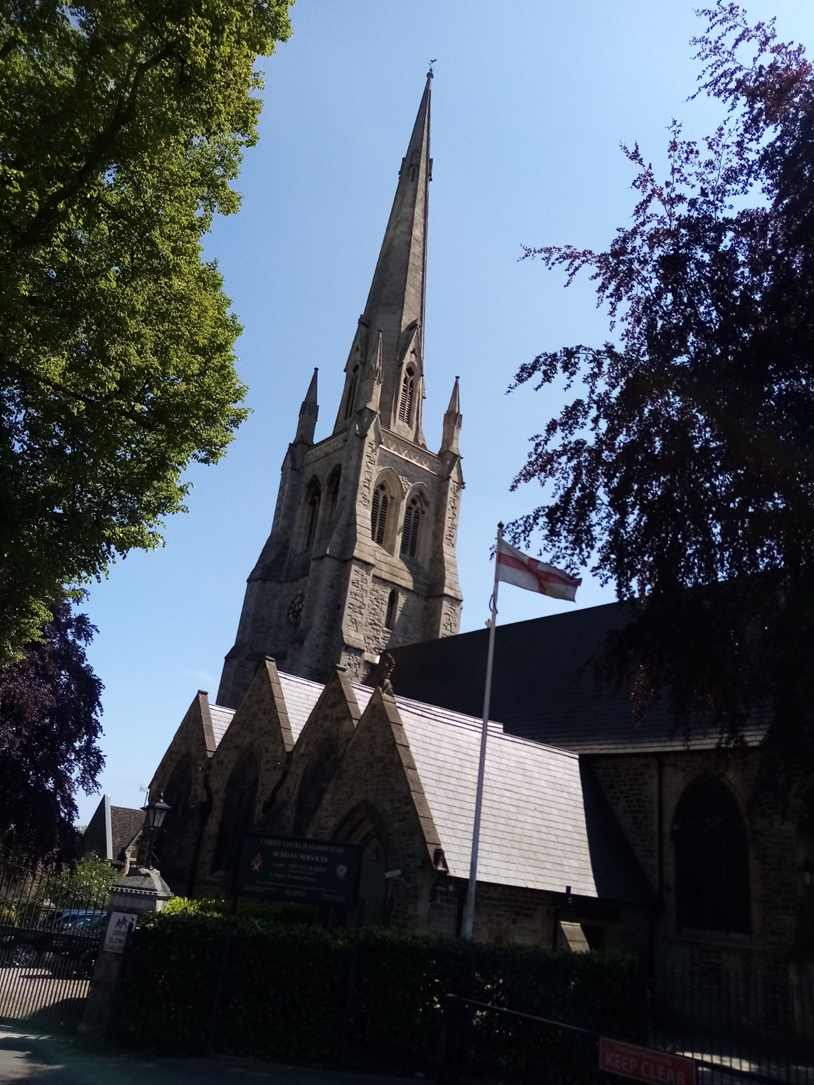
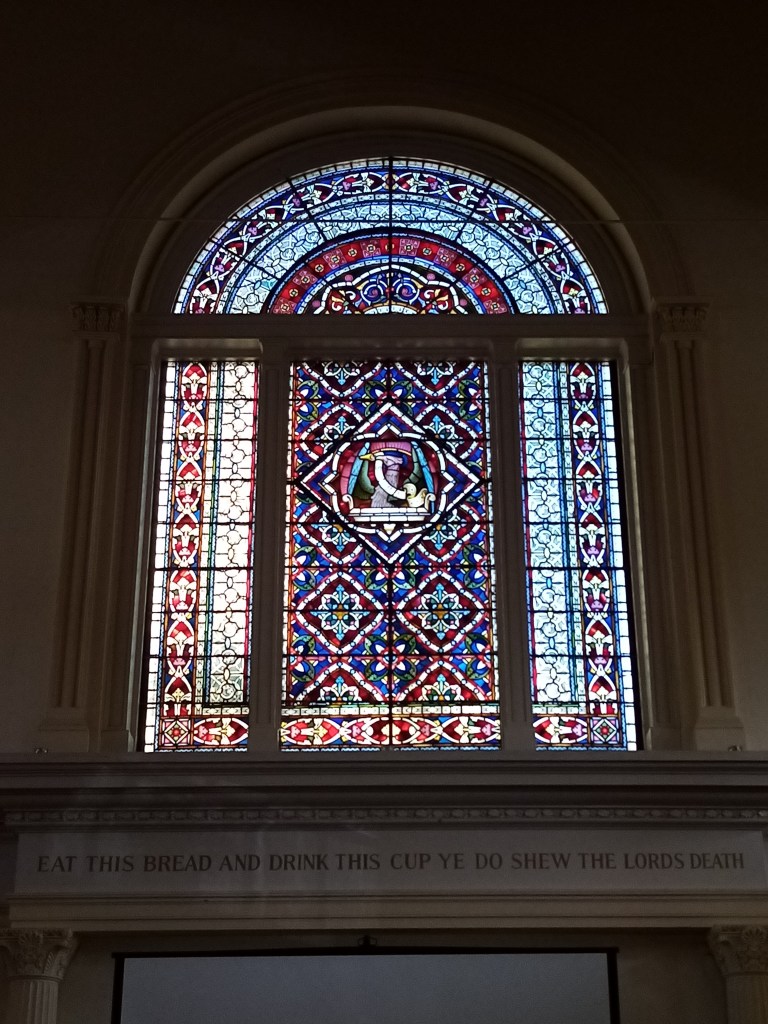
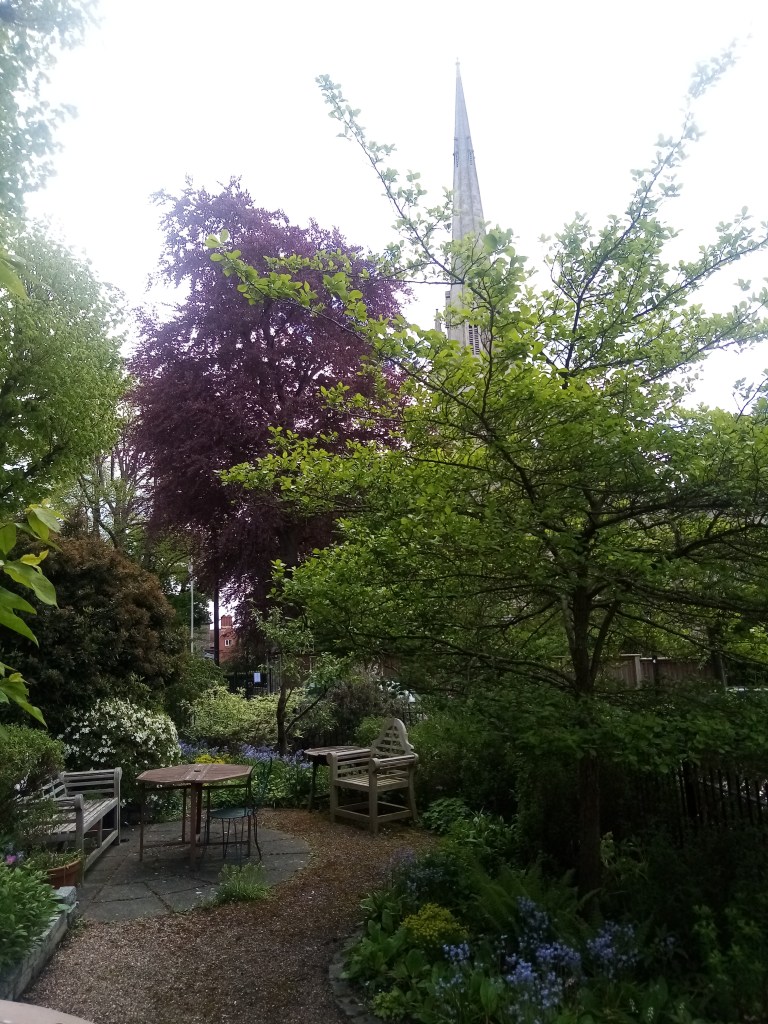
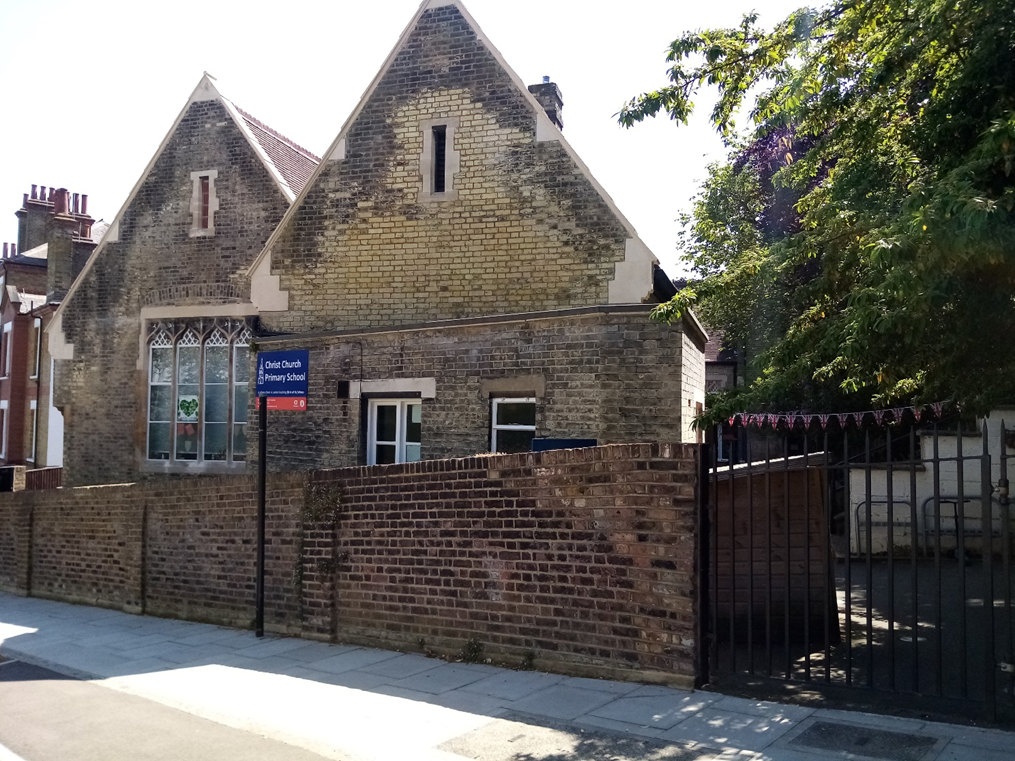
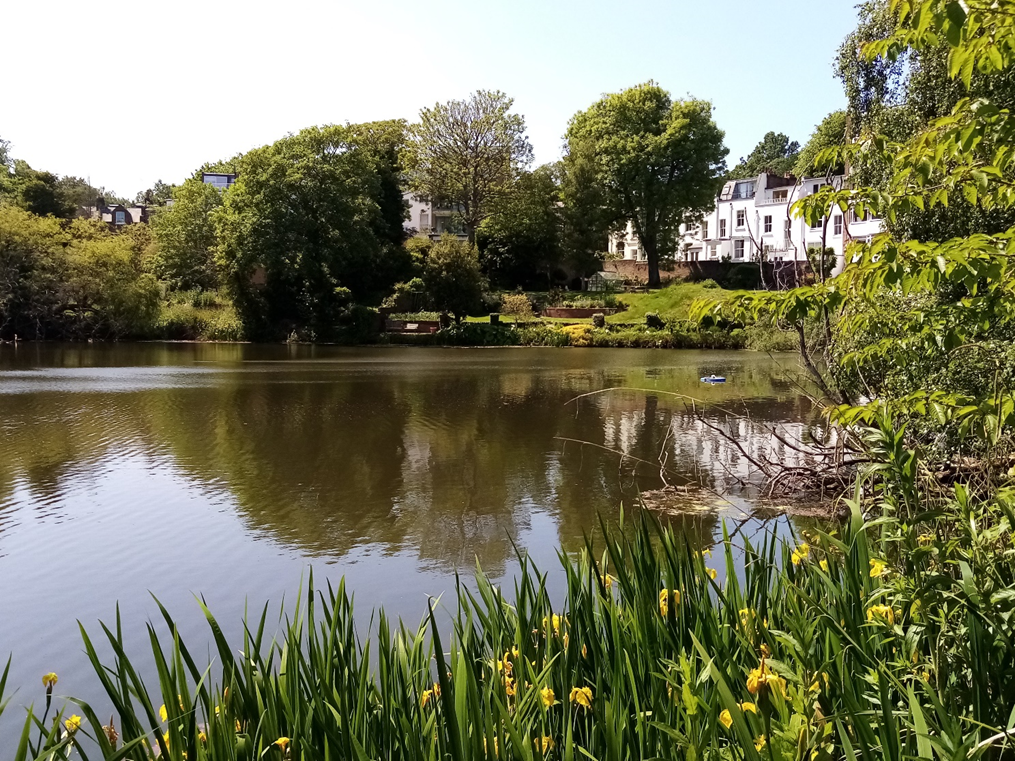
I was not able to go inside this church, which is a shame because it has been extensively restored and repaired, inside and out, as part of a Grand Restoration programme since 2015. But I love its tall, elegant tower and its location at one of the highest points in London. The church has long historical connections with the old village of Hampstead and the Heath, much of which is within the parish. The church was built in 1852 by architect Samuel Dawkes in the early English Gothic style. It’s situated in a very pretty square, Hampstead Place, and established its own school in 1855, originally just for infants, but now a primary and nursery school. Just two streets away from the church is a road leading to the confusingly named Vale of Health, not Vale of Heath, as I thought it was! This is a group of large villas entirely surrounded by the heath. The name the Vale of Health may have been coined as a deliberate attempt to change the image of the area: once a wet, marshy area, it was drained in 1777 by the Hampstead Water Co. and by the 1830s had become a desirable place to live for the romantic poets and other media figures of the day. Byron, Shelley and Taylor Coleridge all resided there at one time, and of course, Keats lived just down the road.
Source: Wikipedia; Hampstead: Vale of Health/British History
Tiny public garden 
 claresimons1