I said last month that my plan was to explore four more churches on the edges of the London boroughs: rural parish churches looking their best in the middle of an English summer. However, the first part of July was seasonably dull and rainy so I abandoned that idea to focus on churches in elegant, exclusive and expensive Mayfair, W!, where dull skies wouldn’t matter so much. My first research visit was on one of the hottest, cloudless days of the year….of course. History of Mayfair: The Grosvenor family acquired a piece of land on which an annual May Fair was held from 1686 to 1764. The Fair fell into disrepute and was considered a public nuisance so the Grosvenors embarked on ambitious plan to develop the area into high-value housing for the upper-classes. The design included a series of leafy squares: Hanover, Berkley and Grosvenor, which were once for the exclusive use of the wealthy residents of the surrounding large houses. The area is now more commercial than residential, with many of the houses converted to hotels, embassies and offices. And of course there are the high-end shops in New Bond Street, each with a doorman ready to open the door for wealthy customers who apparently can’t do so themselves. Mayfair is the most expensive square on the London Monopoly board. Development of the area continues by the Grosvenor Estates group. Now, on with the churches….
Source: Wikipedia
St Mark’s Mayfair, North Audley Street
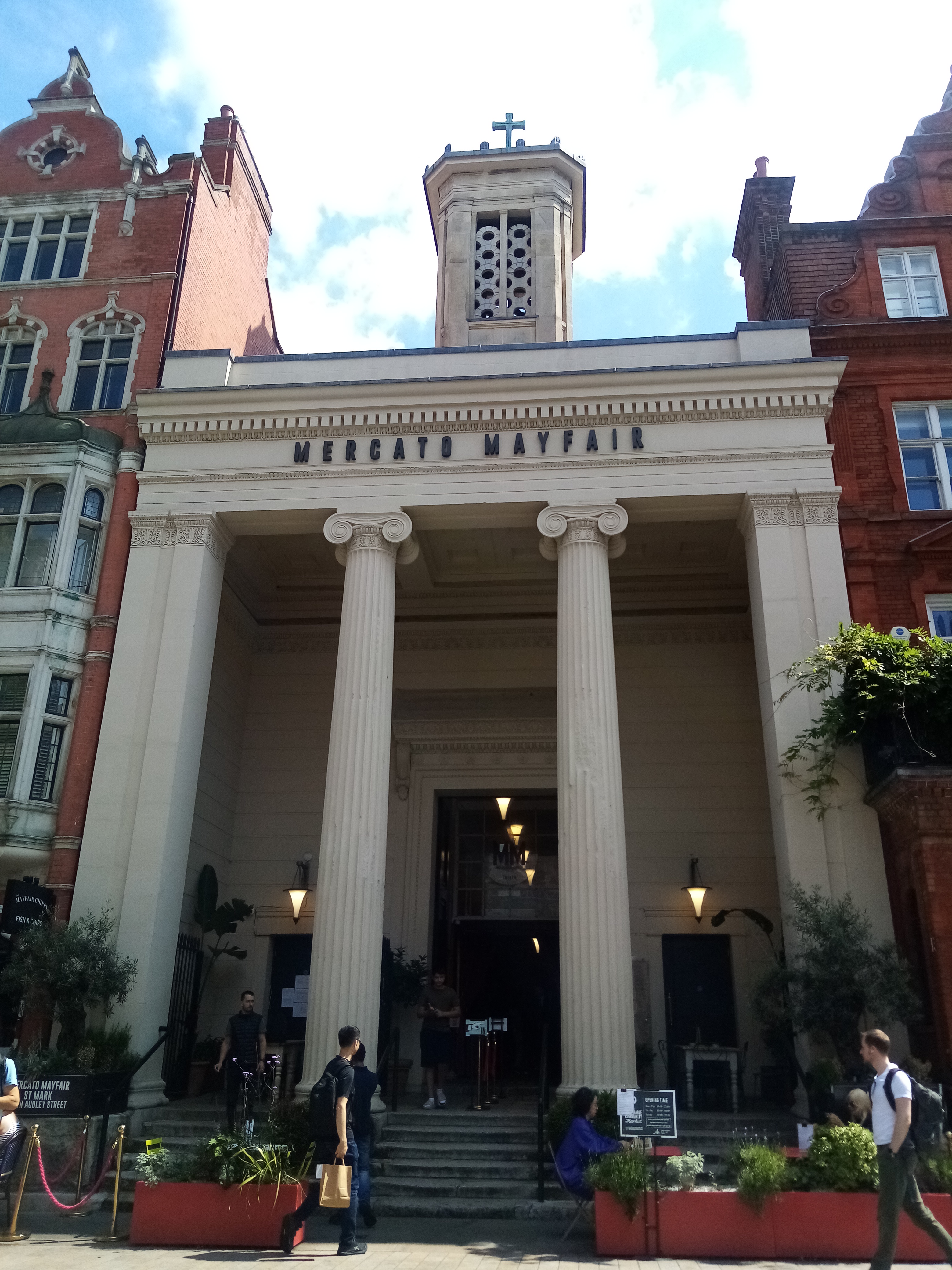
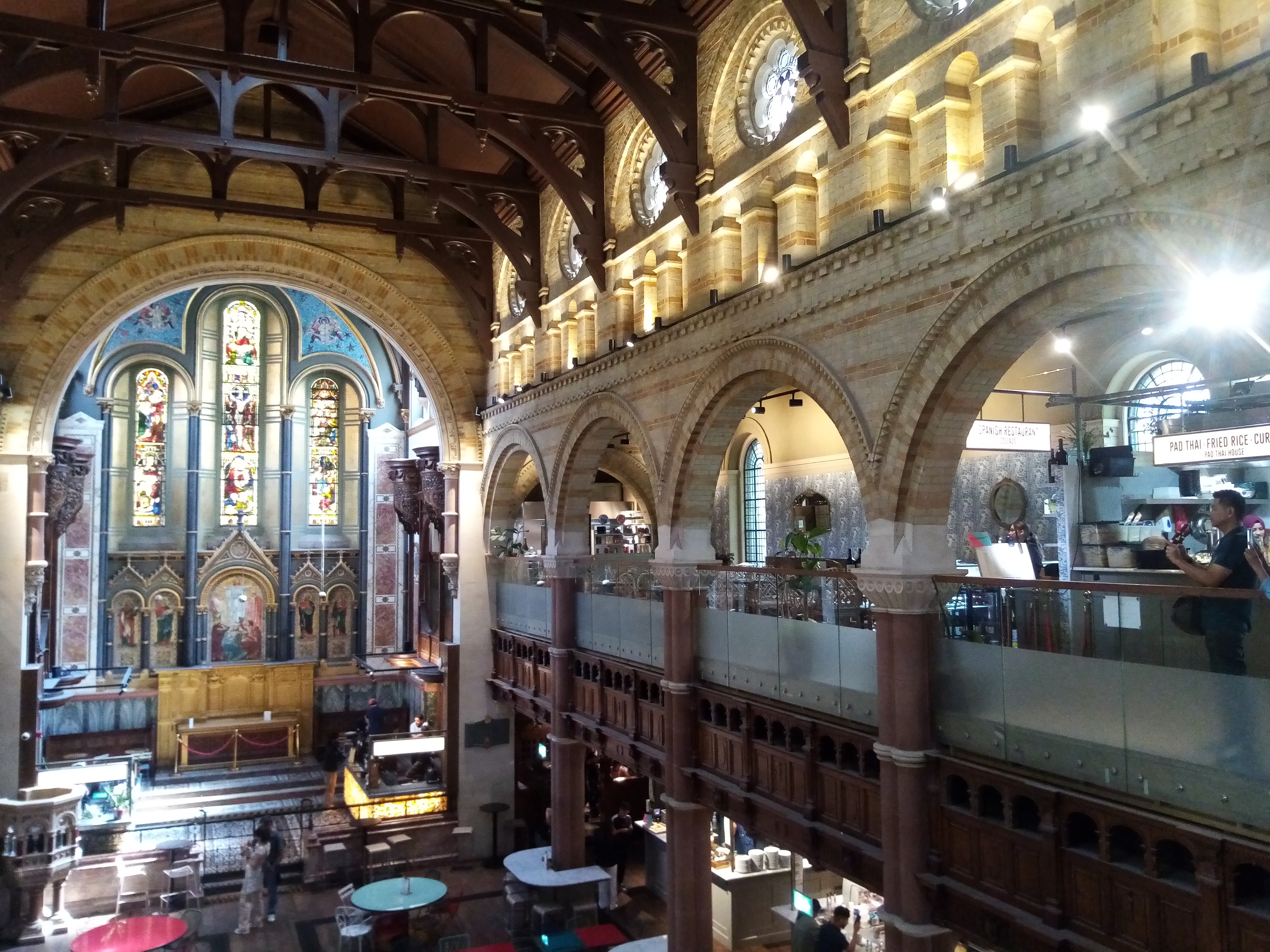
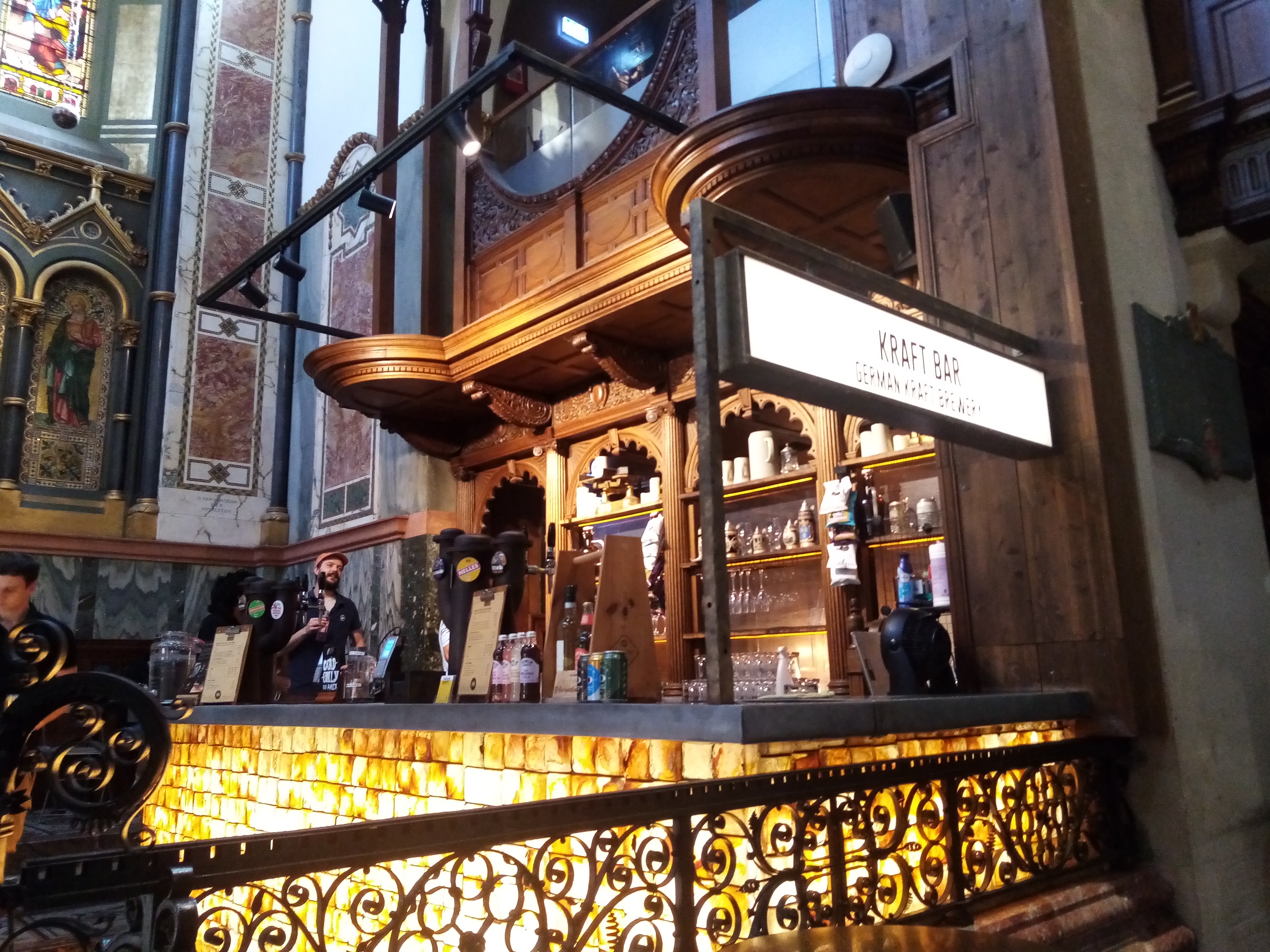
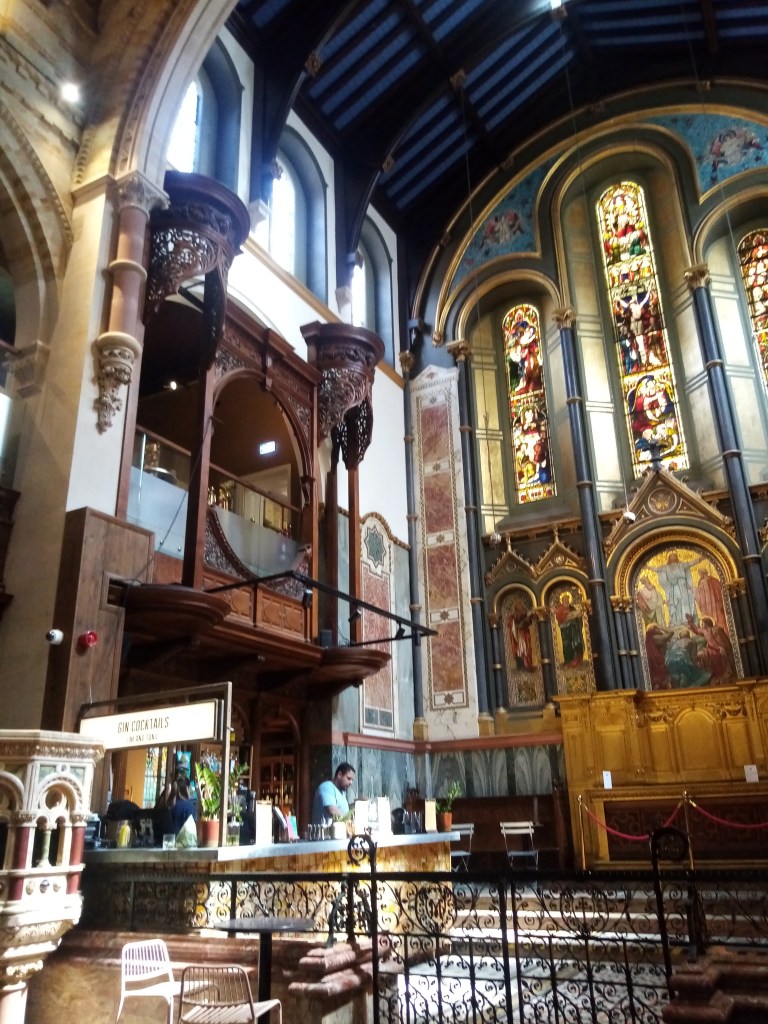
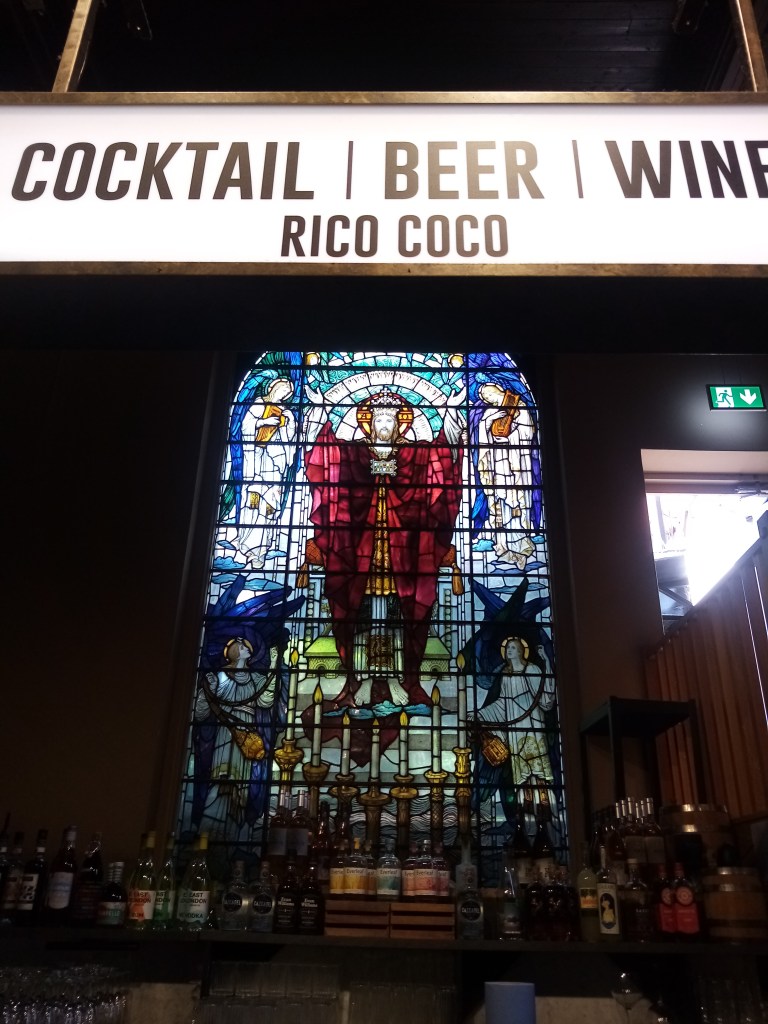
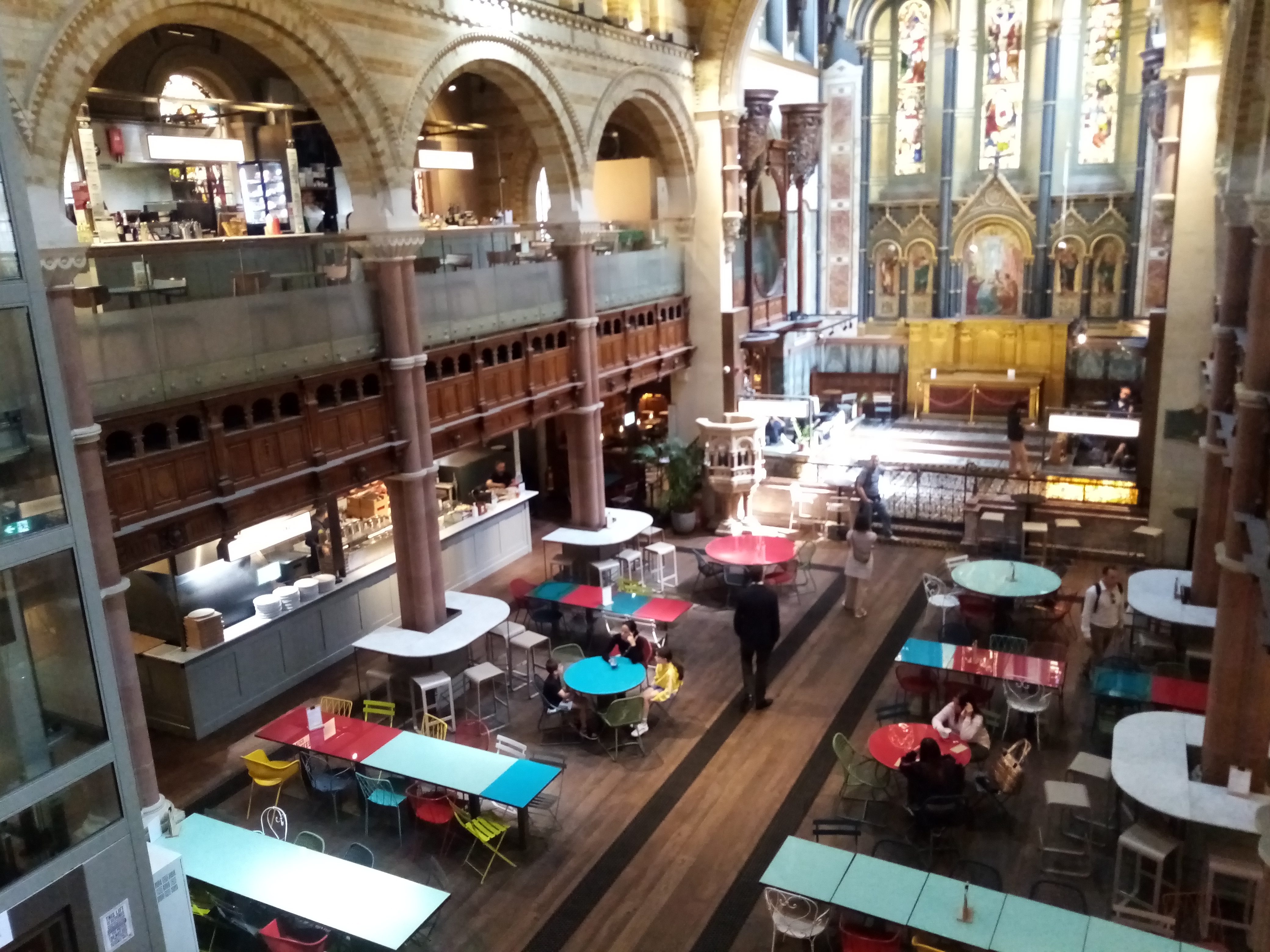
St Mark’s Mayfair, is no longer a place of worship, having been converted to a high-end food hall: a venue for cafes, restaurants and bars and a flower shop in the entrance, all within a faithfully restored interior. This gives the inside space a real ‘Wow factor’, and after the initial shock (to someone who loves church buildings), it’s actually quite stunning. So what brought about this radical change of use? St Mark’s was built between 1825 and 1828 to accommodate the increase in the population as the upper classes moved from the countryside into the aforementioned high-class housing. It was constructed in the Greek Revival style with a Romanesque open roof structure added in 1878, now a rooftop bar! St Mark’s was informally known as the American Church because of its proximity to the American Embassy, not the only church to have an American connection, as we’ll see. Two famous American worshippers at the church were President Dwight Eisenhower and President’s wife and activist Eleanor Roosevelt. The congregation began to decrease in the 1950s and the church was deconsecrated in 1974. Empty for 20 years, it was placed on English Heritage’s ‘Buildings at Risk’ register. From 1994 to 2014 (another 20 years) the building has served as a base for a Christian social action group, a music venue and a venue for high profile events such as London Fashion Week. Finally it was acquired by Grosvenor Estates in 2014, and a £5 million renovation and refurbishment project resulted in the building we see today: Mercato, Mayfair.
Source: Wikipedia
Grosvenor Chapel, South Audley Street

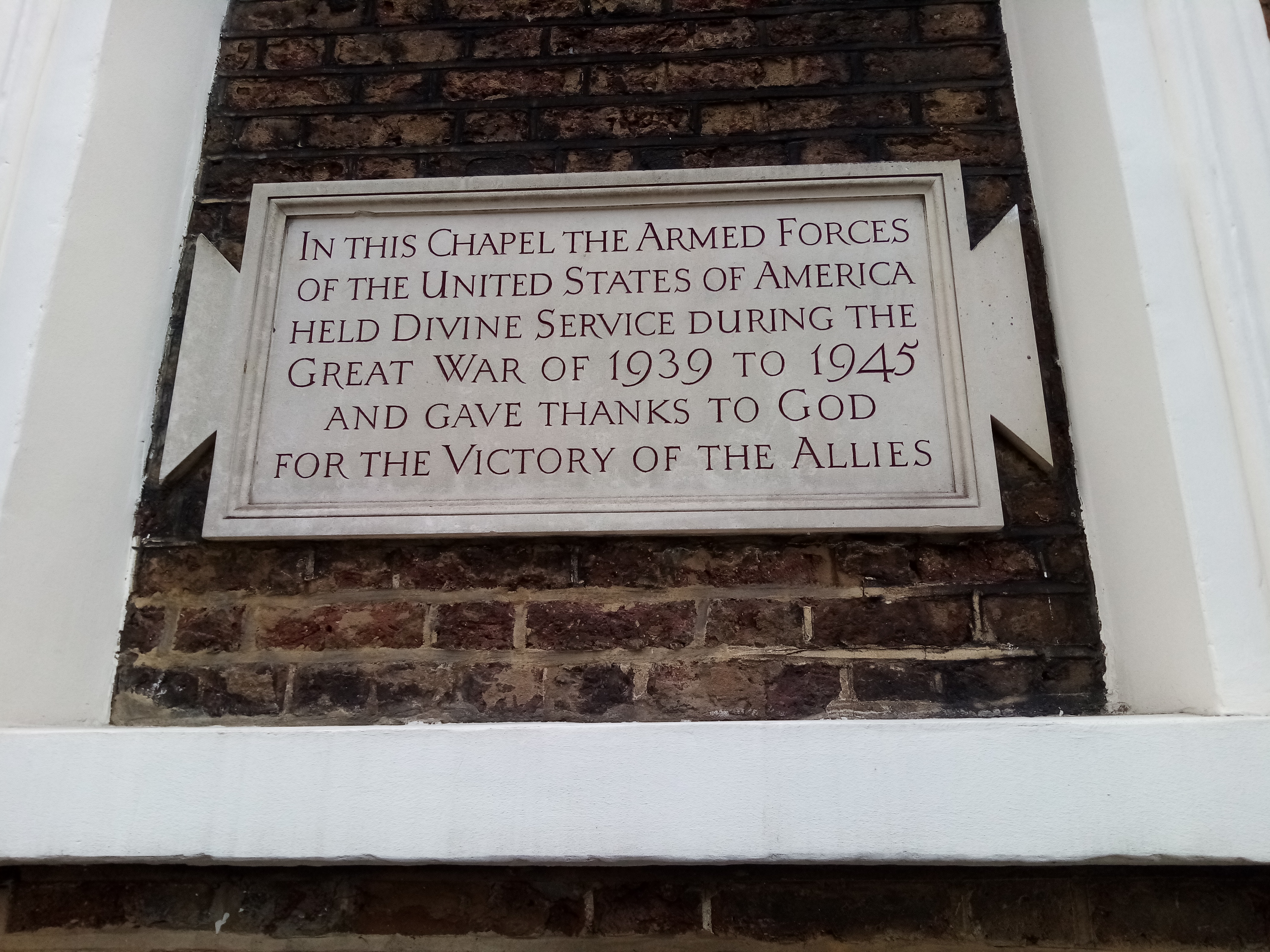
Walking from North to South Audley Street should have been straightforward, but my progress was somewhat hampered by ongoing Grosvenor Estates developments. A little more history about the Grosvenor family: between 1720 and 1740 a network of new streets was laid out between Regent Street and Park Lane, with Oxford Street to the North and Piccadilly to the South. The development of houses was specifically for the aristocracy and upper classes and the land belonged to Sir Thomas Grosvenor, who had acquired it on his marriage to heiress Mary Davies in 1677. I think Sir Thomas did quite well out of his decision to build this type of housing! A number of small proprietary chapels were erected by private enterprise to attract the affluent, fashionable residents, small being exclusive, perhaps? The foundation stone of the Grosvenor Chapel was laid on 7th April 1730 by Sir Richard Grosvenor who had leased the site for 99 years at a peppercorn rent. When the lease expired in 1829 the Chapel became a ‘chapel of ease’ to St George’s, Hanover Square (featured later.) During the Second World War, men and women of the American armed forces worshipped at Grosvenor Chapel, perhaps preferring a smaller church. The chapel has never become a parish church, so it relies on donations from the regular congregation and visitors. Today it is very active in the community, providing weekly lunches to asylum seekers, hosting a local cultural festival and is a concert venue, and was used in the 1994 film Love Actually.
Source: Leaflet in the Chapel
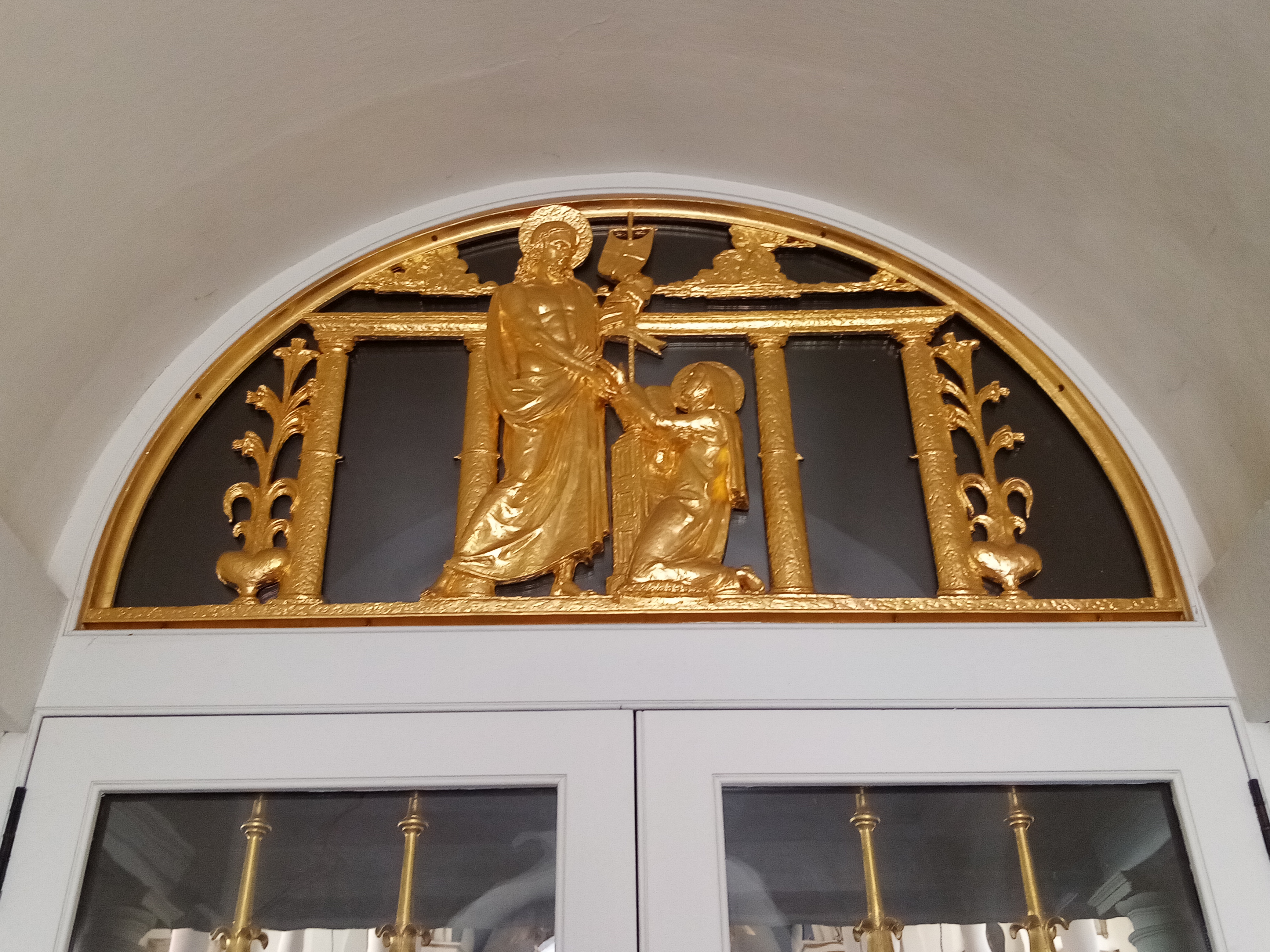


Jesuit Church of the Immaculate Conception (Farm Street Church)
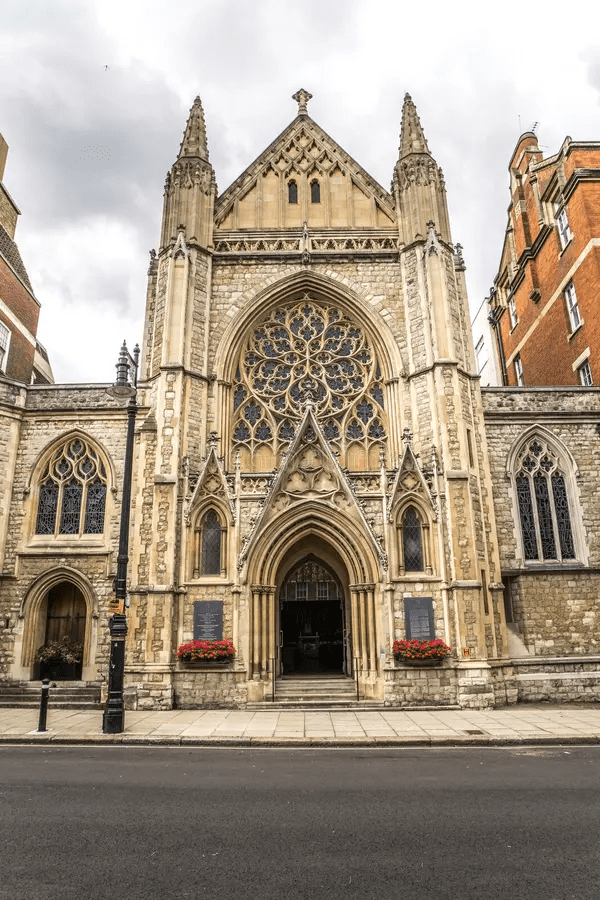
Front entrance in Farm Street 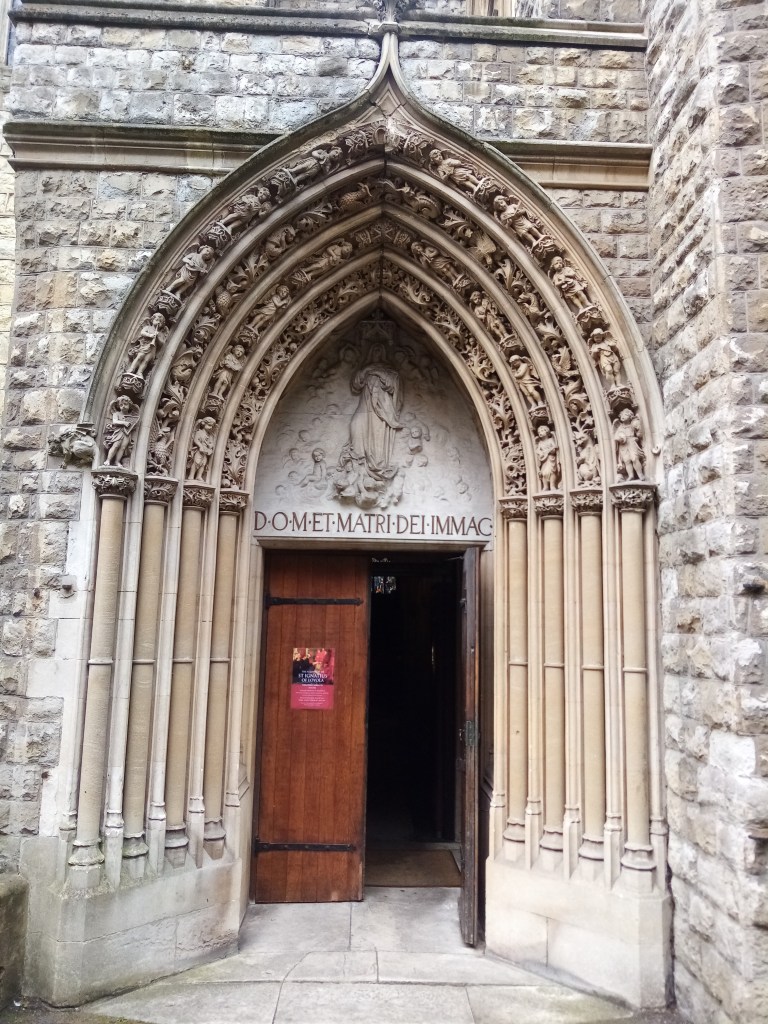
St George’s Gardens Entrance
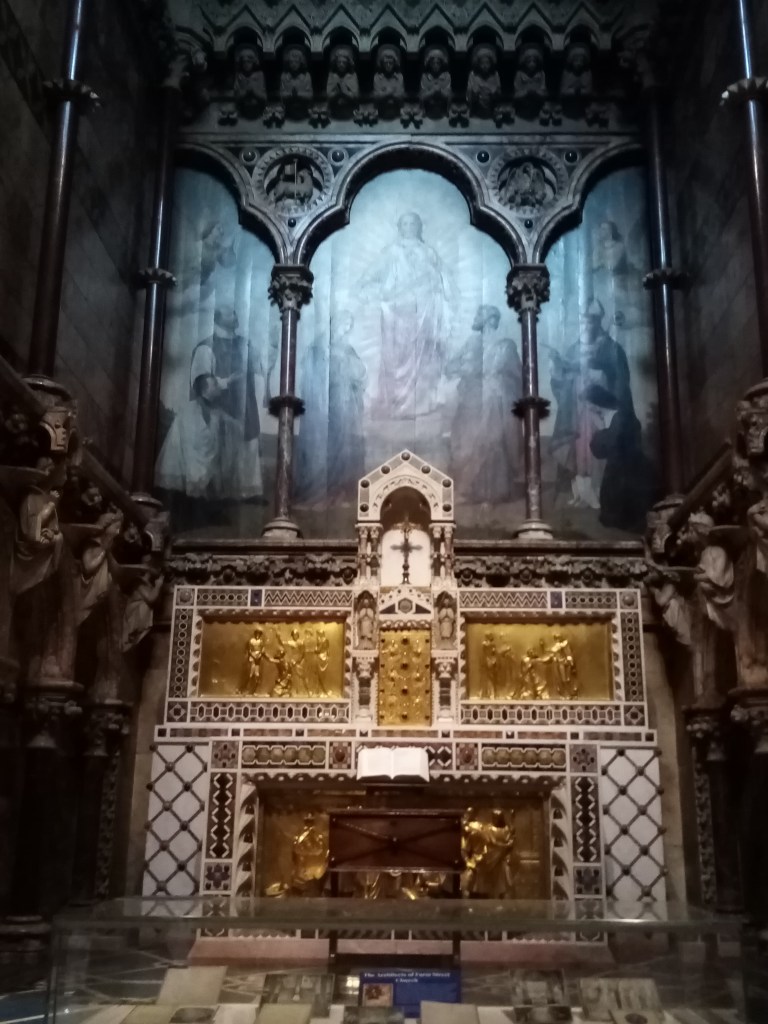
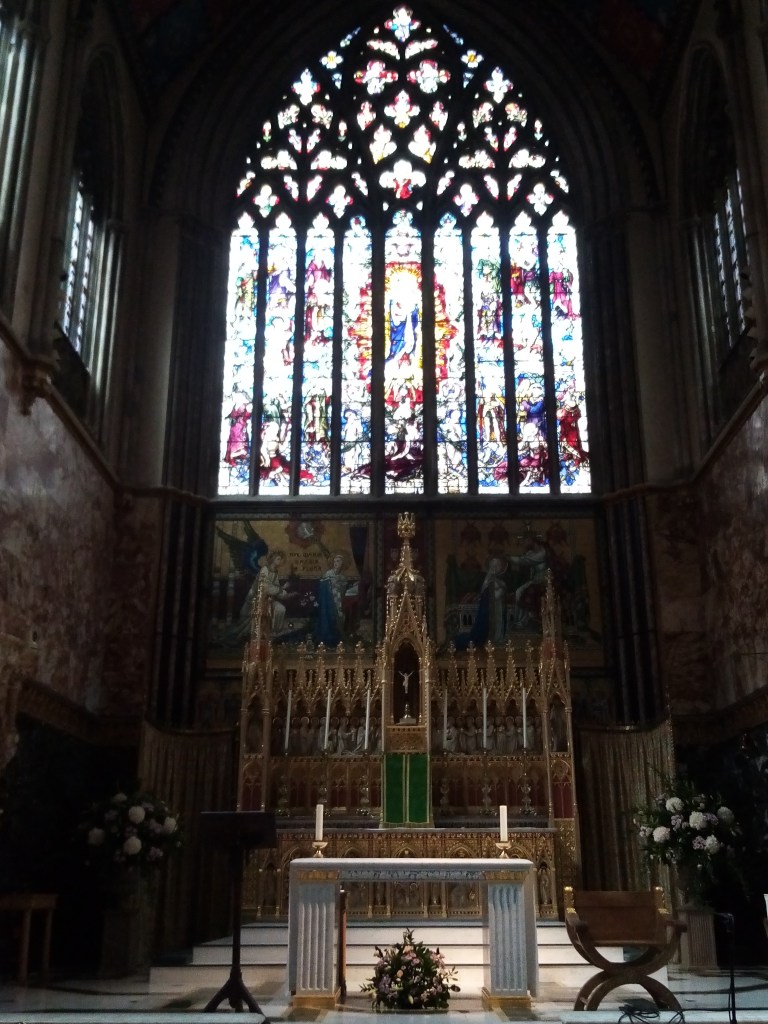
Right next to Grosvenor Chapel is a short street leading to the pretty St Georges Gardens. Here there is an entrance to the Jesuit Church of the Immaculate Conception, a large and ornate Catholic Church known as Farm Street Church. This is the newest of the four churches, being established in the 1840s when the Jesuits sought a location for their London church. The street was originally a mews, part of a farm which still existed more than 100 years after the development of the area. The spectacular façade in Farm Street is an imitation of Beauvais Cathedral and the interior of the church is no less dramatic, being designed in the Gothic Revival style. In his 1999 guidebook, Thousand Best Churches, Sir Simon Jenkins writes: ‘Not an inch of wall surface is without decoration, and this in the austere 1840s, not the colourful late Victorian era.’ A striking contrast to the ‘flamboyant Gothic’ style is a modern painting, oil on canvas, by Andrew White (2013). The painting was installed in the church in 2018 and depicts Jesus and His disciples at The Last Supper. The commentary reads: ‘This point was surely one of the most poignant and sacred moments of Christ’s ministry on earth.’ The painting really captures this; the expressions on the faces of Jesus and the disciples are grave and thoughtful. Unfortunately it was very difficult to take a good photo as the side chapel was in darkness, I tried with flash and without. I hope you can get some sense of the atmosphere and mood of the painting.
Source: Leaflet in church; Wikipedia

St George’s, Hanover Square

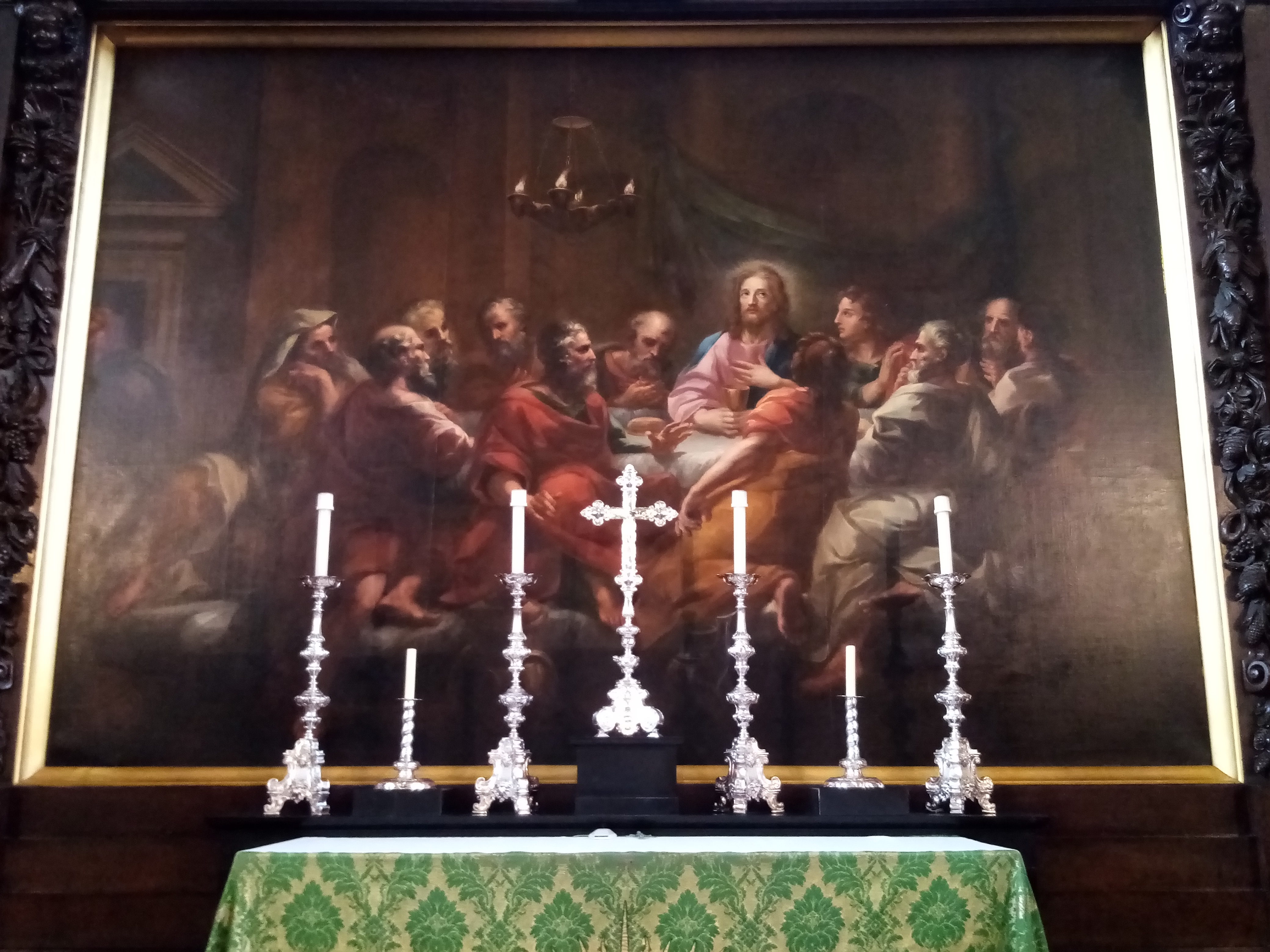
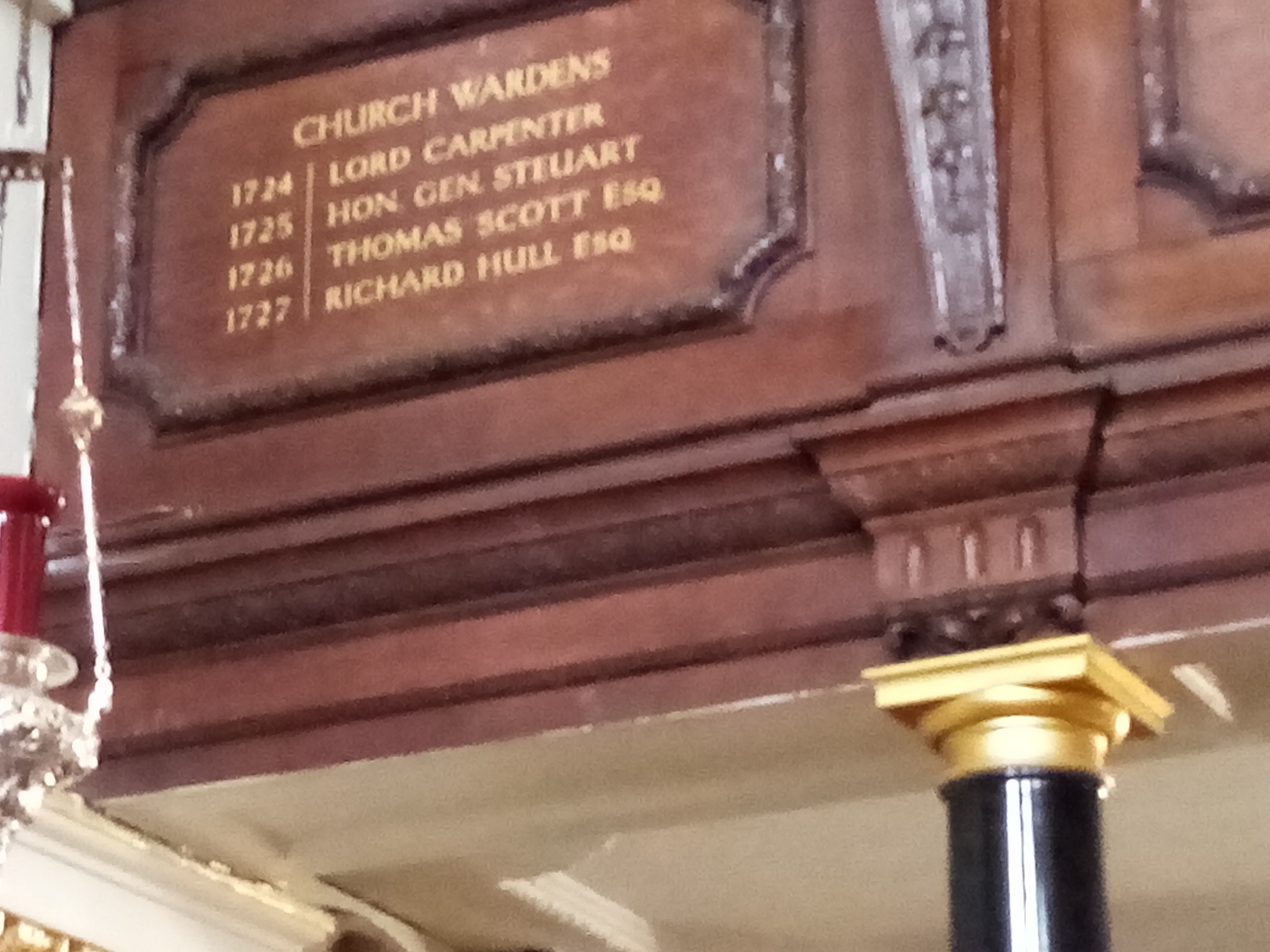
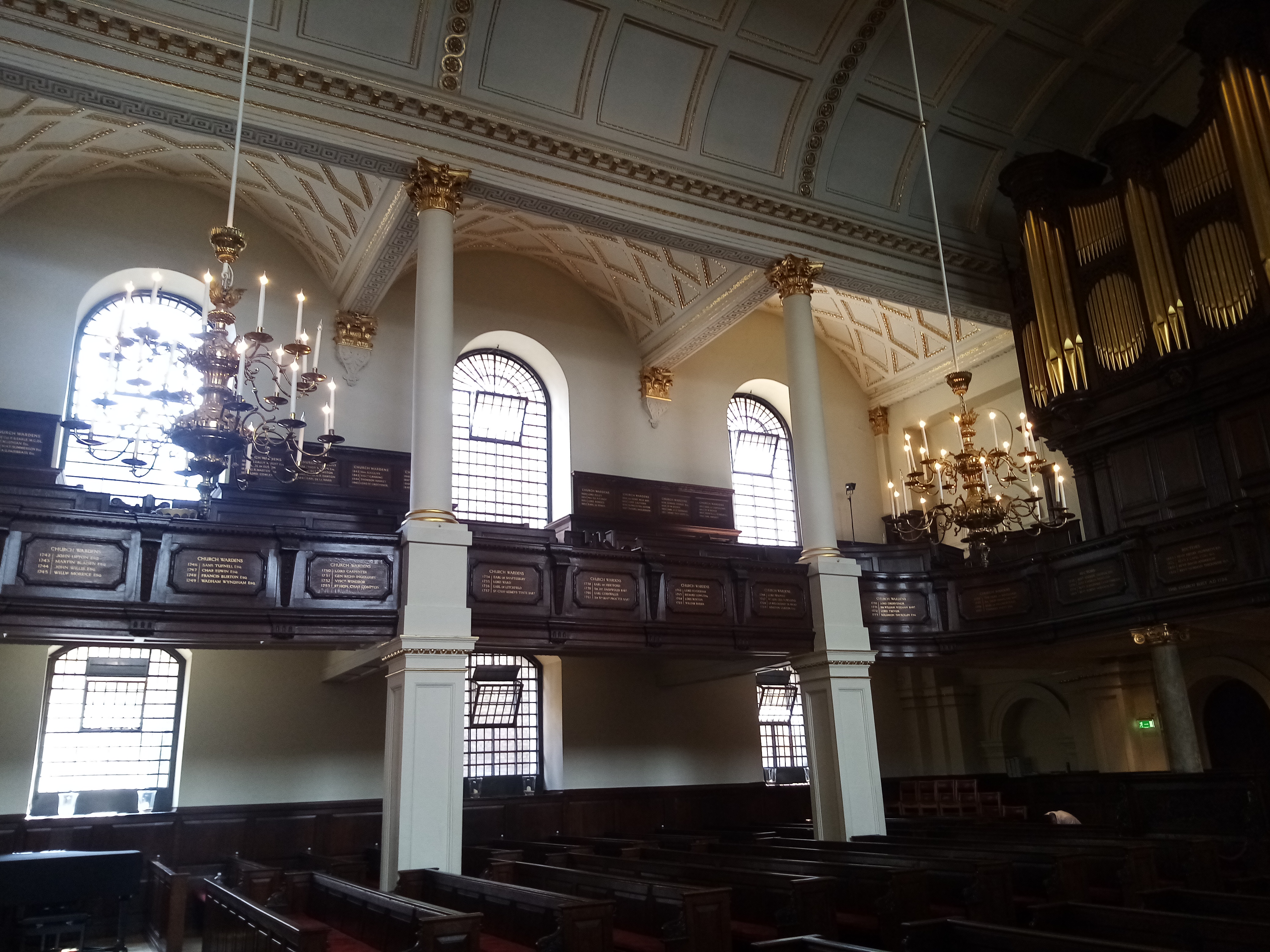
This last church is in St George Street between fashionable New Bond Street and Regent Street. This is the Parish Church of Mayfair, built between 1721 and 1724 as part of a project to build fifty new churches in the ever-expanding capital: the Queen Anne Churches. The church was designed by architect and surveyor John James, who with the more famous Nicholas Hawksmoor, designed and remodelled several other churches and prominent buildings in London. The grand portico of the church, supported by Corinthian columns, projects over the pavement which must have looked very dramatic when the church was first built. The church has been a popular venue for society weddings since it was built, the most famous marriage was between Theodore Roosevelt, soon to be 26th President of the US and fellow-American Edith Carow, in December 1886. The third of our churches with a connection to the US, St George’s is less than half a mile from Grosvenor Square, site of the American Embassy until 2017, so was used as a place of worship for American servicemen and women during the Second World War. Inside the church are wooden plaques all around the balcony listing the names of all the church wardens since the church opened until the present day. In contrast to the modern painting of The Last Supper in Farm Street Church, William Kent’s ‘Last Supper’, painted in 1724, was installed in St George’s church on its completion. Nearly 290 years between these two paintings!
Source: Leaflet in the church, Wikipedia,
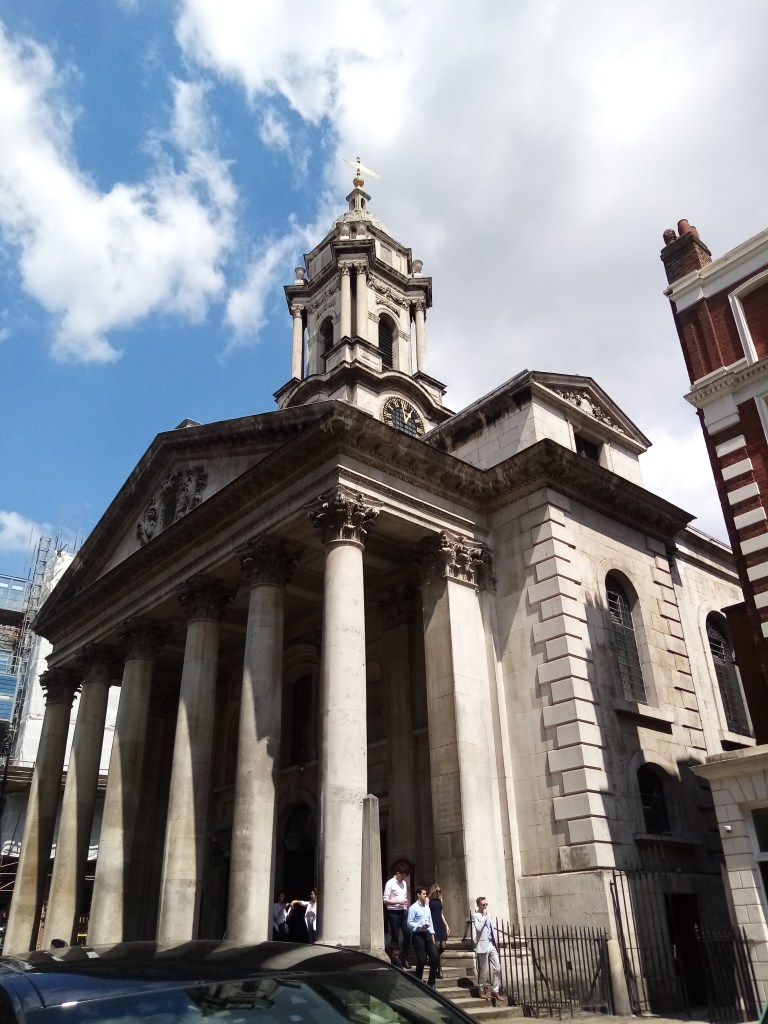
Side view of St George’s portico 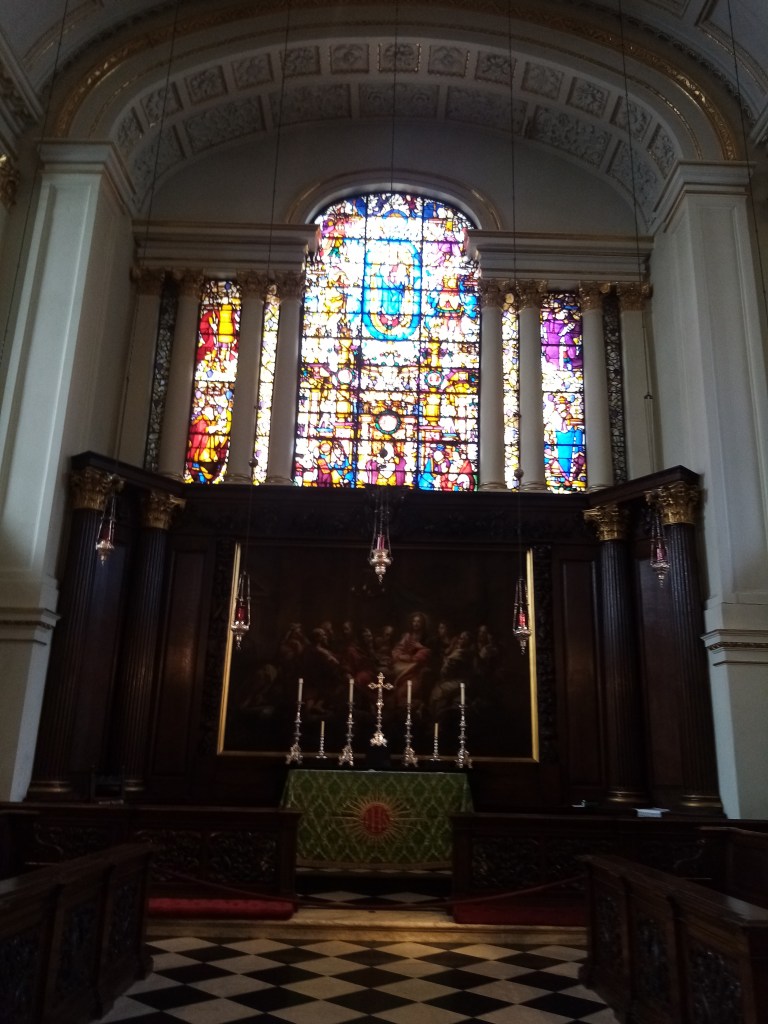
Altar, St George’s
 claresimons1