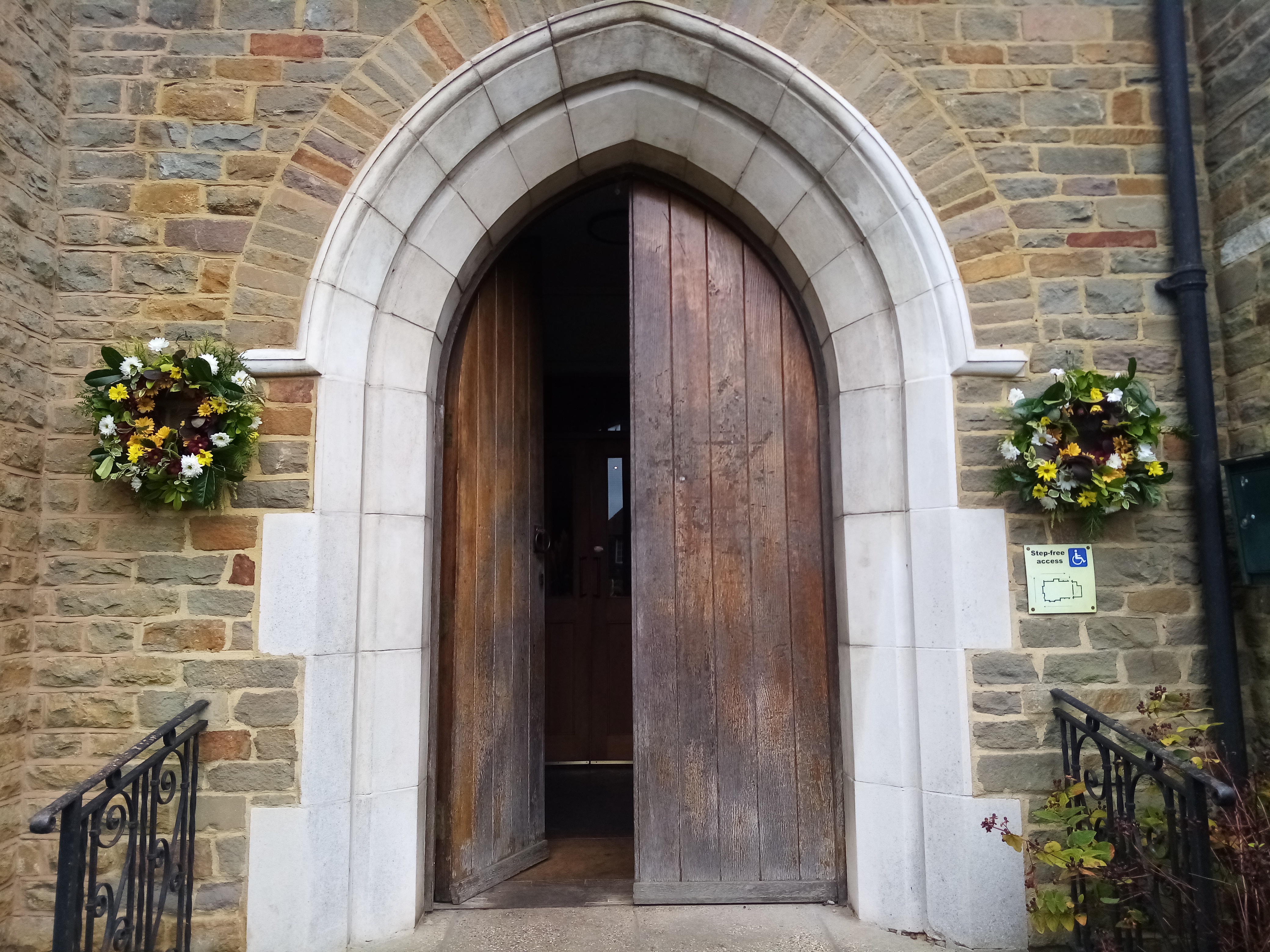
I’d been hoping for some bright blue skies to contrast the reds and yellows of the trees in Autumn, as a background to some ‘traditional’ English churches. However, I haven’t been able to capture this in my photos, as what started as bright, sunny mornings quickly turned cloudy, dull and even rainy. But I was able to go inside some of the churches to see their lovely harvest/Autumn displays. These four churches are all in leafy Sutton and Surrey.
St Dunstan’s Cheam
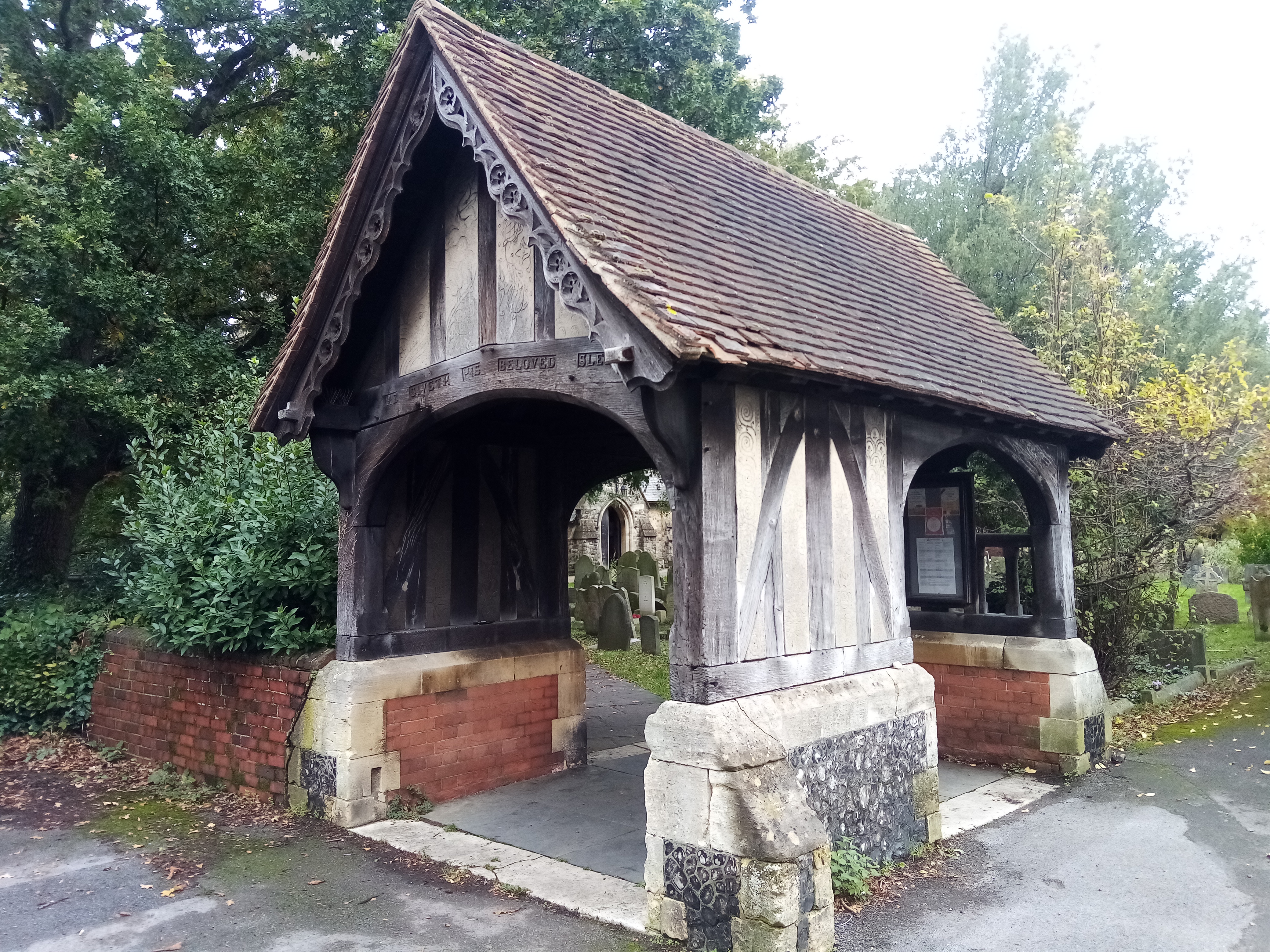
This is the Parish Church of Cheam, occupying a site of Christian worship which goes back to Saxon times. The current building, built in 1864, replaced a mediaeval church, and when this was demolished, the East end of the chancel was retained to contain the monuments and brasses. This remnant of the mediaeval church is now known as the Lumley Chapel, which I featured on the blog last March. The current church is constructed and designed in the French Gothic style of the late 13th century. There is a charming lych-gate at the entrance to the churchyard dated 1891. The most famous of St Dunstan’s one-time rectors was Lancelot Andrewes, leader of the team who translated and compiled the Authorised, or King James Version of the Bible, published in 1611. Lancelot went on to great things, becoming Bishop of Chichester, Ely and Winchester. When I visited, St Dunstan’s was open and beautifully decorated for Harvest.
Source: Information Leaflet in the Church
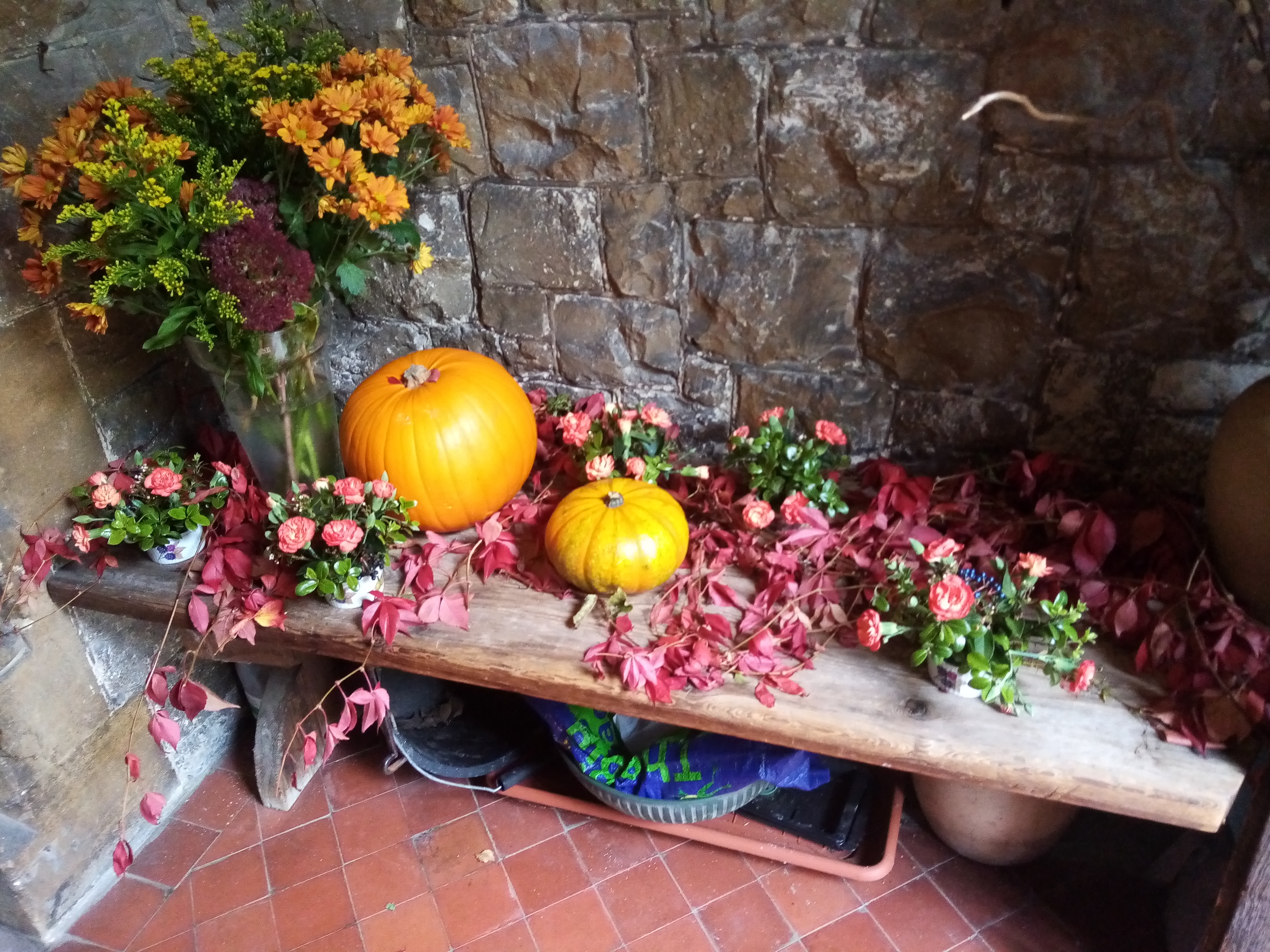
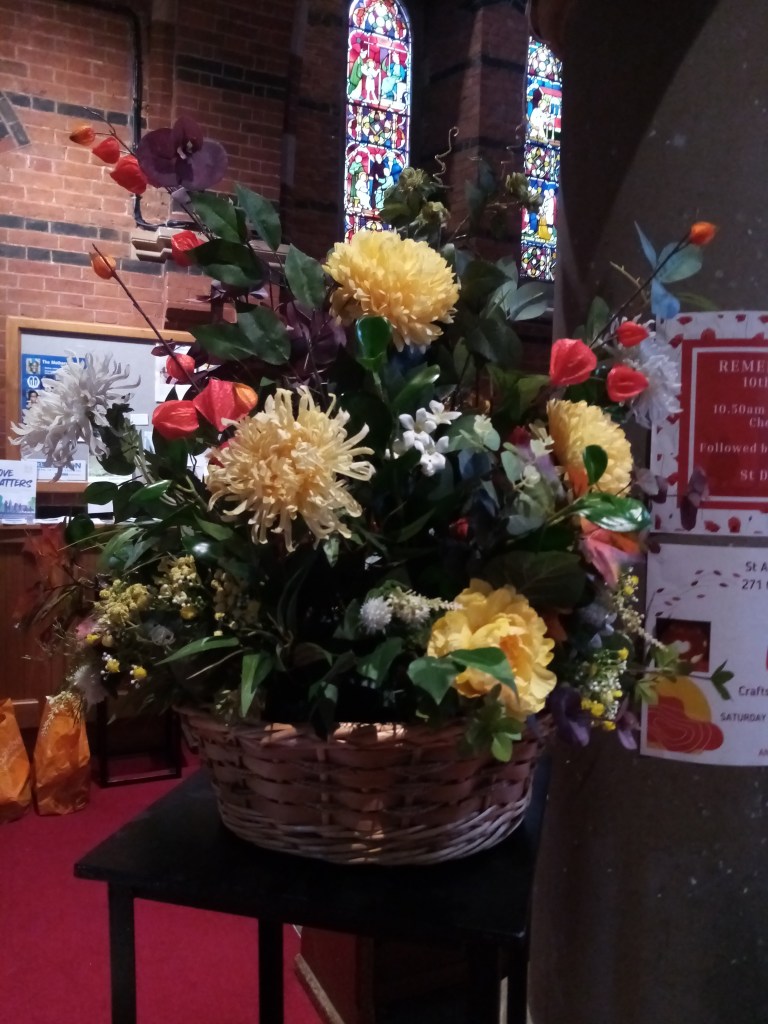

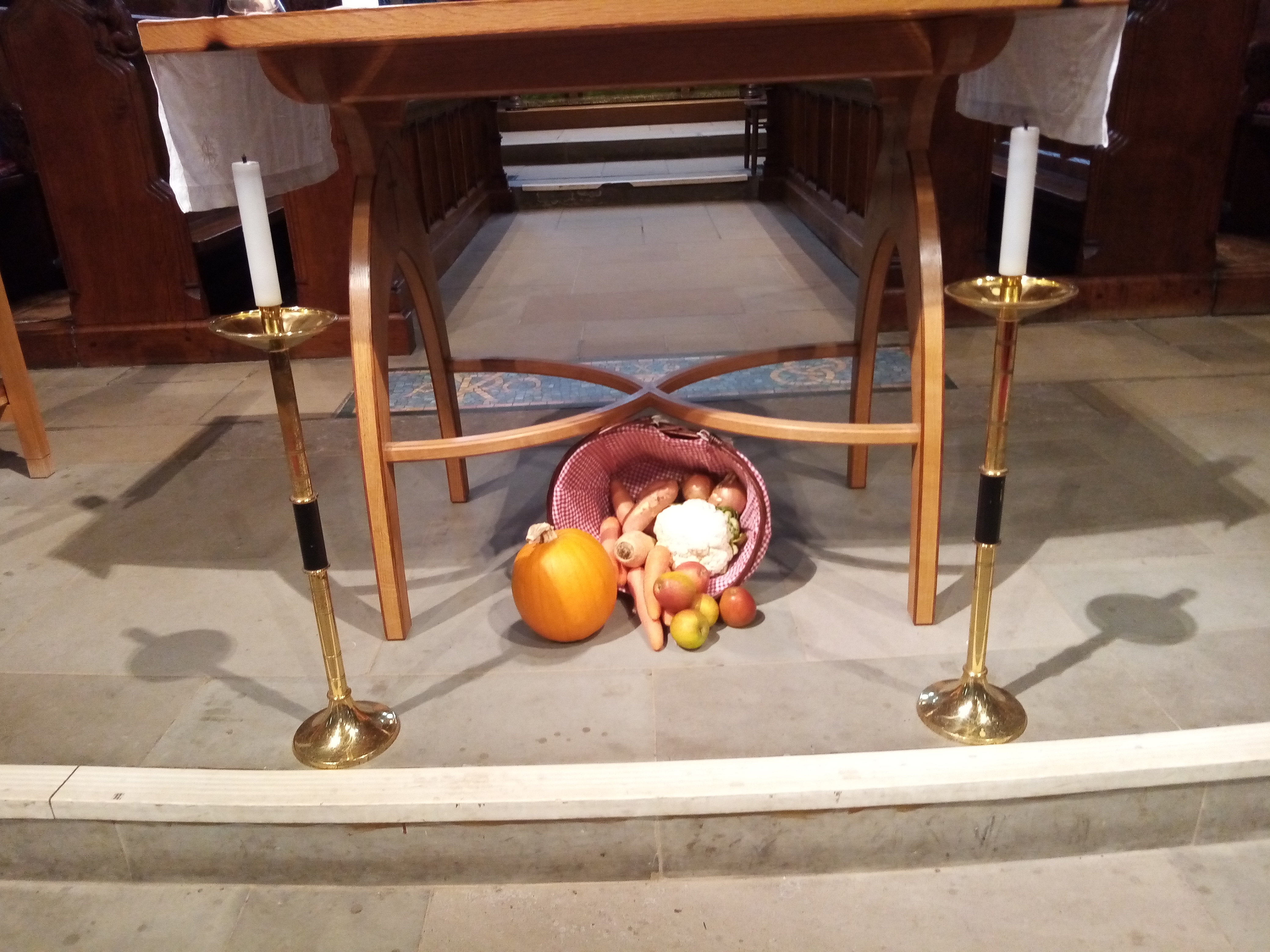
St John’s, Belmont
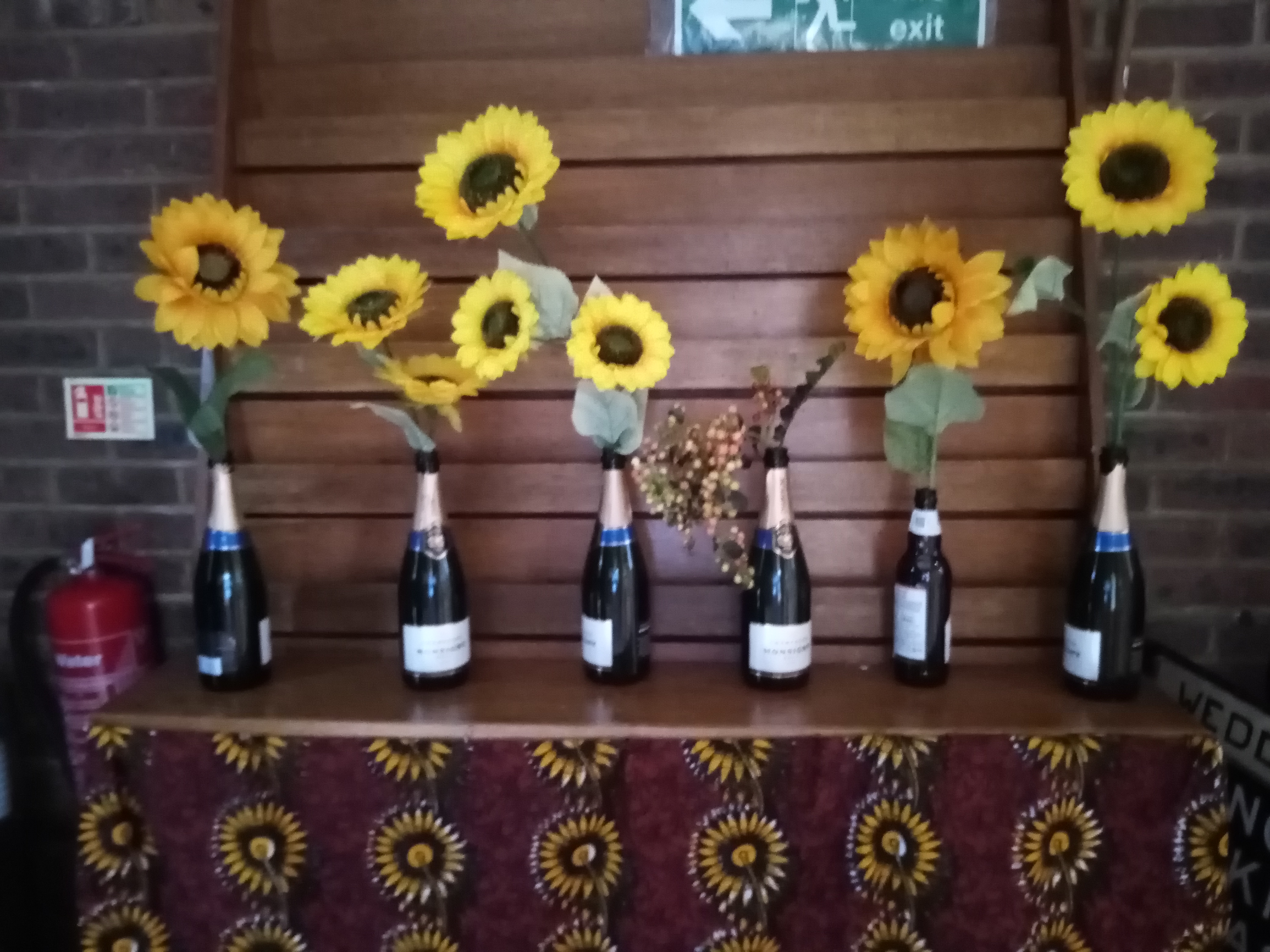
It was lovely to pop inside St John’s and see another creative and beautiful Autumn/Harvest display. The church was built between 1914 and 1917 for the ever-expanding population of Greater London; a Church of England Parish church. It was designed by ‘major architectural duo’ Greenaway and Newbury in the neo-Gothic style. The church retains all its original fittings, and almost all of them were designed by the architects themselves. The font in the church dates from 1706 and originally came from a church in Oxford, and the East window was from a Victorian church being demolished. The building was extended in the 1970s and the nearby Methodist congregation moved in to share the building in the 1980s, sharing worship and administration since the mid-1990s. St Johns has become very active in the local community since then, and a community hall was built next to the church in 2002 to cater for a variety of activities.
Sources: achurchnearyou.com; nationalchurchestrust.org
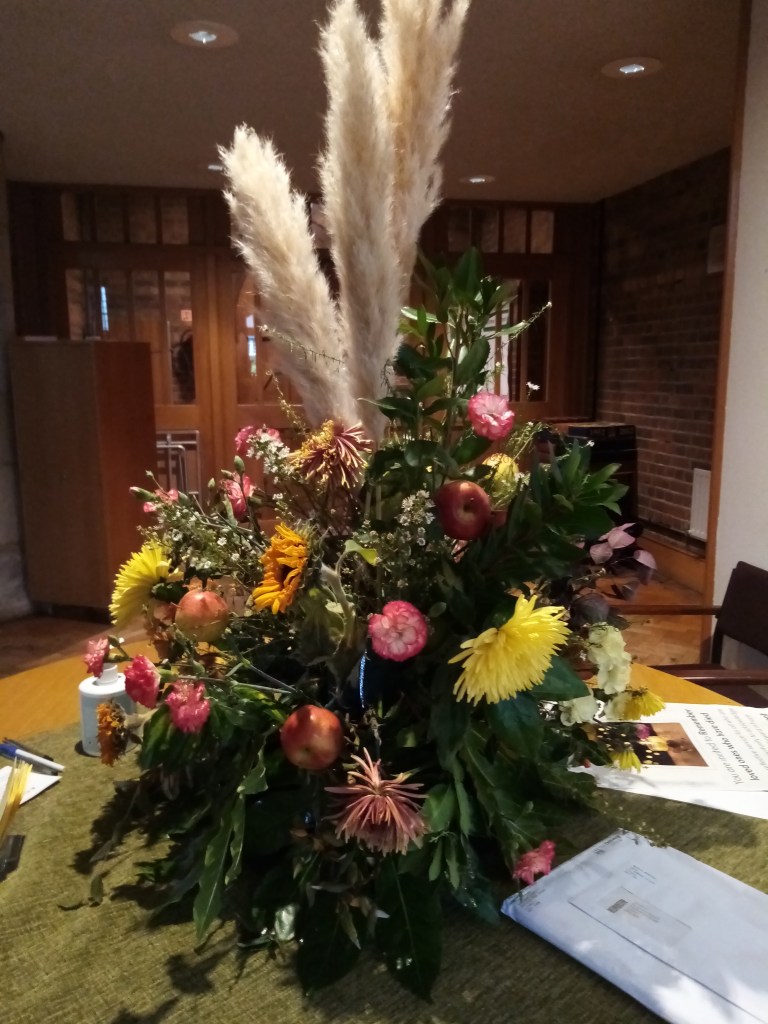
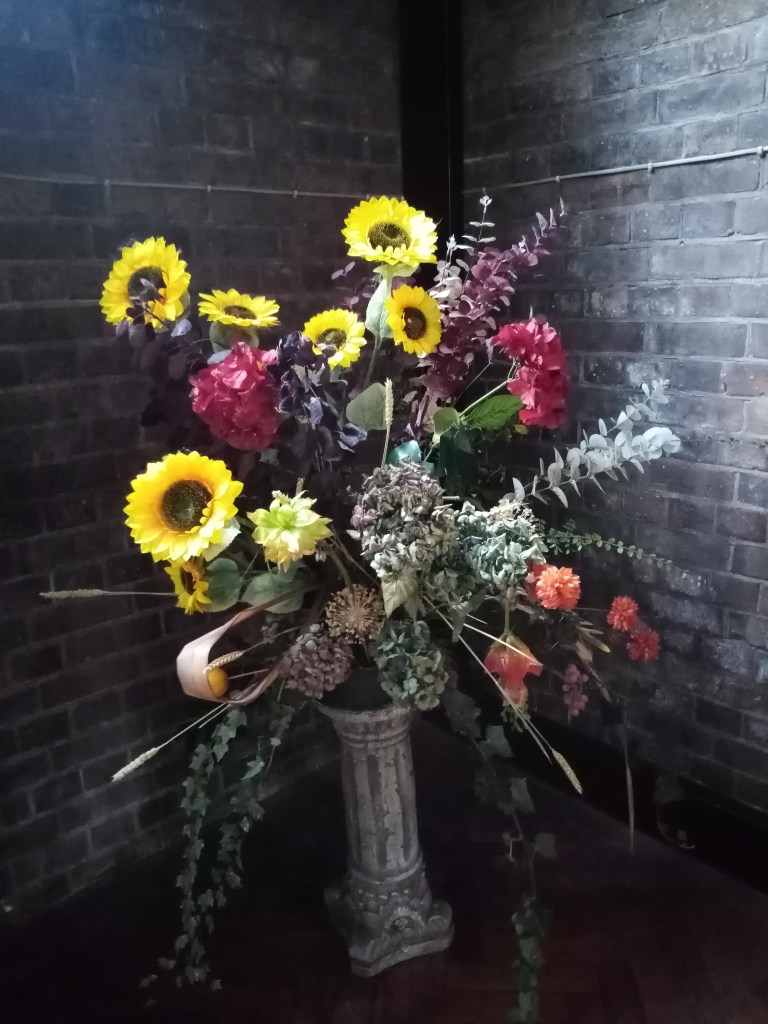
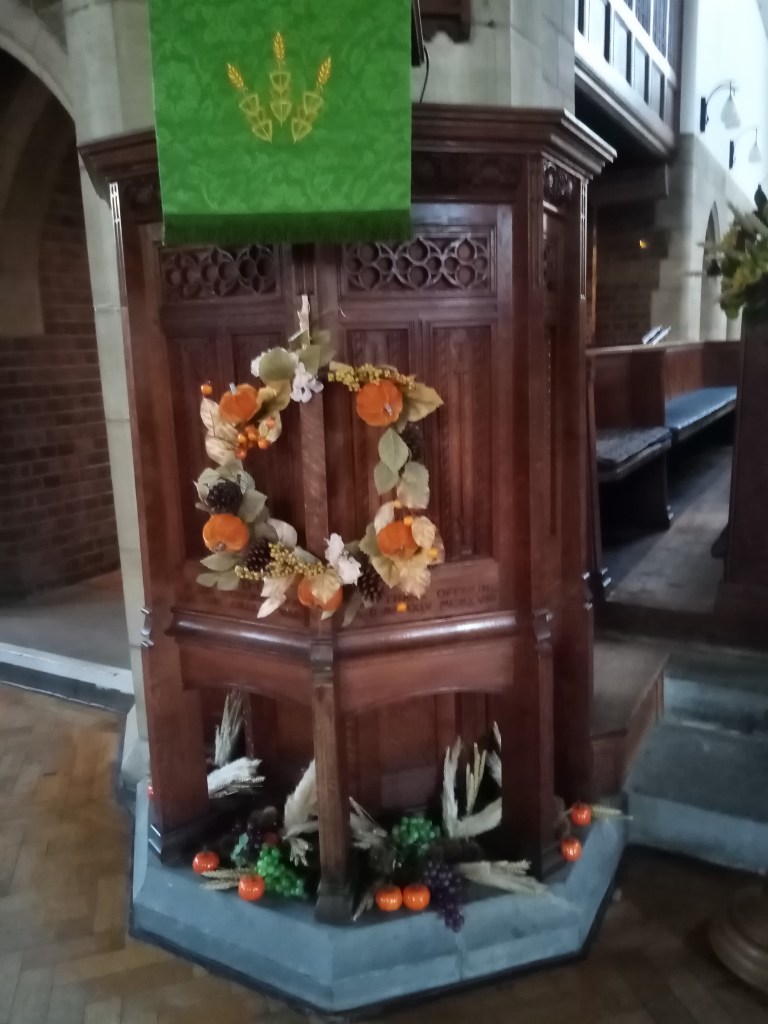

St Mary Magdalene, Richmond
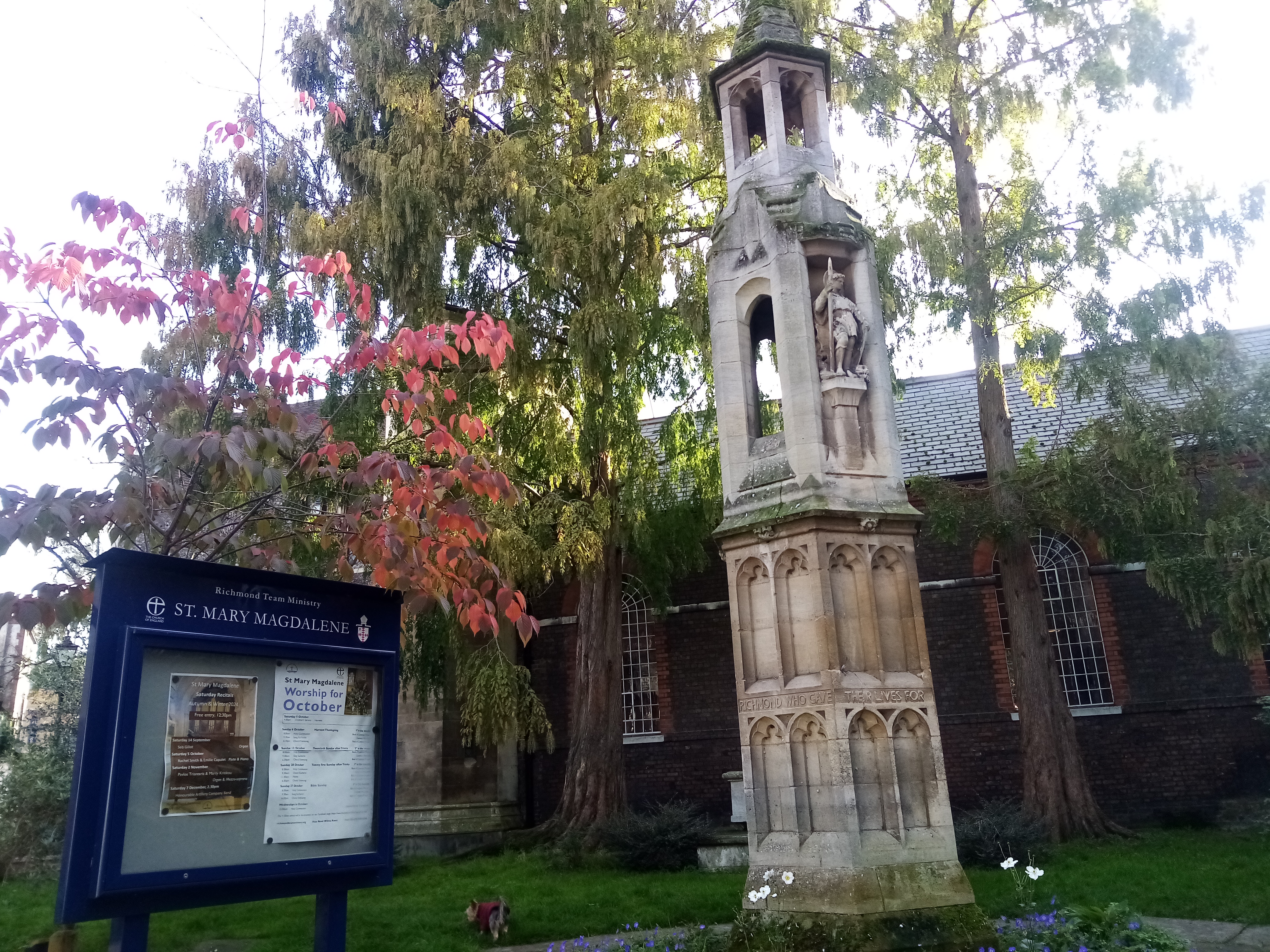
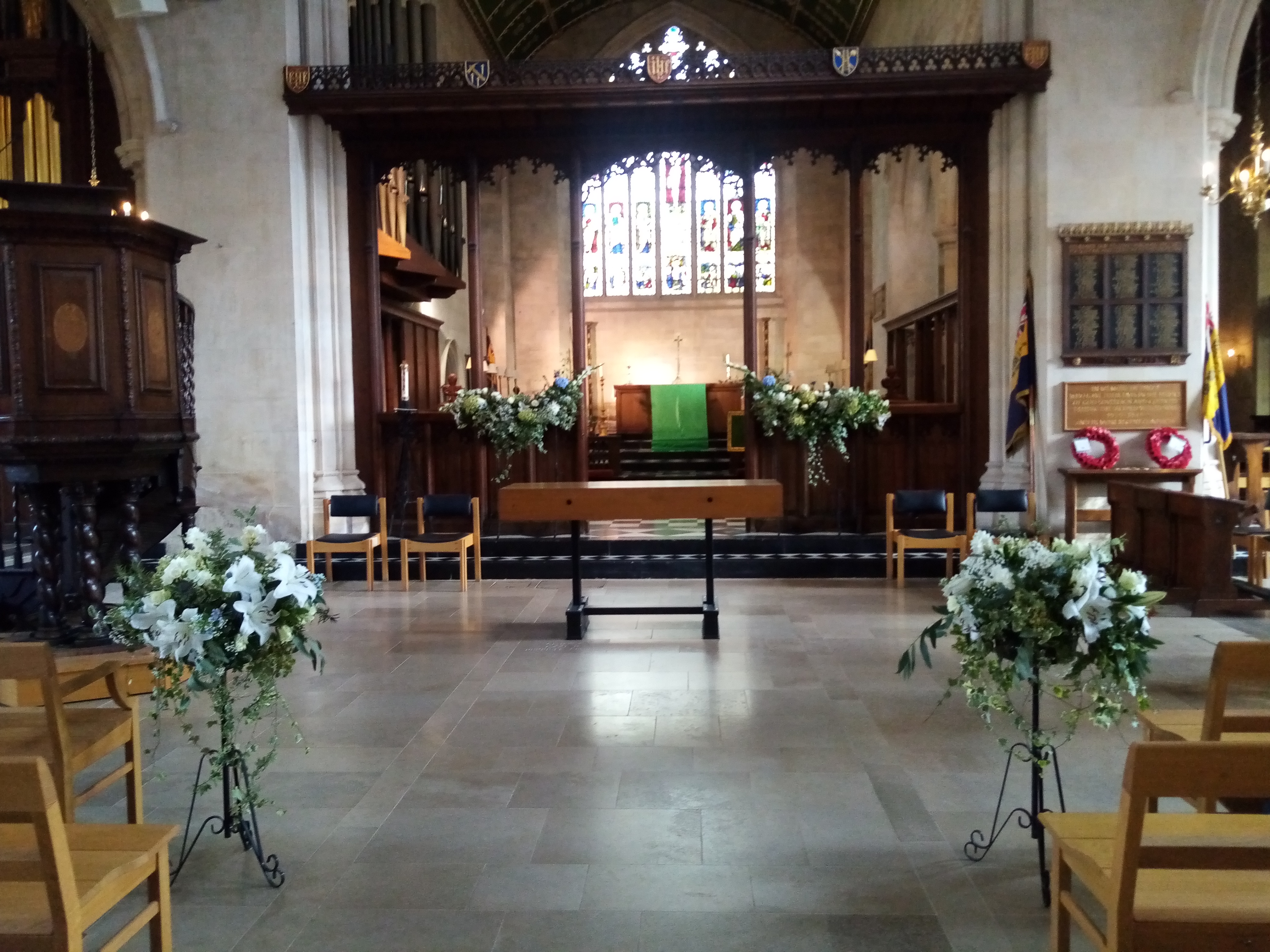
This is a Parish church built in the 16th century with additions up until the early 20th century. The original chapel was built in around 1220; Wikipedia lists ‘Years built’ as 1220 to 1904, so some sort of construction work has taken place for nearly 700 years! The church was entirely reconstructed during the reign of Henry Vll, who had been Earl of Richmond, Yorkshire, before becoming King of England. He rebuilt the Manor of Shene as a Royal Palace, which he named the Palace of Richmond. The small rural town of Shene subsequently took on the name Richmond too. There is a memorial stone in the church to three members of Lord Richard Attenborough’s family, who tragically lost their lives in the Asian Tsunami of December 2004. Lord and Lady Attenborough asked if the ashes of their daughter, granddaughter and their daughter’s mother in law could be placed in the church. It is uncommon for permission to be granted for church burial of ashes, but the diocese agreed to grant a faculty because of the family’s strong connection to the parish church; Lord and Lady Attenborough lived close by at Richmond Green.
Sources: Leaflet in the church; Notice board outside the church
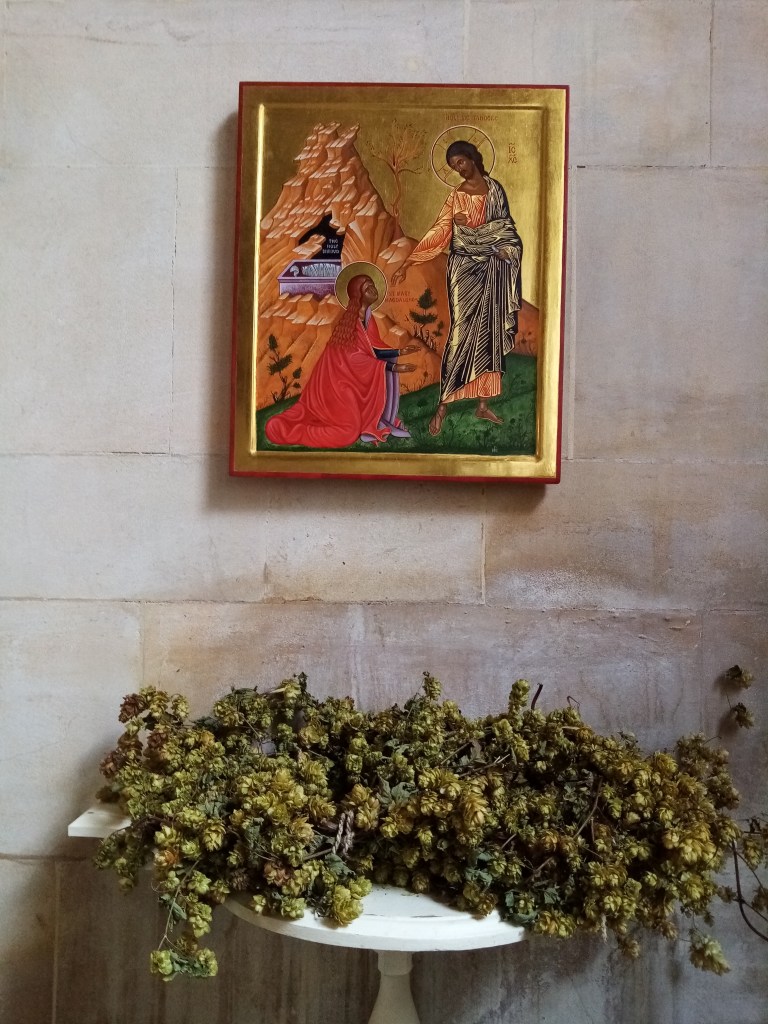
Picture of Jesus with Mary Magdalene 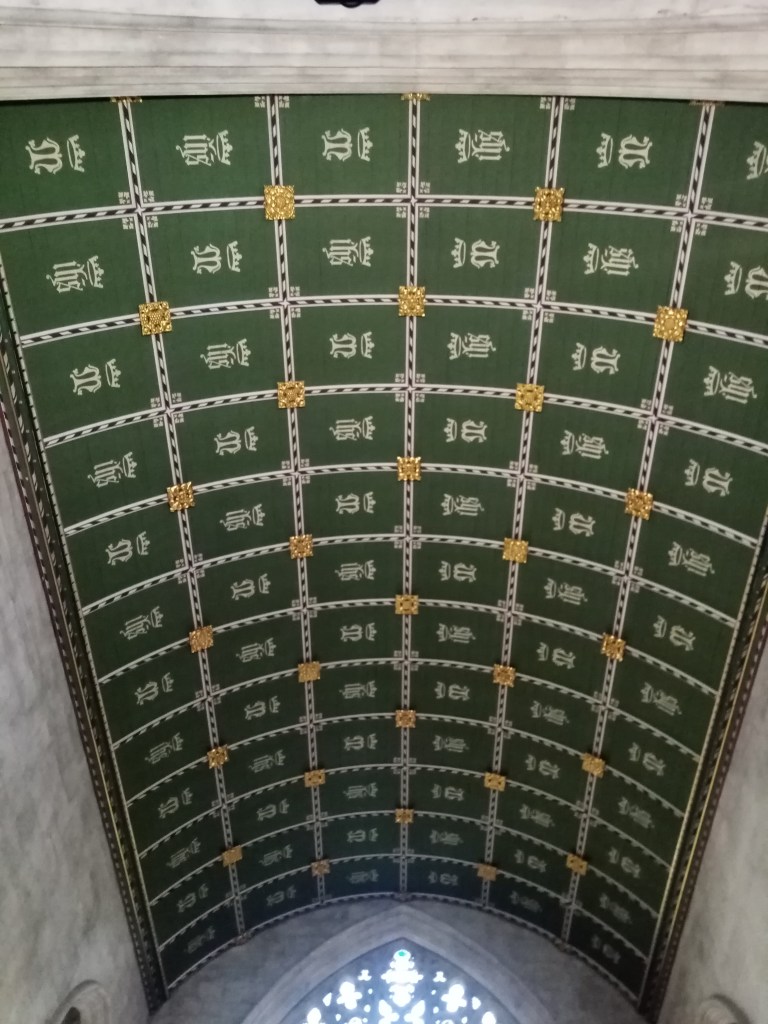
Ceiling in St Mary Magdalene
St Peter’s Woodmansterne
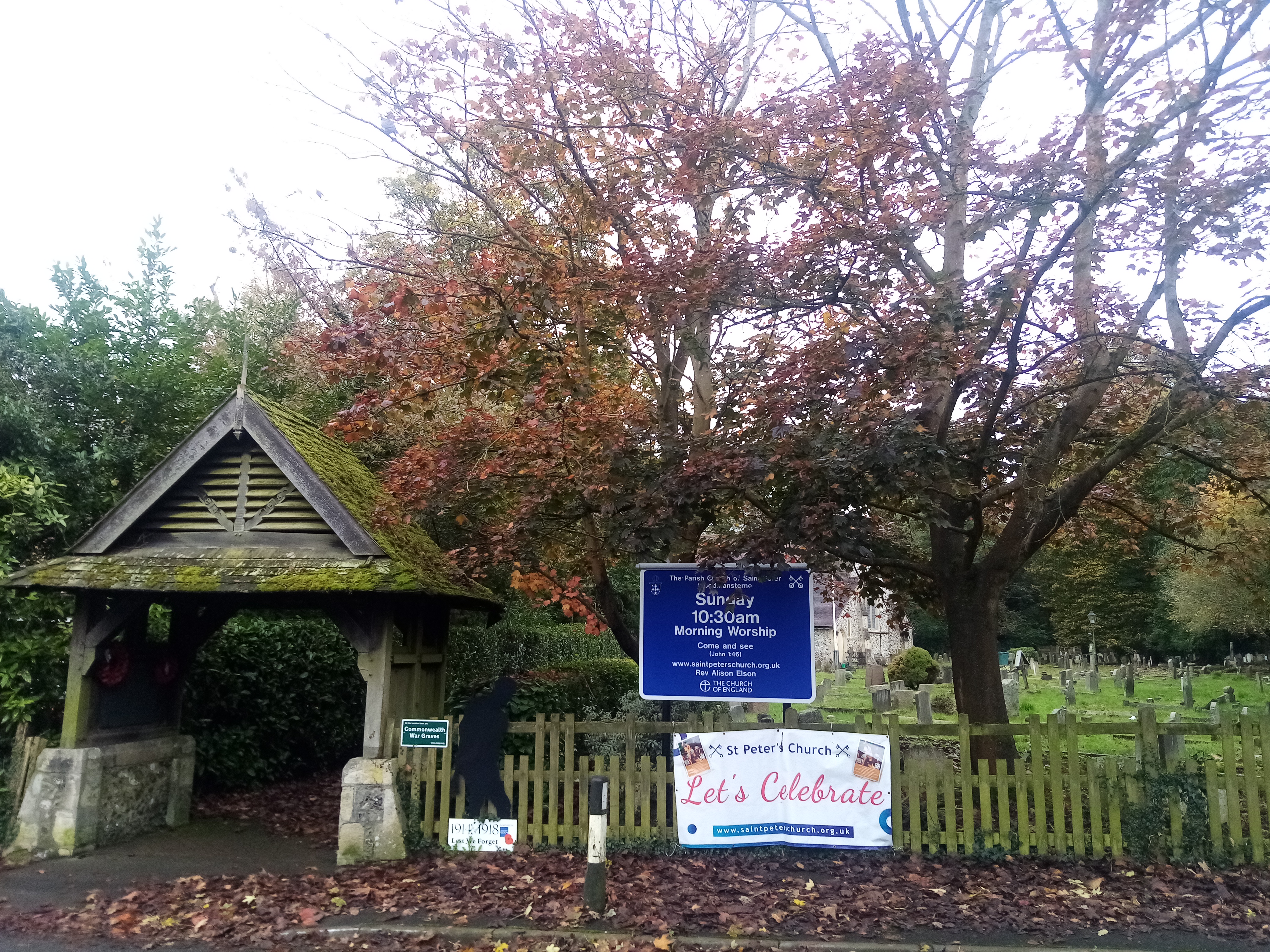
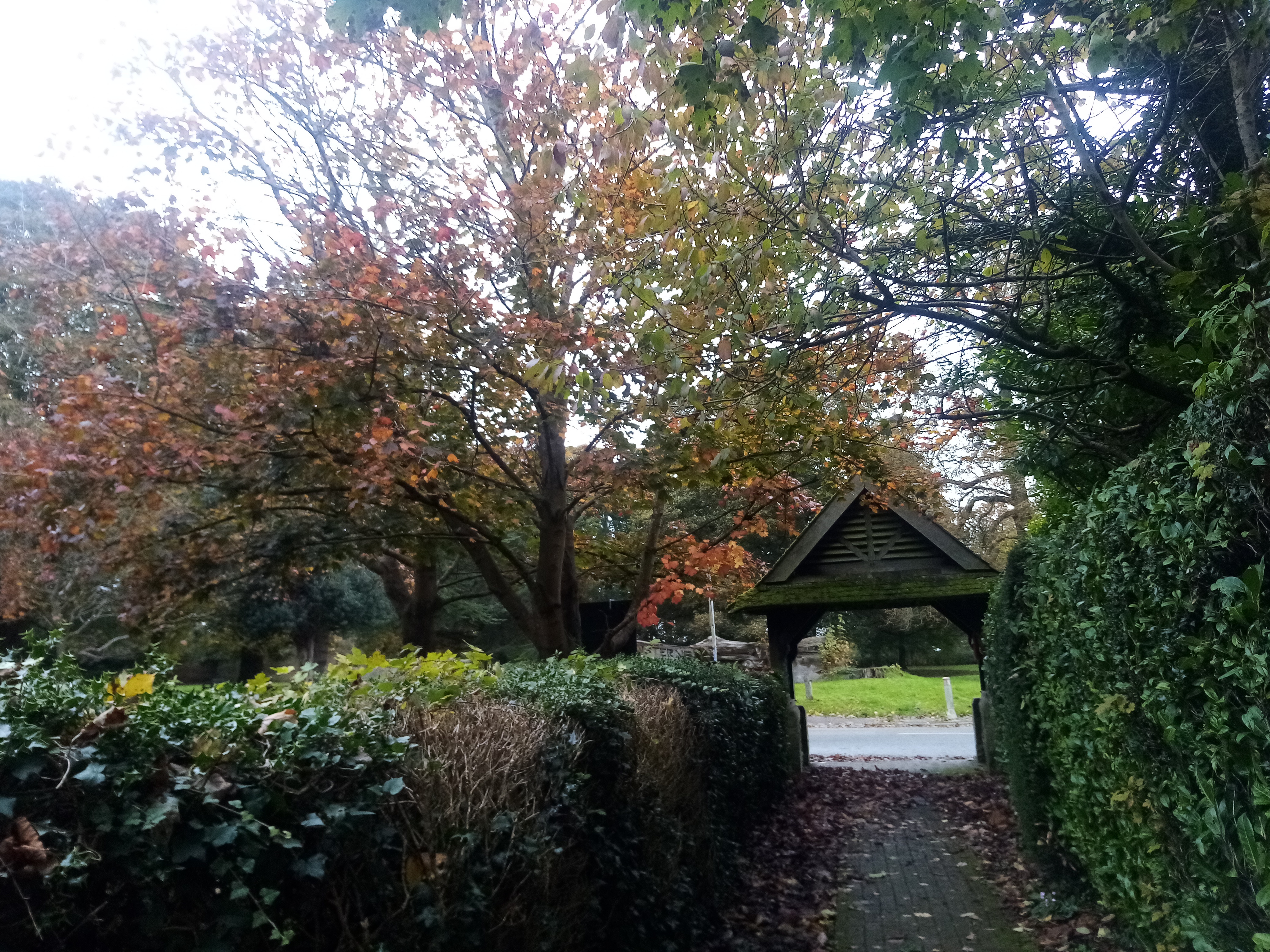
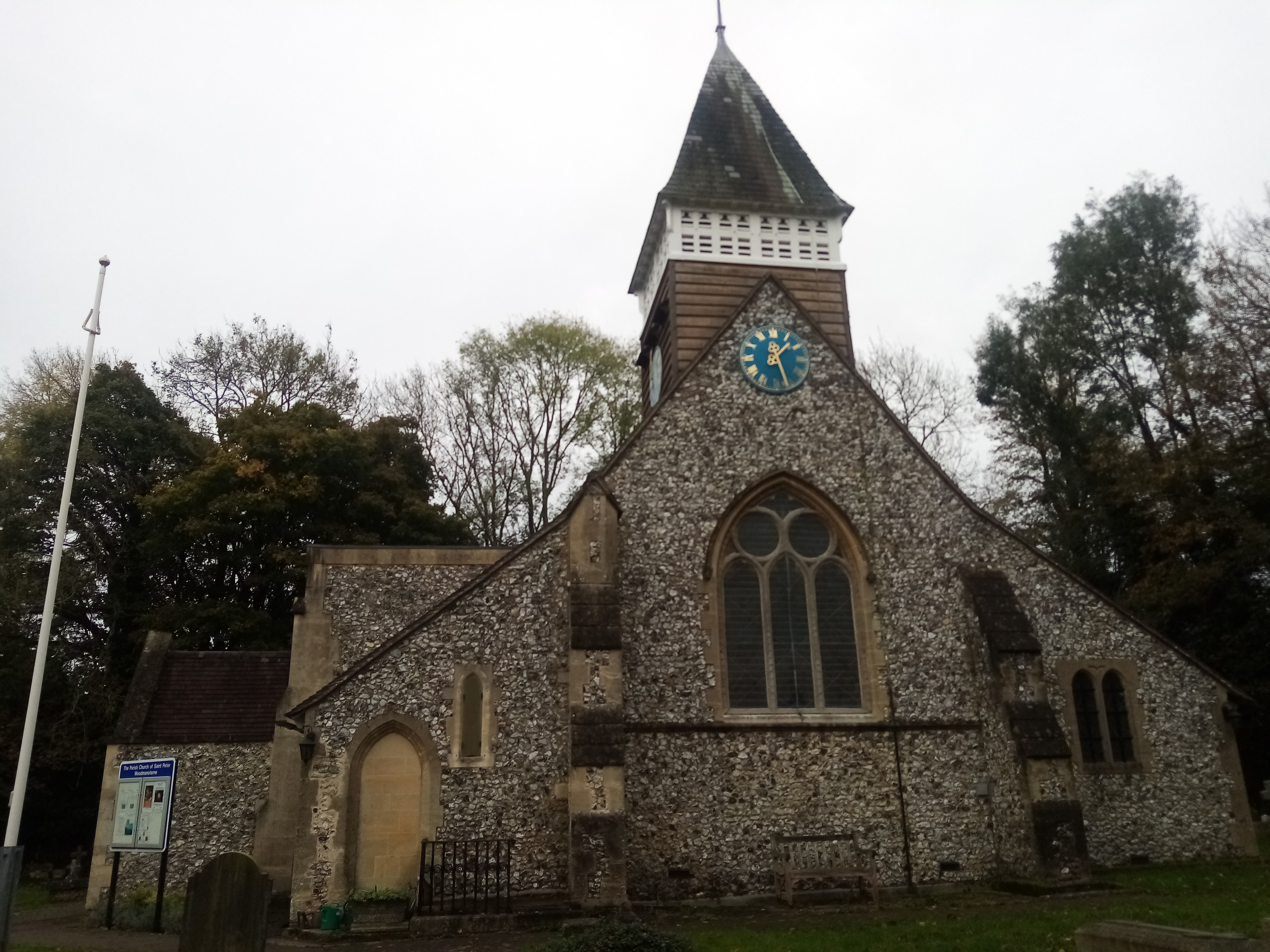
On the edge of the Borough of Sutton, St Peter’s was built between 1876 and 77 in what would have been a very rural setting. There has been a church on this site since the 9th century, a small Saxon church in a sheep-farming village. Woodmansterne is mentioned in the Domesday Book as ‘Odemerestor’ which derives from Anglo-Saxon ‘Ode’ – Wood, ‘mere’ – pond and ‘tor’ – high ground. The name went through many variations until the name Woodmansterne became the standard description in the 15th century. The previous mediaeval church was demolished and entirely reconstructed in 1876 using some materials from the old building. Like St Dunstan’s, the church has a pretty lych-gate which was erected as a memorial to the men of the village who lost their lives in the 1914 to 18 War, with further names added in memory of victims of the Second World War. Today St Peter’s has an extensive calendar of events and activities: in October there was the Bus Stop Café, a Light Party, a local walk, a Quiz Night, a Film Club, fitness classes and uniformed children’s groups.
Source: church website: saintpeterschurch.org.uk

 claresimons1