July – Churches in Kingston

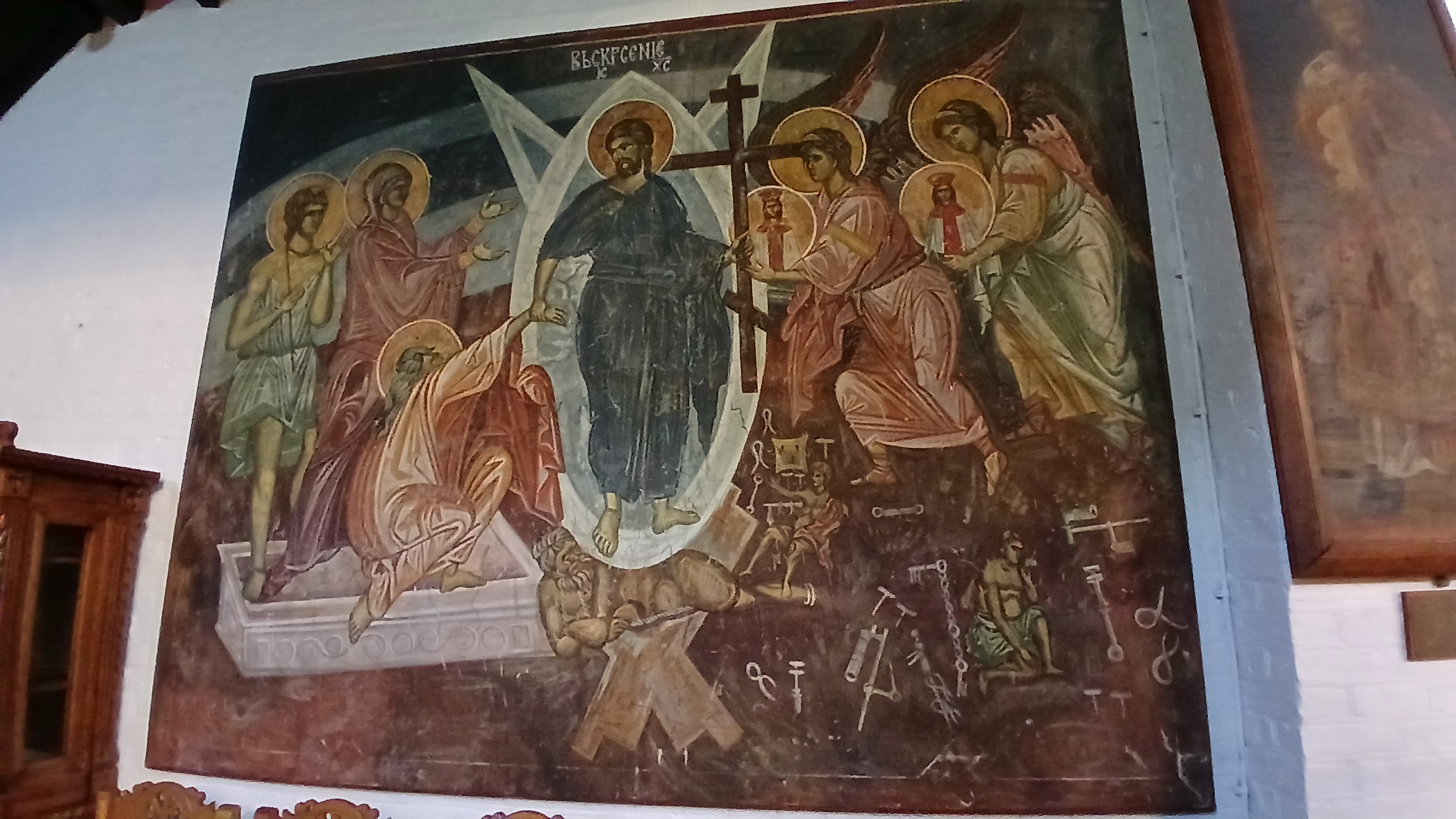
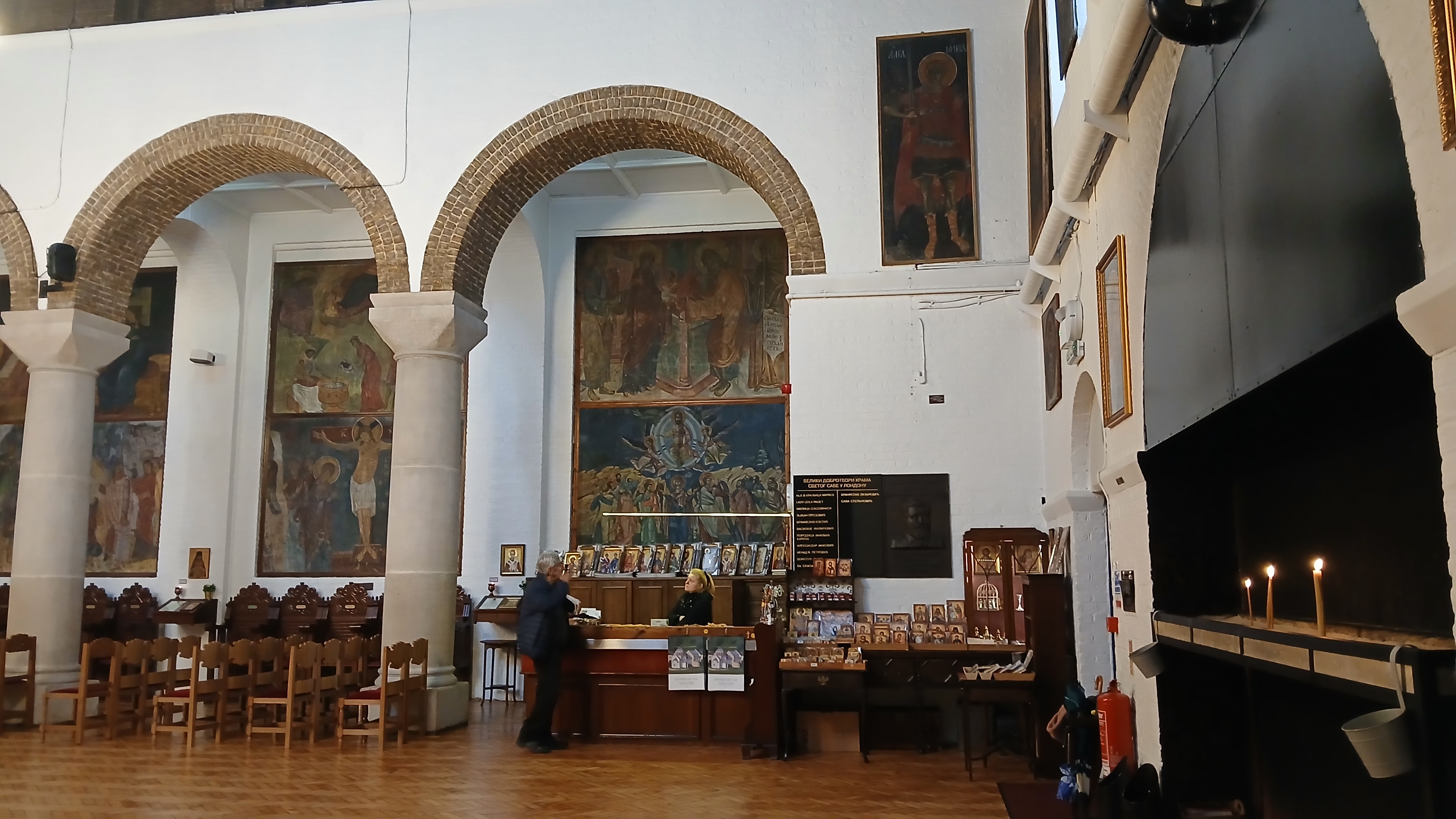
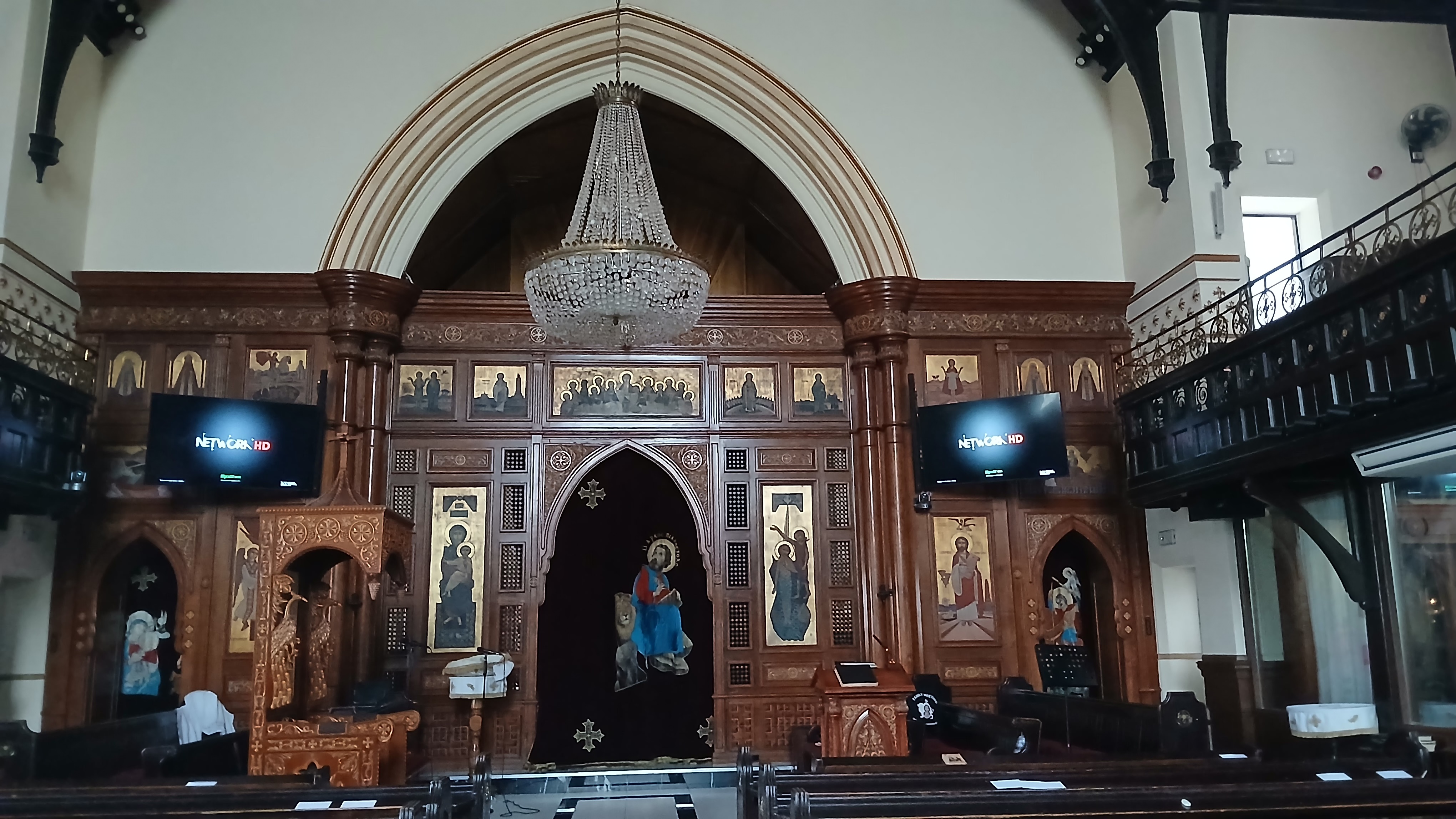
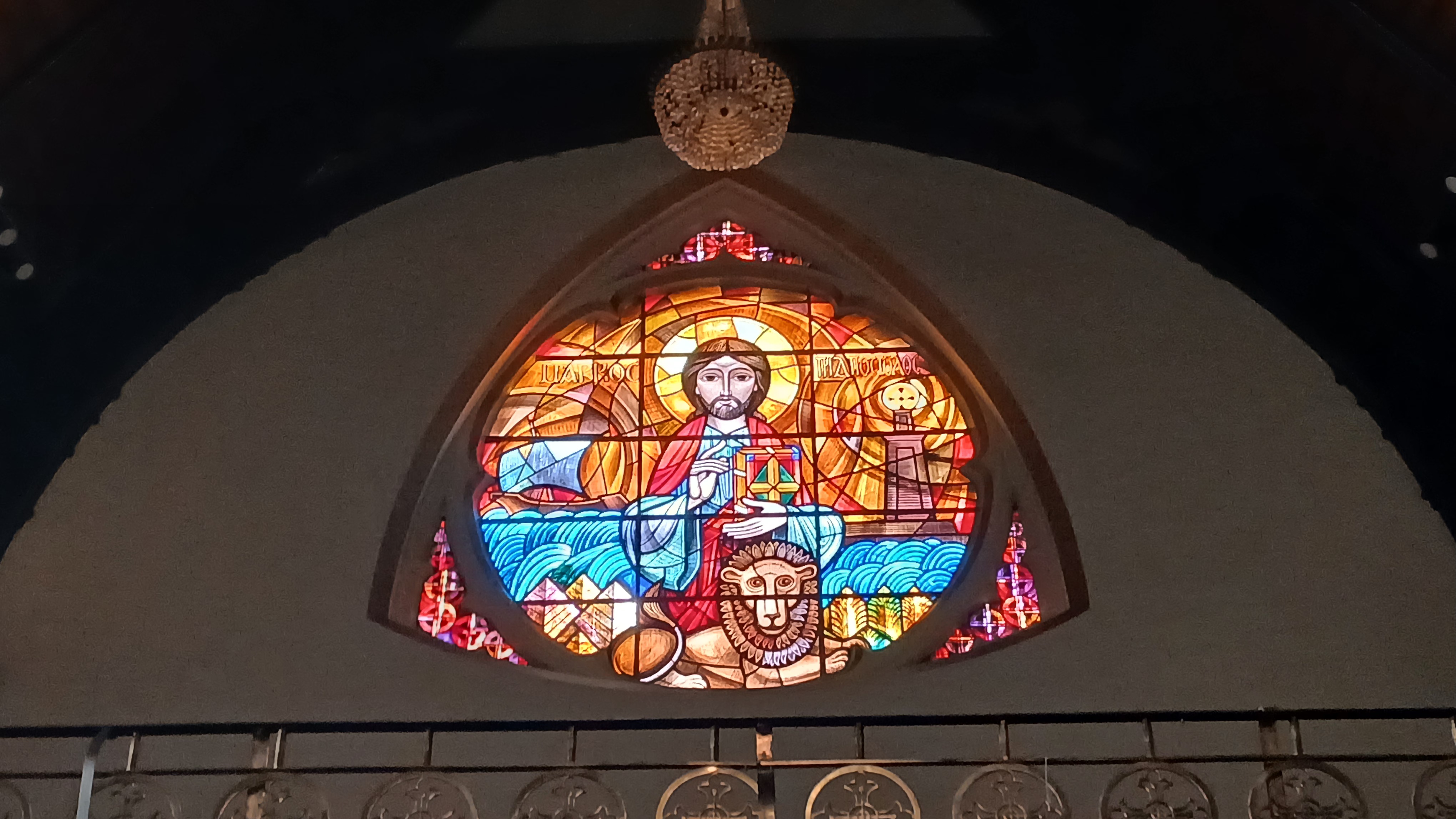
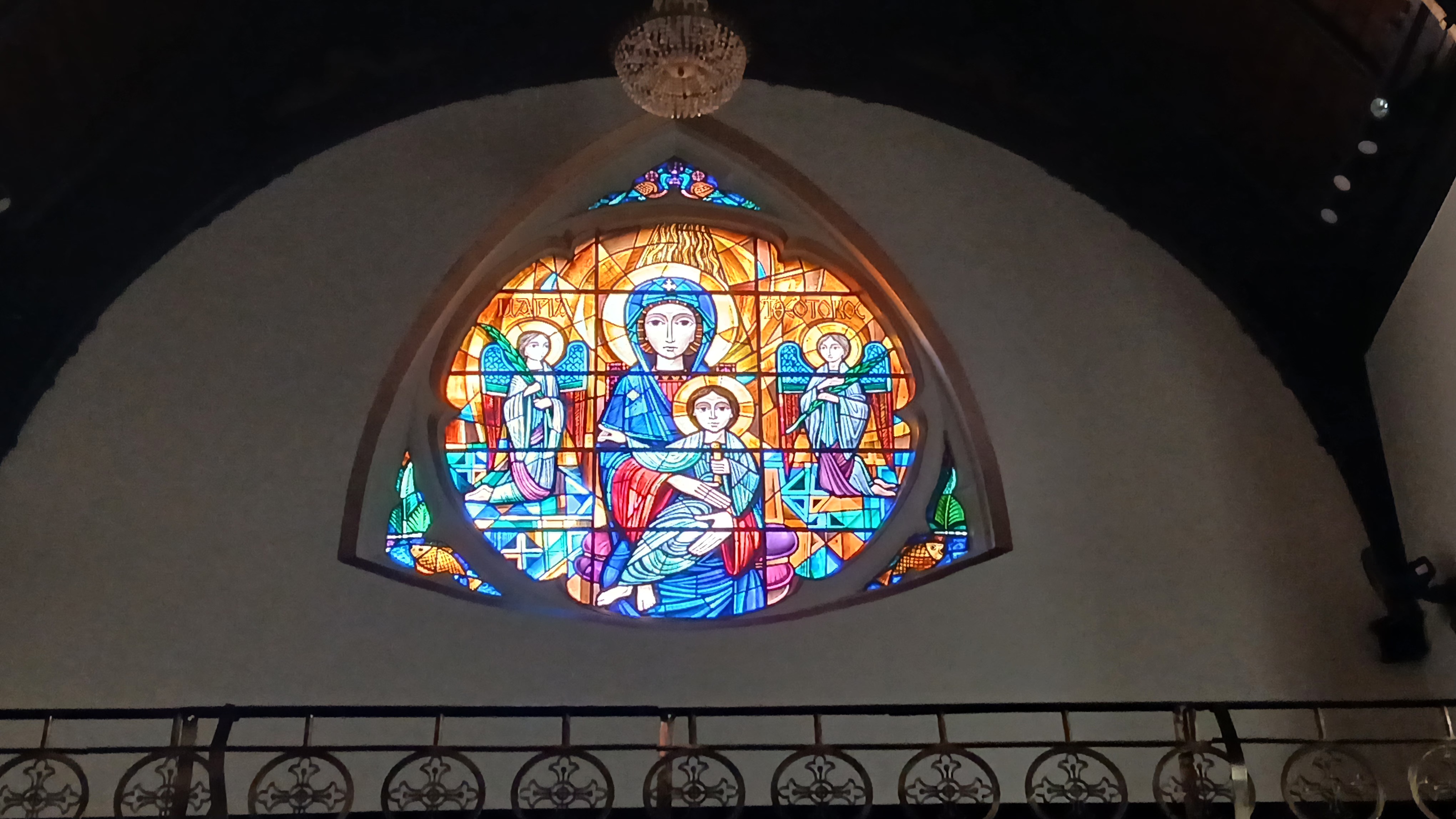
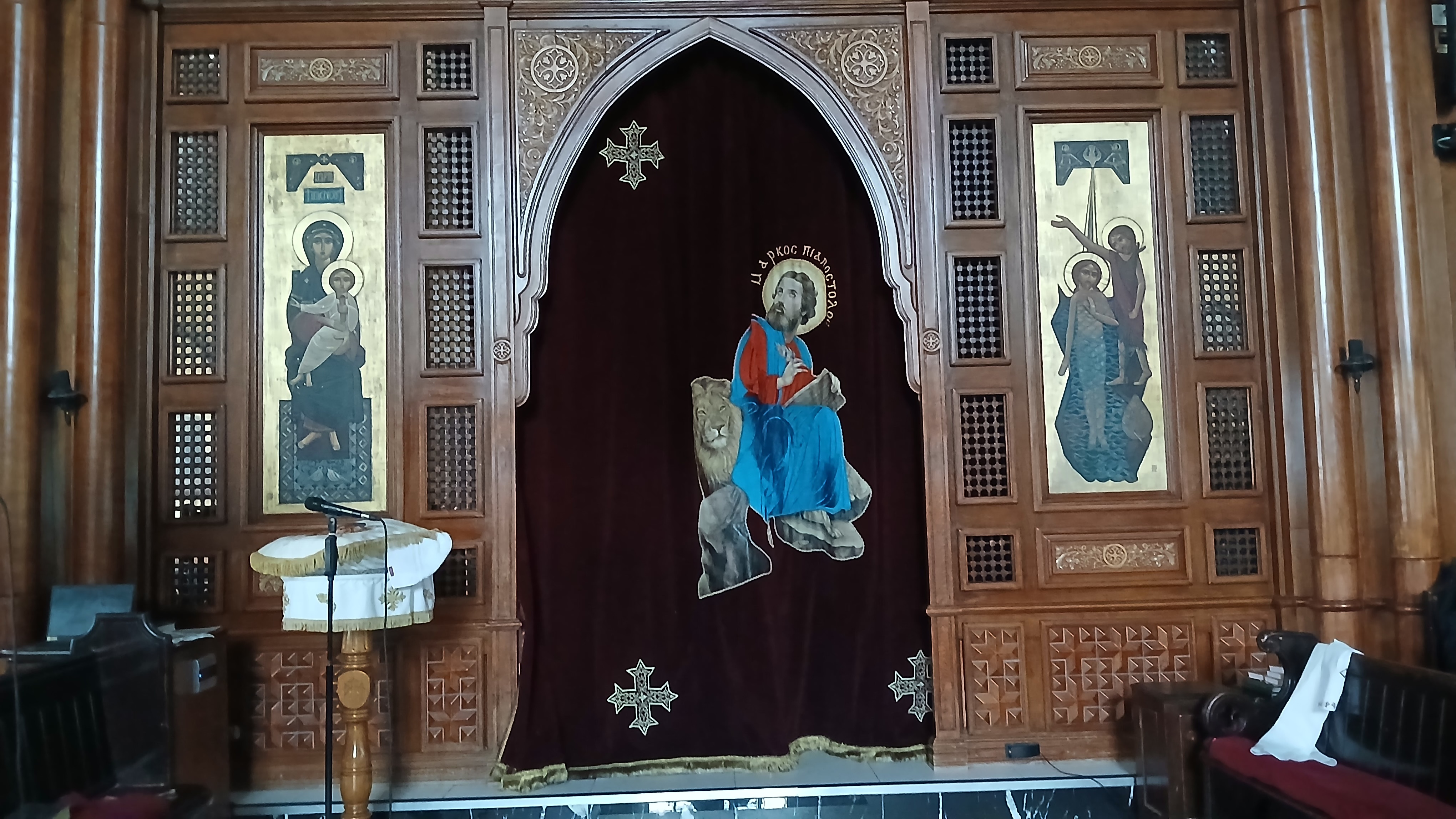
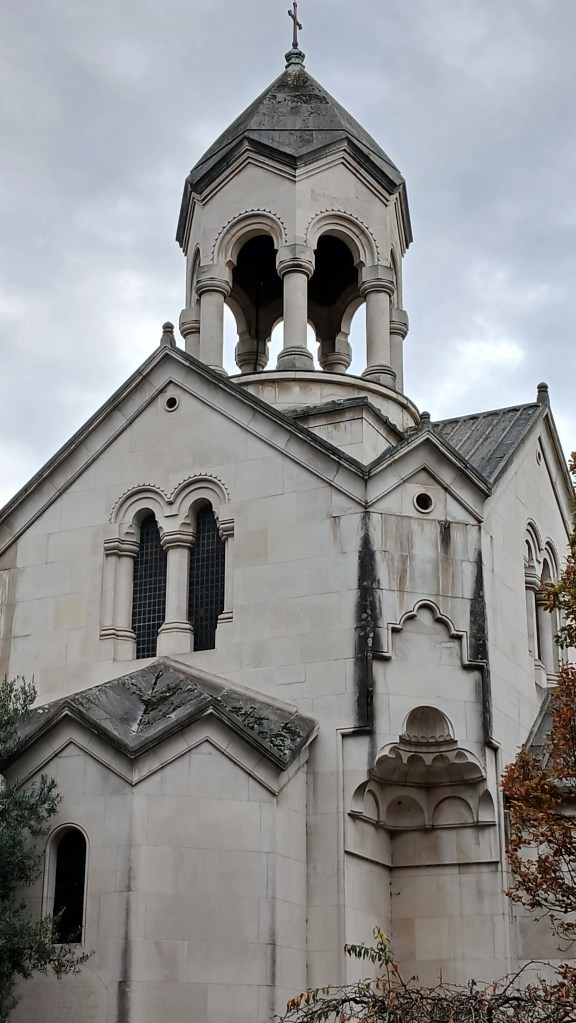
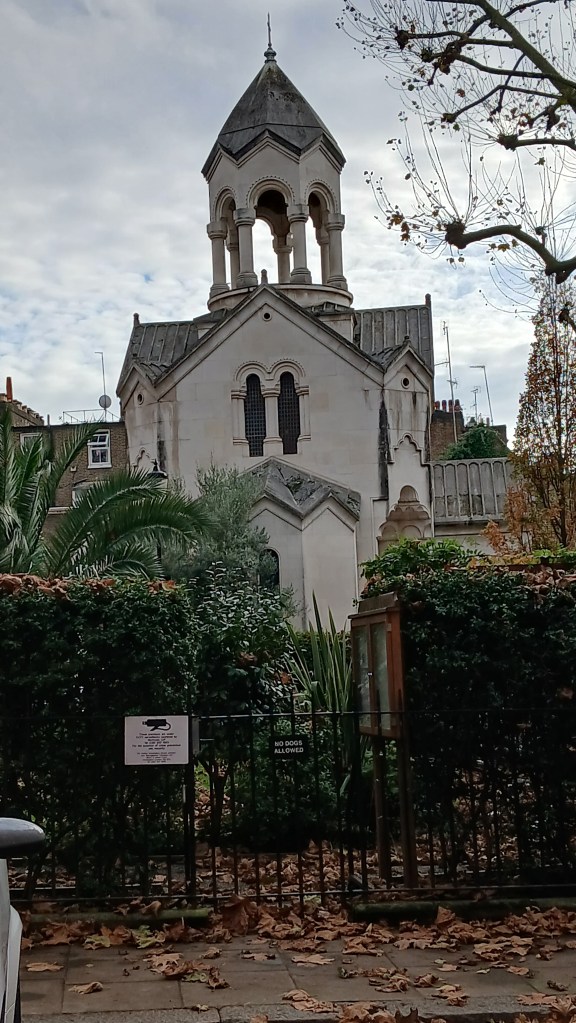
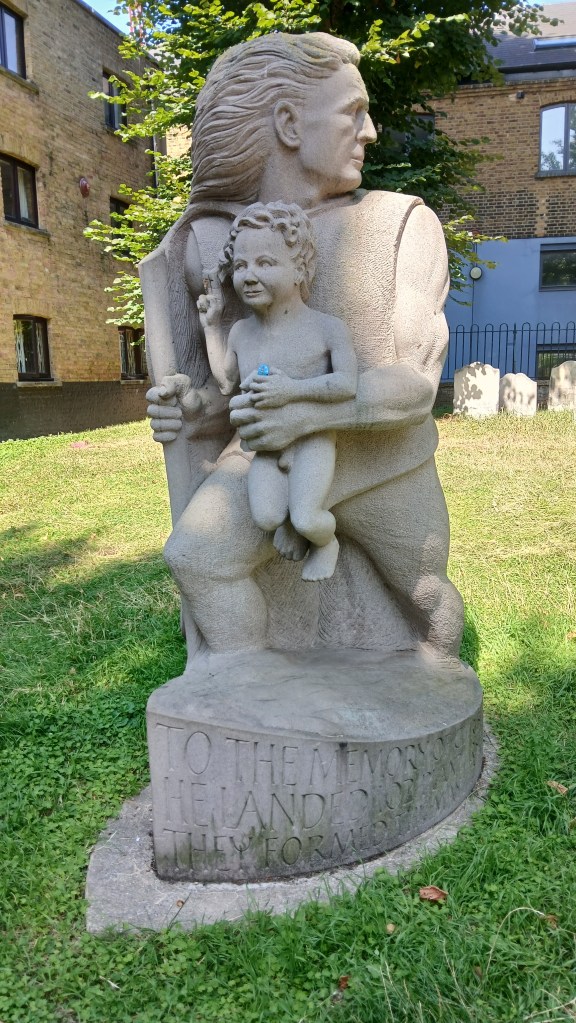
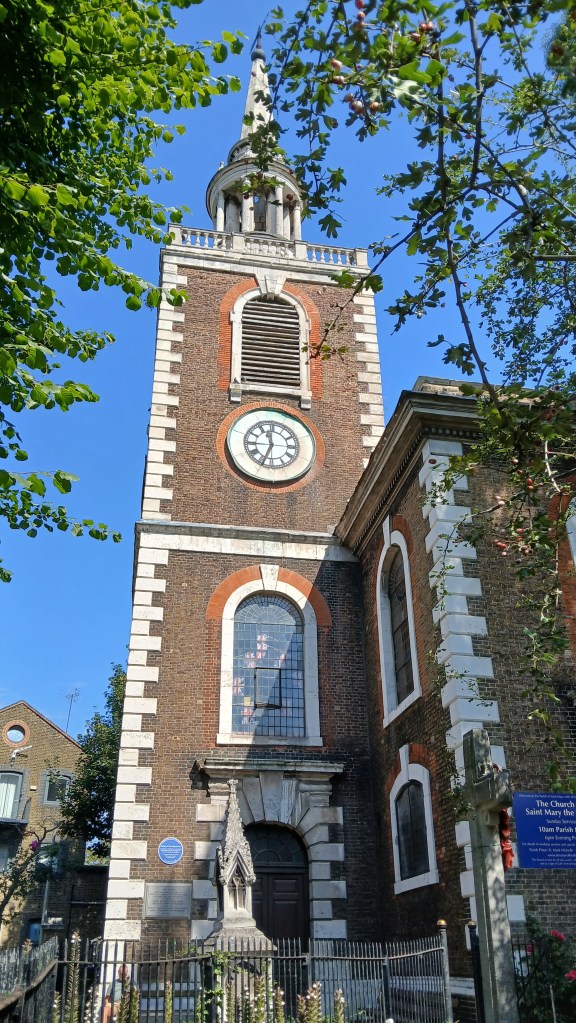
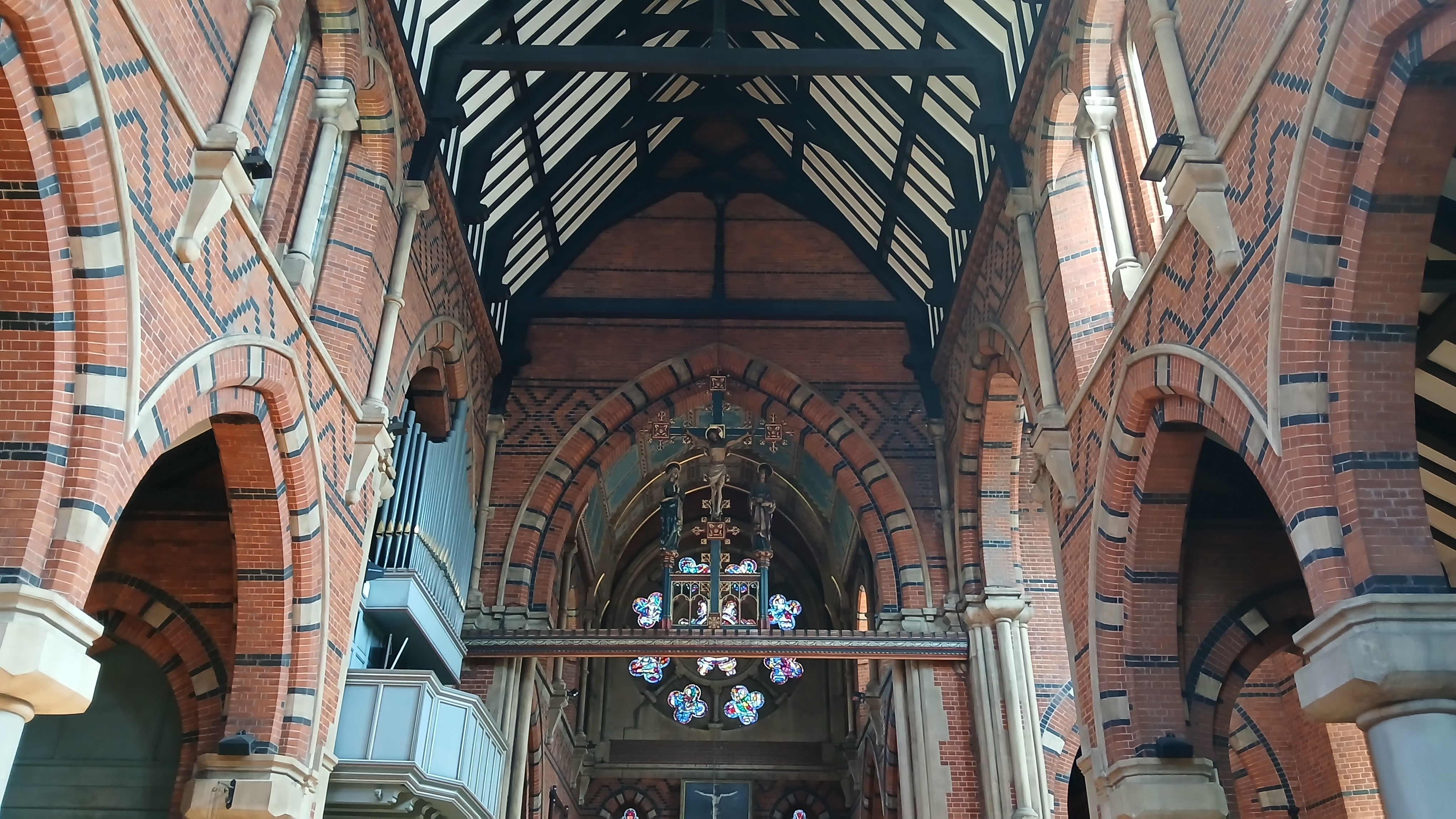
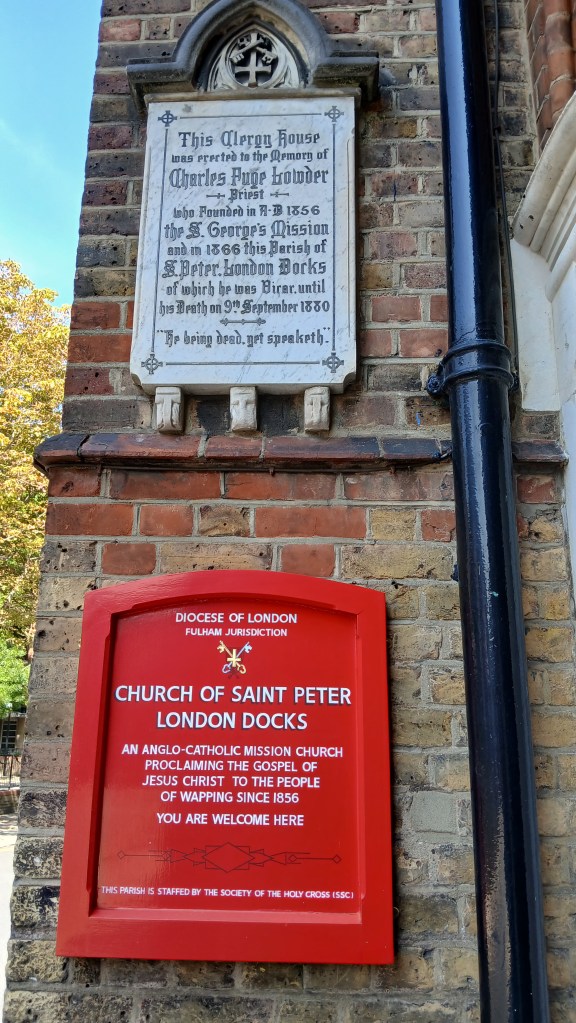
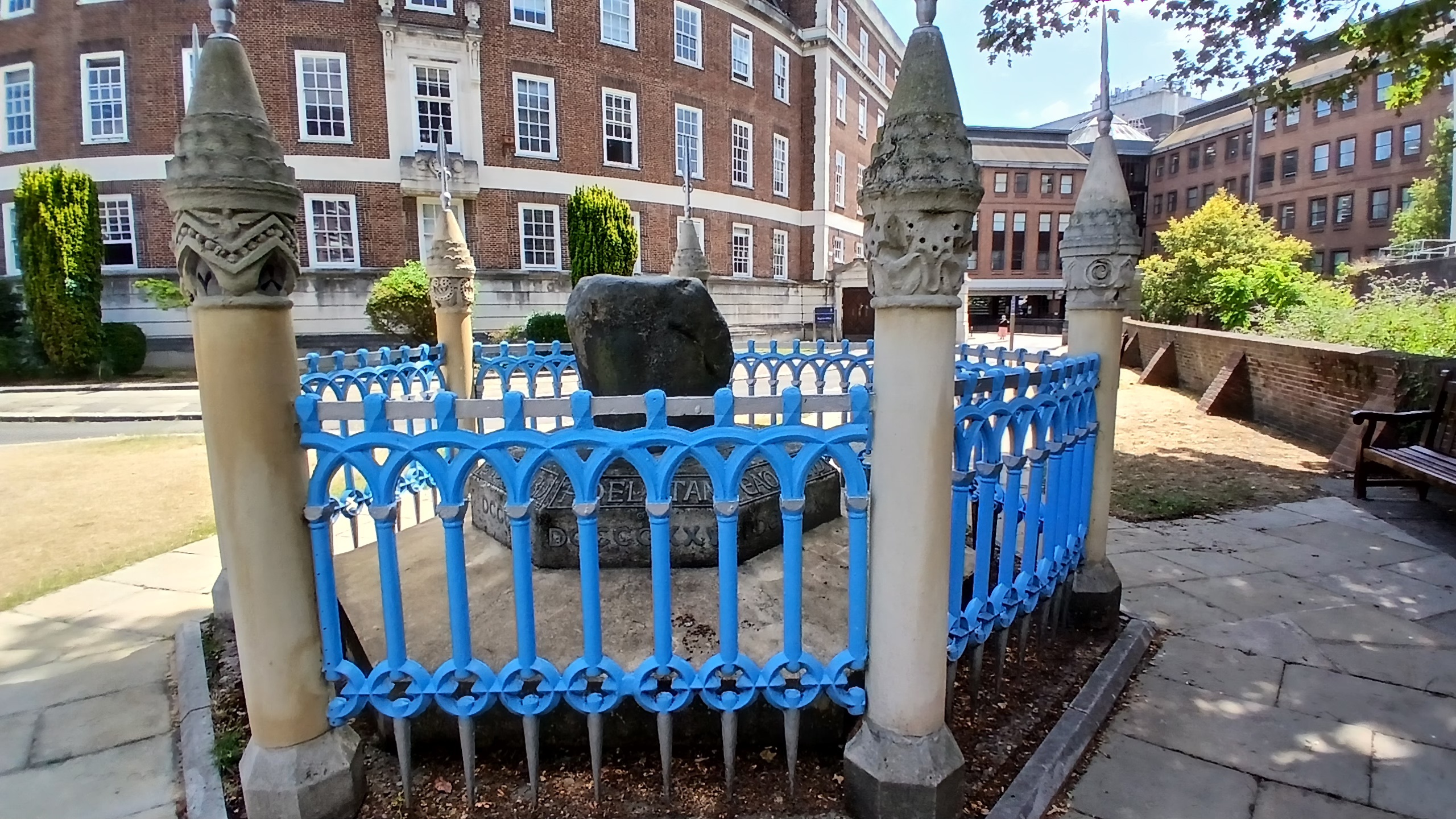
I visited Kingston this month, a town celebrated for its royal connections going back to 838AD when ‘Cyningestun’ was a royal estate of the Saxon Kings. At that time, Kingston was on an island in the River Thames on the border of the Kingdoms of Wessex and Mercia. It has been verified that seven 10th century Kings of England were crowned here on the site of the current All Saints Church. The second of these, Athelstan, was crowned in 925AD, 1,100 years ago this year, and Kingston has a series of year-long celebrations to mark this event. Outside Kingston Guildhall is the Coronation Stone (above) used in the coronation of at least three of the kings; the names of all seven are inscribed around the Stone. Kingston began as a settlement on the Thames, a strategic location for river trading and as a market town; the ancient Market Square still stands. I explored some of the churches in and around Kingston, and found that Christianity is thriving here in diverse ways.

Sources: Kingston 2025 Programme of Events; All Saints Church Kingston Guidebook

All Saints Church, Kingston

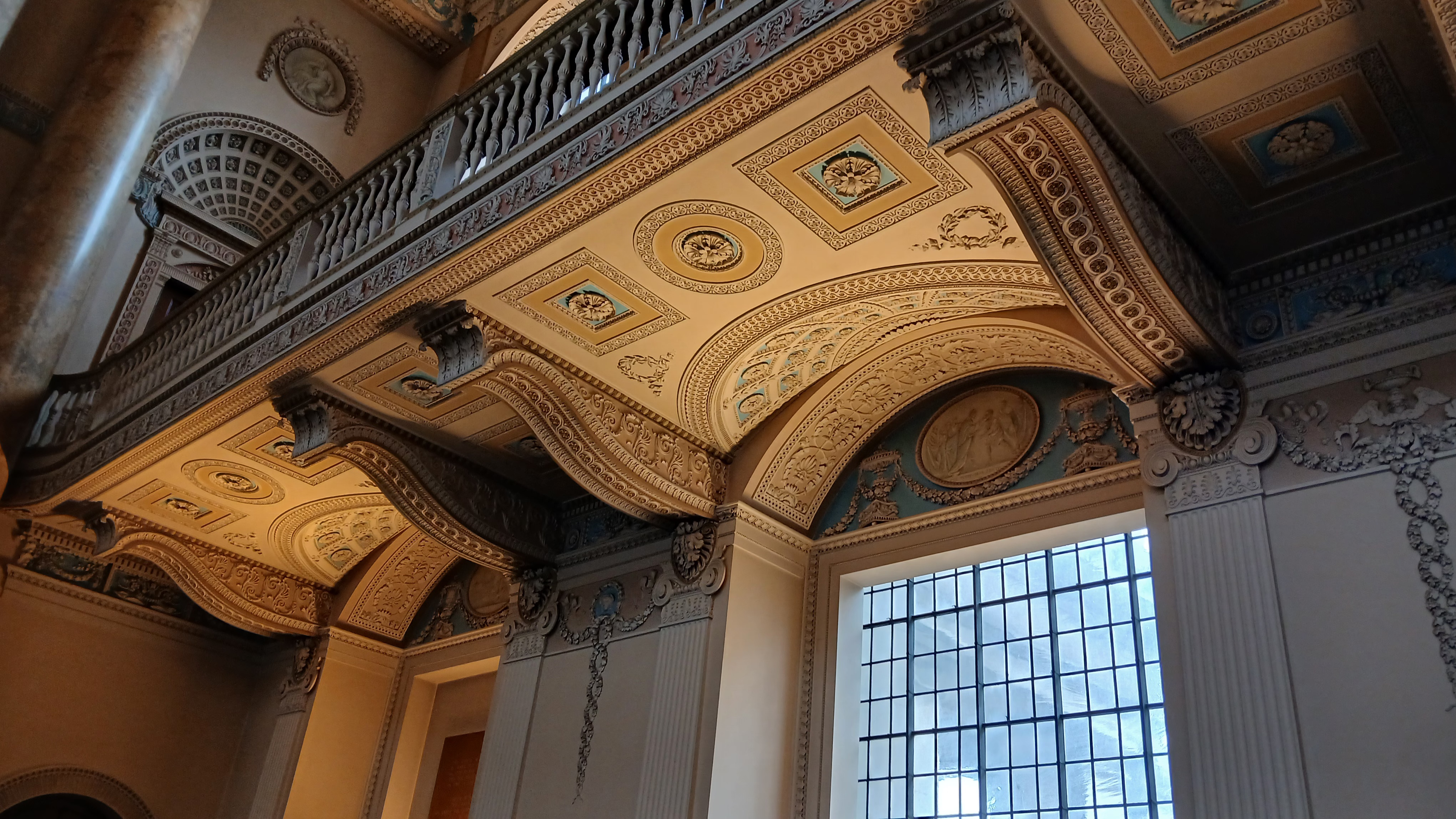
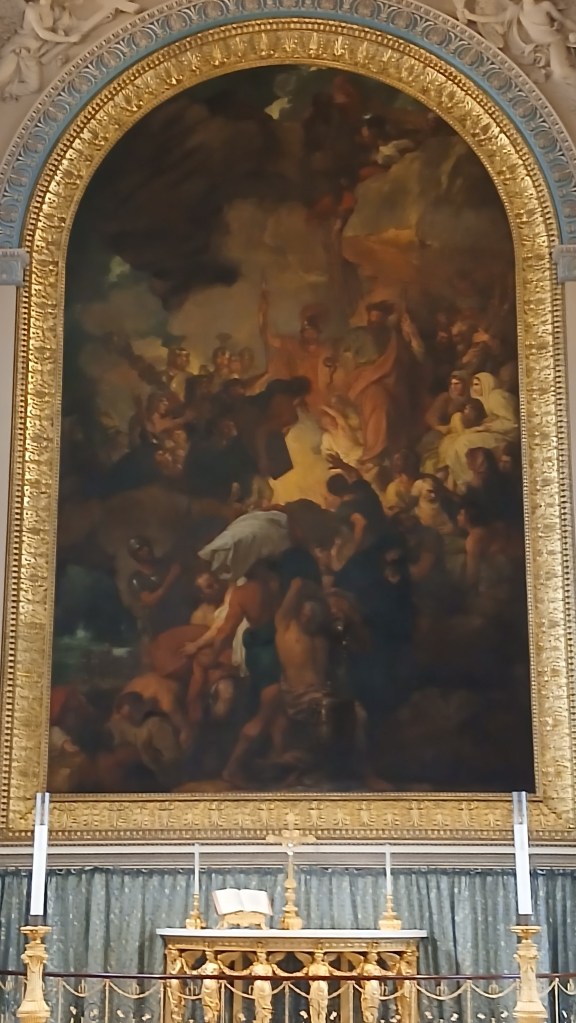
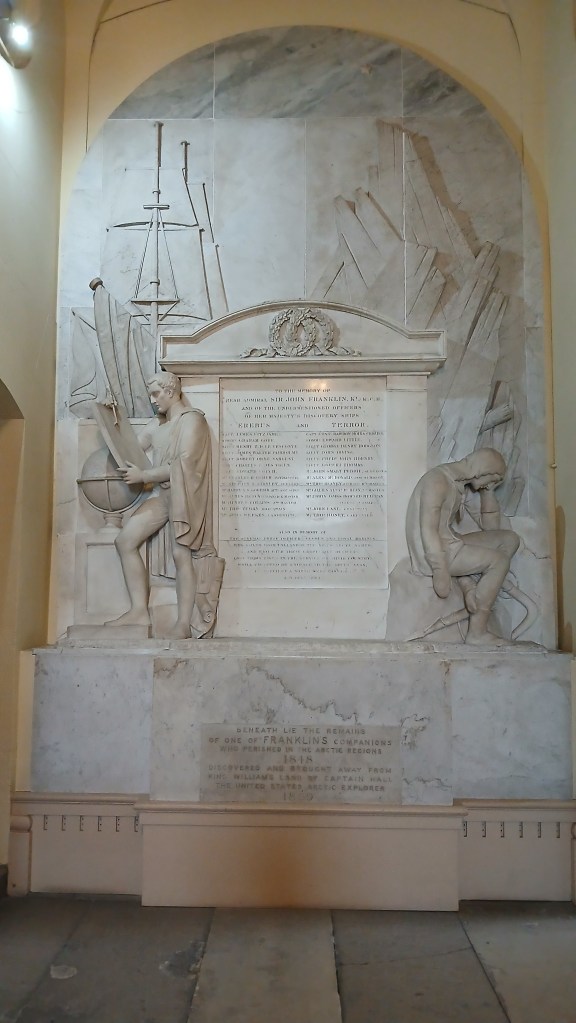
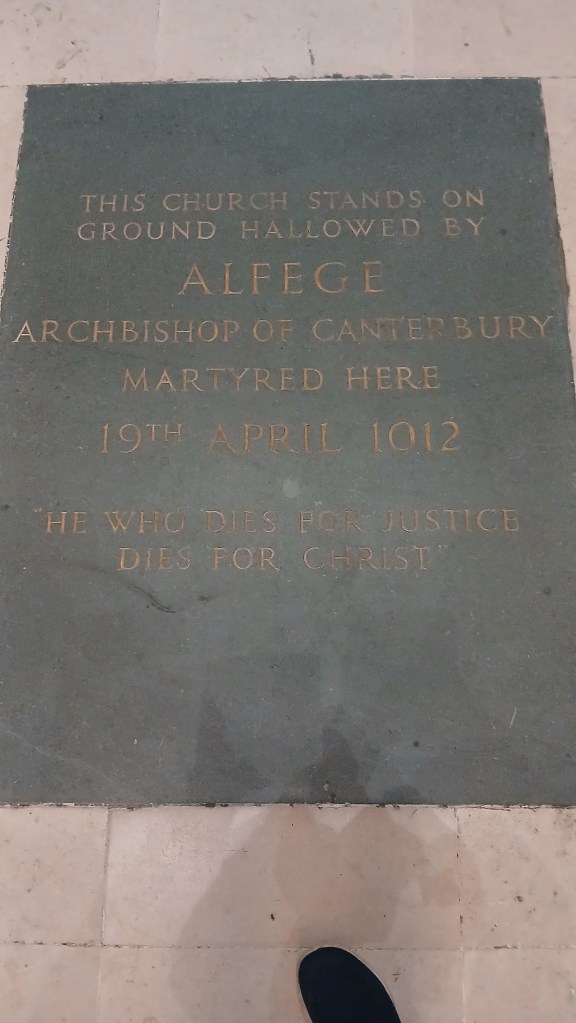
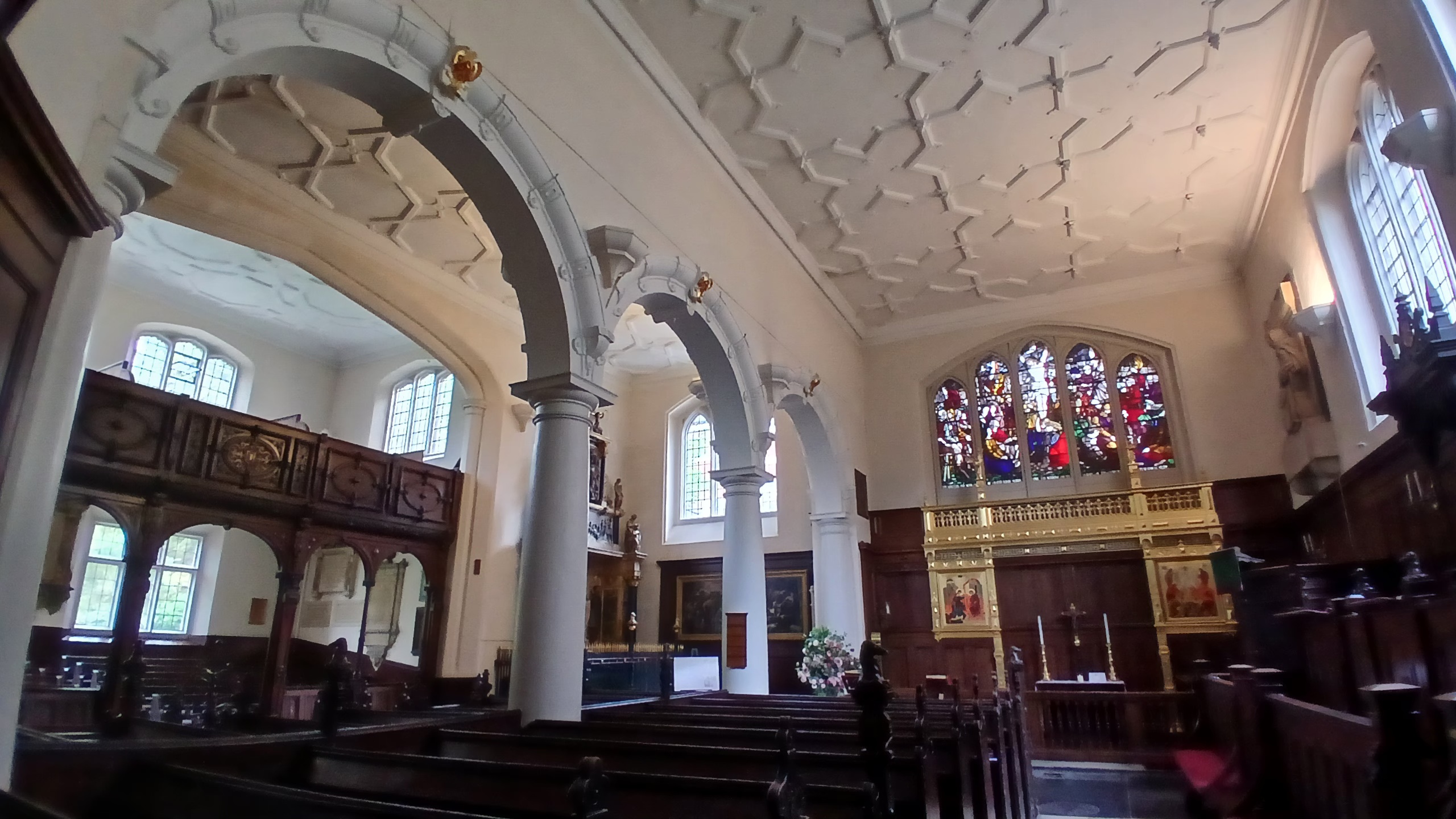
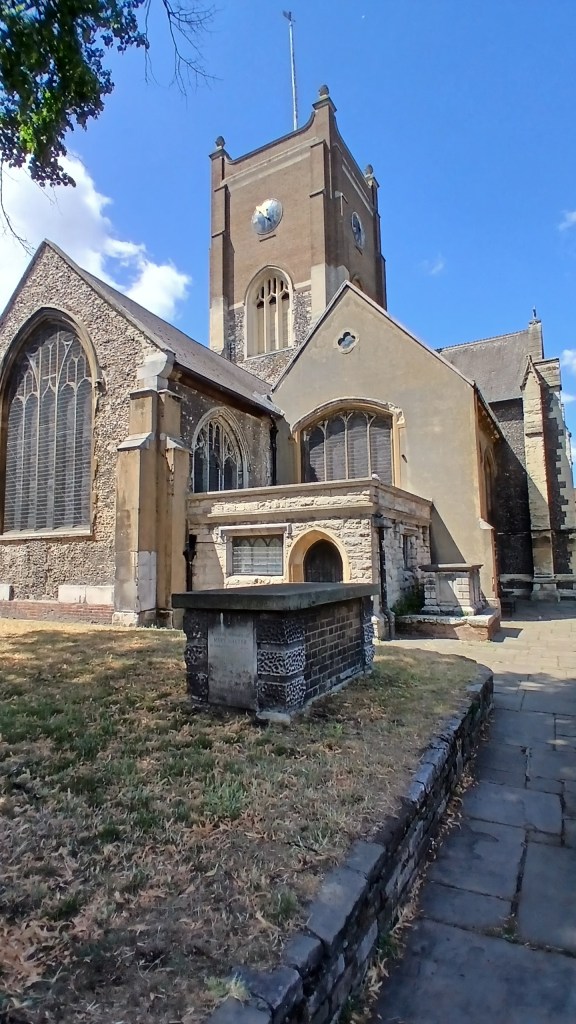
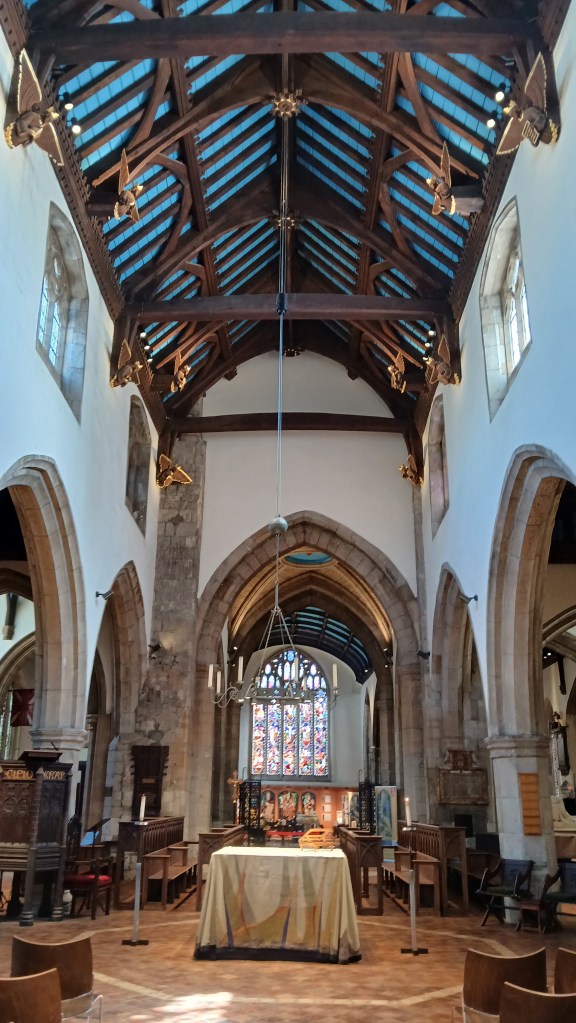
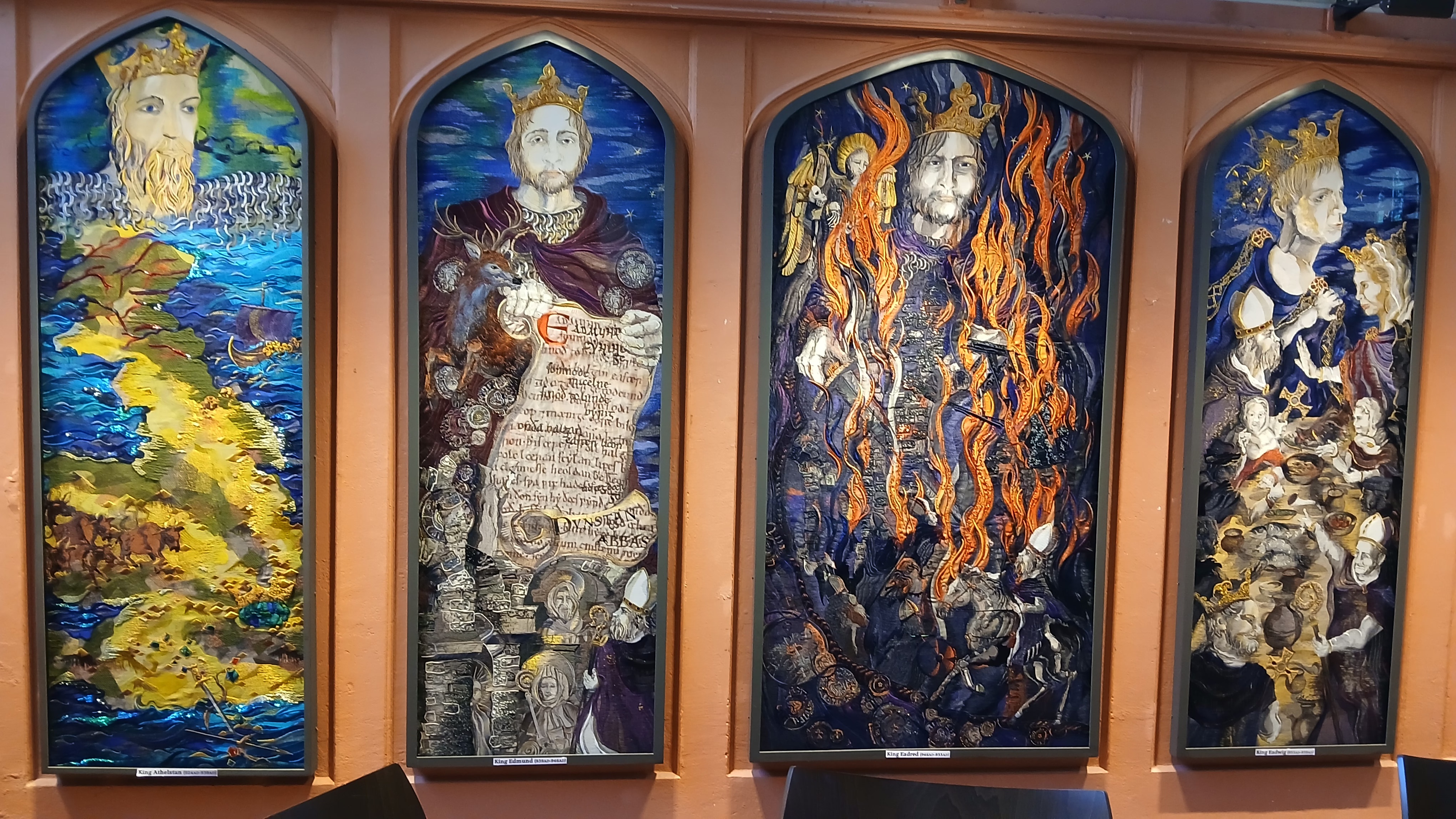
The parish church of All Saints was built in the 12th century, but even before its construction, the first ‘true’ King of England Athelstan was crowned at a former church, probably wooden, on this site. Athelstan united the Kingdoms of Wessex and Mercia and it is here that Church and Crown formally agreed to support each other. Athelstan’s coronation service laid the foundations for all coronation services since then, and Athelstan was the first monarch to have a crown placed on his head rather than a helmet. Nine centuries later, the church has been substantially altered and enlarged, with very little of the original building remaining. During 19th century restorations an original Norman door was uncovered but was considered too fragile to preserve and was destroyed. I don’t think that would happen today! Today the church is busy preparing for the 1,100 year anniversary celebratory events, one of the most exciting is the formal unveiling of seven embroidered panels of the seven kings. Four of these are already in situ in niches, the others are being completed, and the unveiling ceremony will be on September 4th – I’m hoping to go along! I wasn’t able to take many pictures of the interior because there were dozens of people there, but here are my favourite things in the church.

Sources: Kingston 2025 Programme of Events; All Saints Church Kingston Guidebook

The embroidered panels of four of the seven kings
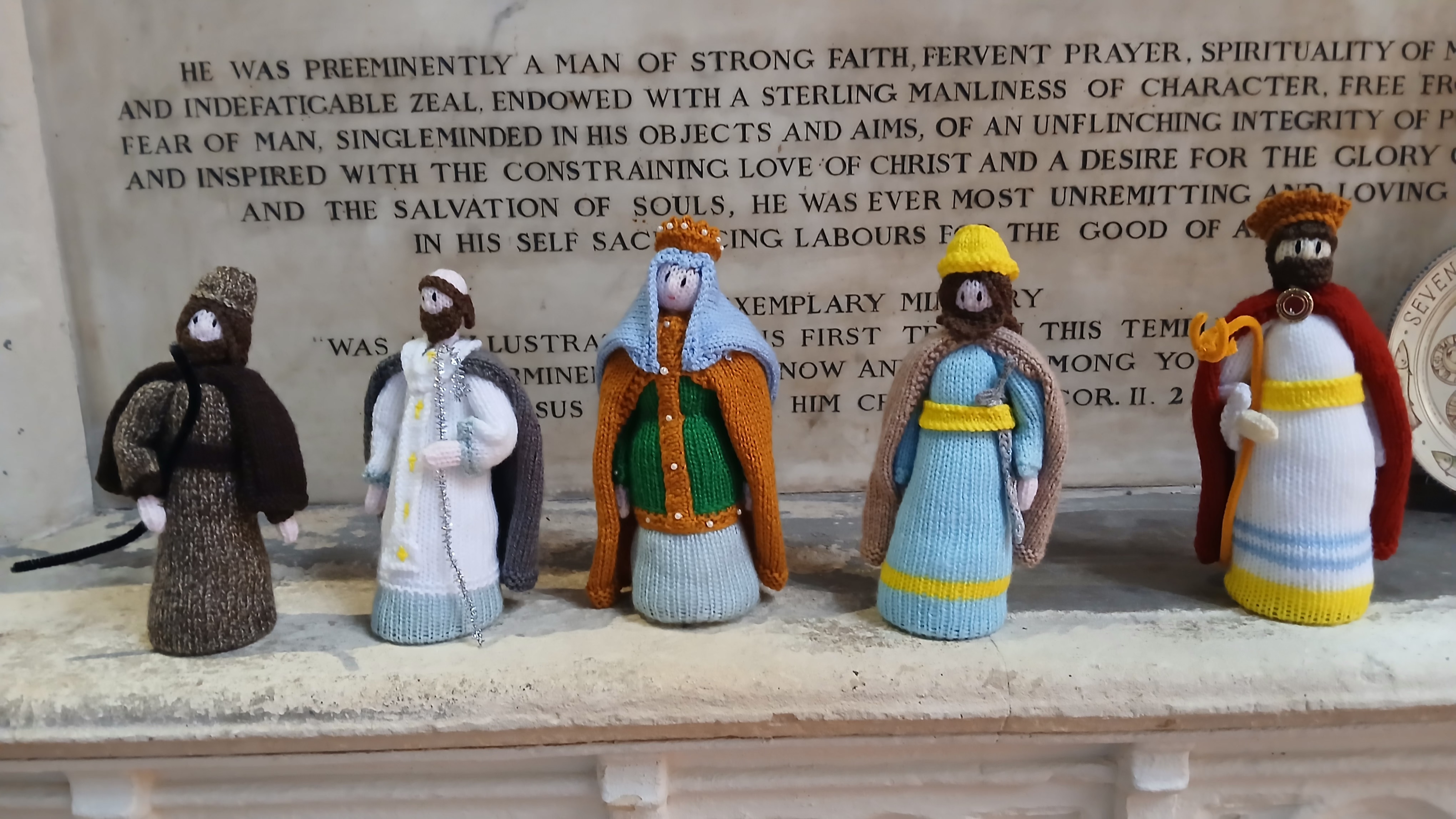
Some knitted kings!
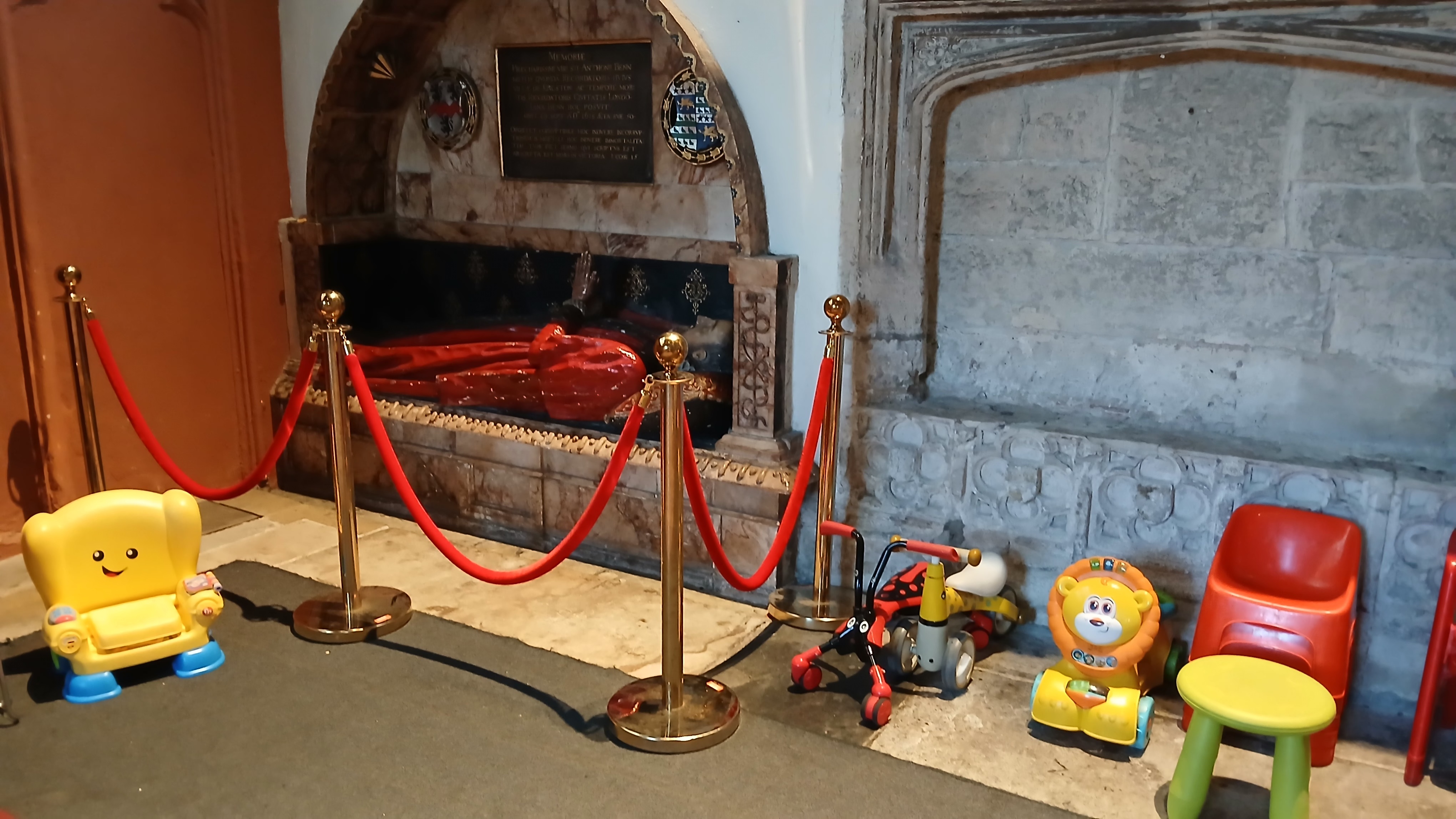
I love this – toys among the tombs!
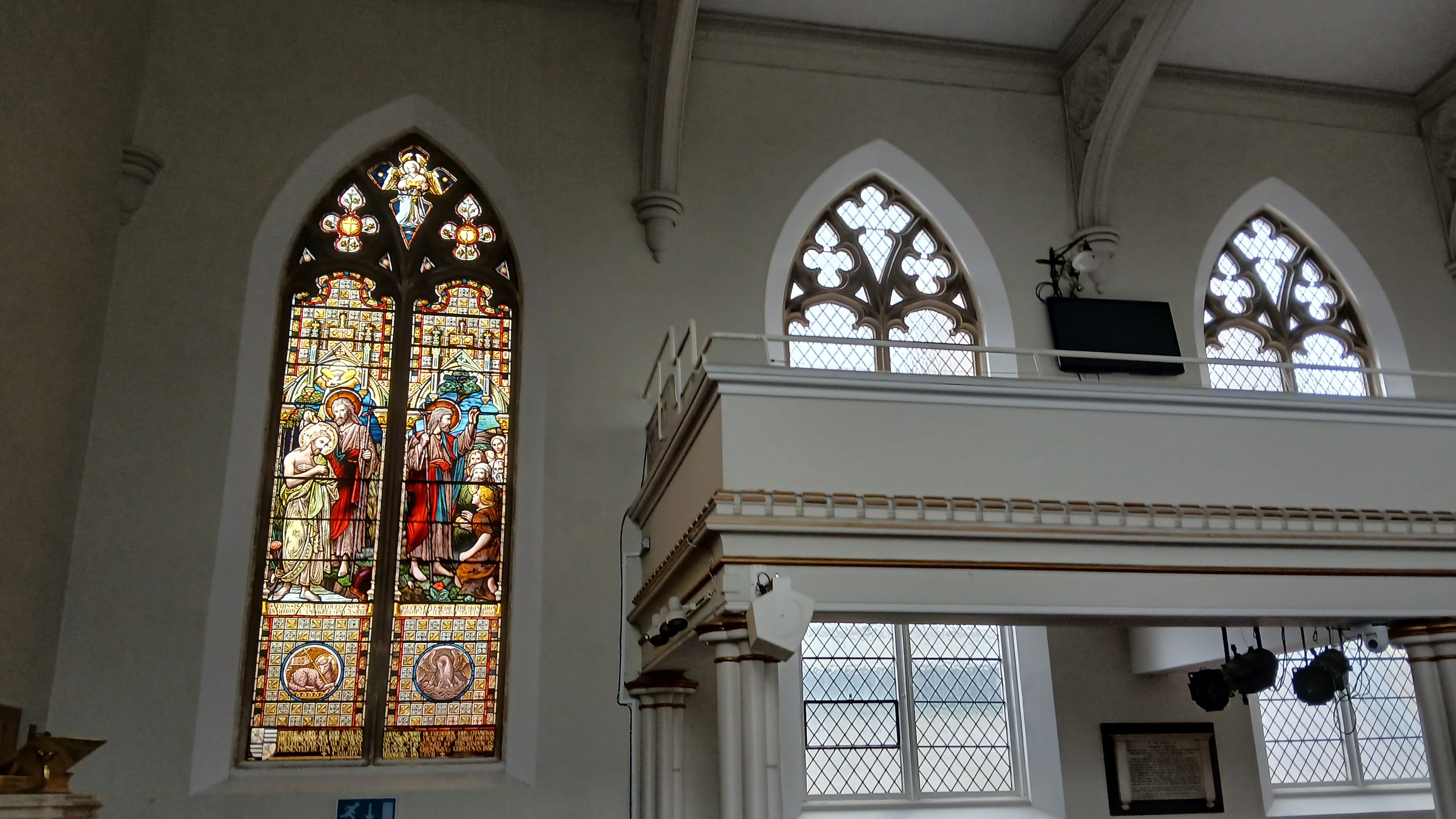
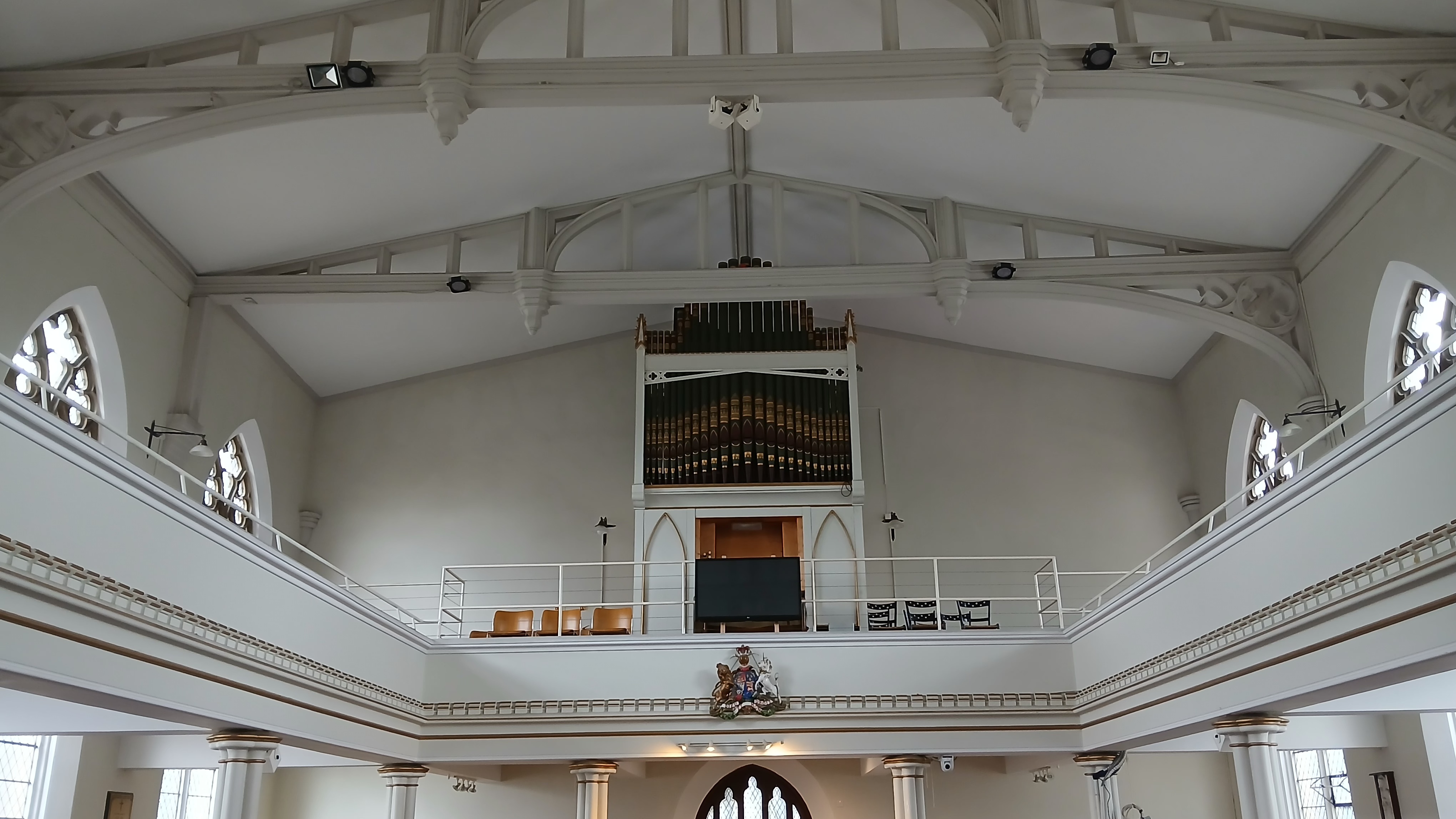
St Luke’s, Kingston

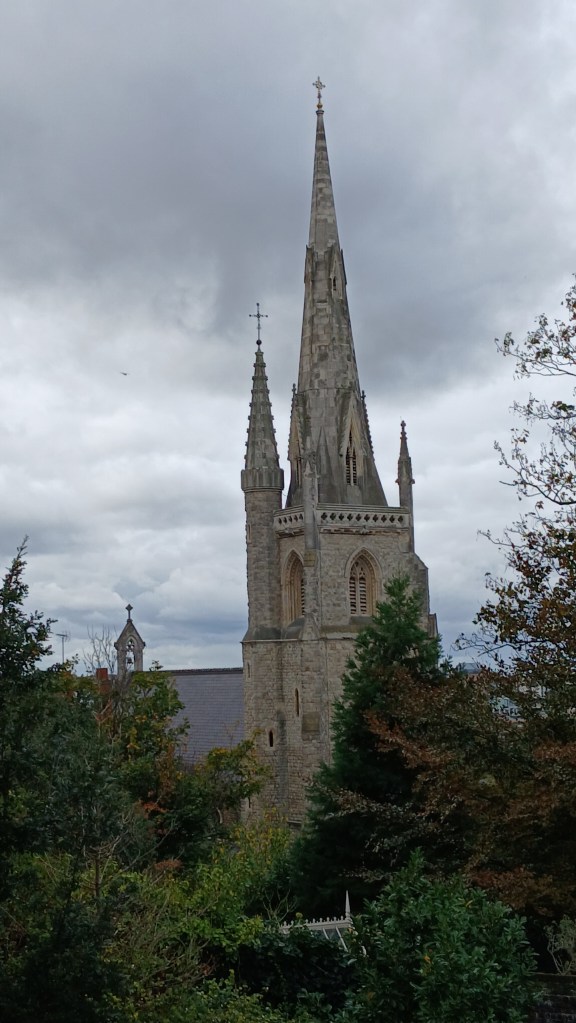
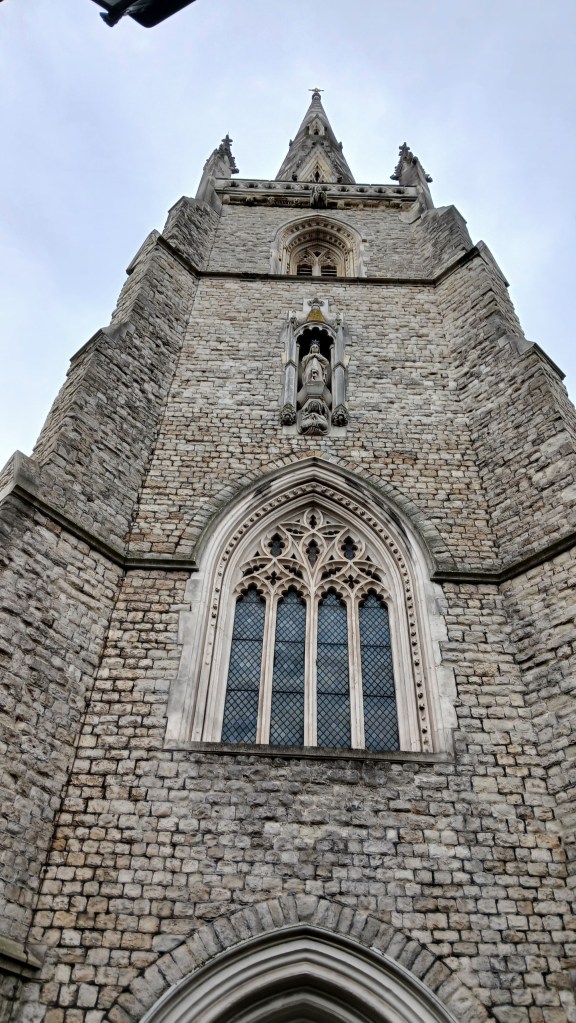
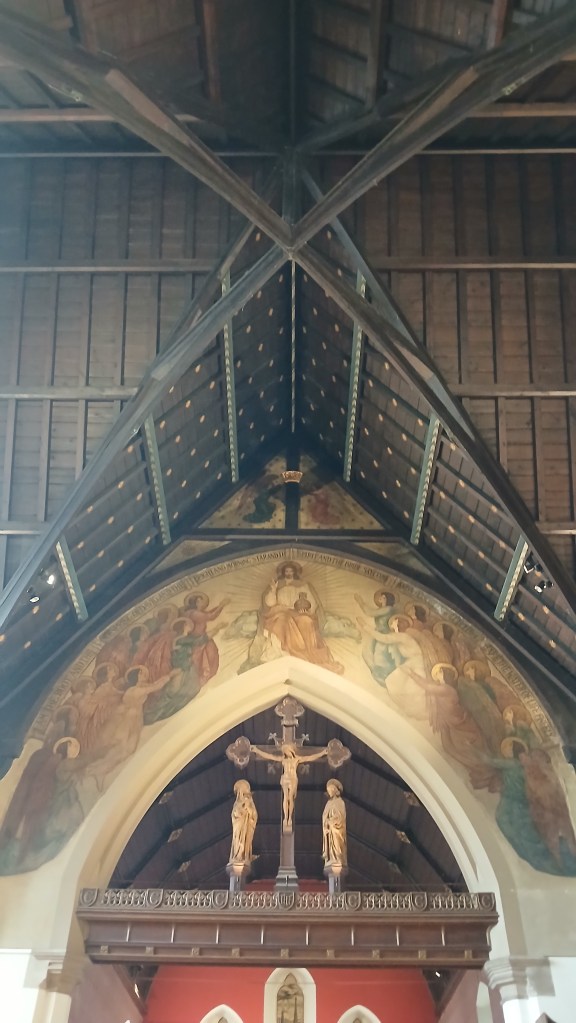
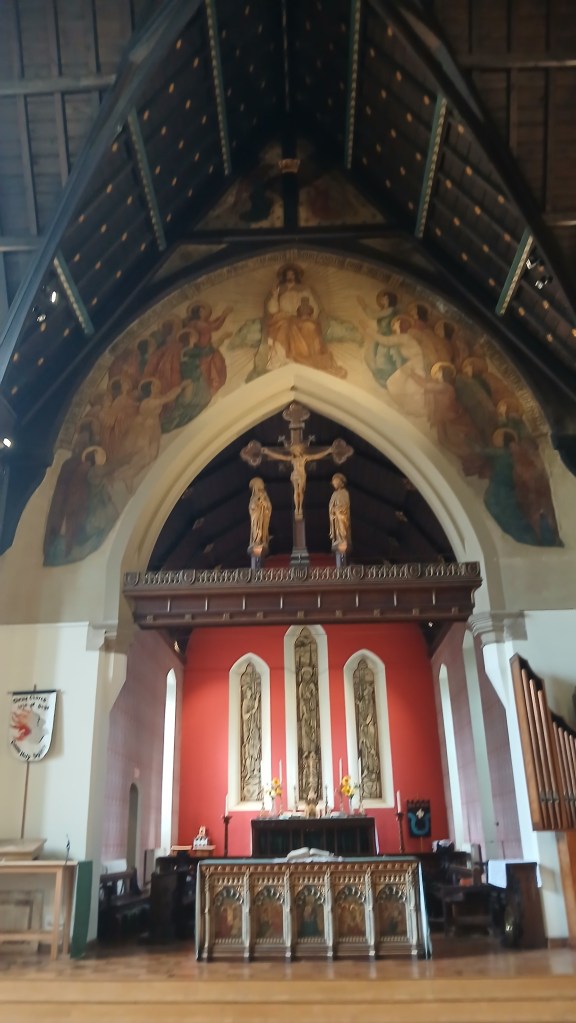
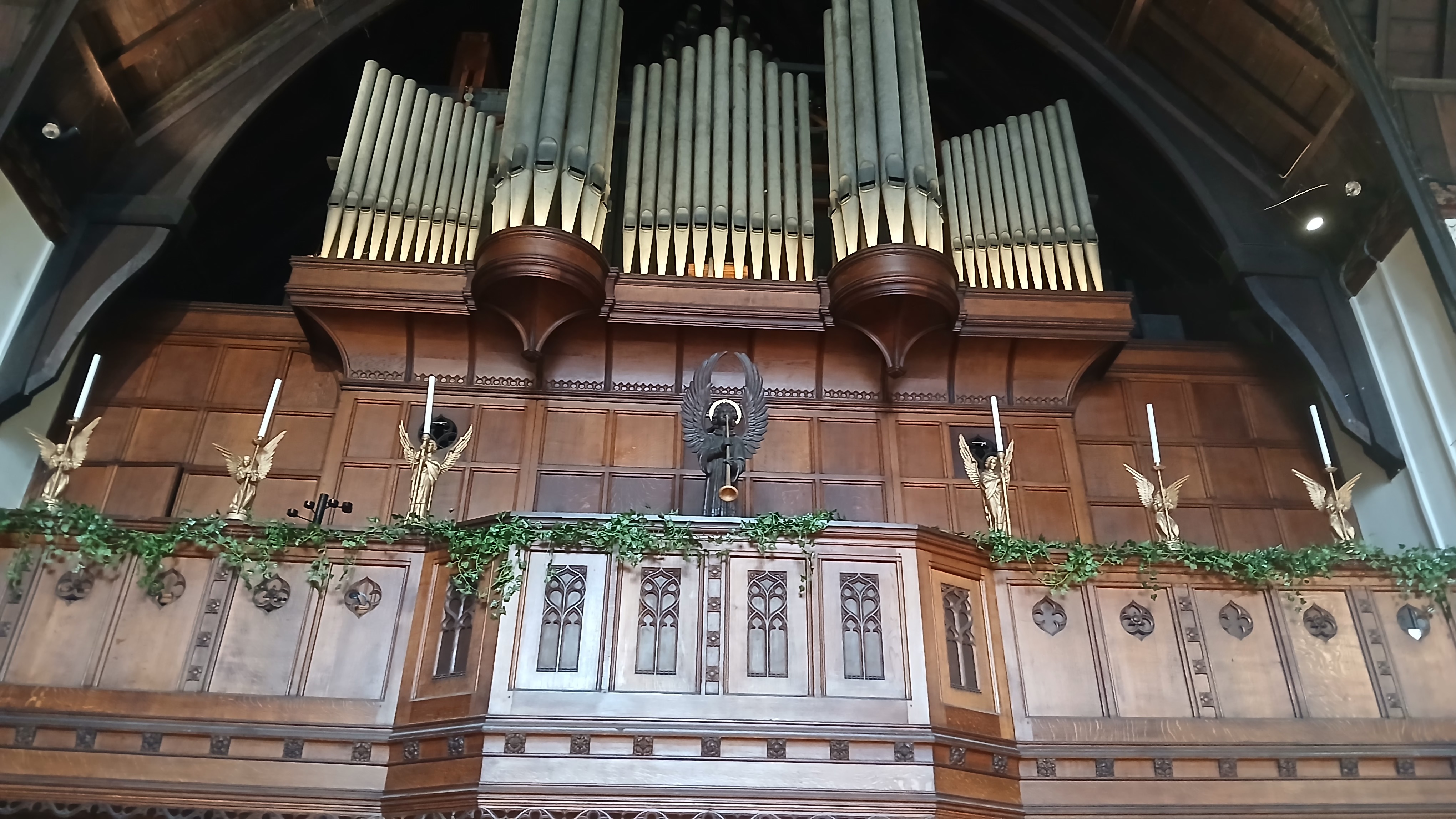
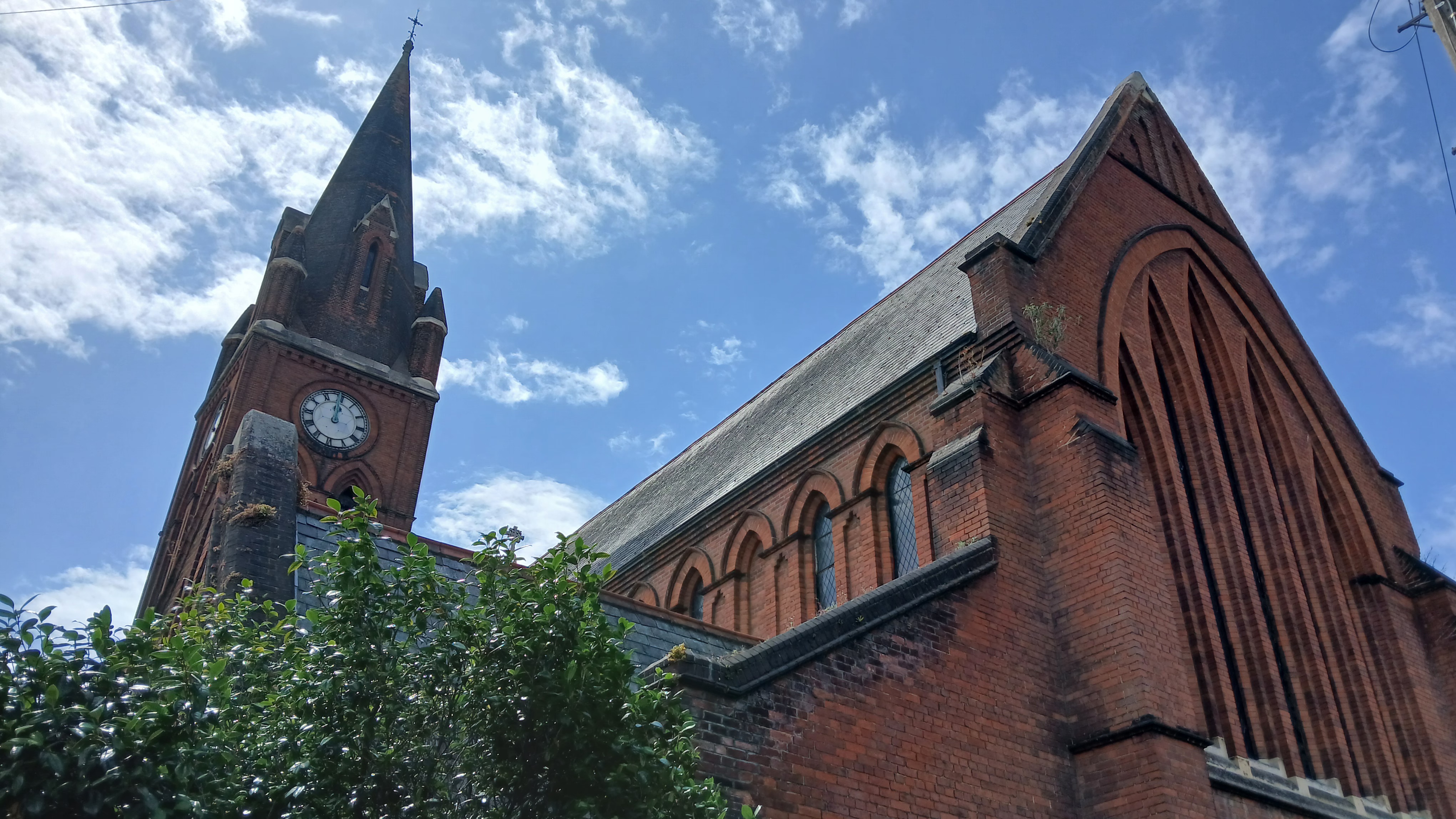
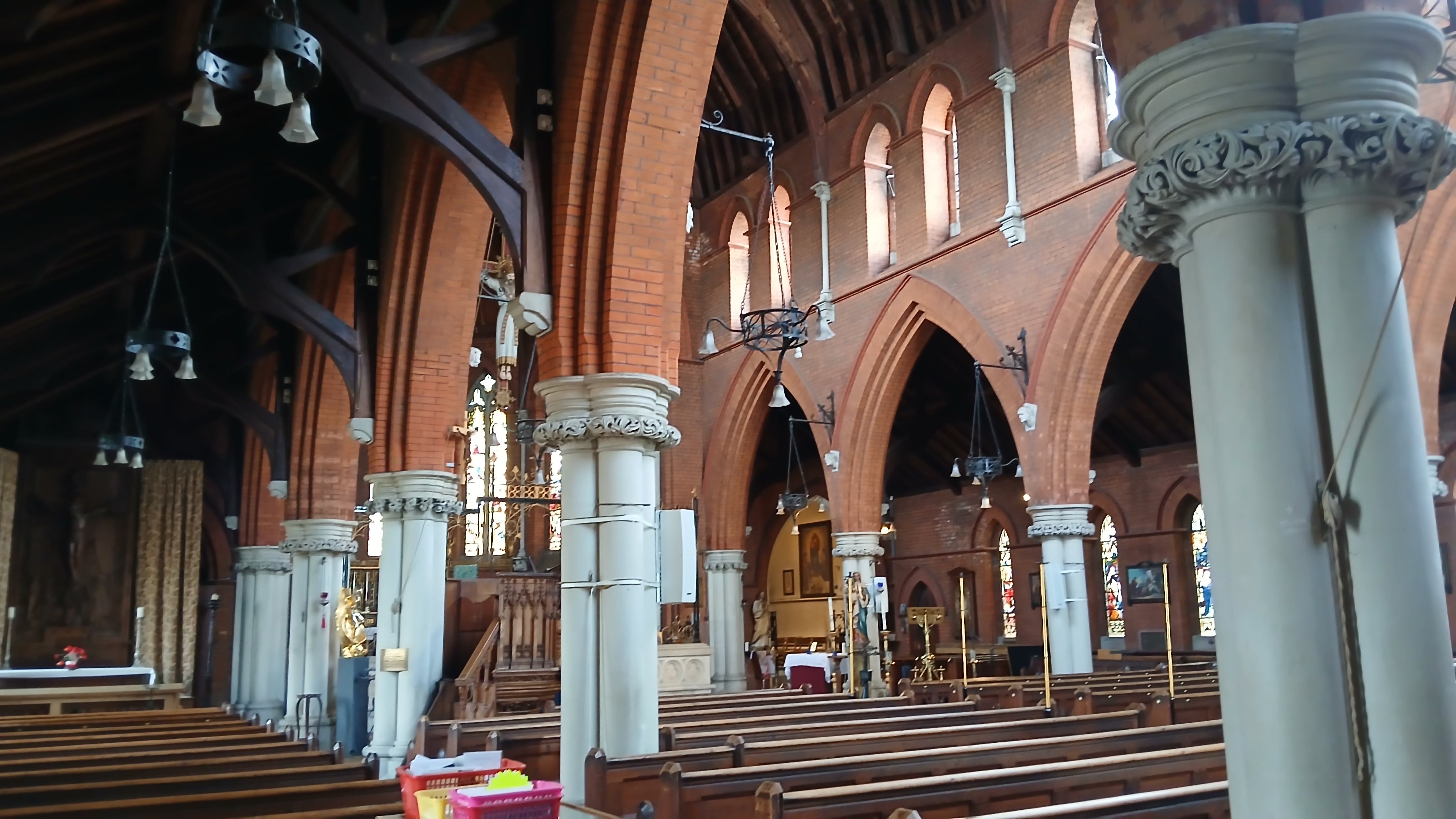
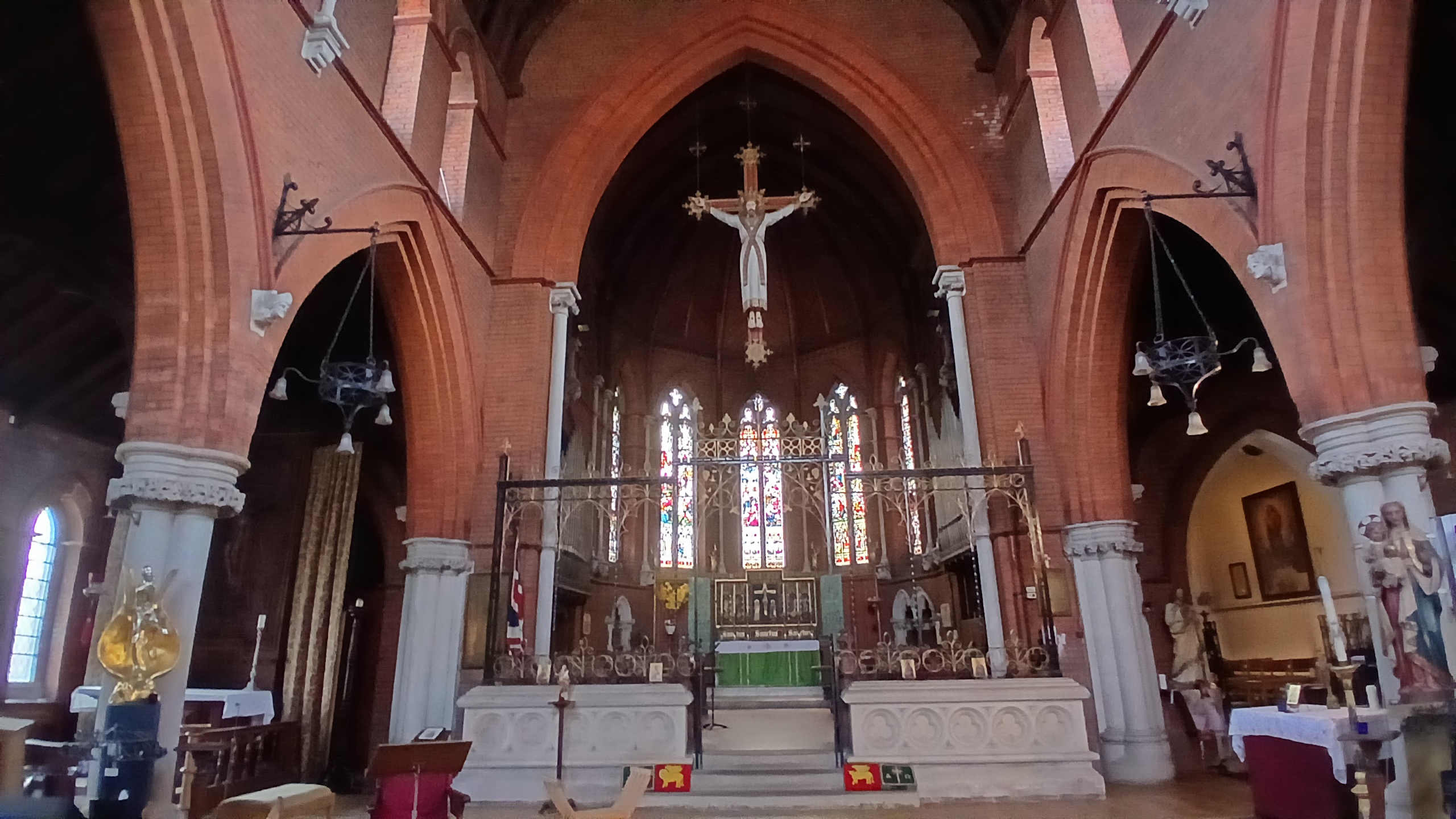
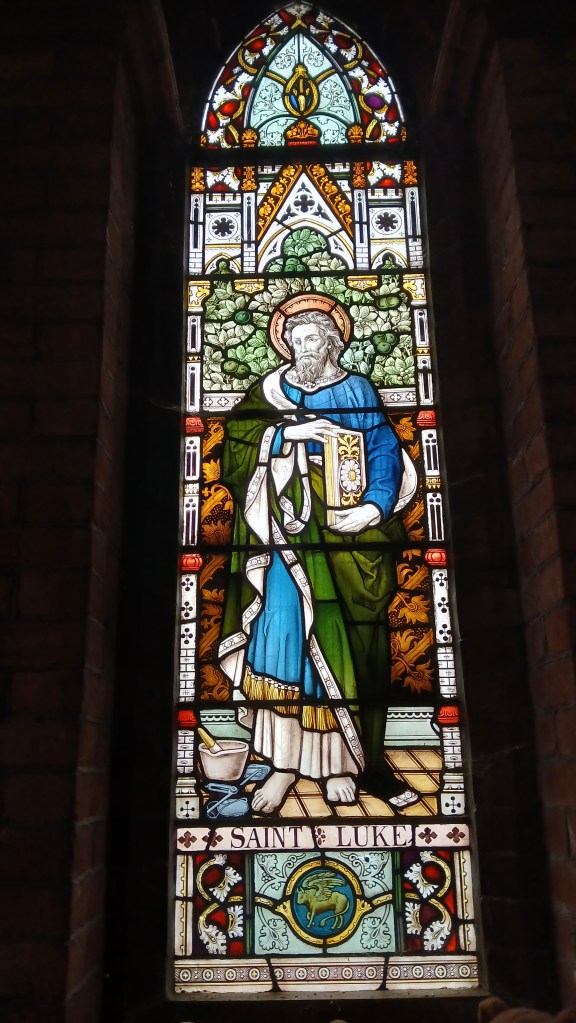
Every so often, I enter a church that looks very familiar. St Luke’s reminds me of churches I’ve visited in various locations from North London to Rome. The church is in the Anglo-Catholic tradition and this is reflected in the beautiful and detailed furnishings and decorations. There’s something special about stepping from a suburban, residential street into the quiet, peaceful beauty of a place of worship. St Luke’s has an interesting history: it was built between 1886 and 1887 to house railway workers living in the surrounding streets and working at nearby Kingston railway. The parish served by the church was poor, but the wife of the first vicar had good society connections and the church received sponsorship from Princess May Adelaide of Cambridge, granddaughter of King George lll and future mother of Queen Mary, wife of George V. This enabled the building of this prominent Grade ll Listed Victorian church. It was designed by Victorian architect practice Kelly & Ball which specialised in churches in the Italianate and Gothic Revival styles. Music has always been an important part of worship at St Luke’s and the church provides choral scholarships. Recent scholars have gone to Truro Cathedral and the Birmingham Conservatoire.

Sources: St Luke’s website; Wikipedia

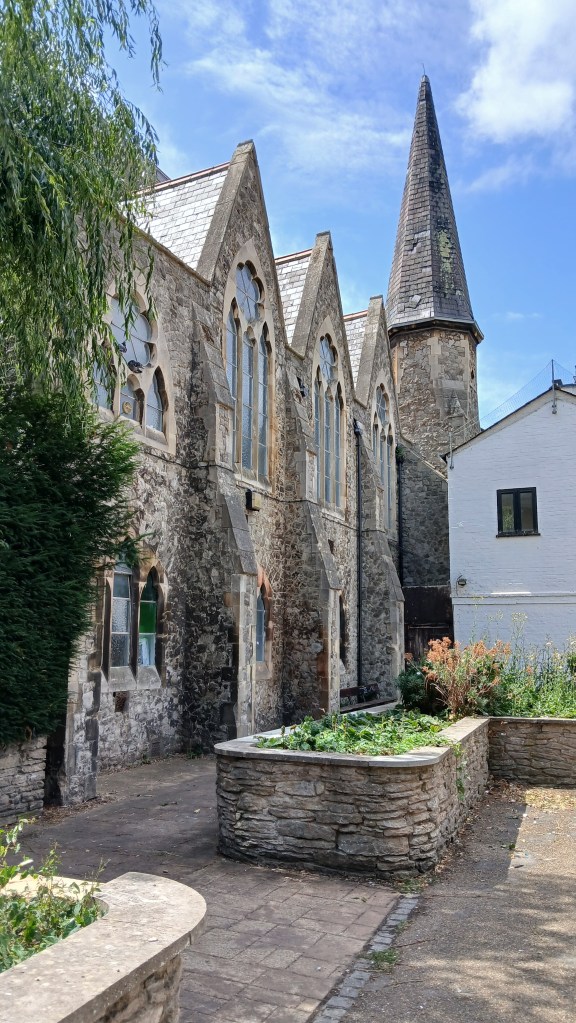
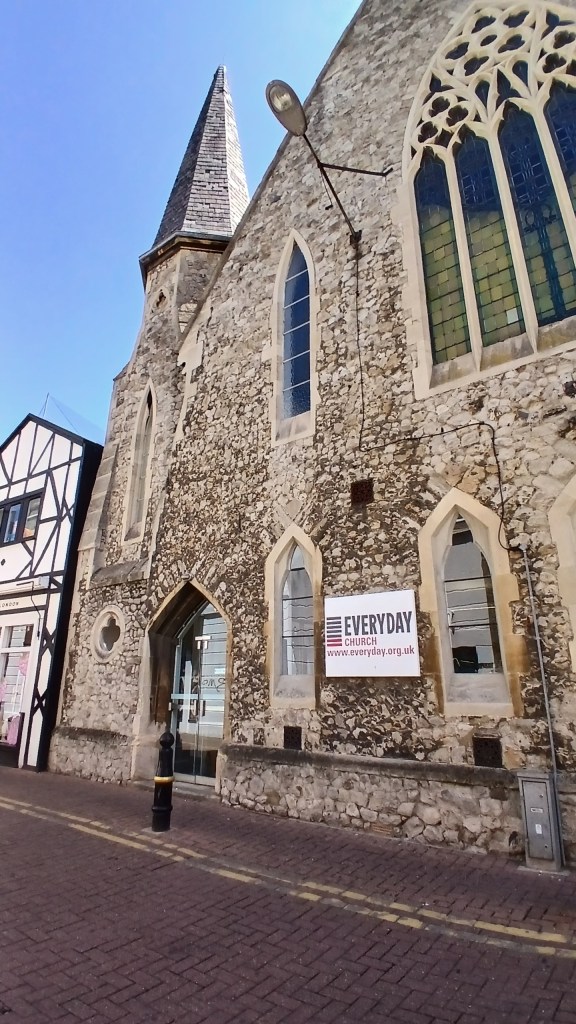
Everyday Church, Kingston

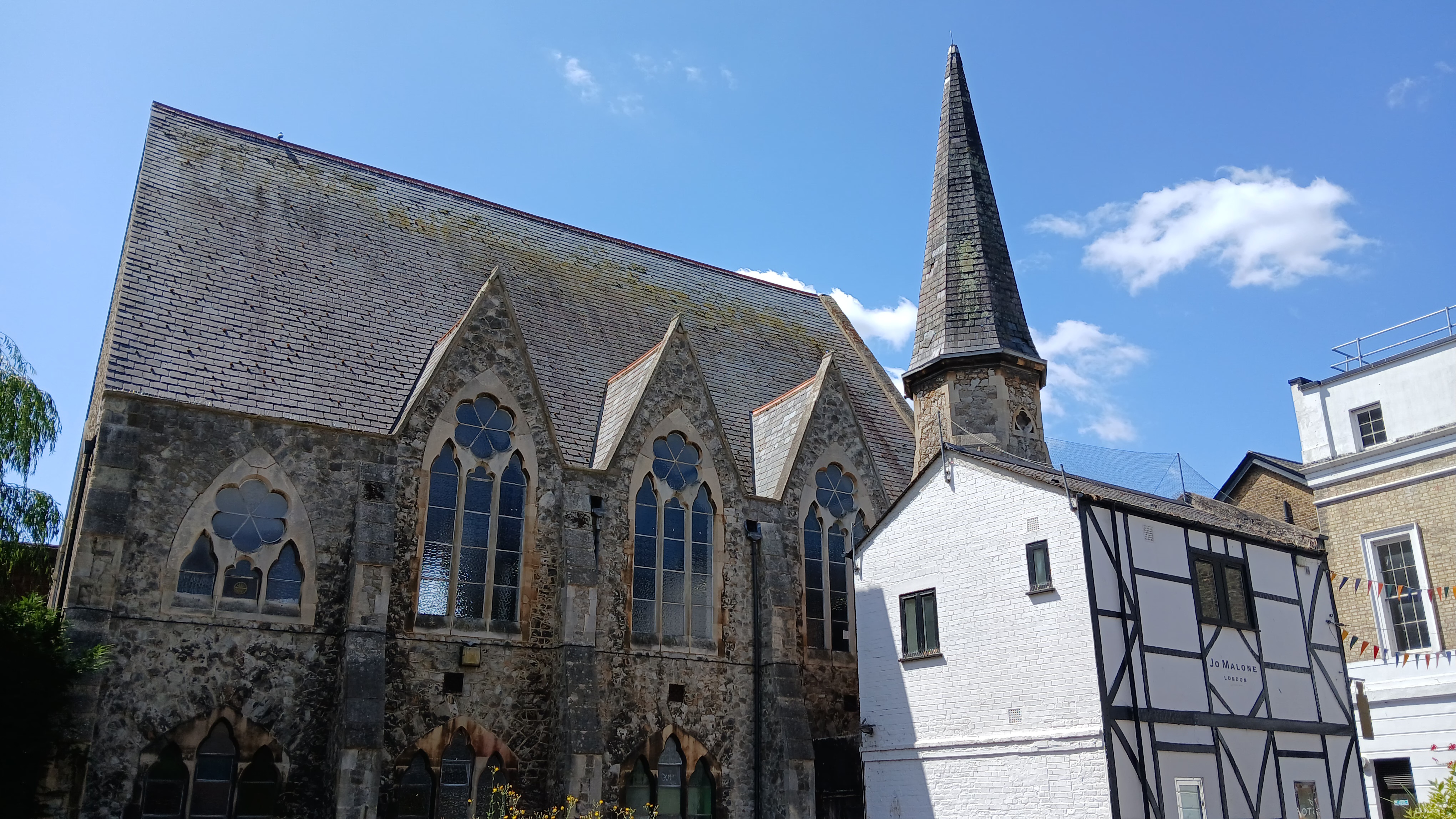
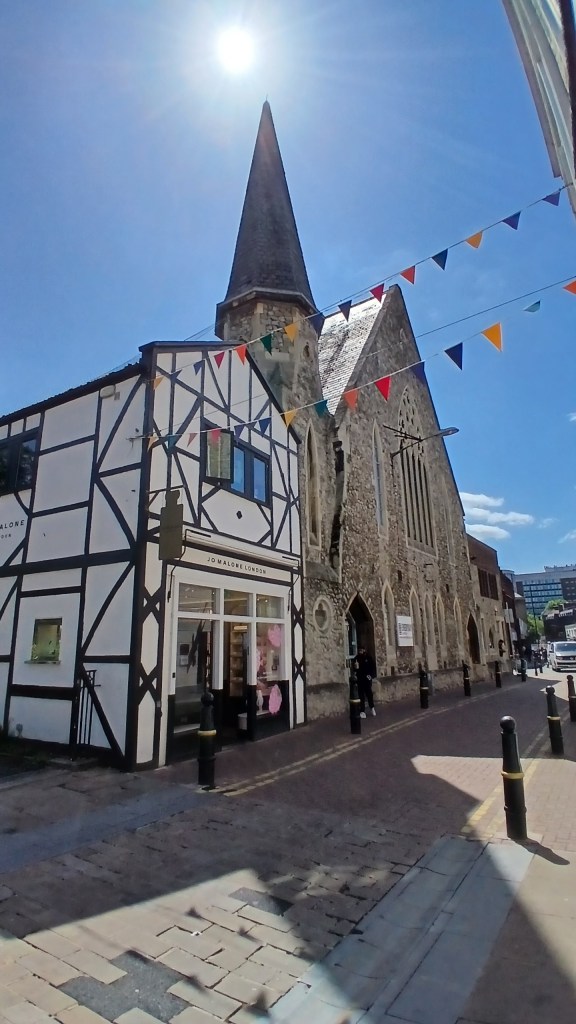
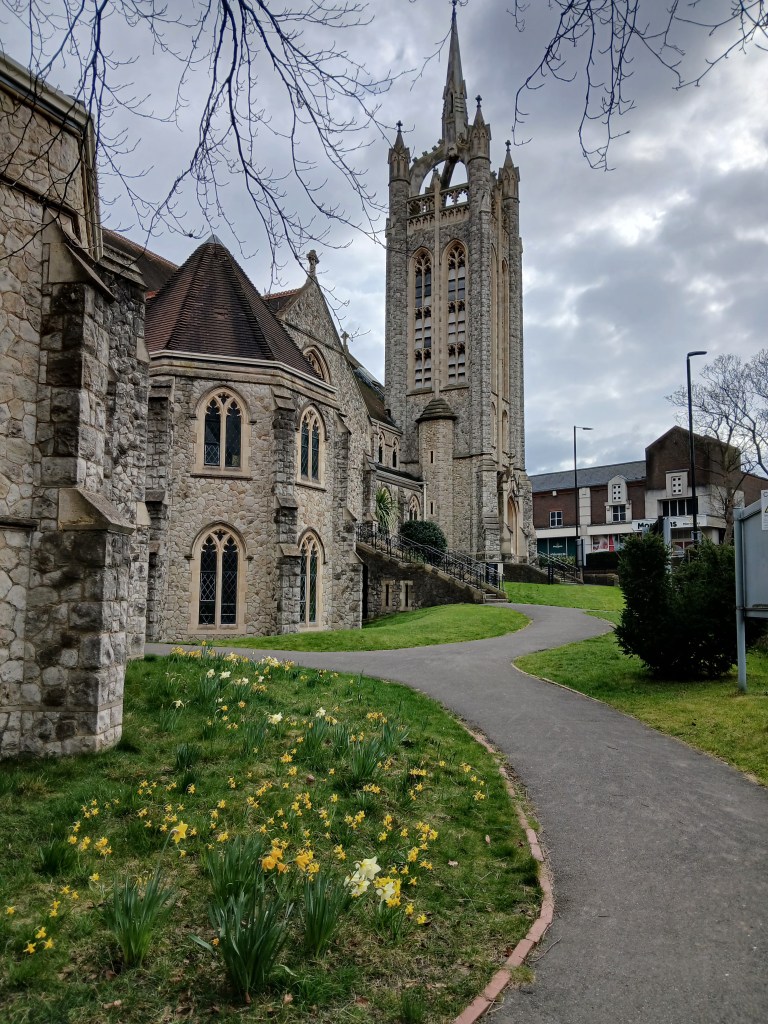
This was the only church I couldn’t venture inside as when I visited there was a very busy Foodbank in session, so obviously I couldn’t go in and take photographs, But what really interested me about this church was the outside. Located on Union Street in a busy shopping centre, the 1864 church building looks somewhat out of place, and then there’s the two storey Tudor looking building attached to it. This is actually an Edwardian structure with a Grade ll Listed mock-Tudor façade, built in 1909 for Jesse Boot’s new Boots Chemist shop. The shop has had several changes of use and is now a branch of Jo Malone’s high-end fragrance and toiletries store. So, selling similar products to its predecessor over 100 years ago! Back to the church: this was formerly Kingston Baptist Church, the first building was constructed in 1790, replaced by the present building in 1864. The church transitioned to Everyday Church in 2013 following a merger with Southfields and Queen’s Road Wimbledon Baptist Churches. Under the heading of ‘Social transformation’ the church engages in many and varied community-based activities: Foodbank sessions twice a week, CAP (Christians Against Poverty) courses, Street Pastors and Power the Fight (empowering communities to end youth violence.)

Sources: Church website; AI (yes, I have to admit I’m using AI as a source!)

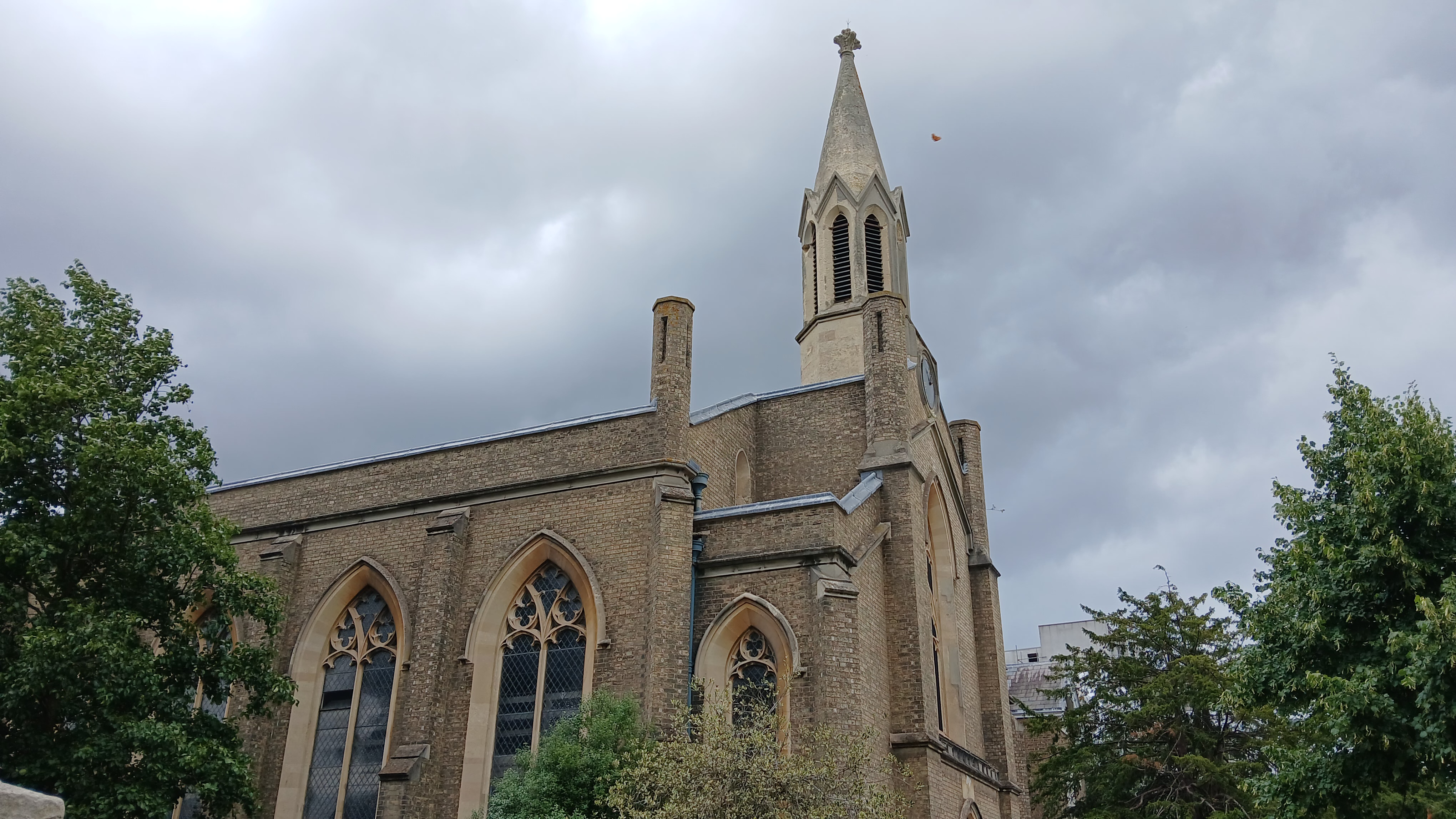
St John’s, Hampton Wick

On Google Maps I noticed a church on the other side of the River, just across the road from Hampton Court Park, so I decided to take a look. This is St John’s, Hampton Wick, built to a design by architect Thomas Lapidge in 1829- 30 in the Gothic Revival Style. Lapidge also donated the land for the church and partly funded it. He also designed the present Kingston Bridge nearby. The church closed in 2000, but reopened five years later in 2010 as part of the Church of England’s church replanting scheme, and regular services resumed in December 2010. In 2024 St John’s partnered with St Mark’s, Teddington and the two churches share a vision for serving their respective communities. As their website states: ‘One church, two locations.’ When I arrived at the church a staff meeting was taking place, after which I chatted to Connor, who told me a bit about the church today. Connect Groups are at the heart of the two churches, and these are run at different times of the day, five days a week, for all ages, stages of faith and individual circumstances, including a Baby and Toddler Group and a Seniors Group. I think this church has a real vision for getting people to connect where they are, and to include everyone!

Sources: Connor (in the church); church website; Wikipedia

June – Anyone for Tennis?: Churches in Wimbledon

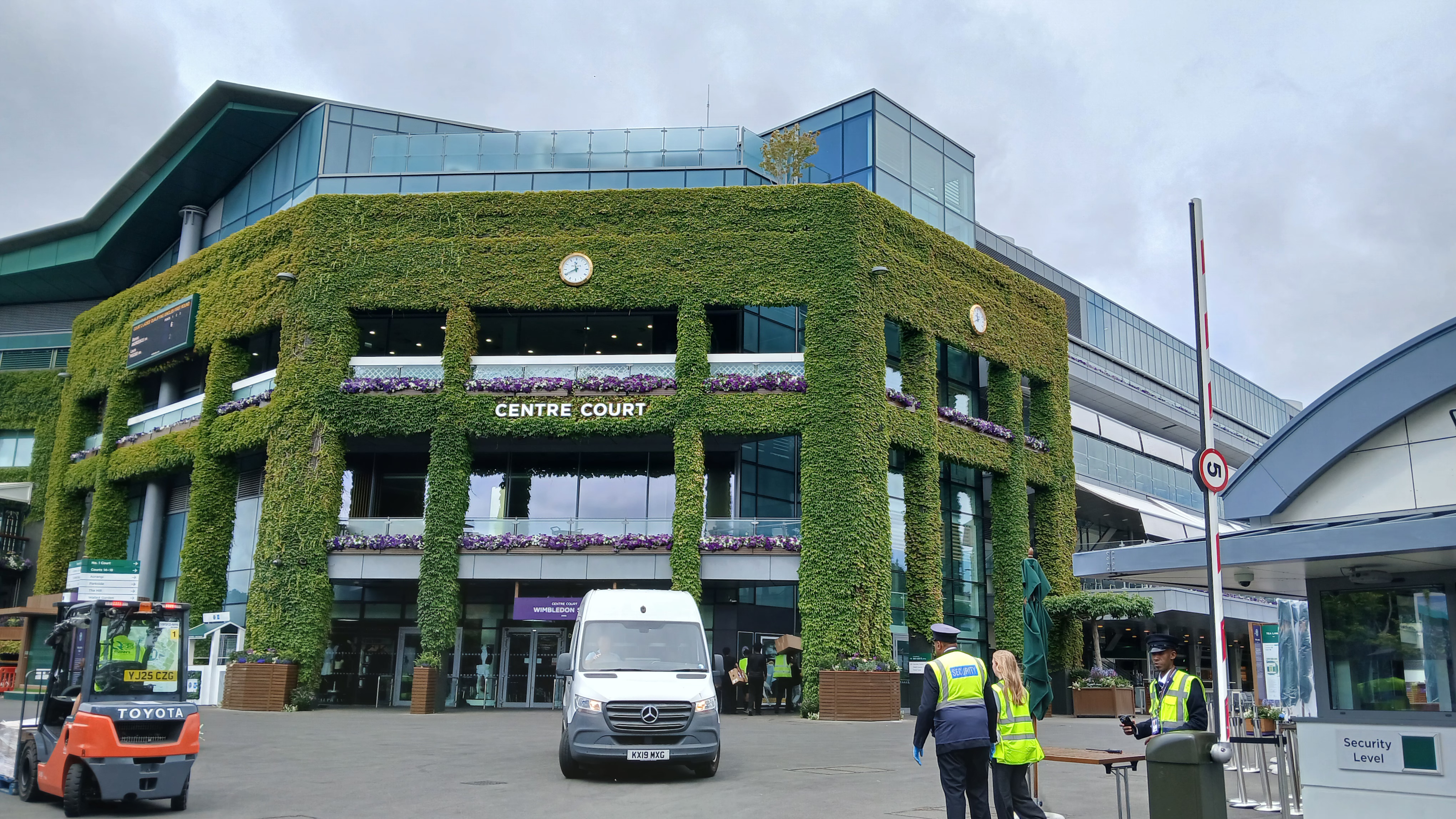
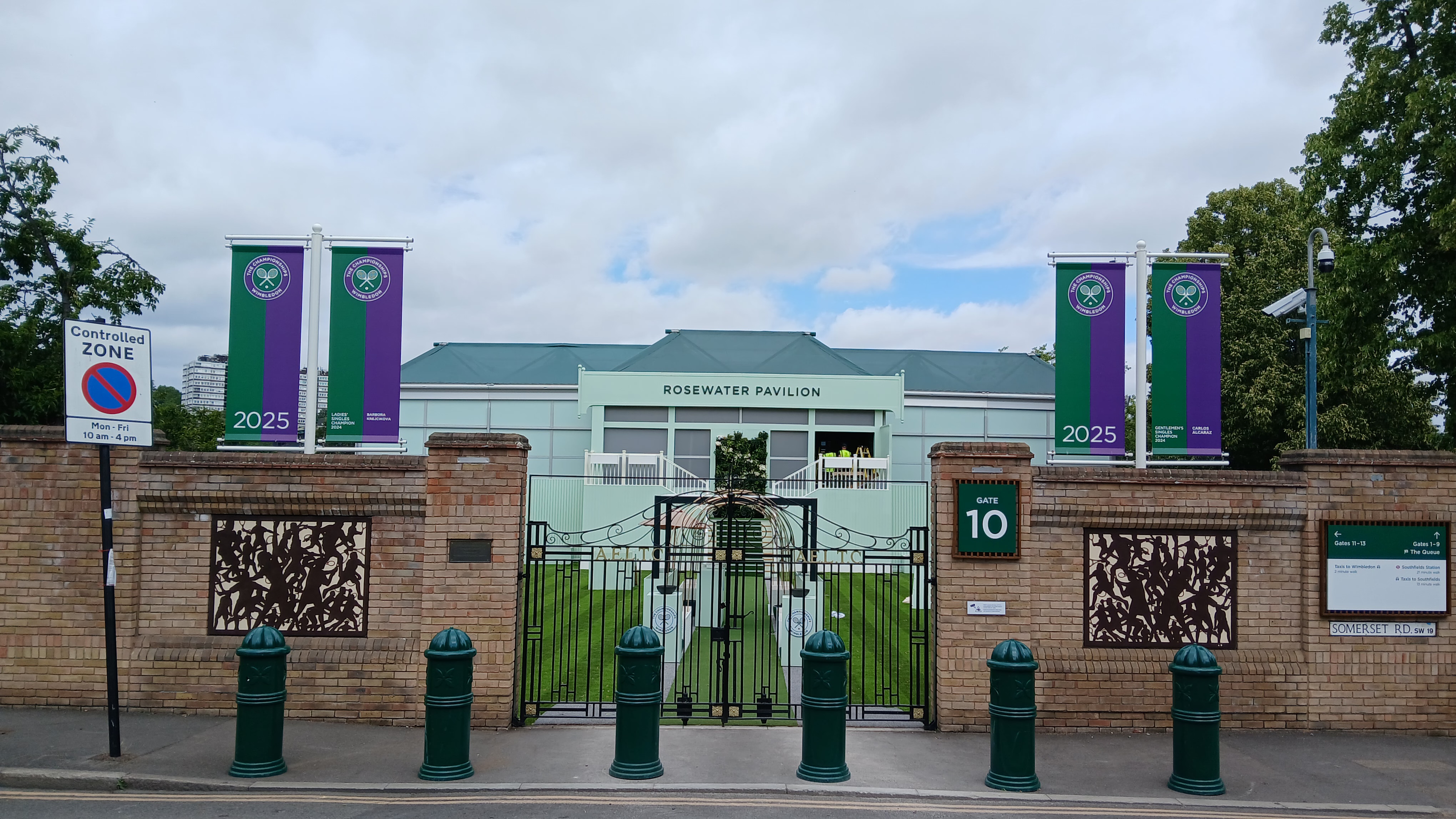
A very ten-uous link this month: I’m looking at churches closest to the All England Lawn Tennis and Croquet Club! The closest of these is 8 minutes’ walk away and actually rents out its adjacent field as a car park during the Championships. I took the opportunity to walk down Church Road last week to watch the busy preparations for the Tournament.

The Club was started as a private club for the popular sport of croquet in 1868. Its original ground was in Worple Road in Wimbledon Town, and the new sport of lawn tennis was introduced in 1875, with just one lawn set aside for this. The first Gentlemen’s Singles Championship was held in 1877 and was won by Spencer Gore, who is quoted as saying ‘Lawn tennis will never rank among our great games.’ Famous last words! In 1884 the Club added Ladies’ Singles and Gentlemen’s Doubles and in 1813 Ladies’ and Mixed Doubles. The Club moved to its present site in Church Road in 1922 and the current Centre Court dates from that year, much altered and improved over the years, with the installation of the sliding roof in 2009.
Source: Wikipedia

St Mary’s Church, Wimbledon Village

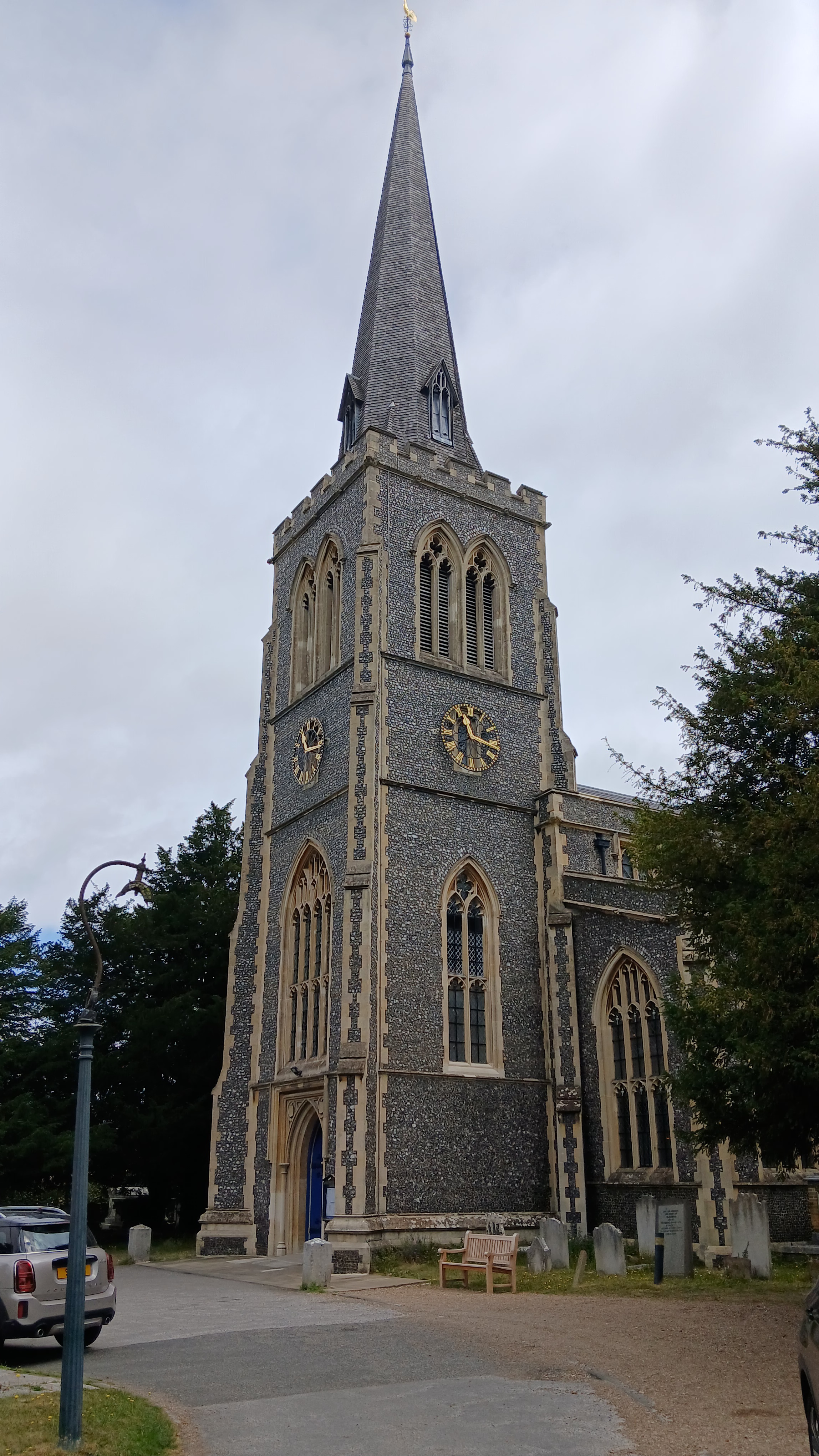
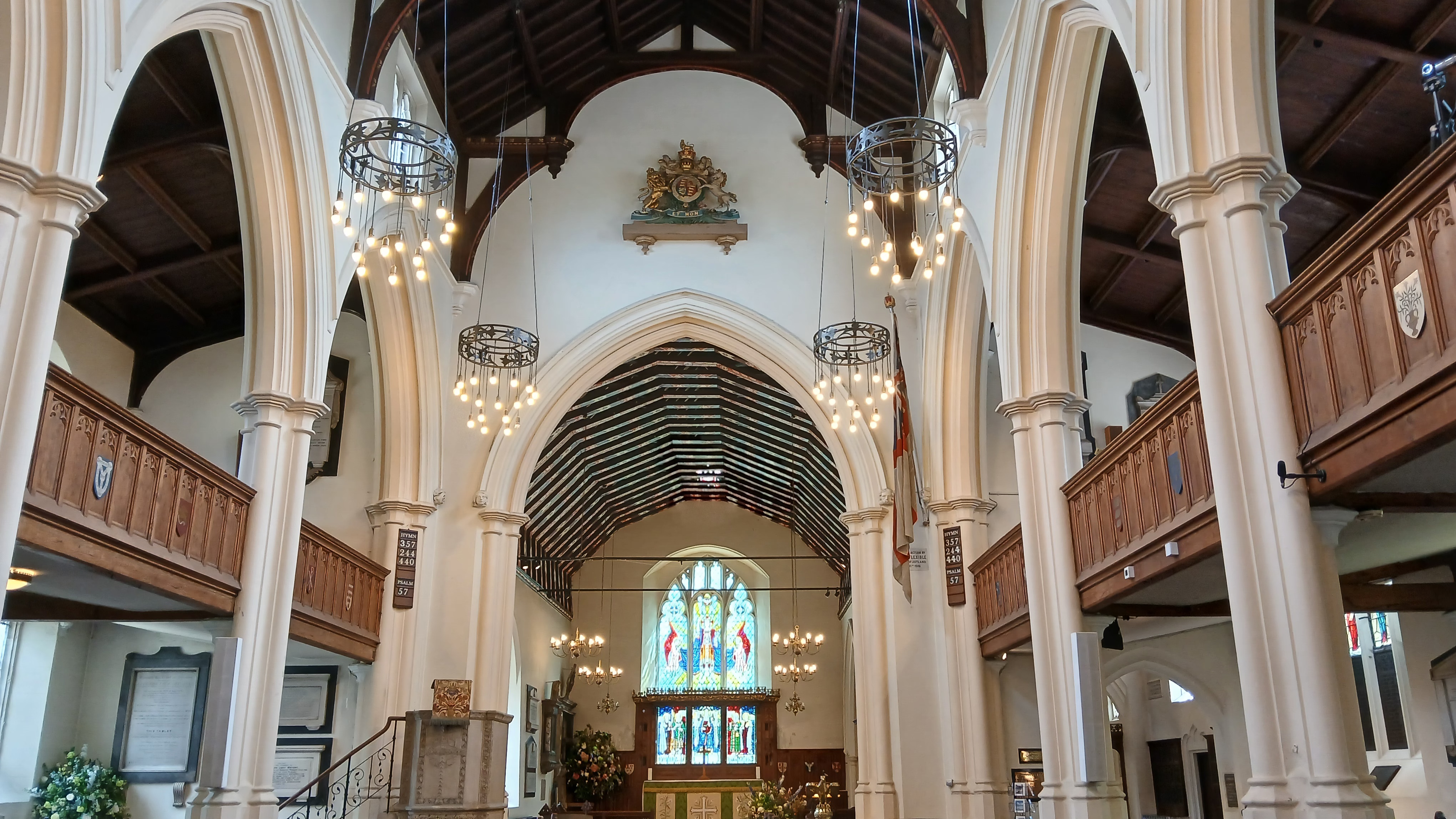
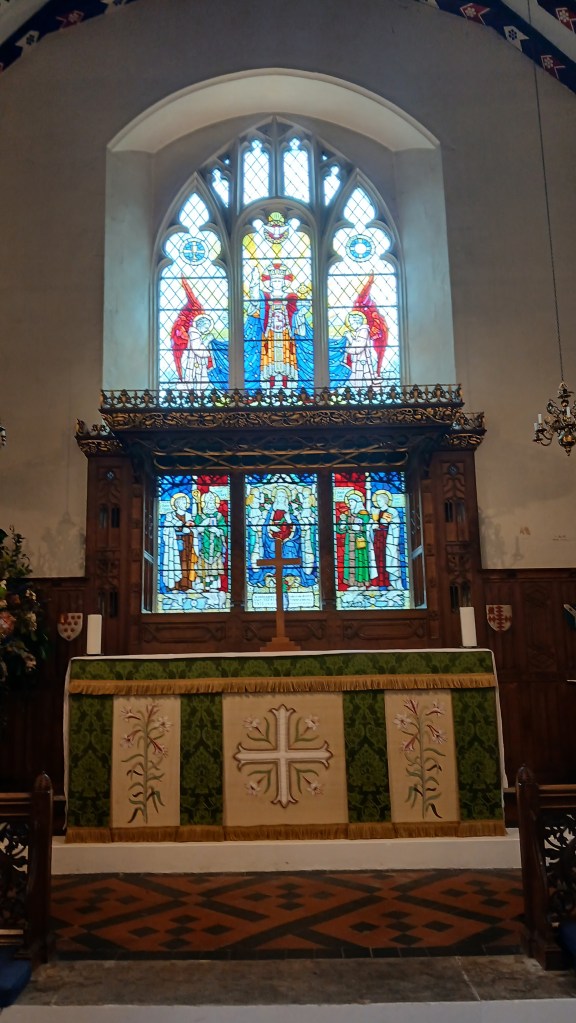
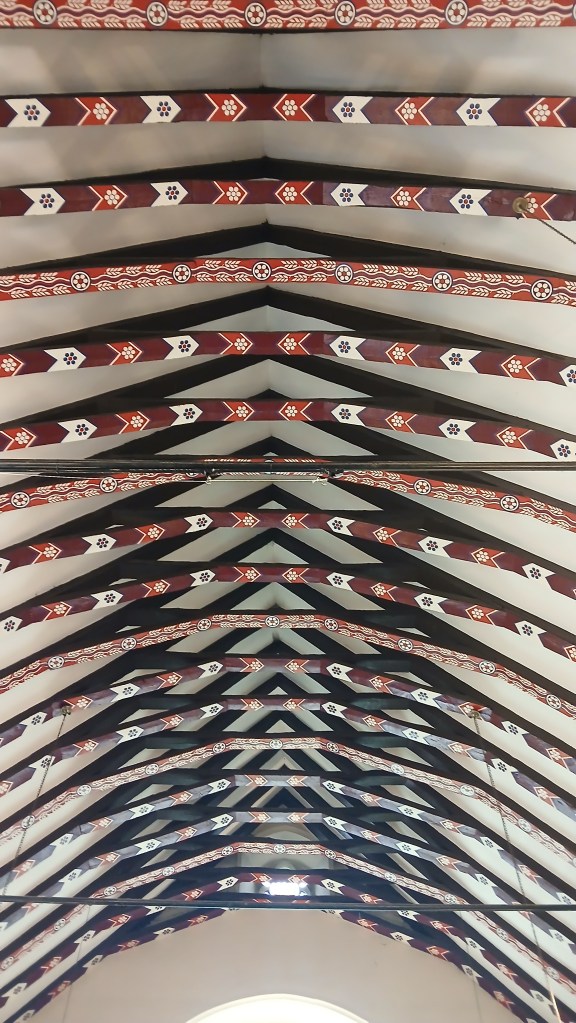
A large church on a substantial plot, this church looks quite rural from some viewpoints. The first church on the site was a simple wooden construction, serving a population of 100 in Wimbledon Village at the time of the Domesday Book, replaced by a stone building at the end of the 13th century. By the beginning of the 18th century the population of Wimbledon had increased only to 450 so the church remained adequate for the congregation. However, only 50 years later, from about 1750, the population of the whole country rapidly increased and the church building which was in urgent need of repair after 500 years of use, was substantially enlarged at a cost of £2,100. The arrival of the railway in 1838 and a doubling of the population to 2,600 made it necessary to provide a further 400 seats, and architects Messrs Scott and Moffat were chosen to extend the church and build a new tower and spire. Sir George Gilbert Scott went on to become one of the most prolific Victorian architects. In 1860 when the chancel (the altar part of the church) was being restored, some medieval rafters were discovered, having been covered over with a plaster ceiling. This beautiful artwork was carefully repainted by local architect Peter Bond in 1993.

Source: Church website

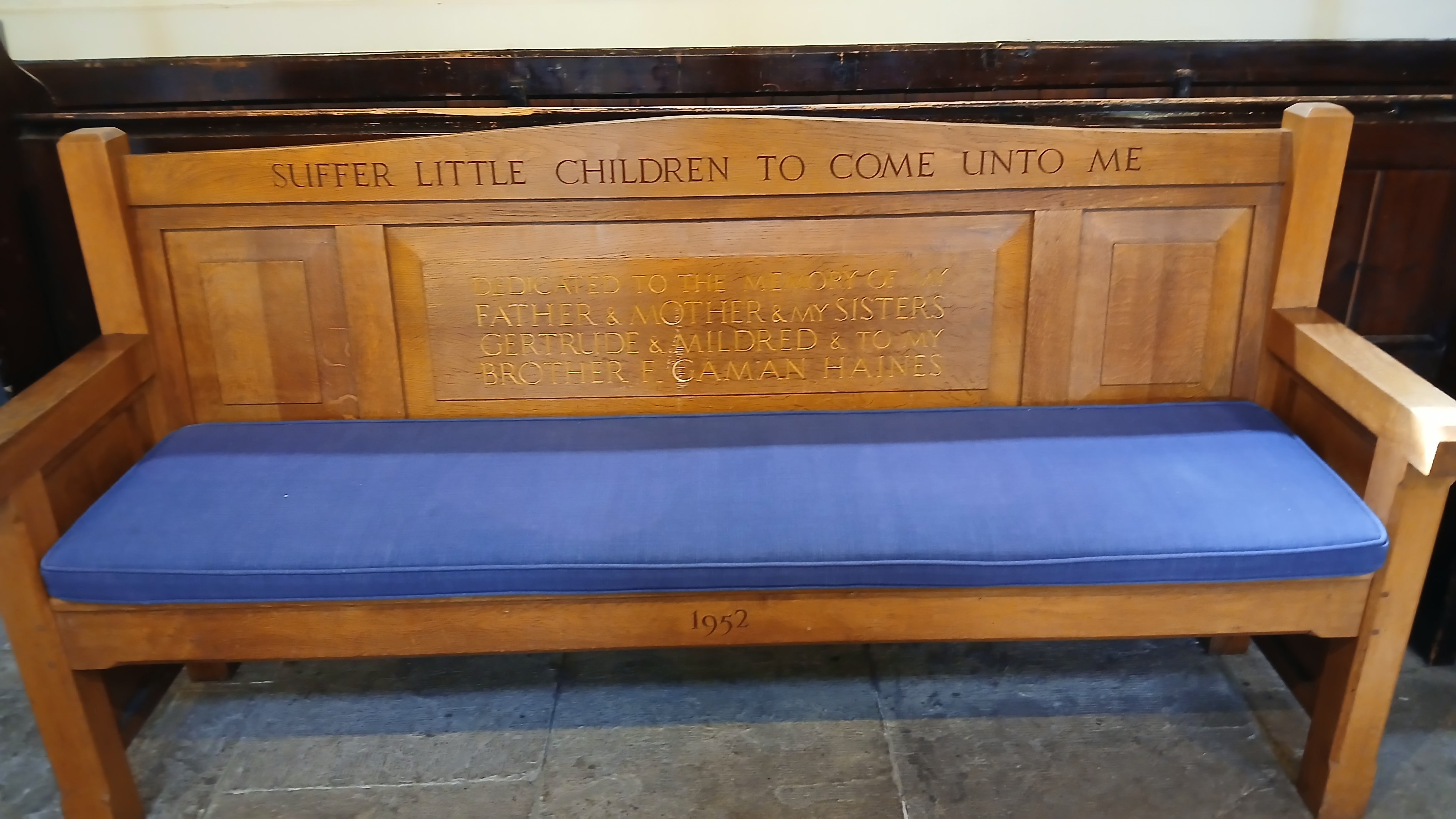
I particularly liked this bench’s inscription. It seems to be dedicated to the memory of a father, mother, brothers and sisters, possibly the siblings died as children. How sad.

St Luke’s, Wimbledon Park

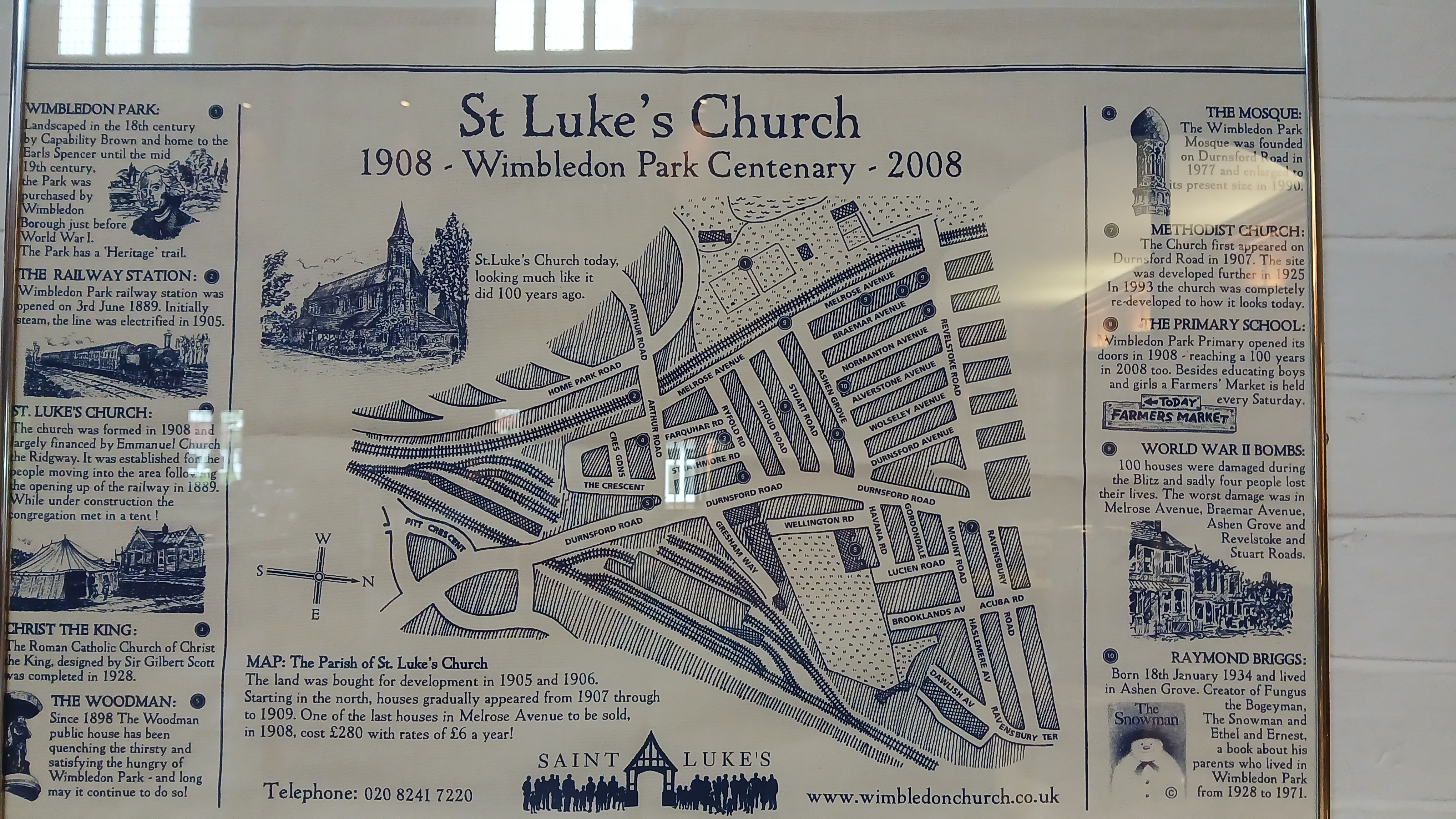
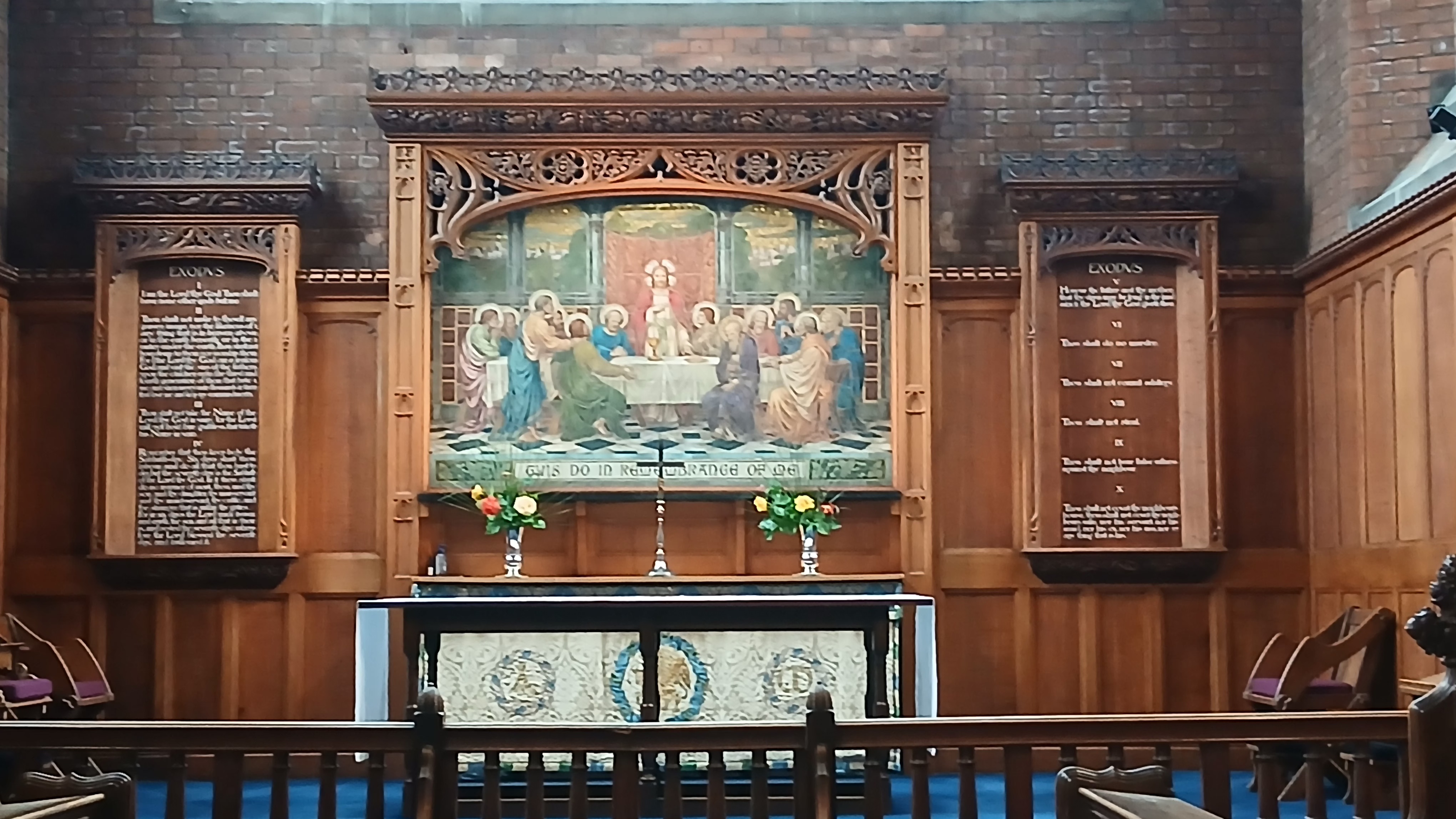
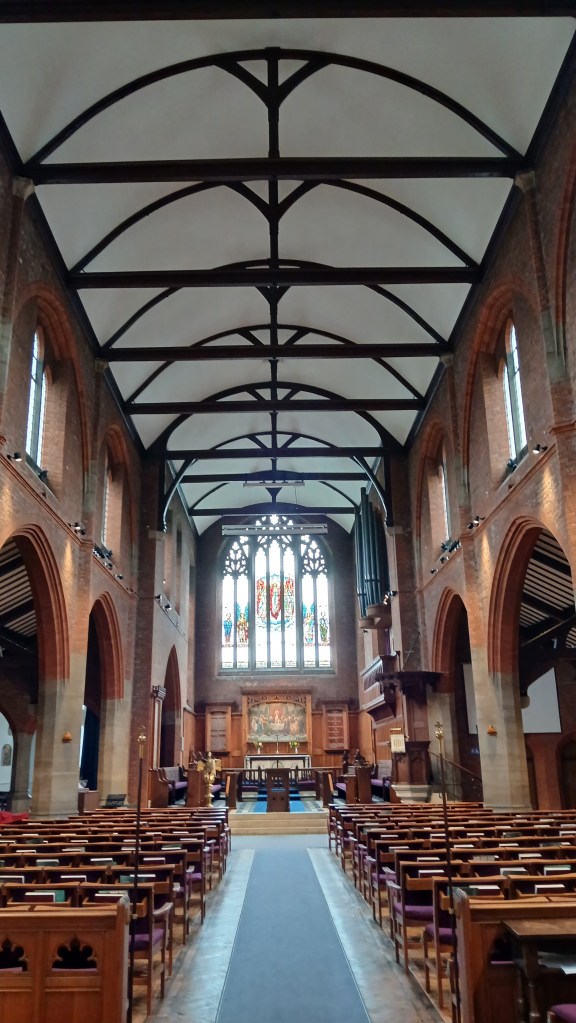
The second-closest church to the All England Club is St Luke’s, founded in 1908 as a Parish Church, built at the same time as the adjacent houses. The surrounding land was purchased for development in 1905/6, with the church being established for people moving into the new houses. Transport links to the capital were provided by the opening of Wimbledon Park railway station in 1889, originally steam powered and electrified in 1905, becoming a stop on the London Underground District Line (although it still runs overground at this point.) The lovely red brick church building was designed by architect Sir Thomas Graham Jackson and has a distinctive tower and spire. These made it easy for me to find the church and adds interest to this suburban residential street. In the spring of 1908 a marquee was erected and the congregation worshipped here before moving into the church hall and finally into the church itself. Thankfully, not much has changed inside or out since the early days, except the inevitable replacement of pews by chairs and the installation of audio-visual equipment.

Source: Church website

St Mark’s Wimbledon

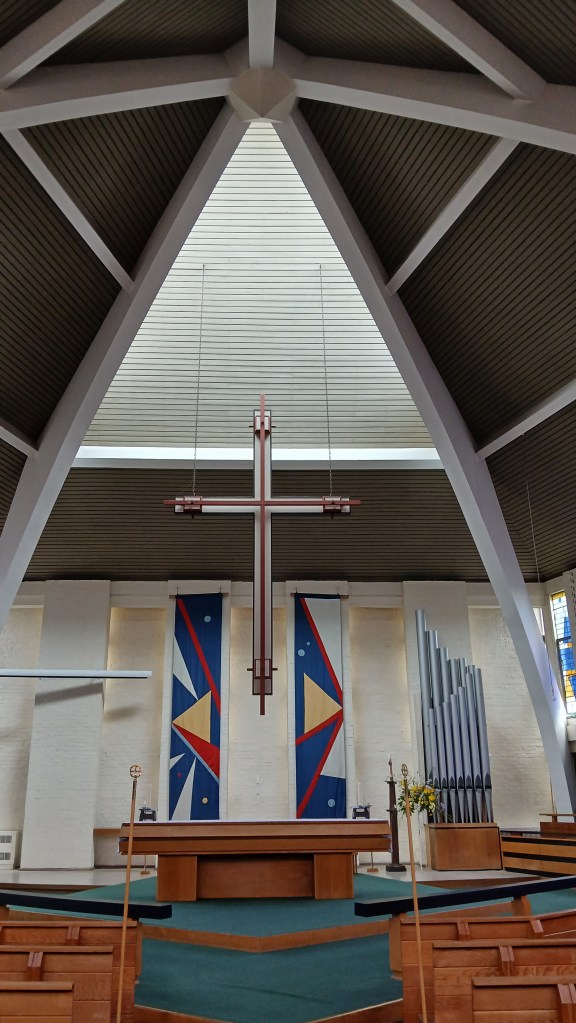
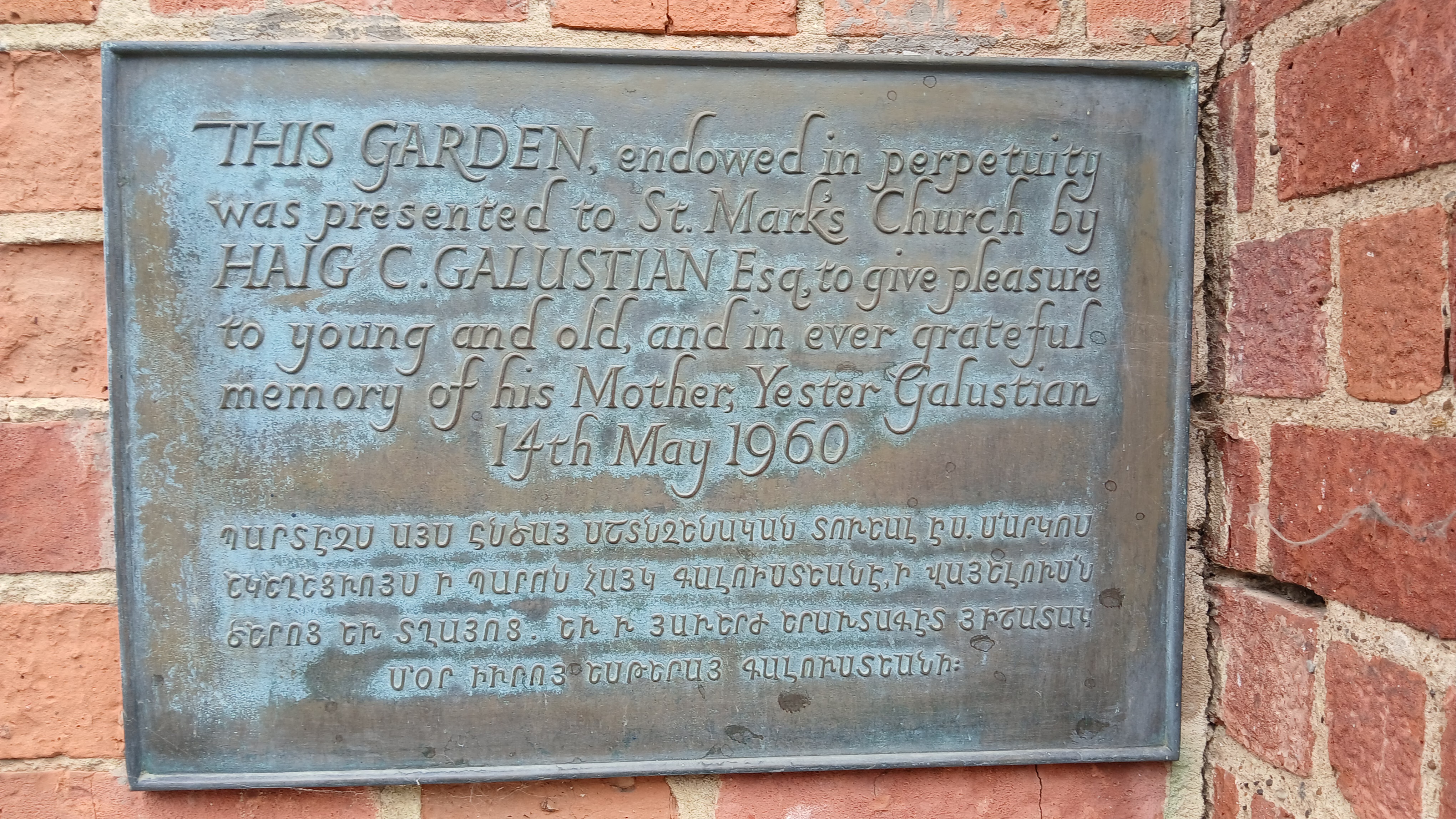
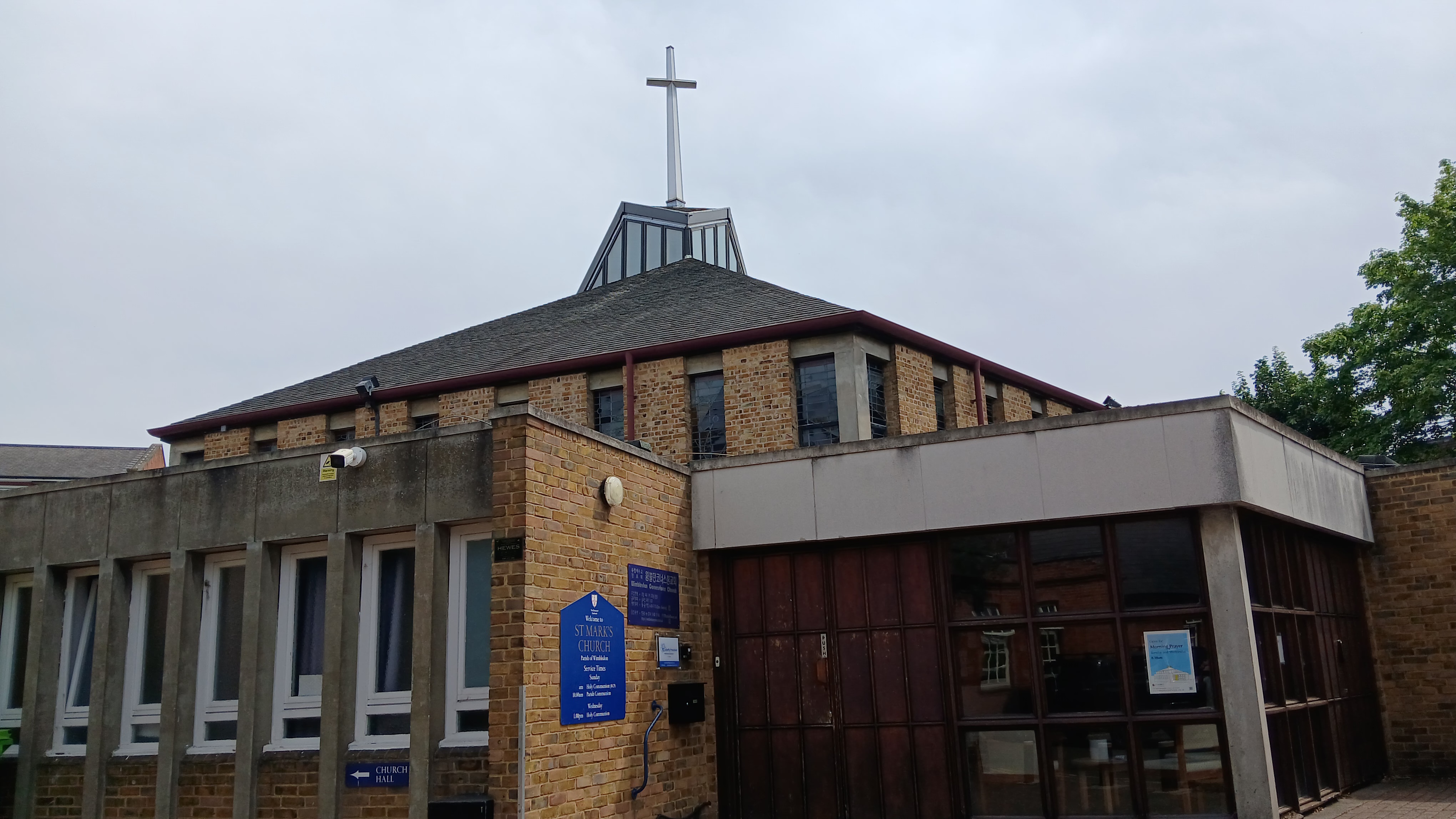
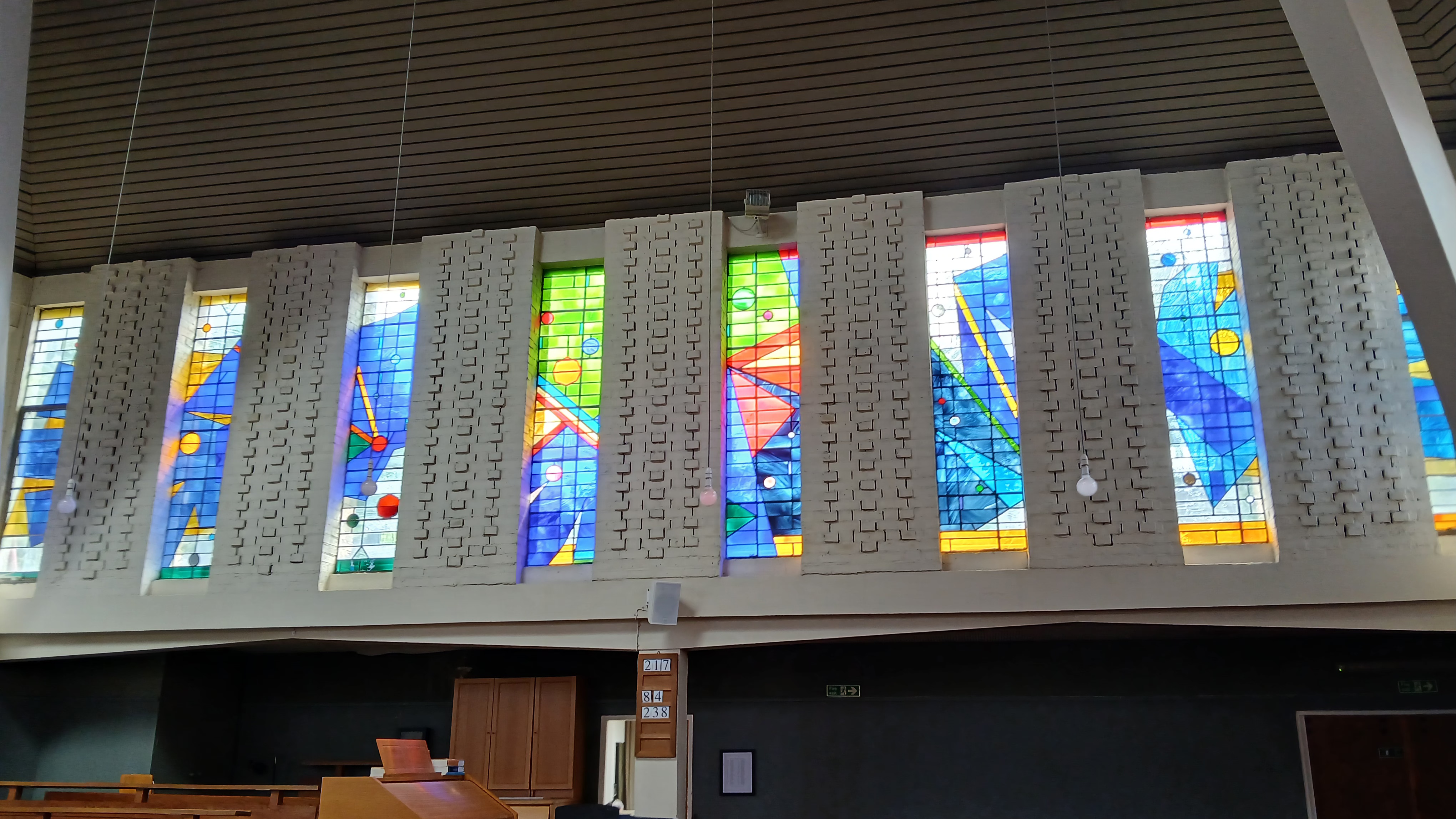
Back down the Hill in Wimbledon town centre is the Anglican church of St Marks. This one piqued my interest because it’s a mid-century modernist building which replaced a Victorian church which burnt down in 1966. The interior of St Marks is an absolute gem: the building is a pentagon shape, designed by architects Humphrys and Hurst and completed in 1969. A frieze of jewel-coloured glass runs along the upper part of four of the walls and behind the altar the fifth wall is a ‘tent-like, framed structure’ which allows light into the church. The five structural pillars which meet at the centre of the roof were constructed off-site and assembled in situ. The two banners which hang either side of the altar were designed by a member of the congregation to celebrate the 25th anniversary of the opening of the new building. Behind the church is a large garden which is shared by the church and the pre-school which is held in the church hall. The garden was the bequest of Mr Haig Galustian in memory of his mother and the plaque commemorating this is written in both English and Arabic.

Source: Church website and helpful church volunteer

Trinity URC, Mansell Road, Wimbledon

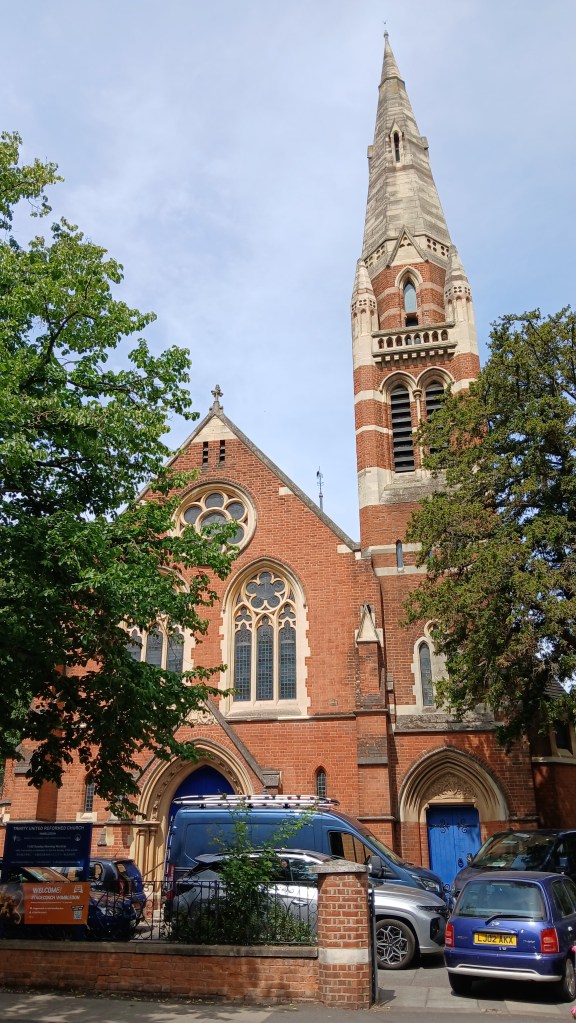
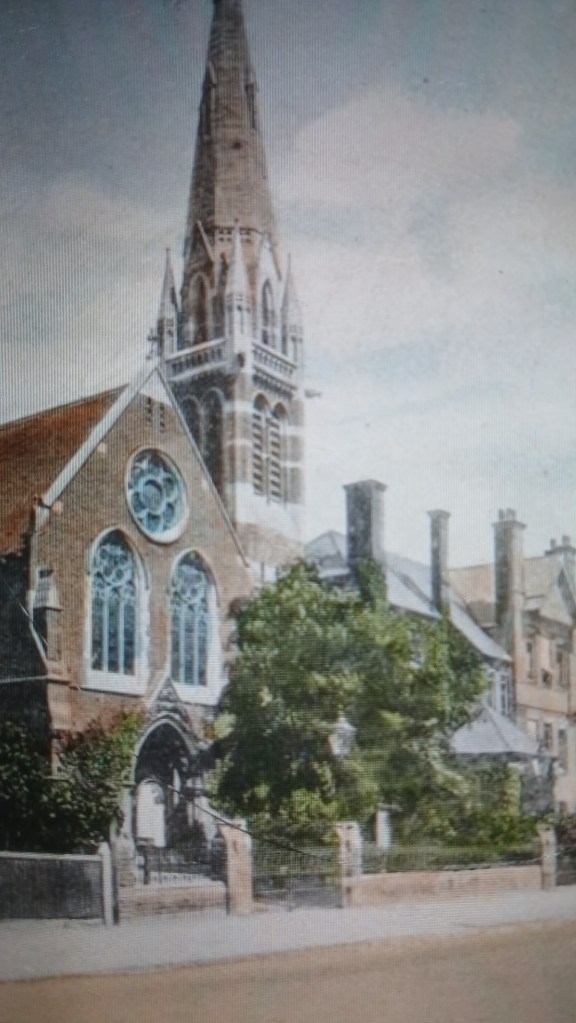
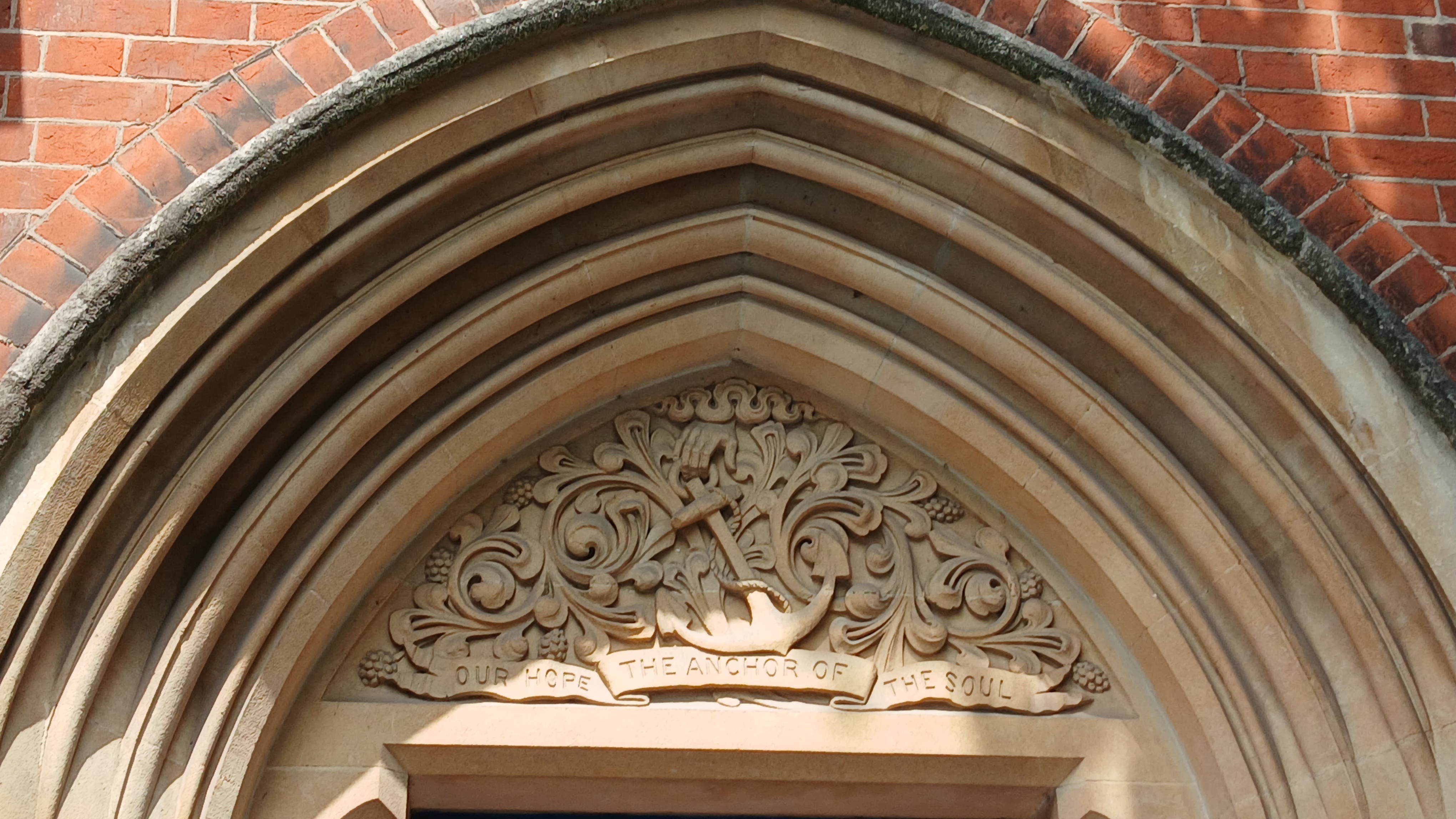
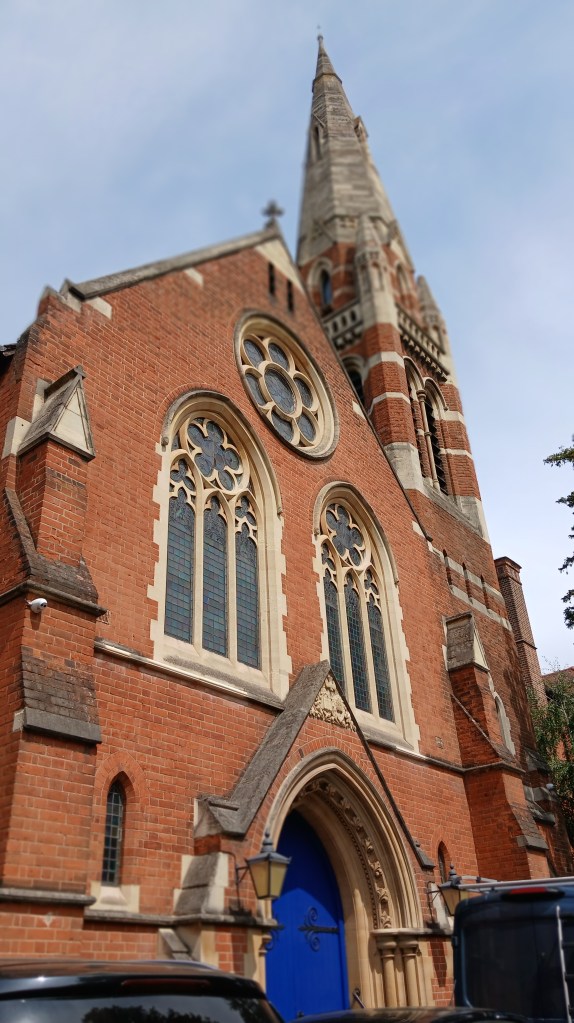
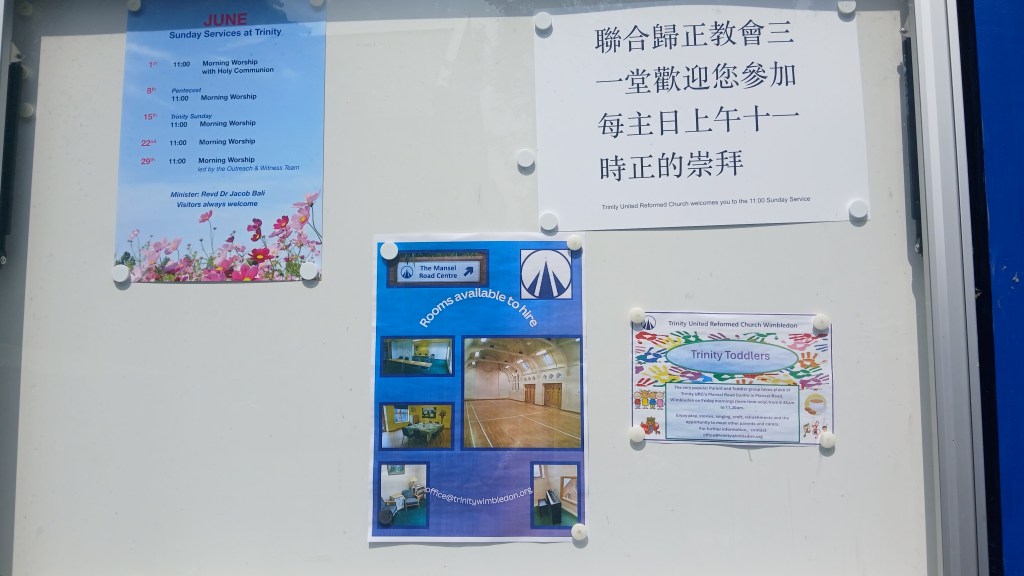
Also close to the town centre is another red brick church, Trinity URC, right next to Wimbledon GDST (independent girls’ school). On 30th October 1883 a group of ladies and gentlemen were invited to the home of Mr Patrick Kidd of Hill Road to discuss the establishment of a ‘Scotch Church’ in Wimbledon. The Presbytery of London was approached and as a result a ‘Preaching Station’ was formed – Trinity Presbyterian Church. The first congregation and Sunday School met in a hall in nearby St George’s Road, and as numbers grew, a permanent site for a new church was found in Mansell Road. Work started on what is now the Old Hall in 1886 and on the church building itself in 1890. There was a strong Scottish feel to the church as many of the members were ‘exiled Scots’. At this time, the church had a thriving Sunday School, held in the afternoons after the main service. As well as religious instruction, this provided social and educational activities for local children. 80 years later in 1972 the Presbyterian Church of England united with the Congregational Church to form the United Reformed Church. Today the church has a Chinese congregation which joins with the first part of the main service before moving to their own service in Cantonese.

Source: Church website

Note: photo credit for the first picture: the newly-built church, from the church website. I couldn’t go inside the church due to music exams taking place when I visited, hence exterior shots only.

May – Gardens named St John

Another group of gardens, green spaces which offer a peaceful retreat from the hectic pace of the City and its surroundings. These four are all called St John, three of them are linked, three are former burial grounds which were converted to gardens in the Victorian era, and these three are all now conservation areas or nature reserves All are open and free to visit during daylight hours.

St John’s Waterloo

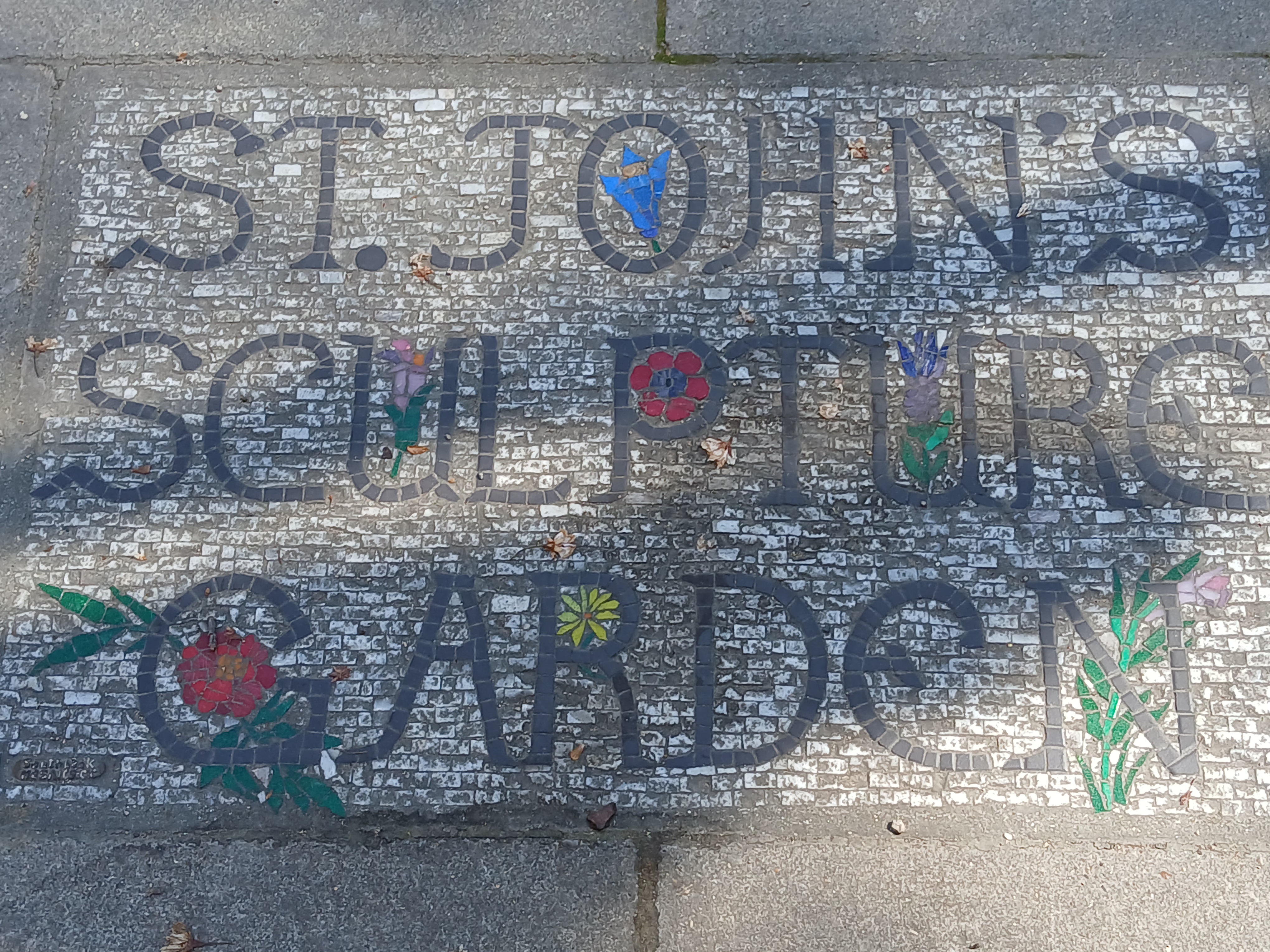
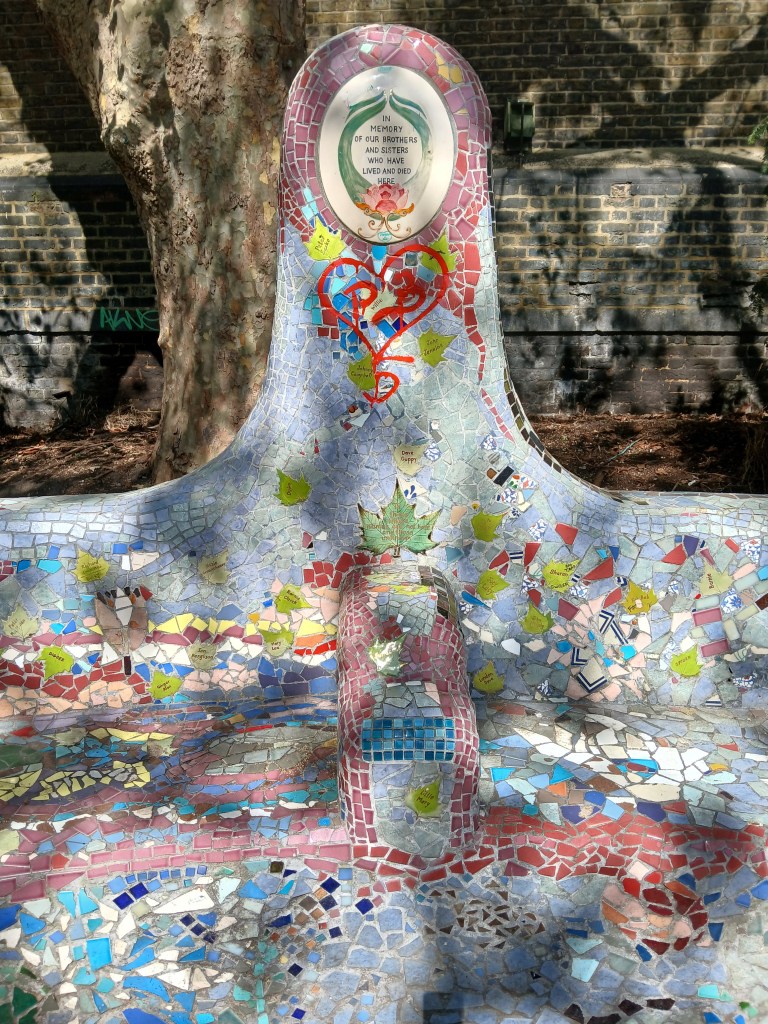
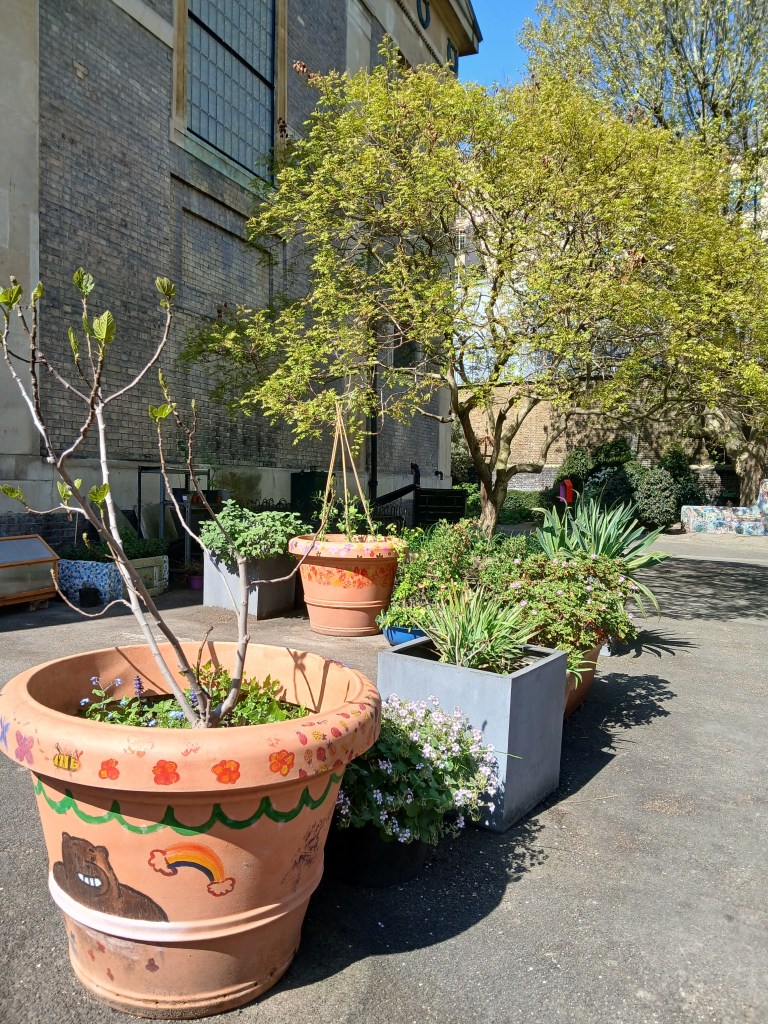
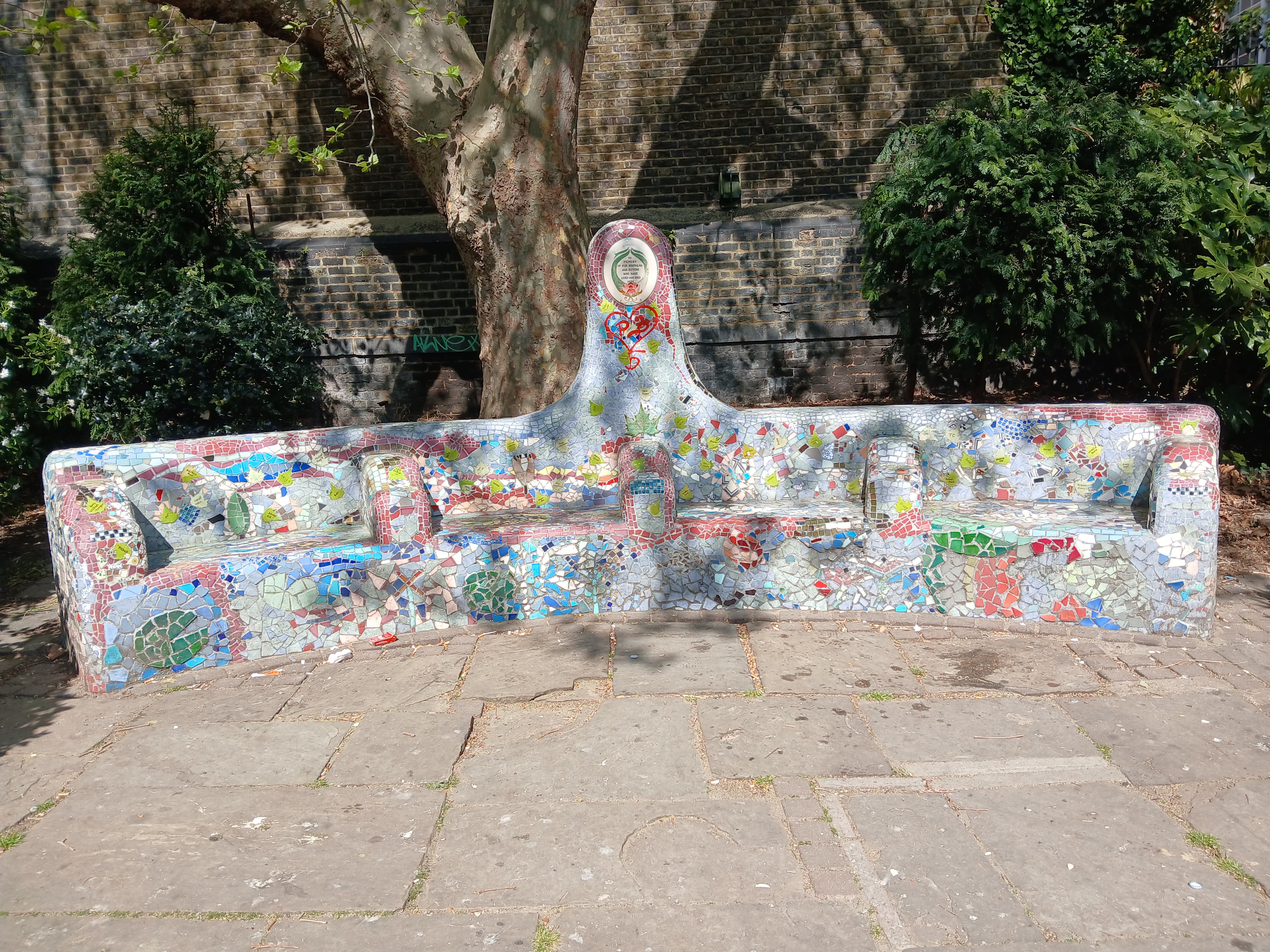
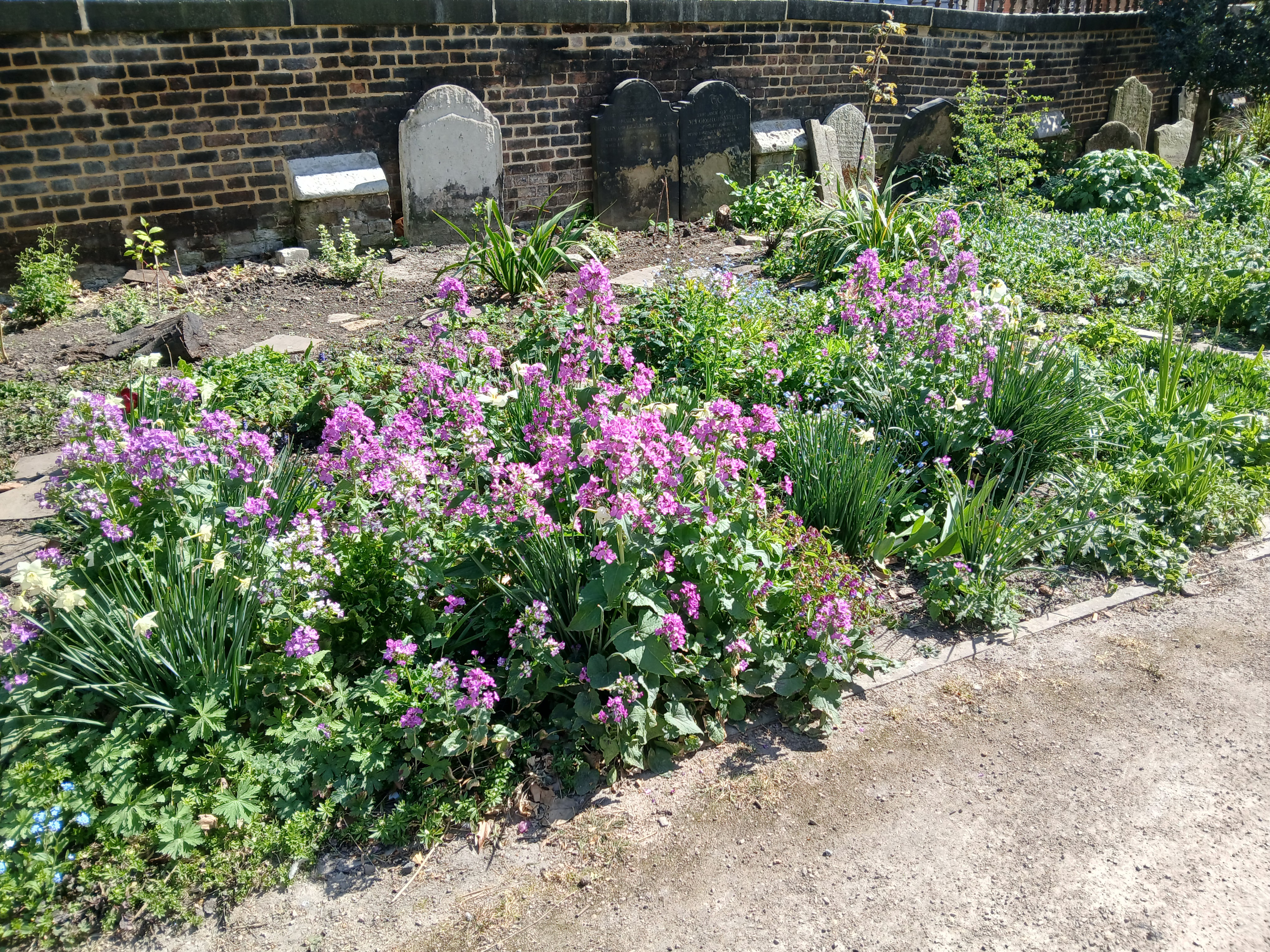
This garden lies on the site of the former churchyard of St John the Evangelist Church, Waterloo. The churchyard was closed to burials in the early 1800s and converted to a public garden in 1877. Octavia Hill, co-founder of the National Trust, and her sister Miranda, were passionate about the need for green spaces for Londoners to enjoy, and they were instrumental in the design and establishment of the garden. As with many former churchyards, some gravestones are stacked against a perimeter wall and there are pretty flowerbeds and herbaceous borders, one of which is maintained by London homeless charity, St Mungo’s. The crypt of the church was once the home of Southbank Mosaics (now the London School of Mosaic) and there are several mosaics hidden around the garden. Of particular interest is the bench, made of mosaic tiles and dedicated to homeless people who have died on the streets, who are named on the bench. The garden is managed by a community gardener and volunteers, and contains hedges that reduce air pollution and a wildlife garden to encourage birds and insects.

Sources: London: The Hidden Corners for Curious Wanderers; Jack Chesher@livinglondonhistory, Frances Lincoln Publishing, 2025

lambeth.gov.uk/parks/stjohnschurchgardens

St John’s Gardens, Islington

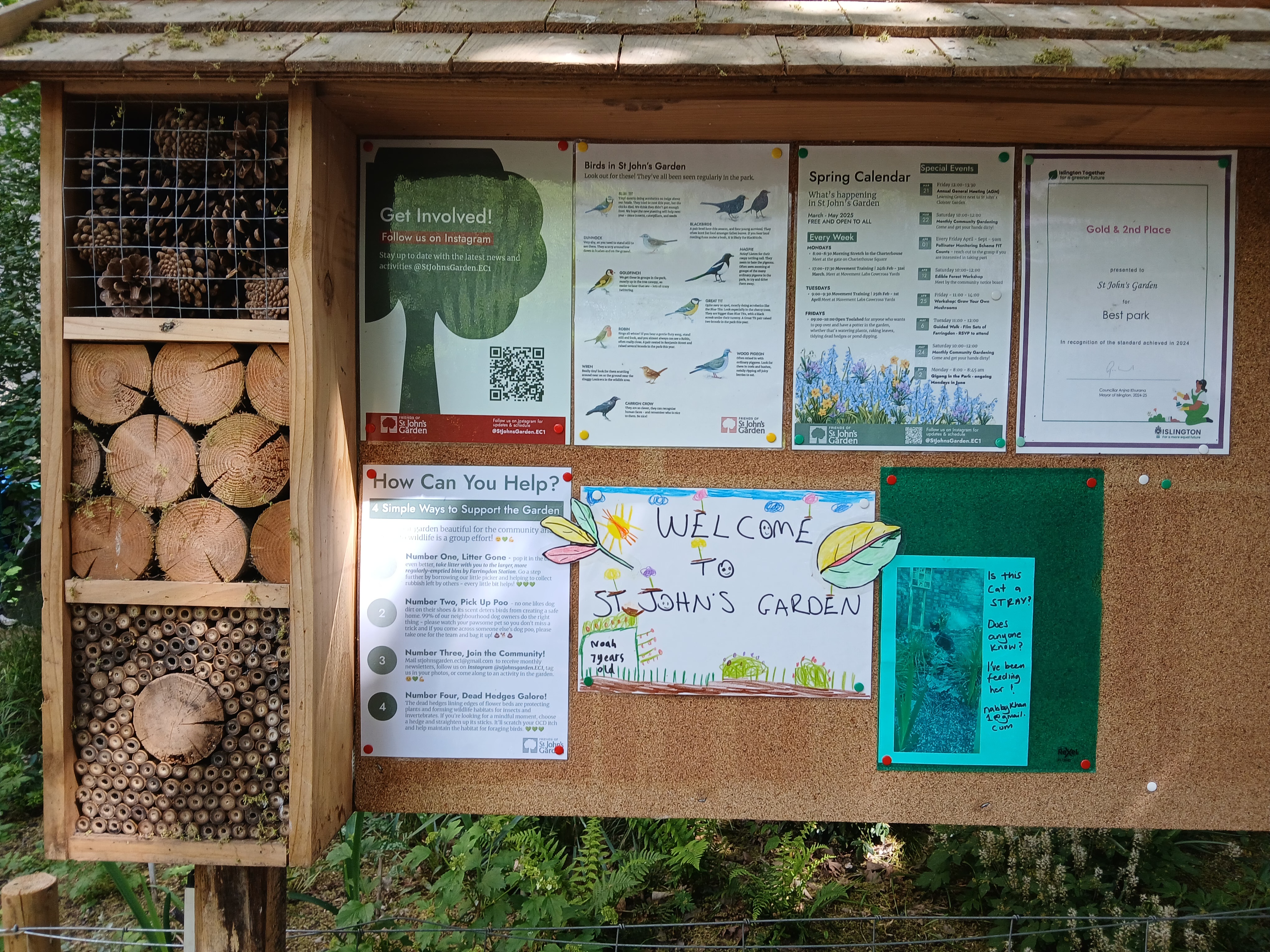
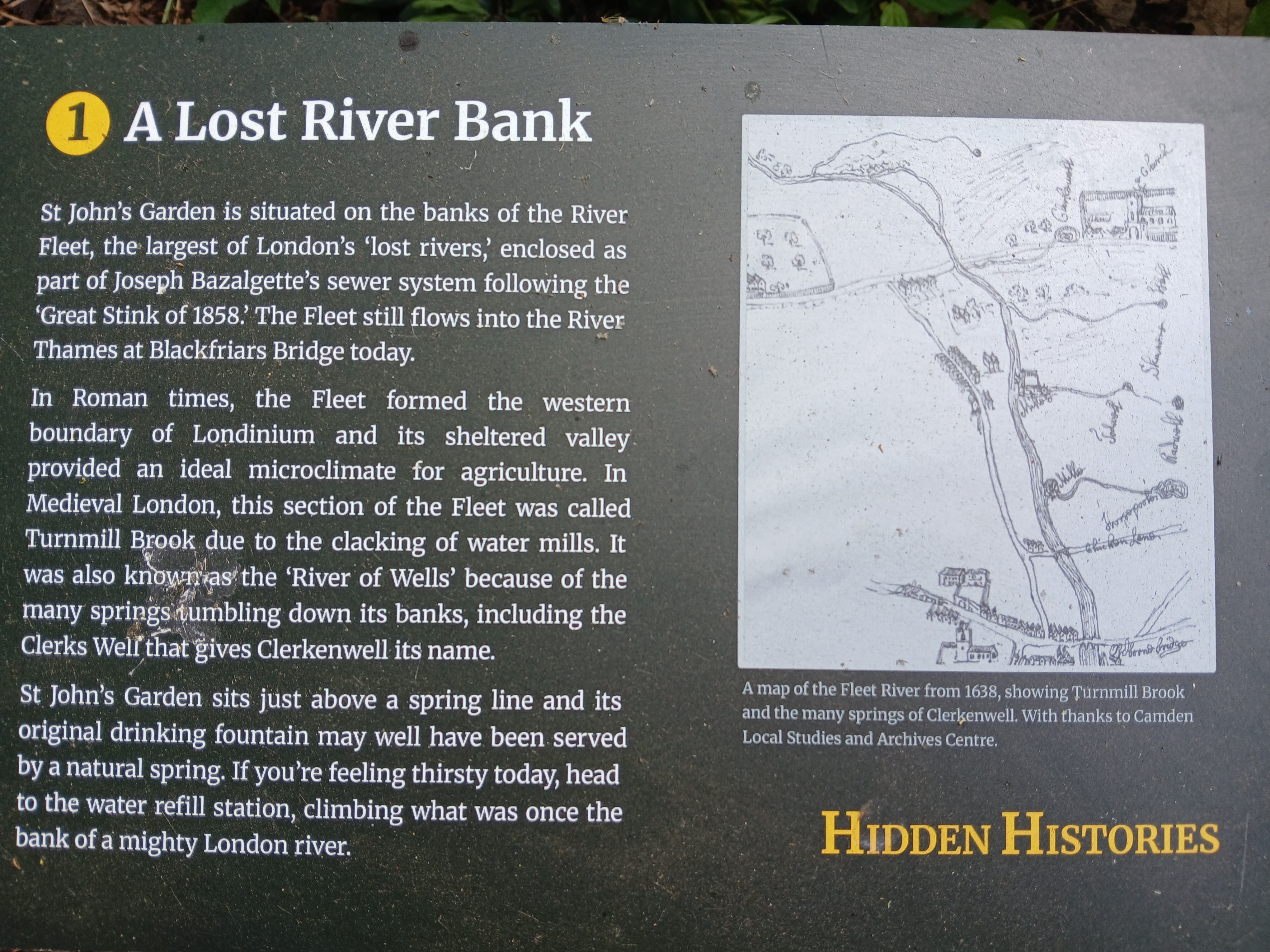
I actually thought that this garden and St John’s Priory Garden were the same place; in fact both were part of the medieval precincts of St John’s Priory which covered a large area of Clerkenwell. This garden is a former burial ground used mainly for the burial of the poor, which was later converted into a Victorian ornamental garden. During the intervening years between closure of the burial ground in 1854 and conversion to a public garden in 1870, the area was used as ‘a sort of waste ground on which pots and pans and refuse of all kinds, were flung from the neighbouring houses.’ Clerkenwell was a particularly deprived area of the City and the garden was intended to provide ‘a nook of greenery in this dingy and squalid part of London, where the workman may smoke his pipe in the dinner hour and feeble folk rest and chat in the summer sunshine.’ Today the garden is a designated Site of Importance for Nature Conservation, with year-round pollinating plants, bird boxes and bug hotels. When I visited there were office workers, construction workers and some retirees enjoying the spring sunshine – its original purpose lives on!
Source: londongardentrust.org

Noticeboard in the garden explaining the origins of Clerkenwell

St John’s Priory Garden

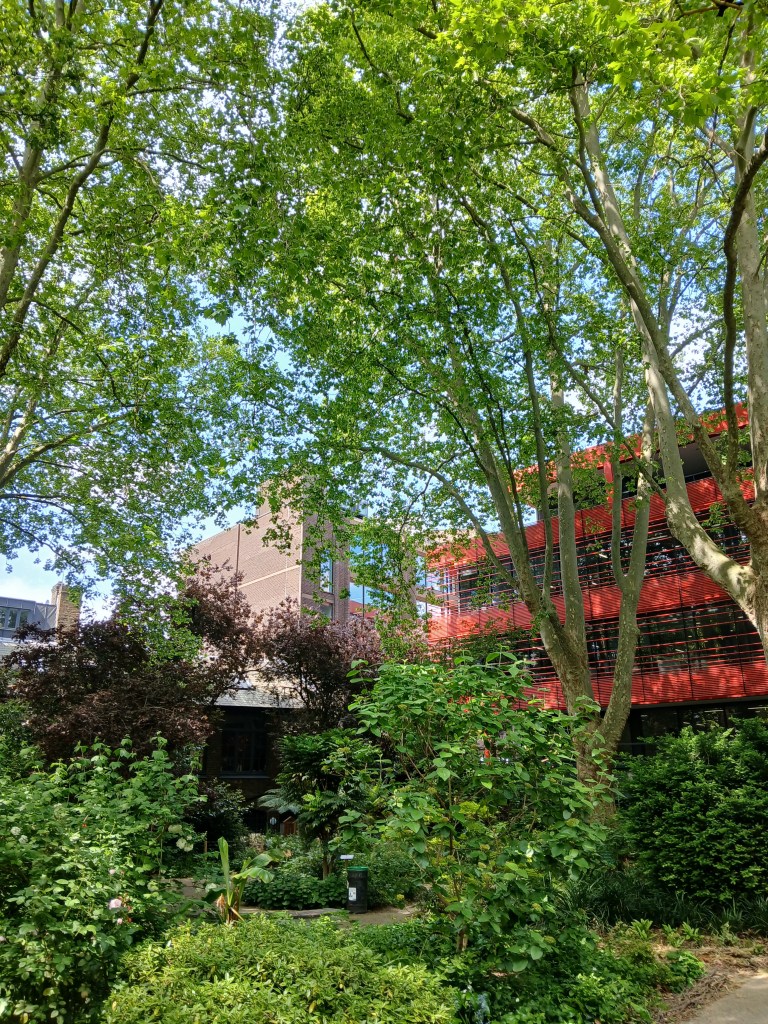
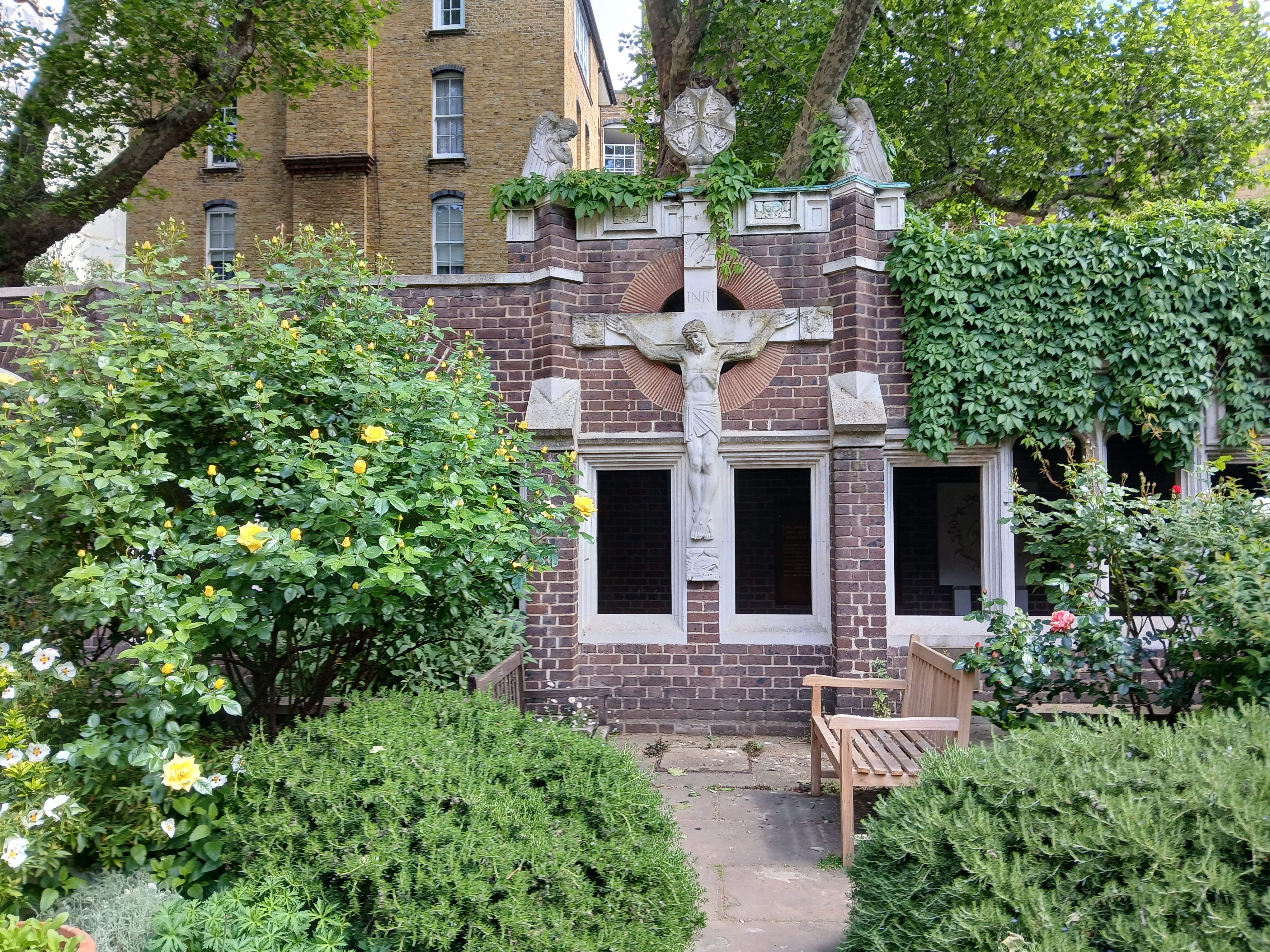
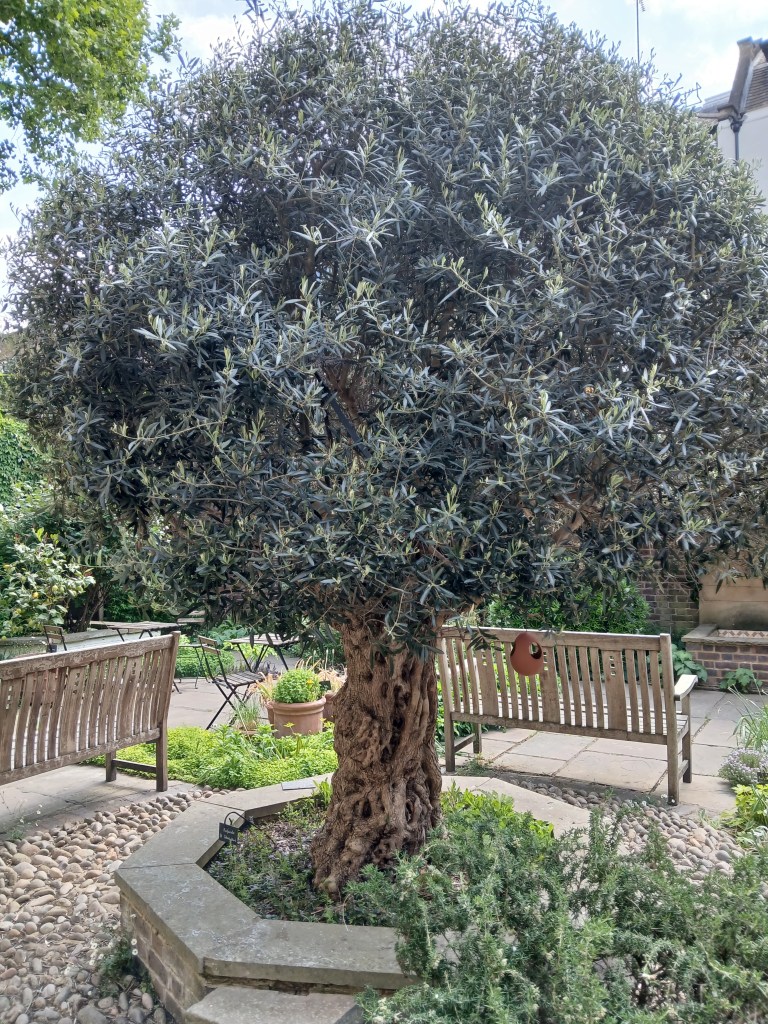
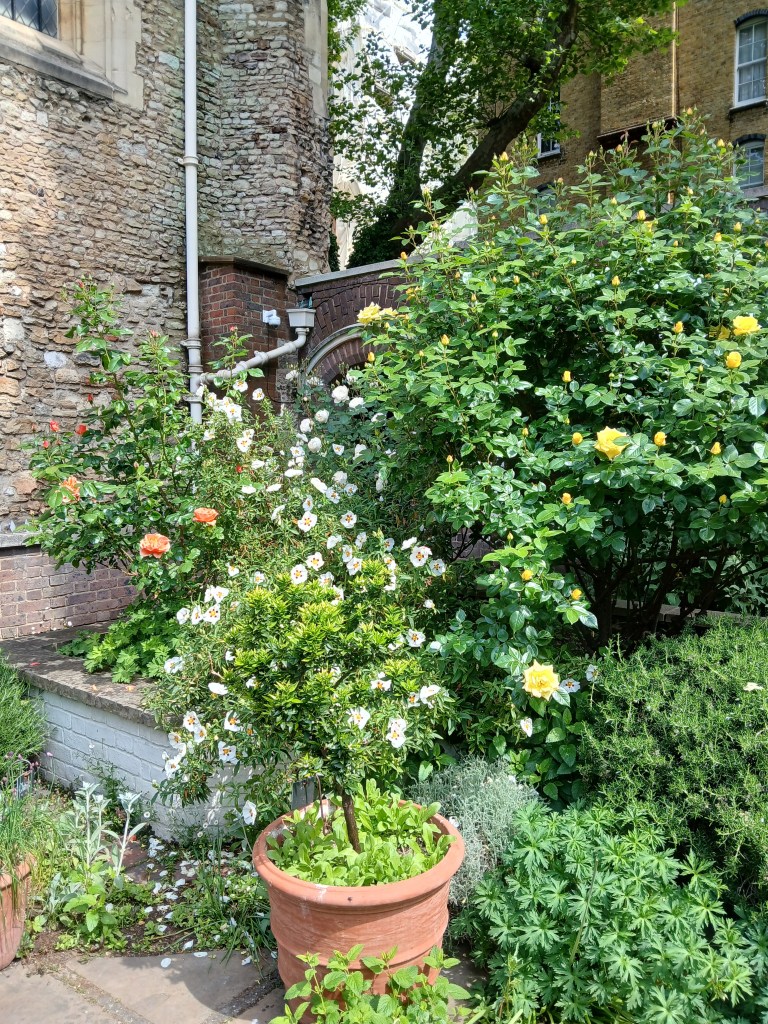
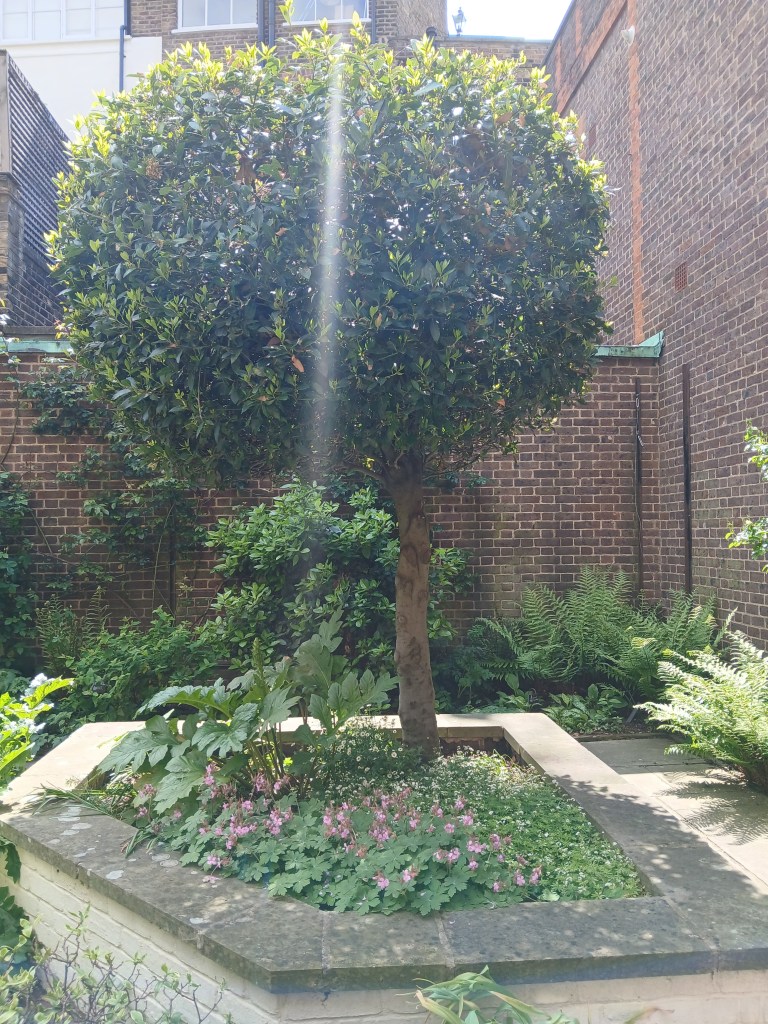
This garden is part of the Museum of the Order of St John at St John’s Gate. The Cloister Garden, as its known, has an outline of the original 12th century round church marked out with cobblestones and with an olive tree in its centre. The garden was established between 1955 and 1958 when the later church was restored after being bombed in 1941. Most famous today for being the foundation of St John’s Ambulance, the Order’s historic nursing and medical role is reflected in the garden by the planting of the medicinal herbs used in patient care in their medieval hospitals. As well as being a delightful place to wander and rest, it is also a memorial garden for members of the St John Foundation who lost their lives in two world wars. Adjacent to the garden, before entering it through an archway, there is a memorial chapel with remembrance plaques to the lost. When I visited in early May, the trees and shrubs were coming into flower in this ‘small but perfectly formed’ garden. There are also proportionately more benches than I’ve seen in any other public garden!

Source: Noticeboards in the Garden

St John’s Wood Church Garden

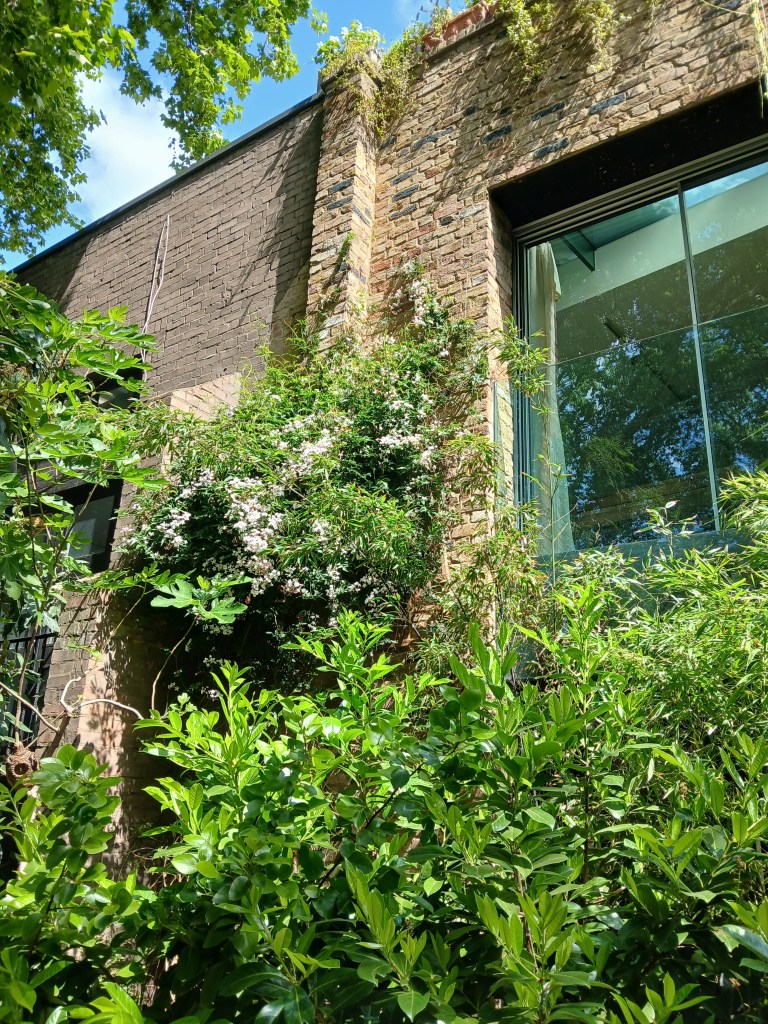
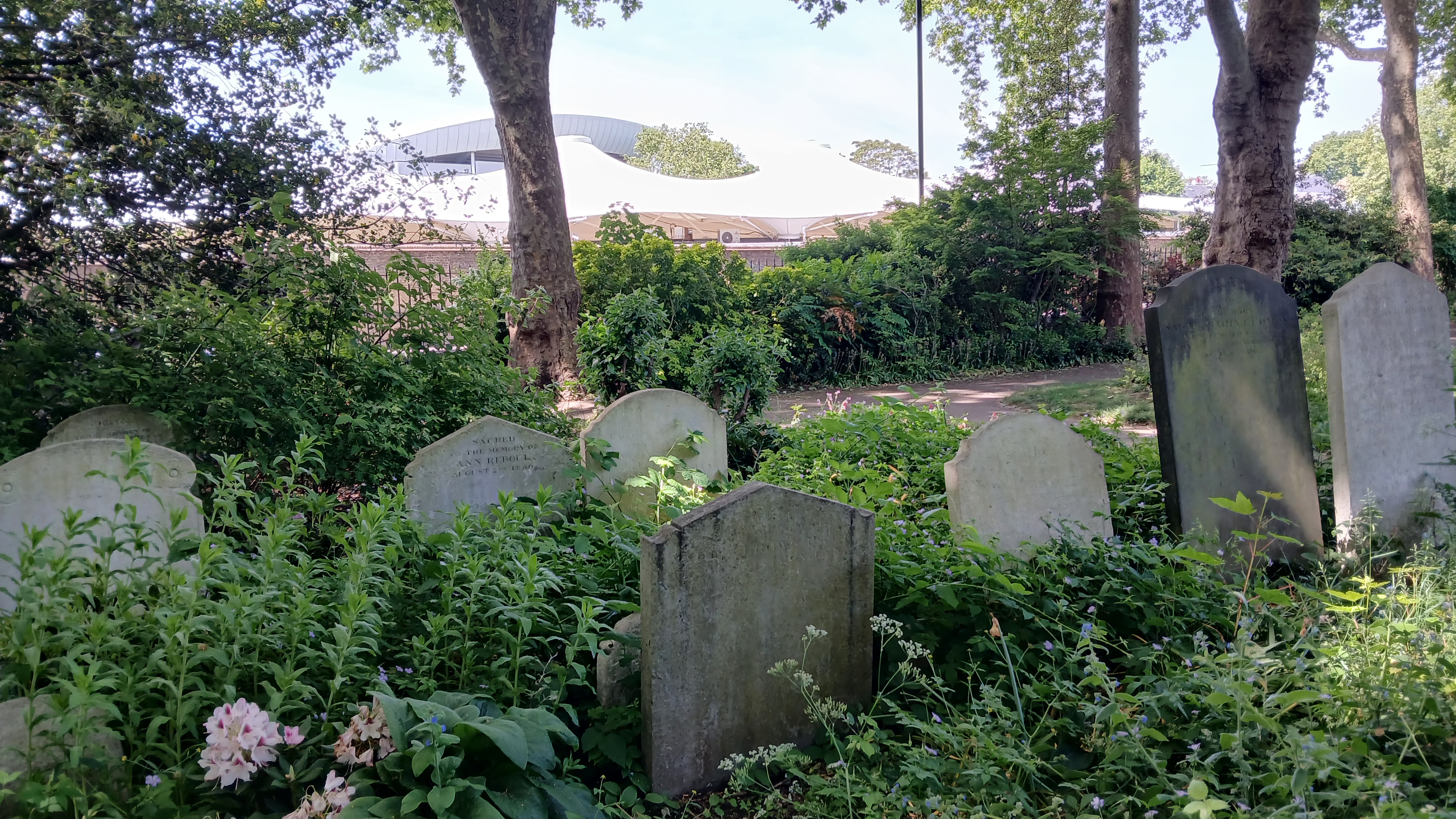
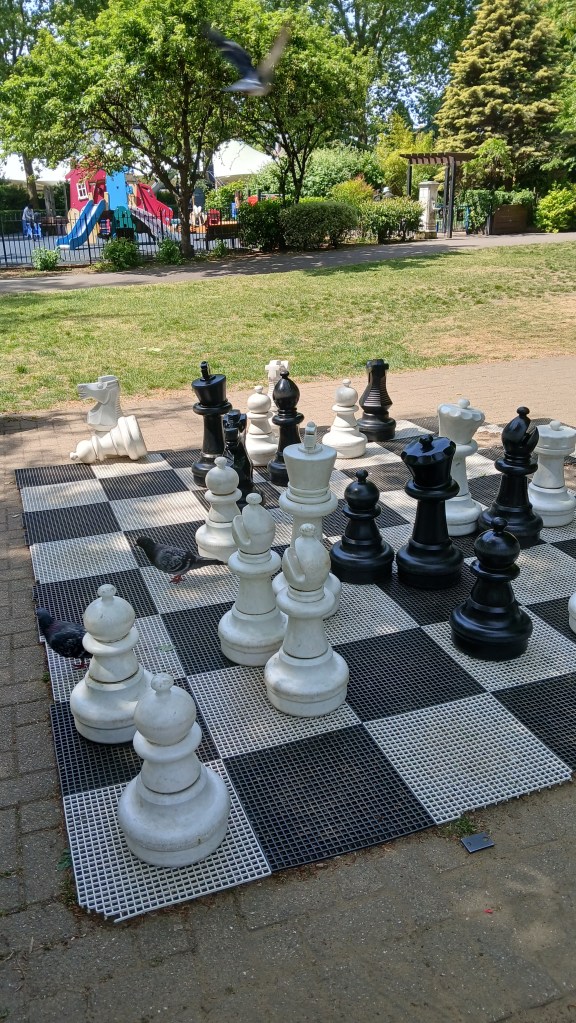
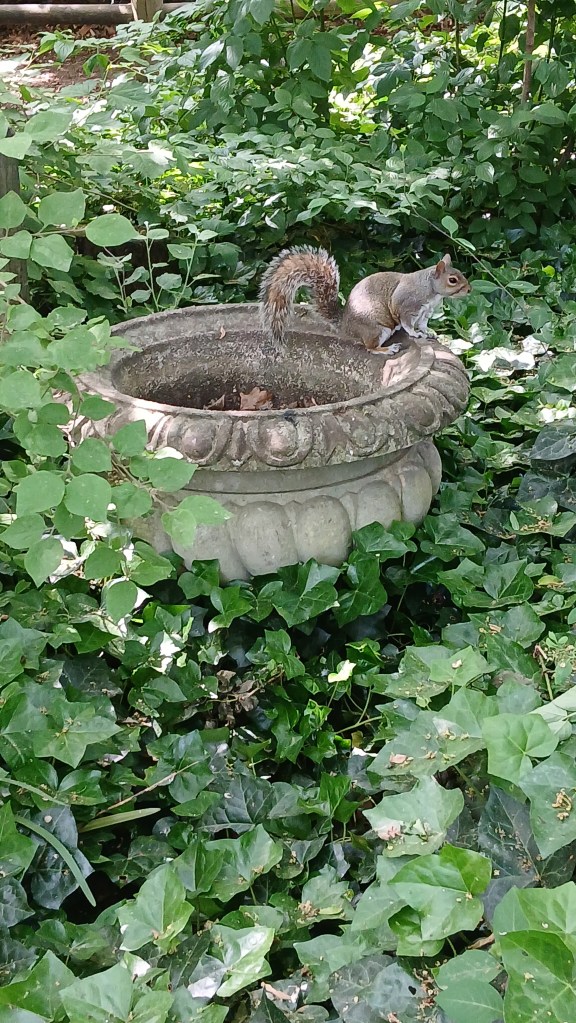
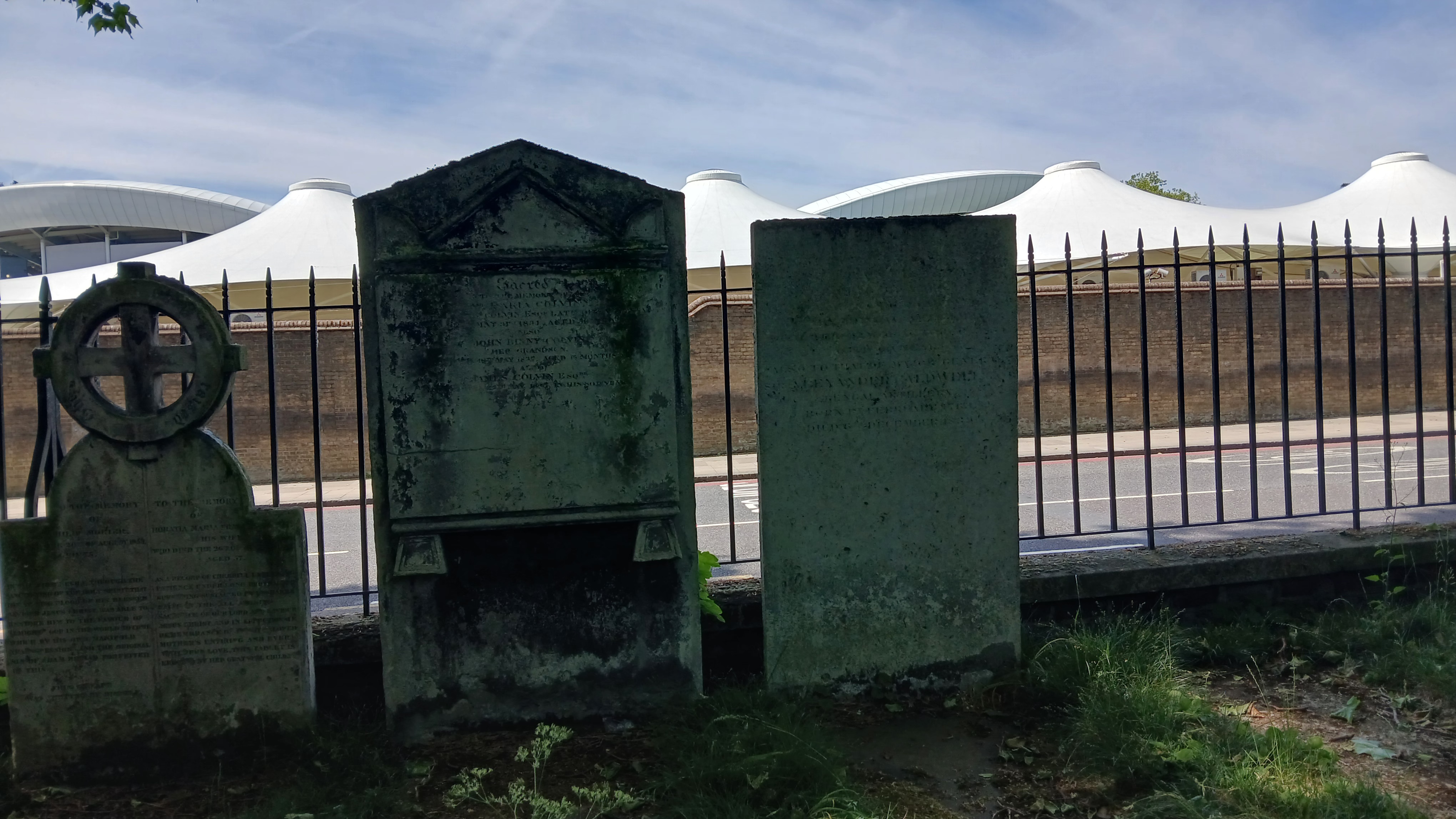
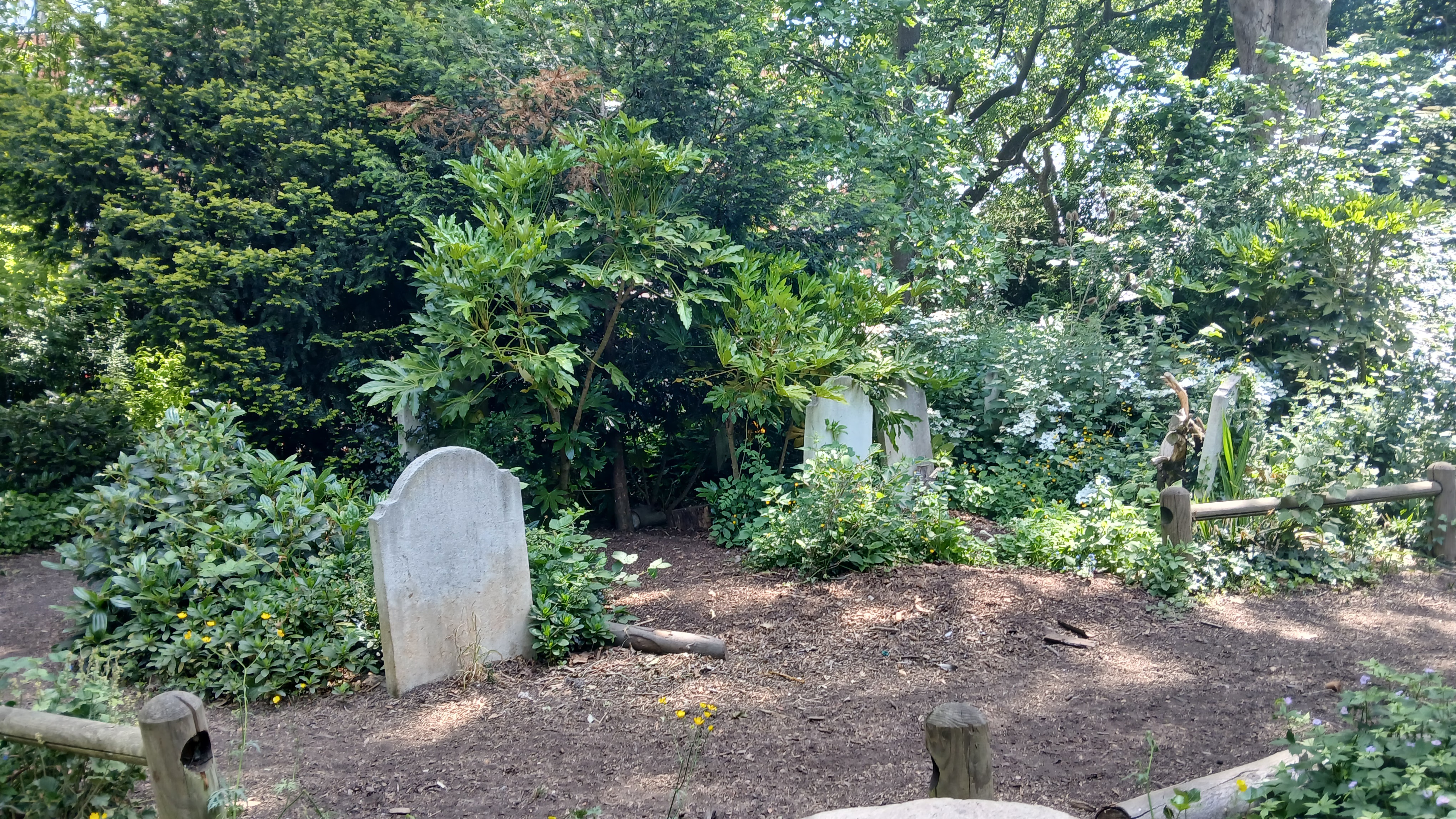
This church garden in NW8 has a connection with the Order of St John: the land was owned by the Order in medieval times. Following the Dissolution of the Monasteries the land passed to the Crown (i.e., Henry Vlll) was later sold into private ownership and finally sold back to the Church for the establishment of a new church and burial ground, which were both consecrated in 1814. The consecration ceremony was organised by a vestryman, one Thomas Lord, who had established his new cricket club on its final site only a few months before. He offered his newly erected cricket pavilion to provide the refreshments for the occasion. The burial grounds, on either side of a large grassed area, are still consecrated ground and one side is a nature reserve, the only Local Nature Reserve in the City of Westminster. On the other side, the latest, futuristic looking pavilion of Lord’s Cricket Ground can be seen from the graveyard. This lovely garden is so diverse: there’s a tropical garden with various types of palm tree, a children’s play park, a giant chess set and the aforementioned nature reserve, surprisingly quiet and secluded. Winding paths and benches are set amongst the gravestones, where I snapped a squirrel in an ornamental urn!

Sources: Wikipedia; Noticeboard in the Gardens

April – Terrific Towers!

There are quite a few churches in the City which have been partially rebuilt following World War Two bomb damage or intentional demolition. Usually, the tower and sometimes walls remain, for example St Dunstan in the East and Greyfriars Priory which have been developed into beautiful gardens. The churches I’m featuring this month, however, consist of just the tower! Some of the towers have subsequently had a new building attached to them, usually due to change of use of the tower. This is always carried out ‘sympathetically’ to complement the existing tower, all of which are Grade One listed buildings. Here are five I know about, there may well be others.

St Mary Somerset

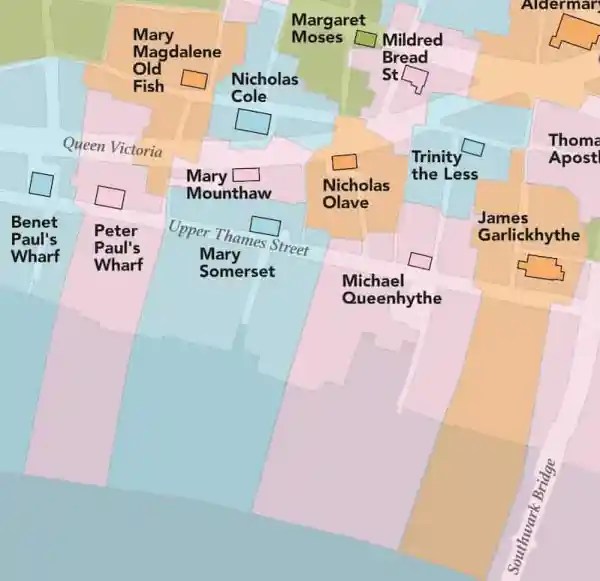
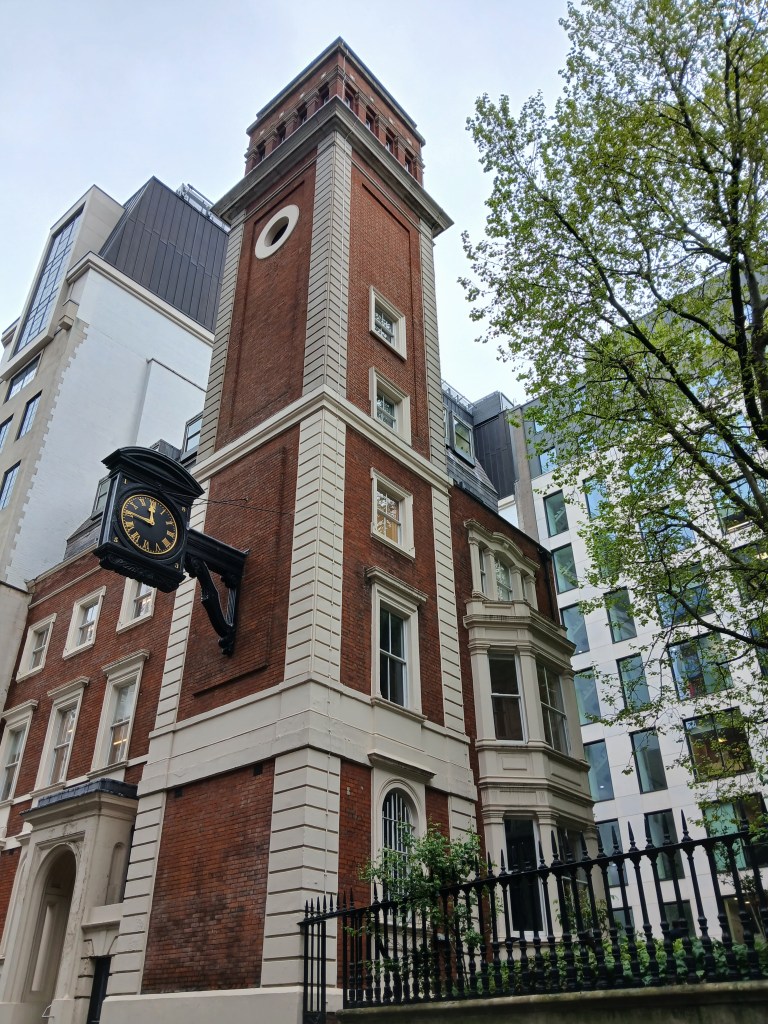
The first recorded church on this site was in the 12th century, destroyed in the 1666 Great Fire and one of 51 churches rebuilt by the office of Sir Christopher Wren. The main body of the church was demolished in 1871 and the parish was combined with St Nicholas Cole Abbey (the one that’s a café during the week, and a church on Sundays). The Union of Benefices Act of 1860 allowed parishes to be combined and churches to be demolished to make room for commercial premises, as the population of the City moved out to the suburbs. I like to think that the tower was preserved because of its eight Baroque pinnacles, which are probably the design of Nicholas Hawksmoor. Apparently they create an optical illusion, appearing to change heights when viewed from different viewpoints, I really should have tried that! This tower is on Upper Thames Street, which 900 years ago was much nearer to the bank of the River Thames. The parishes on the riverbank extended right into the Thames so that the churches could collect tithes (payments owed to the church) from the waterfront businesses, including from the numerous ferrymen plying their trade across a river with as yet only one bridge. The tower’s present-day use is a very tall, narrow private residence.

Sources: Wikipedia; lostlcp.com (lost London city churches project)

The bottom pic (from Lost London Churches Project) shows the parishes of the riverside churches extending half way across the River.

St Augustine, Watling Street

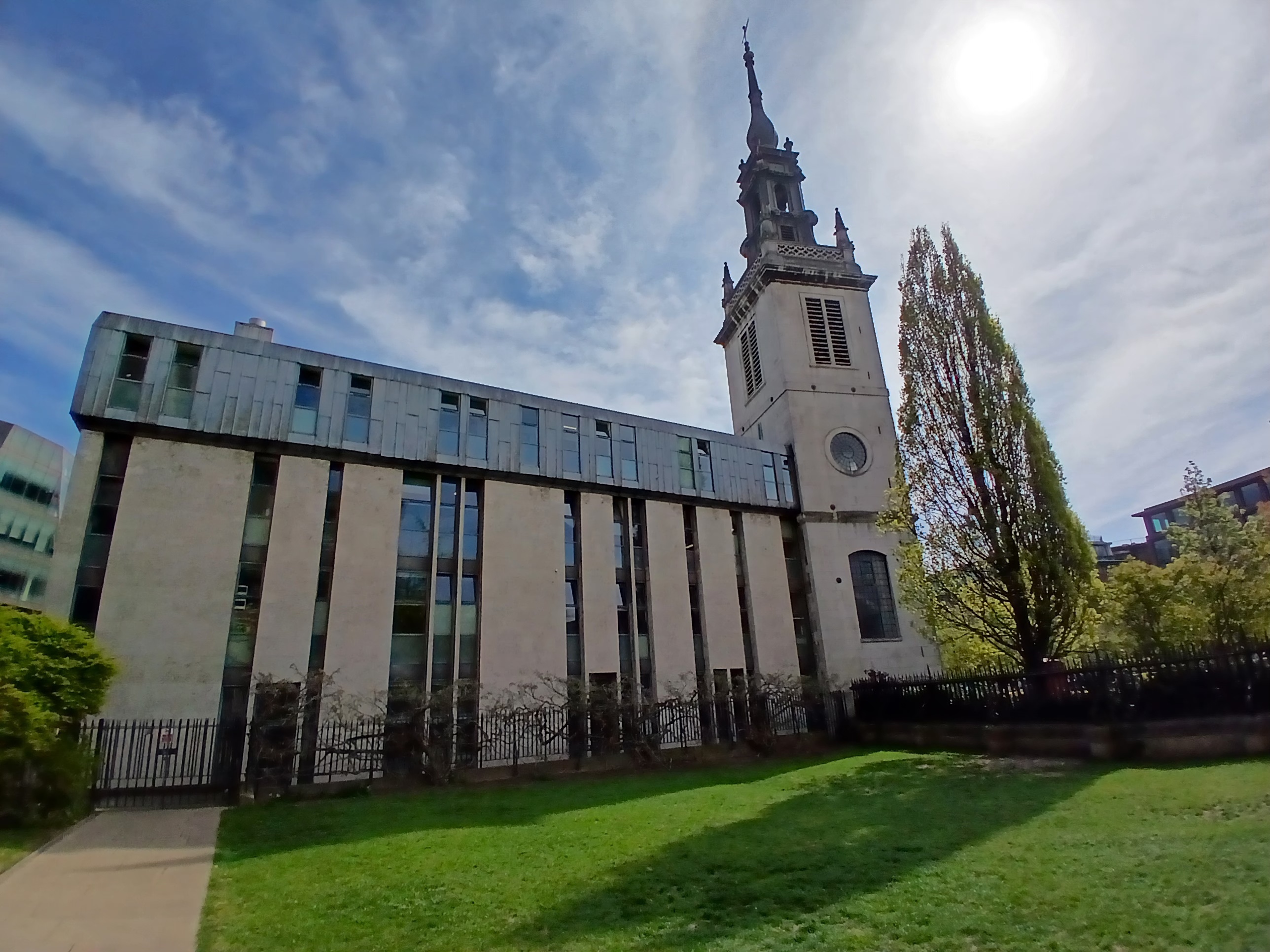
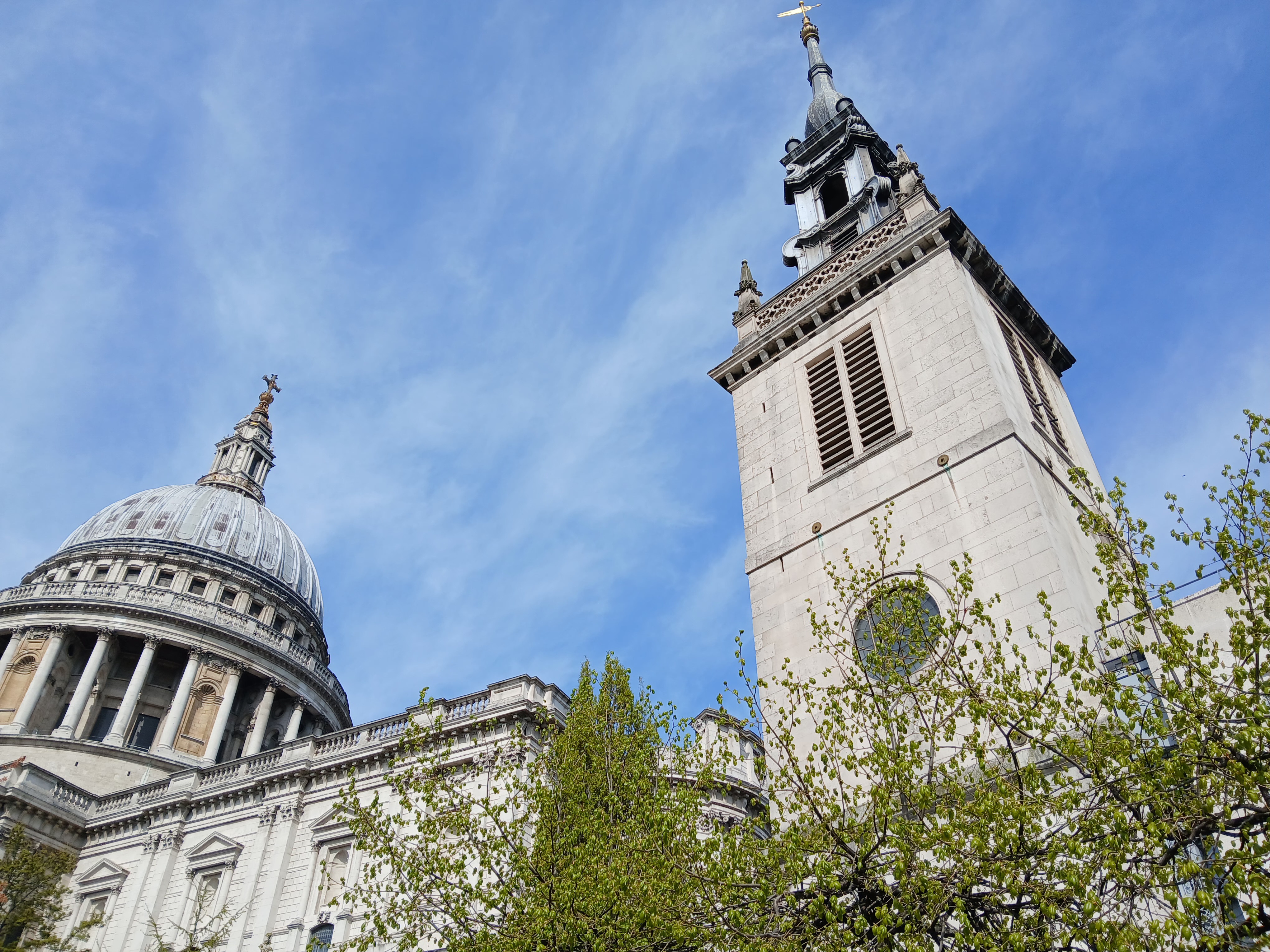
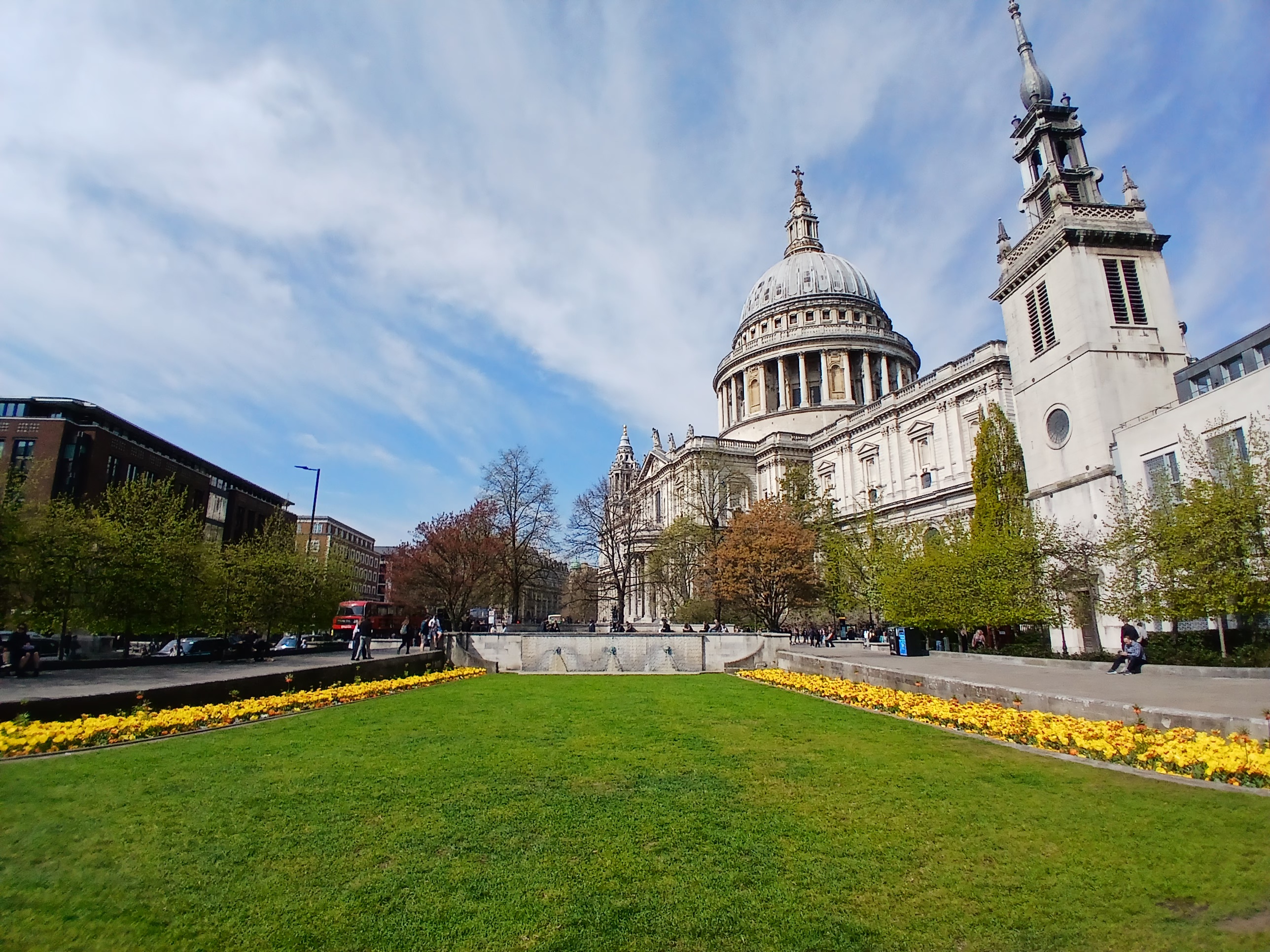
A ‘lone tower’ frequently overlooked because of its famous neighbour, St Augustine is situated at the end of the Roman Road Watling Street which ran from Canterbury to the City. Returning pilgrims would visit this church to give thanks to St Augustine of Canterbury for their safe journey home. The earliest church on this site dates from 1148, it was destroyed in the Great Fire and rebuilt to designs of Sir Christopher Wren. The tower, completed in 1695 is all that remains of Wren’s church, which had to be demolished due to bomb damage in the 1941 Blitz. Although damaged, the tower was restored and incorporated into a modernist building for the Cathedral Choir School in 1968. The original Choir School was established in 1123 in St Paul’s Churchyard, and was destroyed in the Great Fire along with the Cathedral itself. I think the ‘extension’ has been ‘sympathetically’ added to the tower, and the building has quite an open aspect with no surrounding tall buildings so it looks almost countrified!

Source: Wikipedia

St Alban Wood Street

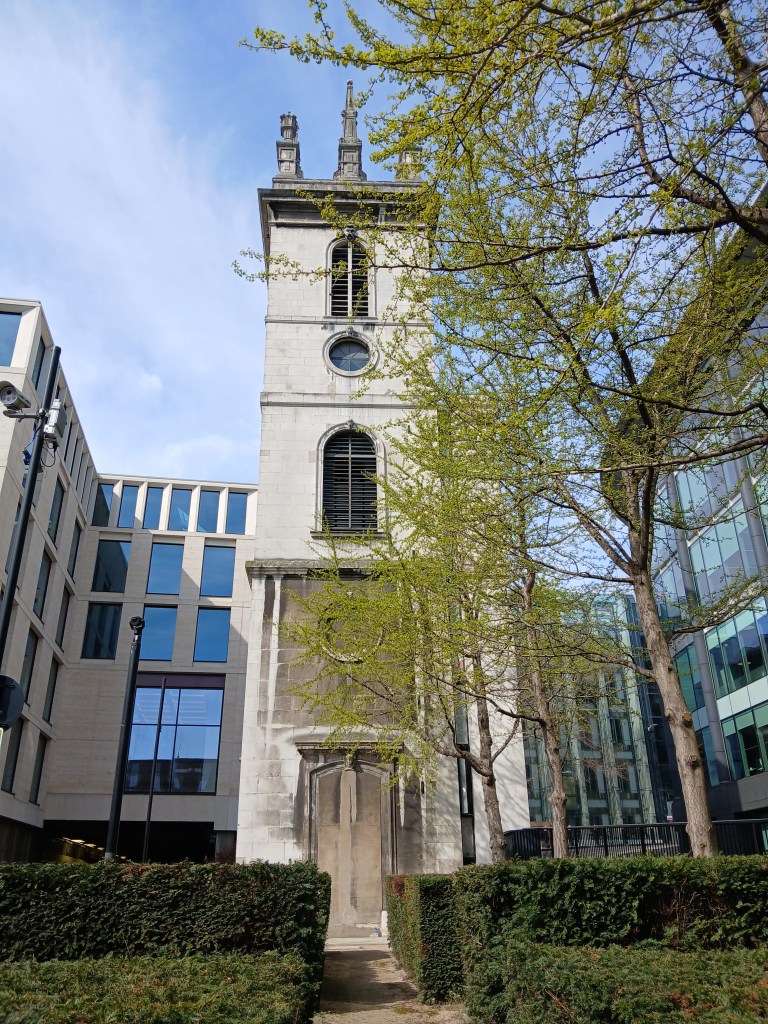
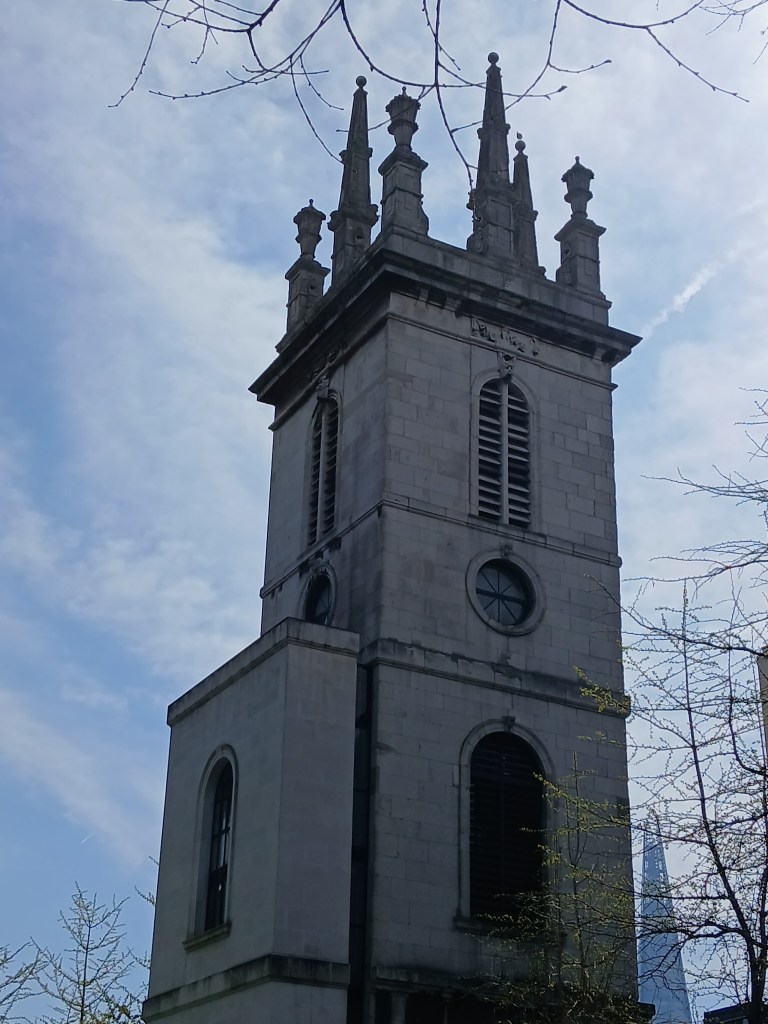
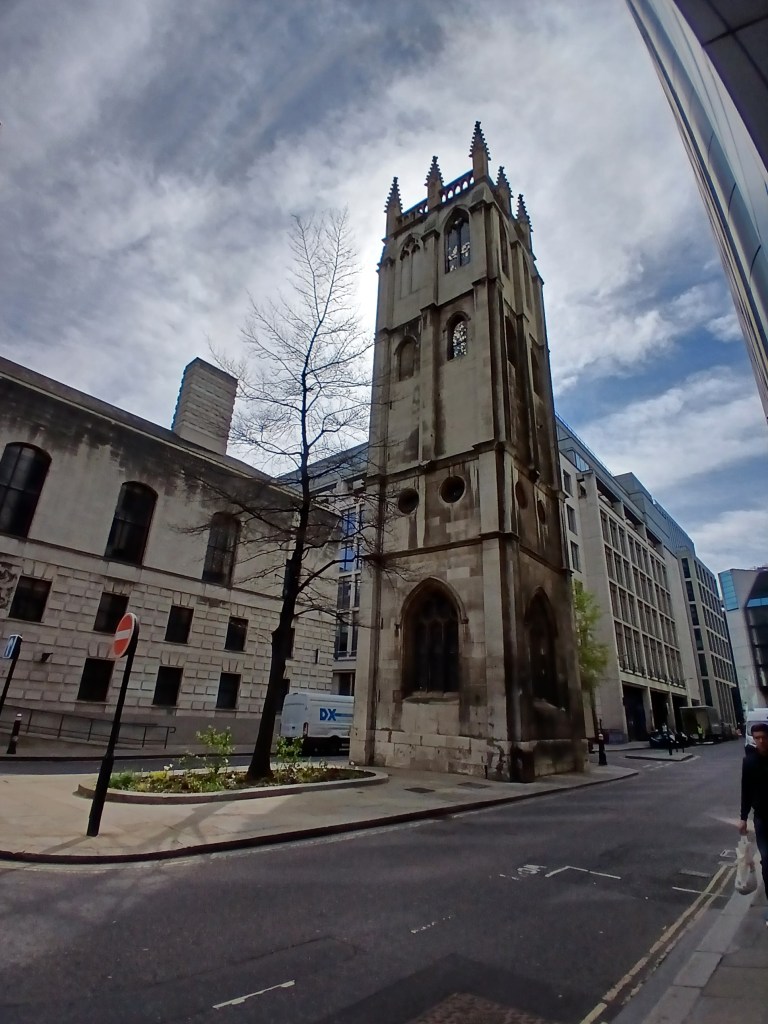
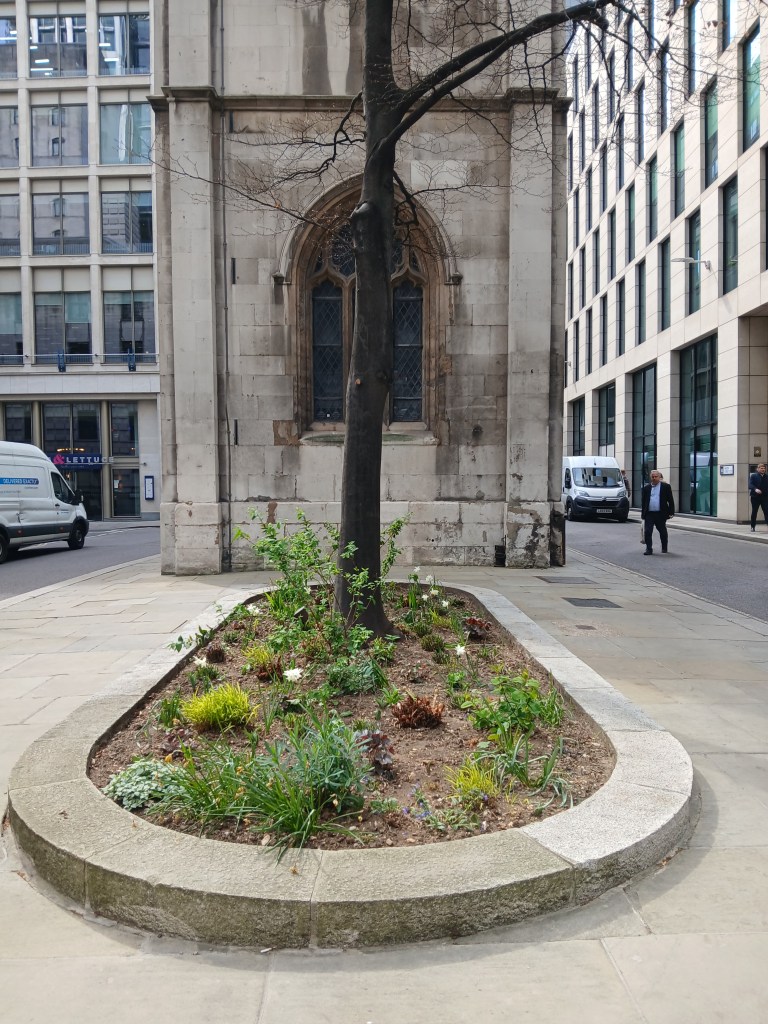
Contrast St Augustine’s with the tower of St Alban which is dwarfed by the surrounding office blocks. There has been a church on this site for more than 1,000 years; the first was dedicated by Offa, the king of Mercia. It’s hard to imagine now that Offa’s palace was on the site and the original church was its chapel. The first written mention is ‘St Alban Wudestrate’ in around 1200 AD. Successive churches on this site have been particularly unlucky: the Saxon church was demolished in 1633, being in a poor condition beyond repair. The new church constructed by Inigo Jones was completely destroyed only 33 years later in the Great Fire and rebuilt by the office of Sir Christopher Wren, whose Gothic style tower is the only part of the church remaining today. Falling into disrepair again, George Gilbert Scott restored and extended the church in 1858, but disaster struck again when it was partially destroyed in the 1940 Blitz. Wren’s tower was designated Grade ll listed and the main part of the church was demolished in 1965. Today the tower is used for storage, presumably by the City of London Corporation; I glimpsed what looked like hi viz jackets in the lowest window! There is now a tiny flowerbed where the church once was.

Source: lostlcp.com

17th century meets 20th/21st century

St Martin Orgar

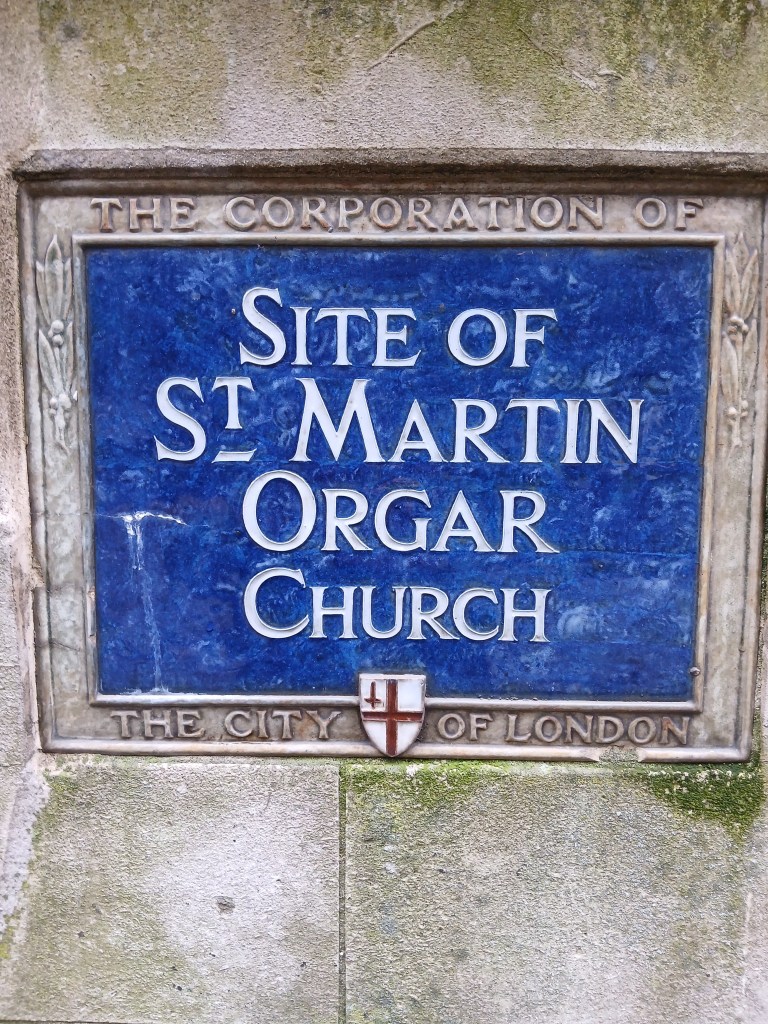
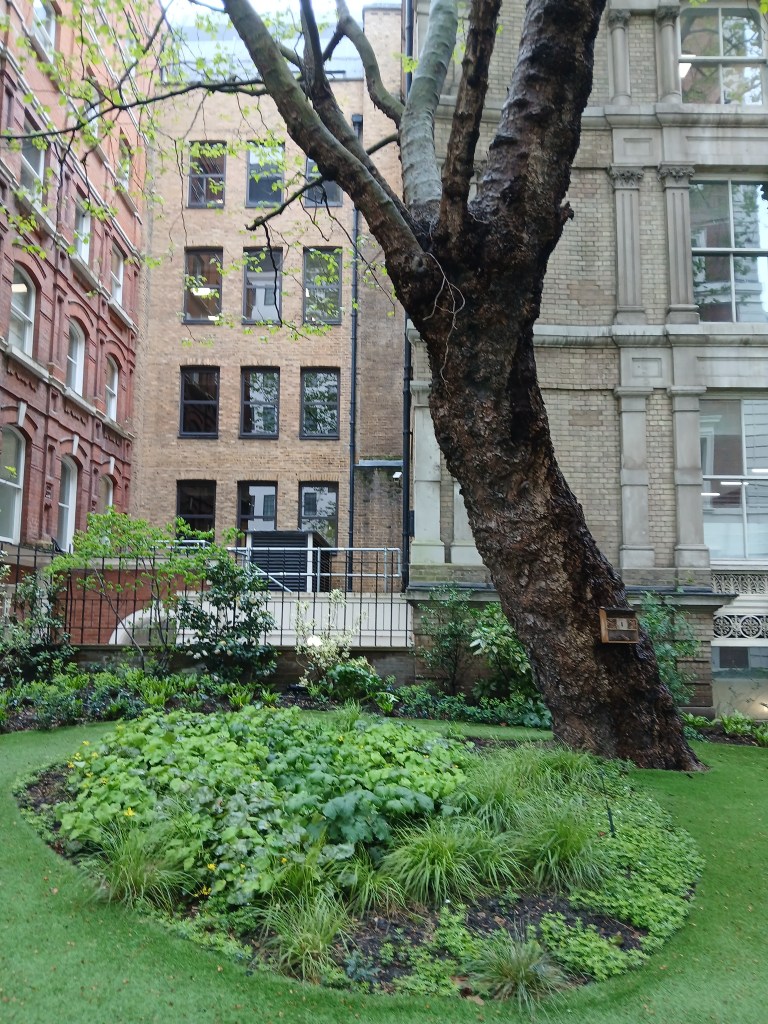
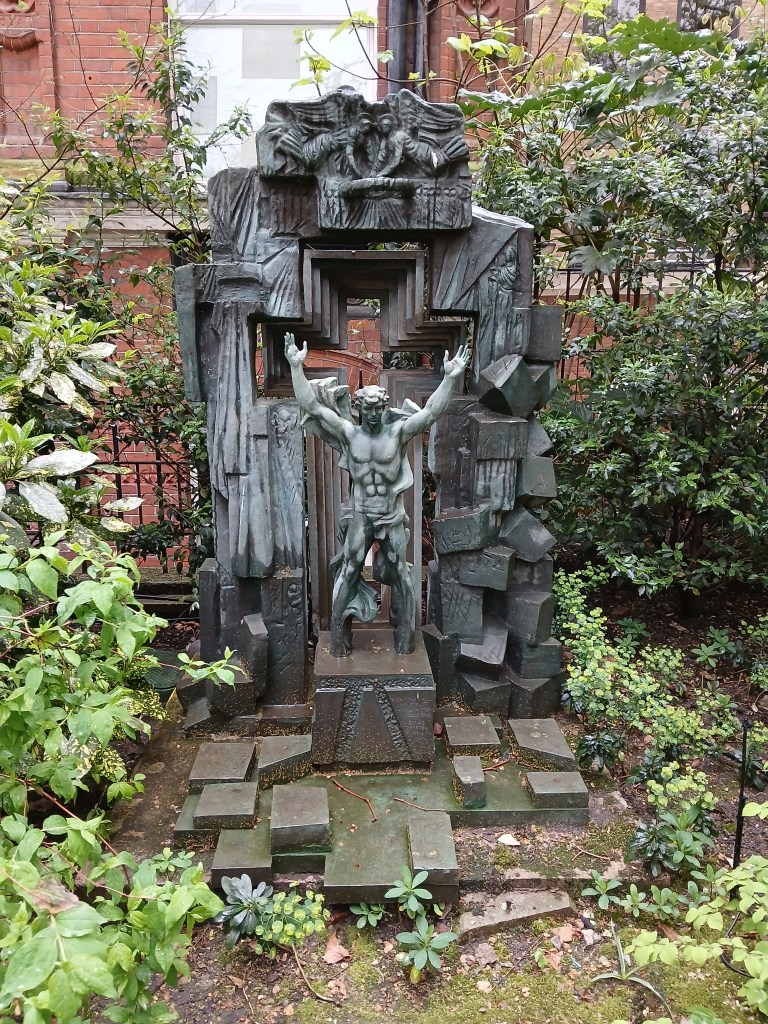
Situated in Martin Lane off Canon Street, this church is famous for being mentioned in the nursery rhyme ‘Oranges and Lemons’ about City of London church bells: ‘You owe me five farthings say the bells of St Martins’. The church was originally known as St Martin Candlewick Street, the Mediaeval name for Canon Street. The name of the church is said to derive from a Dane called Ordganus who donated the church to the canons of St Paul’s Cathedral. The original Saxon church was another one destroyed in the Great Fire, only part of the nave and the tower were left standing. The churchyard remained in use for burials and the parish was merged with nearby St Clement Eastcheap. ‘Oranges and lemons say the bells of St Clements.’ The remains of the church were restored and used by French Protestants until 1820, it was then demolished, including the tower, which was rebuilt in 1851. This is why the tower looks so much more modern than the other towers. The tower has been tastefully aligned with the next door building and the whole structure is now offices. The churchyard now has garden furniture for office workers to use, artificial grass and this strange sculpture.

Source: lostlcp.com

St Olave, Old Jewry

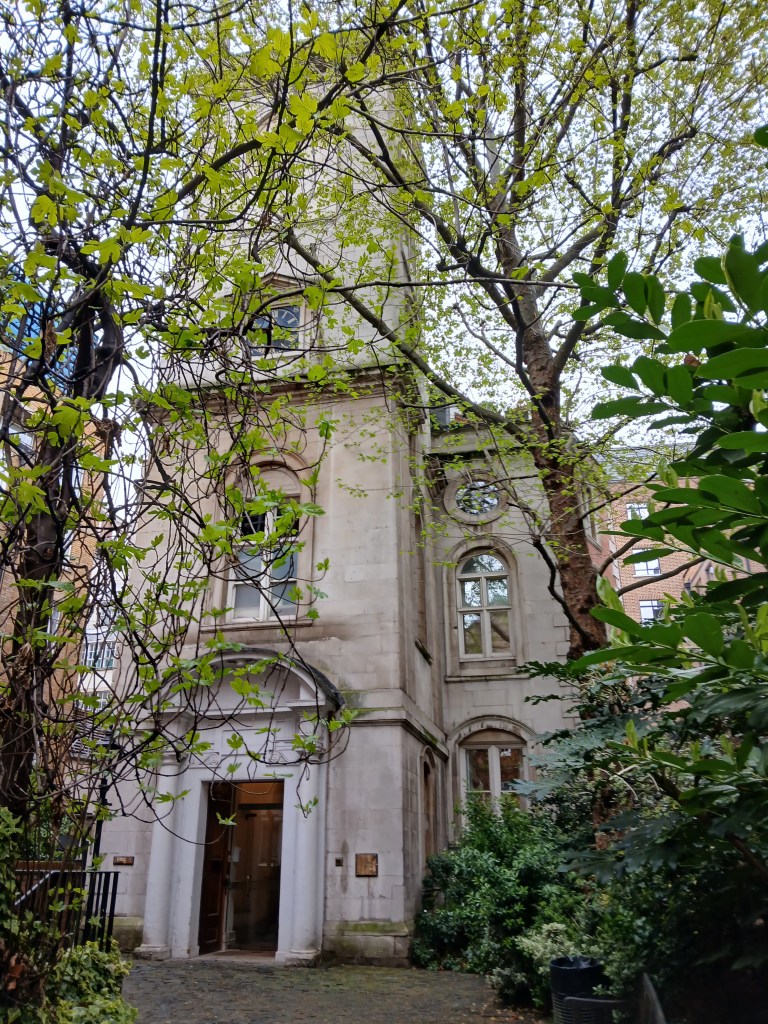
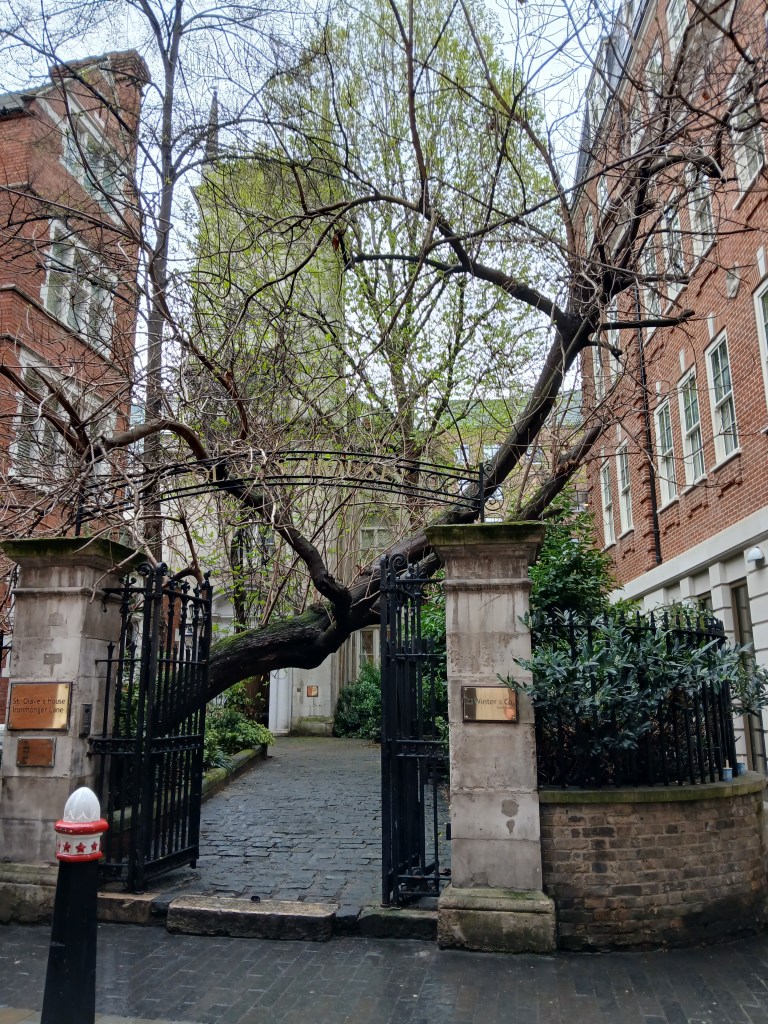
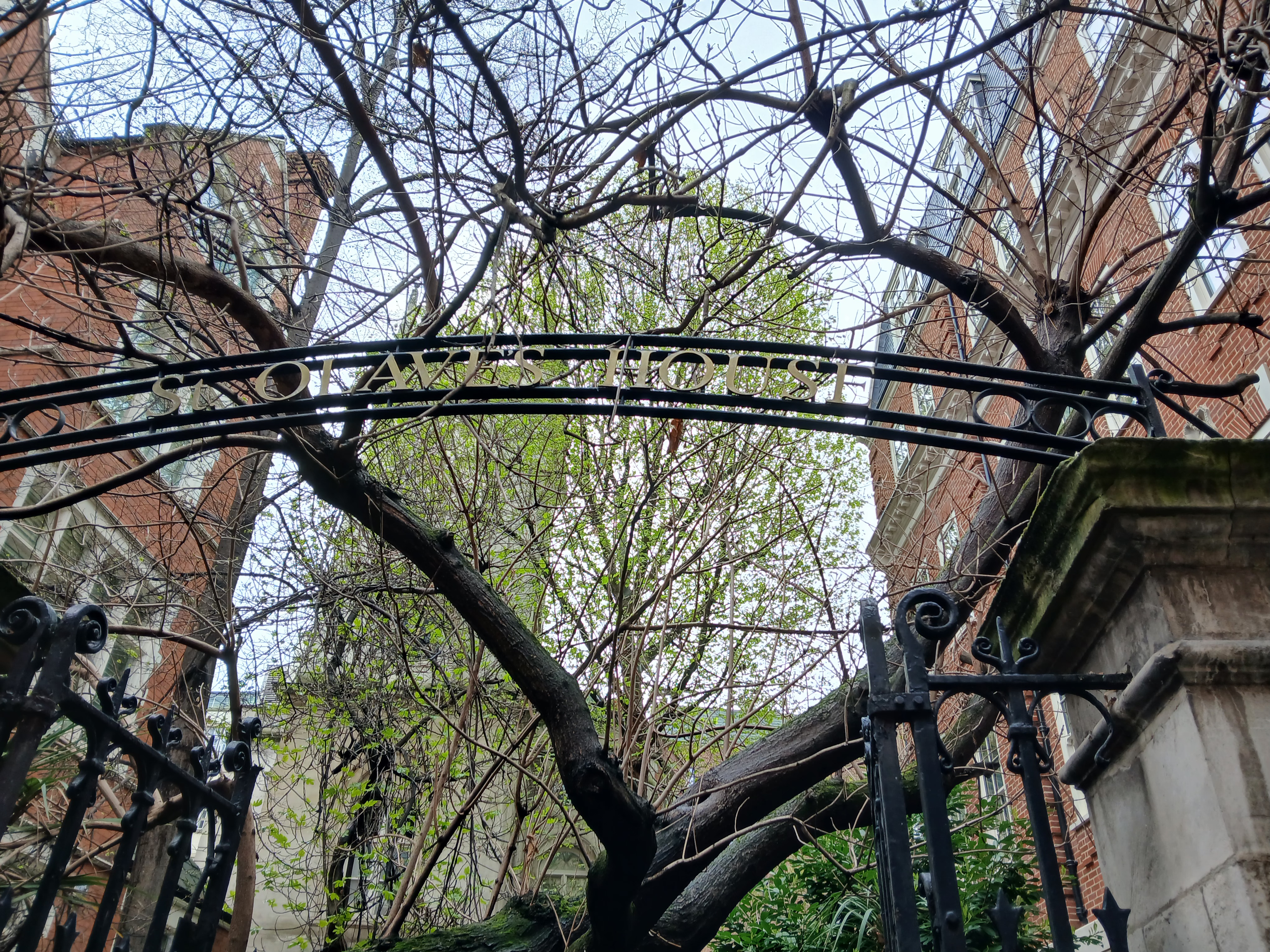
The most difficult to find of the towers, the churchyard of St Olave is down a tiny ally, off a street now known as Old Jewry, with a large tree trunk leaning over the entrance. Through a pair of black painted gates, a short path leads to the tower. This is one of several City churches dedicated to the 11th century patron saint of Norway, St Olaf. However, excavations carried out in 1985 when the tower was being repaired and repurposed revealed the foundations of an earlier Saxon church, possibly dating from the 9th century. In the Mediaeval era, the area was largely occupied by Jews who had their own synagogue in Old Jewry. In 1290 the Jewish population was expelled from England by King Edward 1st. Destroyed in the Great Fire and rebuilt by Sir Christopher Wren in 1671, the tower was unusually rebuilt as a separate structure. When Wren’s church was demolished in 1887, the tower was retained and incorporated into a new building which included a rectory for nearby St Margaret Lothbury. In 1986 the tower and adjacent building were converted to office premises (currently solicitors’ offices), taking the name St Olave’s House.

Source: Wikipedia

March – Daffodils lll

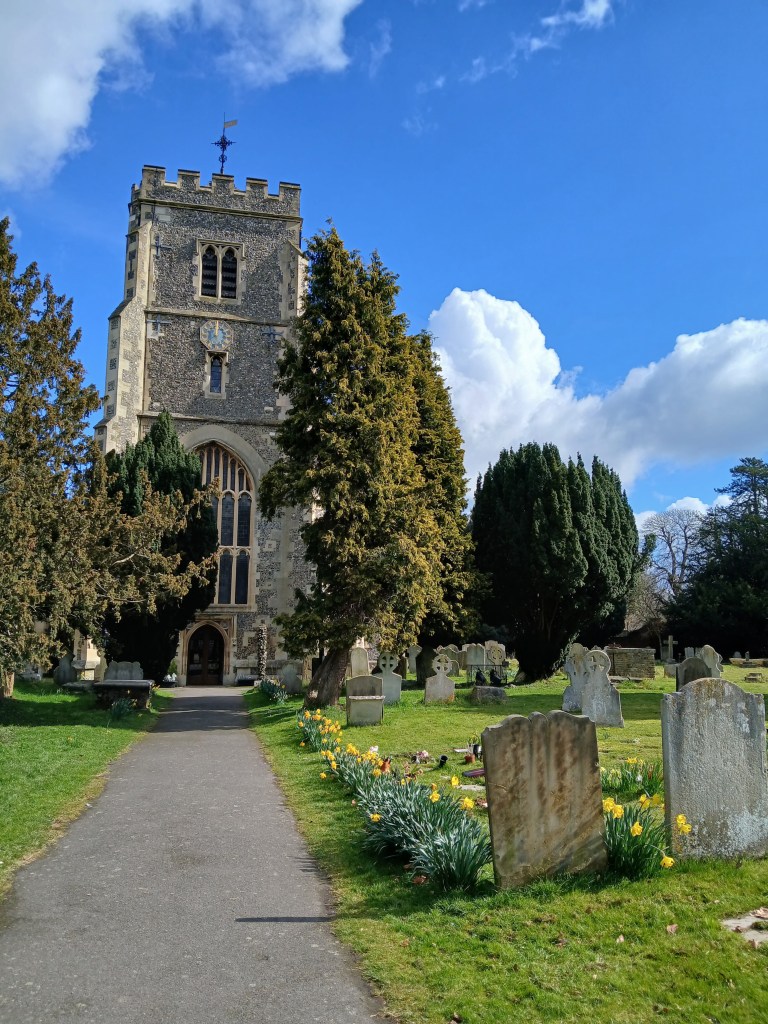
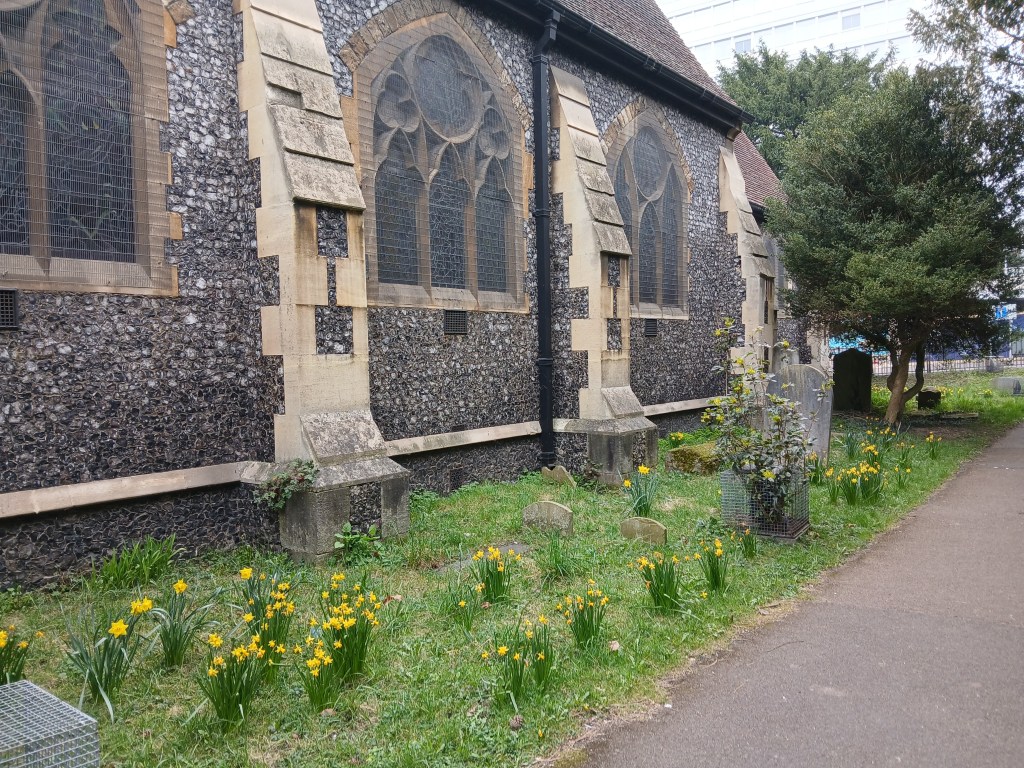
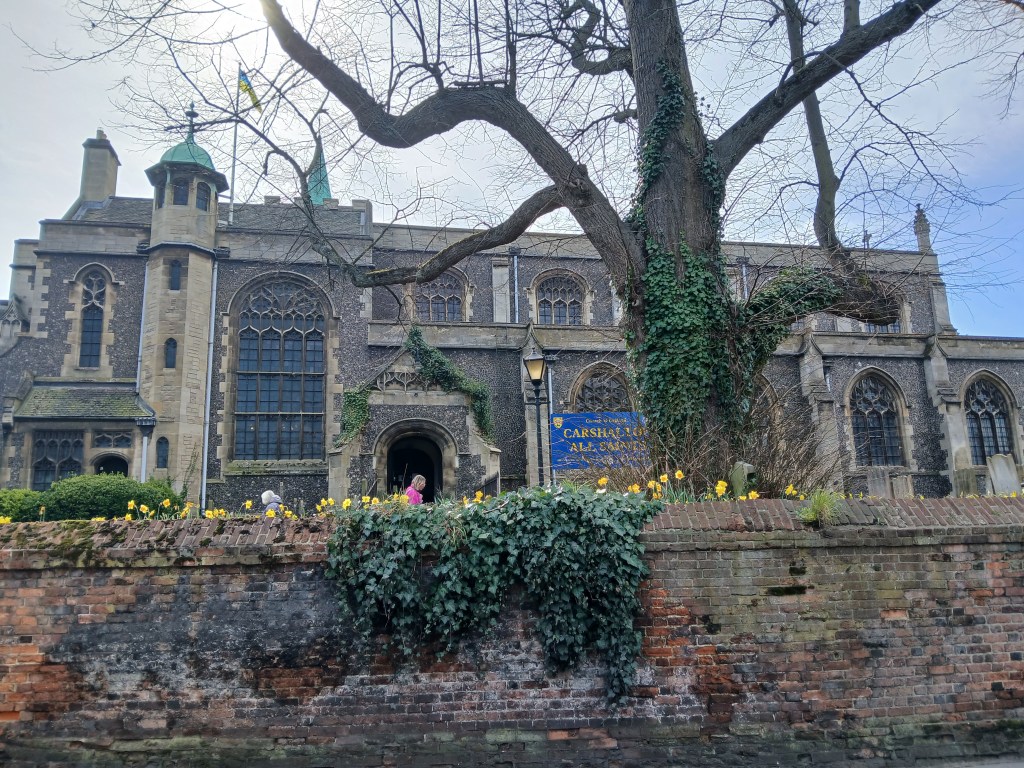
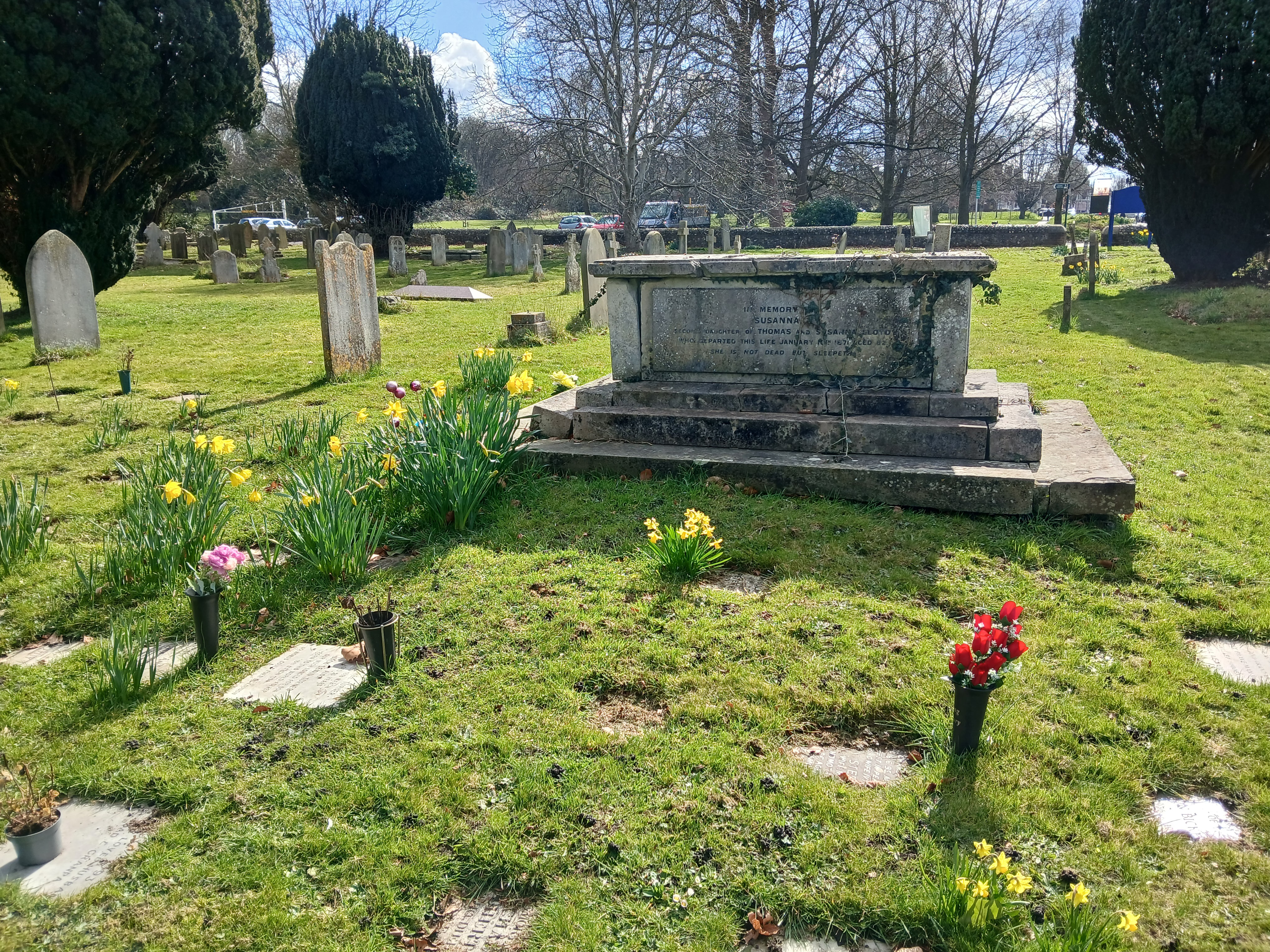
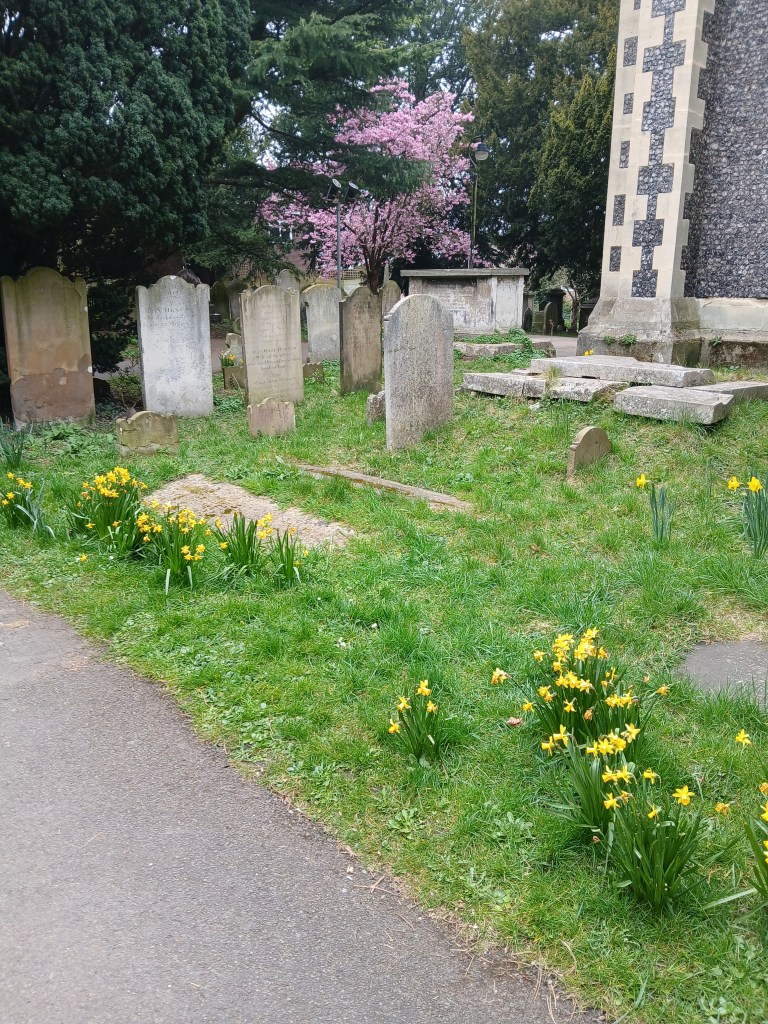
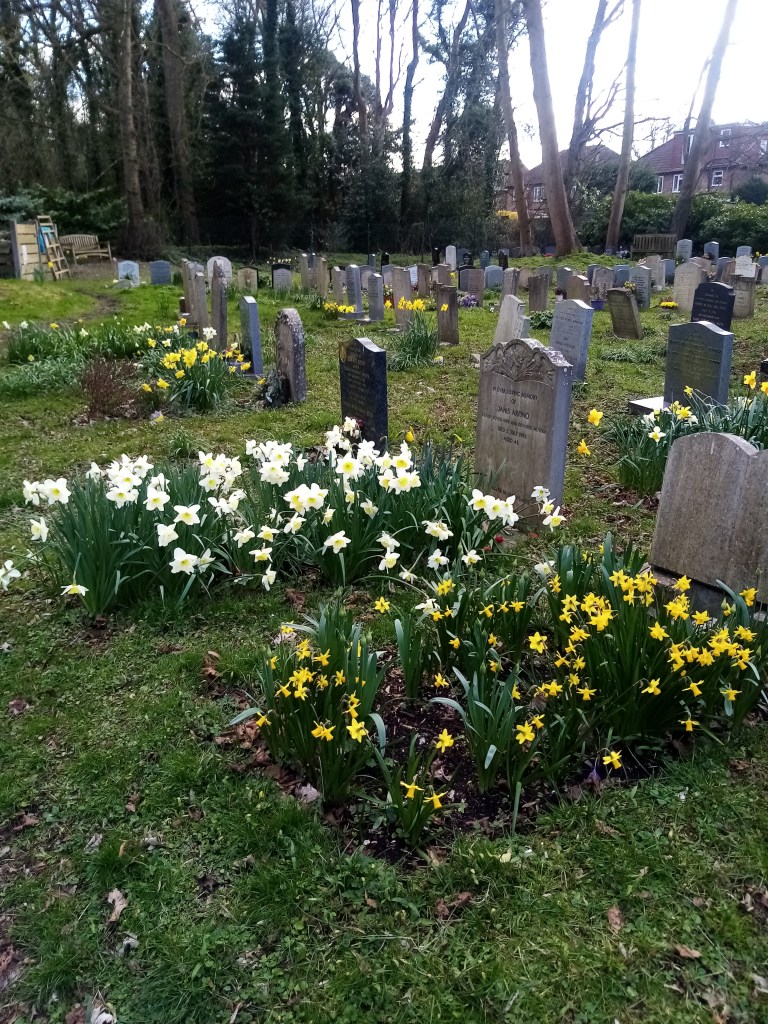
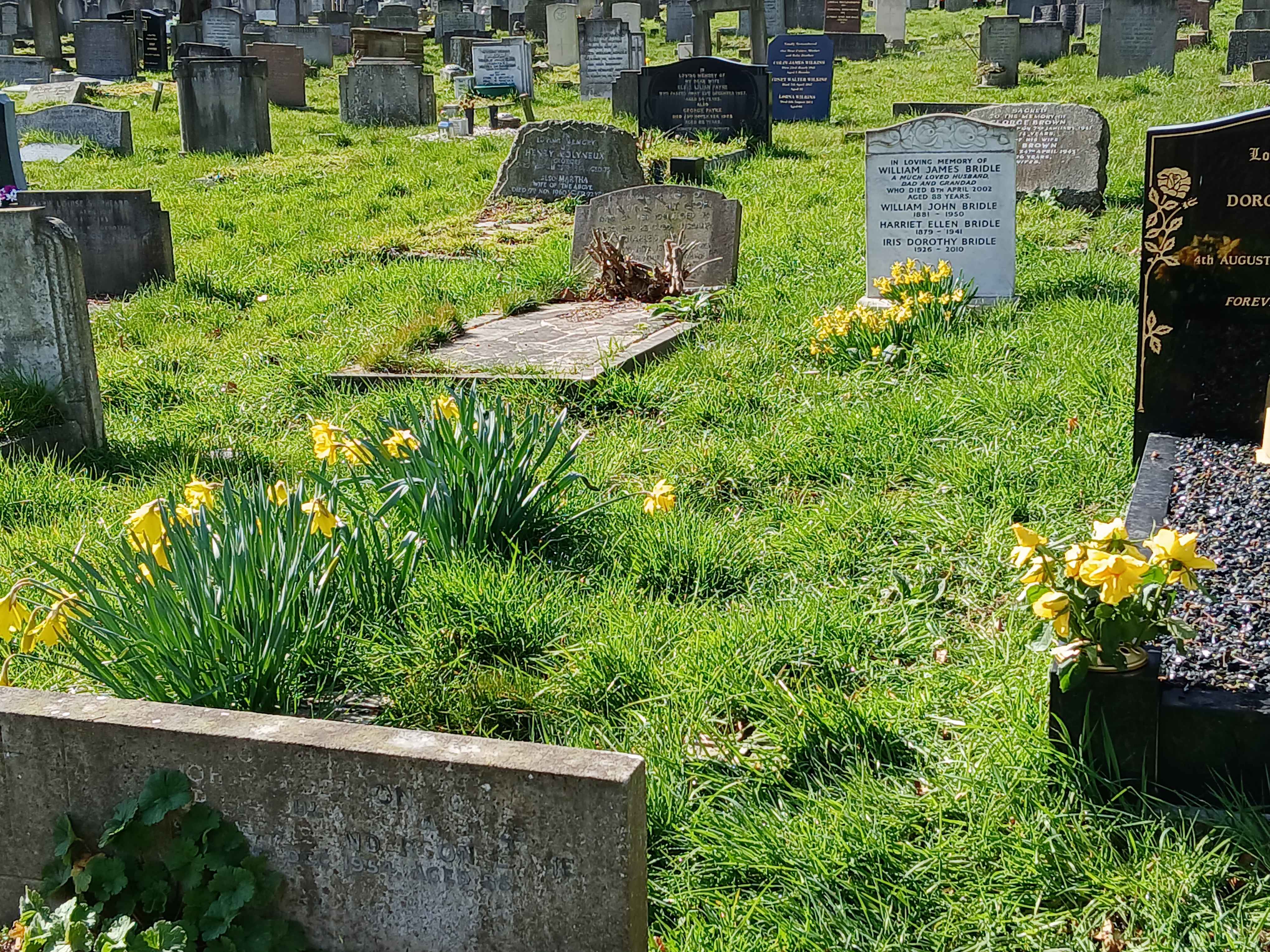
It’s that time of year again; all the daffodils are blooming, heralding the start of spring in their unique bright and beautiful style. This selection can be seen at churches and churchyards, burial grounds and war memorials.

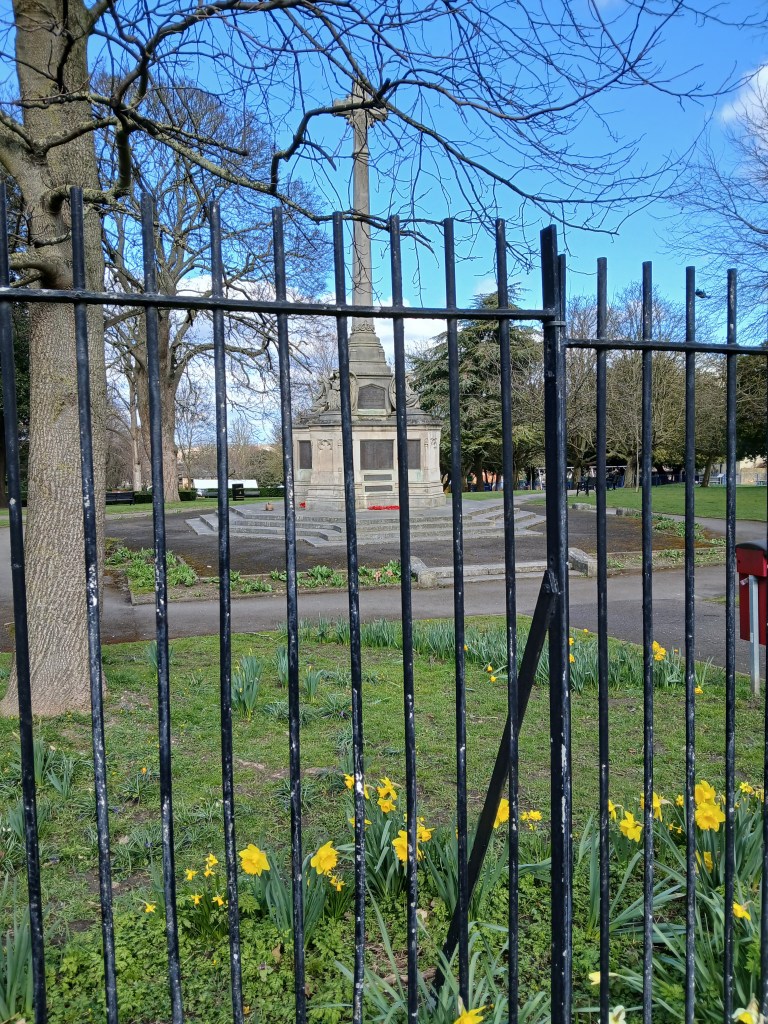
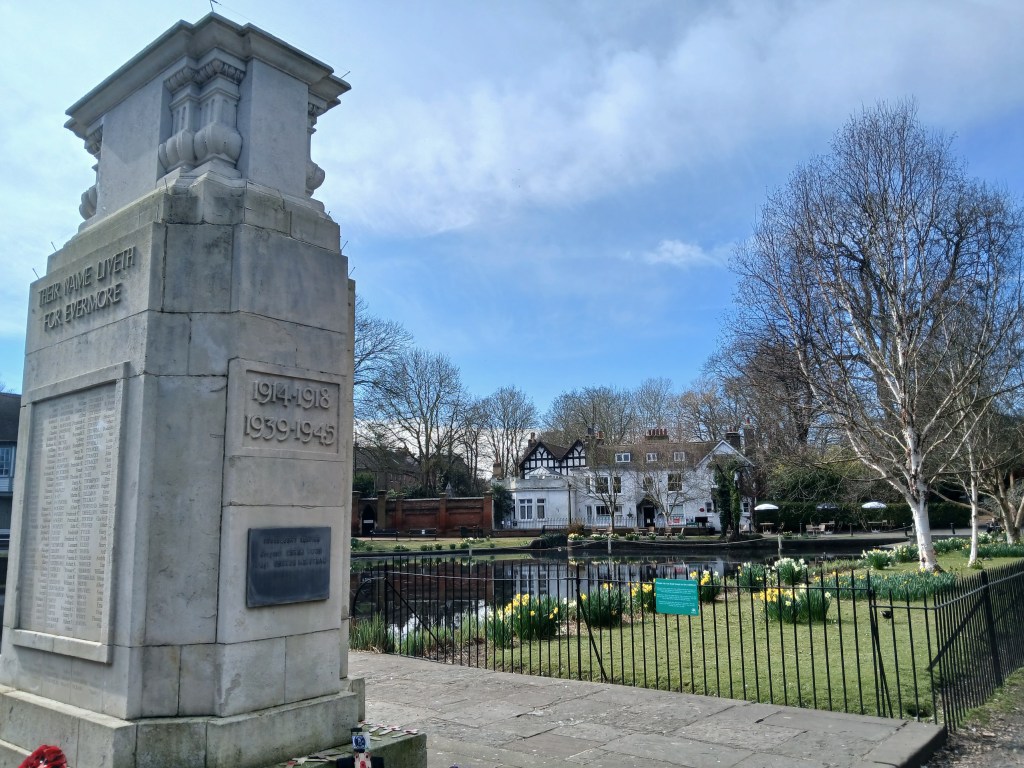
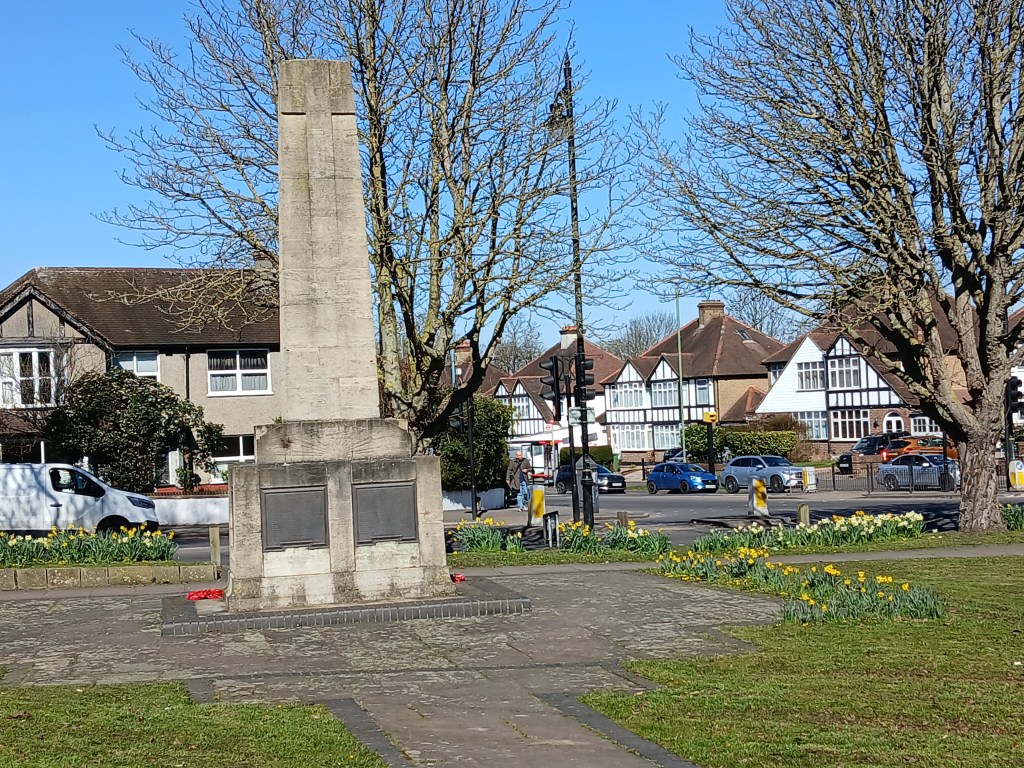
Interesting fact about war memorials: some have a cross on top or engraved into the monument, while others are cenotaphs, which have a flat top, like the one at Carshalton Ponds. The word Cenotaph derives from the Greek Kenos, meaning Empty and Taphos, meaning Tomb. This seems particularly appropriate for Easter (!) but the term also means ‘buried elsewhere’. A cenotaph commemorates many individuals who have died, usually in a war, but also as a result of other mass deaths. War memorials in general started to appear in Britain in about 1920, to commemorate soldiers killed in the First World War, with names subsequently added in later conflicts.

Source: Wikipedia

The War Memorials:

Manor Park, Sutton; Carshalton Ponds; Wallington Green

The Churches:

Trinity Church, Sutton; St Mary’s, Beddington; All Saints, Carshalton; St Nicholas, Sutton; Front of All Saints, Carshalton

The Churchyards:

St Mary’s Beddington: St Nicholas, Sutton; St Peter’s Woodmansterne; Bandon Hill Cemetery, Beddington

Cosy Cafes in London Churches ll

With the February days being mostly cold and wet, I ventured out to central London to visit four more cosy church cafes. There are so many independent church cafes, ranging from tiny spaces in church porches to those catering on a large scale, all serving high quality food and drinks. I’m definitely going to visit more of them when exploring London: great coffee, great staff and interesting, sometimes beautiful, surroundings!

St Botolph without Bishopsgate – The Good Coffee Kiosk

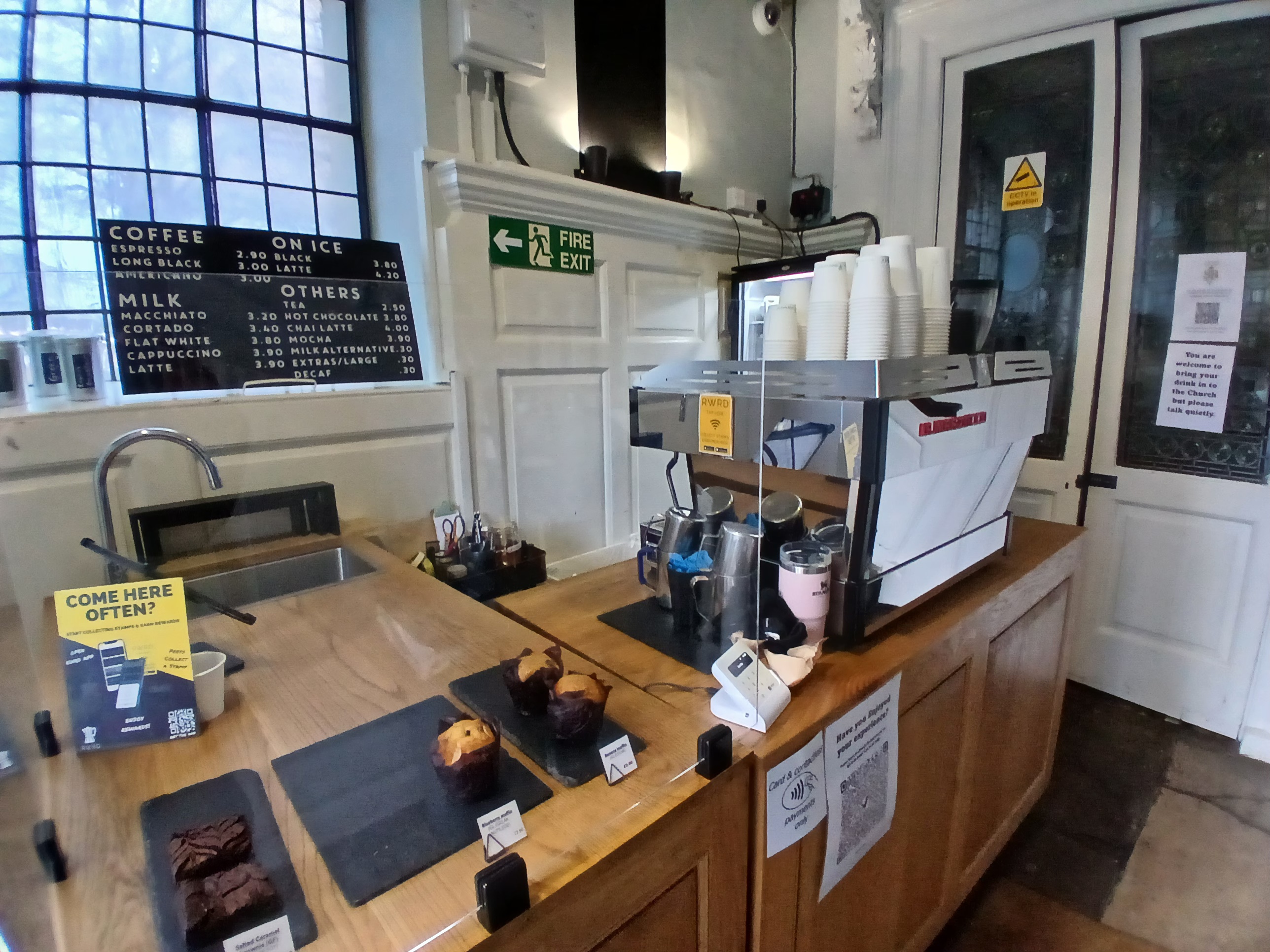
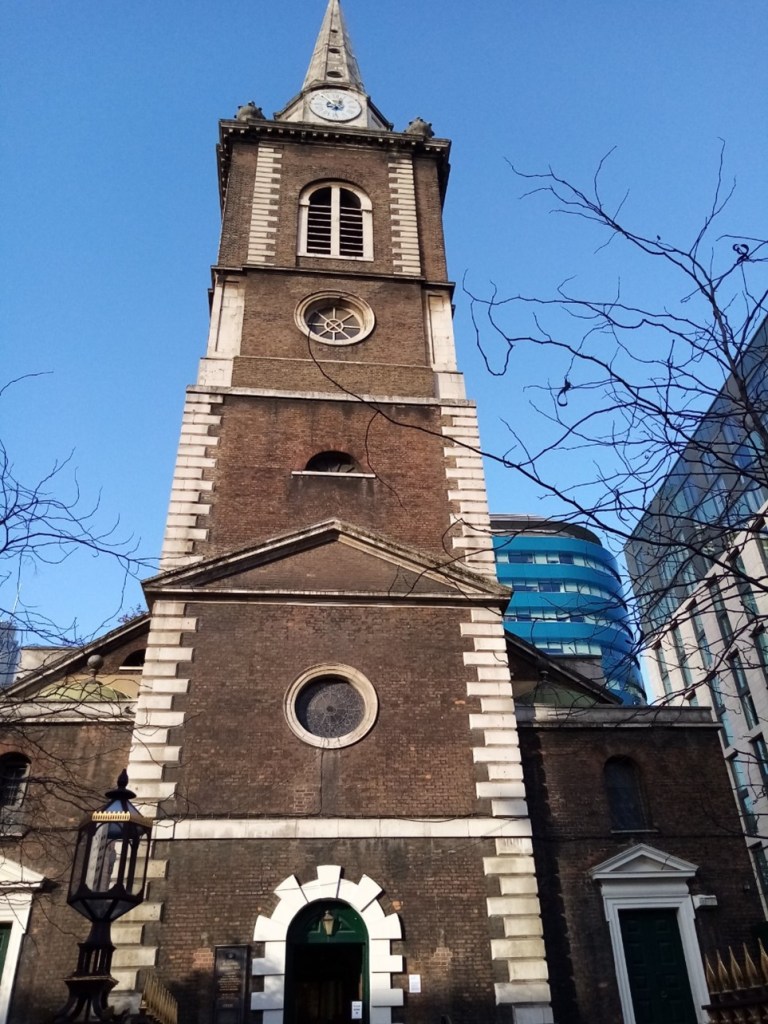
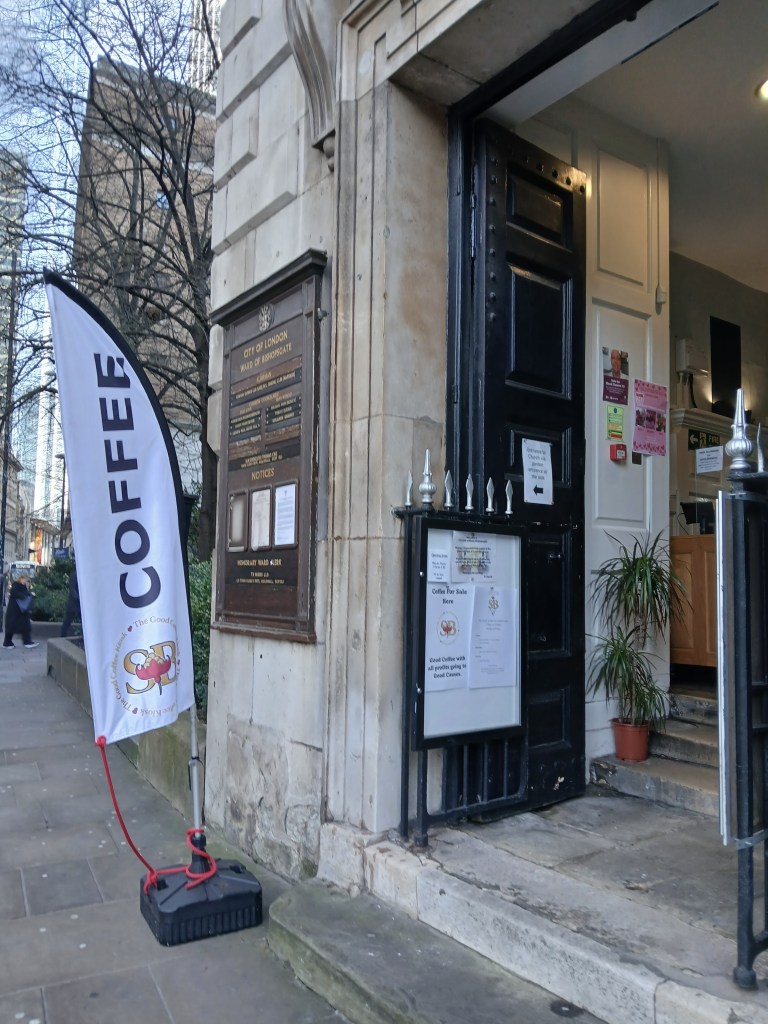
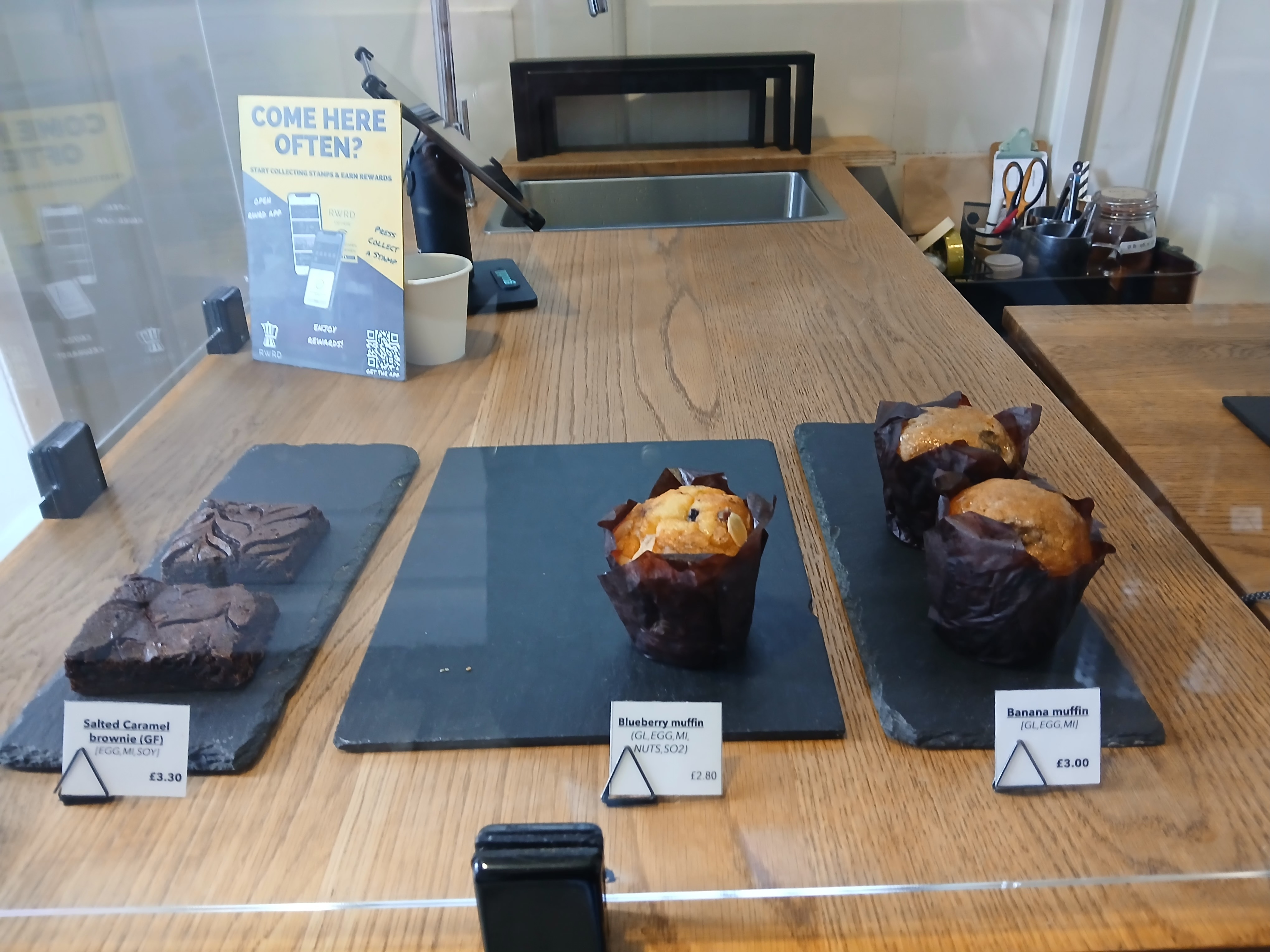
This is a tiny takeaway coffee bar situated in the porch of St Botolph’s, just outside the City and a stone’s throw from Liverpool Street Station. No seating is available, but you are welcome to take your hot beverage through the door into the church and sip it in one of the pews. When I arrived at 10.40am most of the cakes and pastries were gone, I settled for a flapjack and a latte. The Kiosk opens a 7.30am and I was told by proprietor Melina that they often sell our completely by 11. As with other coffee shops I’ve visited, it’s part of the community outreach of the church, and Melina also helps other individuals to set up and run their own businesses. (She didn’t tell me that, it was on the website!) The coffee and other products are ethically sourced and produced and all profits benefit good causes. The Kiosk is open from 7.30am to 3.30pm Monday to Thursday.

Source: botolph.org.uk/the-good-coffee-kiosk

Popular Cakes!

The Seed Café, Quaker Centre

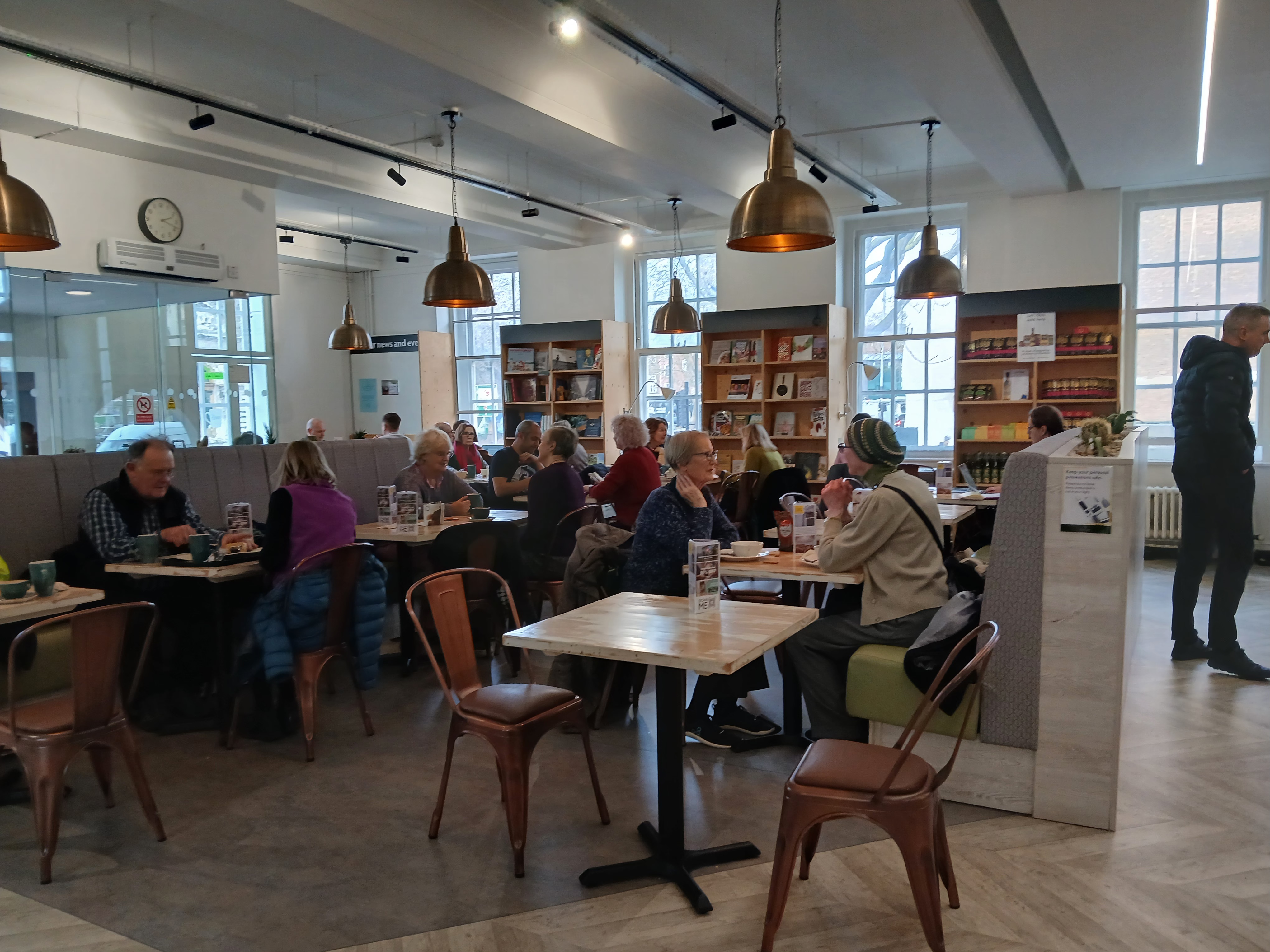
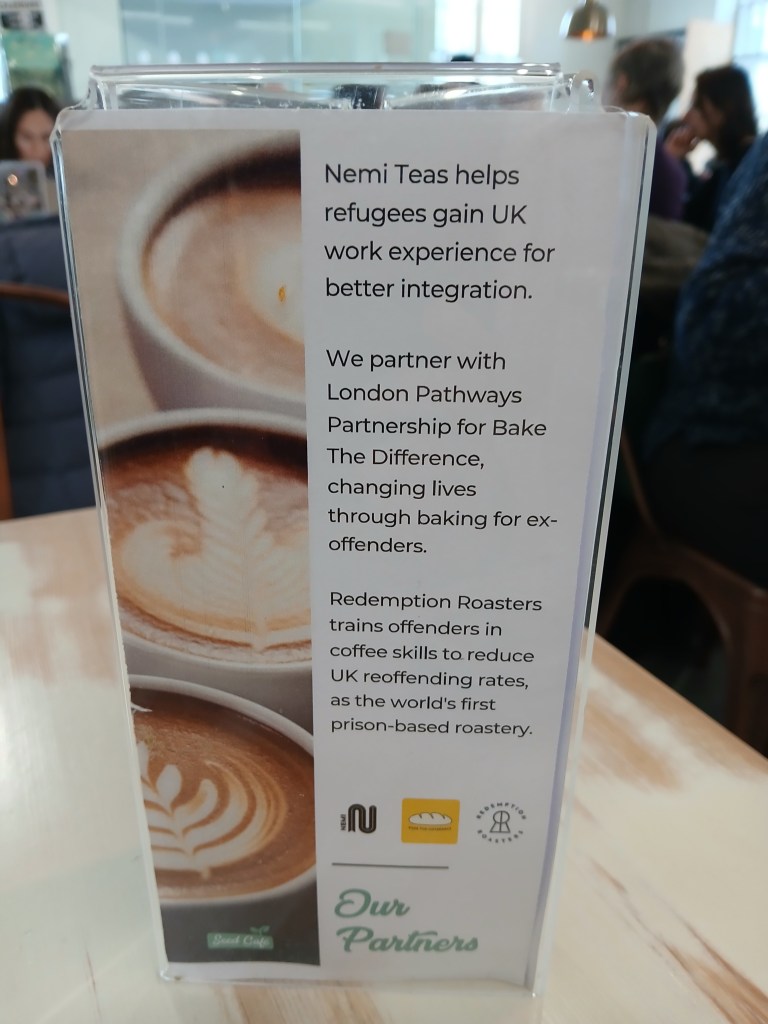
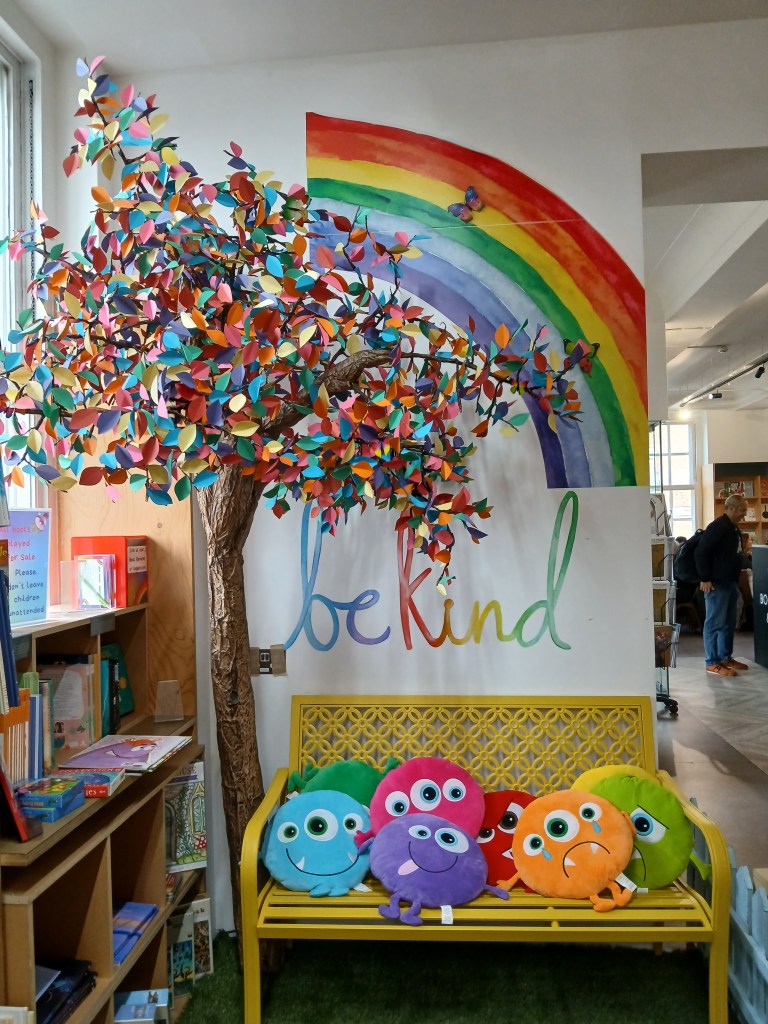
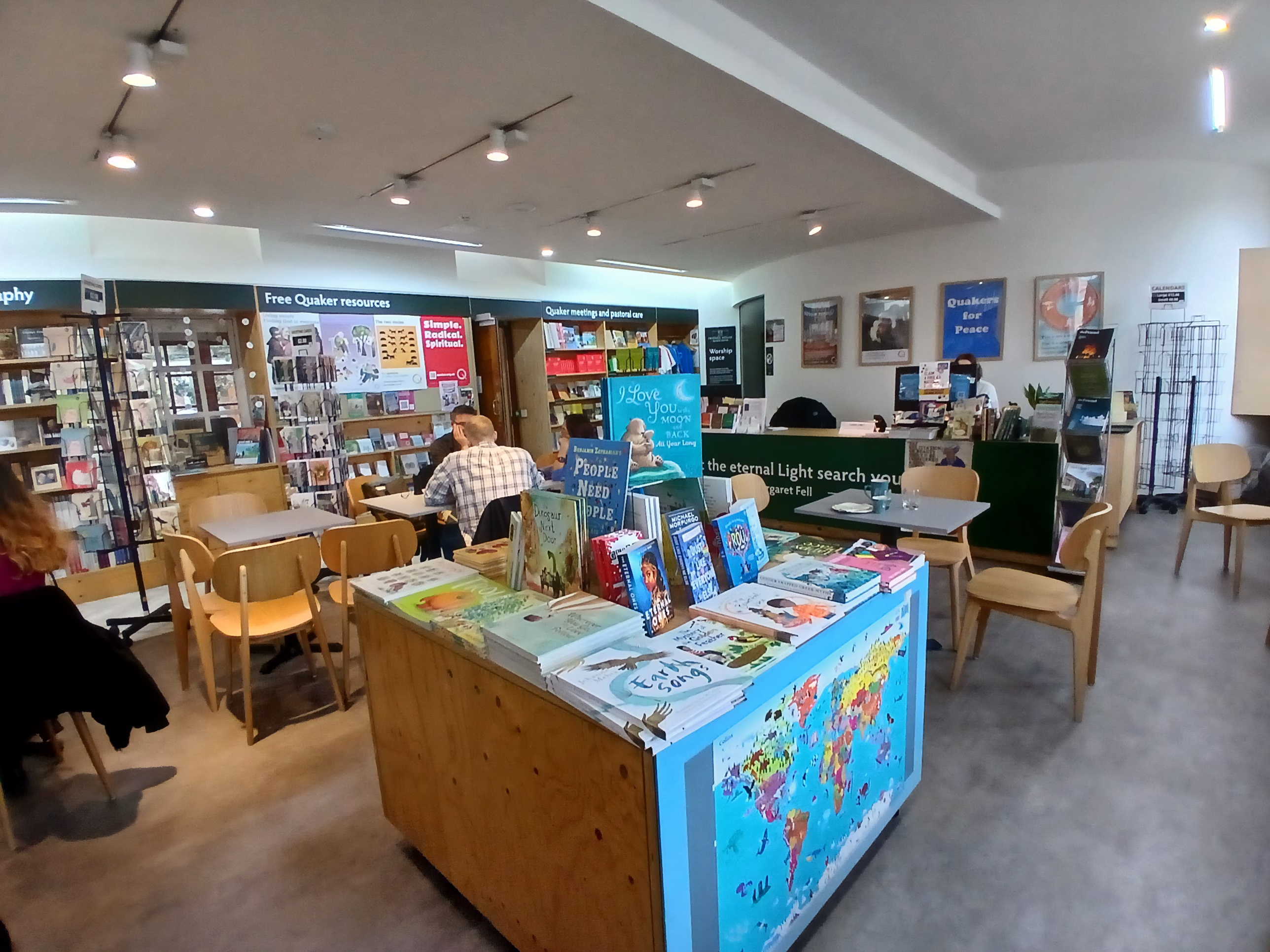
On a completely different scale is this lovely spacious combined café and bookshop located in the Quaker Centre (Friends Meeting House) on Euston Road. They serve a comprehensive range of vegetarian and vegan food: hot dishes, sandwiches, salads, and cakes and pastries. I visited at lunchtime and it was very busy but it’s so spacious that it didn’t feel overcrowded at all. There are comfy chairs in the bookshop area but as I bought pumpkin soup and a cup of tea I elected to sit at a table in the main restaurant area. On the table was a card telling me how some of the products sold support community groups, and of course all products are ethical and sustainable. I love the name Redemption Roasters Coffee! The cafe is open Monday to Friday from 8am to 4pm.

Source: bloomsburylondon.com/seedcafe

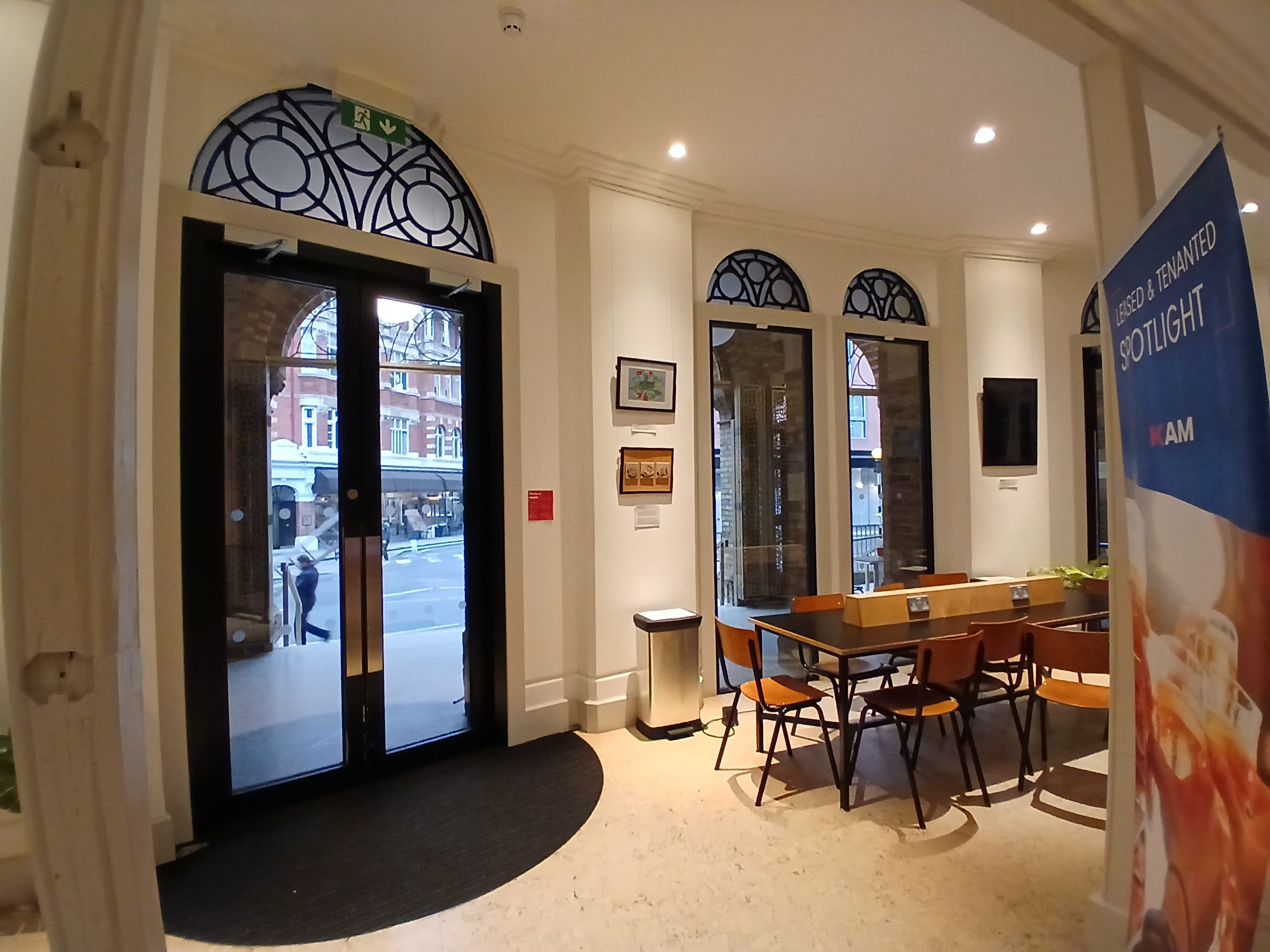
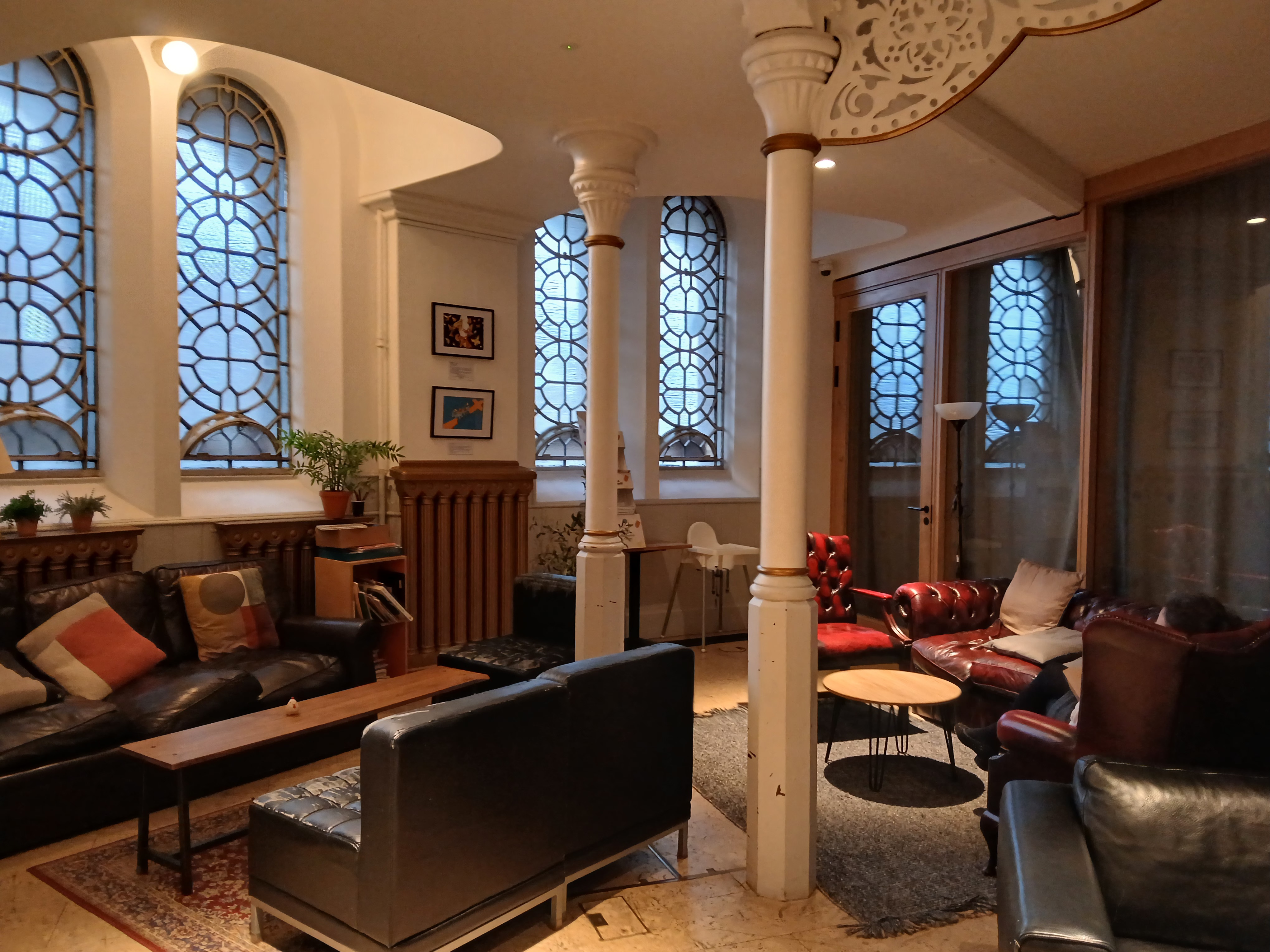
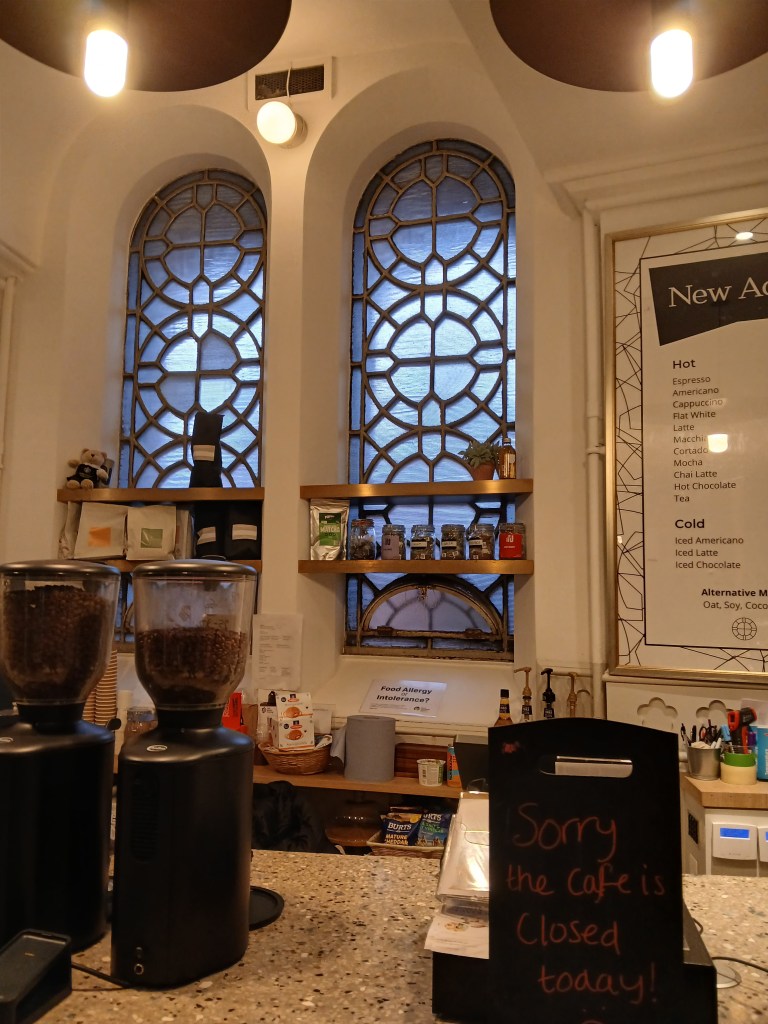
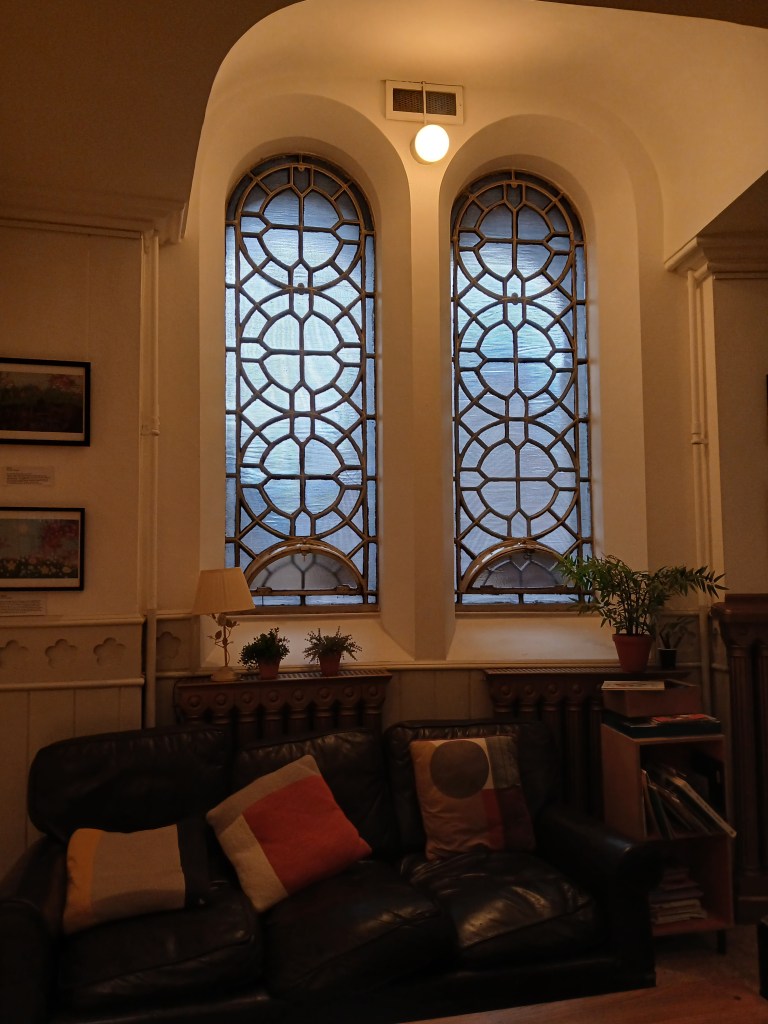
New Acre Café, Westminster Chapel

Unfortunately this café was closed for a private function but I was allowed to take photos of this cosy coffee bar. New Acre Café has an interesting history as part of Westminster Chapel. Less than 500 metres from the Chapel is an area that Charles Dickens called ‘the Devil’s Acre’: a place of poverty and injustice. Founded in 1840, the ministry of Westminster Chapel included establishing up schools and almshouses and providing safe houses for orphans and work schemes for the unemployed. Dickens was impressed with the way that Christians devoted their lives to improving the Devil’s Acre for the people who lived there, and the café was named New Acre ‘to remind us of the reason that God has put us here today’. The brand of coffee served is Old Spike Benedict Blend; 65% of their profits directly support people experiencing homelessness. The café is open Monday to Thursday 9am to 4.30pm.

Source: Notice in the cafe; westminsterchapel.org.uk

Wesley Café, Central Hall Westminster

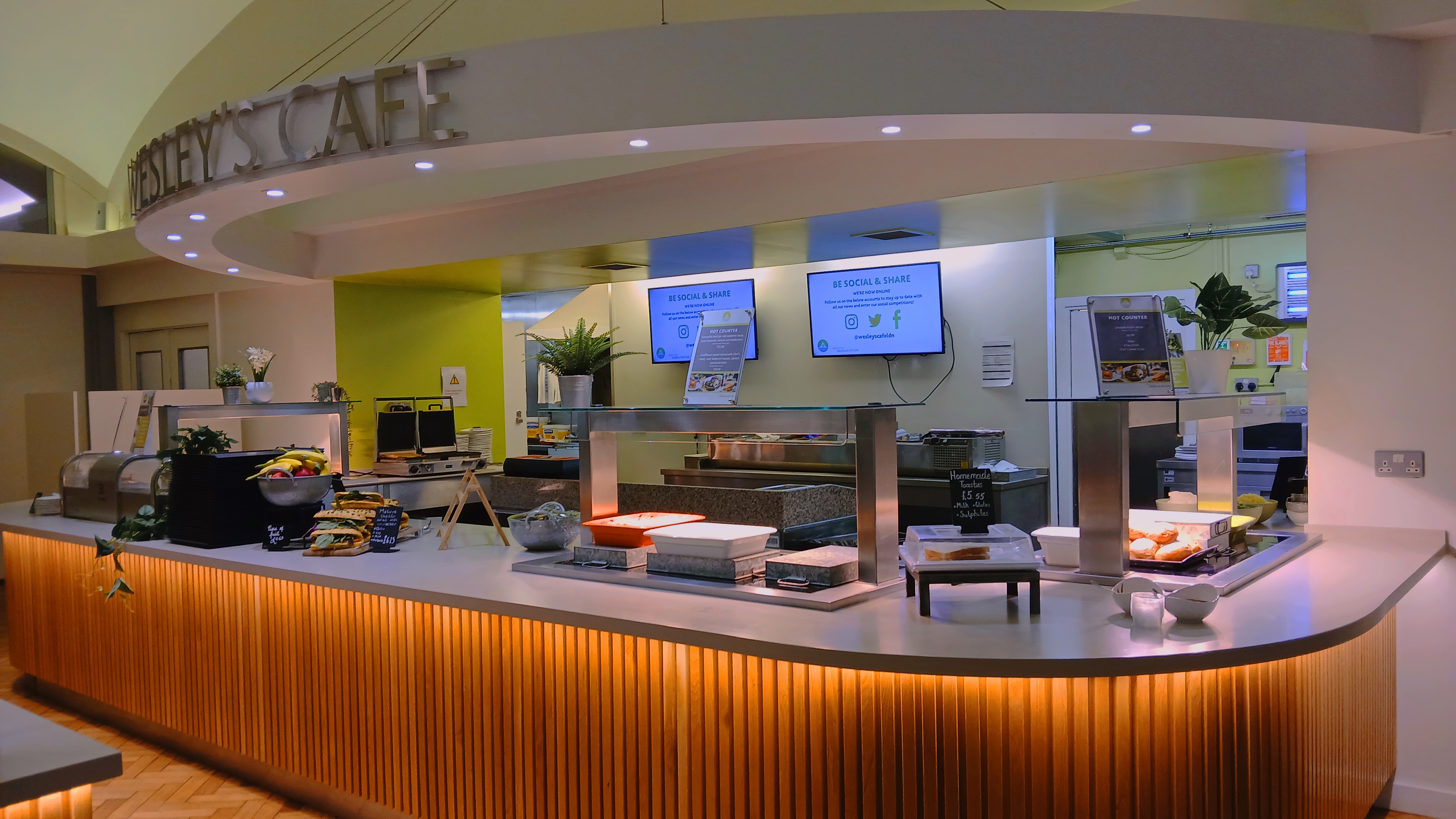
Another large restaurant including a separate coffee bar for drinks and cakes/snacks, open on week days. There is also a Street Café which is open all week. The restaurant is in the basement and is a large space with a secluded area for booking private functions and business lunches. A range of hot and continental breakfasts, lunches and sandwiches is served, but I grabbed a latte from the coffee bar and a muffin from the enticing Sweet Treats table. The seating area was busy and I shared a table with a customer tapping away on his laptop, he worked at the Houses of Parliament just across Parliament Square. Apparently the café is a popular eating venue for MPs and staffers, but I didn’t spot anyone famous! The main restaurant is open Tuesday to Saturday 9am to 4pm and the Street Café with its outdoor seating area, is open Monday to Sunday.

Source: c-h-w.com/wesleys-cafe

January – Cosy Cafes in City Churches

Walking round the Square Mile of the City of London, there seem to be hundreds of coffee shops and cafes, all serving the thousands of City workers and tourists. There are the usual chains and also lots of independent businesses, including these four located in churches. Just the place to pop into for a warming brew when it’s cold outside. I decided to go on a ‘coffee crawl’ of these churches, including breakfast and lunch and a couple of loo stops!

St Nicholas Cole Abbey – ‘The Wren Coffee’

The Wren is named after the church’s architect Sir Christopher Wren. The whole church building is the café from Monday to Friday, 7am to 4.30 pm. It closes from 12.45 to 2pm on Thursdays for lunchtime Bible talks: St Nick’s Talks. The Barista who served me my breakfast croissant and flat white coffee was Josiah, who told me that the café is a convenient venue for the business meetings of the Financial Times, whose offices are nearby. He said that many customers are well known to the church staff and they come in for the Bible Talks as well as the coffee. When I visited there were lots of customers poring over their laptops whilst sipping their flat whites and lattes. The café becomes a church on Sunday mornings with a ‘regular’ church service plus the added bonus of excellent Fairtrade coffee and cakes!

Sources: Leaflet in the church and Josiah

Breakfast

St Mary AldermaryThe Host

The strange name of this church means ‘older Mary’, implying that this church is possibly the oldest dedicated to Mary in the City. The church website says ‘Host Café is seeking to restore the traditionally solitary space of our church building to its true vocation as a welcoming hub for the local community.’ All the drinks at The Host are ethically sourced and the baked goods are supplied by local bakers. Customers can choose to sit in a pew to drink their tea or coffee, or you can sit at a table if you’re having a meal. Food purchased from the Street Food stall outside the church can also be eaten inside the church. Each table has a charger for your laptop, and for a small fee, you can hire tables for a working lunch. I didn’t stop for a hot beverage this time, but I have done so previously, and the staff are very friendly!

Source: Church website

St Mary-le-Bow – The Café Below

The café at St Mary-le-Bow is located in the crypt as its name suggests. This is more of a restaurant than a café but the staff were happy to serve me a coffee (it wasn’t quite lunch time.) It was nice to be shown to a table and asked for my order. The café has nothing to do with the church above, they just rent the premises, offering slightly posher breakfasts, lunches and also licensed to serve alcohol. The crypt has been beautifully refurbished and decorated to provide an atmospheric dining experience, including private booths among the pillars. On each table is a card with information about the church, particularly the crypt which was formally a burial chamber. The graves were removed when the church was rebuilt after the Second World War, which I’m sure the diners are relieved to read!

St Mary Woolnoth – Newton’s Coffee

This cosy coffee is the smallest enclosed café I’ve ever visited, being situated in the porch of St Mary Woolnoth. The counter runs the width of the porch and there are three seats at the other end. There are also some tables and chairs outside in the tiny churchyard for sitting out in warmer weather. Mainly offering a takeaway service, there are hot drinks, baked goods and chocolates for sale. Newton’s Coffee is a social enterprise inspired by the life of John Newton, former slave trader who, following his dramatic Christian conversion, became Rector of St Mary Woolnoth and played a major role in the abolition of slavery. Profits from sales are donated to anti-trafficking organisations such as International Justice Mission. I was served by Desiree, wo kindly gave me a free pastry when I asked her for information about the coffee shop and told her what I was doing. Lunch sorted!

Sources: newtonscoffee.co.uk; Desiree

December – Nativity!

Usual round up of Nativity scenes, this year I’ve focused on small displays spotted in and around the London area, plus some interesting information about the history of the Christmas Wreath, which I always thought was a pagan tradition….

A stylish white Nativity at St Nicholas Church Sutton….
And a tiny one up high on a windowsill
Atmospheric Nativity at St Botolph, Bishopsgate
Nativity complete with Camels and Donkey
Knitted Nativity at Carshalton Methodist Church
Nativity on top of a pillar, St Mary Aldermary
Lovely wooden Nativity Scene at St Vedast Foster
Illuminated Nativity at Sutton Christian Centre

Another spectacular seasonal display at St John’s Belmont. The tradition of bringing evergreen plants: holly, ivy, evergreen trees and branches, into the home at the Winter Solstice goes back to pre Roman times in Northern Europe. The weaving of greenery and holly berries into a wreath symbolises the continuing of life and the seasons when the sun seems to have disappeared from the sky for ever. HOWEVER, the origin of the Christmas Wreath is as an Advent Wreath. It was created by German theologian Johann Wichern in 1839 with 28 candles (one for each day of Advent) out of a wagon wheel. The circular wreath, with no beginning or end, symbolises the eternal nature of God and eternal life through Christ. Prickly holly leaves and red berries were thought to represent Jesus’ crown of thorns and drops of his blood at the crucifixion. So although the wreath has its roots in pagan custom and tradition, you could say that theologian Wichern reinvented the wheel when he created his Christmas Wreath. (Sorry, couldn’t resist!)

Source: commongoodmag.com

November – Churches in Autumn II

A second attempt at photographing local churches in picturesque Autumn settings. Again, I didn’t capture the azure skies and contrasting bright leaves I’d hoped for, but it was lovely to wander through crisp, colourful fallen leaves in churchyards on some mild Autumn days.

Holy Trinity, Clapham Common

Side view of Holy Trinity, Clapham Common

I chose this lovely 18th century church because it is literally on Clapham Common, in the North East corner. Holy Trinity was the base for the Clapham Sect, a group of abolitionists with William Wilberforce being a founding member of the group. The present 1753 building replaced a Mediaeval church in Clapham which was in poor condition and deemed too small for the growing suburban population. The location for a new church on the Common was chosen because it was convenient for the congregation of well-to-do merchants and bankers who had purchased the large villas surrounding the Common. To build here required an Act of Parliament and following approval, the church was designed and built by architect Kenton Couse at a cost of £5,000!

Source: Wikipedia

St Mary the Virgin, Beddington Park

Another beautiful setting in open parkland, I featured St Mary’s in Springtime surrounded by daffodils. This Mediaeval, flint-clad church was constructed in the 14th century, heavily restored and extended in subsequent centuries and finally refurbished in 1867-69, giving us the Victorian church we see today. There is evidence of a church structure on this site in 1085 when William the Conqueror’s Domesday Survey began, and the later Mediaeval church formed part of the lands of the Carew family, owners of the estate since 1381. The estate comprised a large deer hunting ground (now Beddington Park) and a large country manor house (now Carew Manor School.) And of course, the church right next door, where generations of the Carew family would have worshipped. I think St Mary’s is the perfect ‘country’ church with a graveyard, a lych-gate leading to a memorial garden and beautiful views of the Park.

Source: wandlevalleypark.co.uk; Wikipedia

All Saints Church, Carshalton

There has been a site of Christian worship here for over 1,200 years, but nothing remains of the Saxon church which once stood in the village of Aultone* next to a pond and water mill. The oldest visible parts of the church date from the mid-12th century; the tower is the oldest part of the current building, dating back to before the Norman Conquest. In the late 12th century, the church was given to the monks of Merton Priory, who extended it considerably. The church has a large, secluded graveyard behind it, a haven for wildlife and a quiet place to wander through its footpaths to look at the ancient gravestones. The picturesque setting of Carshalton Ponds completes the scene. *Carshalton was known for its natural springs which gave the settlement its name, a later spelling is Cres-aul-ton, aul meaning well or spring, ton, an enclosed farm, and cres, probably a reference to the watercress grown in the area.

Source: nationalchurchestrust.org; Wikipedia

Honeywood Lodge on Carshalton Ponds

St Patrick’s Church, Wallington

In 1896 South Wallington was mostly fields and parkland, with Woodcote, a manor house, occupying the site where the church now stands. Over the next decade, the surrounding land was gradually sold off for housing as Wallington grew and extended south ‘up the hill’. The Parish Church of Holy Trinity had been built in 1867, and the Reverend GF Irwin decided that a new church plant should be established in the south of the parish. A committee met on 17th March 1910, the Woodcote Hall site was chosen (the Hall had been demolished), and the name of the new church was chosen because 17th March is St Patrick’s Day! A temporary building was completed in April 1911, and the first curate, the Reverend Day ensured that the new church flourished and attracted a growing congregation. Plans for a permanent building were put aside due to the outbreak of the First World War and the present church was begun in the early 1930s and dedicated by the Bishop of Southwark in November 1932.

Source: stpats.org.uk

October – Churches in Autumn

I’d been hoping for some bright blue skies to contrast the reds and yellows of the trees in Autumn, as a background to some ‘traditional’ English churches. However, I haven’t been able to capture this in my photos, as what started as bright, sunny mornings quickly turned cloudy, dull and even rainy. But I was able to go inside some of the churches to see their lovely harvest/Autumn displays. These four churches are all in leafy Sutton and Surrey.

St Dunstan’s Cheam

Lych-gate at St Dunstan’s, Cheam

This is the Parish Church of Cheam, occupying a site of Christian worship which goes back to Saxon times. The current building, built in 1864, replaced a mediaeval church, and when this was demolished, the East end of the chancel was retained to contain the monuments and brasses. This remnant of the mediaeval church is now known as the Lumley Chapel, which I featured on the blog last March. The current church is constructed and designed in the French Gothic style of the late 13th century. There is a charming lych-gate at the entrance to the churchyard dated 1891. The most famous of St Dunstan’s one-time rectors was Lancelot Andrewes, leader of the team who translated and compiled the Authorised, or King James Version of the Bible, published in 1611. Lancelot went on to great things, becoming Bishop of Chichester, Ely and Winchester. When I visited, St Dunstan’s was open and beautifully decorated for Harvest.

Source: Information Leaflet in the Church

Pumpkins in the Porch!

St John’s, Belmont

Pretty Autumn Wreaths either side of the door

It was lovely to pop inside St John’s and see another creative and beautiful Autumn/Harvest display. The church was built between 1914 and 1917 for the ever-expanding population of Greater London; a Church of England Parish church. It was designed by ‘major architectural duo’ Greenaway and Newbury in the neo-Gothic style. The church retains all its original fittings, and almost all of them were designed by the architects themselves. The font in the church dates from 1706 and originally came from a church in Oxford, and the East window was from a Victorian church being demolished. The building was extended in the 1970s and the nearby Methodist congregation moved in to share the building in the 1980s, sharing worship and administration since the mid-1990s. St Johns has become very active in the local community since then, and a community hall was built next to the church in 2002 to cater for a variety of activities.

Sources: achurchnearyou.com; nationalchurchestrust.org

Sunflowers in the Porch!

St Mary Magdalene, Richmond

This is a Parish church built in the 16th century with additions up until the early 20th century. The original chapel was built in around 1220; Wikipedia lists ‘Years built’ as 1220 to 1904, so some sort of construction work has taken place for nearly 700 years! The church was entirely reconstructed during the reign of Henry Vll, who had been Earl of Richmond, Yorkshire, before becoming King of England. He rebuilt the Manor of Shene as a Royal Palace, which he named the Palace of Richmond. The small rural town of Shene subsequently took on the name Richmond too. There is a memorial stone in the church to three members of Lord Richard Attenborough’s family, who tragically lost their lives in the Asian Tsunami of December 2004. Lord and Lady Attenborough asked if the ashes of their daughter, granddaughter and their daughter’s mother in law could be placed in the church. It is uncommon for permission to be granted for church burial of ashes, but the diocese agreed to grant a faculty because of the family’s strong connection to the parish church; Lord and Lady Attenborough lived close by at Richmond Green.

Sources: Leaflet in the church; Notice board outside the church

St Peter’s Woodmansterne

Lych-gate of St Peter’s

On the edge of the Borough of Sutton, St Peter’s was built between 1876 and 77 in what would have been a very rural setting. There has been a church on this site since the 9th century, a small Saxon church in a sheep-farming village. Woodmansterne is mentioned in the Domesday Book as ‘Odemerestor’ which derives from Anglo-Saxon ‘Ode’ – Wood, ‘mere’ – pond and ‘tor’ – high ground. The name went through many variations until the name Woodmansterne became the standard description in the 15th century. The previous mediaeval church was demolished and entirely reconstructed in 1876 using some materials from the old building. Like St Dunstan’s, the church has a pretty lych-gate which was erected as a memorial to the men of the village who lost their lives in the 1914 to 18 War, with further names added in memory of victims of the Second World War. Today St Peter’s has an extensive calendar of events and activities: in October there was the Bus Stop Café, a Light Party, a local walk, a Quiz Night, a Film Club, fitness classes and uniformed children’s groups.

Source: church website: saintpeterschurch.org.uk