Article 4: Protection of Rights. Governments have a responsibility to take all available measures to make sure children’s rights are respected, protected and fulfilled. Goes on to say countries should review their provision of social services, legal, health and educational systems, including funding for these services, and ensure the minimum standards of the Convention are met. Also ‘they must help families protect children’s rights and create an environment where they can grow and reach their potential’. This is linked with the next Article, so I’m including this in this post:
Article 5: Parental Guidance. Governments should respect the rights and responsibilities of families to direct and guide their children so, as they grow, they learn to use their rights properly. Crucially, ‘the Convention does not take responsibility for children away from their parents and give more authority to governments.’ Instead, governments should protect and assist families in their nurturing role.
I’ve put these two together because parents want the best for their children: a happy, healthy, safe and fulfilling life, and they rely on government provision and protection to enable them to do so.
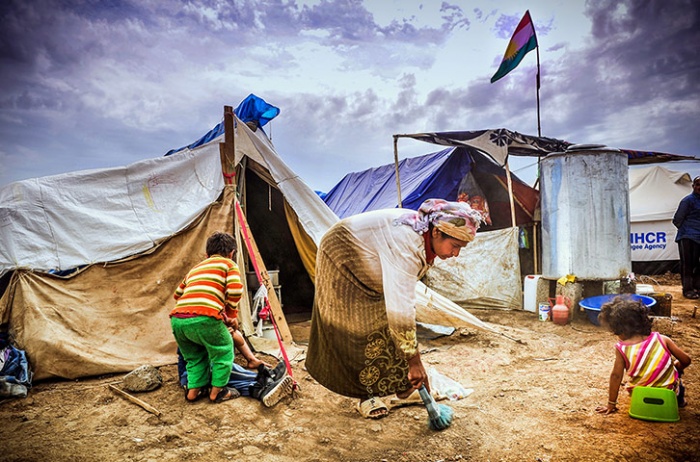
The Guardian newspaper ran a story about a mother and father and their four children who were forced to leave their home in Damascus, Syria because their ground floor apartment was situated in an area of intense fighting. When their electricity and water supplies were cut off and they started to run out of food, they decided to make a run for it, taking with them only ID cards and money. They fled to Iraq where they have been living for four years in a refugee camp. The children were terrified as the family escaped and embarked on a dangerous and exhausting journey to a camp accommodating 50,000 people but built for half that number. They were safe but living conditions were unsanitary, the children desperately missed their home and they had nothing to do except play just outside the tent, as their mother Avine was scared to let them out of her sight. A mum simply wanting to do the best for her children like millions all over the world, having to watch them grow up in a way far removed from what she hoped for them: ‘They have forgotten all about their home. It makes me very sad. I never imagined I’d bring up my children in a refugee camp. Never.’ About the girls’ education she says: ‘Their lack of education was my biggest fear. I used to watch them playing outside in the mud and worry that they were going to end up illiterate.’
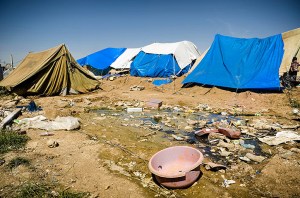
Four years on, things are much better for the family. Avine has resumed the bridal salon business she had in Damascus – yes, people get married in refugee camps! The family managed to pay a labourer to build them a small breezeblock house with their own facilities. Avine has since had another baby, who has brought joy to the family. The older girls attend school and also had catch up classes for the two years they have missed and they also go to child resilience workshops to help them deal with the trauma they have experienced. Avine says: ‘It is heartbreaking to have to leave your home….I won’t take my children back until the situation is settled and I do worry endlessly about them growing up in a refugee camp.’
In many ways, they are among the lucky ones. Avine’s husband has gone to Germany, where they have relatives, to try to get residency for the family, although that is another loss the children have to deal with, albeit temporary. Their quality of life is better than most. But what shouts out to me when reading this article is the mother’s feelings of guilt and regret that she couldn’t do the best for her children, and her anguish that even now it might be too late to make up for that.
Not her fault, but that of the war that has torn her country apart.
Reference: http://www.theguardian.com/global-development/gallery/2013/jul/02/syrian-refugees-iraq-domiz-in-pictures#img-3