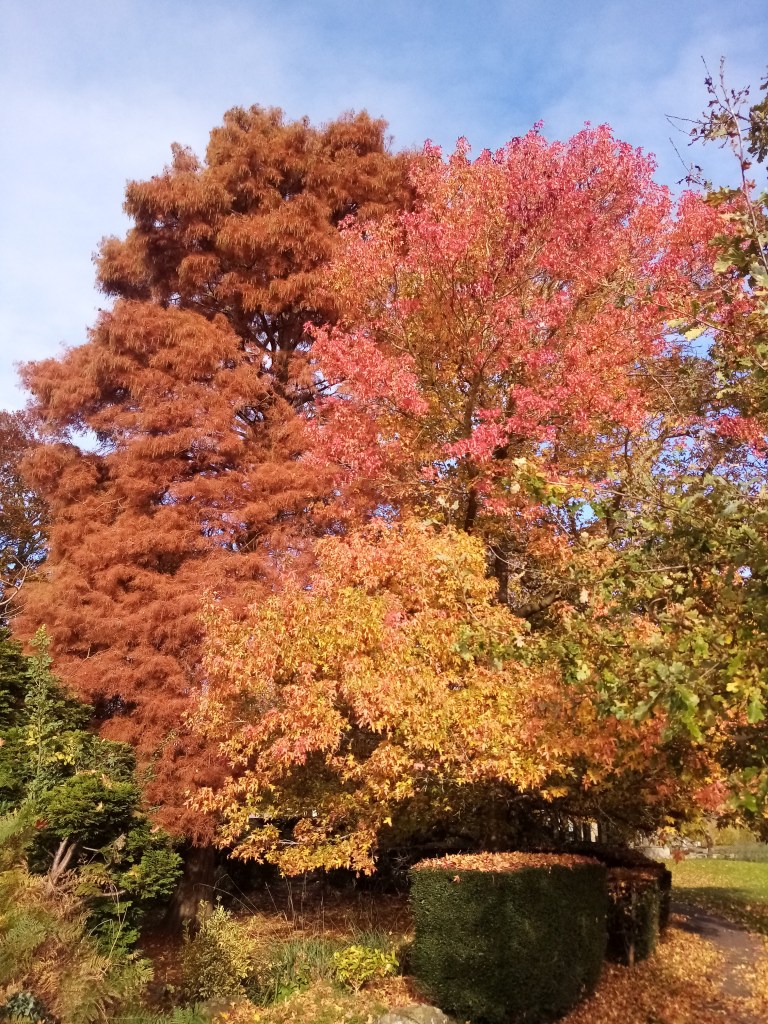
A second attempt at photographing local churches in picturesque Autumn settings. Again, I didn’t capture the azure skies and contrasting bright leaves I’d hoped for, but it was lovely to wander through crisp, colourful fallen leaves in churchyards on some mild Autumn days.
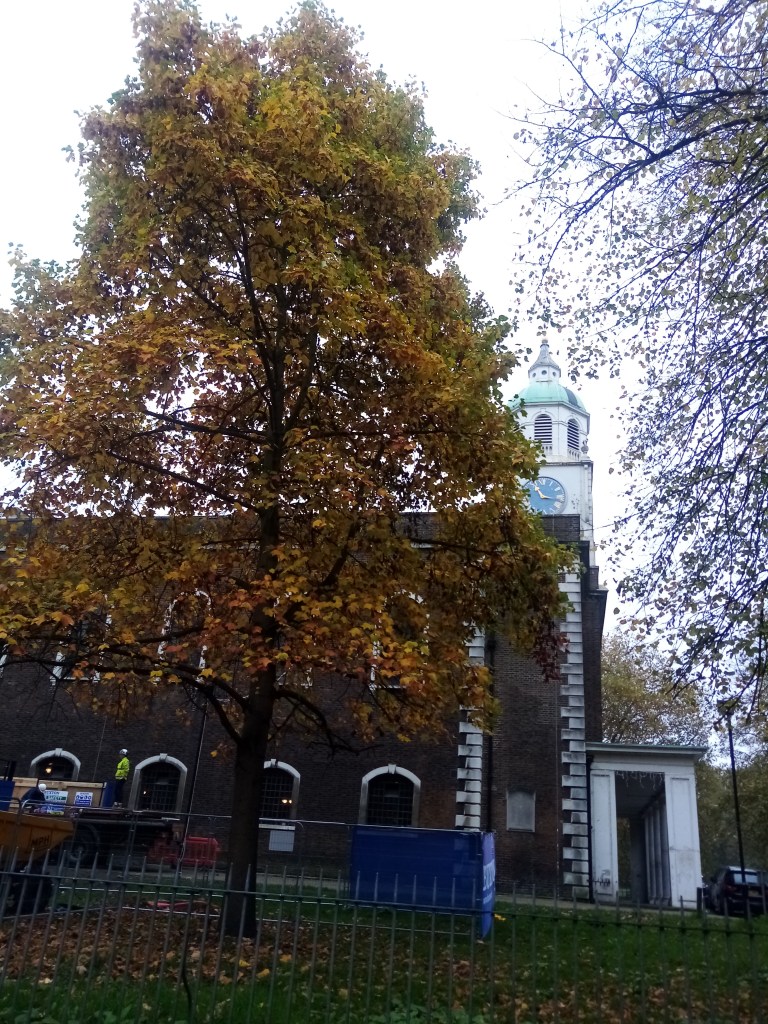
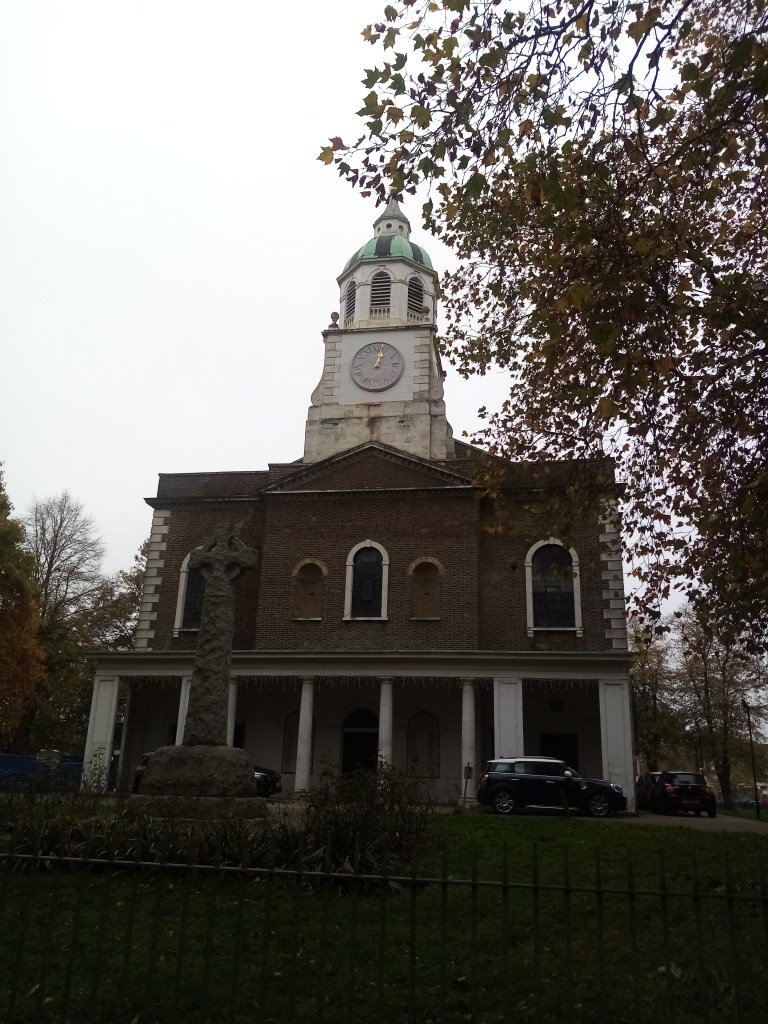
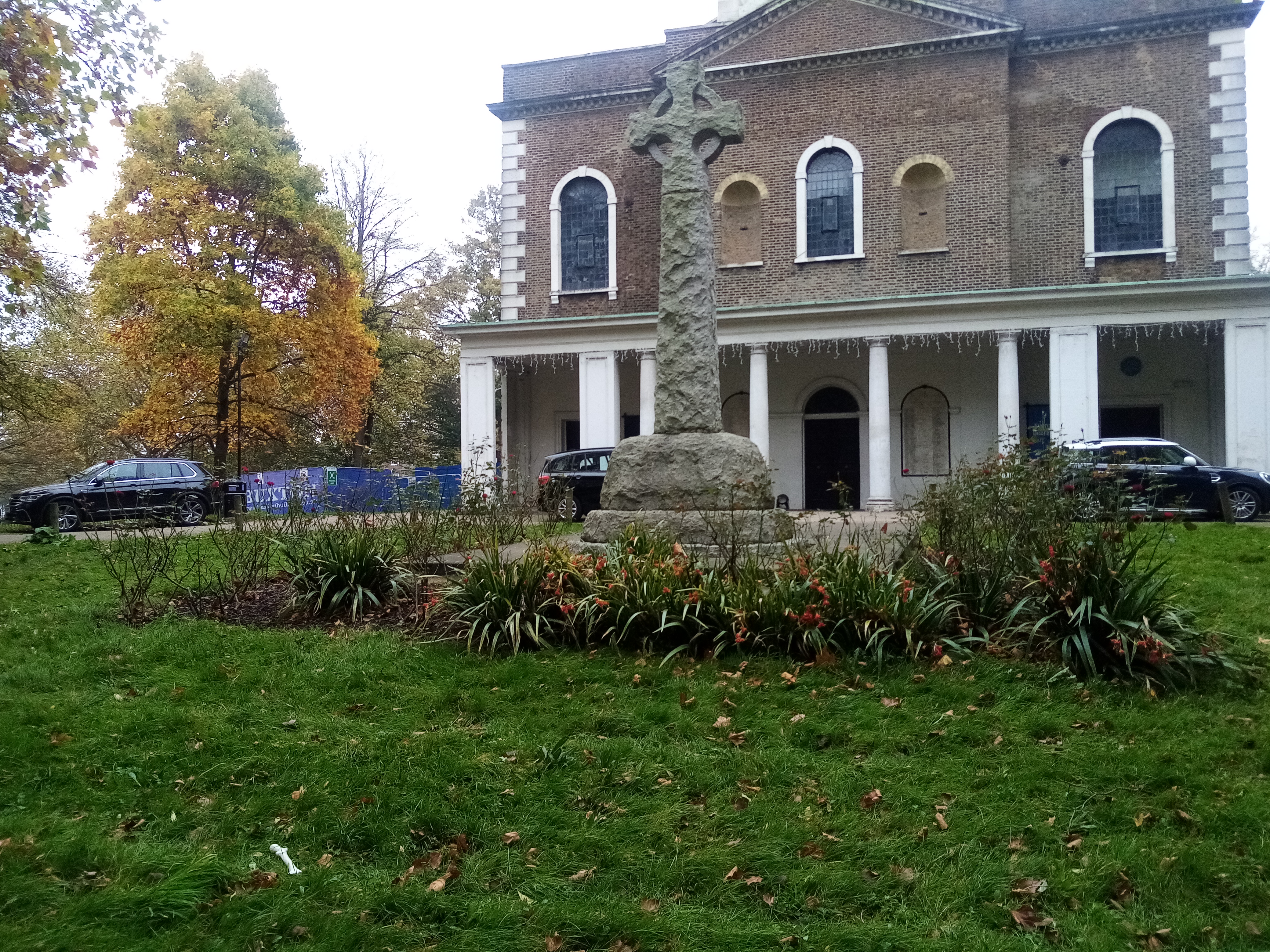
Holy Trinity, Clapham Common

I chose this lovely 18th century church because it is literally on Clapham Common, in the North East corner. Holy Trinity was the base for the Clapham Sect, a group of abolitionists with William Wilberforce being a founding member of the group. The present 1753 building replaced a Mediaeval church in Clapham which was in poor condition and deemed too small for the growing suburban population. The location for a new church on the Common was chosen because it was convenient for the congregation of well-to-do merchants and bankers who had purchased the large villas surrounding the Common. To build here required an Act of Parliament and following approval, the church was designed and built by architect Kenton Couse at a cost of £5,000!
Source: Wikipedia
St Mary the Virgin, Beddington Park

Another beautiful setting in open parkland, I featured St Mary’s in Springtime surrounded by daffodils. This Mediaeval, flint-clad church was constructed in the 14th century, heavily restored and extended in subsequent centuries and finally refurbished in 1867-69, giving us the Victorian church we see today. There is evidence of a church structure on this site in 1085 when William the Conqueror’s Domesday Survey began, and the later Mediaeval church formed part of the lands of the Carew family, owners of the estate since 1381. The estate comprised a large deer hunting ground (now Beddington Park) and a large country manor house (now Carew Manor School.) And of course, the church right next door, where generations of the Carew family would have worshipped. I think St Mary’s is the perfect ‘country’ church with a graveyard, a lych-gate leading to a memorial garden and beautiful views of the Park.
Source: wandlevalleypark.co.uk; Wikipedia
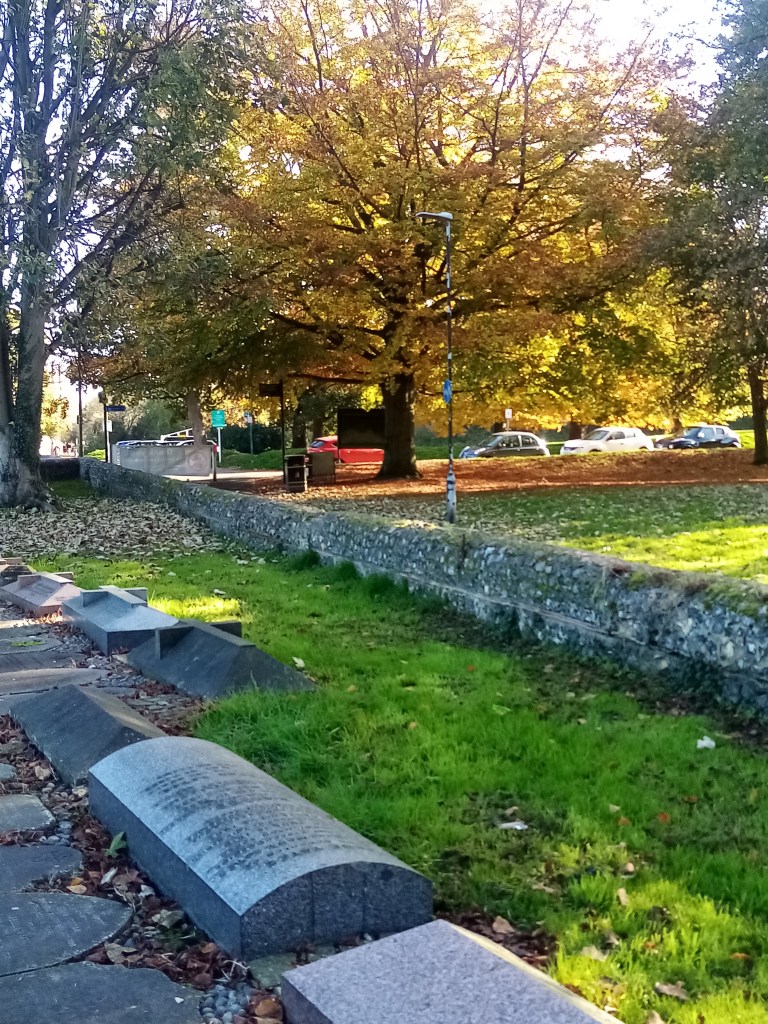

All Saints Church, Carshalton
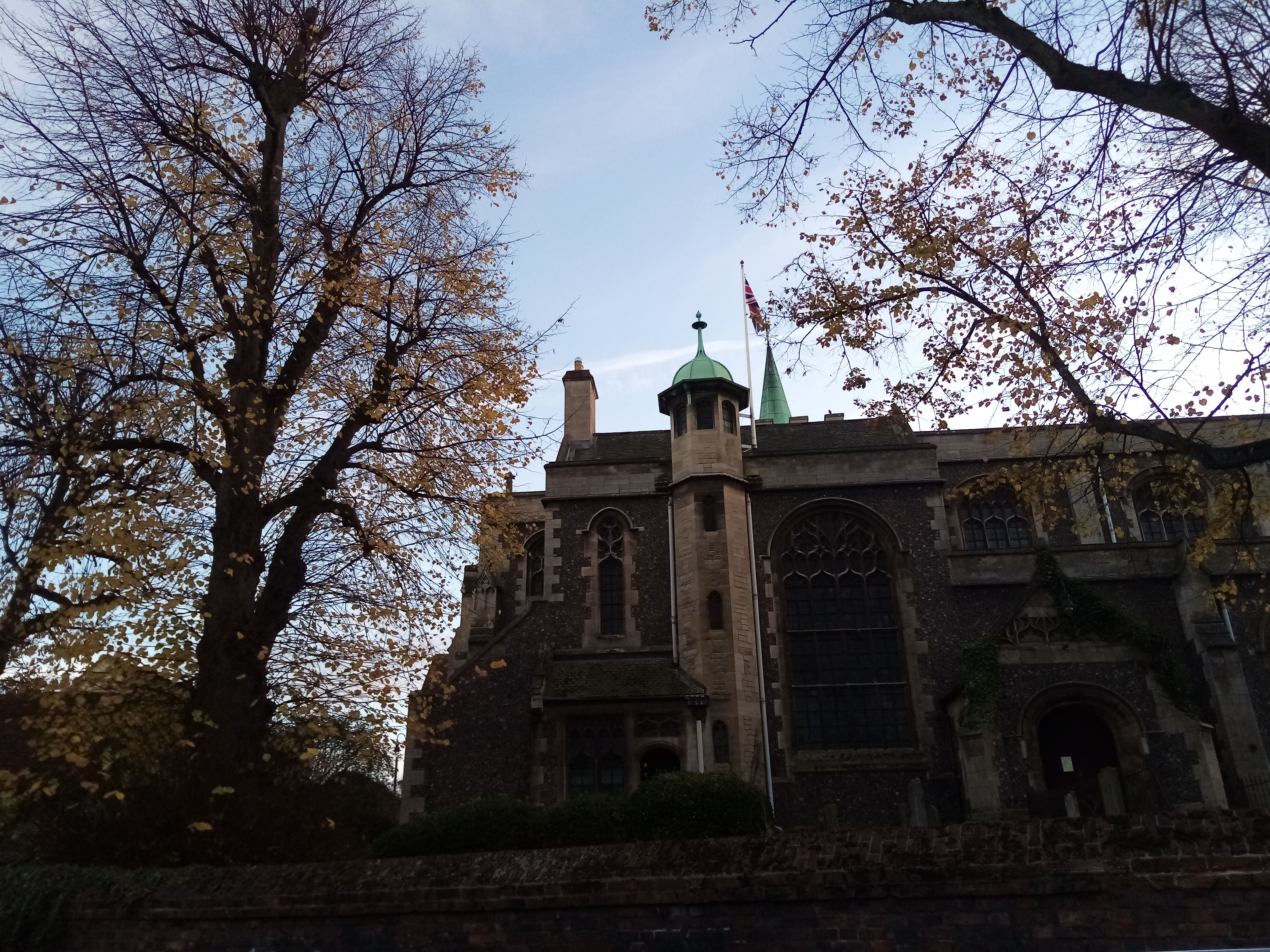
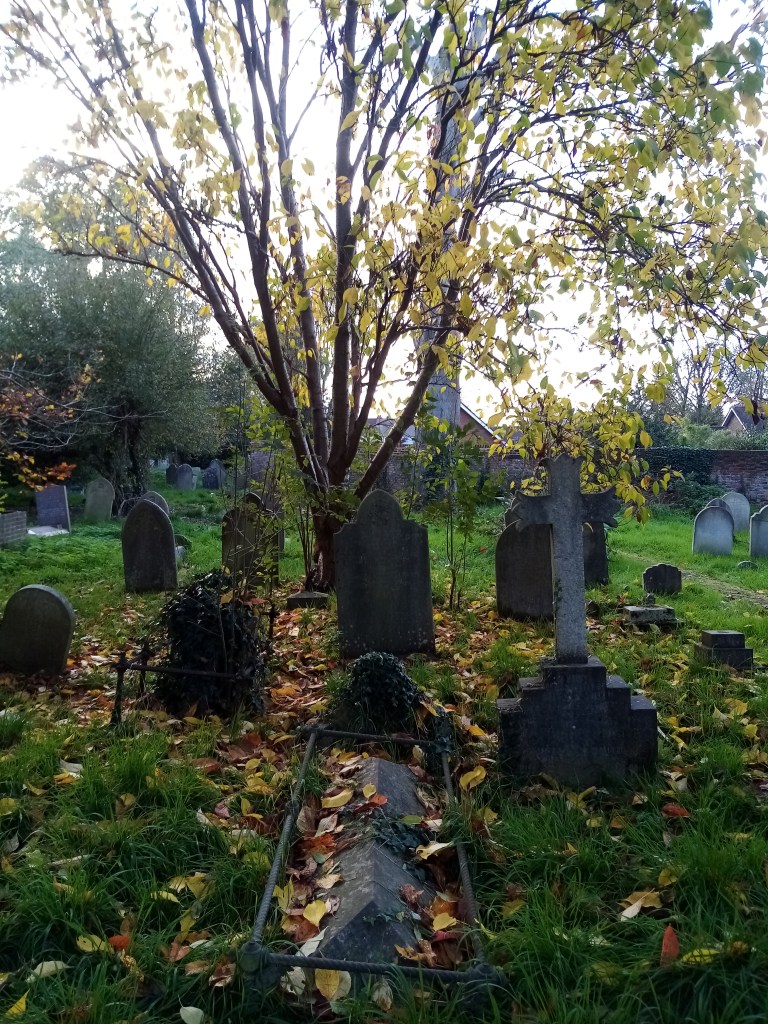
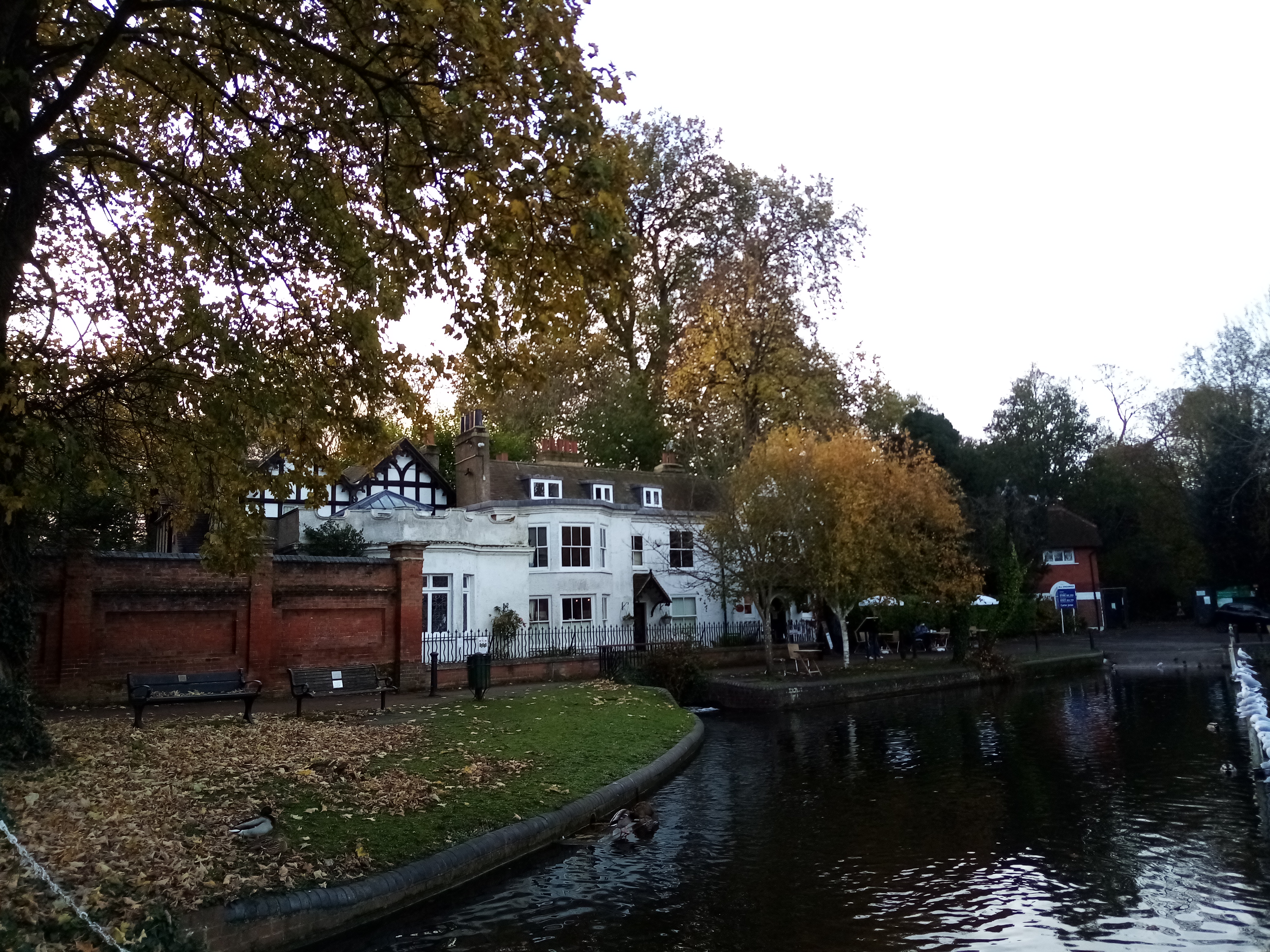
There has been a site of Christian worship here for over 1,200 years, but nothing remains of the Saxon church which once stood in the village of Aultone* next to a pond and water mill. The oldest visible parts of the church date from the mid-12th century; the tower is the oldest part of the current building, dating back to before the Norman Conquest. In the late 12th century, the church was given to the monks of Merton Priory, who extended it considerably. The church has a large, secluded graveyard behind it, a haven for wildlife and a quiet place to wander through its footpaths to look at the ancient gravestones. The picturesque setting of Carshalton Ponds completes the scene. *Carshalton was known for its natural springs which gave the settlement its name, a later spelling is Cres-aul-ton, aul meaning well or spring, ton, an enclosed farm, and cres, probably a reference to the watercress grown in the area.
Source: nationalchurchestrust.org; Wikipedia
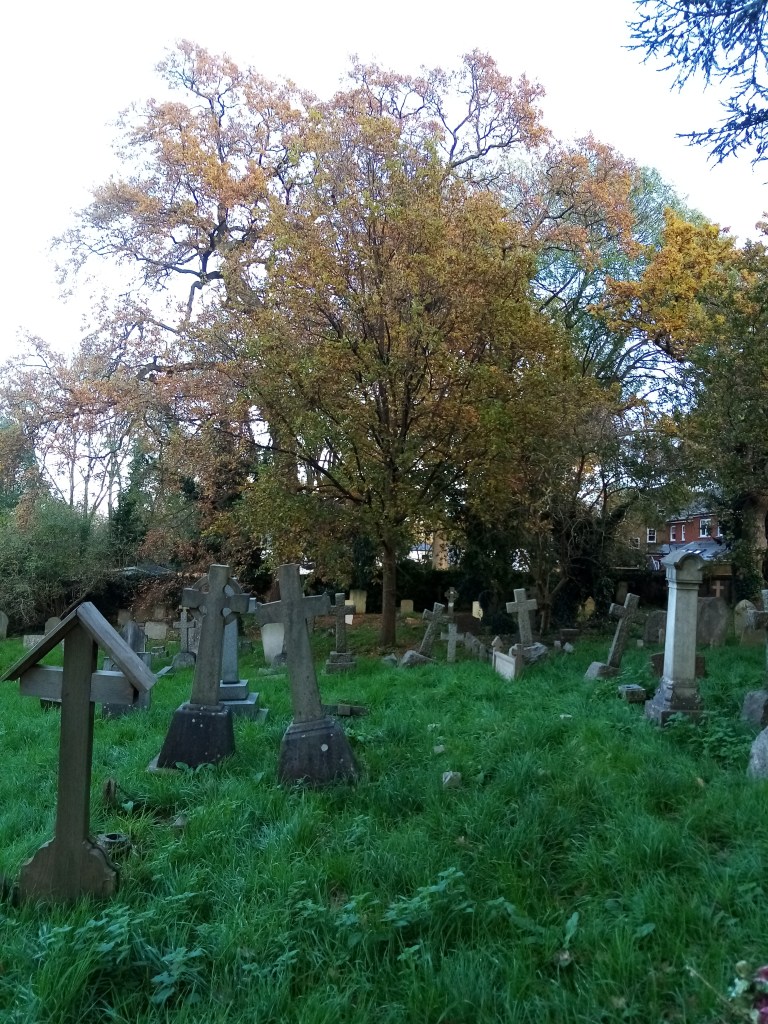
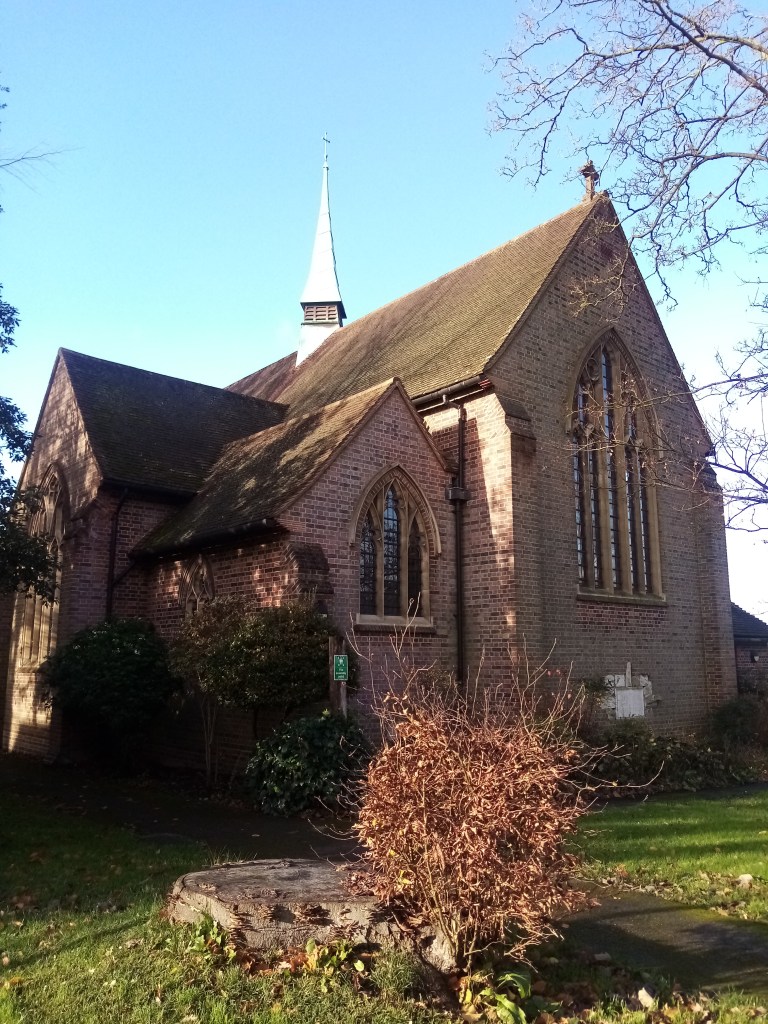
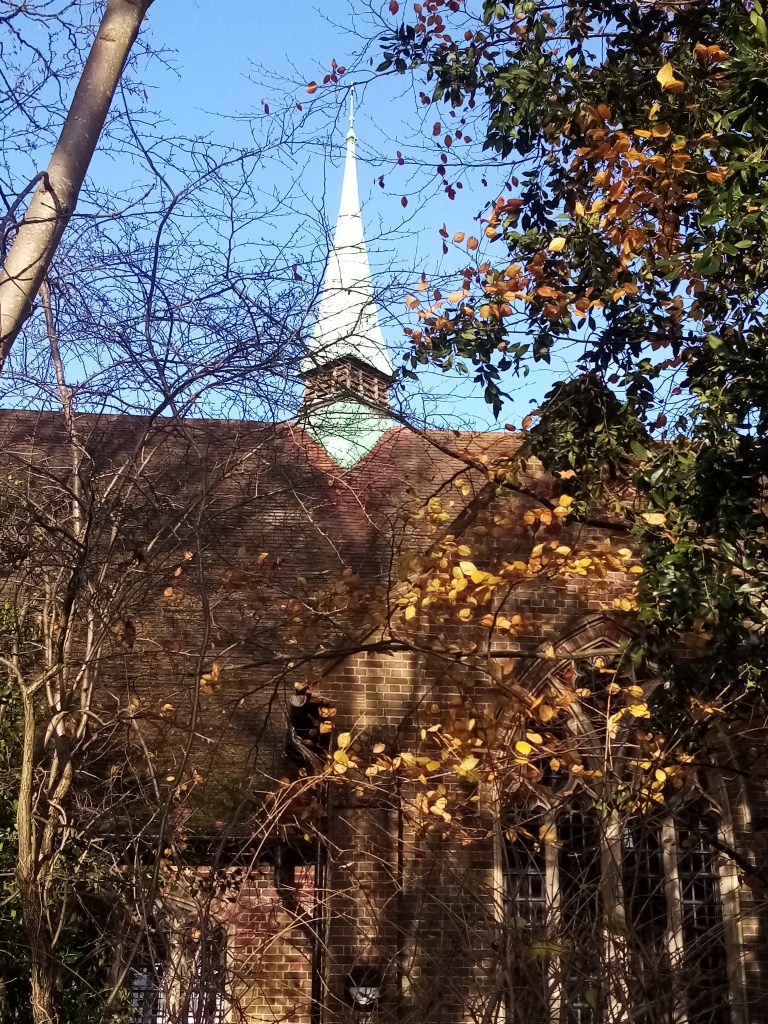
St Patrick’s Church, Wallington
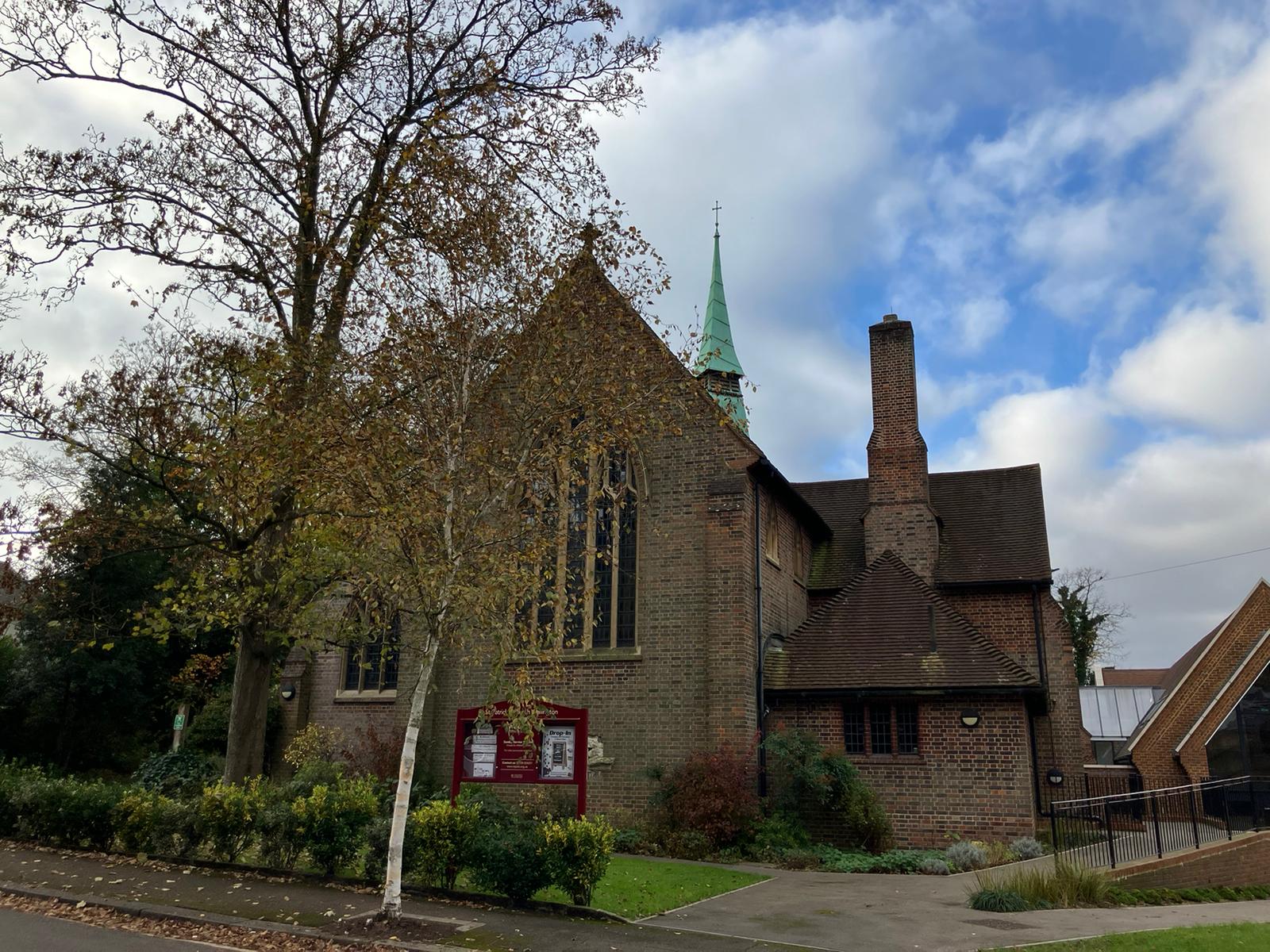
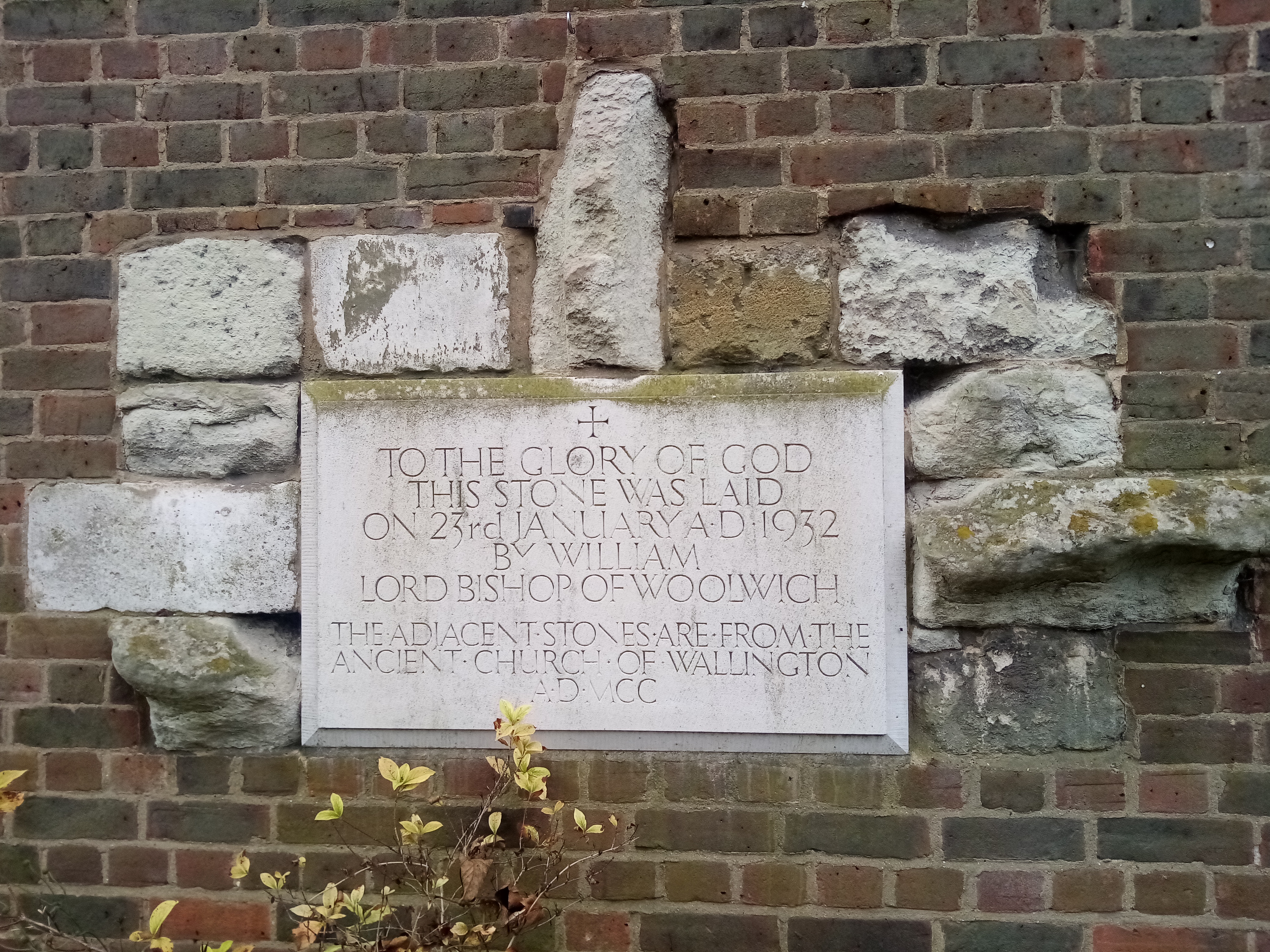
In 1896 South Wallington was mostly fields and parkland, with Woodcote, a manor house, occupying the site where the church now stands. Over the next decade, the surrounding land was gradually sold off for housing as Wallington grew and extended south ‘up the hill’. The Parish Church of Holy Trinity had been built in 1867, and the Reverend GF Irwin decided that a new church plant should be established in the south of the parish. A committee met on 17th March 1910, the Woodcote Hall site was chosen (the Hall had been demolished), and the name of the new church was chosen because 17th March is St Patrick’s Day! A temporary building was completed in April 1911, and the first curate, the Reverend Day ensured that the new church flourished and attracted a growing congregation. Plans for a permanent building were put aside due to the outbreak of the First World War and the present church was begun in the early 1930s and dedicated by the Bishop of Southwark in November 1932.
Source: stpats.org.uk
 claresimons1