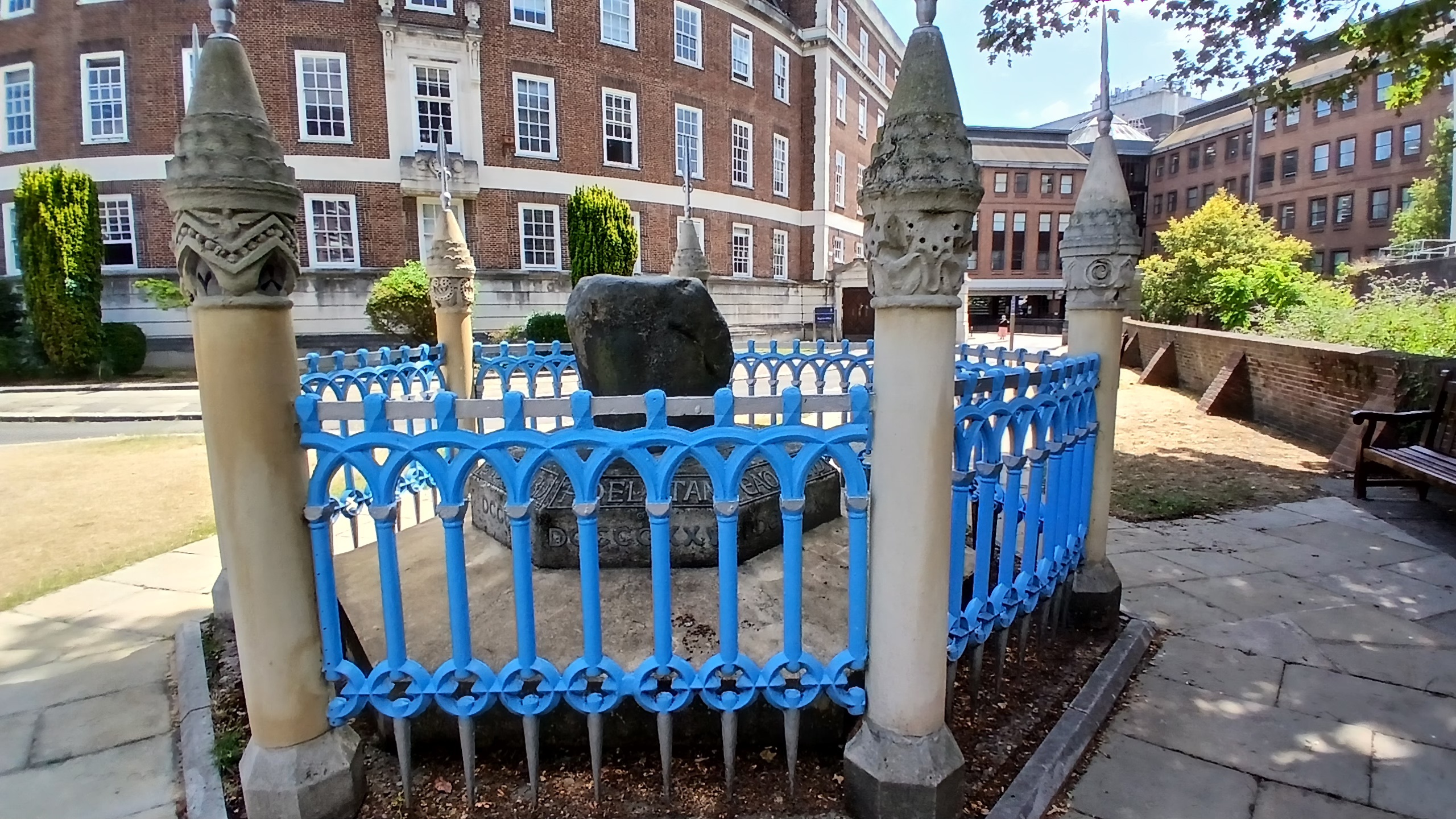
I visited Kingston this month, a town celebrated for its royal connections going back to 838AD when ‘Cyningestun’ was a royal estate of the Saxon Kings. At that time, Kingston was on an island in the River Thames on the border of the Kingdoms of Wessex and Mercia. It has been verified that seven 10th century Kings of England were crowned here on the site of the current All Saints Church. The second of these, Athelstan, was crowned in 925AD, 1,100 years ago this year, and Kingston has a series of year-long celebrations to mark this event. Outside Kingston Guildhall is the Coronation Stone (above) used in the coronation of at least three of the kings; the names of all seven are inscribed around the Stone. Kingston began as a settlement on the Thames, a strategic location for river trading and as a market town; the ancient Market Square still stands. I explored some of the churches in and around Kingston, and found that Christianity is thriving here in diverse ways.
Sources: Kingston 2025 Programme of Events; All Saints Church Kingston Guidebook
All Saints Church, Kingston
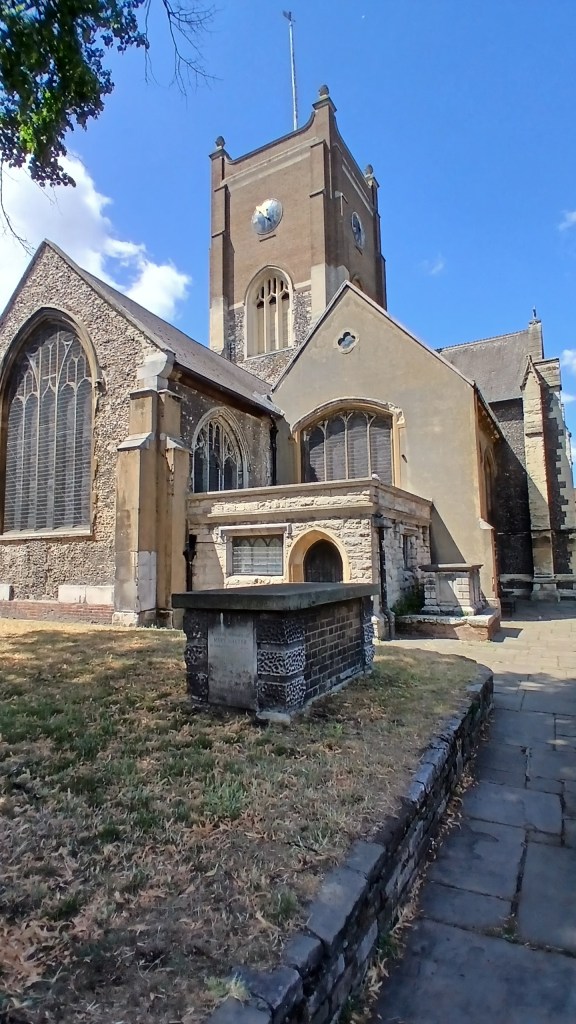
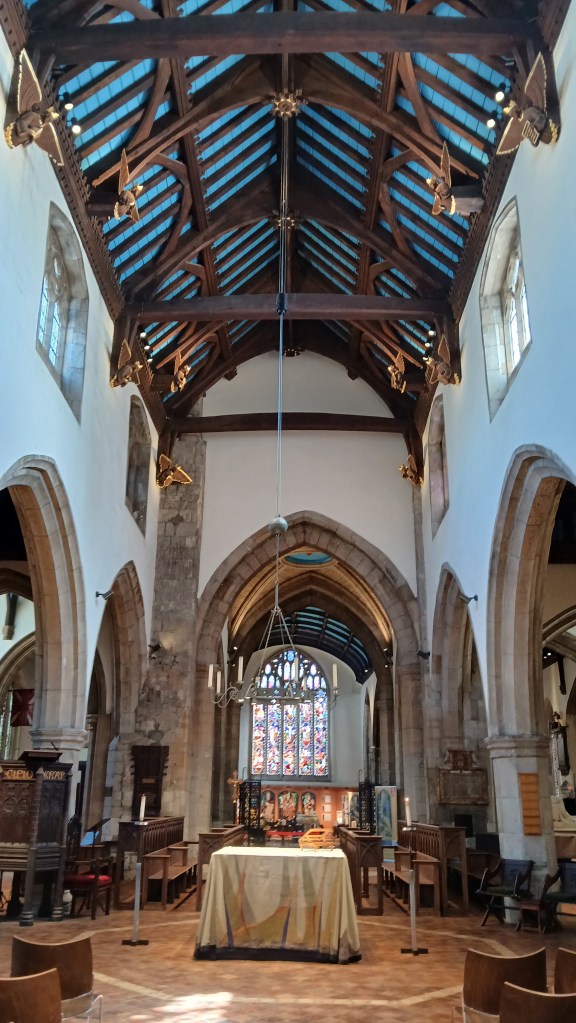
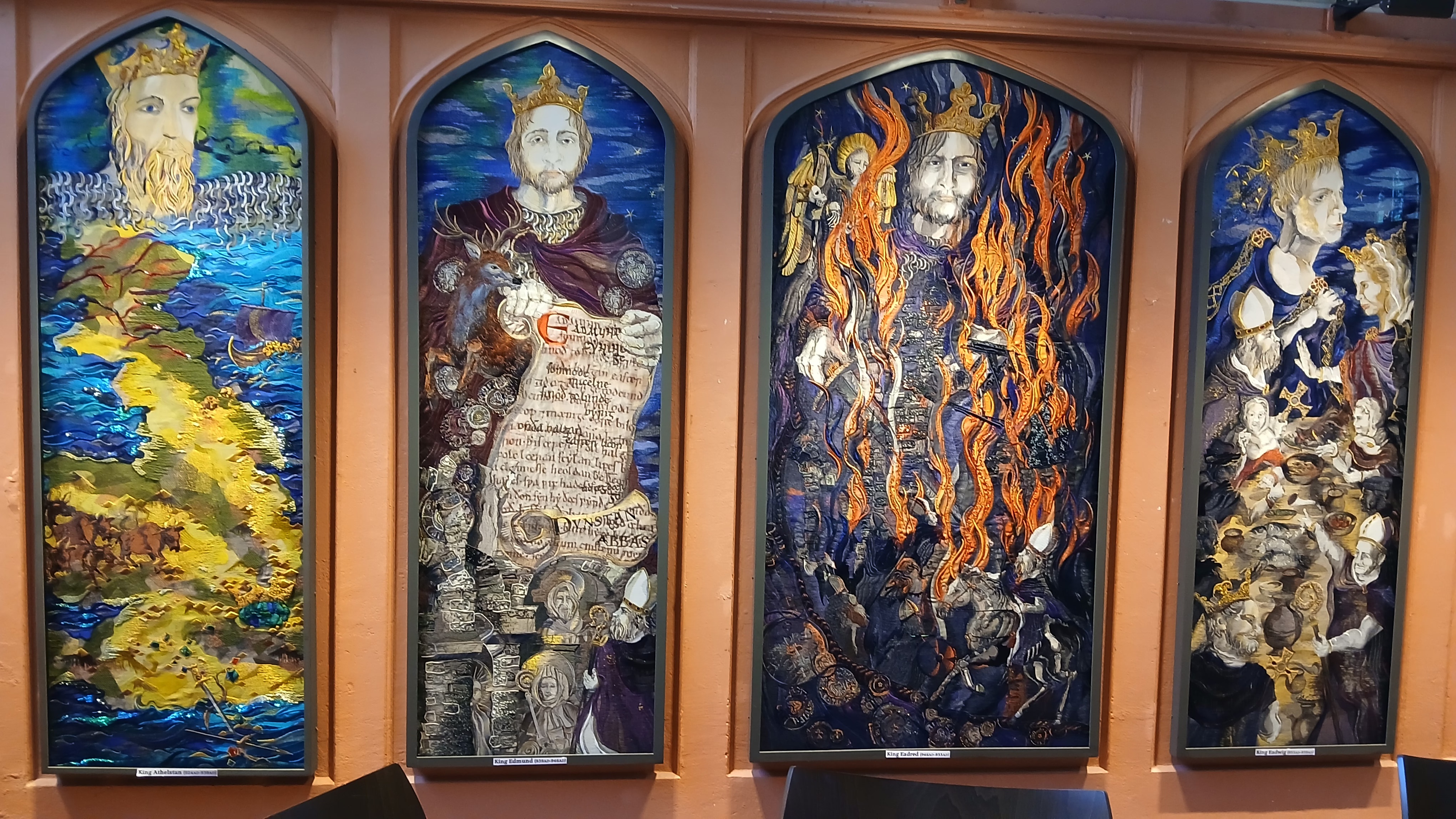
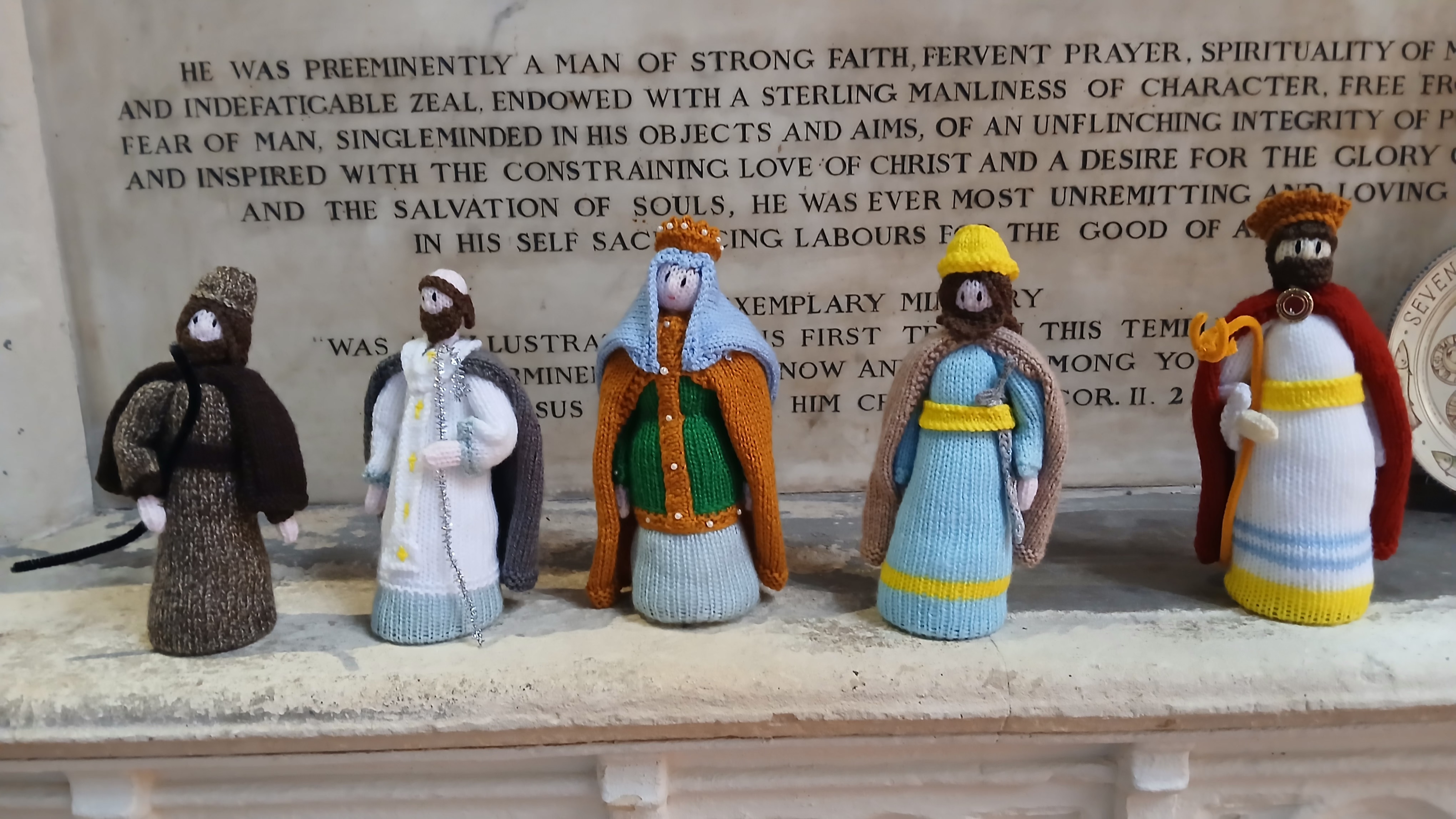
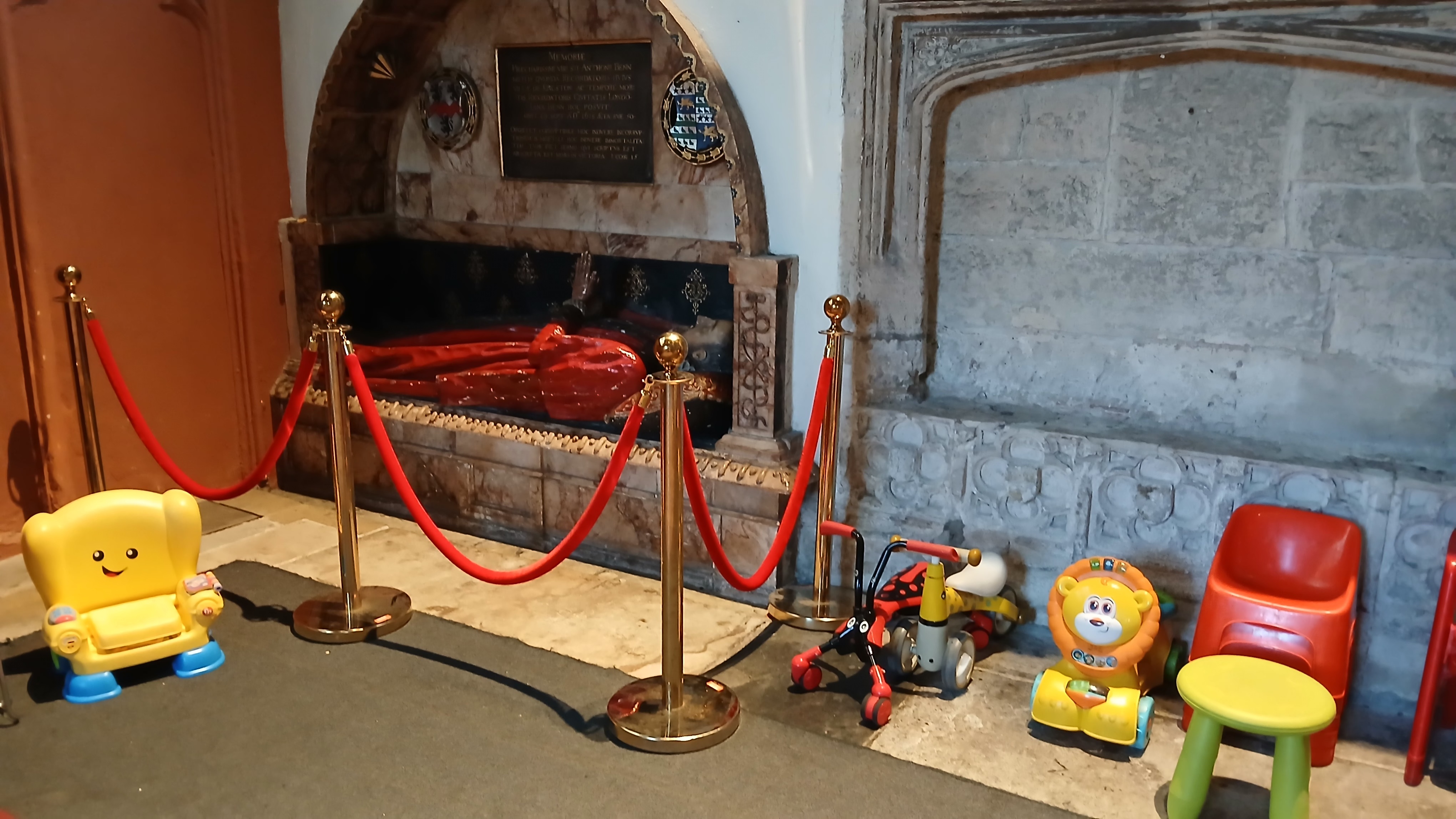
The parish church of All Saints was built in the 12th century, but even before its construction, the first ‘true’ King of England Athelstan was crowned at a former church, probably wooden, on this site. Athelstan united the Kingdoms of Wessex and Mercia and it is here that Church and Crown formally agreed to support each other. Athelstan’s coronation service laid the foundations for all coronation services since then, and Athelstan was the first monarch to have a crown placed on his head rather than a helmet. Nine centuries later, the church has been substantially altered and enlarged, with very little of the original building remaining. During 19th century restorations an original Norman door was uncovered but was considered too fragile to preserve and was destroyed. I don’t think that would happen today! Today the church is busy preparing for the 1,100 year anniversary celebratory events, one of the most exciting is the formal unveiling of seven embroidered panels of the seven kings. Four of these are already in situ in niches, the others are being completed, and the unveiling ceremony will be on September 4th – I’m hoping to go along! I wasn’t able to take many pictures of the interior because there were dozens of people there, but here are my favourite things in the church.
Sources: Kingston 2025 Programme of Events; All Saints Church Kingston Guidebook
St Luke’s, Kingston
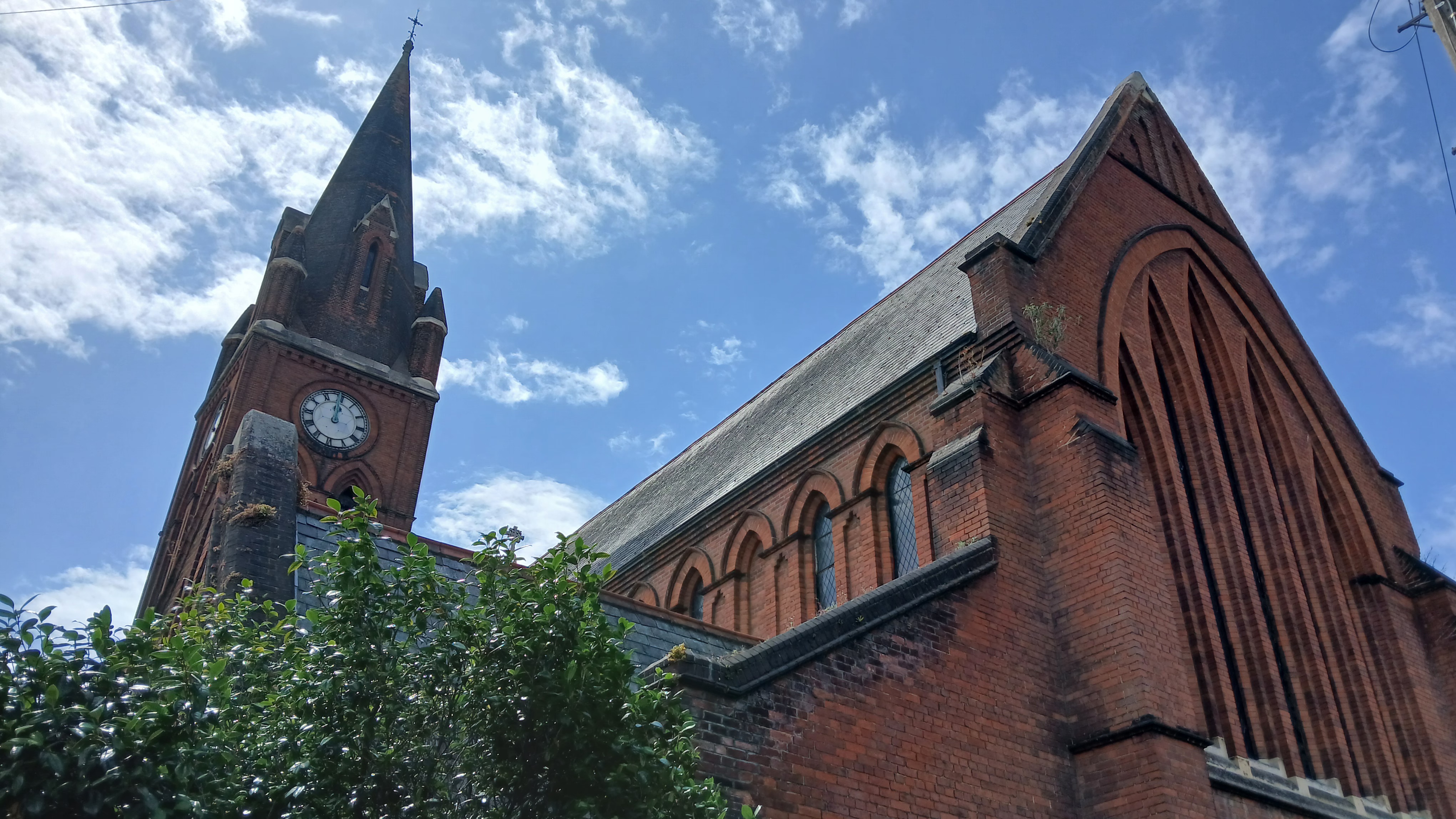
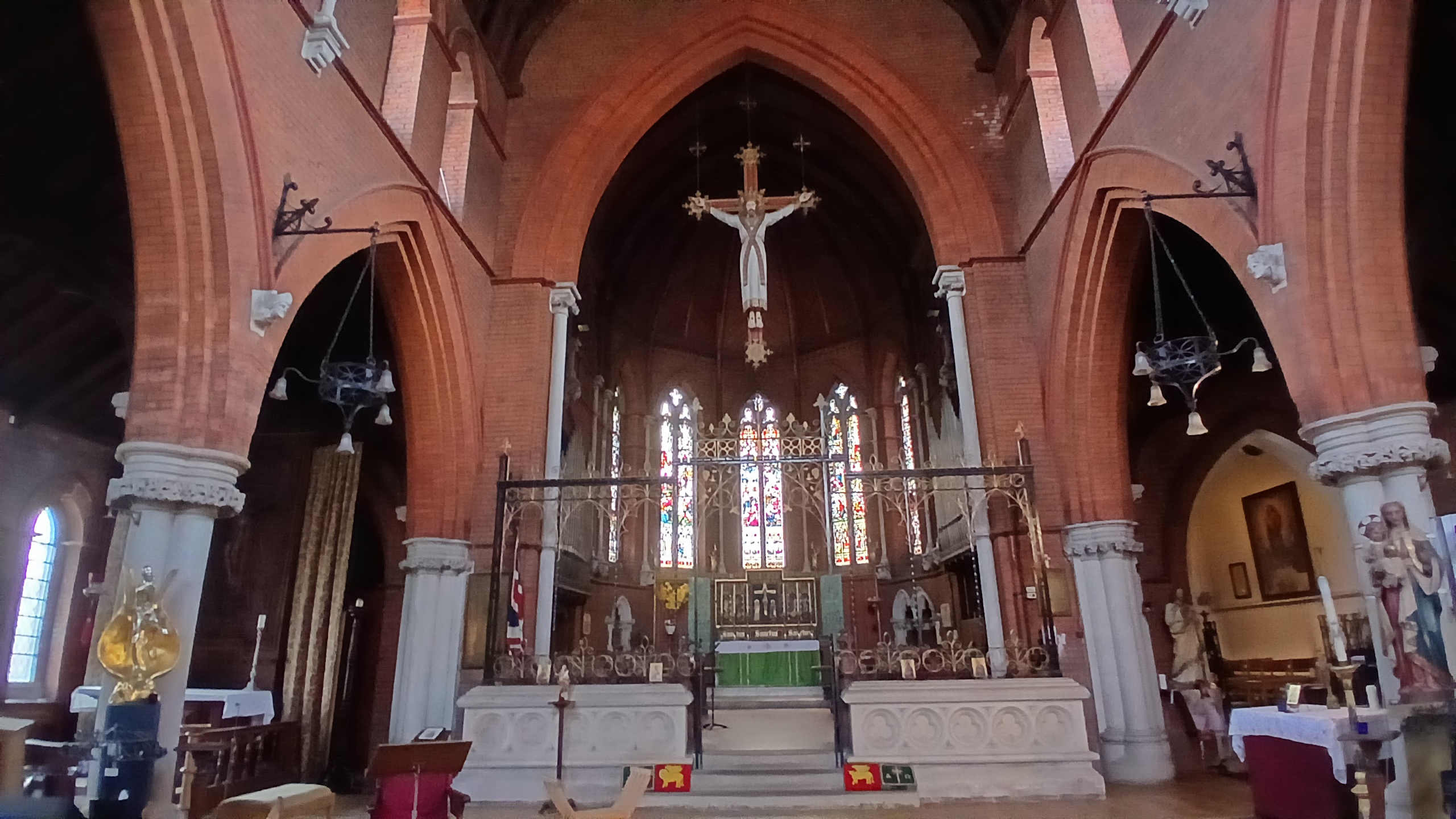
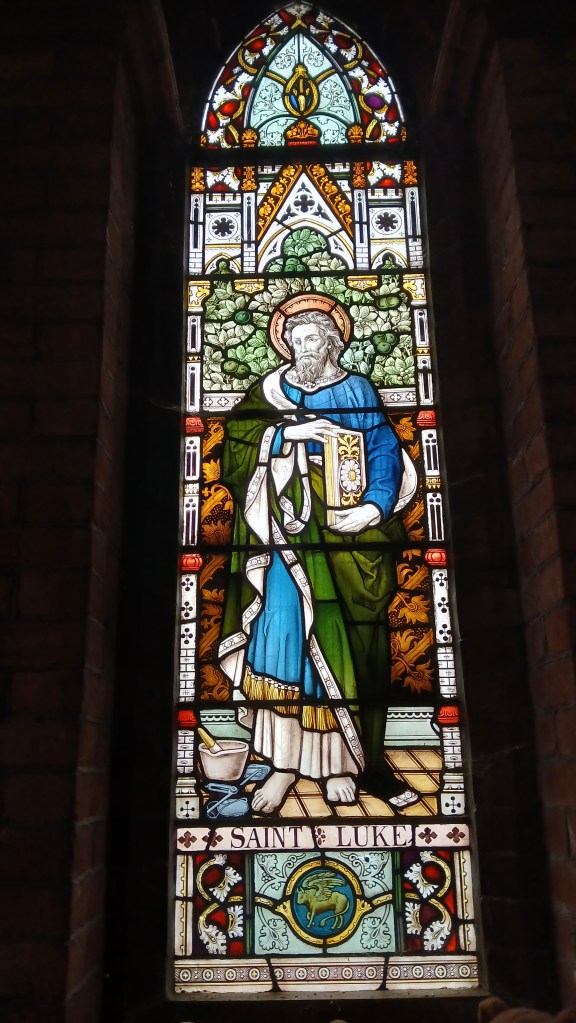
Every so often, I enter a church that looks very familiar. St Luke’s reminds me of churches I’ve visited in various locations from North London to Rome. The church is in the Anglo-Catholic tradition and this is reflected in the beautiful and detailed furnishings and decorations. There’s something special about stepping from a suburban, residential street into the quiet, peaceful beauty of a place of worship. St Luke’s has an interesting history: it was built between 1886 and 1887 to house railway workers living in the surrounding streets and working at nearby Kingston railway. The parish served by the church was poor, but the wife of the first vicar had good society connections and the church received sponsorship from Princess May Adelaide of Cambridge, granddaughter of King George lll and future mother of Queen Mary, wife of George V. This enabled the building of this prominent Grade ll Listed Victorian church. It was designed by Victorian architect practice Kelly & Ball which specialised in churches in the Italianate and Gothic Revival styles. Music has always been an important part of worship at St Luke’s and the church provides choral scholarships. Recent scholars have gone to Truro Cathedral and the Birmingham Conservatoire.
Sources: St Luke’s website; Wikipedia

Everyday Church, Kingston
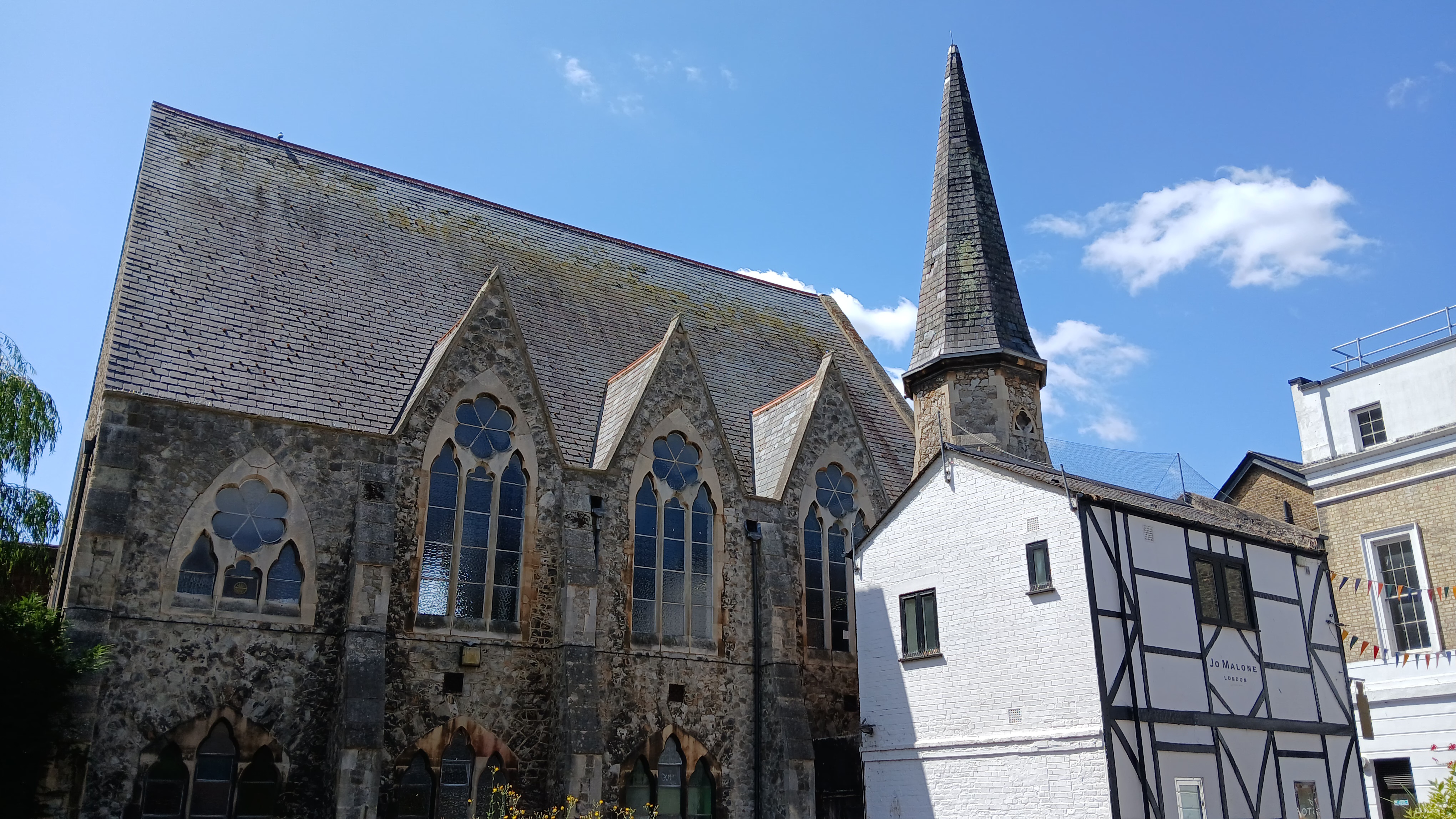
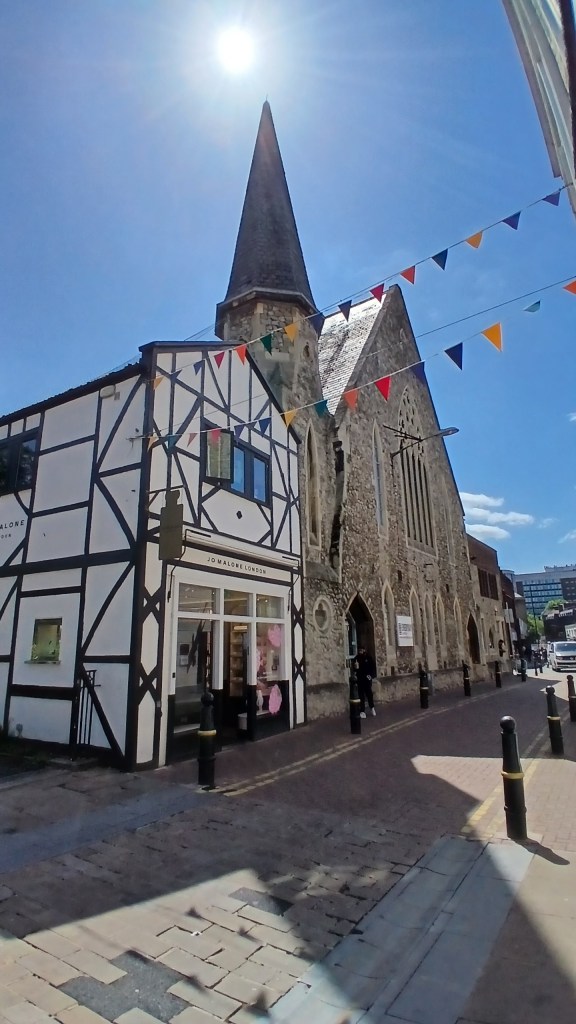
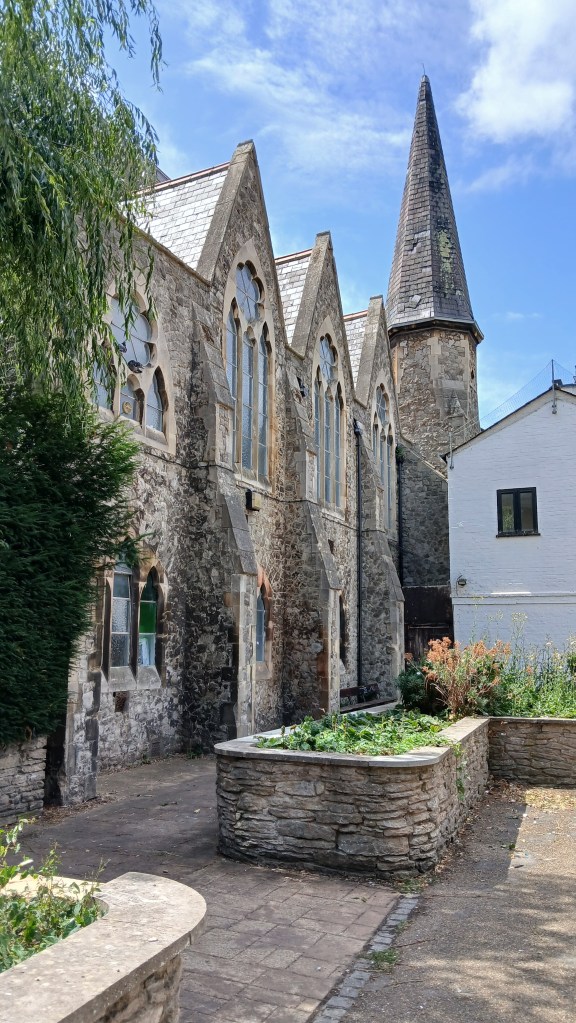
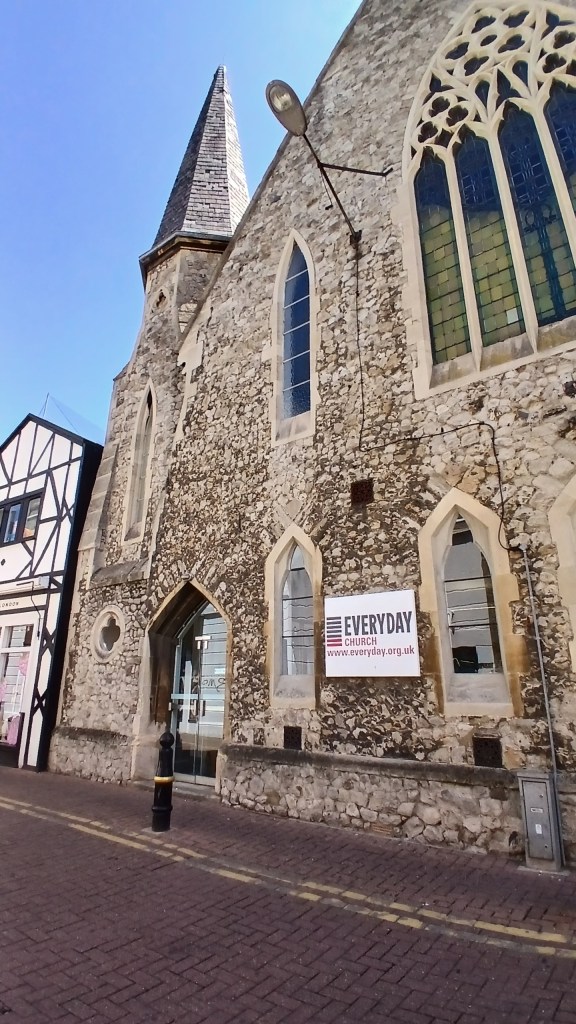
This was the only church I couldn’t venture inside as when I visited there was a very busy Foodbank in session, so obviously I couldn’t go in and take photographs, But what really interested me about this church was the outside. Located on Union Street in a busy shopping centre, the 1864 church building looks somewhat out of place, and then there’s the two storey Tudor looking building attached to it. This is actually an Edwardian structure with a Grade ll Listed mock-Tudor façade, built in 1909 for Jesse Boot’s new Boots Chemist shop. The shop has had several changes of use and is now a branch of Jo Malone’s high-end fragrance and toiletries store. So, selling similar products to its predecessor over 100 years ago! Back to the church: this was formerly Kingston Baptist Church, the first building was constructed in 1790, replaced by the present building in 1864. The church transitioned to Everyday Church in 2013 following a merger with Southfields and Queen’s Road Wimbledon Baptist Churches. Under the heading of ‘Social transformation’ the church engages in many and varied community-based activities: Foodbank sessions twice a week, CAP (Christians Against Poverty) courses, Street Pastors and Power the Fight (empowering communities to end youth violence.)
Sources: Church website; AI (yes, I have to admit I’m using AI as a source!)
St John’s, Hampton Wick
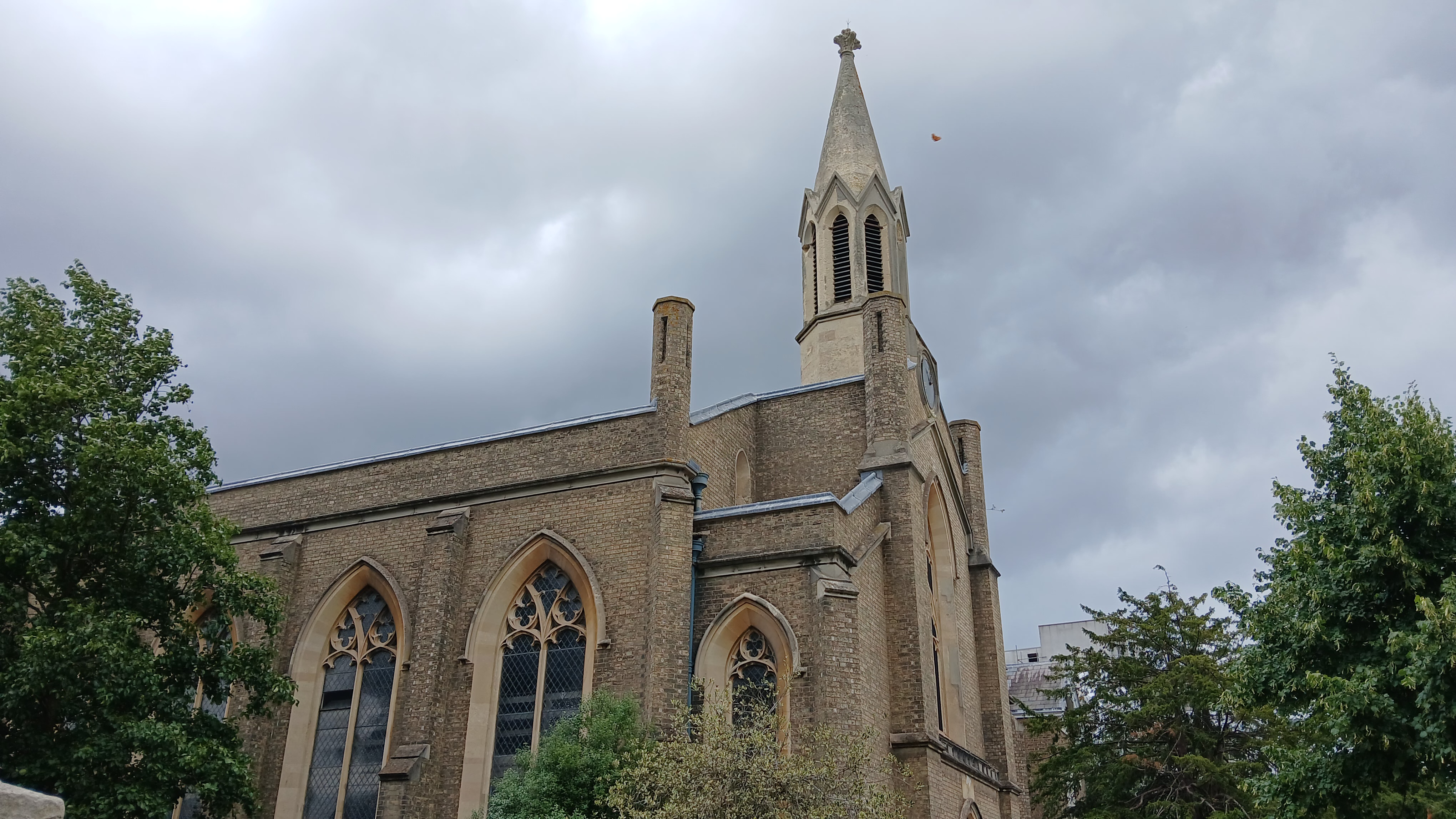
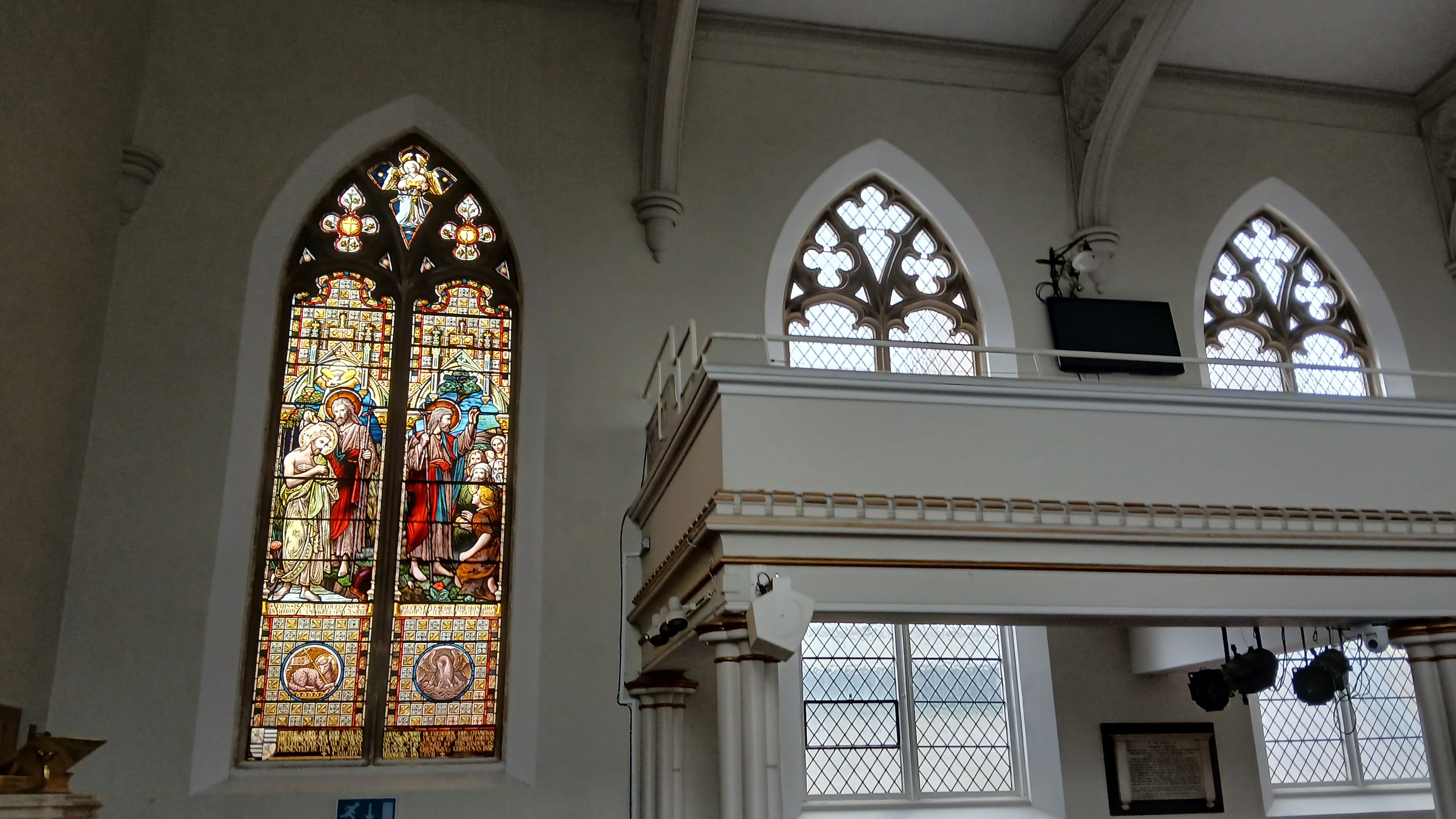
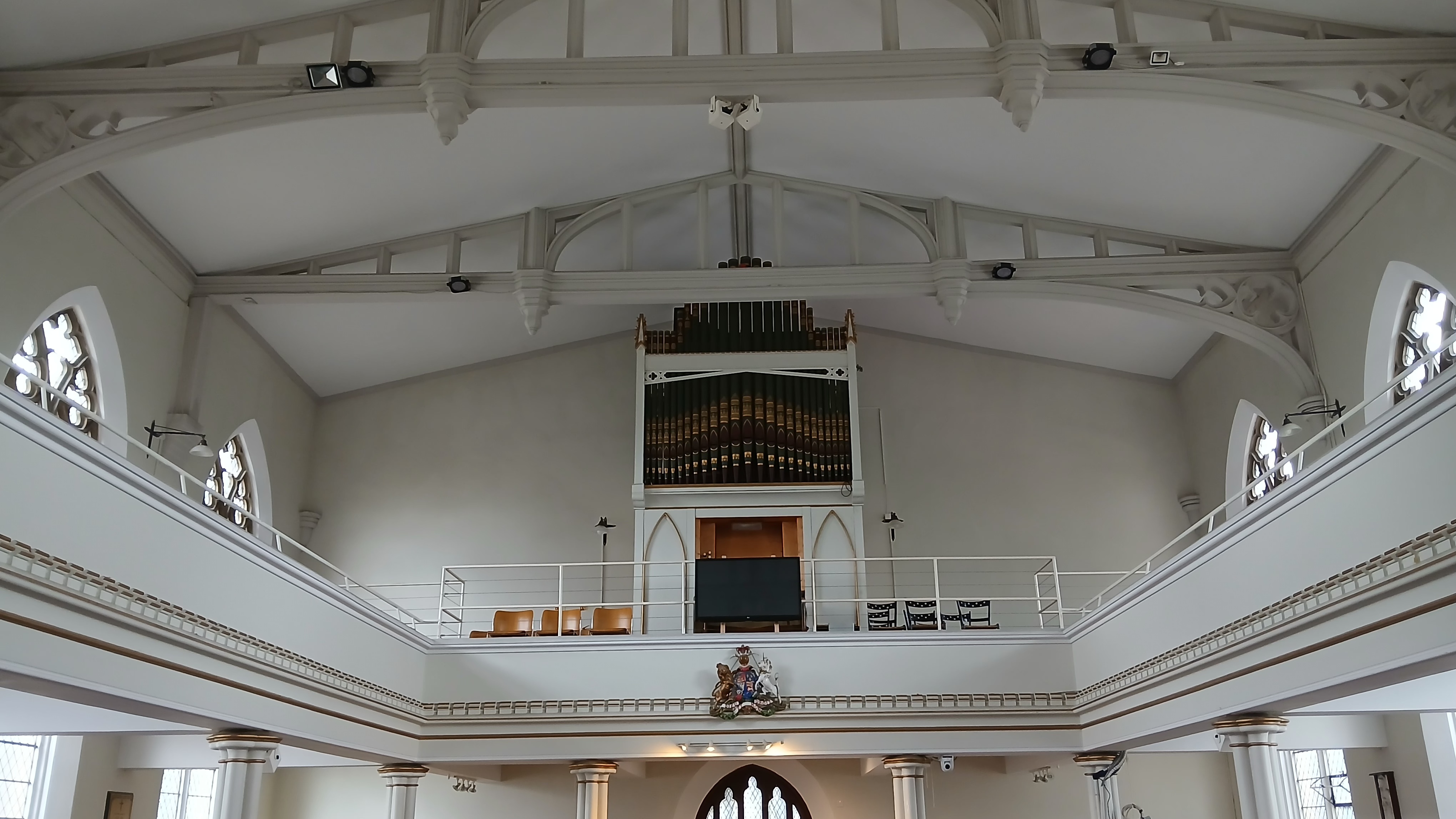
On Google Maps I noticed a church on the other side of the River, just across the road from Hampton Court Park, so I decided to take a look. This is St John’s, Hampton Wick, built to a design by architect Thomas Lapidge in 1829- 30 in the Gothic Revival Style. Lapidge also donated the land for the church and partly funded it. He also designed the present Kingston Bridge nearby. The church closed in 2000, but reopened five years later in 2010 as part of the Church of England’s church replanting scheme, and regular services resumed in December 2010. In 2024 St John’s partnered with St Mark’s, Teddington and the two churches share a vision for serving their respective communities. As their website states: ‘One church, two locations.’ When I arrived at the church a staff meeting was taking place, after which I chatted to Connor, who told me a bit about the church today. Connect Groups are at the heart of the two churches, and these are run at different times of the day, five days a week, for all ages, stages of faith and individual circumstances, including a Baby and Toddler Group and a Seniors Group. I think this church has a real vision for getting people to connect where they are, and to include everyone!
Sources: Connor (in the church); church website; Wikipedia


 claresimons1