Another group of gardens, green spaces which offer a peaceful retreat from the hectic pace of the City and its surroundings. These four are all called St John, three of them are linked, three are former burial grounds which were converted to gardens in the Victorian era, and these three are all now conservation areas or nature reserves All are open and free to visit during daylight hours.
St John’s Waterloo
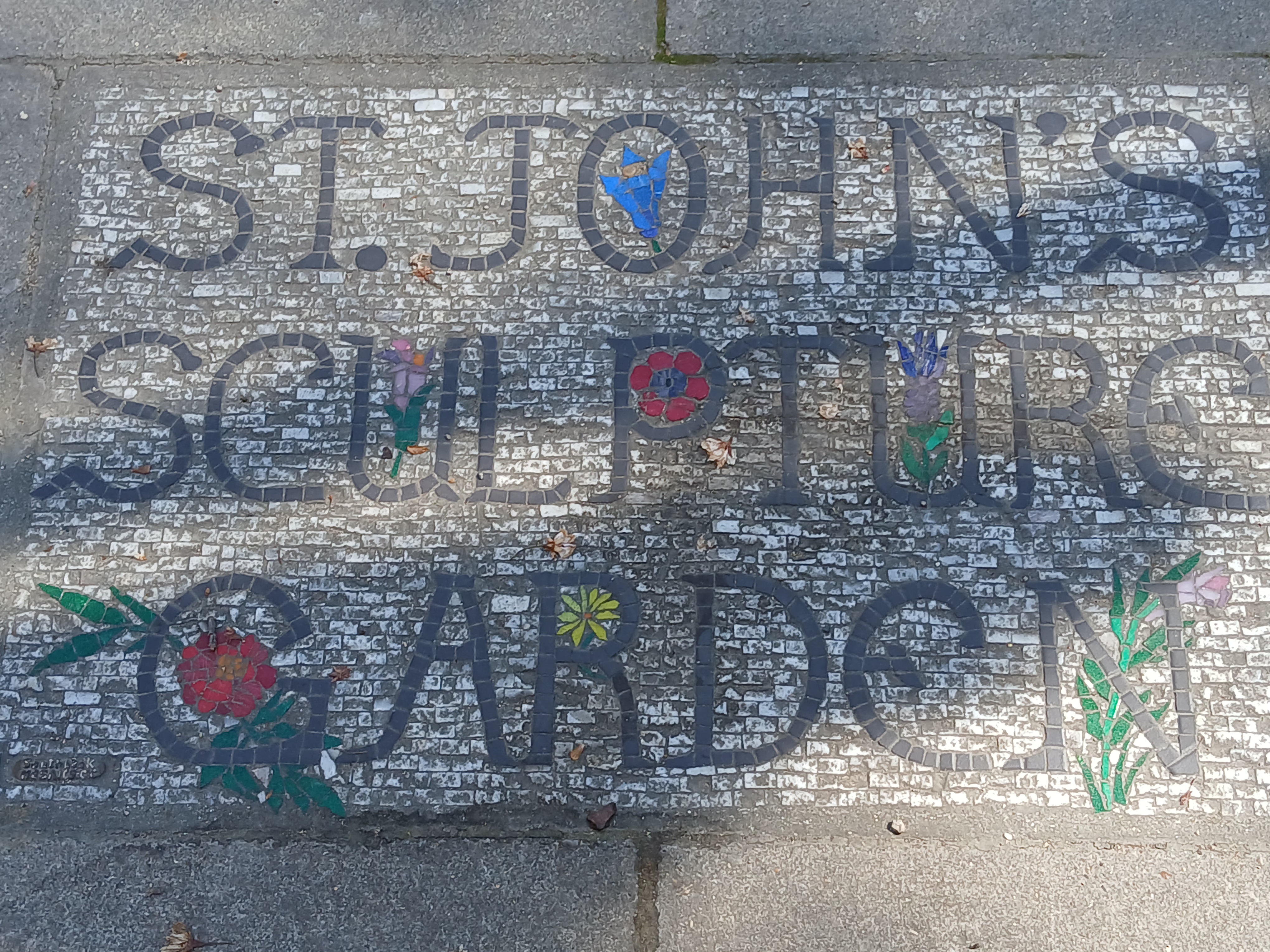
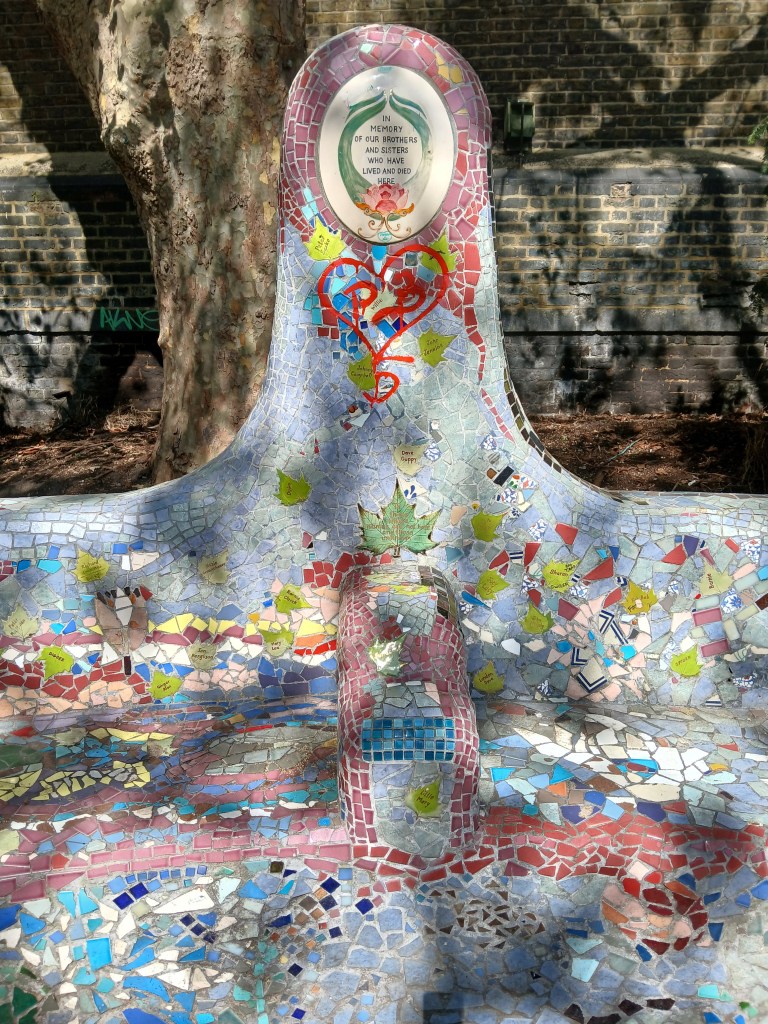
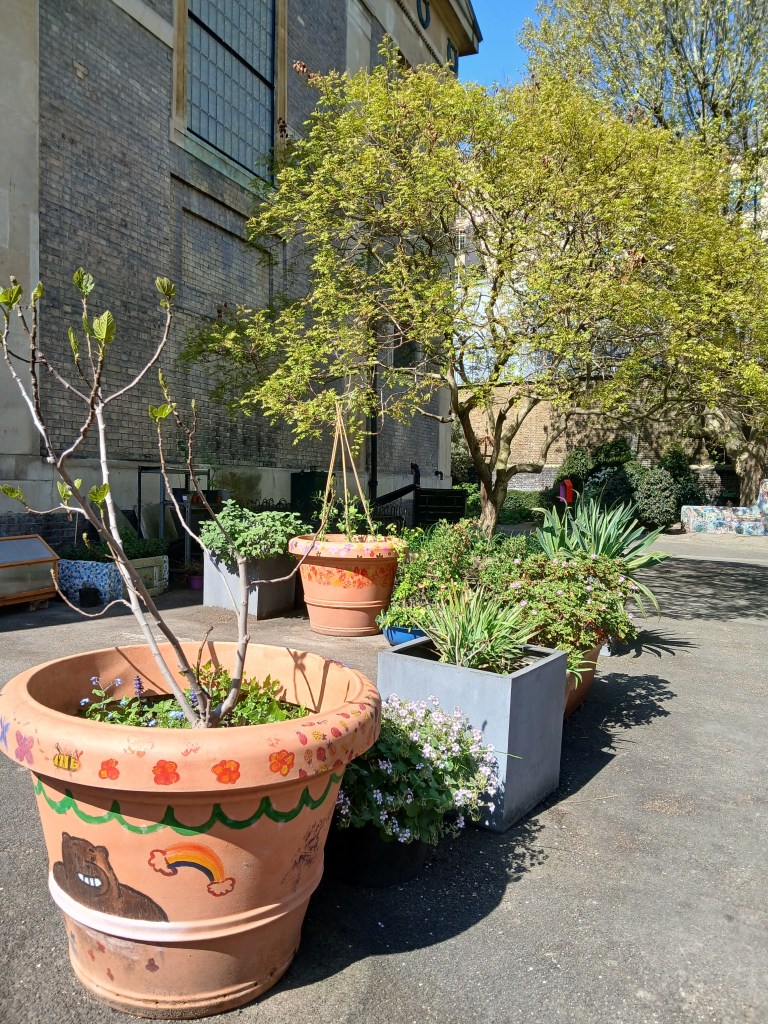
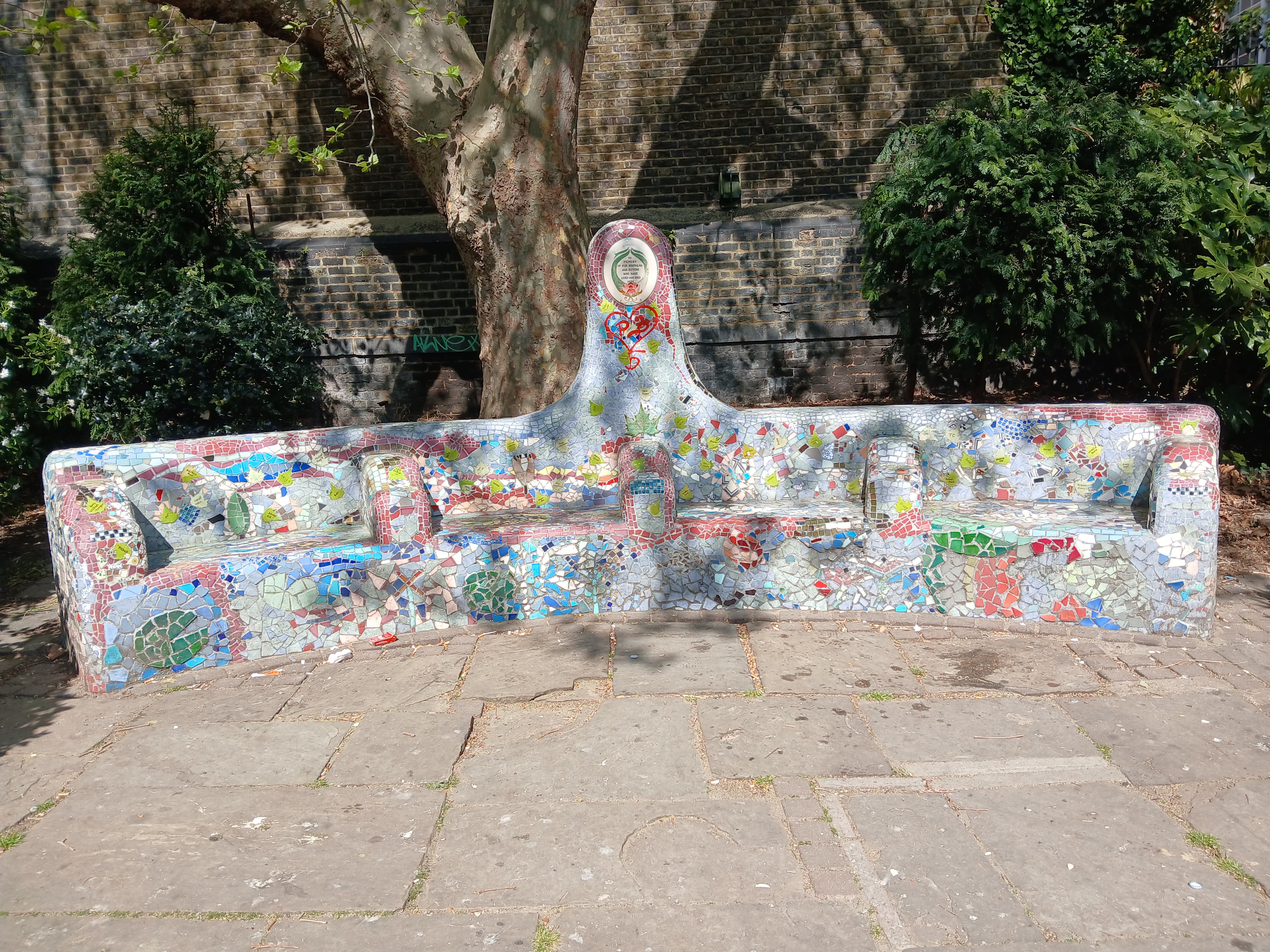
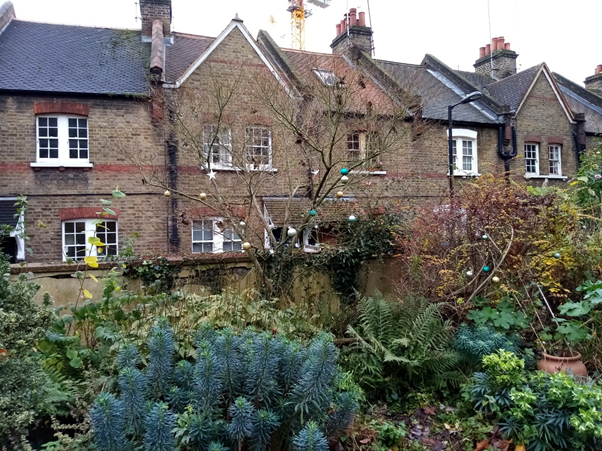
This garden lies on the site of the former churchyard of St John the Evangelist Church, Waterloo. The churchyard was closed to burials in the early 1800s and converted to a public garden in 1877. Octavia Hill, co-founder of the National Trust, and her sister Miranda, were passionate about the need for green spaces for Londoners to enjoy, and they were instrumental in the design and establishment of the garden. As with many former churchyards, some gravestones are stacked against a perimeter wall and there are pretty flowerbeds and herbaceous borders, one of which is maintained by London homeless charity, St Mungo’s. The crypt of the church was once the home of Southbank Mosaics (now the London School of Mosaic) and there are several mosaics hidden around the garden. Of particular interest is the bench, made of mosaic tiles and dedicated to homeless people who have died on the streets, who are named on the bench. The garden is managed by a community gardener and volunteers, and contains hedges that reduce air pollution and a wildlife garden to encourage birds and insects.
Sources: London: The Hidden Corners for Curious Wanderers; Jack Chesher@livinglondonhistory, Frances Lincoln Publishing, 2025
lambeth.gov.uk/parks/stjohnschurchgardens
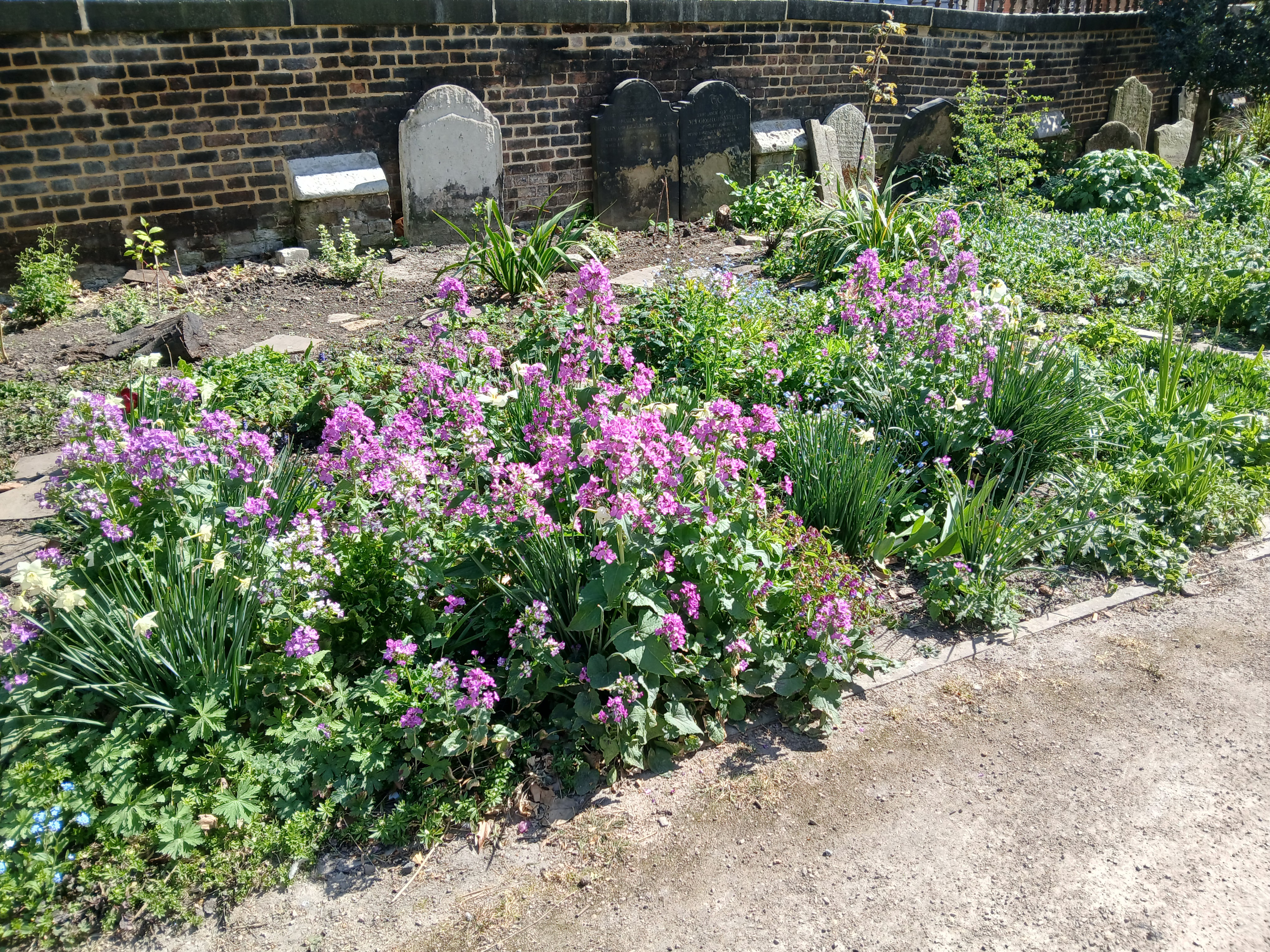
St John’s Gardens, Islington
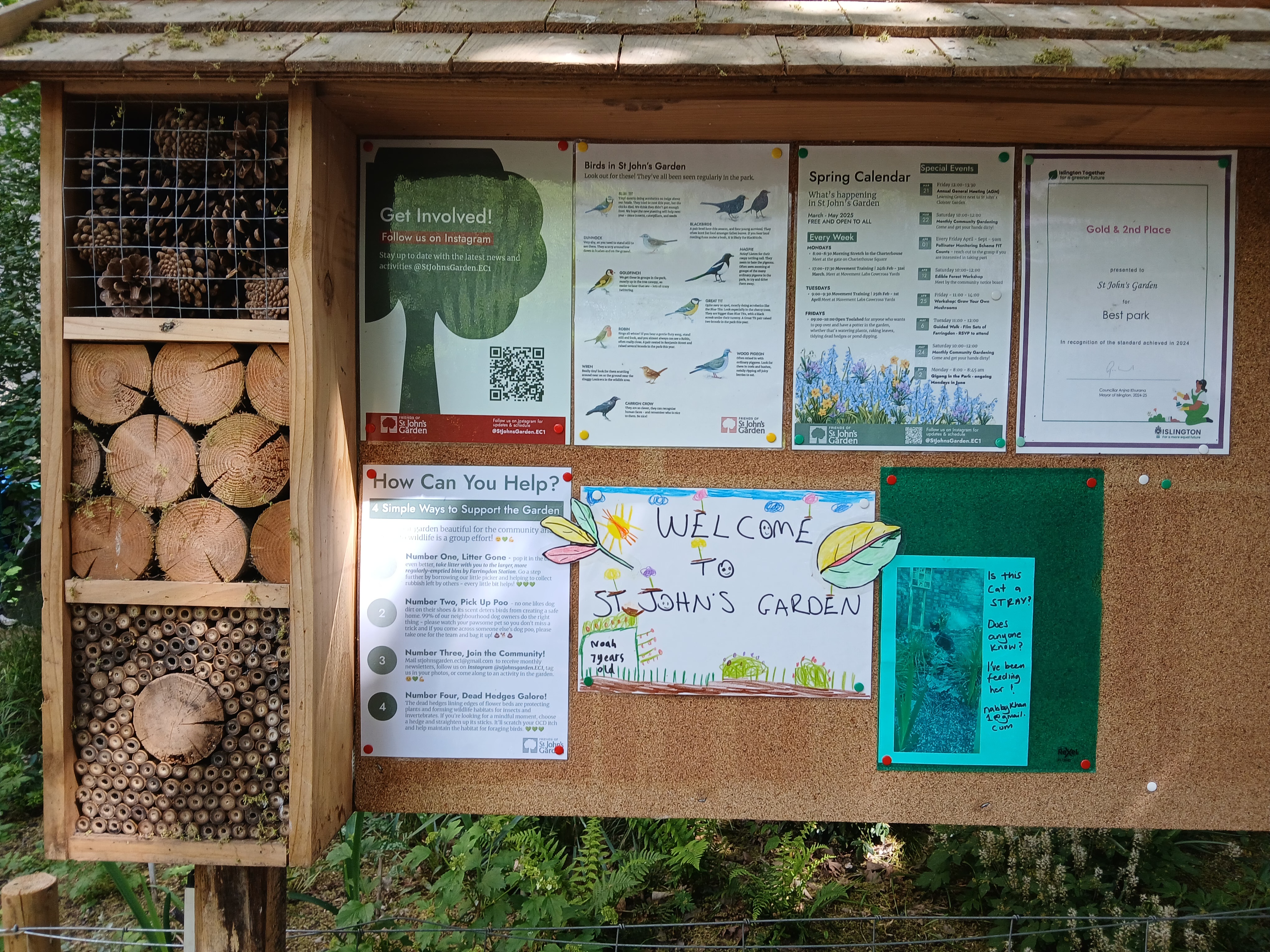
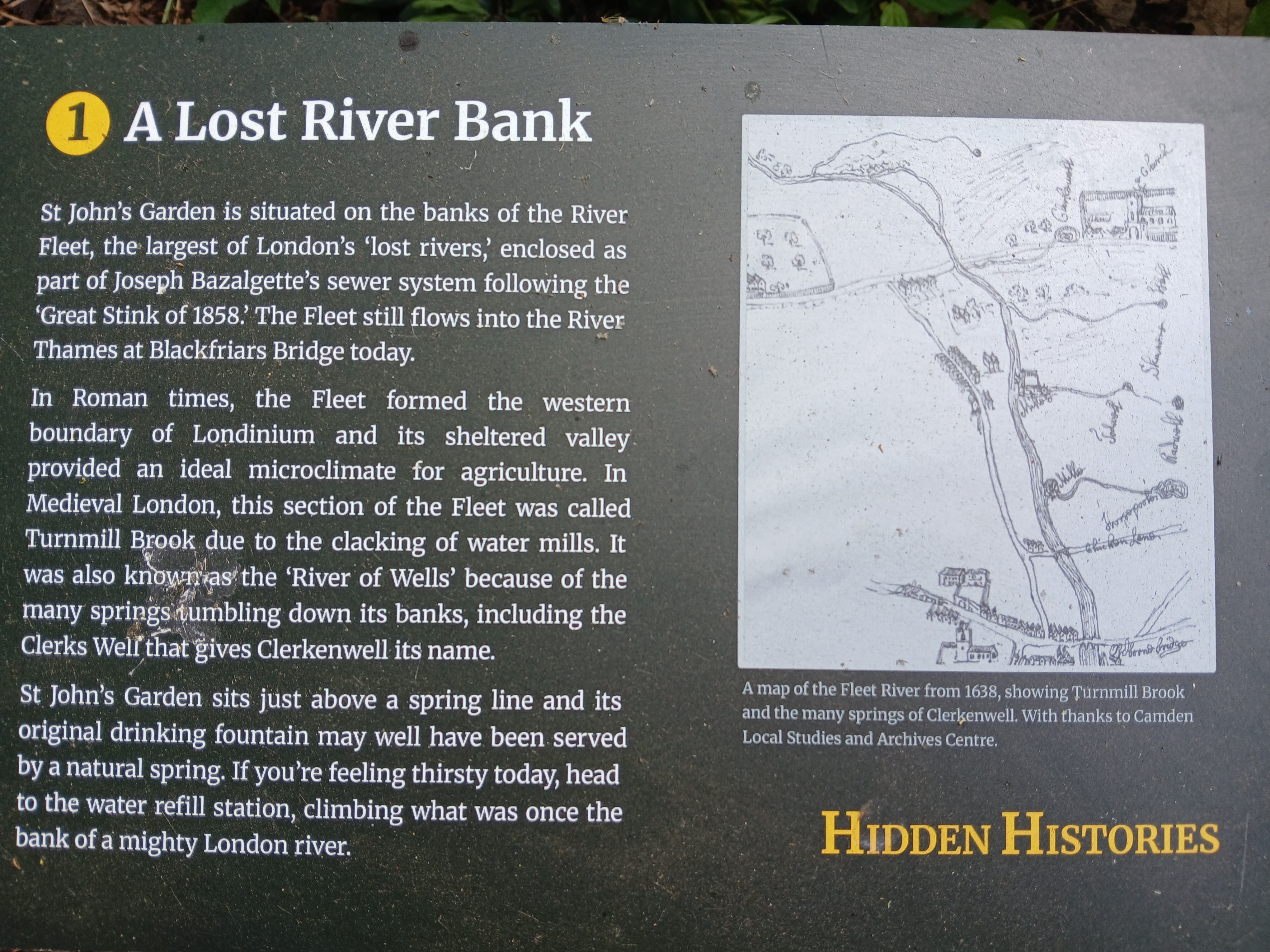
I actually thought that this garden and St John’s Priory Garden were the same place; in fact both were part of the medieval precincts of St John’s Priory which covered a large area of Clerkenwell. This garden is a former burial ground used mainly for the burial of the poor, which was later converted into a Victorian ornamental garden. During the intervening years between closure of the burial ground in 1854 and conversion to a public garden in 1870, the area was used as ‘a sort of waste ground on which pots and pans and refuse of all kinds, were flung from the neighbouring houses.’ Clerkenwell was a particularly deprived area of the City and the garden was intended to provide ‘a nook of greenery in this dingy and squalid part of London, where the workman may smoke his pipe in the dinner hour and feeble folk rest and chat in the summer sunshine.’ Today the garden is a designated Site of Importance for Nature Conservation, with year-round pollinating plants, bird boxes and bug hotels. When I visited there were office workers, construction workers and some retirees enjoying the spring sunshine – its original purpose lives on!
Source: londongardentrust.org
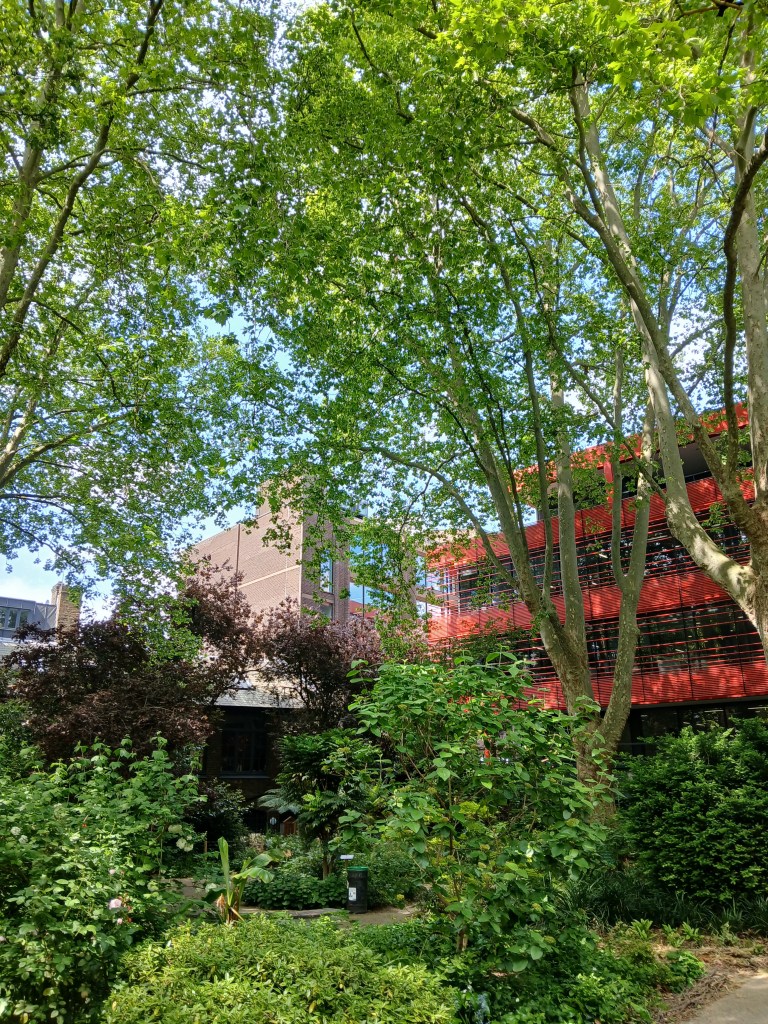
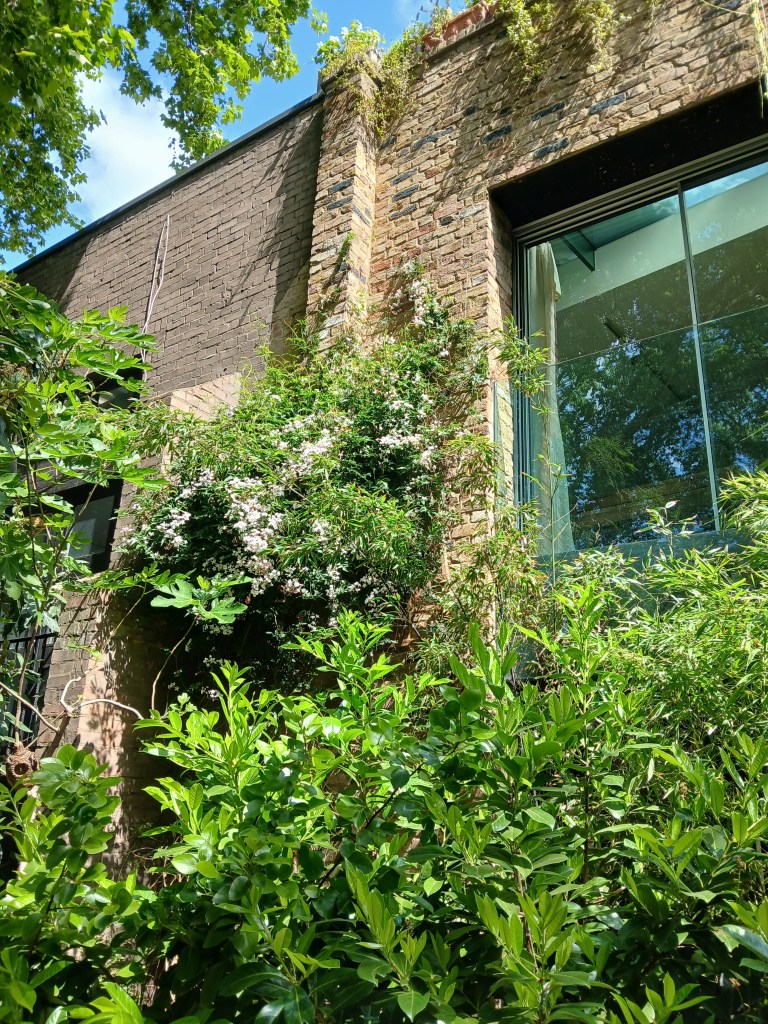
St John’s Priory Garden
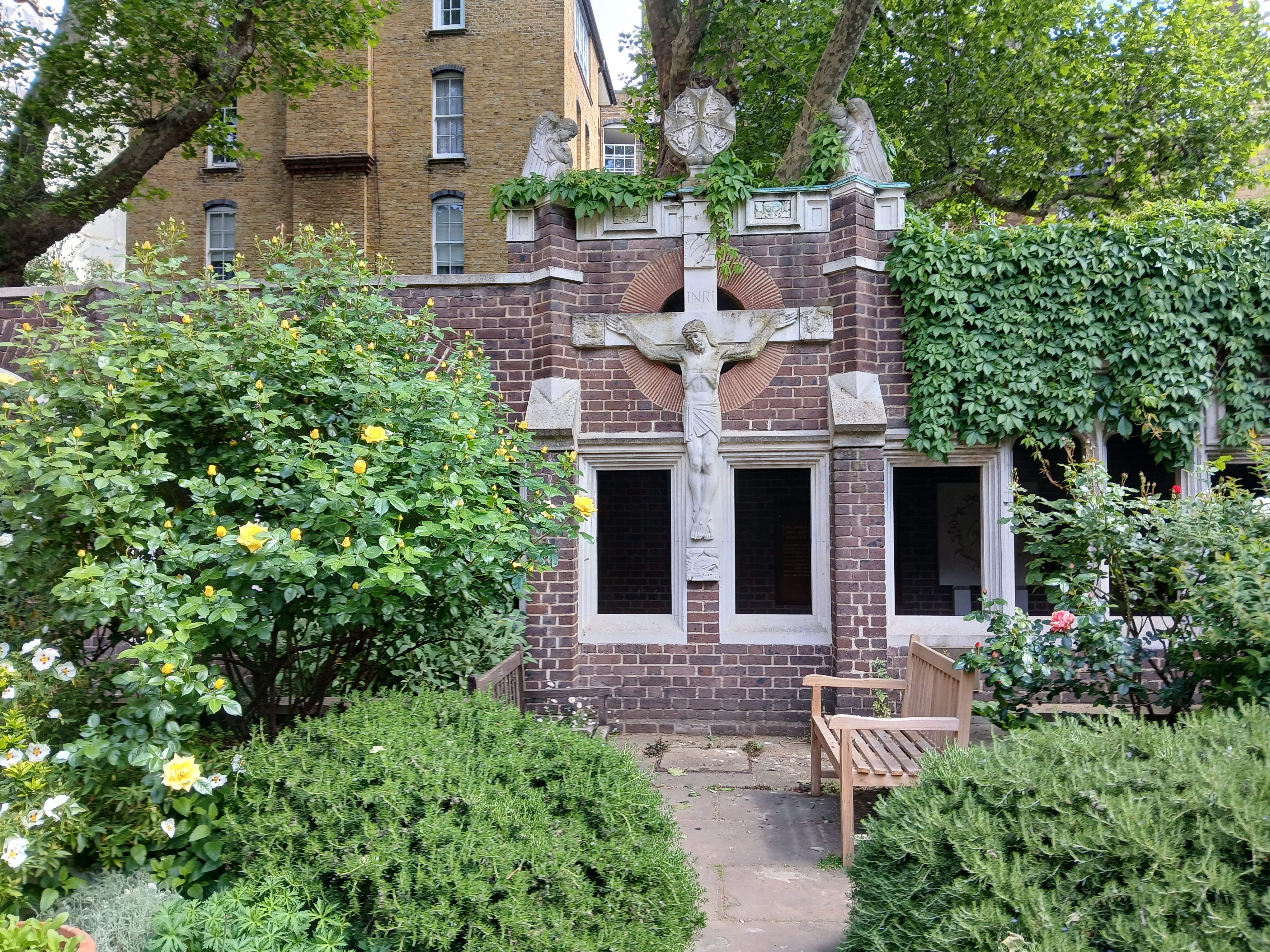
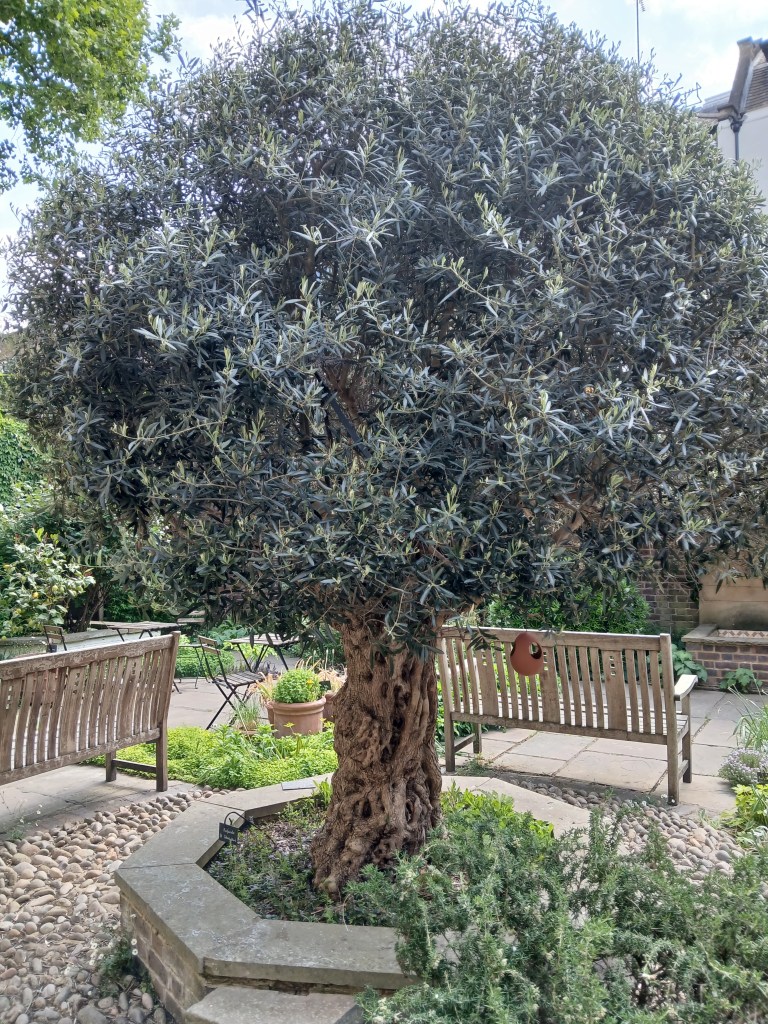
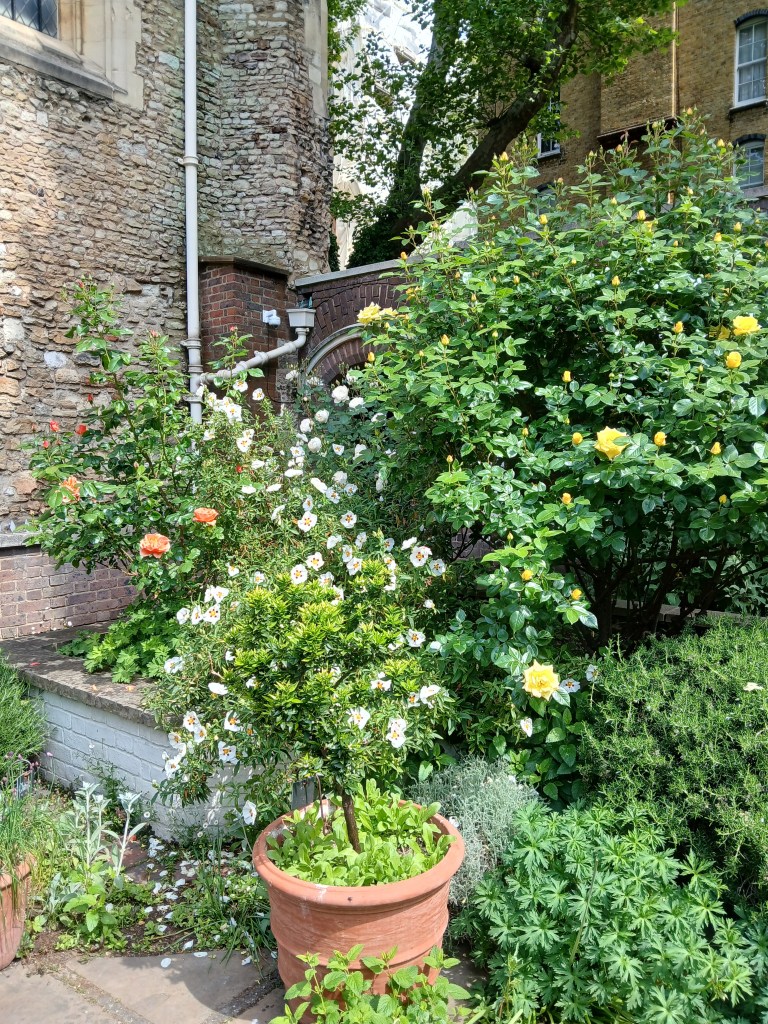
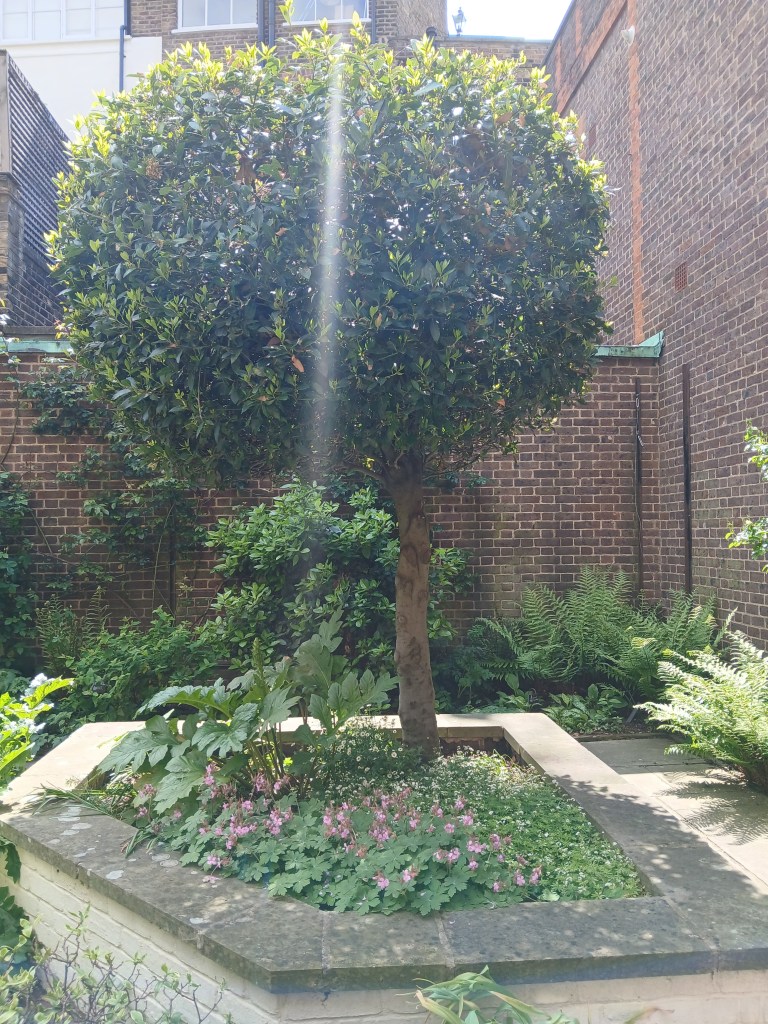
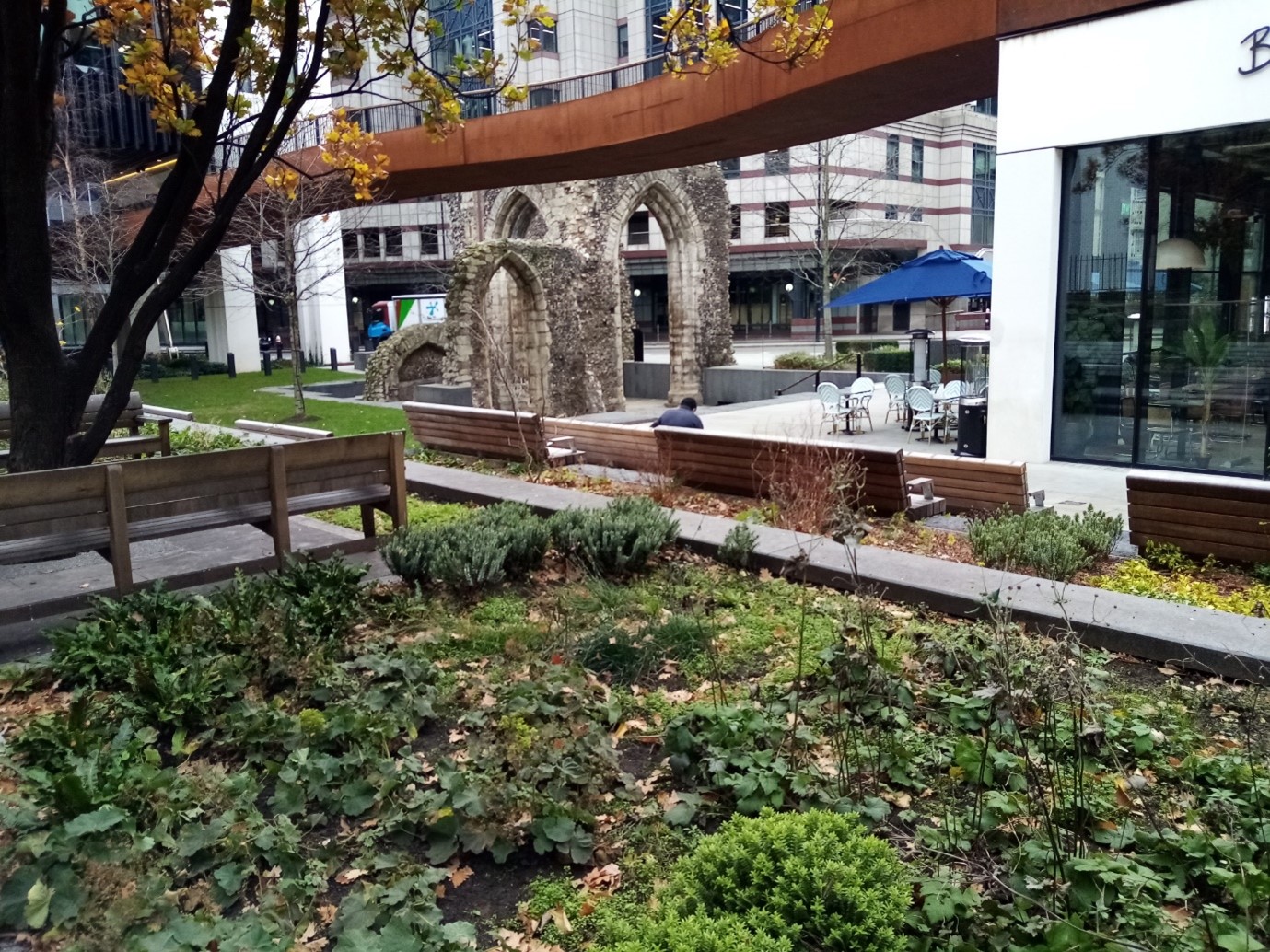
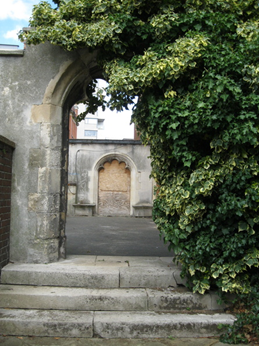
This garden is part of the Museum of the Order of St John at St John’s Gate. The Cloister Garden, as its known, has an outline of the original 12th century round church marked out with cobblestones and with an olive tree in its centre. The garden was established between 1955 and 1958 when the later church was restored after being bombed in 1941. Most famous today for being the foundation of St John’s Ambulance, the Order’s historic nursing and medical role is reflected in the garden by the planting of the medicinal herbs used in patient care in their medieval hospitals. As well as being a delightful place to wander and rest, it is also a memorial garden for members of the St John Foundation who lost their lives in two world wars. Adjacent to the garden, before entering it through an archway, there is a memorial chapel with remembrance plaques to the lost. When I visited in early May, the trees and shrubs were coming into flower in this ‘small but perfectly formed’ garden. There are also proportionately more benches than I’ve seen in any other public garden!
Source: Noticeboards in the Garden

St John’s Wood Church Garden
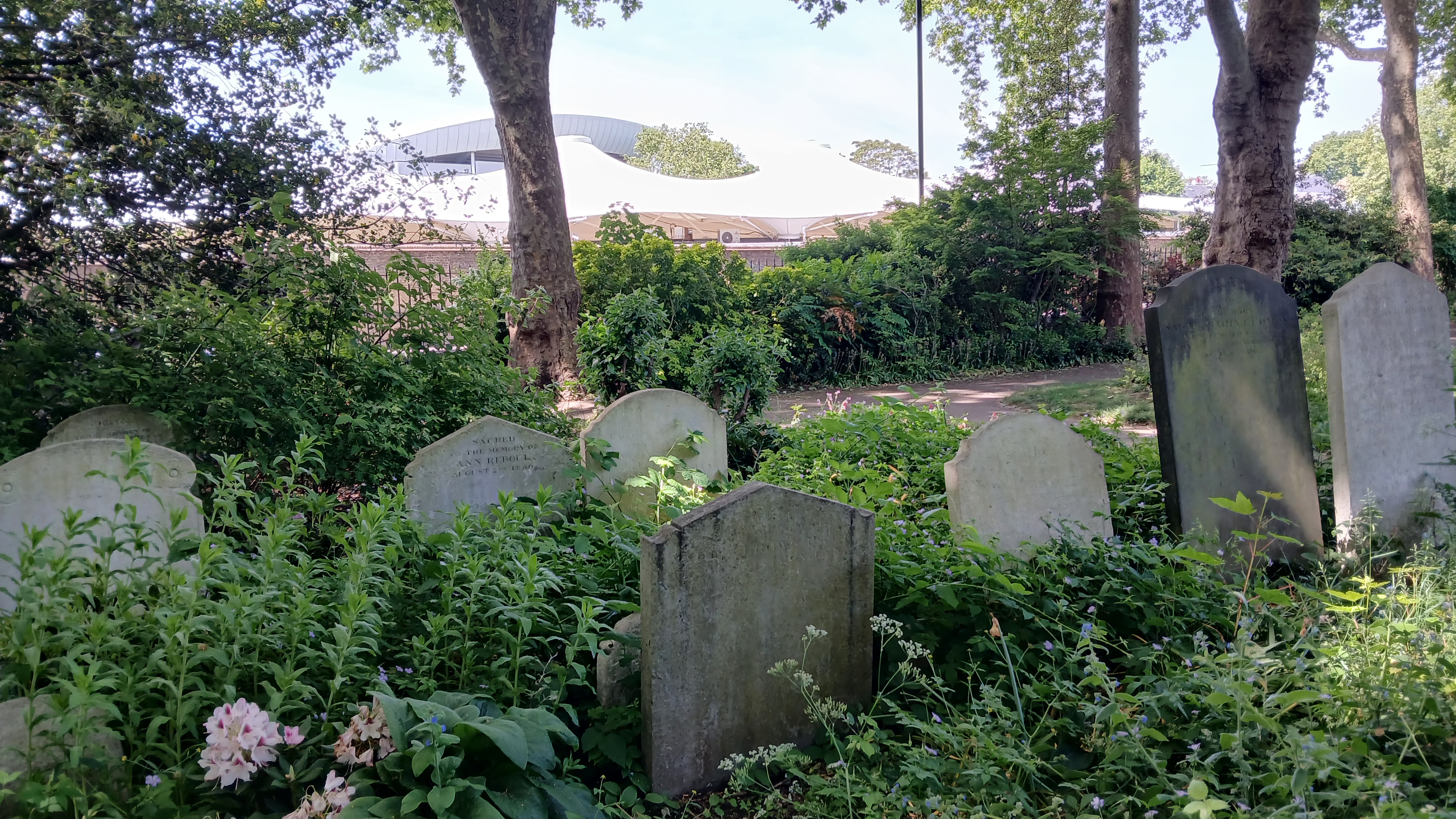
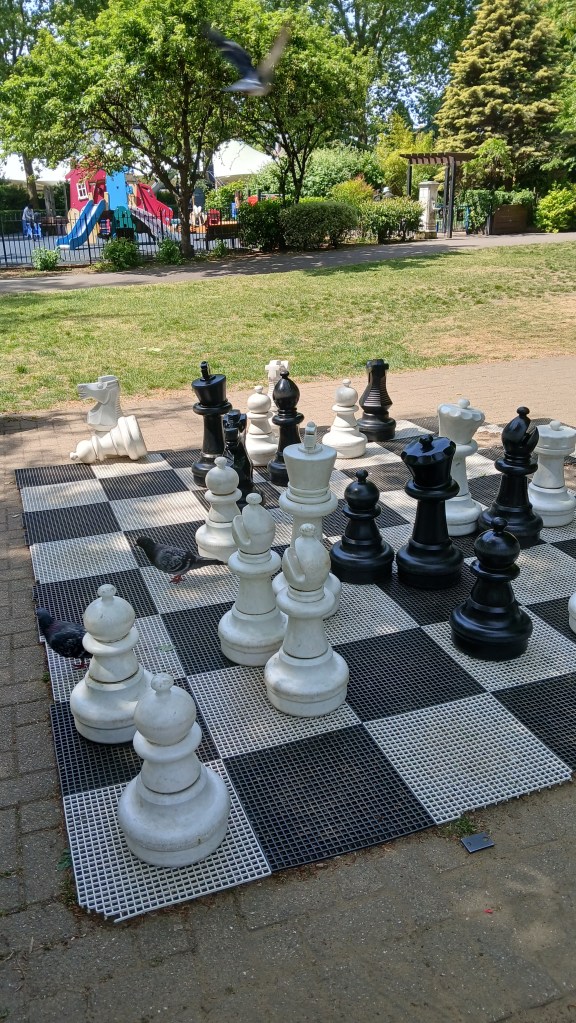
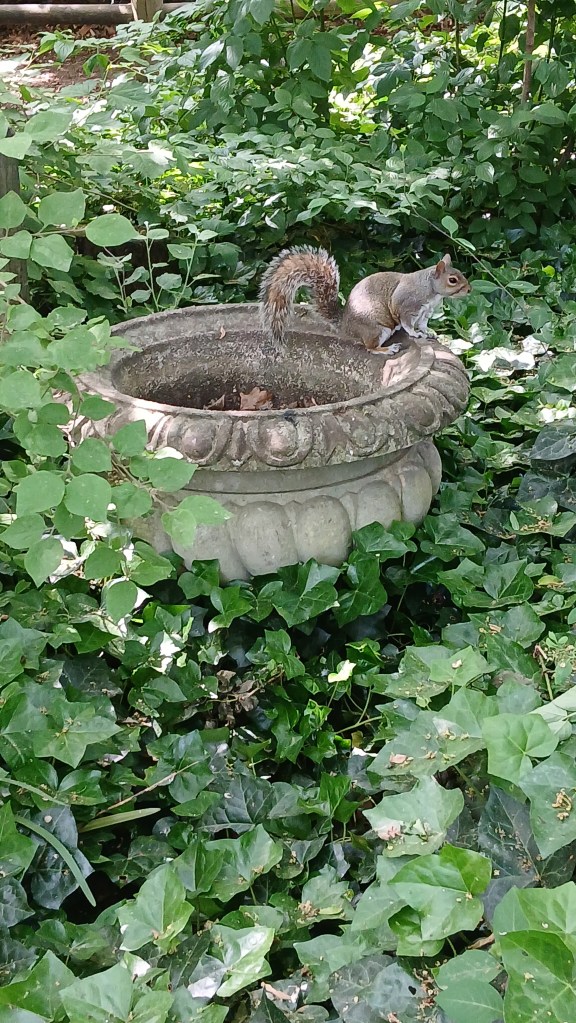
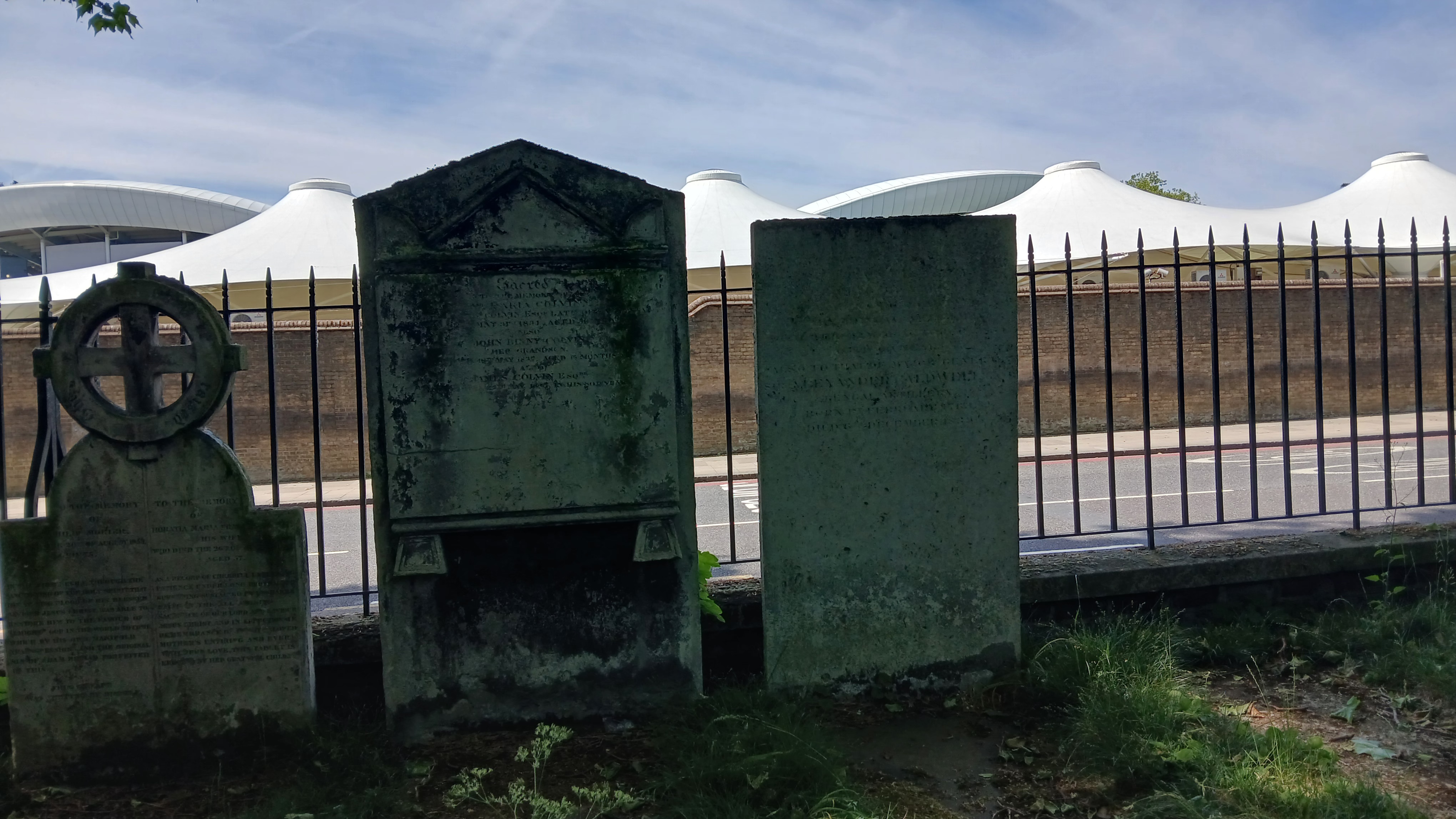
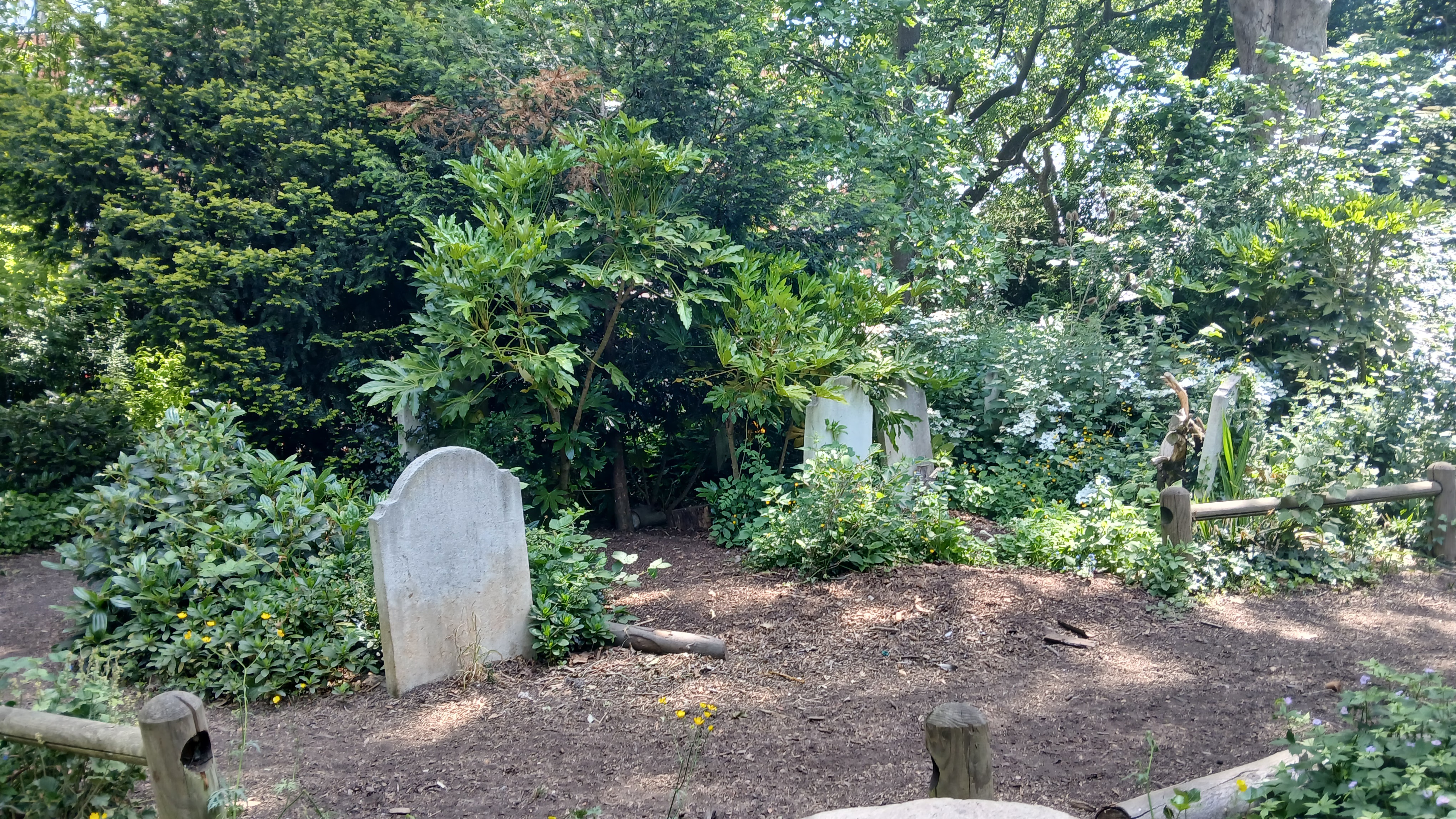
This church garden in NW8 has a connection with the Order of St John: the land was owned by the Order in medieval times. Following the Dissolution of the Monasteries the land passed to the Crown (i.e., Henry Vlll) was later sold into private ownership and finally sold back to the Church for the establishment of a new church and burial ground, which were both consecrated in 1814. The consecration ceremony was organised by a vestryman, one Thomas Lord, who had established his new cricket club on its final site only a few months before. He offered his newly erected cricket pavilion to provide the refreshments for the occasion. The burial grounds, on either side of a large grassed area, are still consecrated ground and one side is a nature reserve, the only Local Nature Reserve in the City of Westminster. On the other side, the latest, futuristic looking pavilion of Lord’s Cricket Ground can be seen from the graveyard. This lovely garden is so diverse: there’s a tropical garden with various types of palm tree, a children’s play park, a giant chess set and the aforementioned nature reserve, surprisingly quiet and secluded. Winding paths and benches are set amongst the gravestones, where I snapped a squirrel in an ornamental urn!
Sources: Wikipedia; Noticeboard in the Gardens


 claresimons1