February: Churches on the London Wall ll

I’m continuing my tour of churches built inside and outside the London Wall. The originals of these four churches (and the four that I documented in November) were built from the 11th Century onwards and were situated close to the gates into the City so that travellers leaving the City could pray for safe travels before they set off, and those entering could give thanks for a safe journey completed!

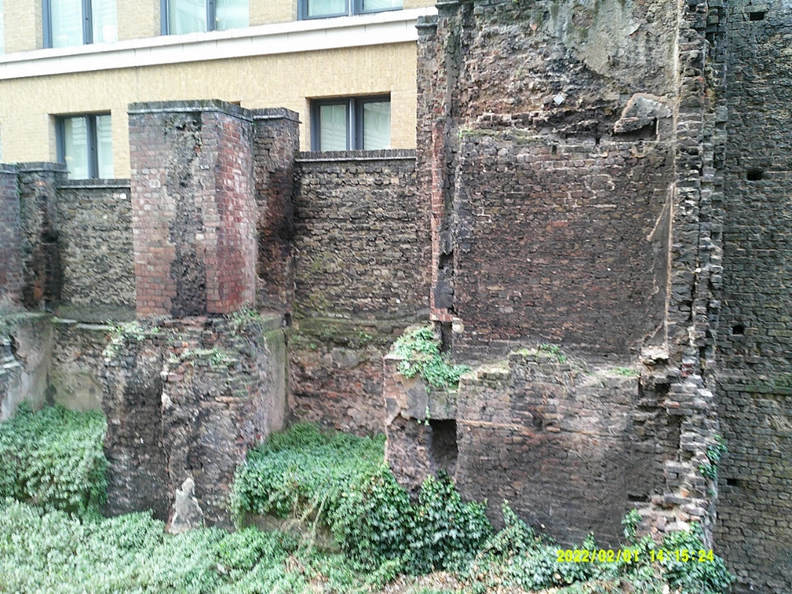
At the Barbican and the Museum of London, the route of the Wall turns South and sadly there is very little surviving, having been demolished over the centuries. However, crossing London Wall (the name of the road) just before the MOL into Noble Street, there is the remains of a Roman garrison which was built onto the Wall. Just on the ‘outside’ of the Wall is the church of

St Anne and St Agnes

I was not able to visit this church, it’s only open to the public on one day per week, due to having another function (more on that later.) Lots of historical interest around the area; as well as the large section of the Roman fort to see, there were several City Guild Livery Halls in this area: Coachmakers’ Hall, Goldsmiths’ Hall, Waxchandlers’ Hall (I don’t know what that is!) None of these buildings remain, having been swallowed up by the glass and steel of modern office buildings. The church itself was rebuilt by Wren after fire damage, but almost destroyed in the Blitz in 1940. It was rededicated in 1966, largely through donations by the worldwide Lutheran church for use by Estonian and Latvian immigrant communities, who worshipped here until 2013. Past parishioners include the English Dissenters poet John Milton, author John Bunyan and John Wesley, who preached here twice in 1736. The church is now the home of VOCES8 Foundation, an educational charity which ‘delivers world-class performances, education and community engagement to ensure Music Education For All.’ From their Website. Their music outreach programme goes into disadvantaged schools in Tower Hamlets, Hackney and Newham. I love this repurposing of a City church!

References: Church Website and VOCES8 Website
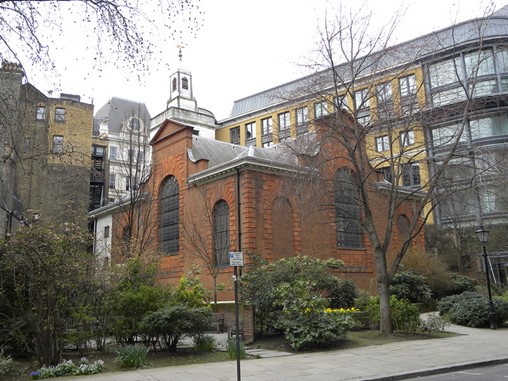
St Anne and St Agnes (The Roman Wall is to the right)
Remains of the 1st Century Roman Garrison and Wall
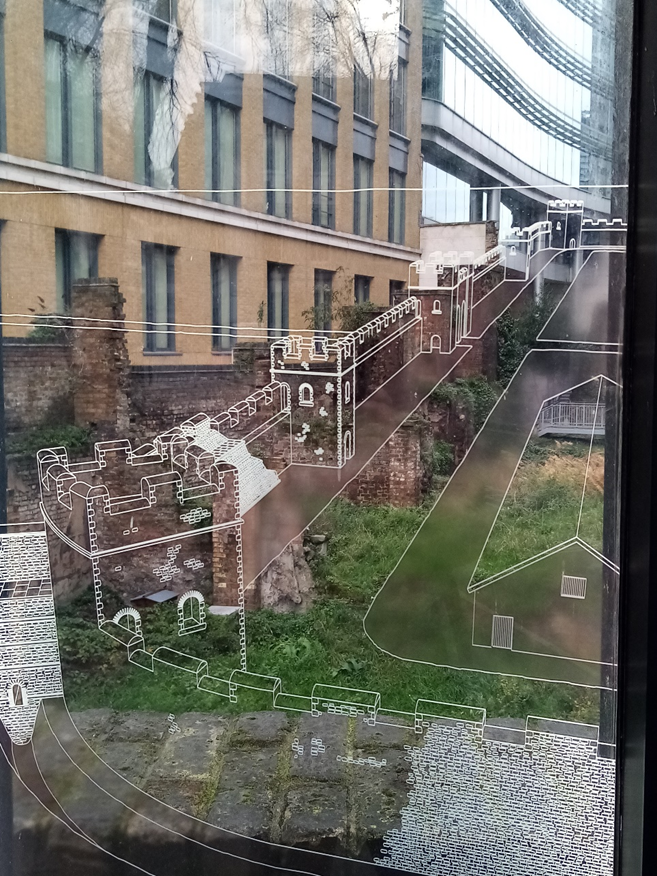
There are Perspex panels at each end of Noble Street which you can look through to see what the Roman Wall and Fort would have looked like back in the day.

St Botolph Without Aldersgate

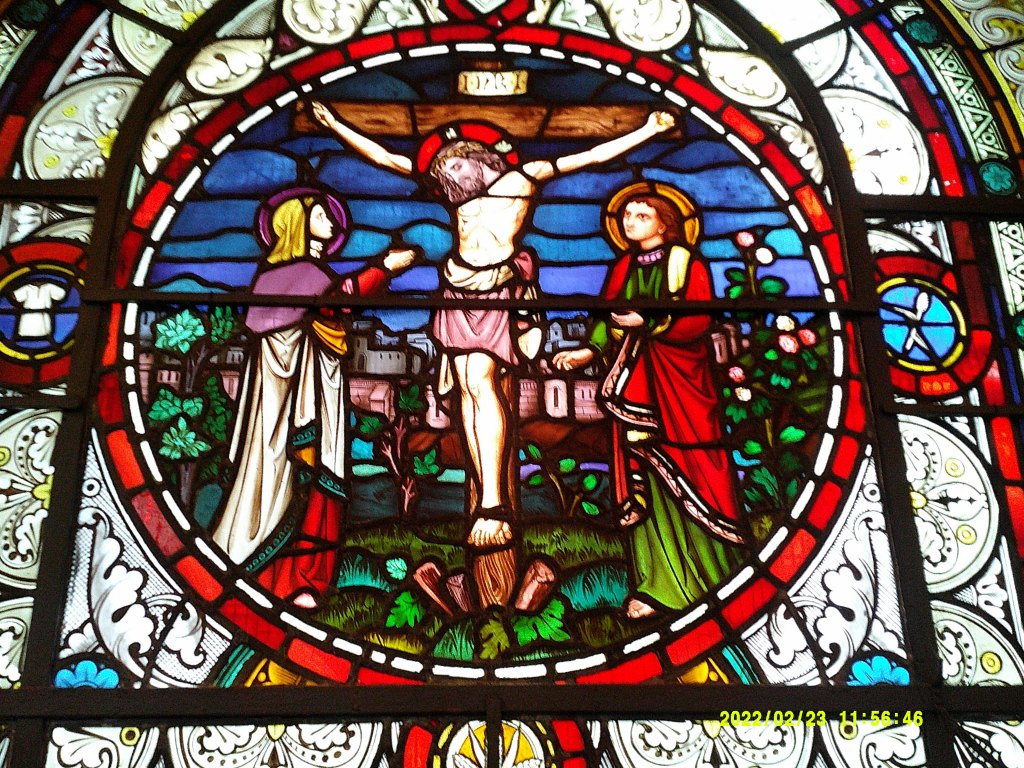
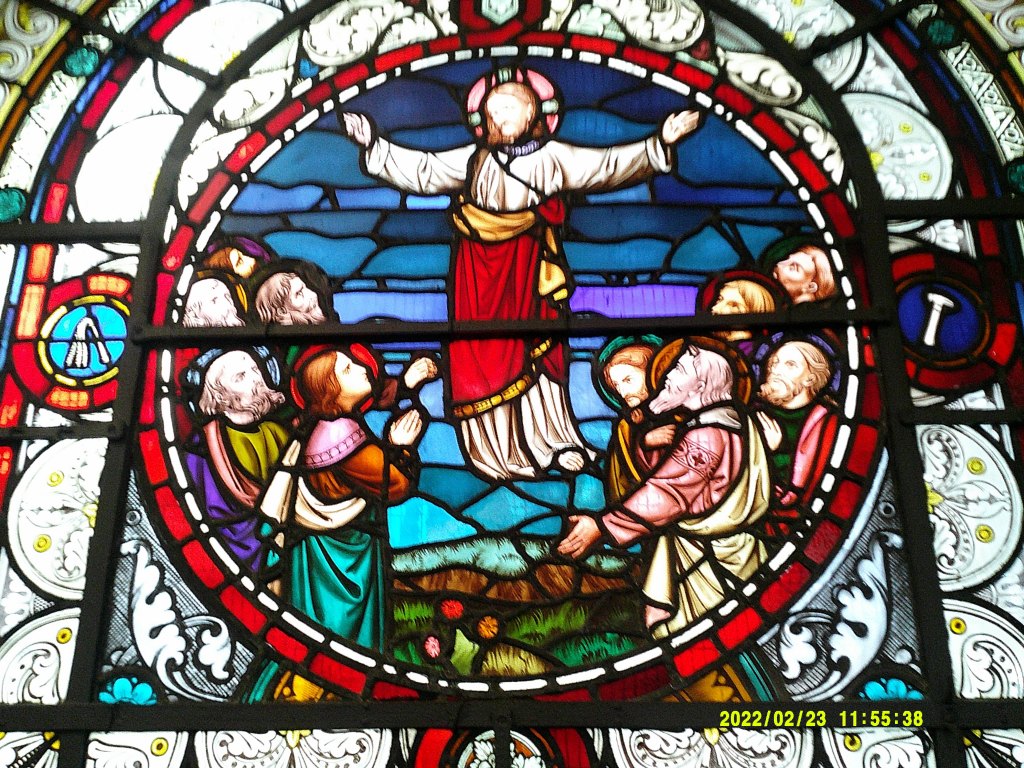
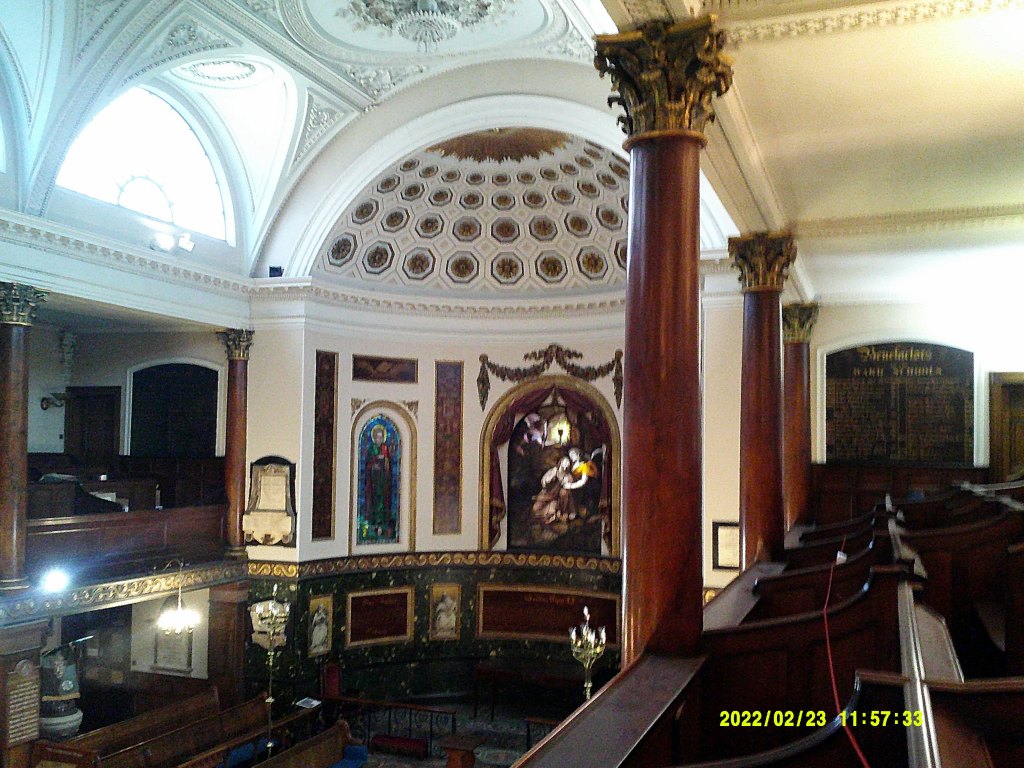
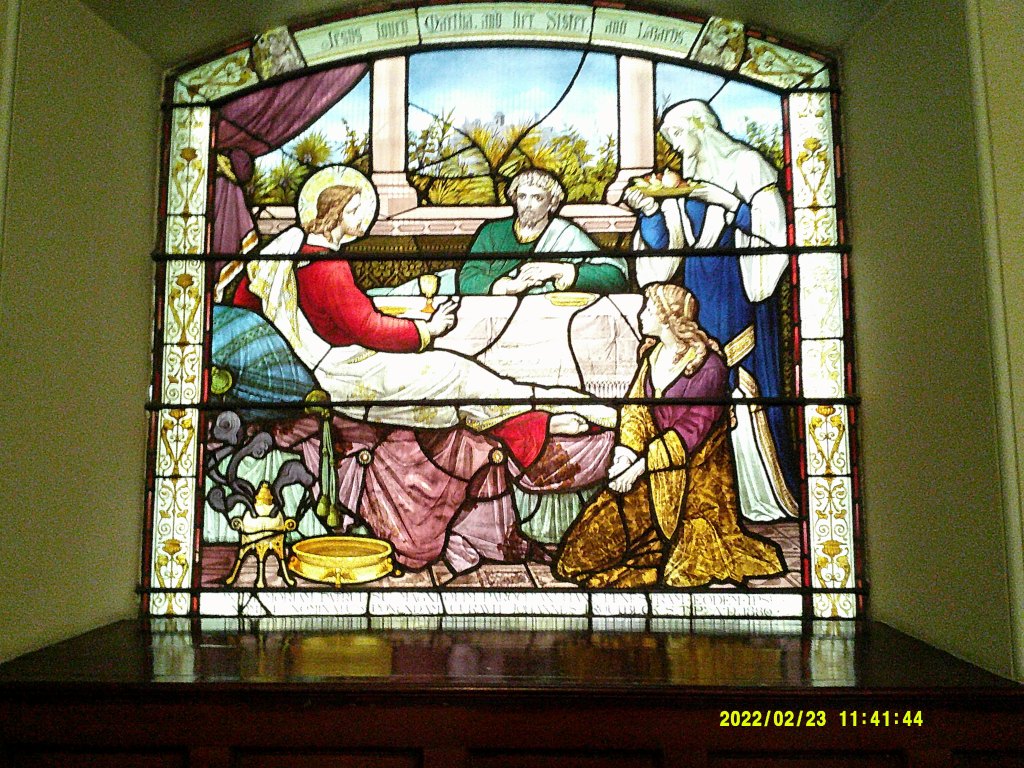
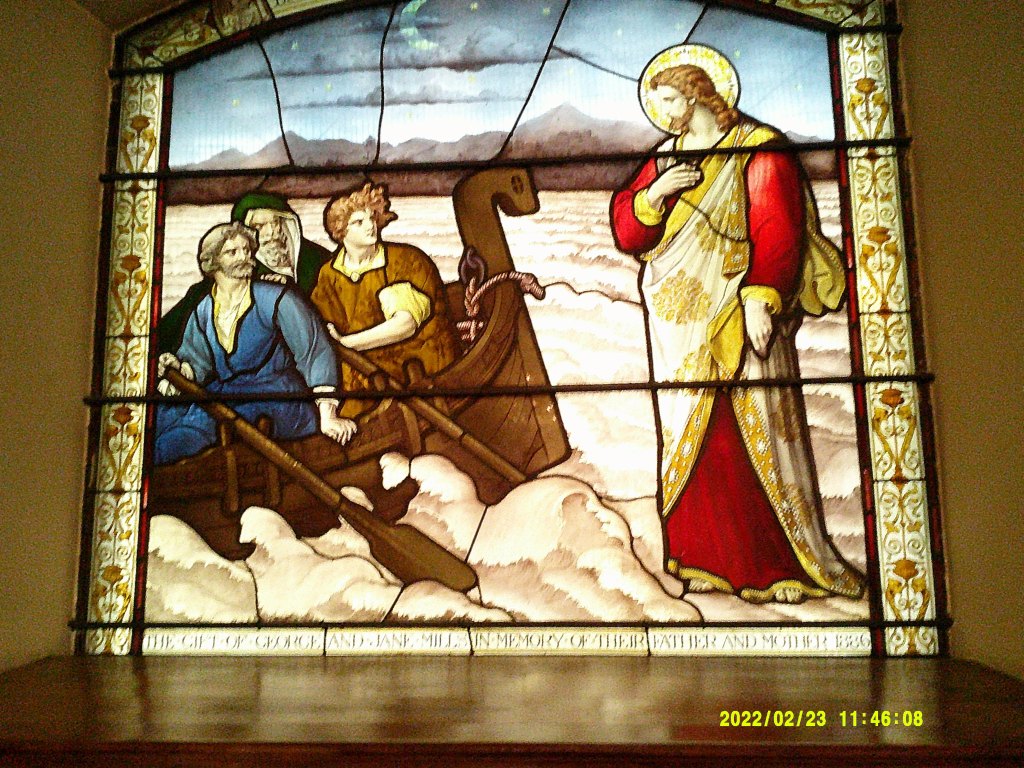
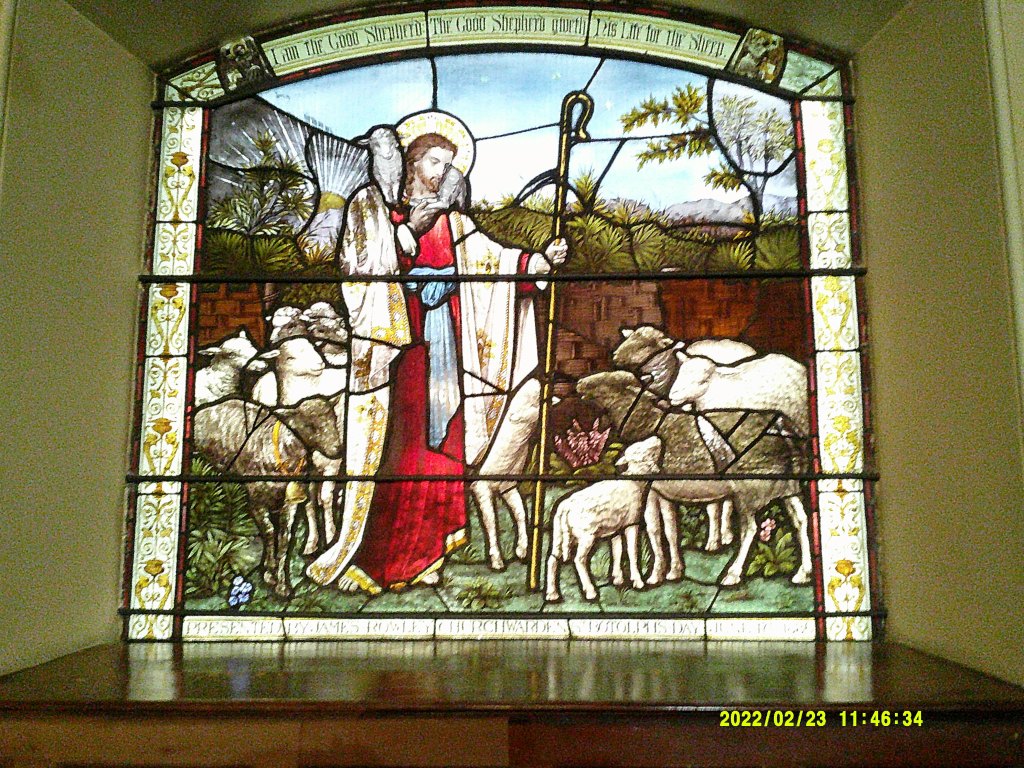
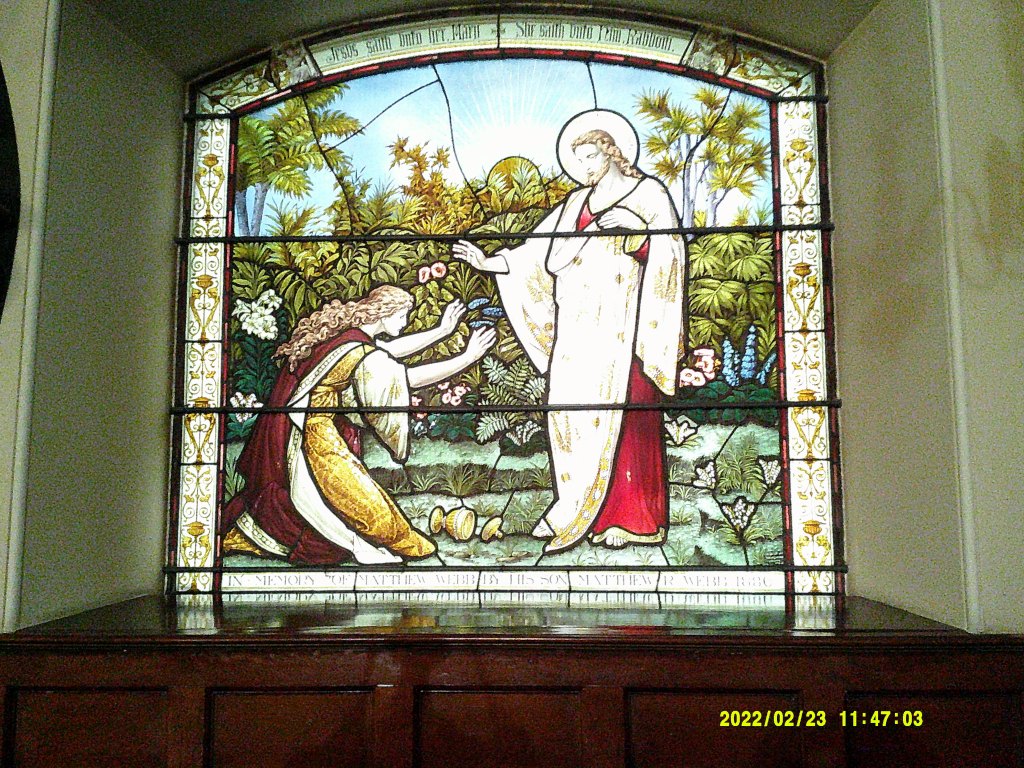
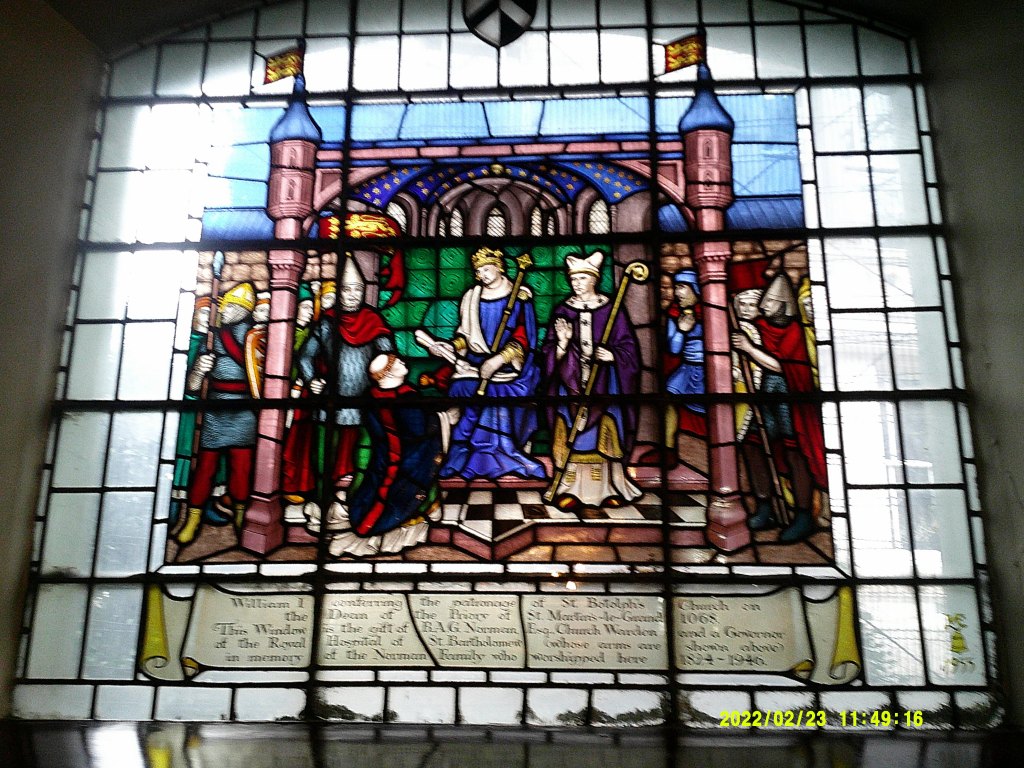
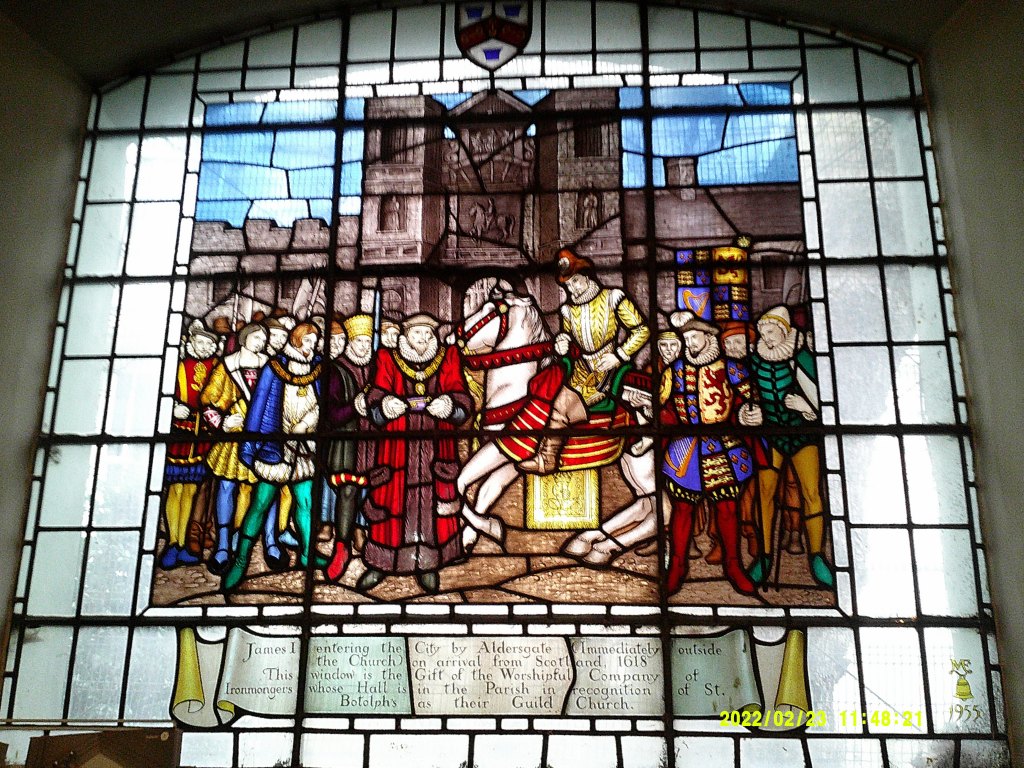
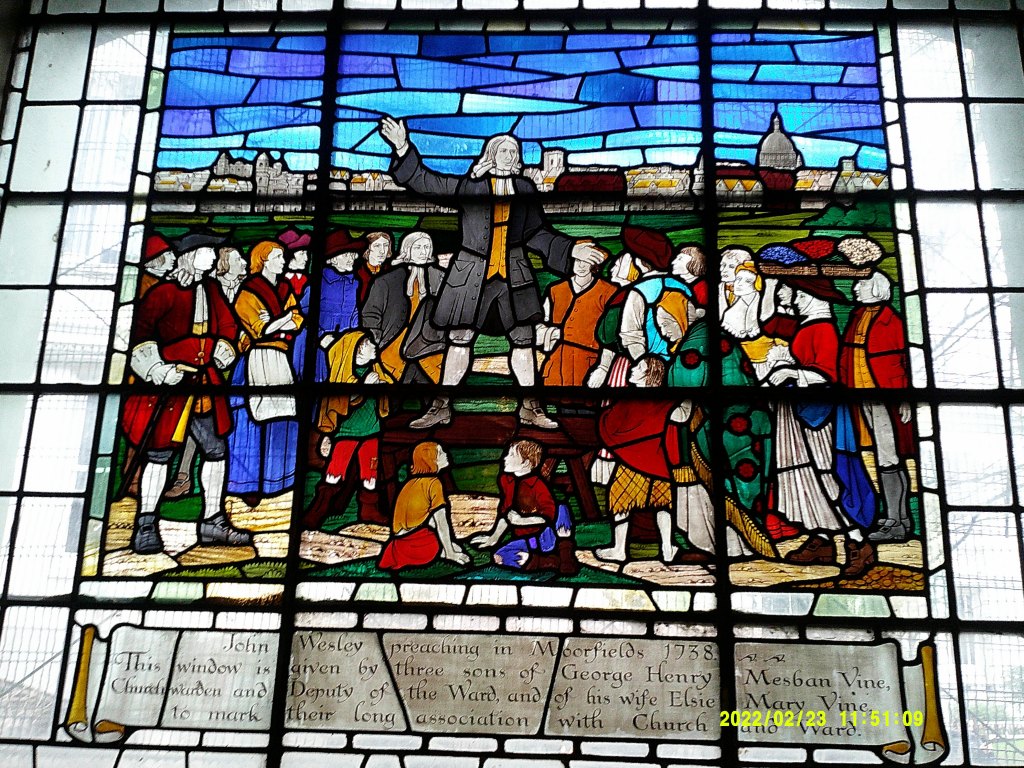
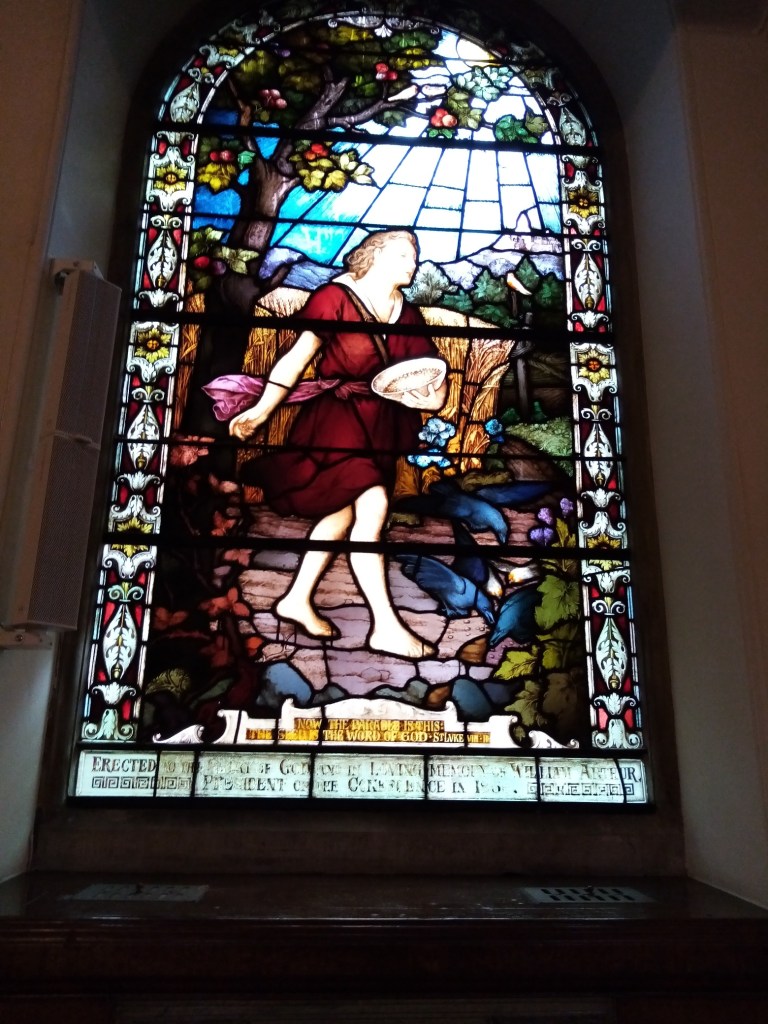
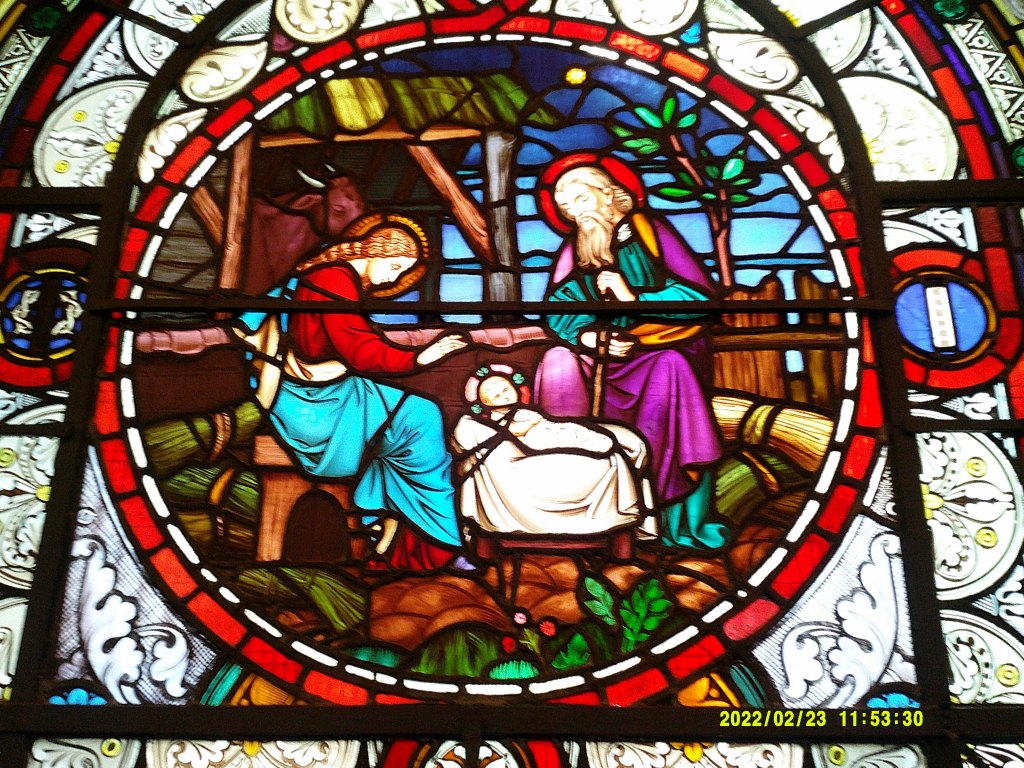
Not to be confused with St Botolph Without Aldgate situated at the Eastern end of the City, this church was another built just outside the Mediaeval Wall at the ‘Aldersgate’ on what is now St Martin’s-le-Grand. The church was founded in the 11th century in the reign of Edward the Confessor and was a priory with an attached hospital for the poor. Over 700 years later, the church survived the Great Fire but later fell into disrepair and was demolished and rebuilt in 1788 – 91. The plain exterior of the church hides its beautiful interior, particularly the spectacular stained-glass windows, which are not original but designed and fitted in the Victorian Era and the 1940s. St Botolph’s is a Guild Church, which means it does not hold its own Sunday services but it is used on Sundays by the London City Presbyterian Church. The main outreach work of the church takes place on Tuesday lunchtimes; a light lunch is followed by the ‘Aldersgate Talks’ which are ‘Christianity for sceptics, enquirers and believers’. Their leaflet says: ‘Our aim is to share the good news of Jesus Christ with those who work in the Aldersgate area, through explaining and applying the Bible.’ Back to those windows, here are three roundels illustrating events in the life of Jesus, and I’ve included some more at the end of the post.

References: Church Website and leaflets in the church
Holy Sepulchre (St Sepulchre-without-Newgate)

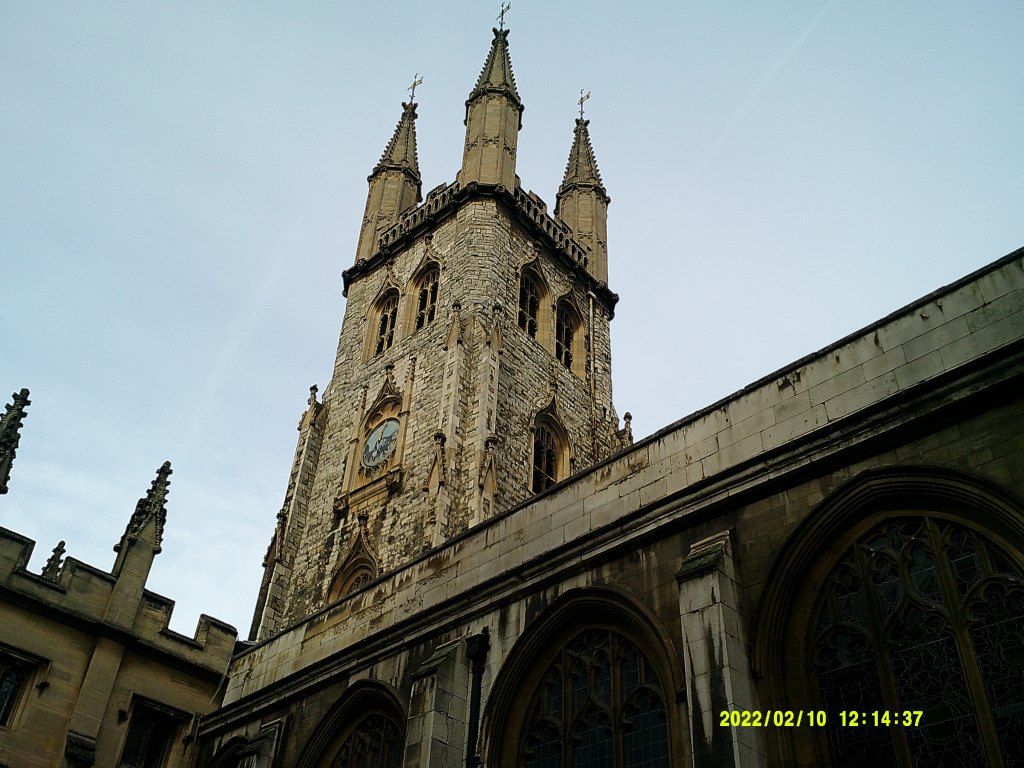
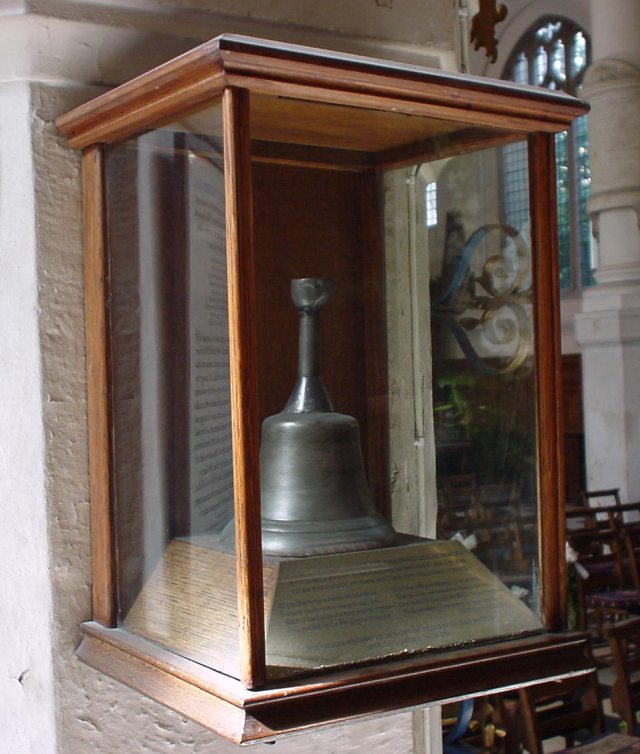
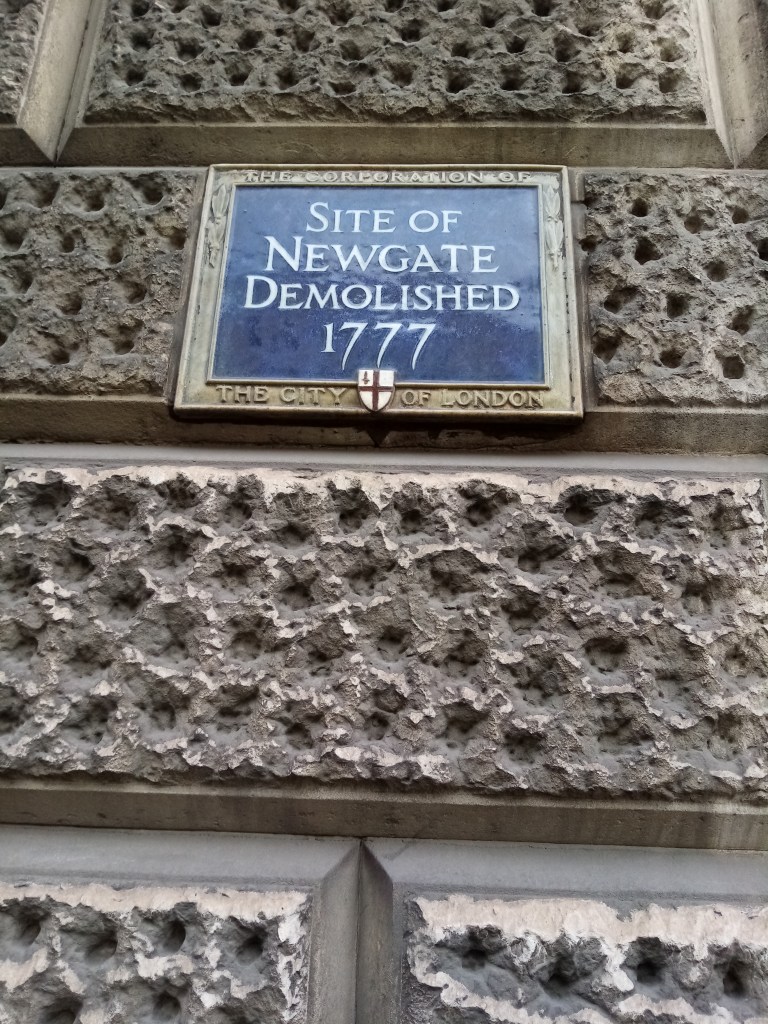
Continuing South along St Martin’s le Grand and then West into Newgate Street, the site of the original Newgate is recorded on a blue plaque. A huge church comes into view, as big as a cathedral, just outside where the Wall once stood, the largest parish church in the City. The original pre-Norman church was dedicated to St Edmund, King and Martyr. During the 12th Century crusades, the church was rededicated to St Edmund and the Holy Sepulchre because knights passed by on the way to the Church of the Holy Sepulchre in Jerusalem. Later still the name of the saint-king was dropped. This church has many interesting facts and features: In 1605 a handbell, the ‘Execution Bell’, was purchased to be rung outside the cells of condemned men the night before their execution at nearby Newgate Prison, exhorting them to repent of their crimes so that they could enter Heaven. The bell is displayed in a glass case in the church. Outside the church, built into a boundary wall, is the first public water fountain in London, ‘opened’ in April 1859. After not being in use for many years, it is due to be restored to full working order. Richard Reeve, a successful silk merchant, left his considerable estate to the church, decreeing that it should all be used for charitable purposes, and a Foundation in his name was set up in 1706. Three hundred years later his legacy continues: a Foodbank, the Square Mile Hygiene Bank, a Wellbeing Project, two Homeless Projects and several other initiatives are run from the church.

St Martin within Ludgate

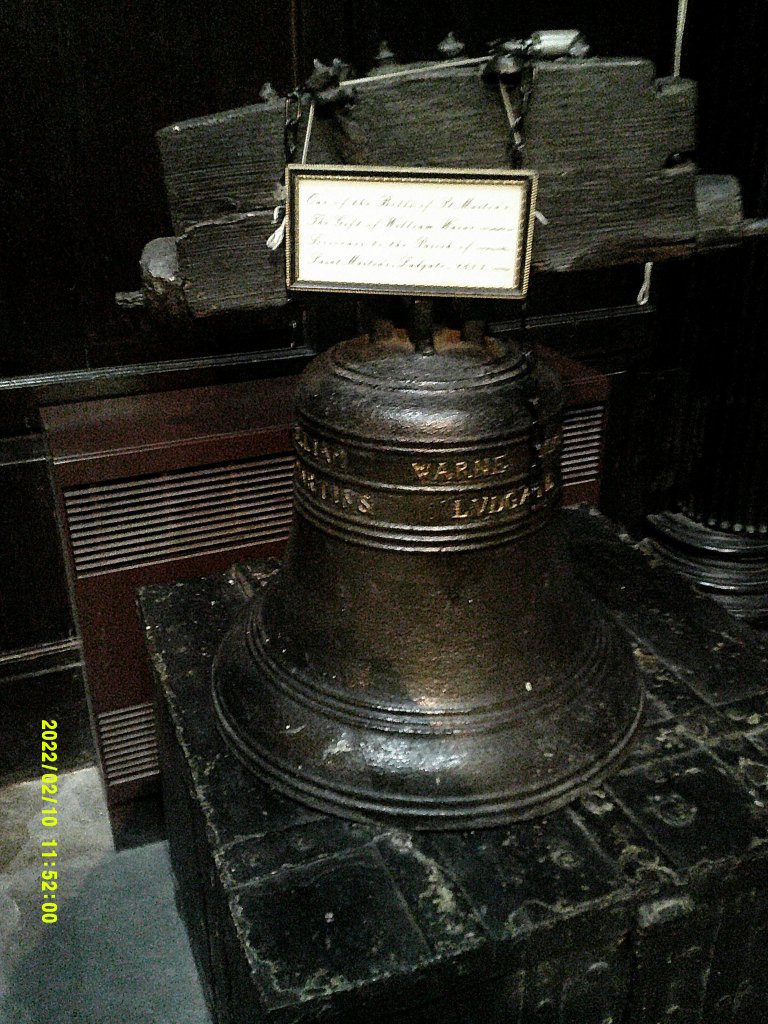
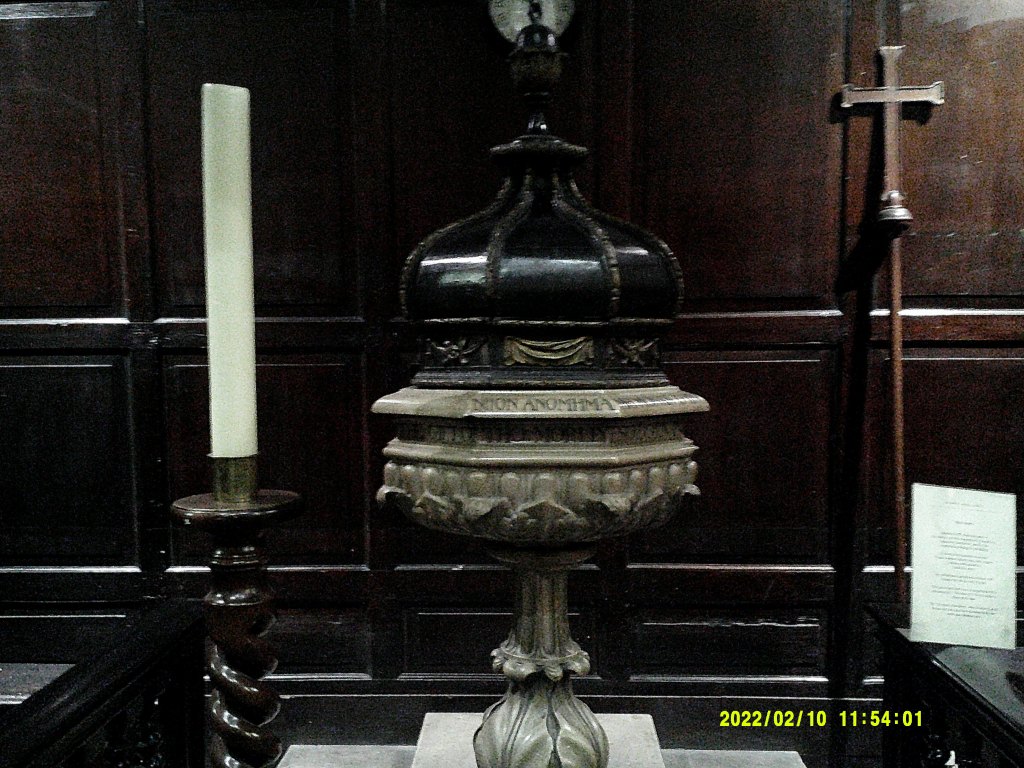
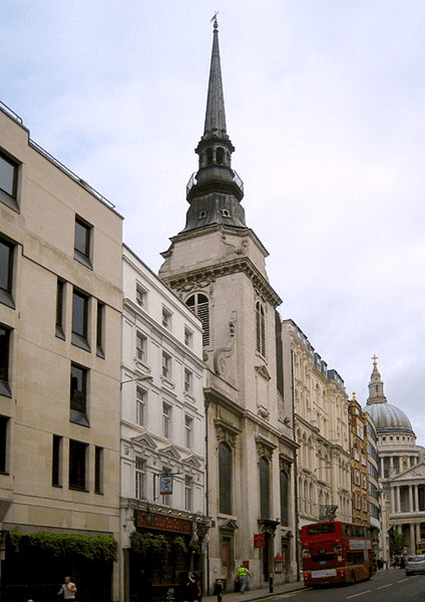
Crossing Newgate where it becomes Holborn Viaduct, you’re now in a street called Old Bailey, home of the famous Central Criminal Court. At the end of the street in Ludgate Hill, is St Martin within Ludgate. The foundations of the Roman City Wall lie under the church, and the West Gate into the City, the Lud Gate spanned the road outside. St Martin was a Roman soldier who converted to Christianity and like St Botolph he is a Patron Saint of travellers. The earliest record of a church on this site is from 1174, it was rebuilt in 1437 only to be destroyed in the Great Fire and rebuilt by Wren. The church steeple was apparently designed by Wren to be a contrast with the dome of St Pauls just up the hill; one tall and spikey, the other huge and round. St Martin’s escaped any damage from bombing or fires in the Blitz; an information board tells us: ‘In the Second World War, only a favourable wind gave St Martin’s a narrow escape from the fires in the air raids of December 1940. This was the least damaged of all the City churches, and it is still one of the best preserved of Wren’s creations.’ Famous people associated with the church include the Native American Princess Pocahontas who is believed to have visited the church when she lived on Ludgate Hill; another American, Benjamin Franklin regularly attended the church and then went next door for a coffee at the London Coffee House to discuss the issues of the day. And local diarist John Evelyn watched the destruction of the church, writing that he saw hot lead from St Paul’s roof ‘melting down the street in a stream.’ What a scary thing to witness!

References: Wikipedia and Information boards in the church
Some extra photos to finish…..

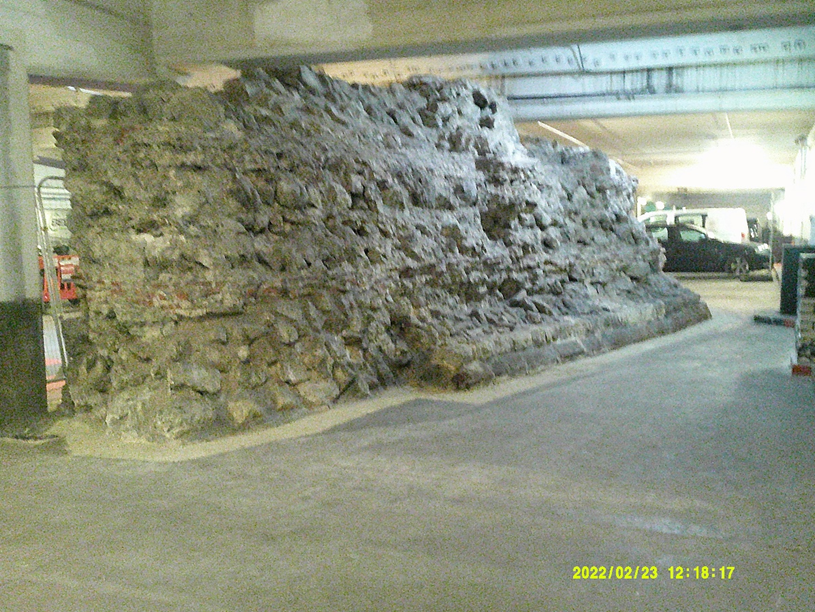
Piece of the London Wall in an underground car park near the Museum of London
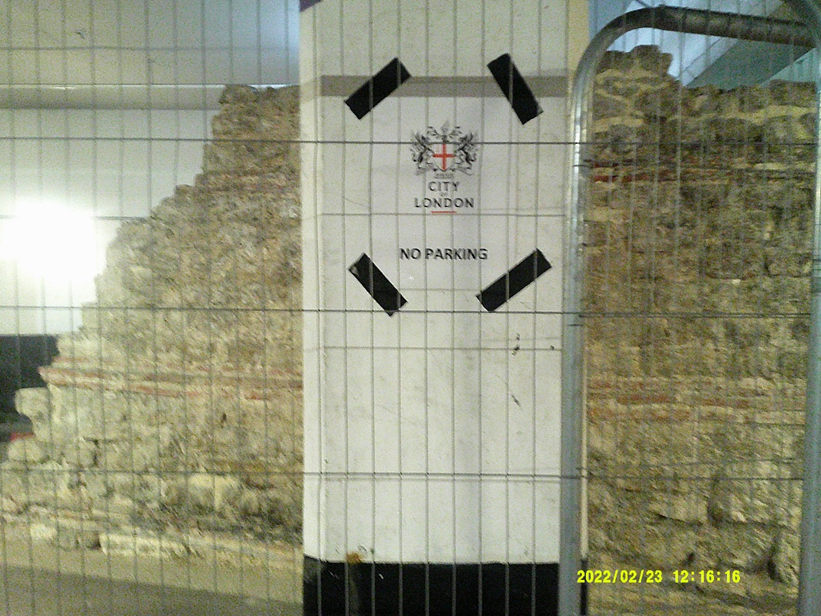
I like the City of London No Parking sign. The fragment of Wall takes up four bays!

The first four pictures are events in the life of Jesus from the windows on the West side of the church.

The second four are events in the life of the church and surrounding area from the windows on the East side. There are several other stained glass windows in the church, and the overall effect is stunning.
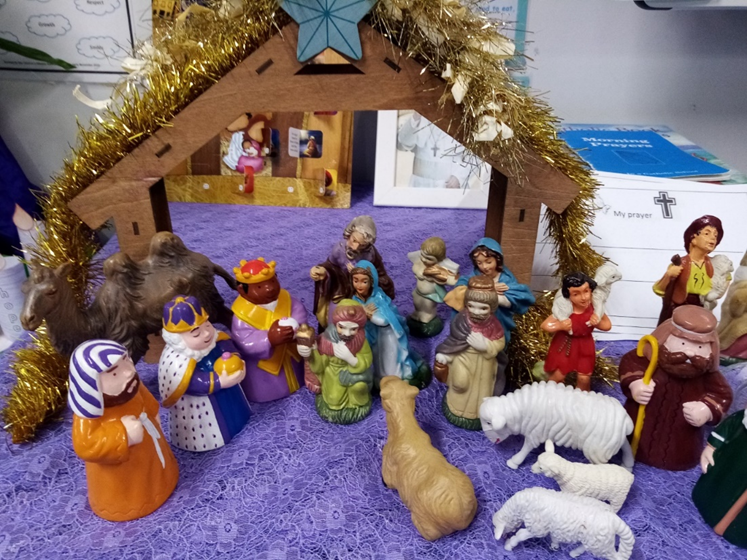
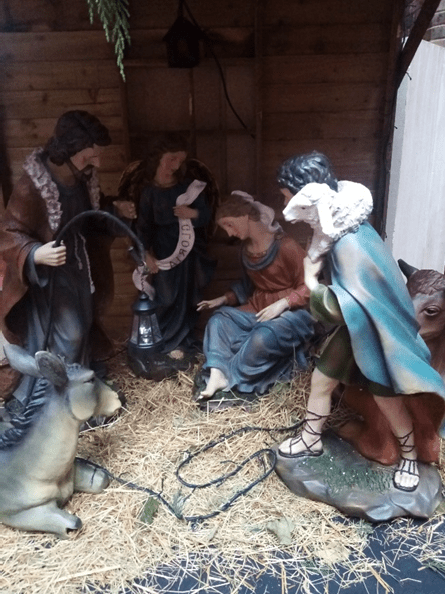
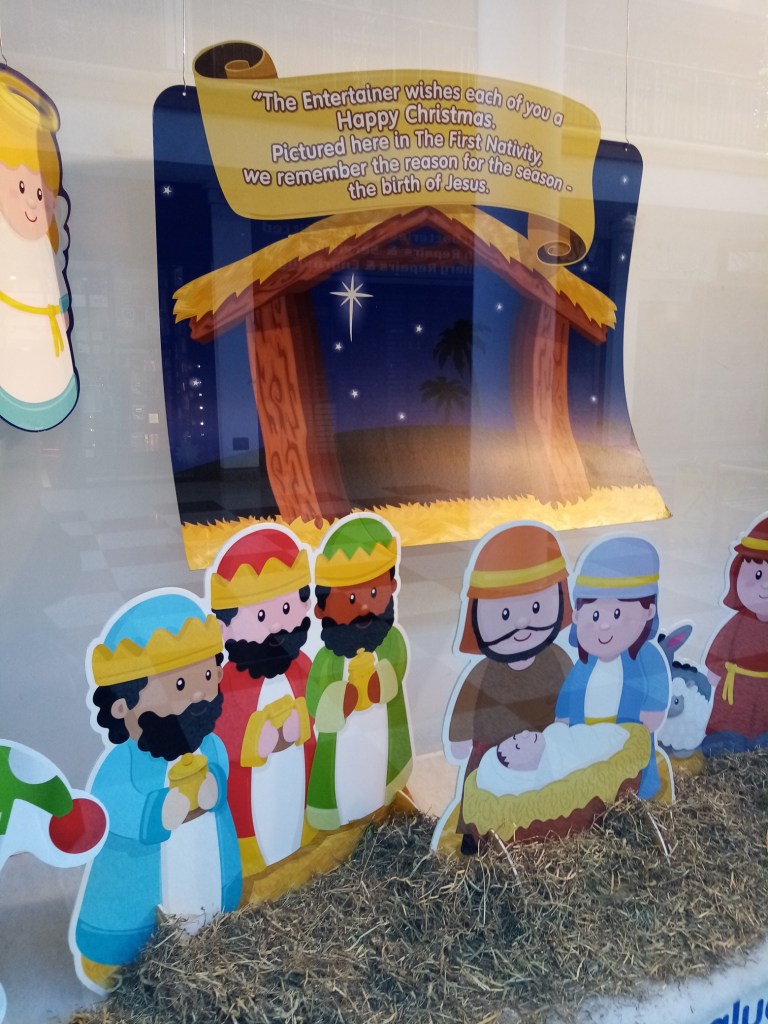
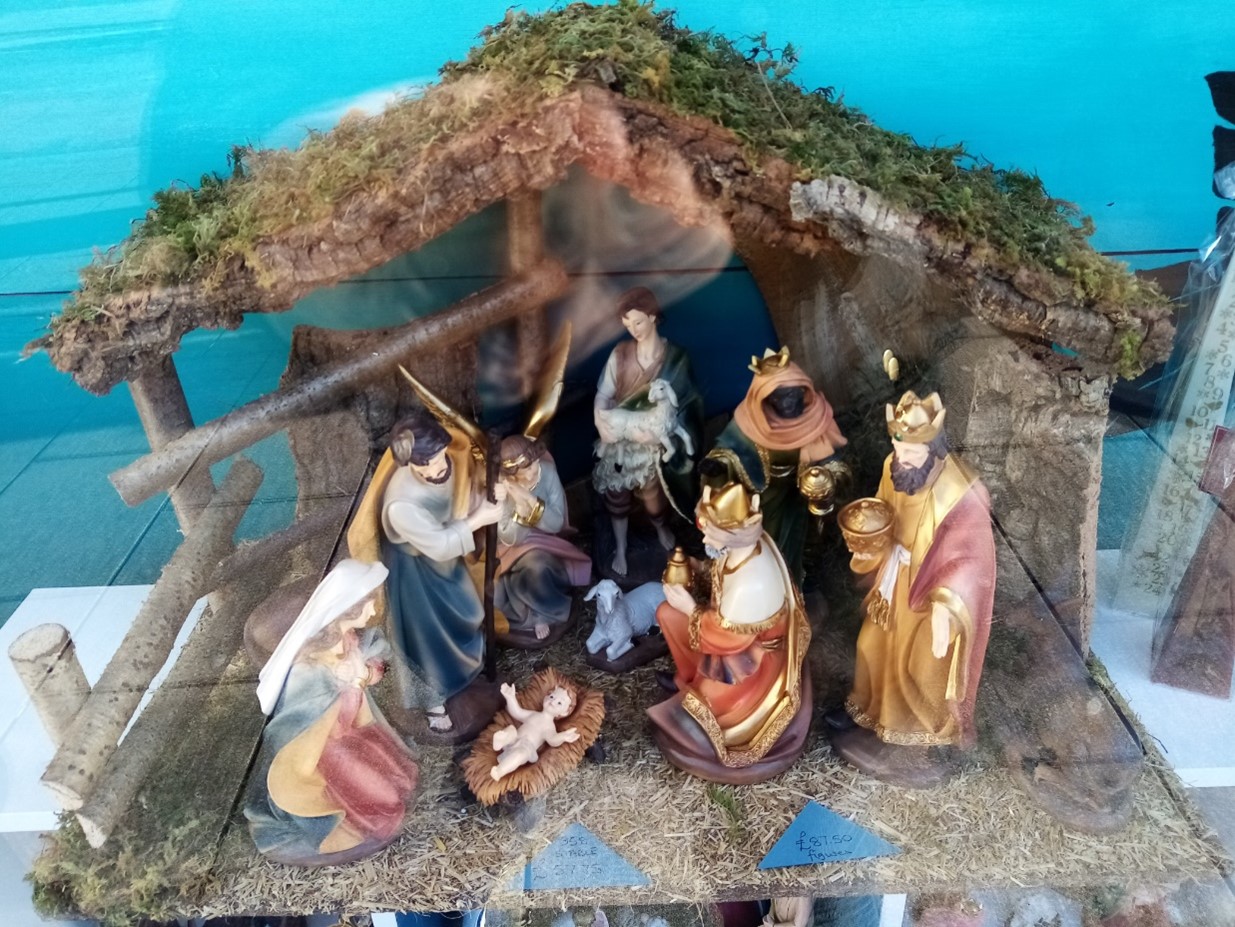
December: Nativity!

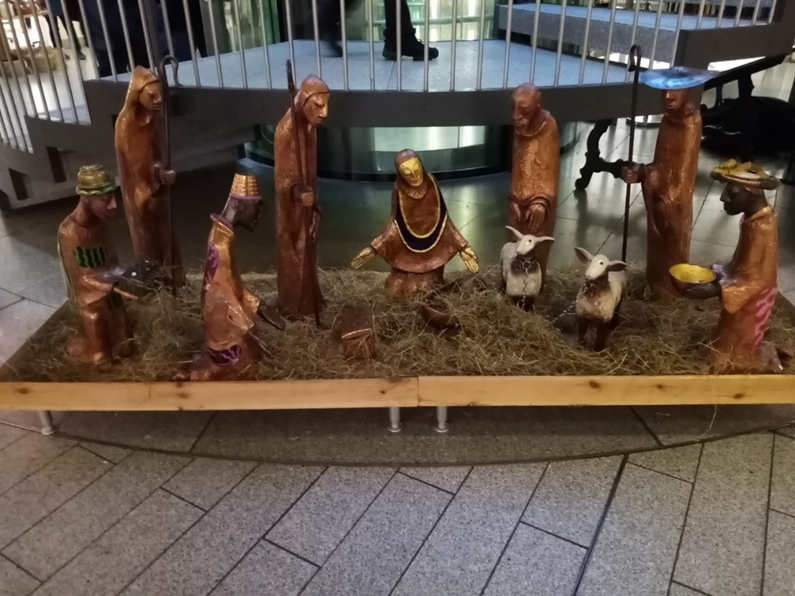
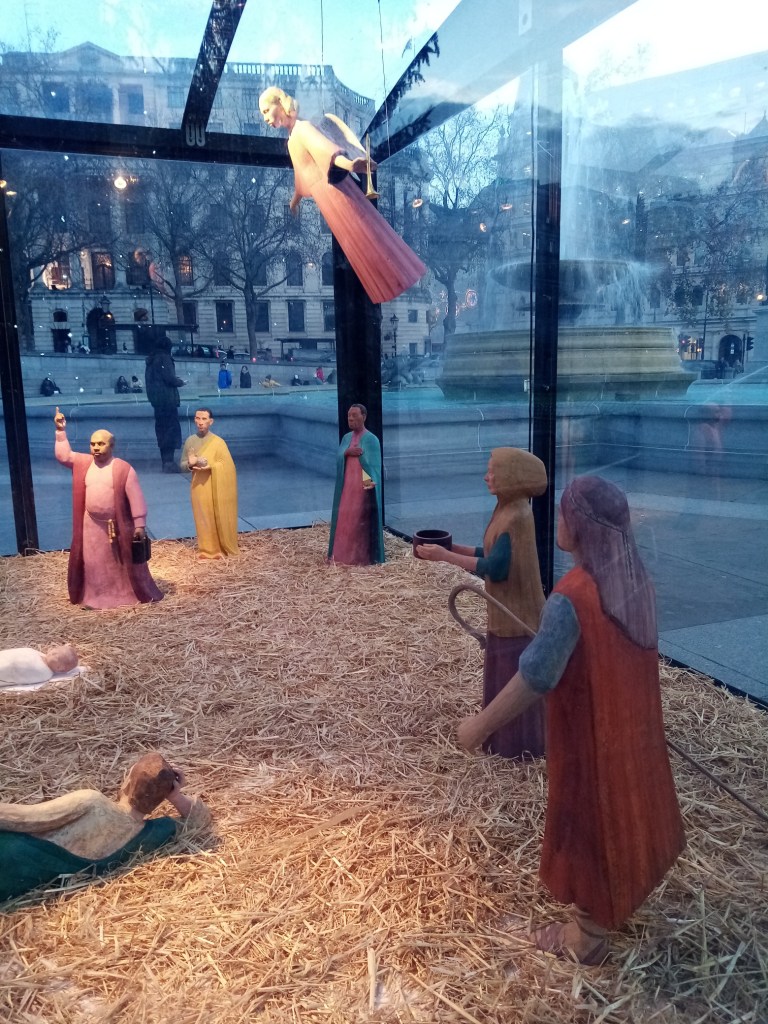
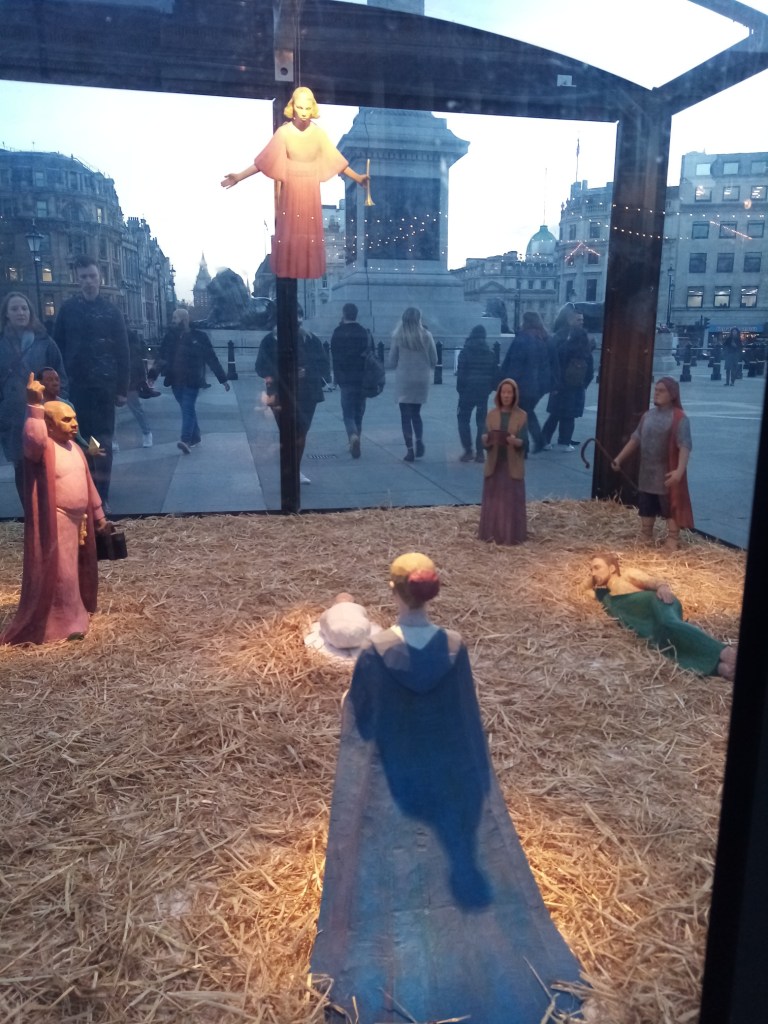
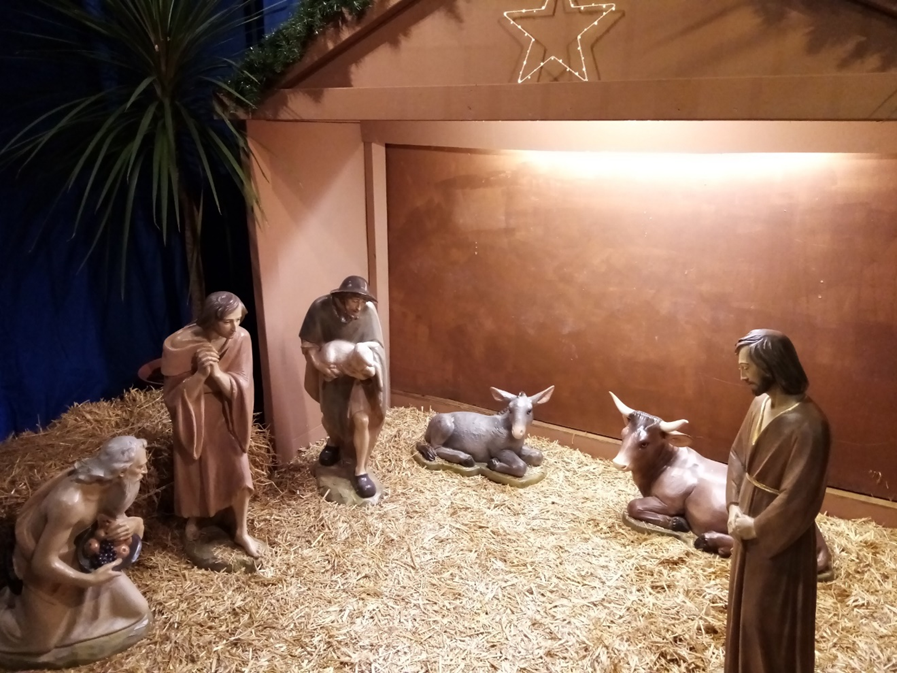
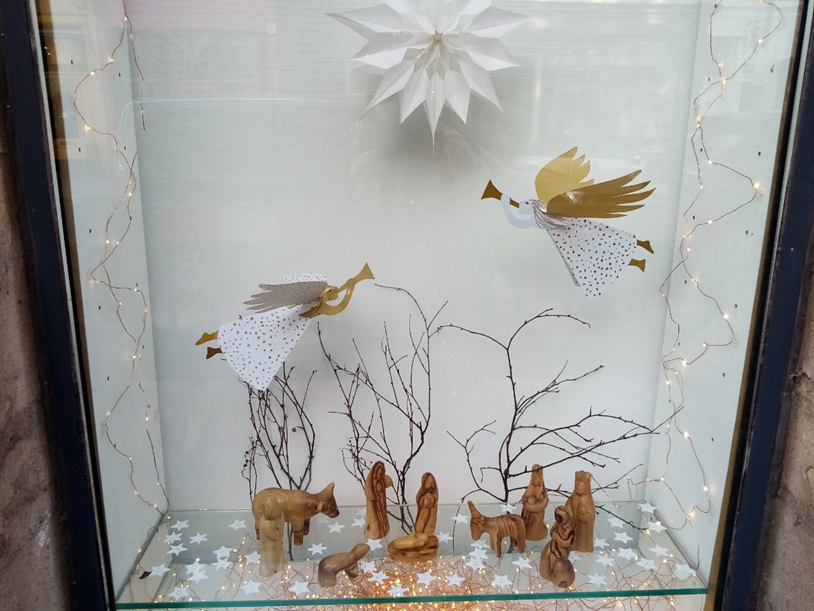
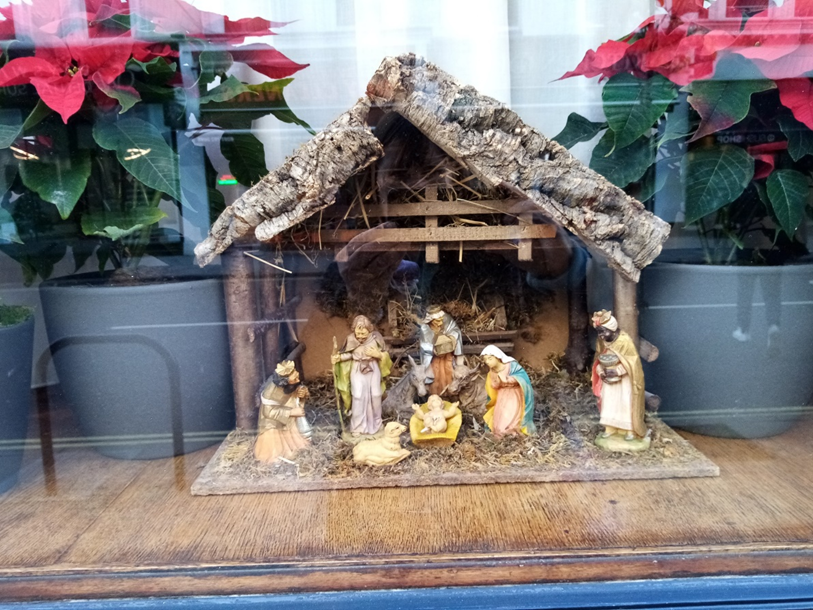
Another selection of beautiful and creative Nativity scenes to be found in and around the capital. My thanks to ‘friends’ in the Facebook group Londonist Urban Oddities for your suggestions, which took me further afield than I was expecting to go!

The Bayswater Collection (sounds posh)

Simple Nativity at Westbourne Grove Church W11
The window of Kenyon’s Funeral Directors, Westbourne Grove, W11
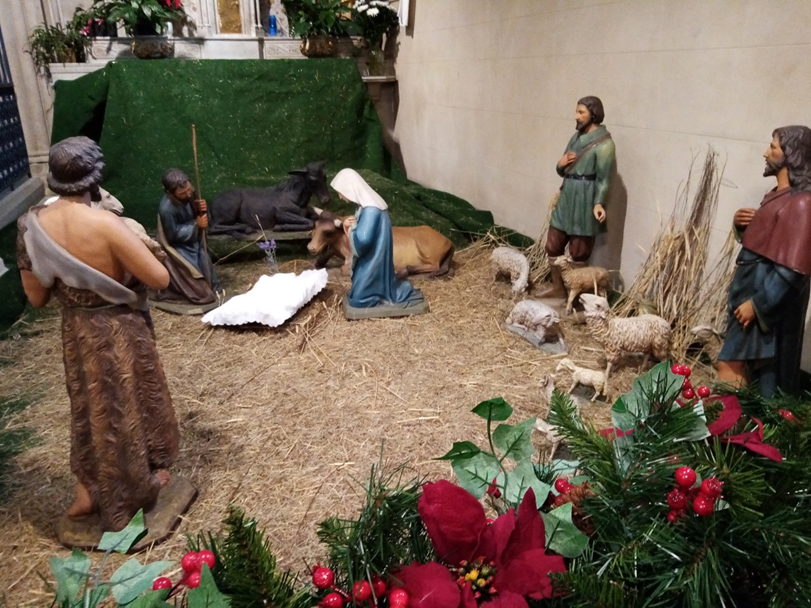
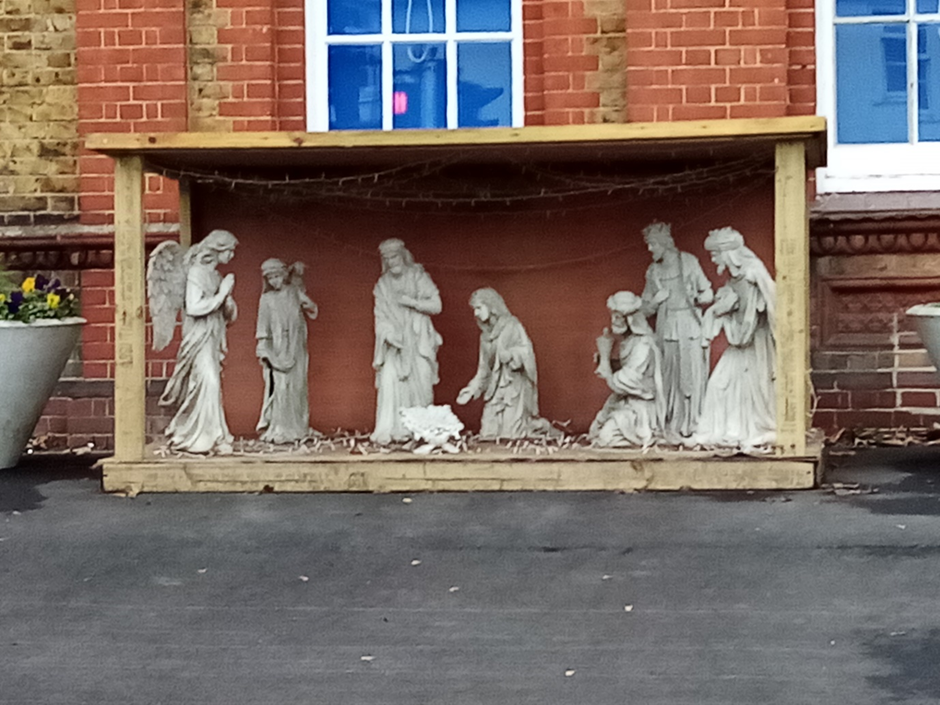
Nativity at St Mary of the Angels Catholic Church, Bayswater, displayed in the side aisle.

Central London Collection

Nativity in the crypt of St Martin in the Fields
St George’s RC Cathedral, Lambeth SE1 (note the absence of Mary and baby Jesus, they will arrive on Christmas eve.)

The Carshalton, Surrey, Collection

St Mary’s RC School
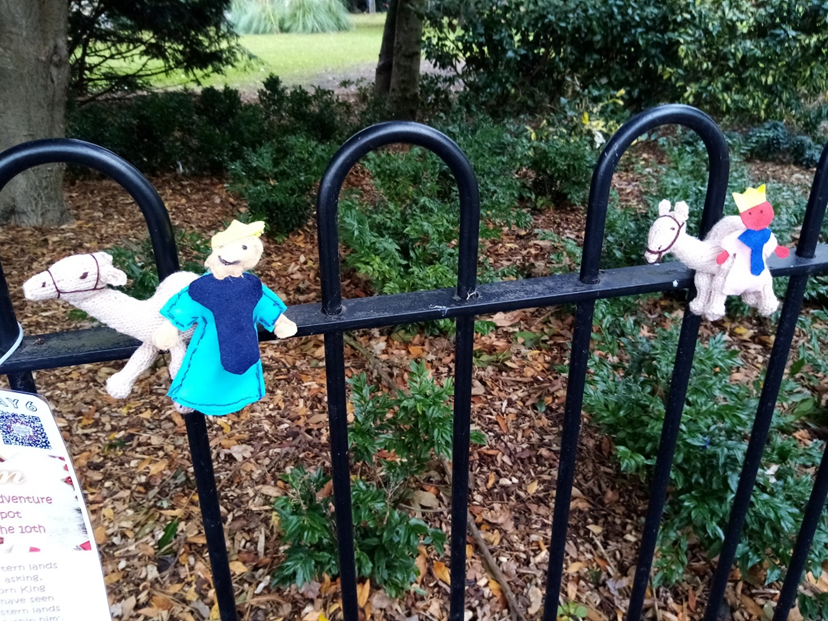
‘Knitivity’ in The Grove Park, Carshalton…..
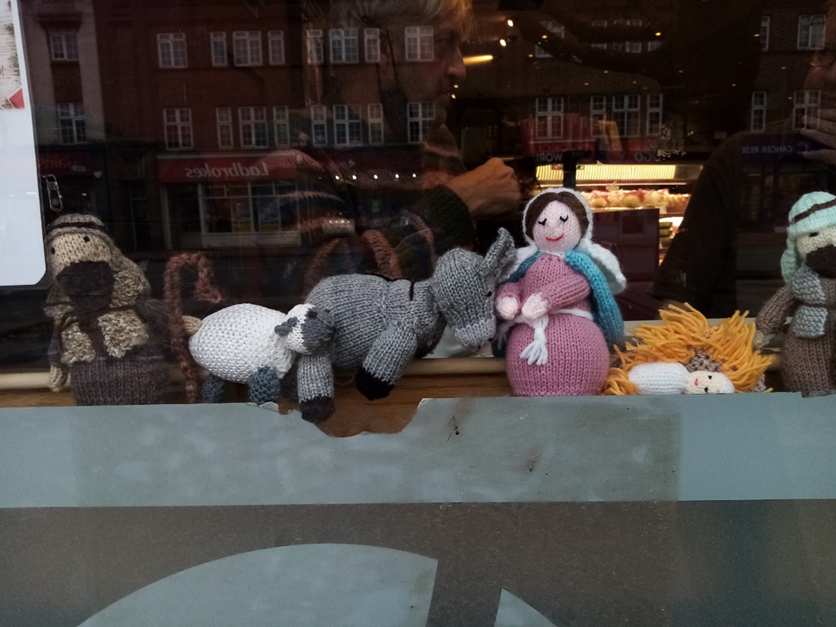
….and in Costa Coffee, Carshalton High Street
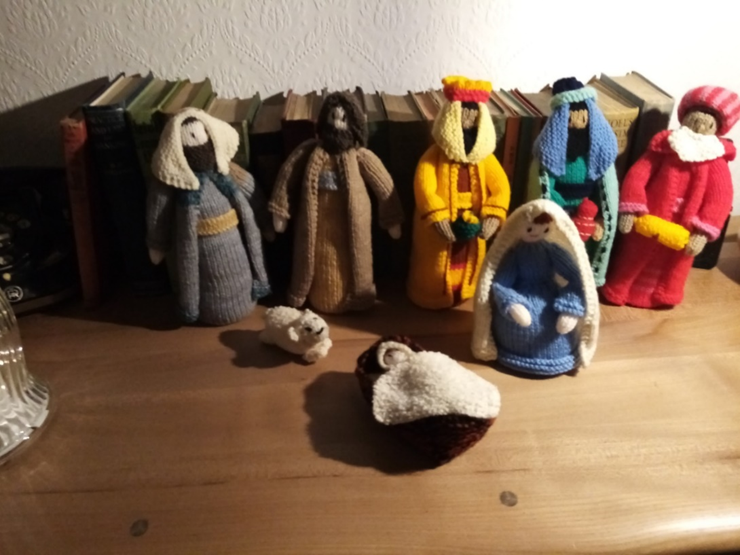
Nativity at friends’ house, Carshalton Beeches

Wallington/Croydon/ Old Coulsdon Collection

St Elphege’s Infant School, Wallington (figures arranged by the children!)
Oasis Christian Bookshop, Wallington
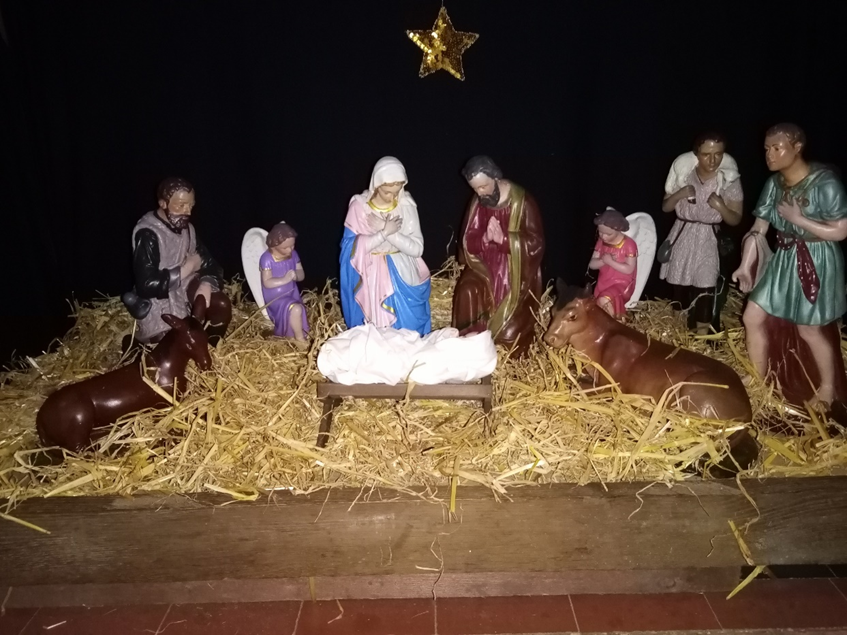
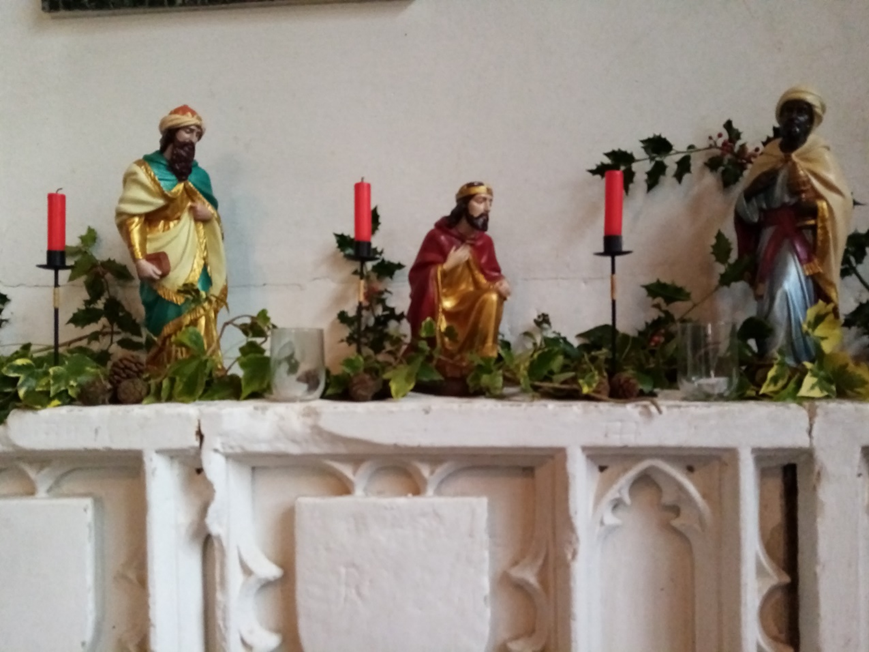
And lastly, the Nativity at the beautiful, 900-year-old Chaldon Church (with a CR3 postcode, it counts as Croydon!) I like that the shepherds, Mary, Joseph, Jesus and some angels are assembled in the stable, while the Wise Men wait on a shelf until it’s their turn to arrive.

And to finish, a few words from two people with associations with London:

‘Pleased as Man, with man to dwell, Jesus, our Emanuel. Hark the Herald Angels sing, Glory to the new born King!’ – Charles Wesley, Hark the Herald Angels Sing

‘And as Tiny Tim observed, God bless us, Every One!’ – Charles Dickens, A Christmas Carol

Happy Christmas and a Hopeful, Peaceful New Year.

April – Which are London’s oldest churches?

I had planned to visit churches locally and in Central London to photograph their Easter displays; their celebrations of the Good News that Jesus defeated death and is alive today. However, for obvious reasons this was not to be, so instead, I’ll be having a look at churches which claim to be the ‘oldest’ in some way or other. I’ve visited all these churches over the past couple of years; all photos are mine.  As I mentioned previously, Christianity has been thriving in London for at least a thousand years, but there are very few structures remaining from that time. Many of the City churches have been completely rebuilt several times due to fire or war, or just wear and tear. St Paul’s Cathedral, for example, has been rebuilt four times, and there’s evidence of an original church on the site in AD604. The churches I’ve chosen all have part of the original building remaining.
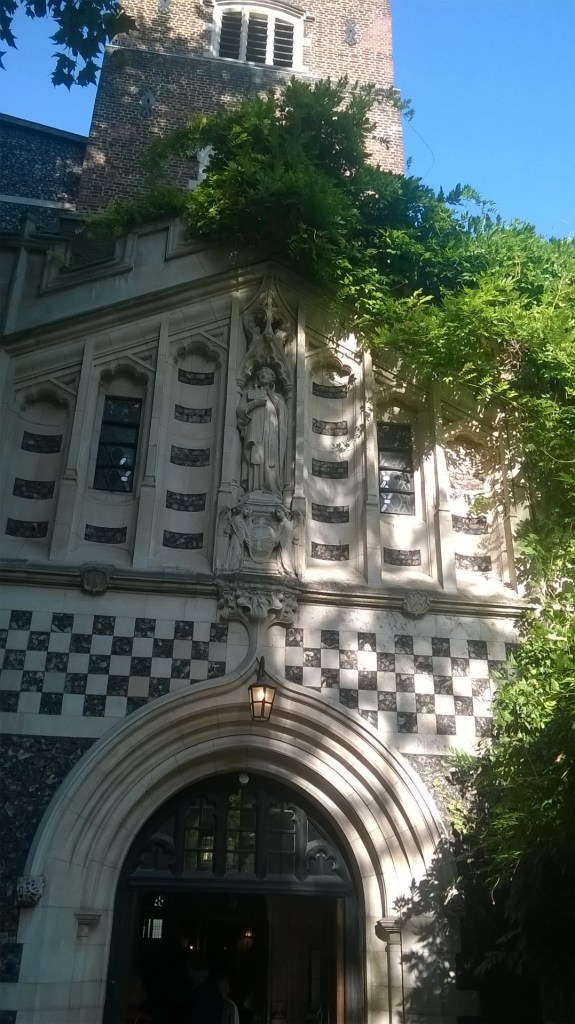
All Hallows-by-the-Tower

I like to have the Walkie Talkie building peeping into the picture!

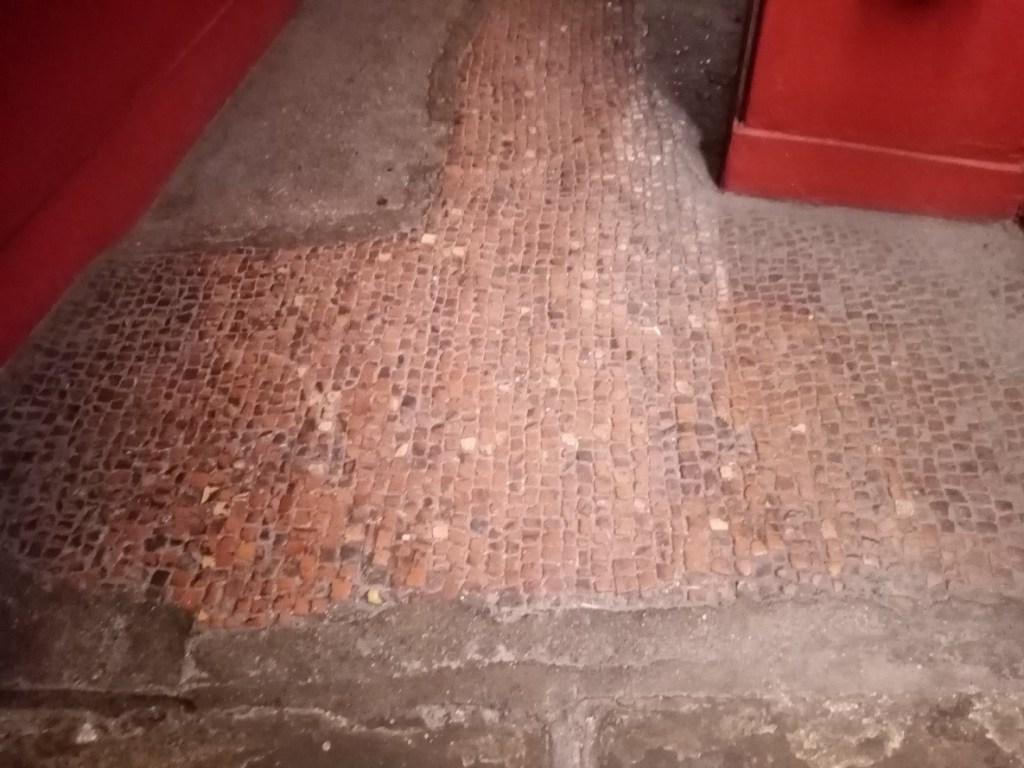
This is the oldest church inside the old Roman City walls. It was founded in 675, but only a single arch of the original church remains. However, underneath the church in the crypt there is part of a red tiled Roman floor. This was street level in Roman times.

Yes, this is an actual Roman Floor, a couple of thousand years old!

I also love the models of ships and the nautical themed stained glass windows, indicating the church’s long association with the River Thames.

The church has had a traumatic history: in 1650, gunpowder barrels stored in the churchyard exploded damaging a lot of the church and some nearby houses. It survived the Great Fire but was almost destroyed in the Blitz in 1940.

Address: Byward Street EC3R 5BJ www.allhallowsbythetower.org.uk

St Bartholomew the Great

This is such a beautiful church, inside and out. St Bart’s the Great is London’s oldest continuous place of worship, founded in 1123 as a priory and a hospital: Bart’s, which I looked at last month. It was partially destroyed in 1539 in Henry Vlll’s dissolution of the monasteries, but some parts survived so it remains to this day a functioning parish church. The interior is amazing, beautiful and atmospheric, with history seeping through the walls. It’s been the setting for several films and TV dramas.

Address: West Smithfield EC1A 7JQ  www.greatstbarts.com

St Etheldreda’s – Ely Place

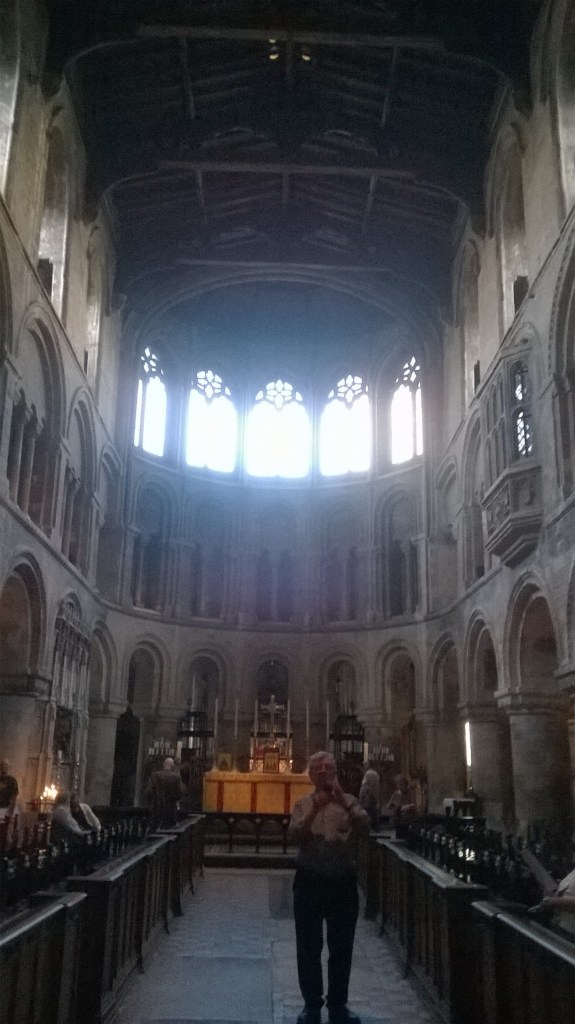
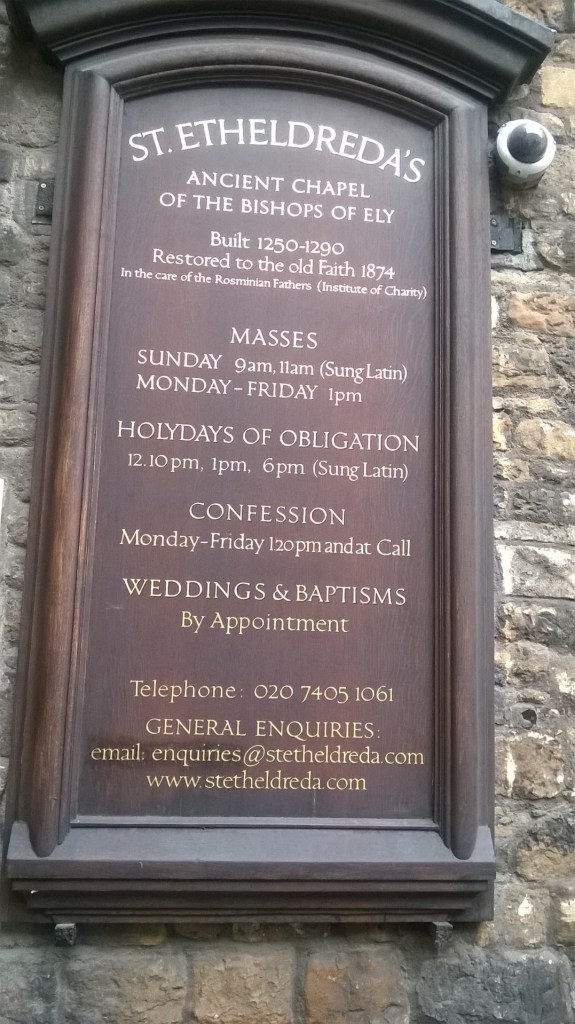
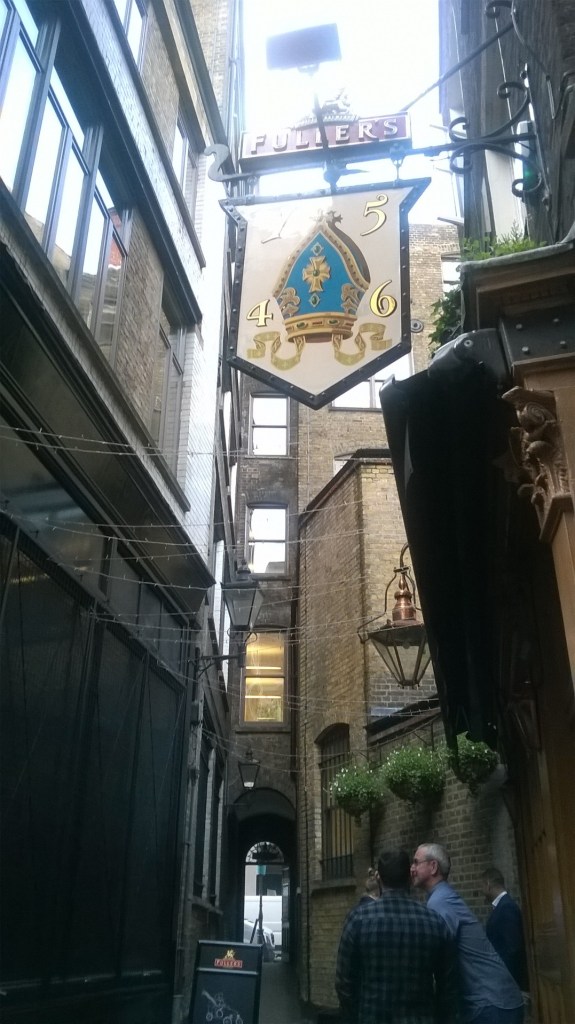
This is London’s oldest Catholic Church, established in 1290. Before the split with Rome, all churches were Catholic of course but St Etheldreda’s was one of the few that didn’t become Anglicized following Henry Vlll’s Act of Supremacy. The church actually ‘switched sides’ several times until 1874 when it was no longer illegal to hold mass on church premises. Again, there are many changes but parts of the original 1290 church remain. The most interesting thing about this church is that it’s in Ely Place, which is actually part of Cambridgeshire. Yes really! Ely Place and Ely Court are on land which once fell within the grounds of the Palace of the Bishops of Ely, so technically it’s in Cambridgeshire.

This is the Mitre Pub in Ely Court, also in Cambridgeshire. I love this narrow alleyway, maybe not dissimilar to how it looked in the thirteenth century? Apart from the totally different construction of the buildings!

Address: 14 Ely Place EC1N 6RY www.stetheldreda.com

Pyx Chamber, Westminster Abbey

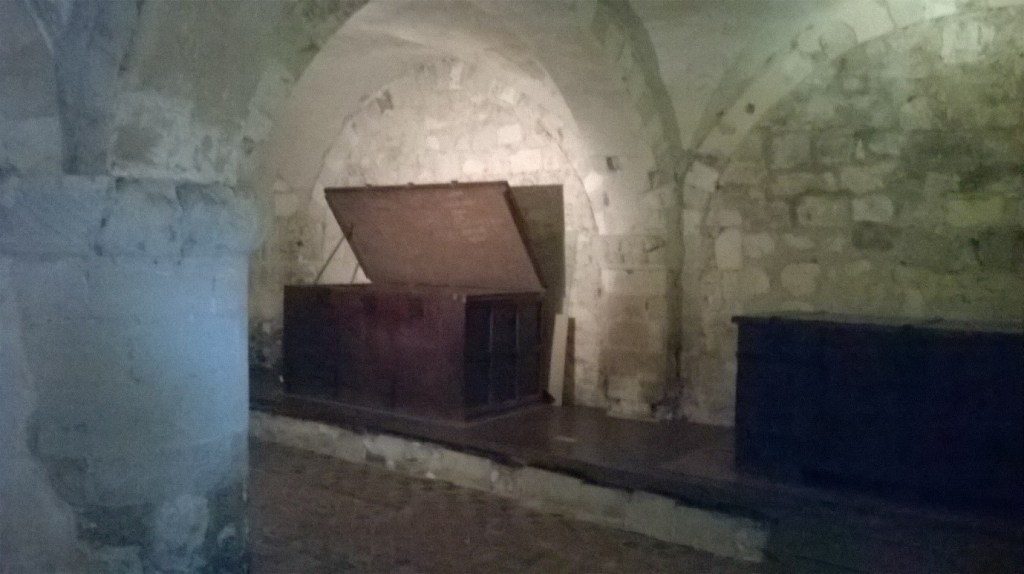
This is the oldest part of Westminster Abbey, adjacent to the Abbey and built in 1070. Not actually a church, but I love it because it’s so old! The building was originally a Benedictine Monastery and the part that remains unchanged is below ground and was the monks’ dormitories. This space is not used as a film setting but should be in my opinion.

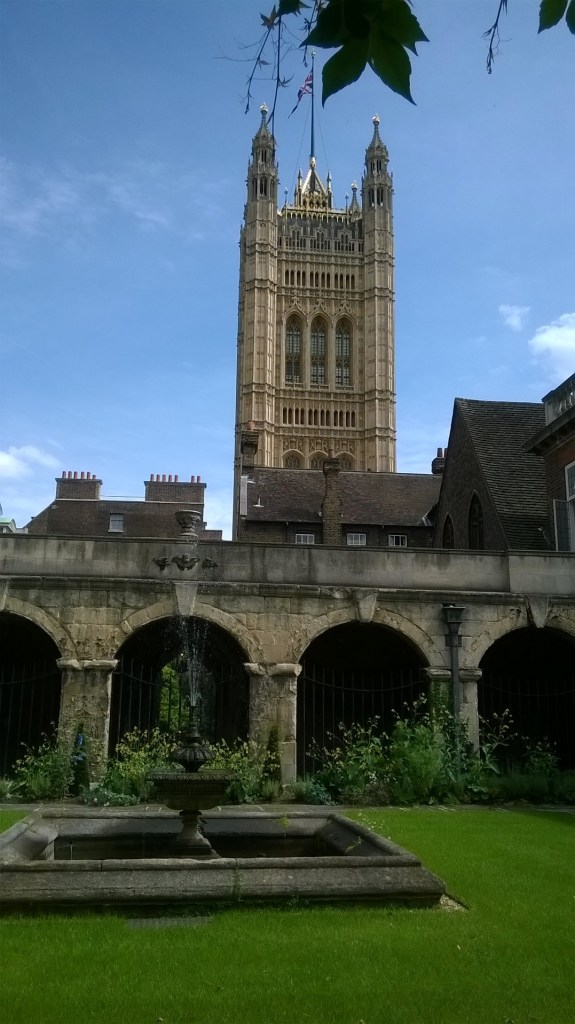
These are the monastery gardens and cloisters with the Abbey behind.

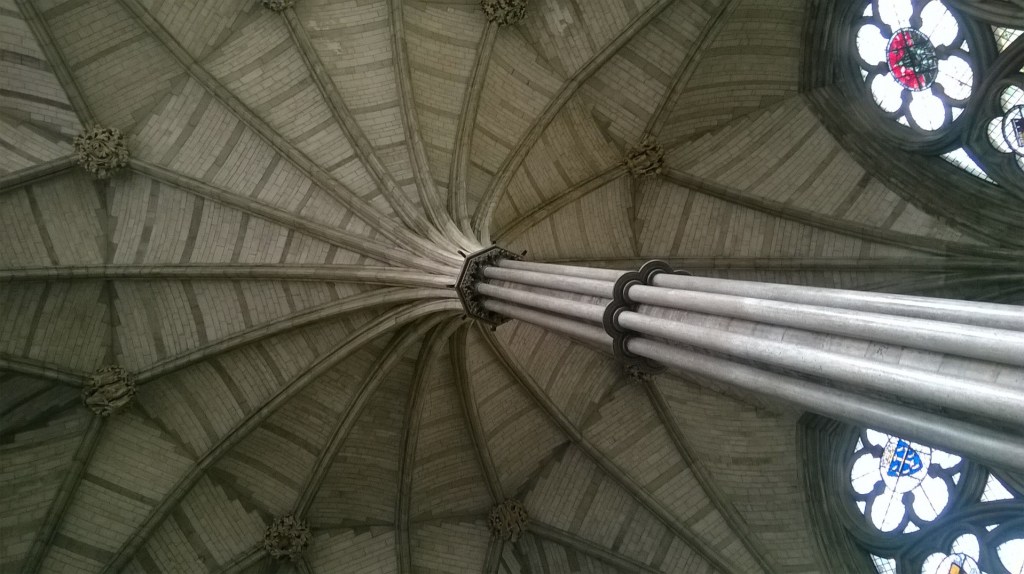
Above the Pyx Chamber is the Chapter House, a lovely octagonal building built in 1250. This was formally the meeting place of the King’s Great Council and the Commons, predecessors of today’s Parliament. When I visited there was an exhibition about the Magna Carta, including, in a glass case, one of only four copies of the actual document, on loan from the British Library, so that was worth a visit, wasn’t it? No photo, we weren’t allowed to!  As usual, I loved the stained-glass windows.

The Beautiful, octagonal vaulted ceiling

Address: Dean’s Yard, Westminster Abbey SW1P 3PA 

www.english-heritage.org.uk/visit/places/chapter-house-and-pyx-chamber/

Museums in March

The world has changed since I started writing this post. You won’t be able to visit these museums for a long time, and that’s a shame, because they are all well worth a visit, not least because each one shows the impact of Christianity on London and its people in different ways for nearly 1000 years. I’ve included their websites so you can learn more about them if you want.

I’ve chosen five London museums which have a Christian connection. Three of these tell the story of people simply obeying what they believe God has told them to do, resulting in worldwide recognition and huge changes in social and health care. Two had less of a global impact, but both gave rise to movements which changed the social and spiritual thinking of their day. I’m putting them in date order, from 1080 to 1867!

Museum of the Order of St John

Everyone’s heard of St John’s Ambulance Service, but did you know that it has its roots in an ancient order of monks and knights, nearly 1,000 years ago?

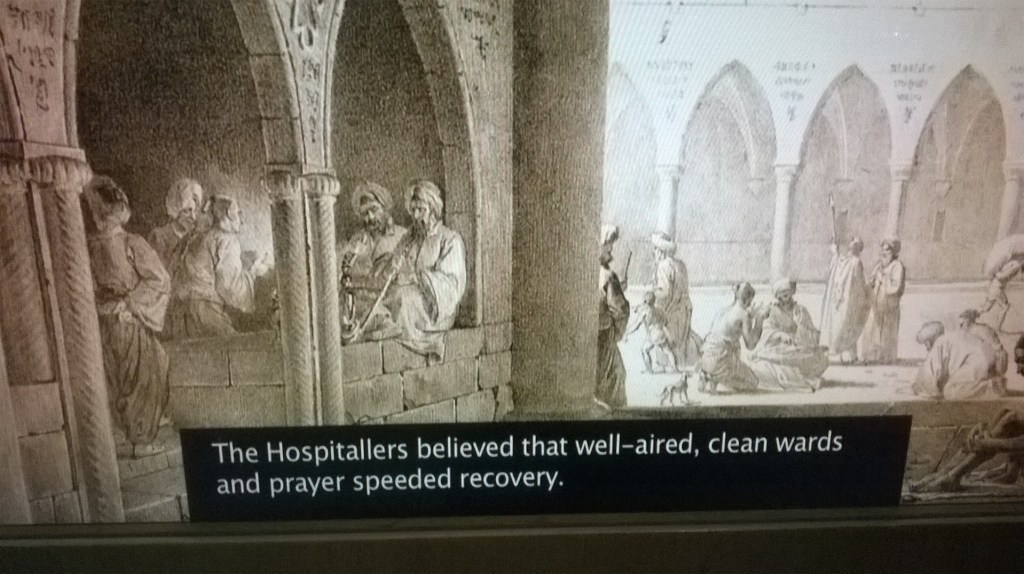
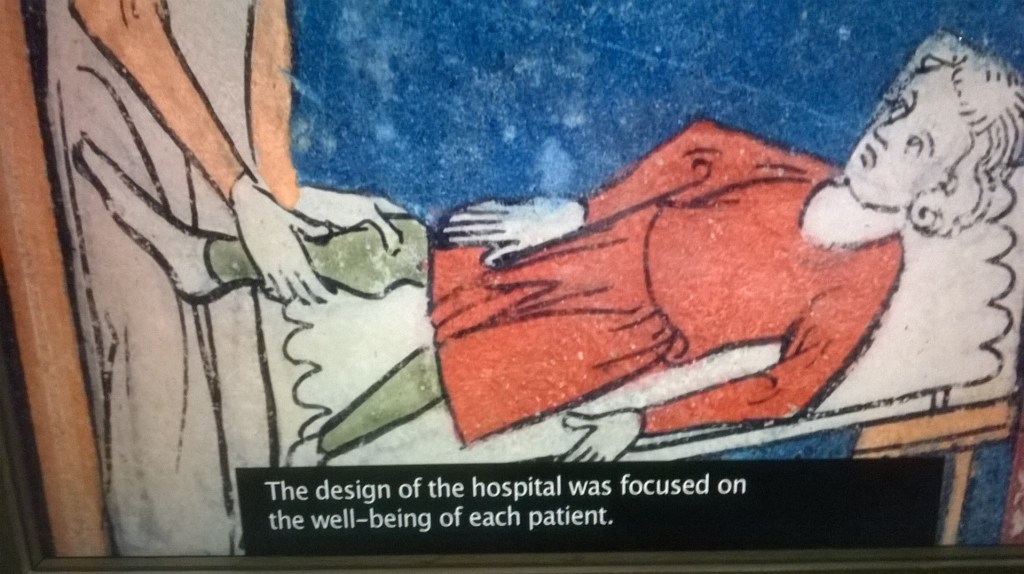
A group of monks founded a hospital in Jerusalem around 1080, to care for pilgrims who had become sick while travelling on pilgrimage to the Holy Land. They were known as the Hospitallers and they claimed they had been told by God that 1. They should care for all people, regardless of race or faith, and 2. They should care for individuals as if they were caring for Christ Himself. They became a military order during the Crusades (not engaged in combat but doing admin and medical duties), when they became the Knights of the Order of St John. The Order moved to Cyprus, then Rhodes, then settled on Malta. You can go and explore for yourself the following 800 years of St John’s history!  The interesting thing to note is that because the Hospitallers believed ‘each patient represented Christ Himself’, they focused on provided the best care that they could, pioneering some very advanced practices: quarantine for people with infections, well-aired clean rooms, each patient to have his own bed and the dignity of hospice care for the dying. Cutting edge stuff for nearly 1,000 years ago!
Address: St John’s Gate, St John’s Lane, Clerkenwell EC1M 4DA. www.museumstjohn.org.uk

Nearest Tube: Farringdon

Promotional Poster from the First World War

Bart’s Hospital Museum

‘Bart’s is the oldest hospital in Britain still providing medical services which occupies the site it was originally built on’ (Wikipedia). It was founded in 1123 by a courtier of Henry I, named Rahere, who was also a priest. On pilgrimage to Rome he fell ill and is said to have had a vision of St Bartholomew, who told him to establish a priory and hospital in London, specifically, at Smithfield, just outside the city walls. On his return to England, Rahere did just that, telling his master the King about his vision and his divine calling to build a hospital and priory on the site of the King’s Market at Smithfield. The King graciously agreed and Rahere built and subsequently became the leader of the priory of St Bartholomew. And then chroniclers of the time began recording miracles occurring in the priory: a lame man was healed at the altar, a woman had her ‘feeble’ limbs cured, a man who was mute began to speak again. Yet more healings took place in the adjacent small hospital, which grew in size, as people heard about the miracles, and the hospital gained a reputation for excellence in more conventional medicine! I like the way God doesn’t only do the miraculous but works with servant-hearted and willing people.  A few hundred years later, King Henry VII, who was busy dissolving monasteries all over the country, granted ‘to the Mayor and Commonalty of London and their successors for ever the Hospital of St Bartholomew, its church and other properties.’ So that’s why the hospital (rebuilt several times) still stands in the same place after nearly 900 years. It became one of the first medical schools in the country, a training facility for surgeons. The museum is very small but charts 900 years of history. (Incidentally, the ‘King’s Market’ nearby became the famous Smithfield Meat Market!)

Address: Museum & Archives, St Bartholomew’s Hospital, West Smithfield EC1A 7BE

www.bartshealth.nhs.uk/bartsmuseum

Nearest tube: Farringdon, Barbican, St Pauls

The Museum of Methodism & John Wesley’s House

A brief history: John Wesley was born in 1703 and his father Samuel was a nonconformist minister, whose two sons followed him into the priesthood. John and Charles became known as ‘Methodists’ because of their methodical way of studying the Bible. Interestingly, this was a derogatory term used by others, but the Wesley boys liked it, so it stuck. The actual name of their study group was ‘The Holy Club’, hmm, I can see why they preferred ‘Methodists.’ The group also placed importance on social action, working among the poor, especially the homeless and children, and prisoners, who at the time had to rely on people on the outside for food, etc. The Wesley brothers definitely had compassion for others, and an interest in the Bible but didn’t seem to apply the message of the Gospel to themselves. Then in May 1738 John had a ‘conversion experience’, during a church meeting: ‘I felt my heart strangely warmed. I felt that I did trust in Christ….and an assurance was given me that he had taken away my sins, even mine, and saved me from the law of sin and death’. Charles also experienced God’s love for himself and became a great hymn writer.  John embarked on what today we would call a preaching tour, travelling across the country on horseback, stopping at villages and towns and speaking to people about God’s love for them in the open-air (unheard of at the time.) Amazingly, he travelled 4,000 miles per year and preached 40,000 sermons in his lifetime. He famously said, ‘The world is my parish’. The Museum of Methodism has a brilliant introduction video narrated by Huw Edwards from the BBC, which really brings Wesley’s story to life. You can also visit the Methodist Chapel and Wesley’s beautiful Georgian house, all on the same site. Again, I won’t say any more, you have to see for yourself!

Address: Museum of Methodism, 49 City Road, London EC1Y 1AU

www.wesleysheritage.org.uk

Nearest tube: Old Street, Moorgate

Florence Nightingale Museum

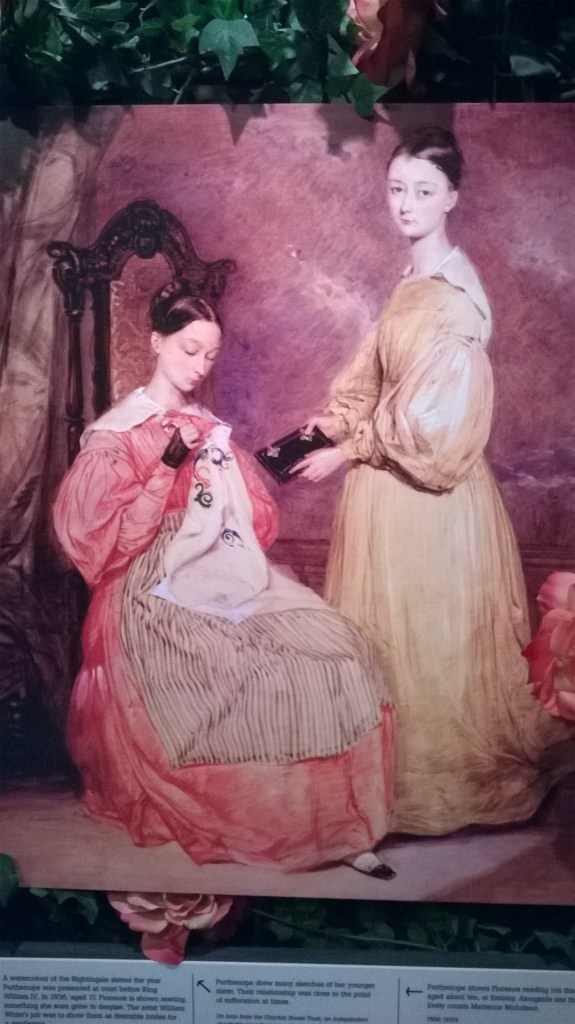
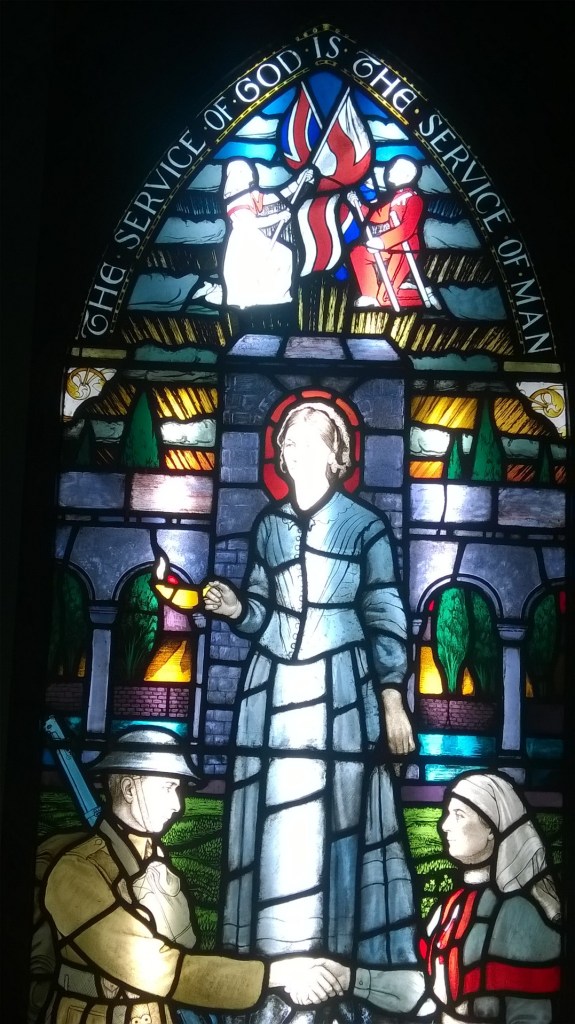
Florence was born into a wealthy family in 1820; she and her sister were bought up to be fashionable and educated young ladies. Educating Florence meant she grew up with an enquiring mind, discussing philosophy with her father and excelling in Maths. That wasn’t what her parents intended, in those days young ladies were not supposed to use their accomplishments for a future career. Florence became interested in nursing, and at 16, she clearly felt God’s call to serve him. When she told her parents that she wanted to become a nurse, they were horrified, because ‘the stereotype of nurses at the time was of drunken women with loose morals who nursed the sick because they weren’t fit to do anything else. The only other kind of nurses were nuns.’ (Premier Christianity). A world away from the graduate profession of today! But, through her parents, Florence came into contact with independent, career-minded women; also because of the fashion of the idle rich for continental travel, she had had the opportunity to visit well-run German hospitals, with trained, competent nursing staff. So you could say Florence’s parents were responsible for her wanting to become a nurse, and eventually they agreed she could train.

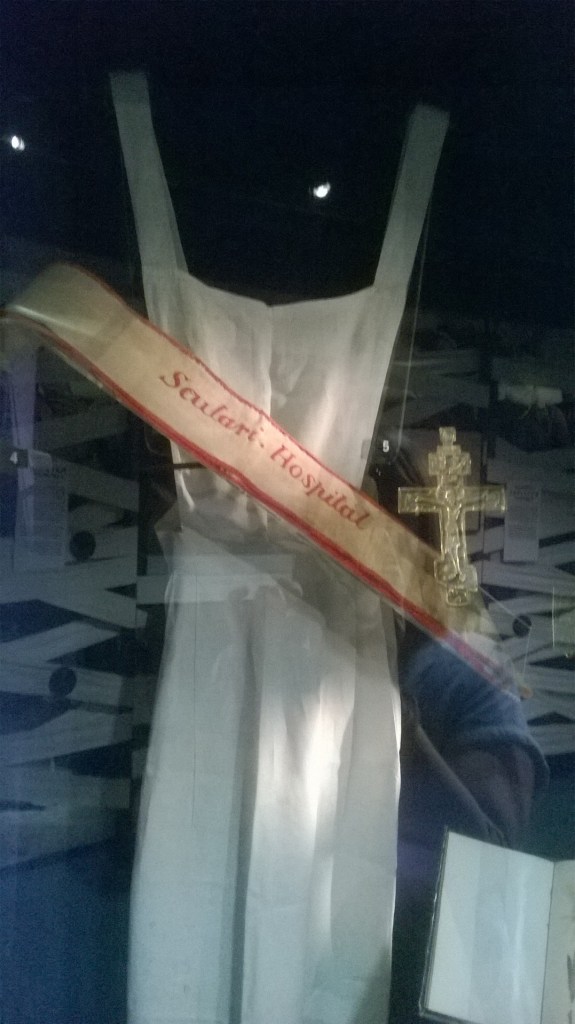
After training, Florence was appointed as Matron-in-Charge of ‘The Institution for the Care of Sick Gentlewomen’ in London, but in 1854 she accepted an invitation to lead a team of nurses to Scutari, Turkey, where Britain had just entered the Crimean War. The conditions in the military hospitals were atrocious, with more soldiers dying in hospital than on the battle field. This wasn’t just due to appalling sanitary practices, but also appalling admin! Florence, with her talent for administration as well as being a highly competent nurse, set about organising hygienic nursing practices, recording information and organising supplies. She took an interest in the soldiers’ mental and spiritual health, and even paid for more nutritious food for them from her own pocket; basically, she cared. Florence Nightingale’s desire to serve God, her compassion for the sick and her exceptional administration skills, radically changed how hospitals were run. The exhibits and displays in the Museum trace Florence’s life story and show how nursing has developed in the last 200 years. I love that the new NHS hospital to be housed in the Excel Centre in Docklands, is being named The Nightingale.

Address: Florence Nightingale Museum, St Thomas Hospital, Lambeth Palace Road SE1 7EW

www.florence-nightingale.co.uk

Nearest station/tube: Waterloo, Westminster

The Ragged School Museum

The Ragged Schools were established by Dr Thomas Barnardo in 1860.  He was born in Dublin in 1845 and said of himself that as a child he was ‘selfish and thought that everything that was not his should belong to him’. (Wikipedia). As he grew older, he changed dramatically and as a young man, he wanted to make up for his selfish attitude. He went to London to train as a doctor with the intention of going to China to become a missionary doctor. The hospital where Thomas trained was The London, in Whitechapel in the East End, one of the poorest areas of the country. Thomas saw disease and poverty every day, sick and malnourished adults, and children as young as three playing in the dirty streets.  He walked among the people, reading to them from the Bible to try to give them hope, but he realised he could and should do more. He abandoned his plans to go to China and never completed his medical training, instead setting up his Ragged School. In Victorian times, there were no free schools, even at an elementary level, and Thomas realised that a child would never be able to change their circumstances without access to education, and the cycle of deprivation would continue. Any child who wanted to, could attend his school, they received a hot meal in addition to what we would call today basic literacy and numeracy. Thomas struggled to get the children to listen and even to sit still, but he persevered and gained their trust and respect. Then one day by chance, Thomas found out that almost all the children at the school were homeless and was shown a group of boys sleeping on the rooftop of a building, huddled together for warmth.  Thomas was horrified and set about raising funds for a Boys Home, a place of shelter and safety, food and warmth. His first Home had 25 places and was quickly filled to capacity. Then came another turning point in his life: one winter’s night he had to turn a boy away from the Home. The next morning, in the lane beside the house, he saw two men carrying the body of a boy, the one he had turned away. He had frozen to death in the night; Thomas was heartbroken.  He vowed never again to turn anyone away and had a large sign put up above the door: No destitute child ever refused admission. Eventually there were 96 Children’s Homes, caring for over 8,000 children.  The work of Dr Barnardo’s Homes continues today, simply known as Barnardo’s. Their work has changed from providing residential care to adoption and fostering services and social care. The Museum is delightful, housed in the original school with the classroom, kitchen and laundry furnished as they would have been in the 1860s, and also an exhibition of local history.   

Address: Ragged School Museum, 46 – 50 Copperfield Road, Mile End E3 4RR

www.raggedschoolmuseum.org.uk

Nearest tube: Mile End, Limehouse DLR