It’s been a challenge to visit all my London places this month. Train/tube strikes, and sweltering temperatures meant that some visits were delayed, which has never happened before in the five years since I started exploring the capital. The extremely hot weather has now hopefully come to an end, the strikes, who knows? Anyway, here are the last of the ‘Magnificent Seven’ cemeteries: Highgate, East and West, and Kensal Green. The fourth one, Camberwell Old Cemetery was built in the ‘second wave’ of outer London relocation of graveyards.
To recap, the Magnificent Seven are burial grounds established in Victorian times when central London graveyards ran out of space as the population increased and land in ‘urban parishes’ was approved for burial (the Burial Act 1832). These burial grounds are now carefully maintained as havens for wildlife and quiet, green spaces to visit in the urban environment.
Highgate Cemetery, East and West
Highgate Cemetery was established in 1839 and there are 170,000 people buried in 53,000 graves across both sites; the cemetery is still open for burials. It’s owned and maintained by Friends of Highgate Cemetery Trust. It’s the most famous of the London Cemeteries and has been popular for both burials and as an interesting day out from Victorian times to the present day. The Victorians’ interest (or perhaps even obsession) with death and burial practices led to the creation of an area of Gothic tombs and catacombs and the Egyptian Avenue in the West Cemetery.
I never thought I’d be a ‘grave tourist’, but these two sites contain a fascinating combination of history, fame, notoriety and quirkiness and I spent over TWO HOURS wandering both sites; here are my favourites. First the East Cemetery:
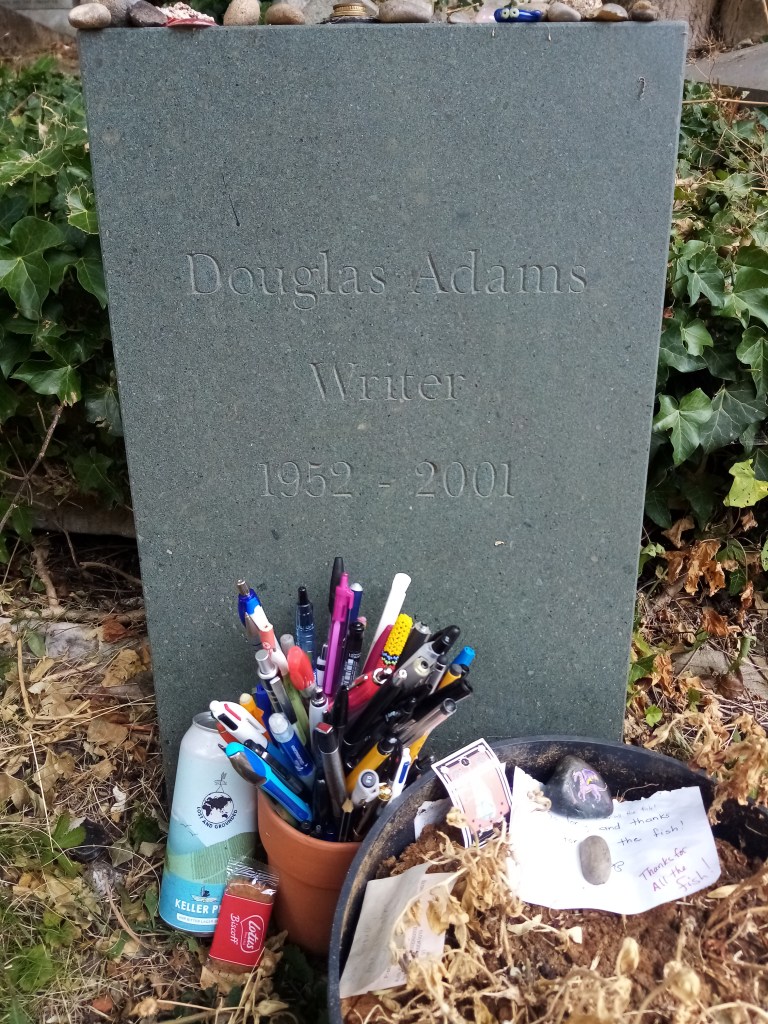
Douglas Adams, Author 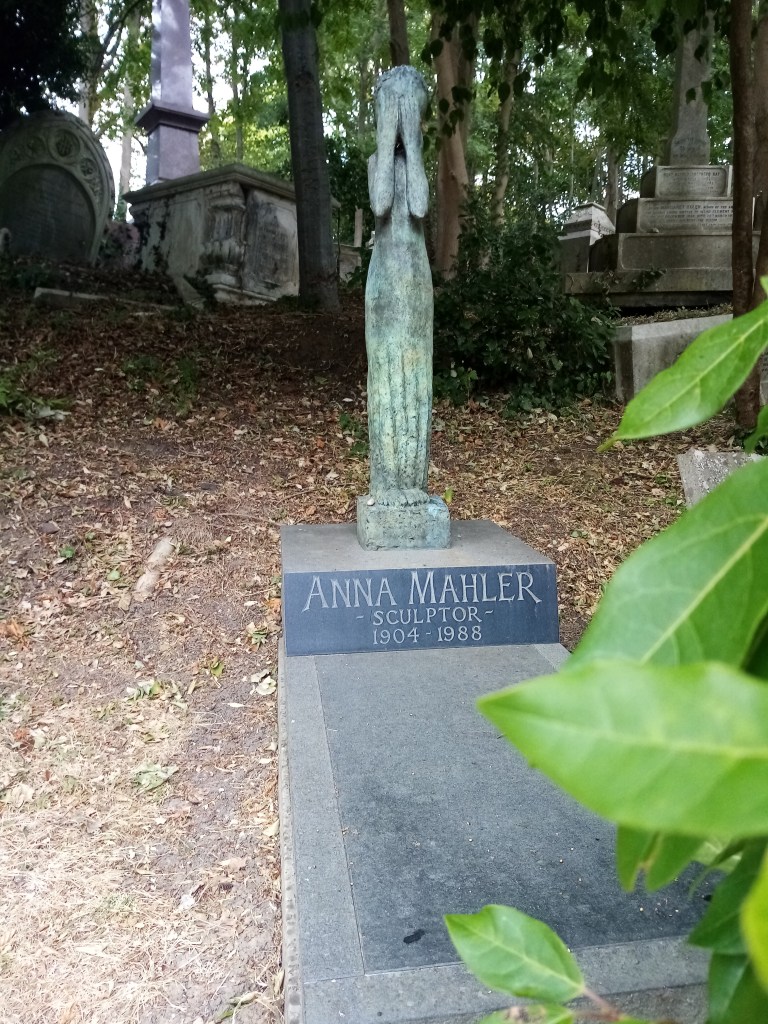
Weeping Angel from Dr Who? 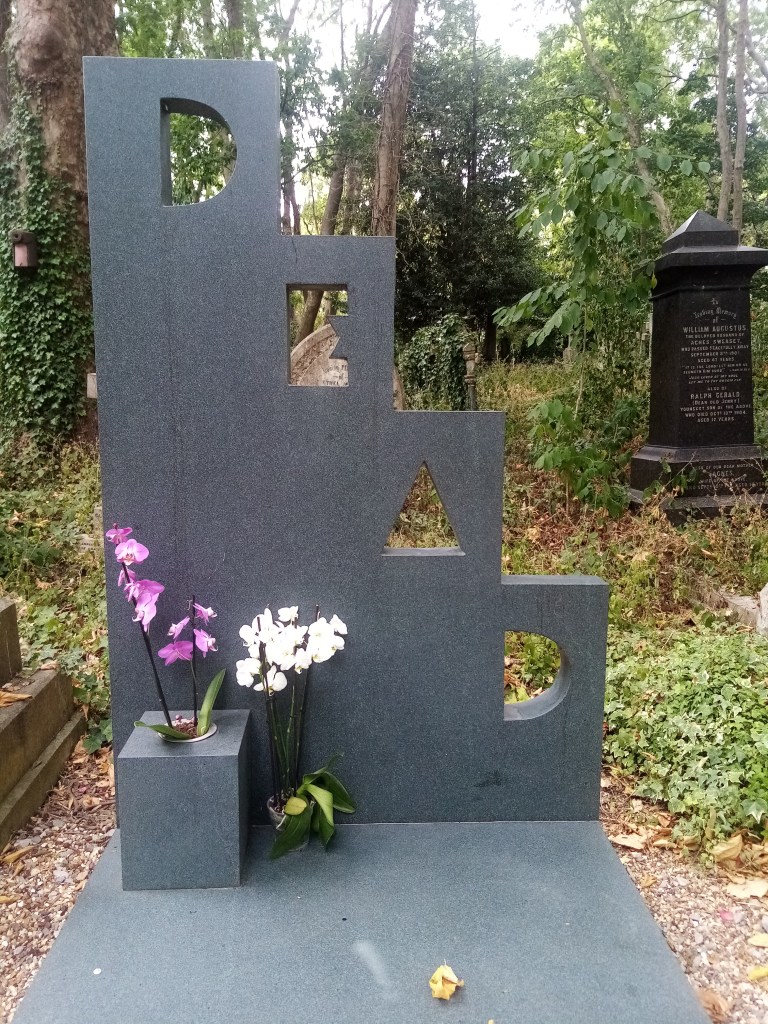
Patrick Caulfield, Pop Artist 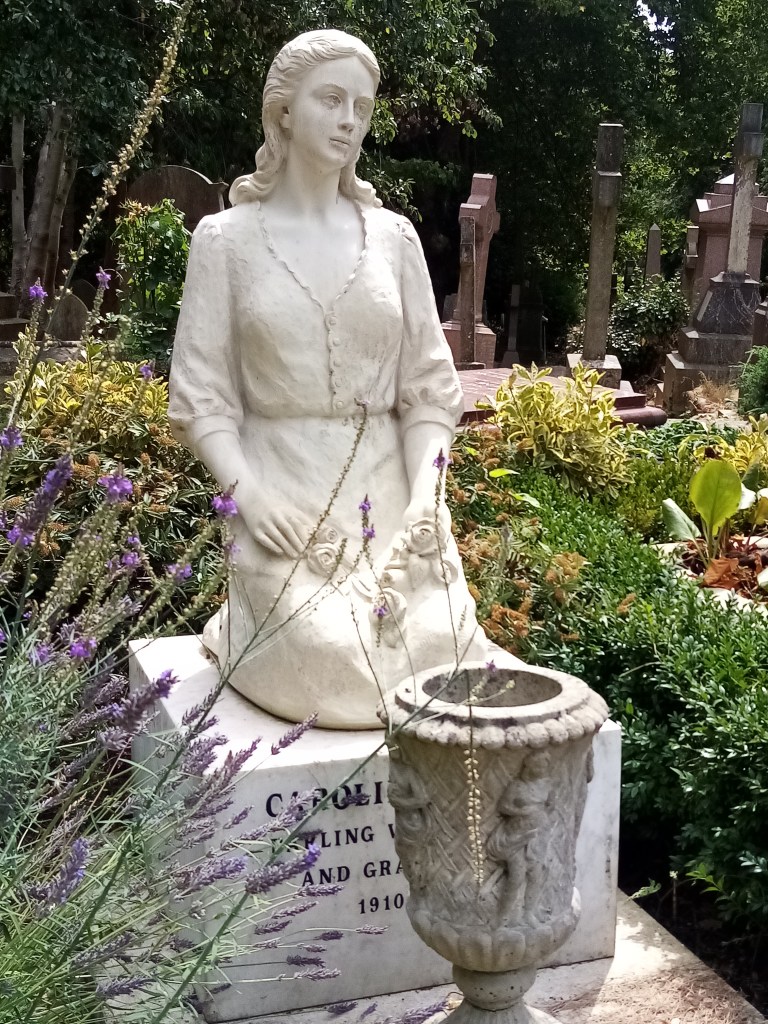
Much loved Mum of the Cundey Family 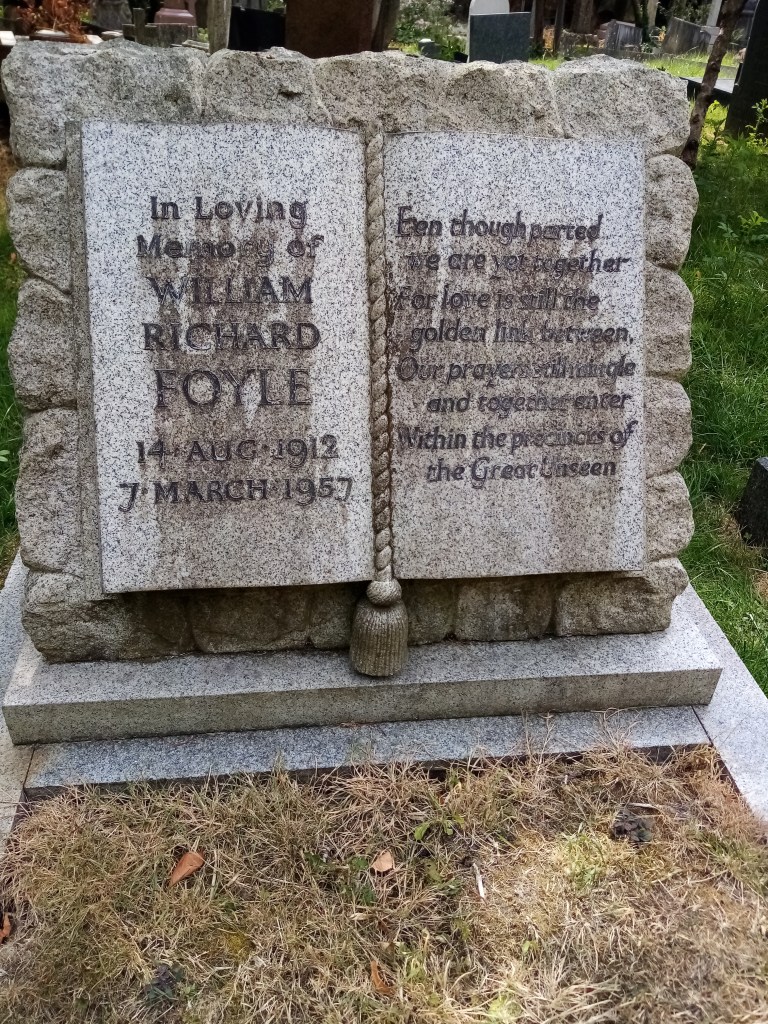
Richard Foyle, co founder of Foyle’s bookshops 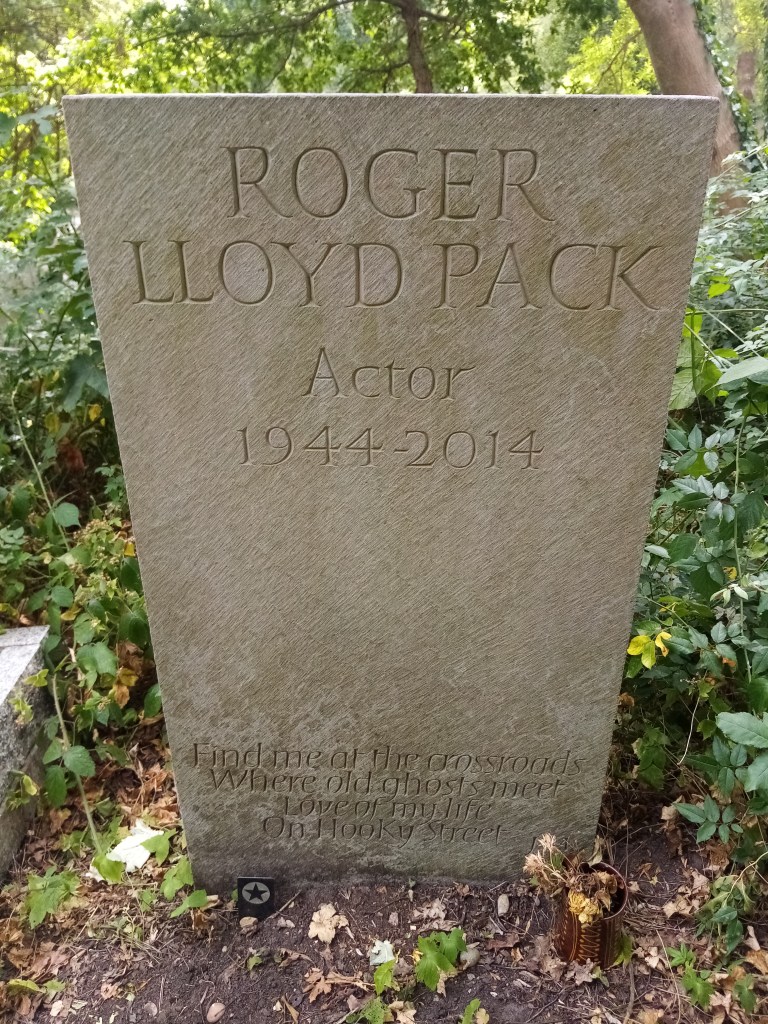
Roger Lloyd Pack aka ‘Trigger’ 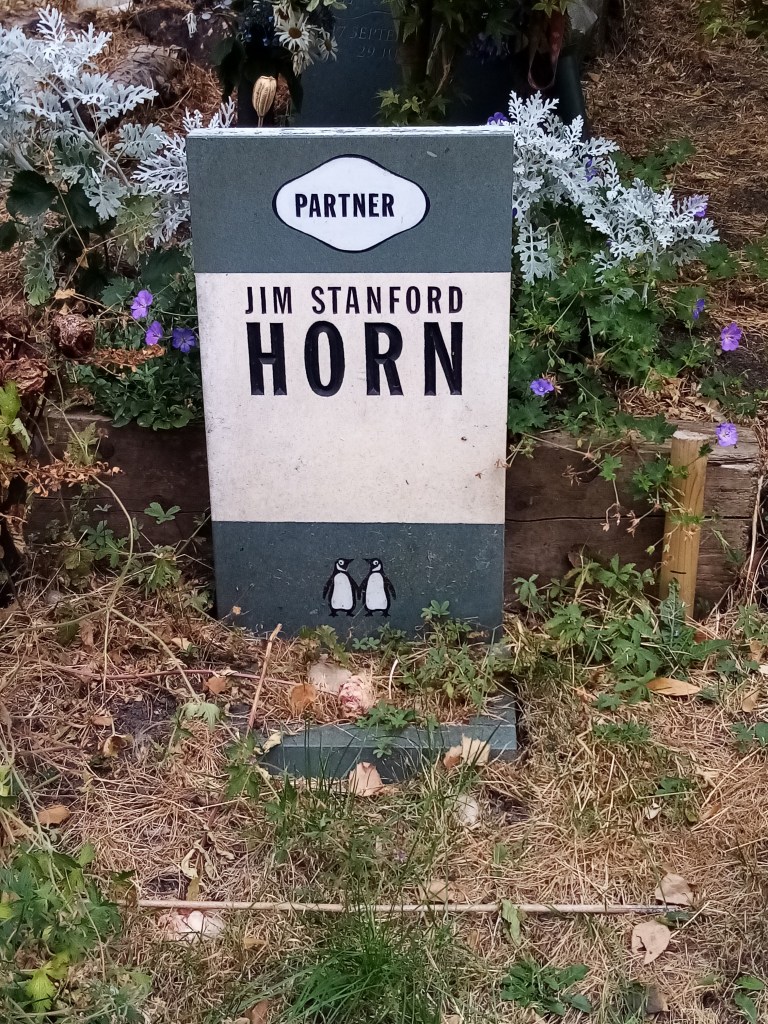
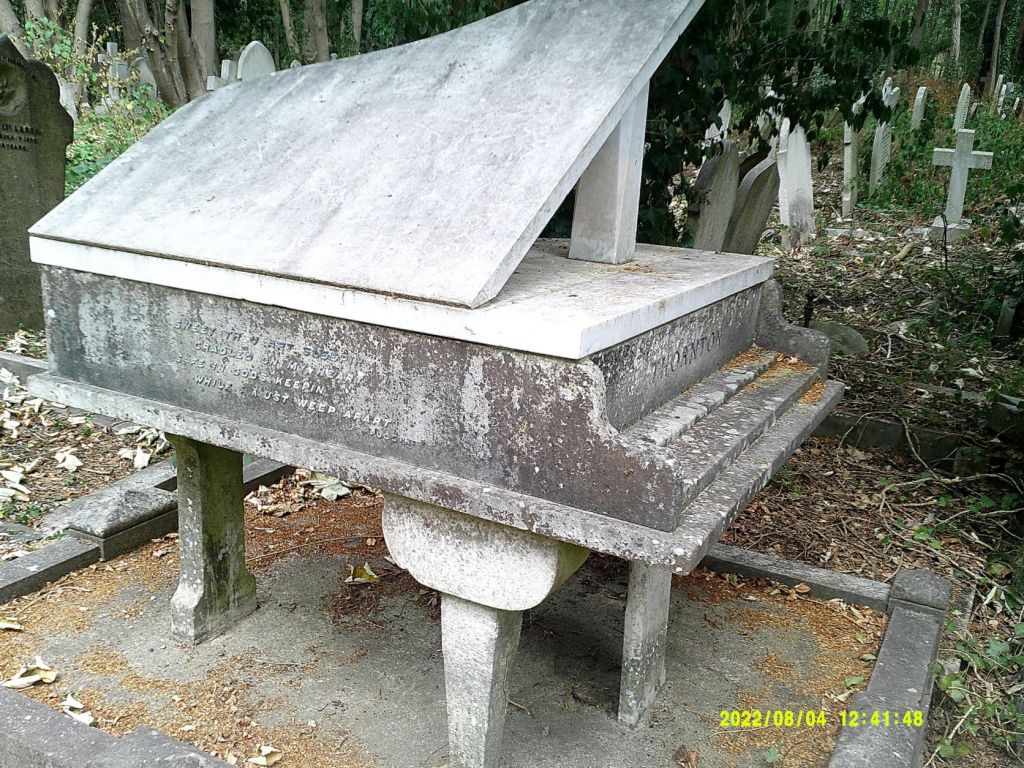
Jim Horn was not a partner in Penguin Books! 
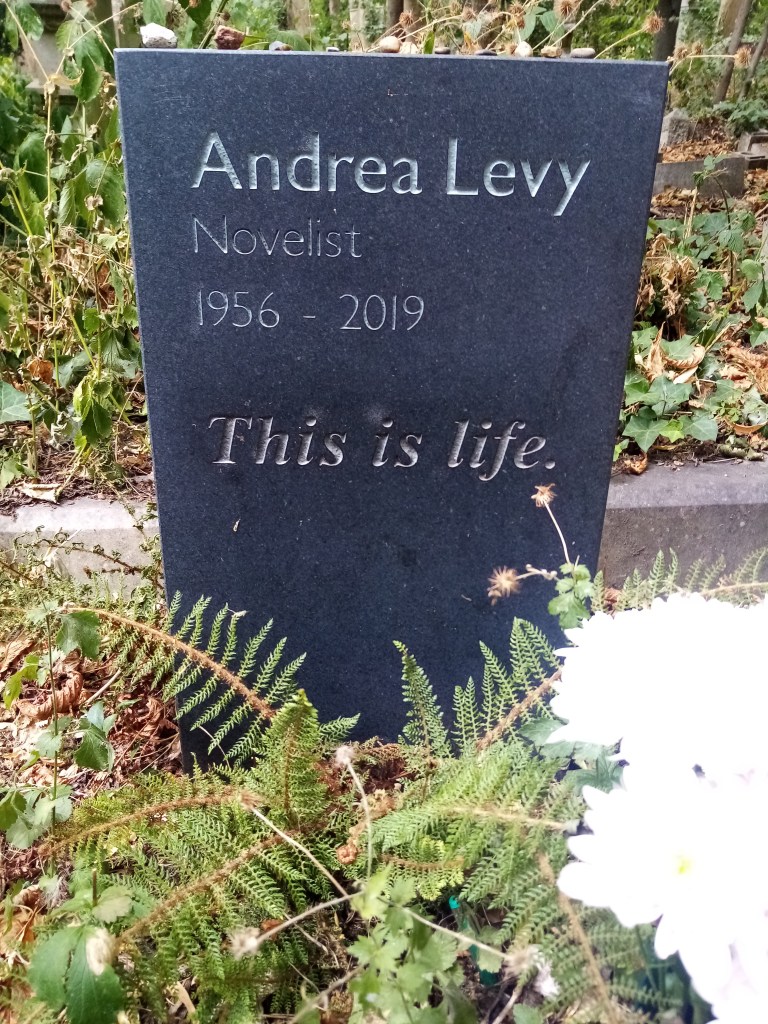
Andrea Levy, author 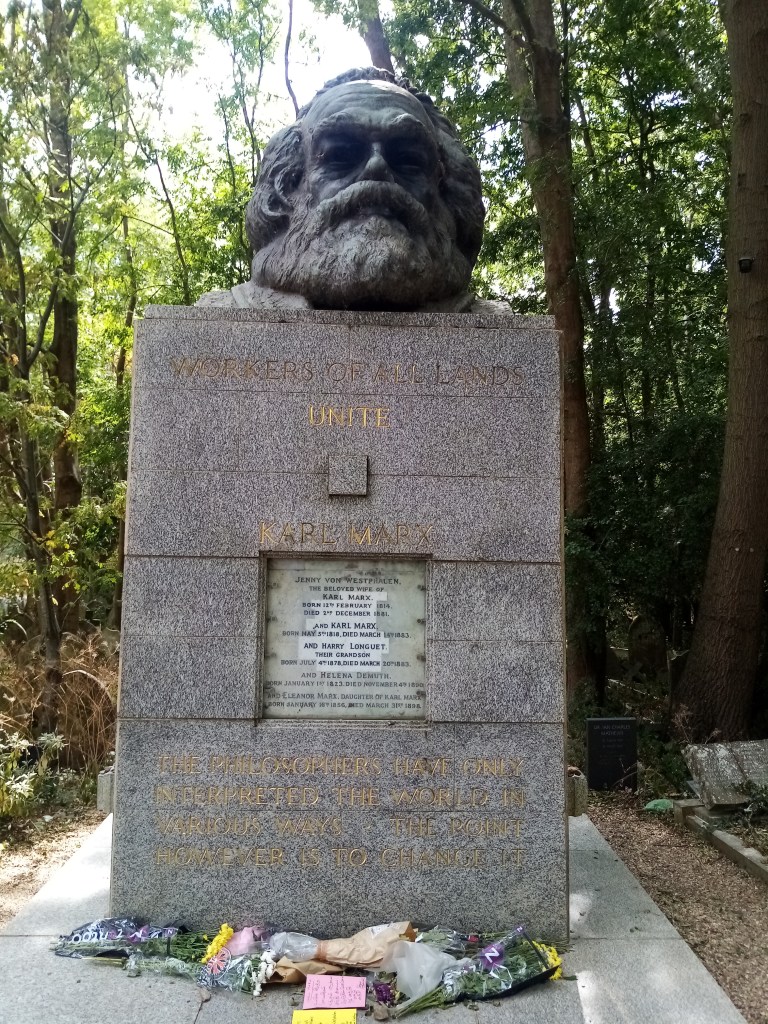
And most famous of all, Karl Marx
West Cemetery
George Michael and members of his family are buried here, but it is forbidden to take photographs of the grave site.
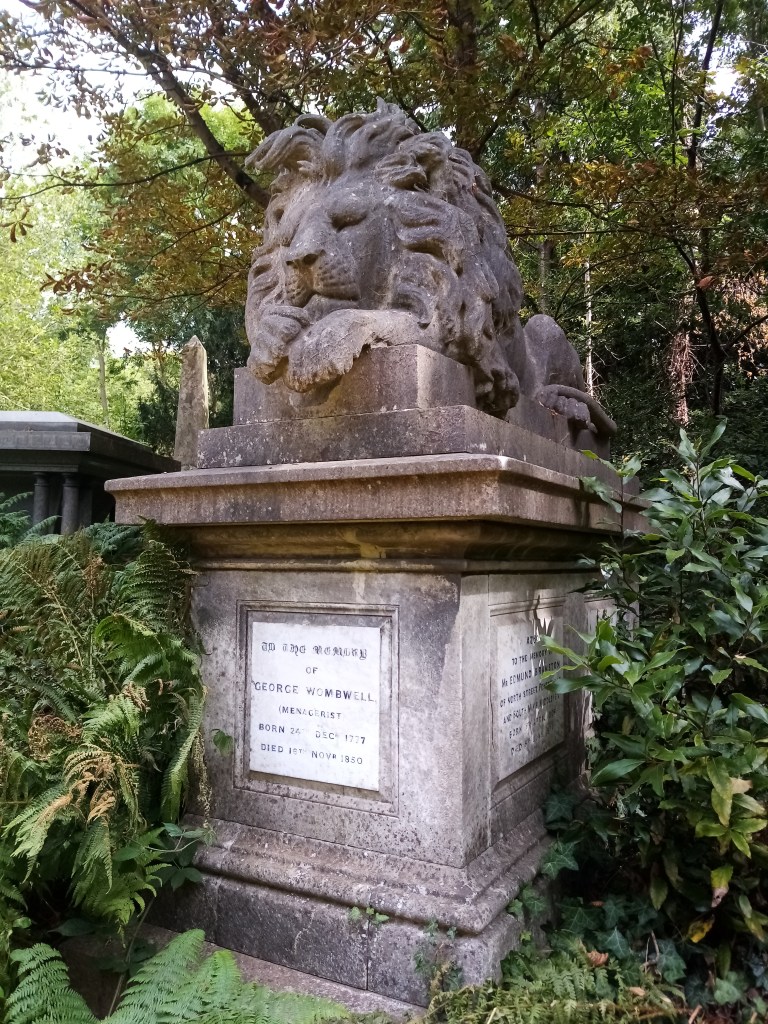
Nero the Lion from Wombwell Circus 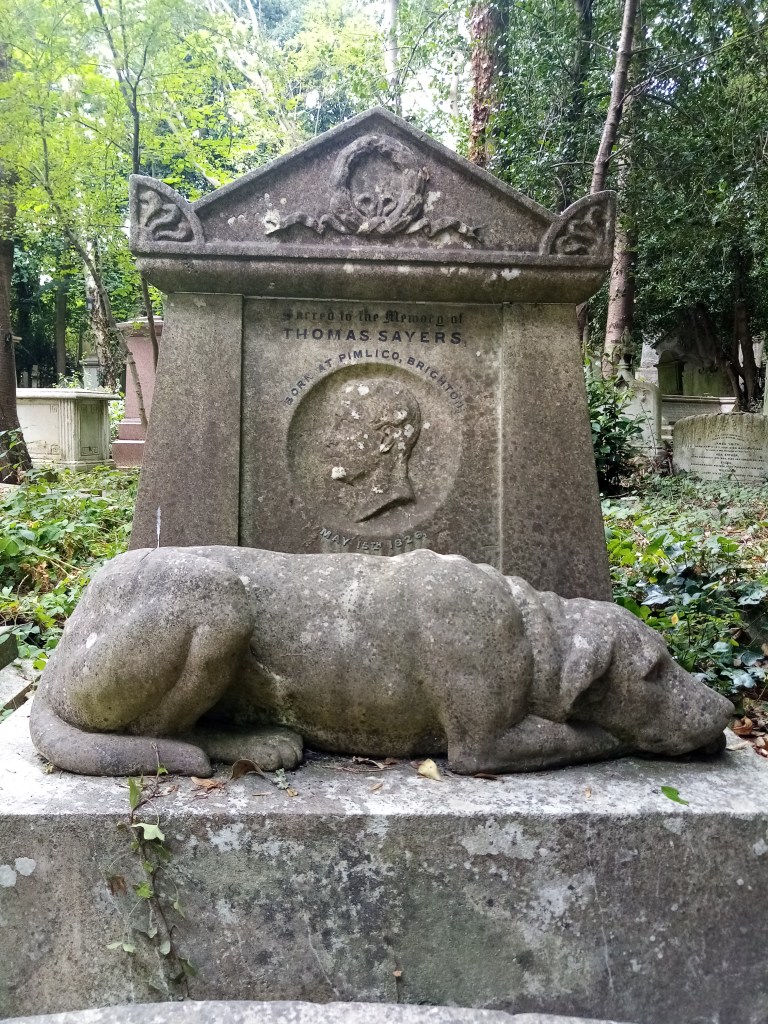
Thomas Sayers’ dog, Lion 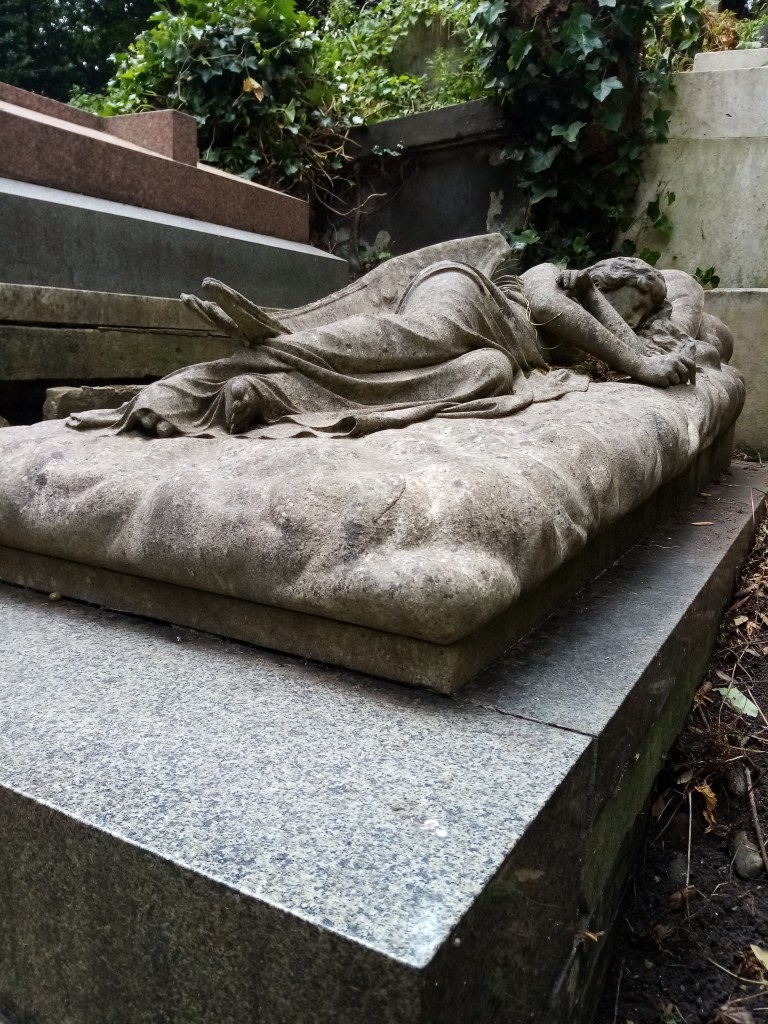
Sleeping Angel 
Triangular Monument 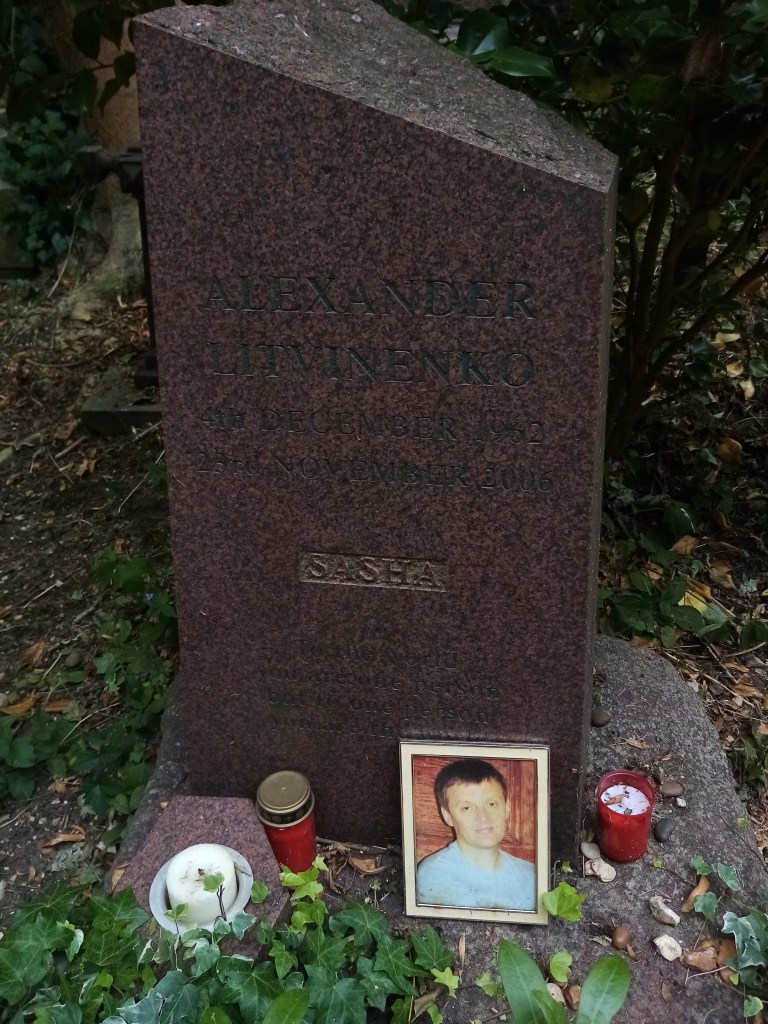
Alexander Litvinenko, murdered Russian intelligence agent 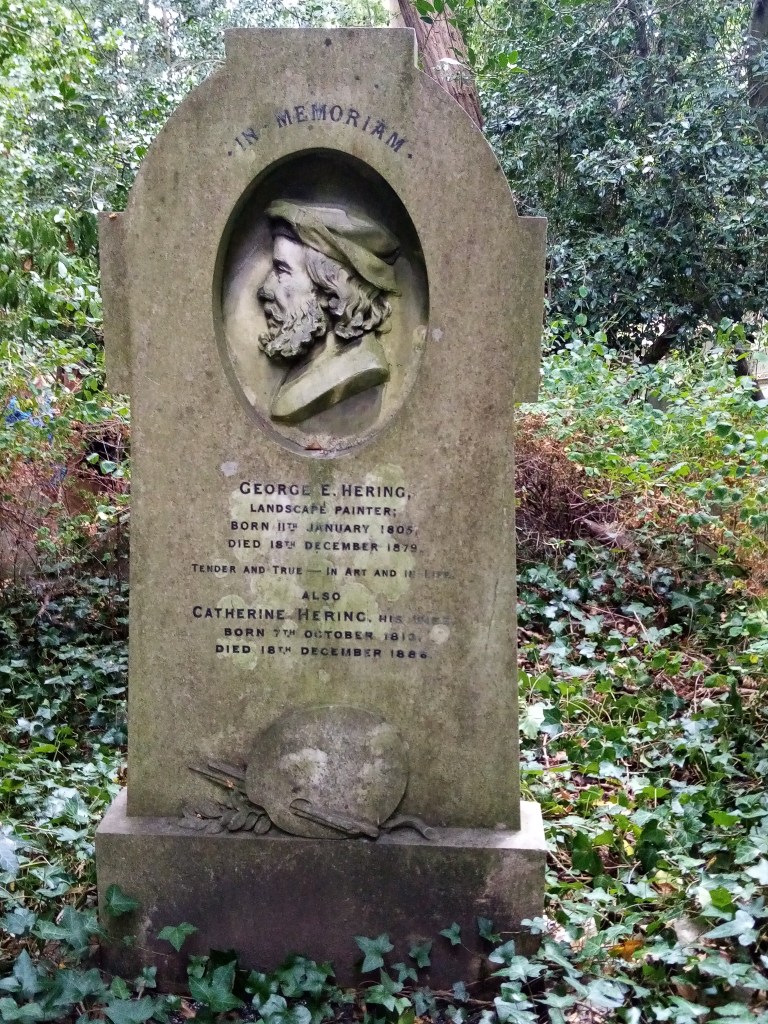
George Hering, Artist, complete with palette and brushes
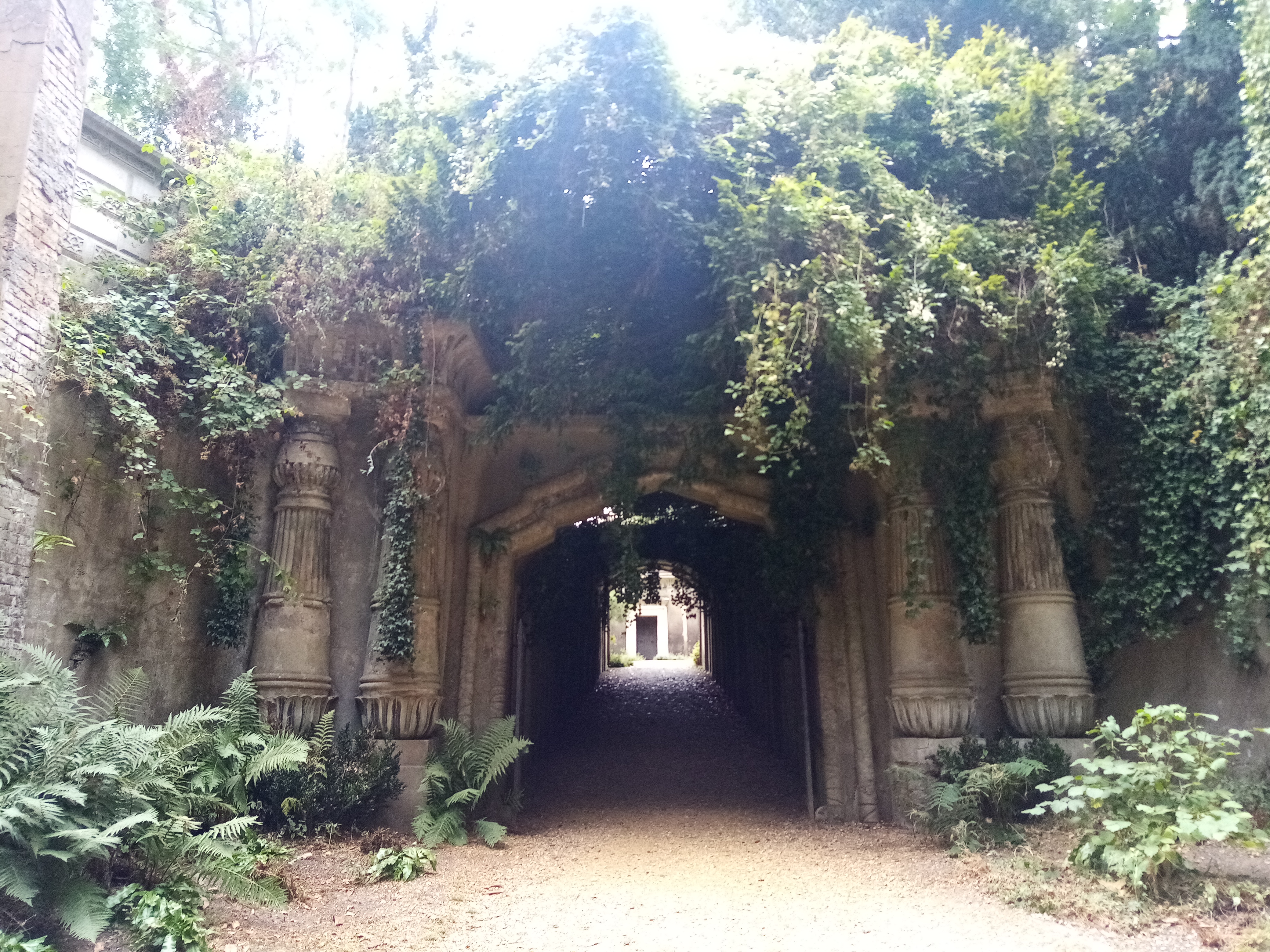
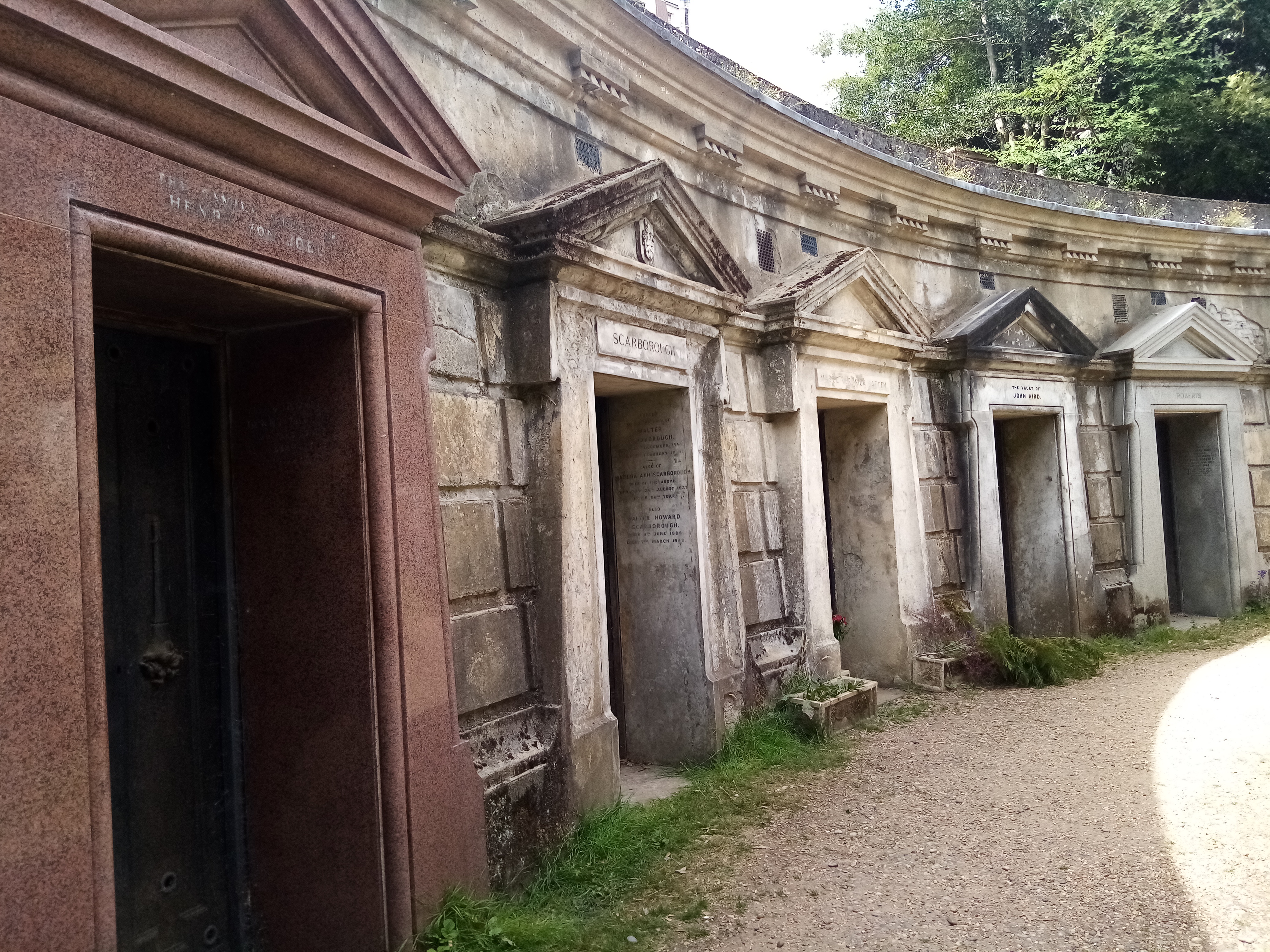
Kensal Green Cemetery
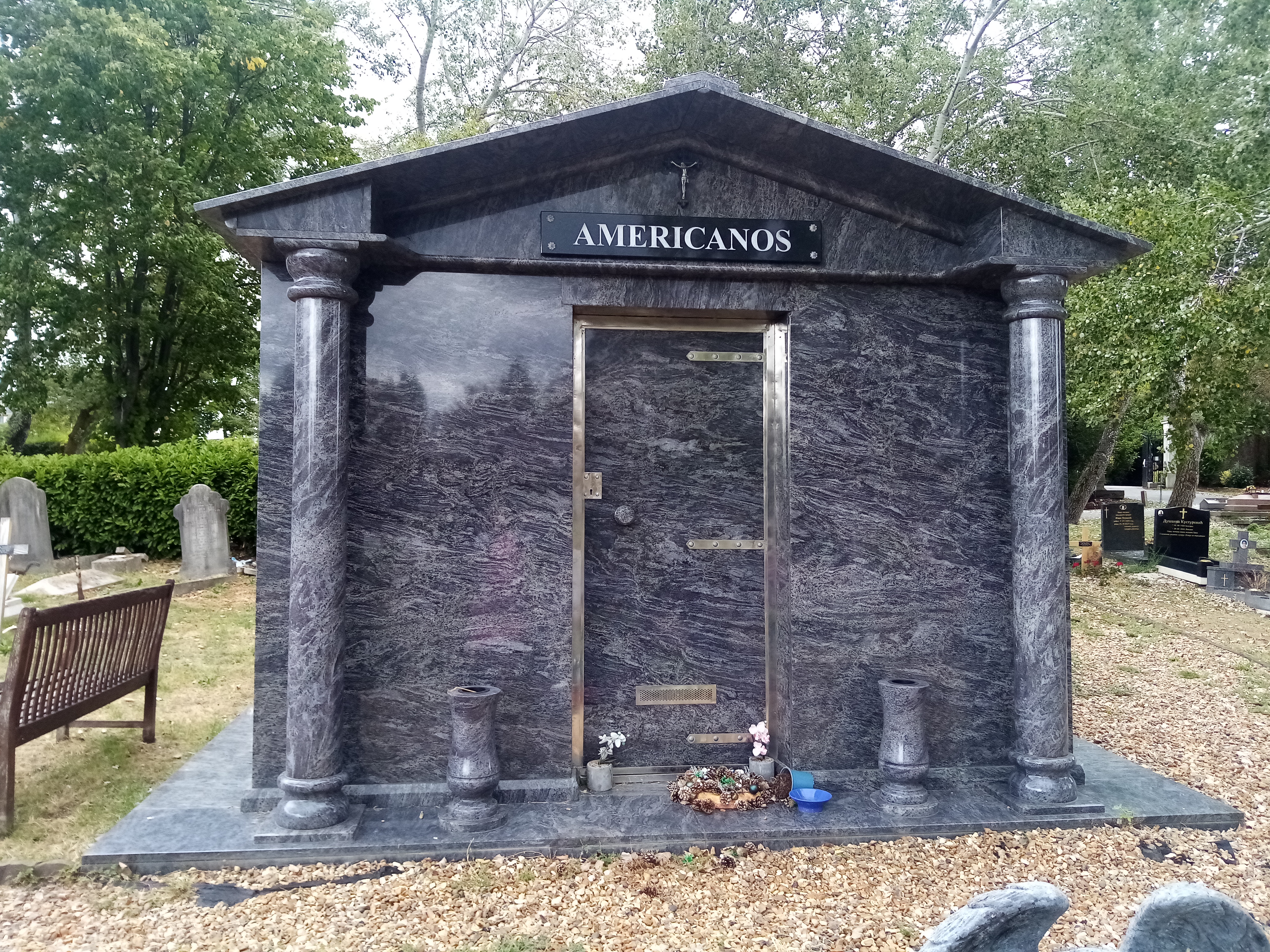
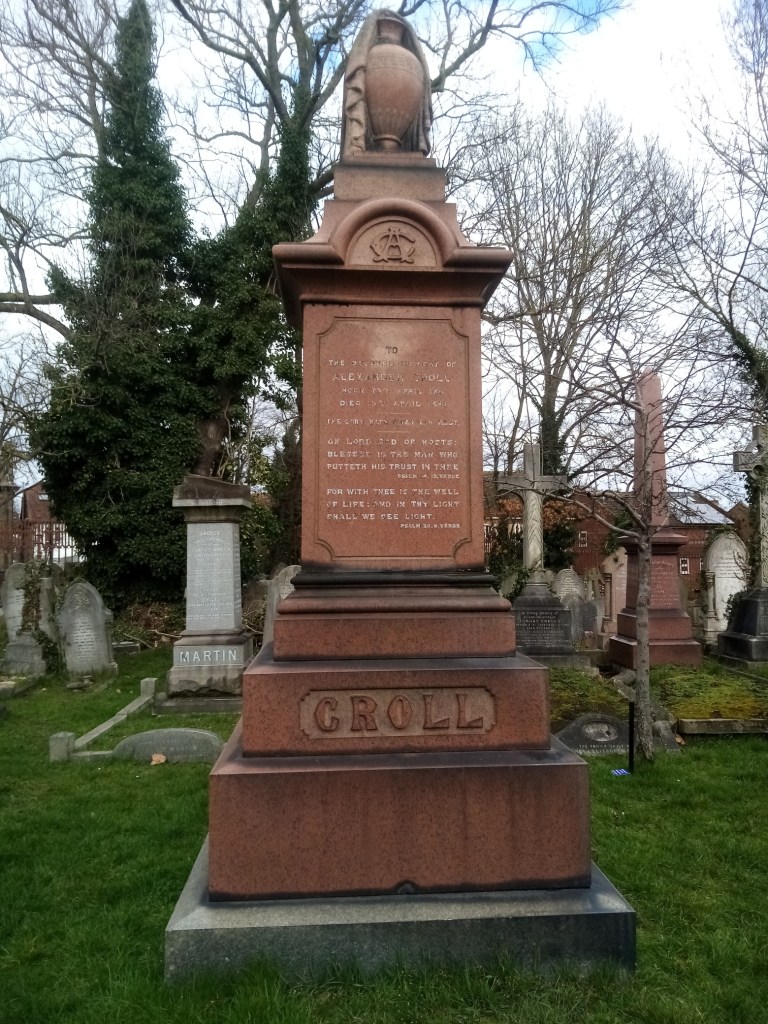
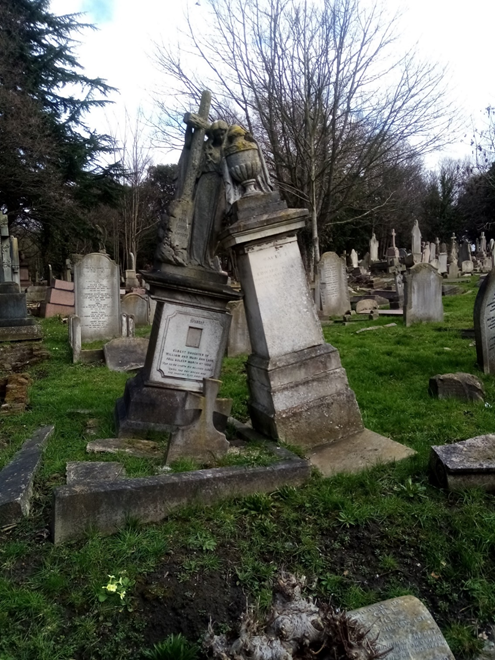
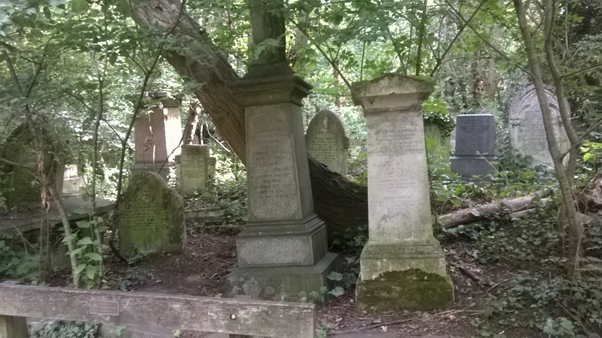
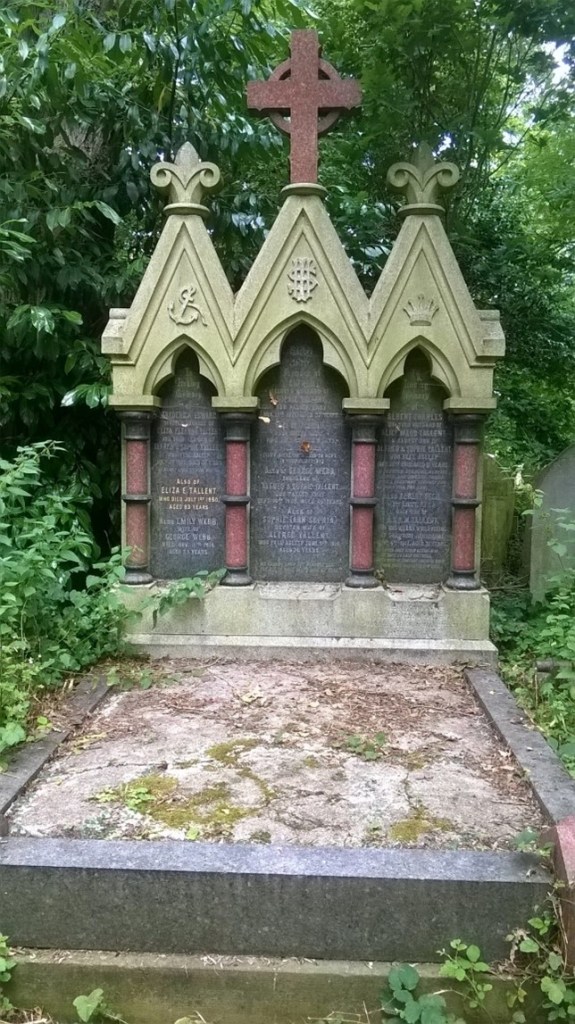
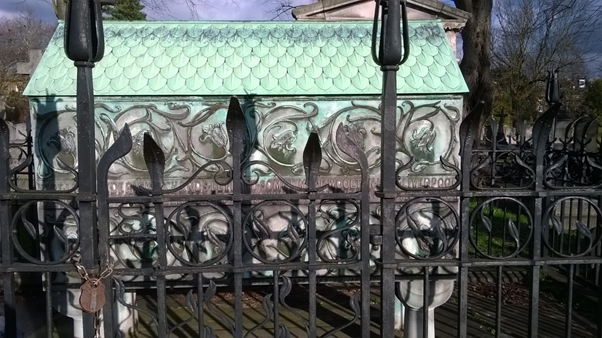
This was originally known as the General Cemetery of All Souls; it was established in 1833 and is the oldest of the Magnificent Seven and is still in operation. There are 65,000 graves and 250,000 interments, including 500 members of the British nobility. There were originally four separate areas: Roman Catholic, Church of England, Christian Orthodox (Greek), and a Christian Dissenters cemetery. There are several large, imposing monuments dated in the 18 and 1900s, reflecting the status of the person buried therein; but there are also a couple of impressive modern ones (see pictures below.) There are also large burial chambers, individual ‘houses’ for whole families. Like most of the cemeteries, Kensal Green is built on London clay which has shifted and caused some of the monuments to lean precariously.
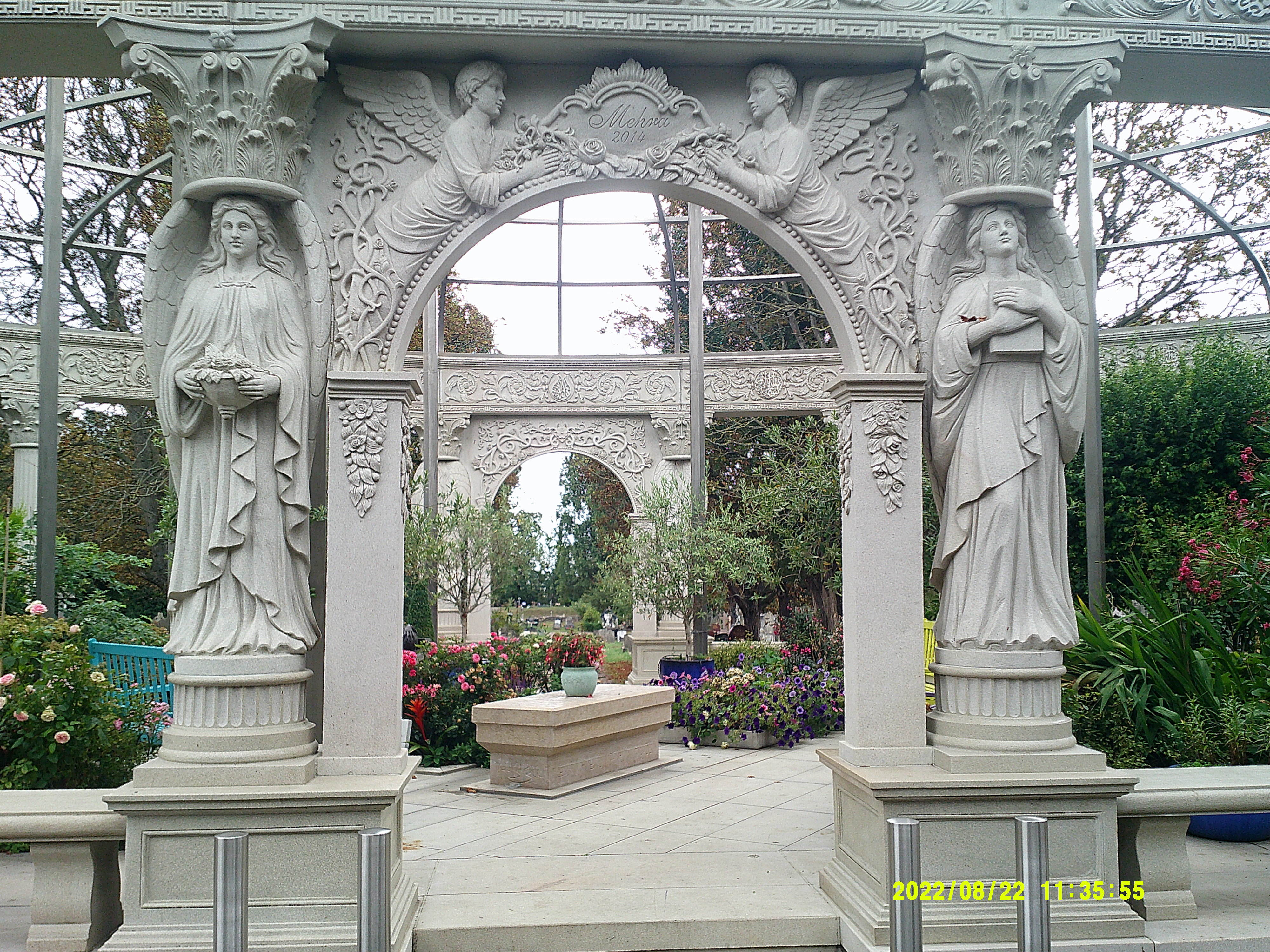
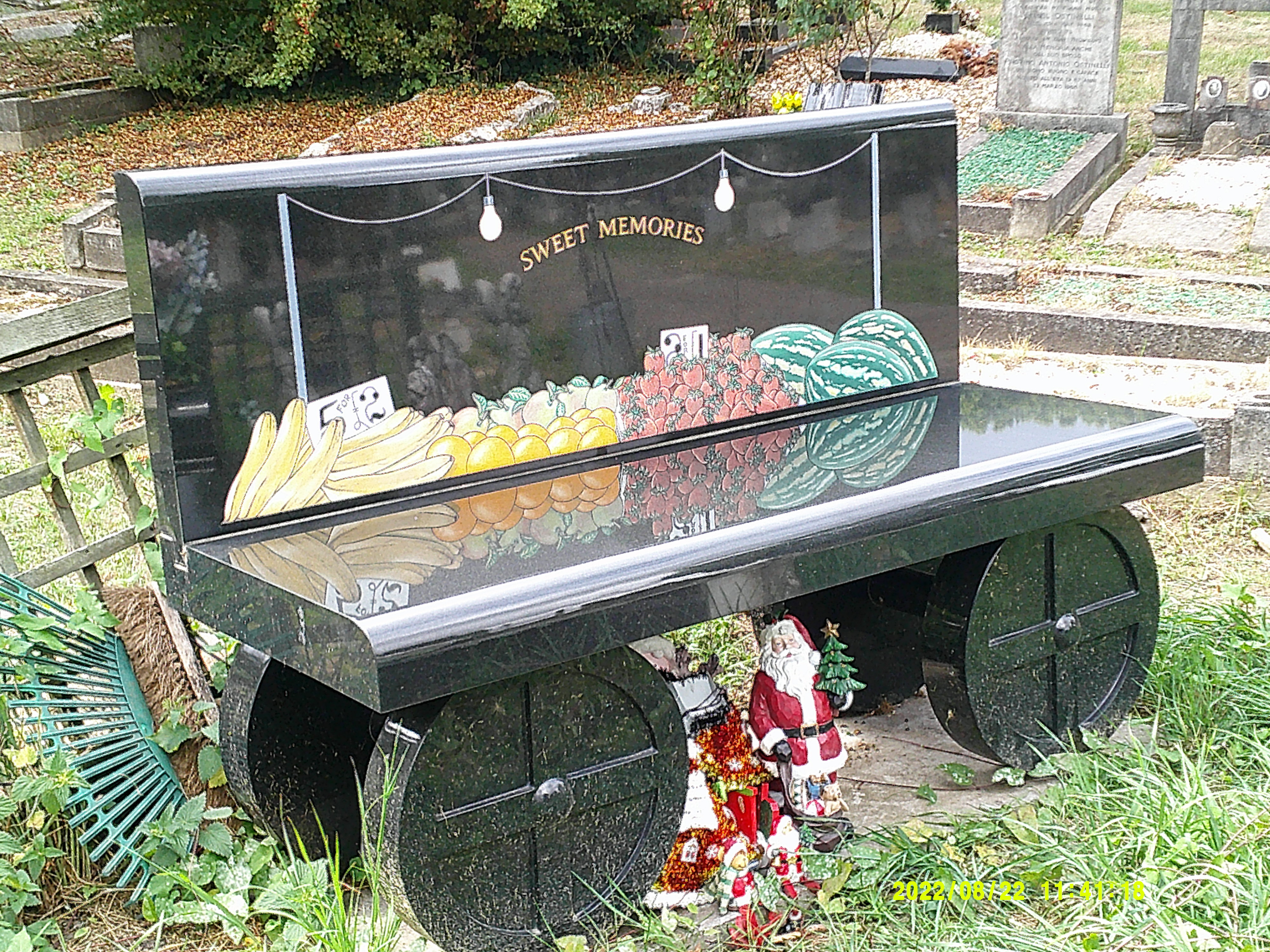
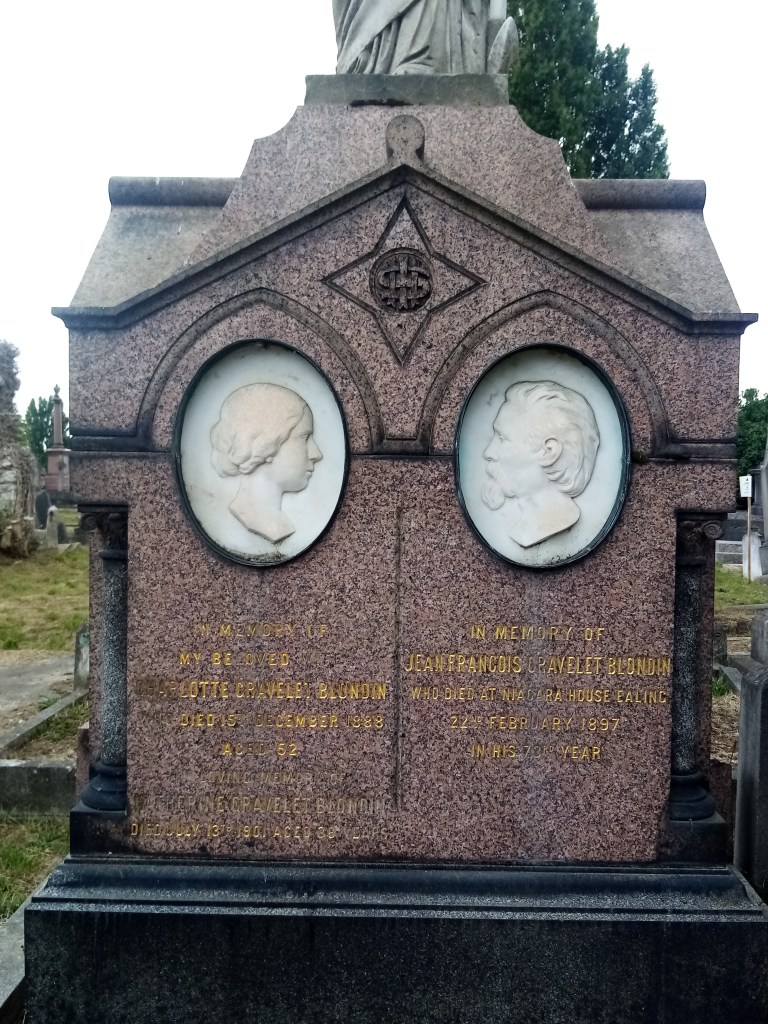
Charles Blondin, acrobat and tightrope walker 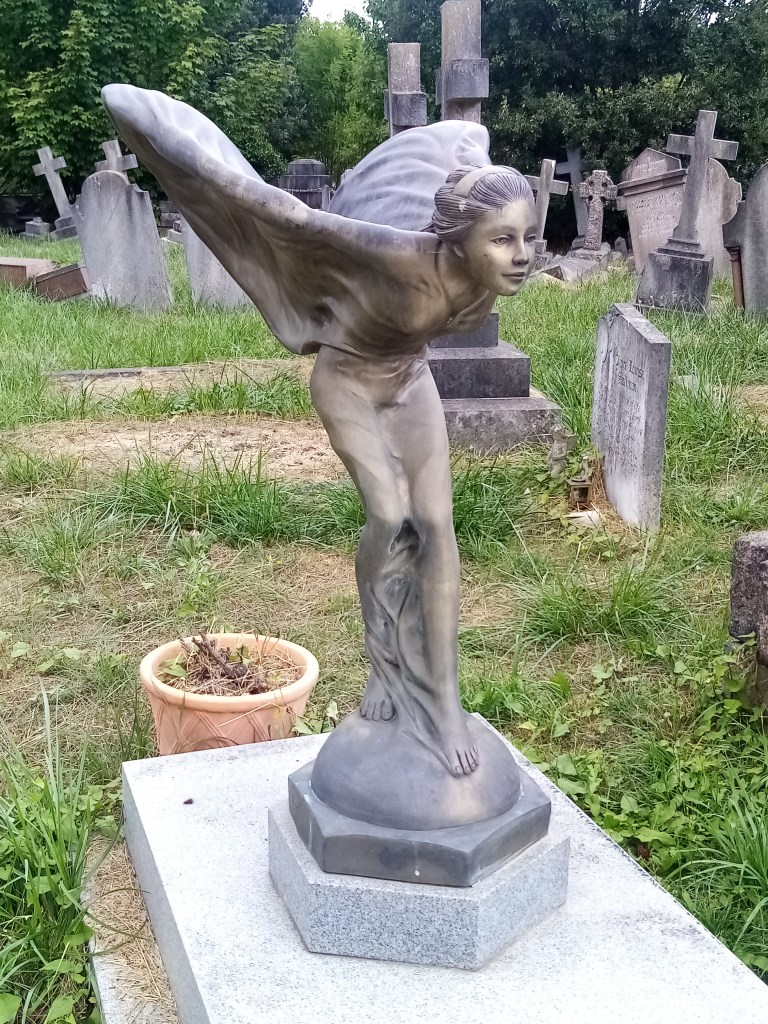
Graceful Angel 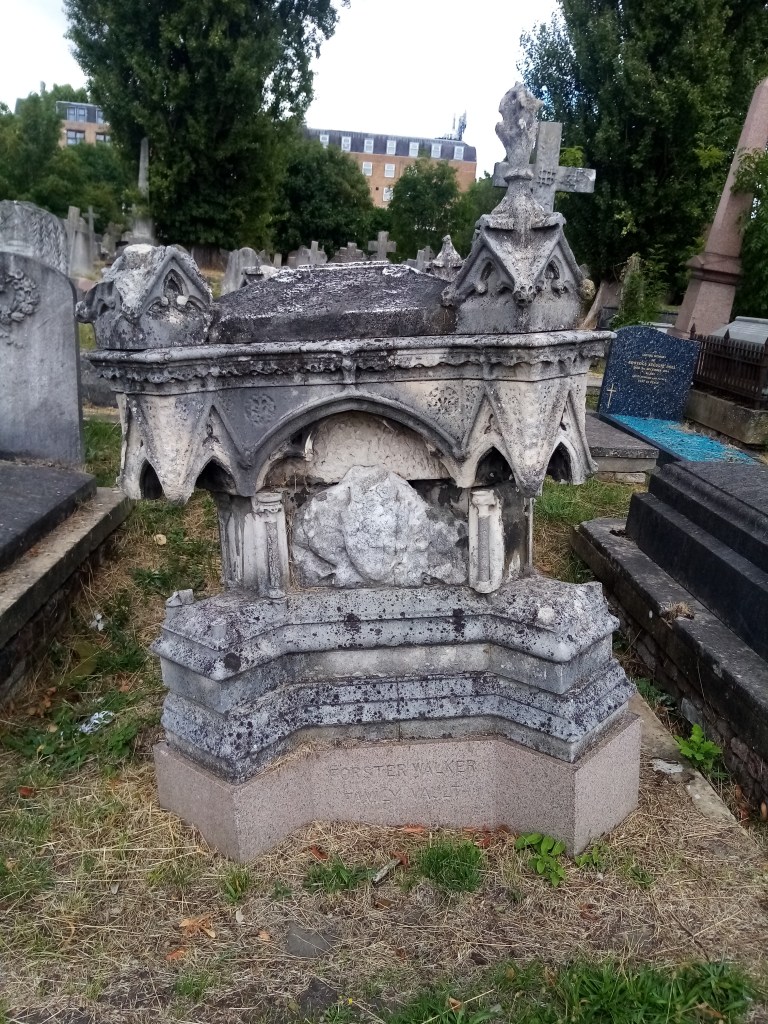
Precarious monument! 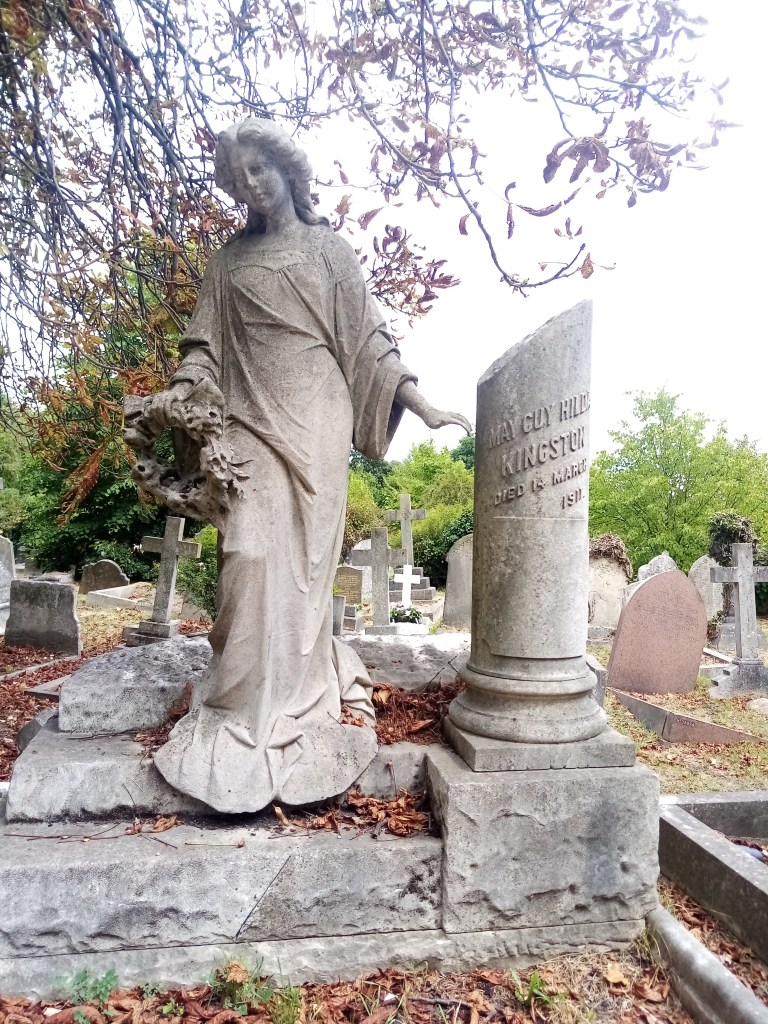
The ‘broken’ column represents a life cut chort
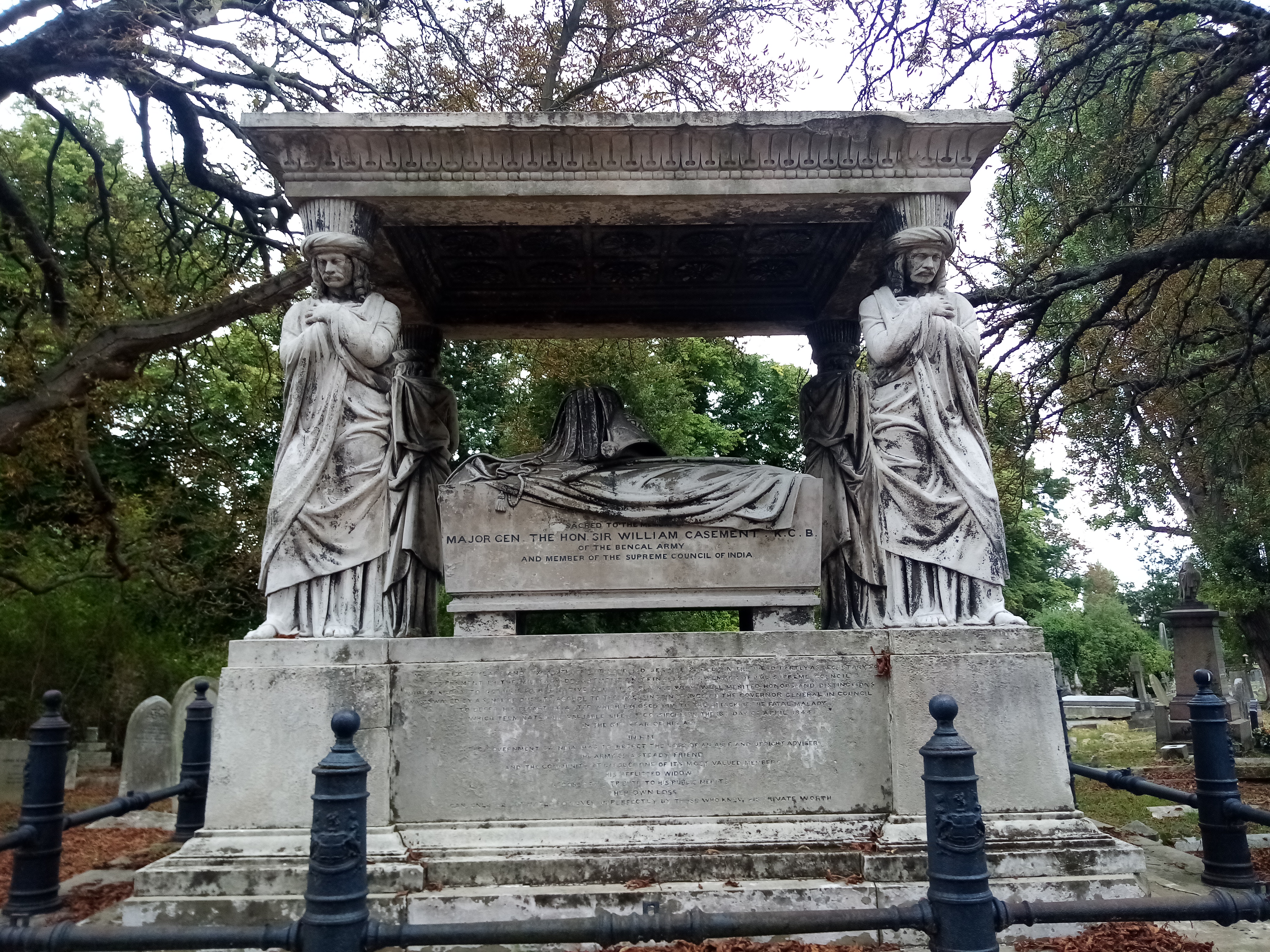
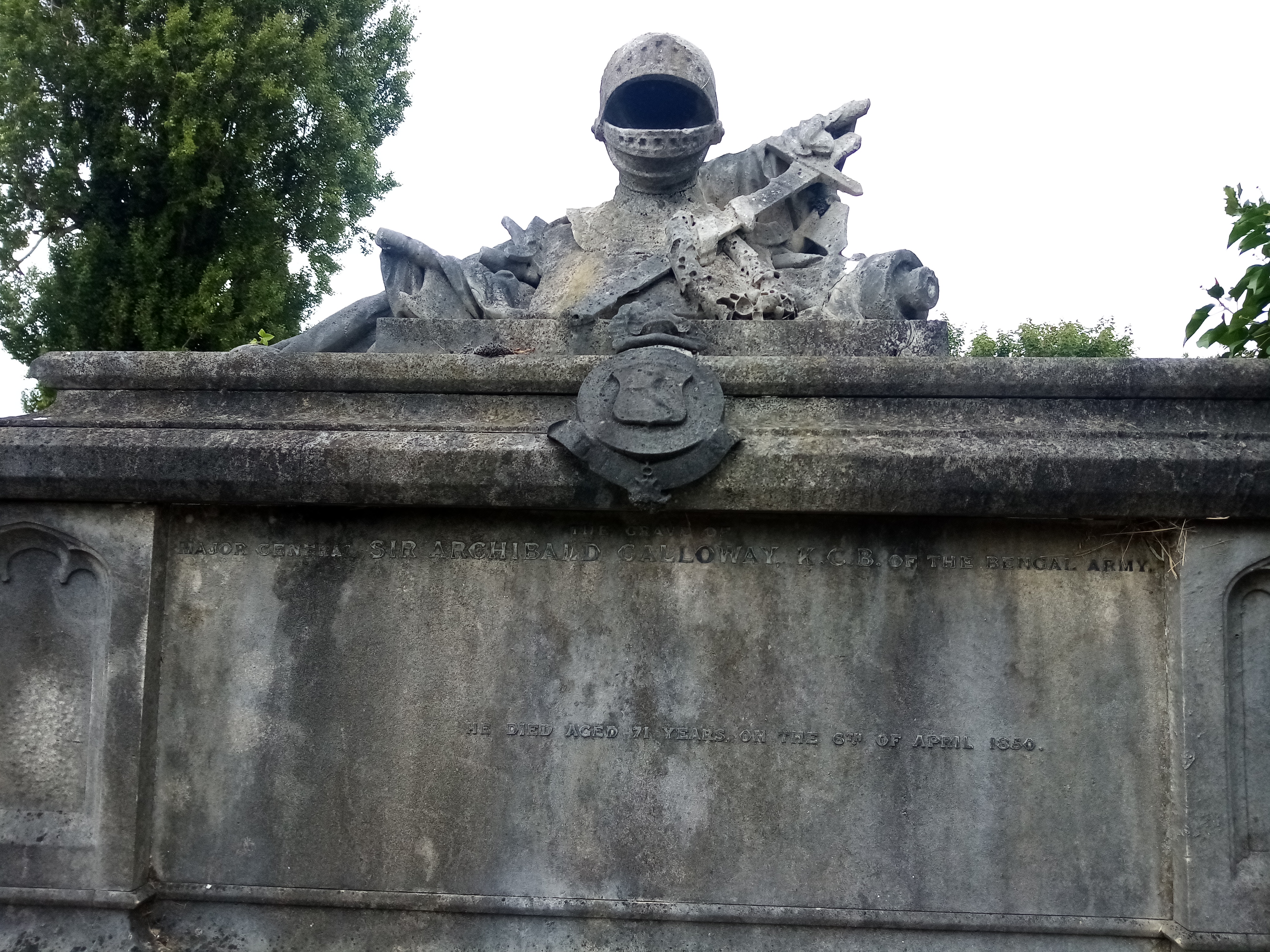
Camberwell Old Cemetery
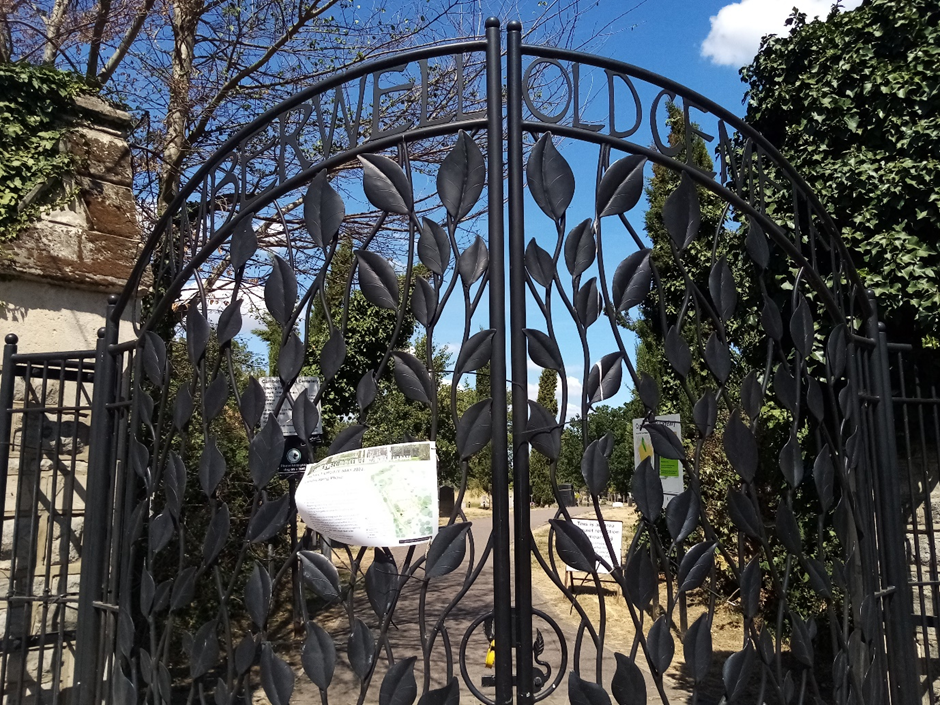
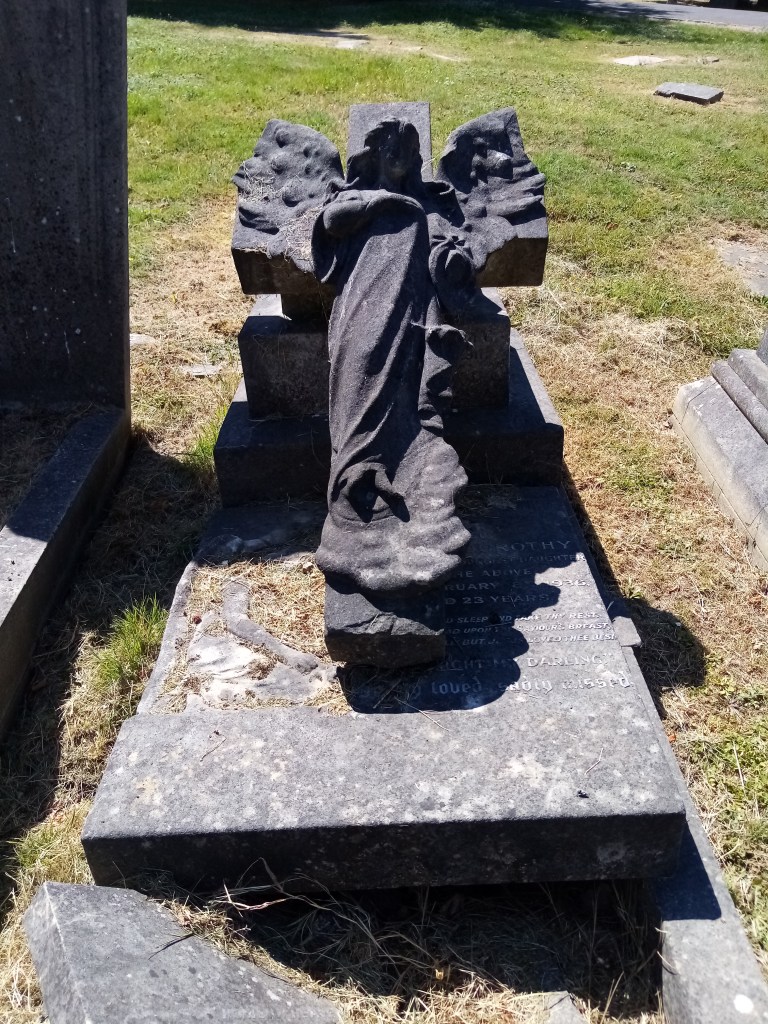
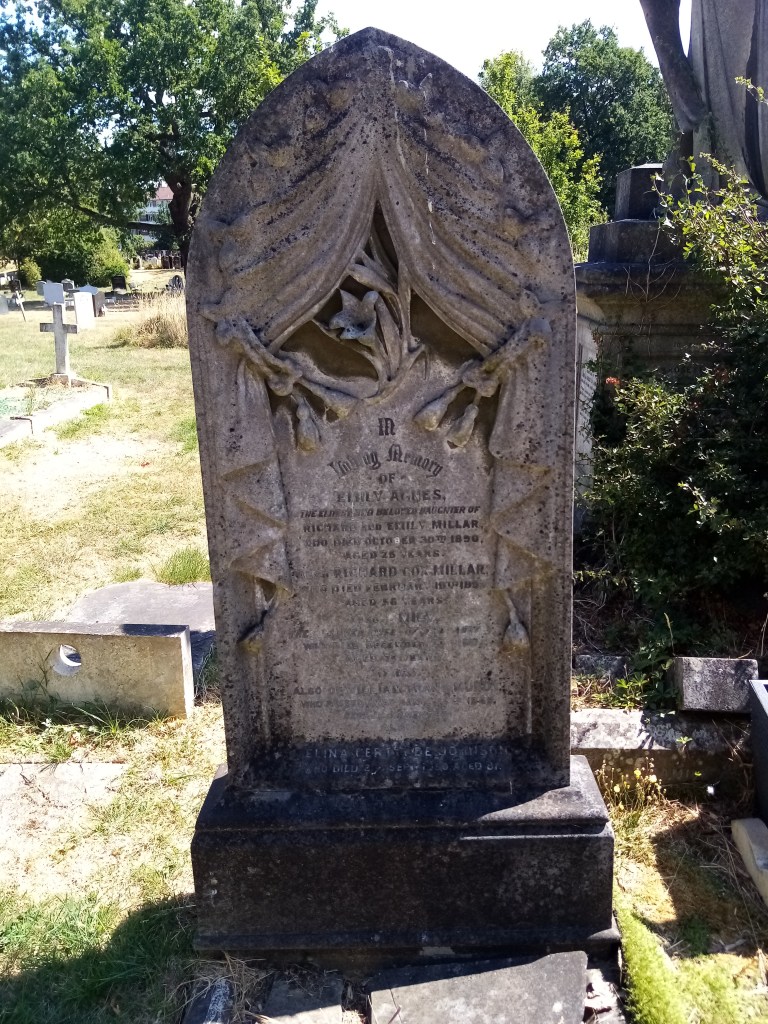
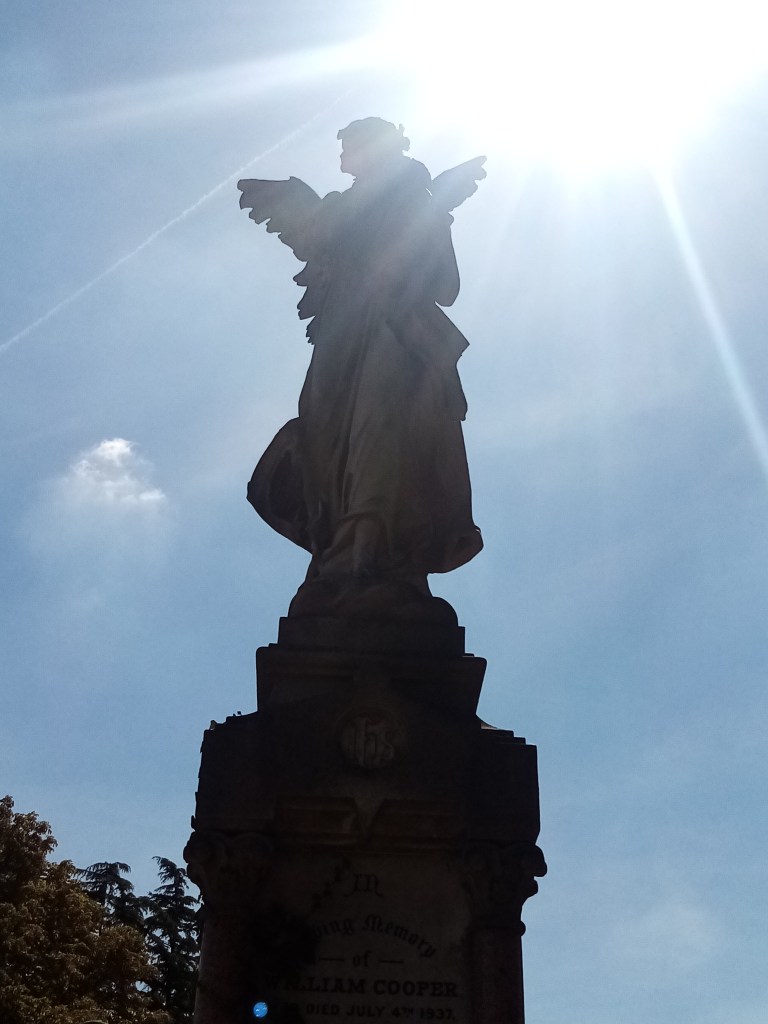
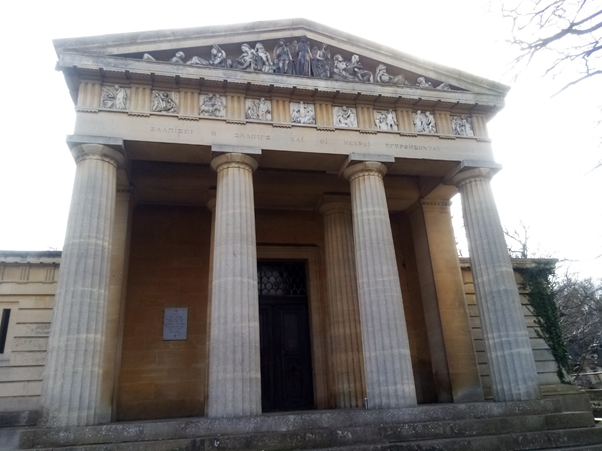
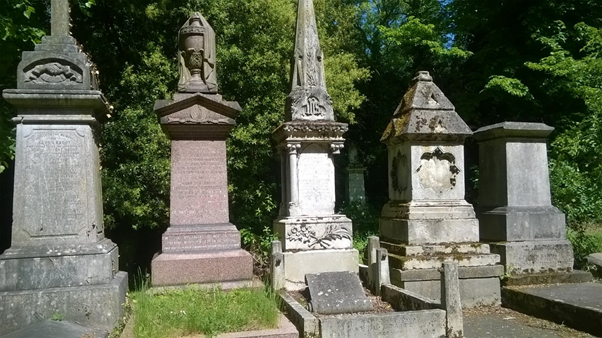
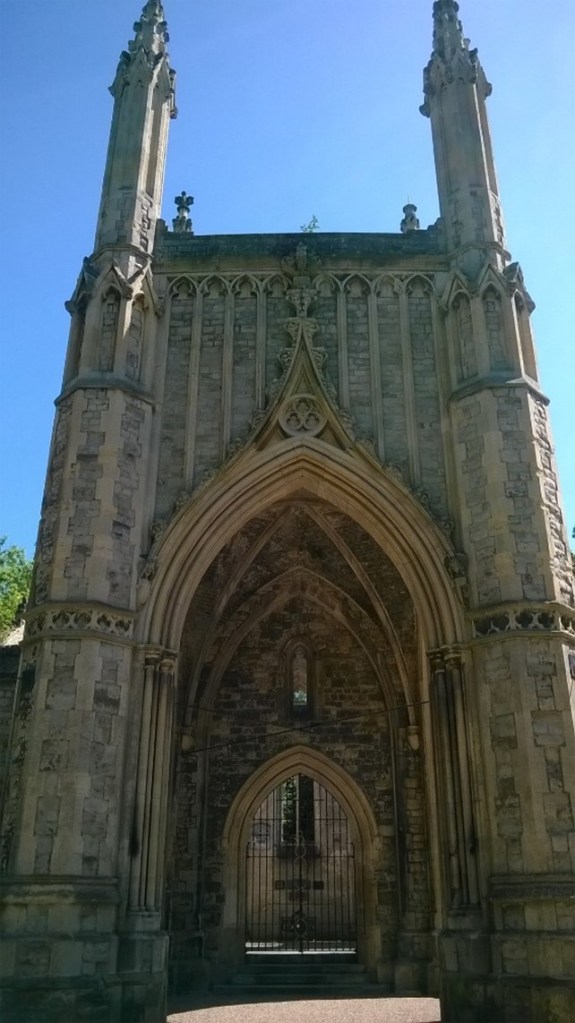
Two cemeteries were established in 1855 in Honor Oak, South East London, as part of the relocation of cemeteries to the suburbs. Over 30,000 burials took place in the next thirty years, and subsequently a new cemetery was established half a mile away. These cemeteries are still open for burials, and there were some very elaborate, ‘showy’ monuments from recent years, mostly commemorating the lives and premature deaths of children and young people; heart-breaking to read the tributes. Needless to say, I have not included any photos of these recent monuments. The following photos reflect Victorian Gothic romanticism in commemorating the deaths of loved ones; elaborate and showy in their own way at the time. And check out these beautiful gates!
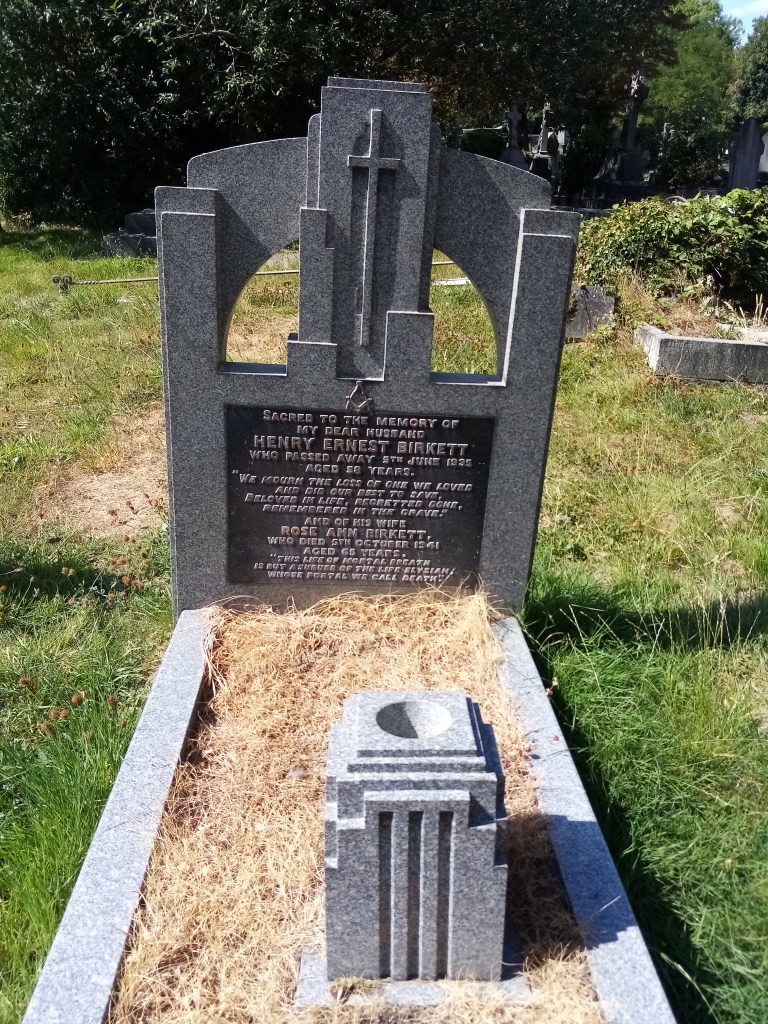
Modern monument
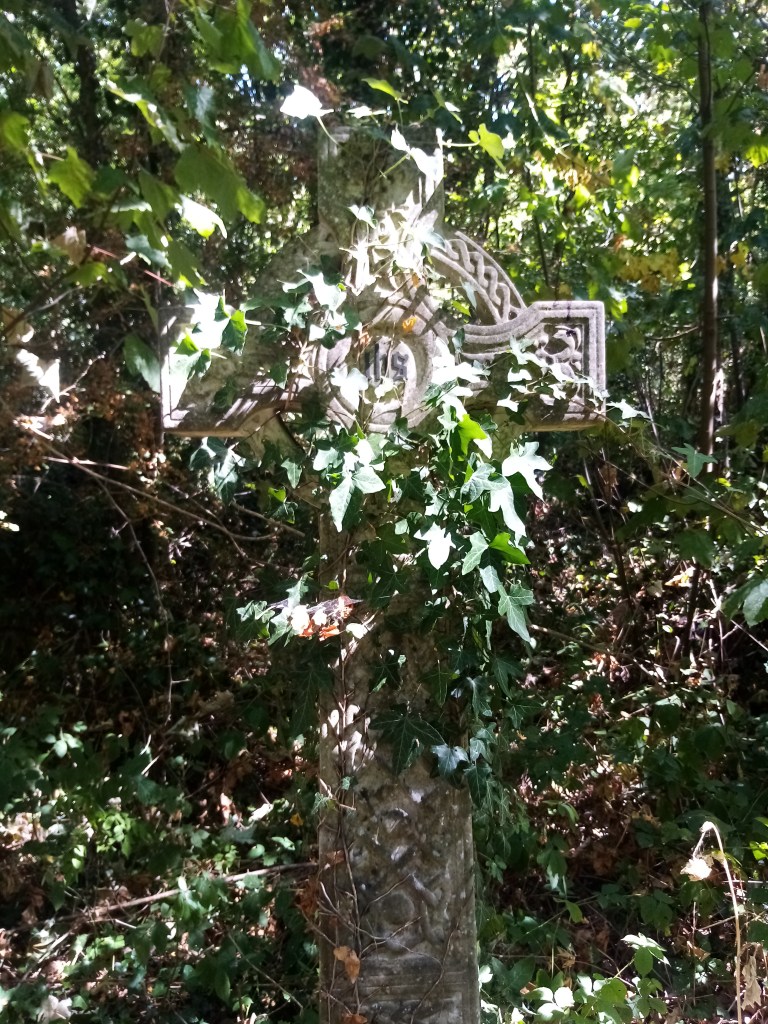
Celtic Cross half hidden by ivy 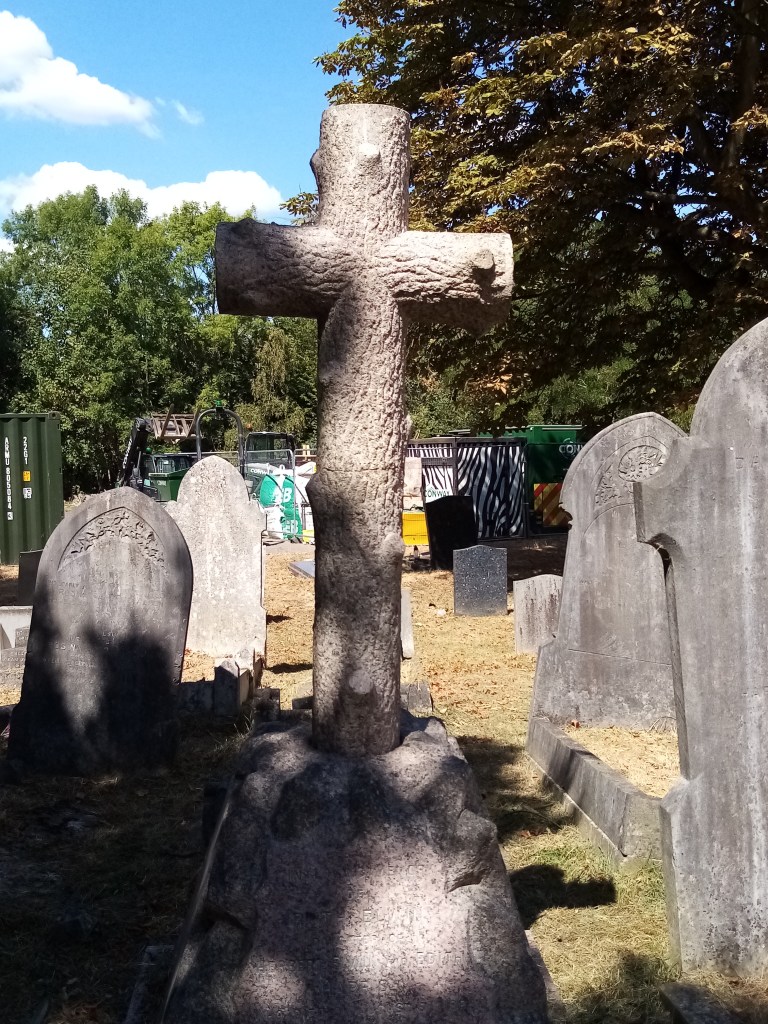
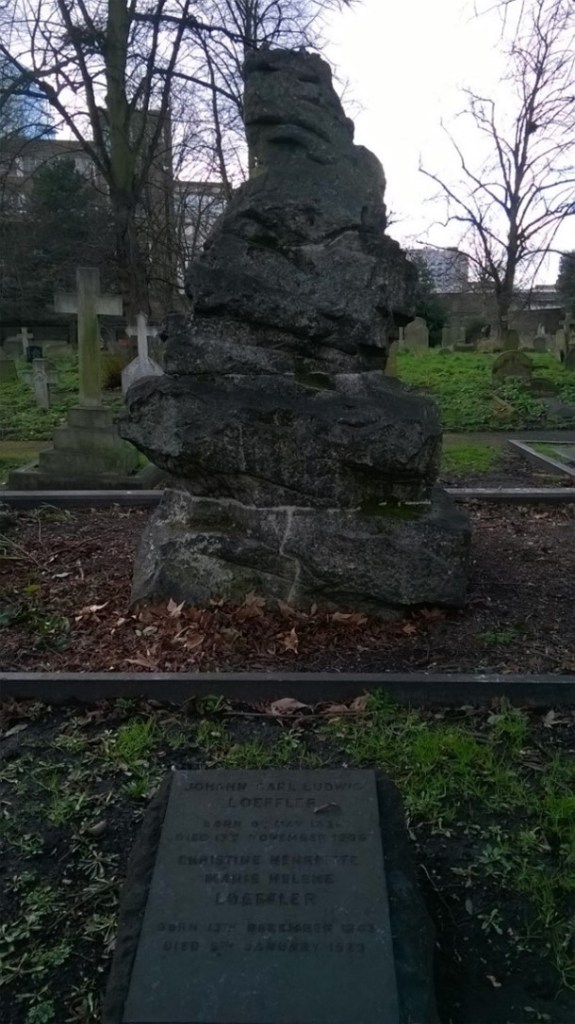
Old rugged cross on a rock
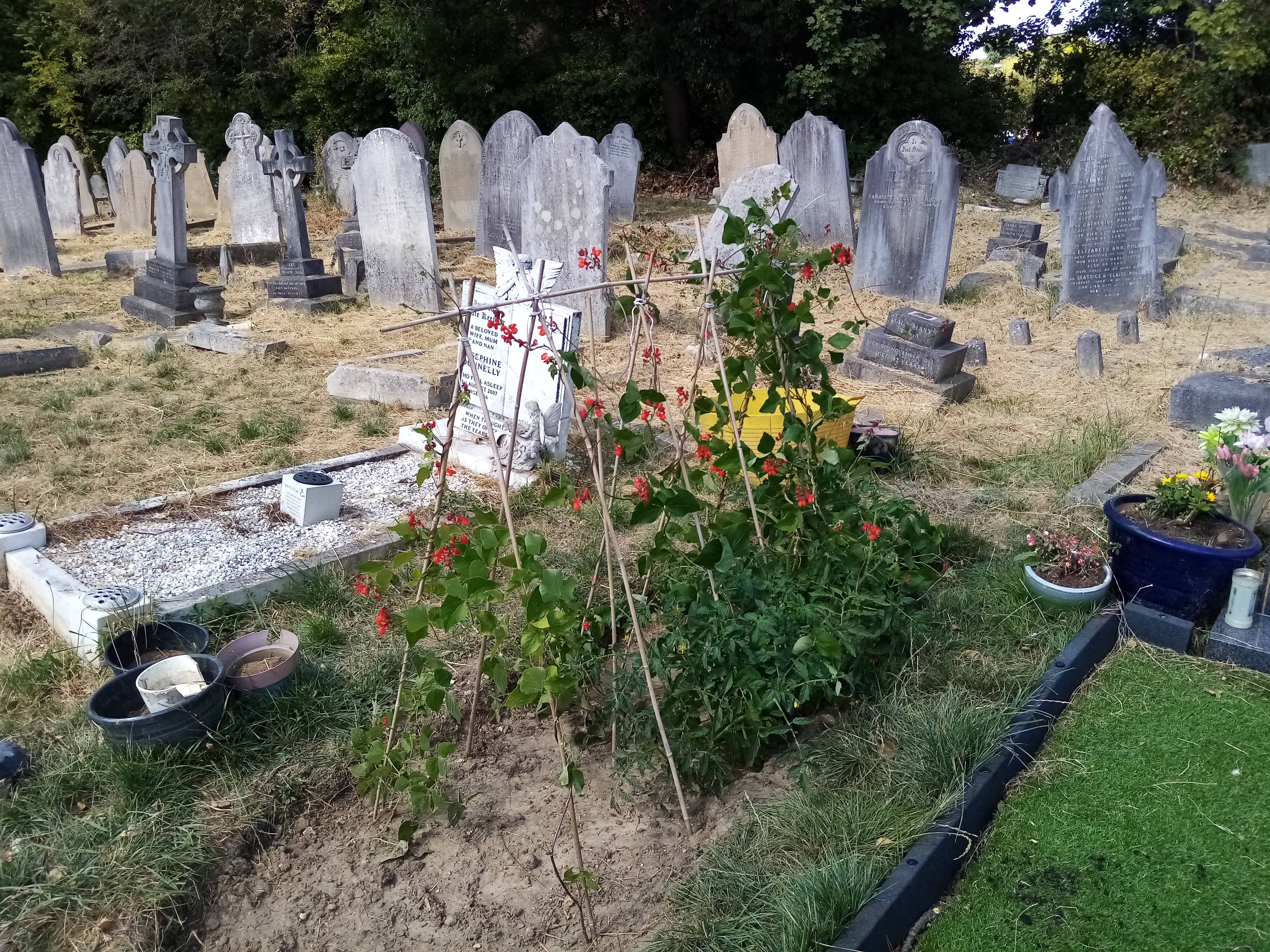
It’s been fascinating to explore these Victorian cemeteries and observe how the fashion for commemorative monuments has changed over 180 years. Many of the graves, old and new, demonstrate the family’s dedication to celebrating their loved one’s life in a meaningful way. However, reading the inscriptions was very poignant and made me feel quite sad, even if the person had been dead for 100 years, especially if it was a child or young person. So I’m glad that the Cemeteries Series has now finished!




 claresimons1