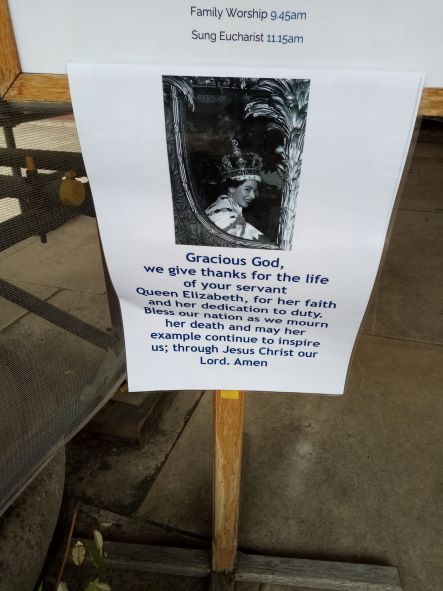
The topic I had planned for this month was dramatically changed following the death of Queen Elizabeth ll on 8th September, our longest reigning monarch and faithful servant to God and to us, her subjects in the United Kingdom. Hard to believe that just over three months ago the country celebrated her Platinum Jubilee. The week between his mother’s death and her funeral saw King Charles lll visiting Wales, Scotland and Northern Ireland and meeting with the leaders of these member states, an important gesture to promote the unity that his mother so strongly advocated. So I thought I would visit and explore churches with historical links to these parts of the UK. The fourth church featured is actually the closest church to Buckingham Palace (apart from the Guards Chapel in Birdcage Walk which has not reopened yet), so I thought I’d include it as a tenuous link to the late Queen.
St Benet Welsh Church, Paul’s Wharf

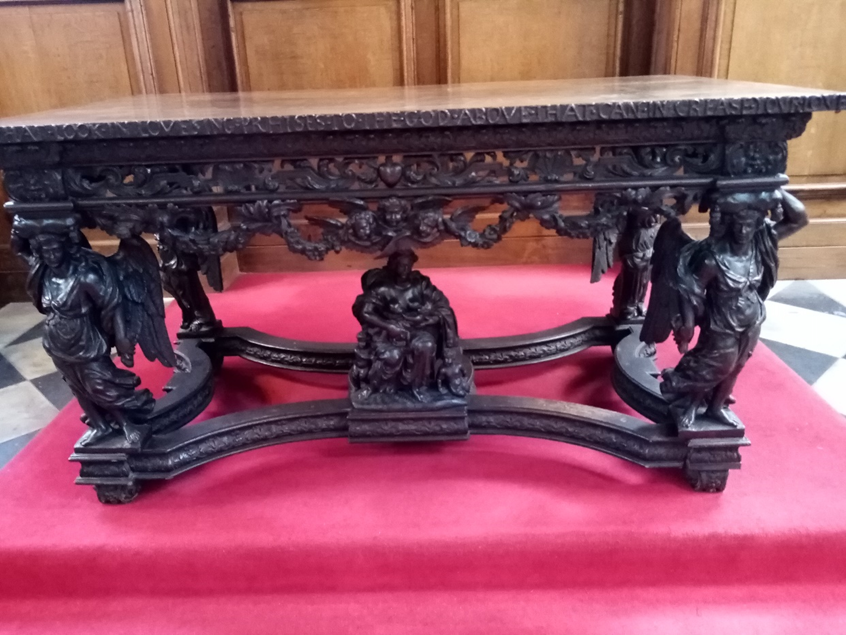
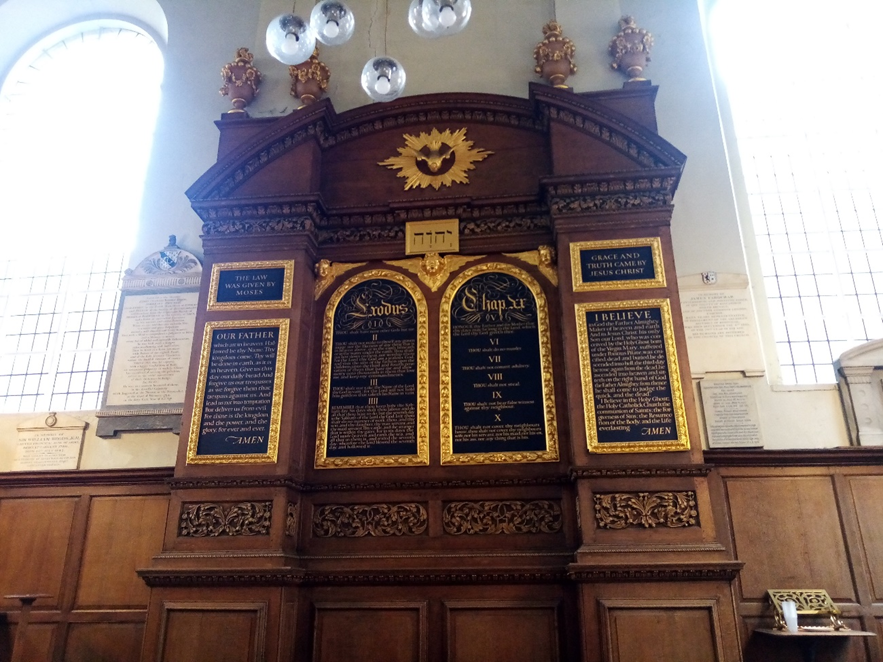
A church has stood on this site since at least 1111 (easy to remember!) That first church was destroyed in the Great Fire and the present St Benet (short for Benedict) was completed in 1684 under the direction of Sir Christopher Wren. This is the only unaltered Wren church in the City and stepping inside is like stepping back in time. The interior is Dutch-influenced and among the many original furnishings is a Flemish communion table with the words All that look in love/Sing praises to God above/that can increase your love carved along its edge. Now the Welsh connection: in the 1870s the church was scheduled for demolition due to the City’s declining population. A Welsh Christian community in the area had no permanent place of worship and so some eminent Welsh Anglicans petitioned Queen Victoria to save the church for their use. In 1879, St Benet became the Metropolitan Welsh Church ‘conducting services according to the rite of the Church of England in the Welsh language.’ Services are still held in Welsh every Sunday at 11am, and the church is a guild, rather than a parish church because of its Welsh Episcopalian congregation.
Sources: Leaflet in the Church, and the ever-helpful Friends of the City Churches
Crown Court Church of Scotland, Covent Garden
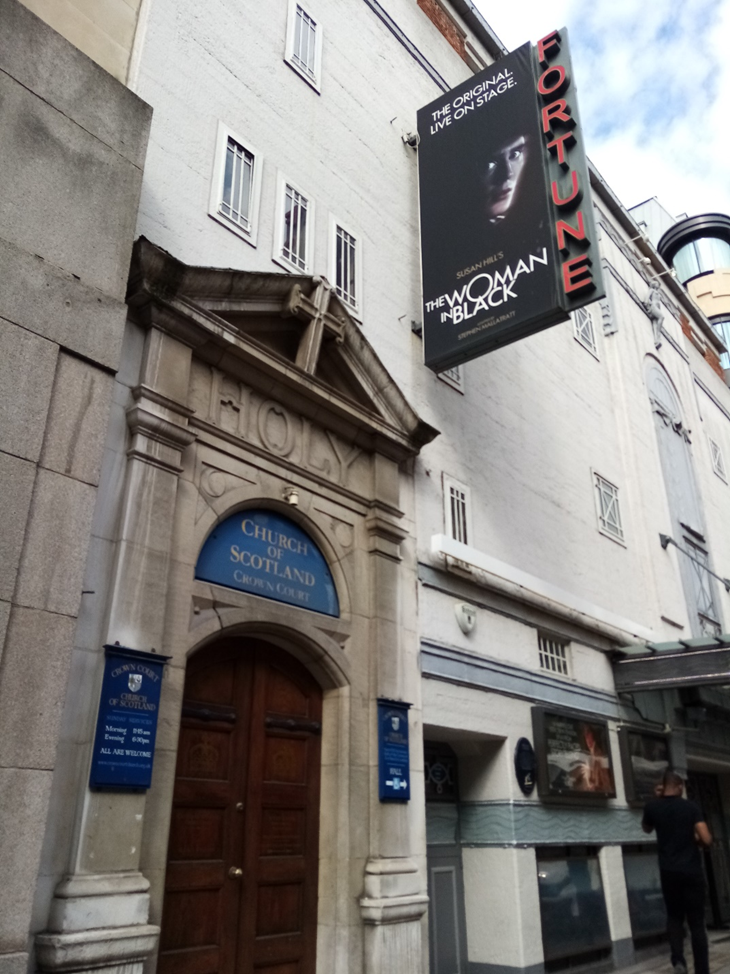
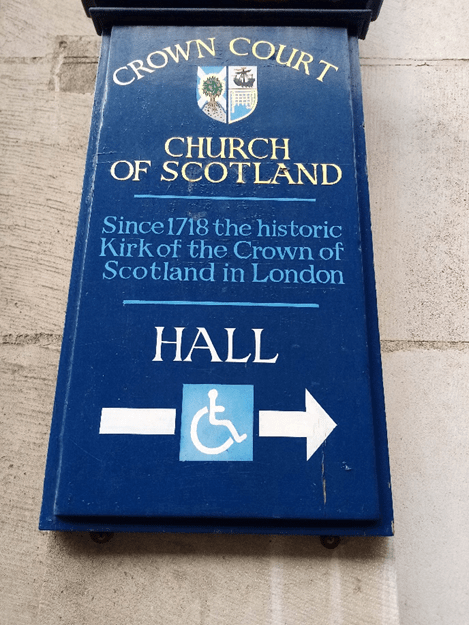
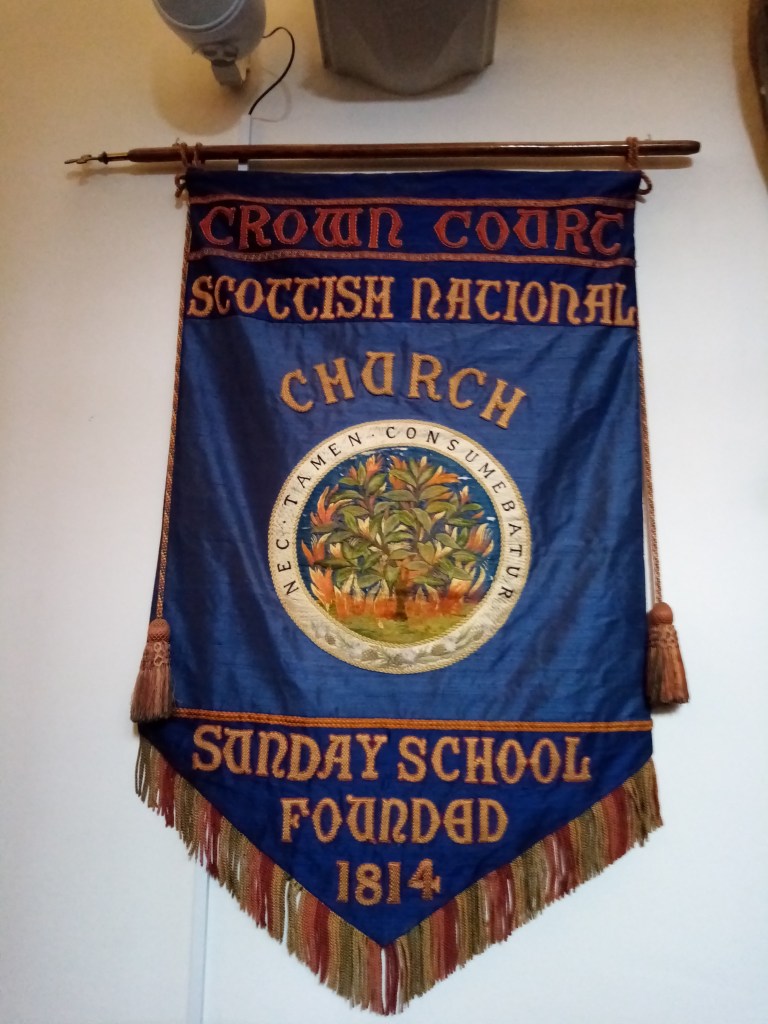
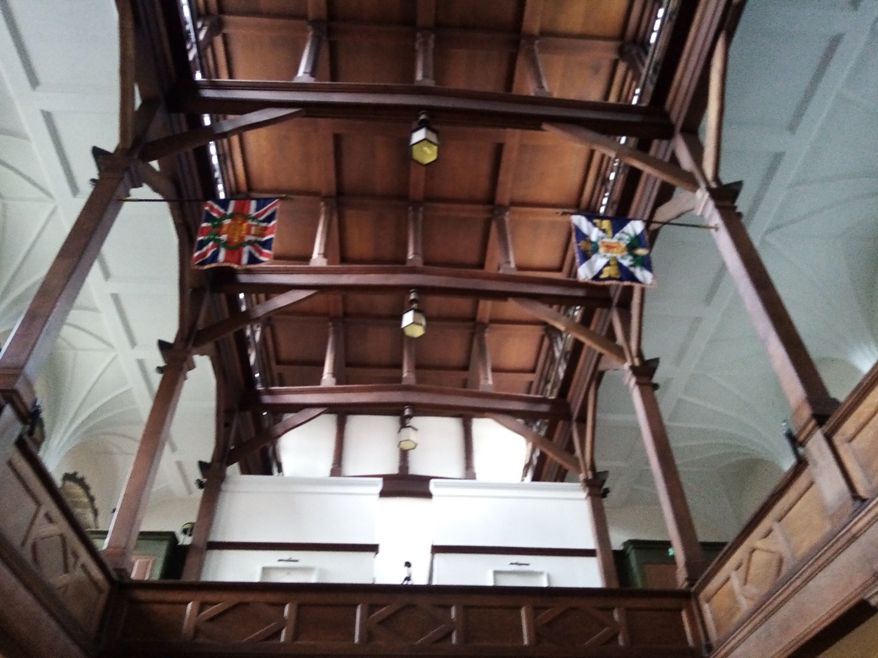
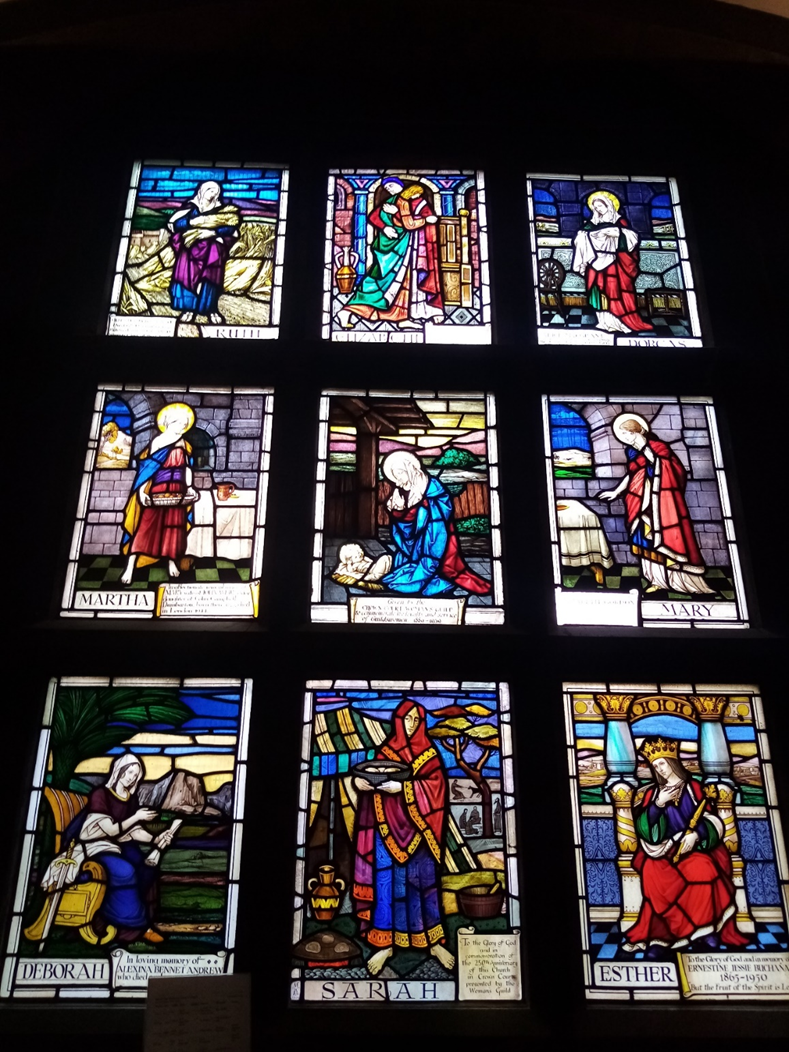
Known as the ‘Scottish Kirk’, it is unique in its history as the longest established Presbyterian church in England. The first records of what is now the Crown Court Church date from 1718 but there is evidence of a congregation meeting here from the time of the Union of the Parliaments in 1707, on a different site off nearby St Martin’s Lane. The church’s name is thought to refer to the ‘Union of the Crowns’ of 1603, 100 years before. A very helpful lady called Margaret showed me round the church, telling me that the church served the poor of Covent Garden in early Victorian times by setting up day and Sunday schools, the so-called ‘ragged schools’, until the 1870 Education Act made Primary education free and compulsory. When the population of London began to shift westward, most of the congregation and elders broke away to found St Columba’s Church in Knightsbridge in 1883. However, some members of Crown Court chose to remain in Covent Garden to continue the work, and the church remains on this site, surrounded by not-so-poor Theatreland. This church has amazing stained-glass windows, my favourite is commissioned by the Townswomen’s Guild and features women of the Bible.
Sources: Leaflet in church and Margaret!
St Patrick’s Catholic Church, Soho Square
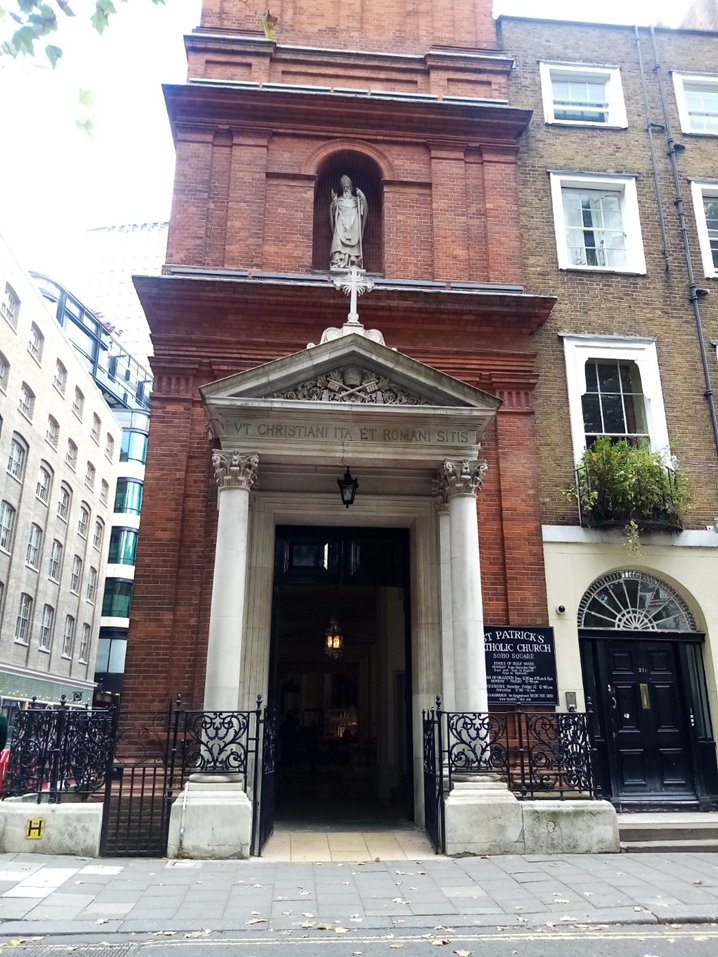
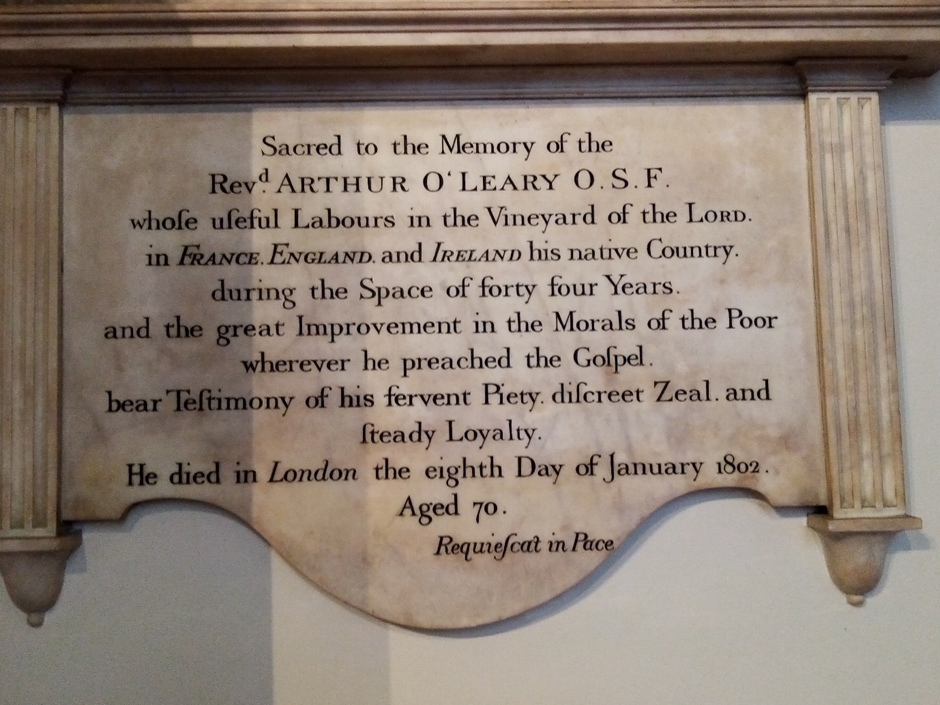
The first church on this site was a small chapel, consecrated in 1792, one of the first Catholic buildings allowed in Great Britain after the Reformation. The recently refurbished beautiful interior gives a feeling of light and space; however, it would be a mistake to think that St Patrick’s just spends its income on looking good. Building on of a tradition of serving the poor Irish population of Soho (as with Covent Garden, it’s hard to imagine the poor living in Soho), the church now has an incredible outreach to rough sleepers. There are Open House evenings three times a week, with a team of cooks preparing a two-course meal and parish volunteers chatting and praying with the guests; a Breakfast Club on three different mornings offering a cooked breakfast, hot drinks and hot showers, and a Night Shelter providing overnight accommodation for up to 15 guests one night a week. Also, my favourite, a Film Club: ‘Our homeless and vulnerable guests spend their days in Soho and the West End surrounded by expensive cinemas they are unlikely to see a film in – this is why we launched our own film club!’ Including snacks and drinks and a chance to chat about the film afterwards – what a lovely way to value people in the way Jesus would!
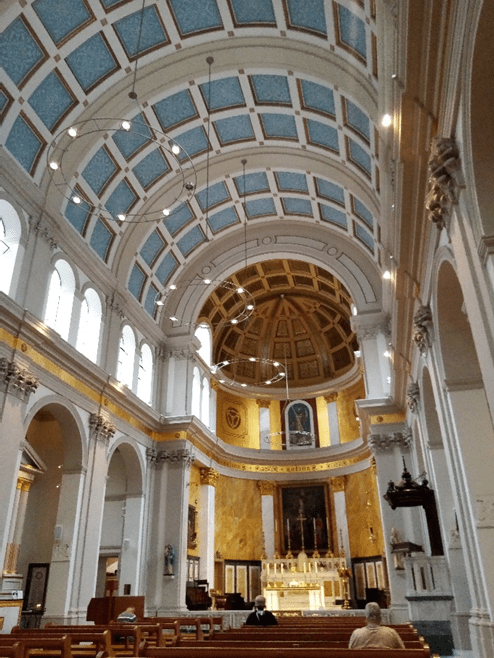
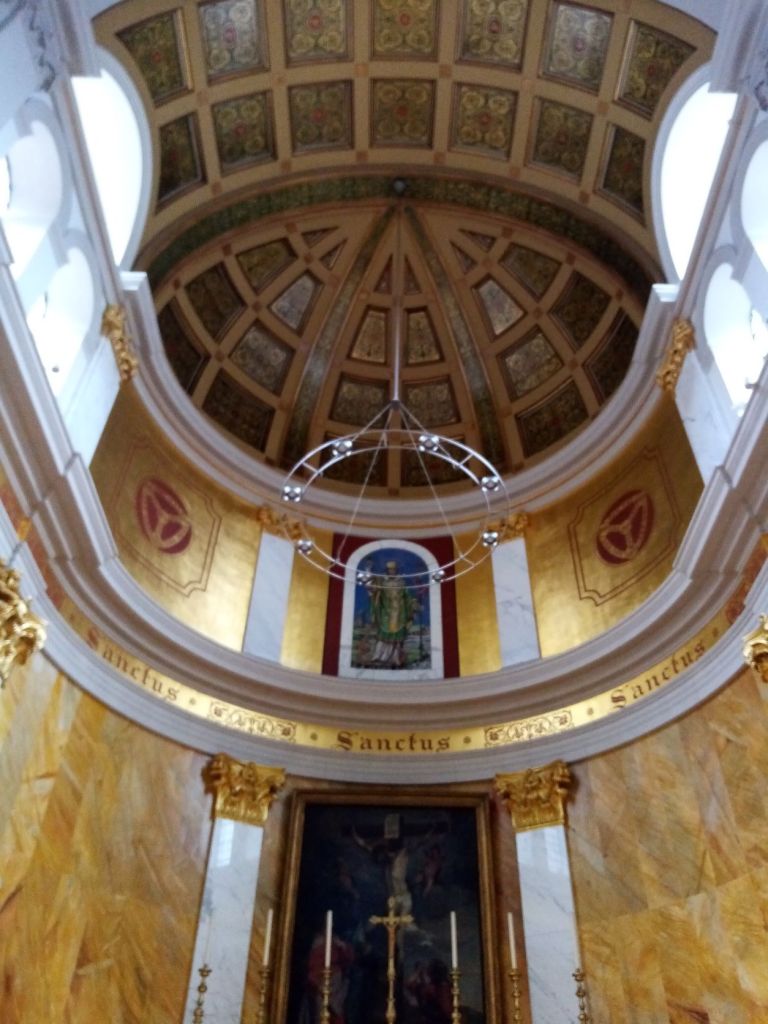
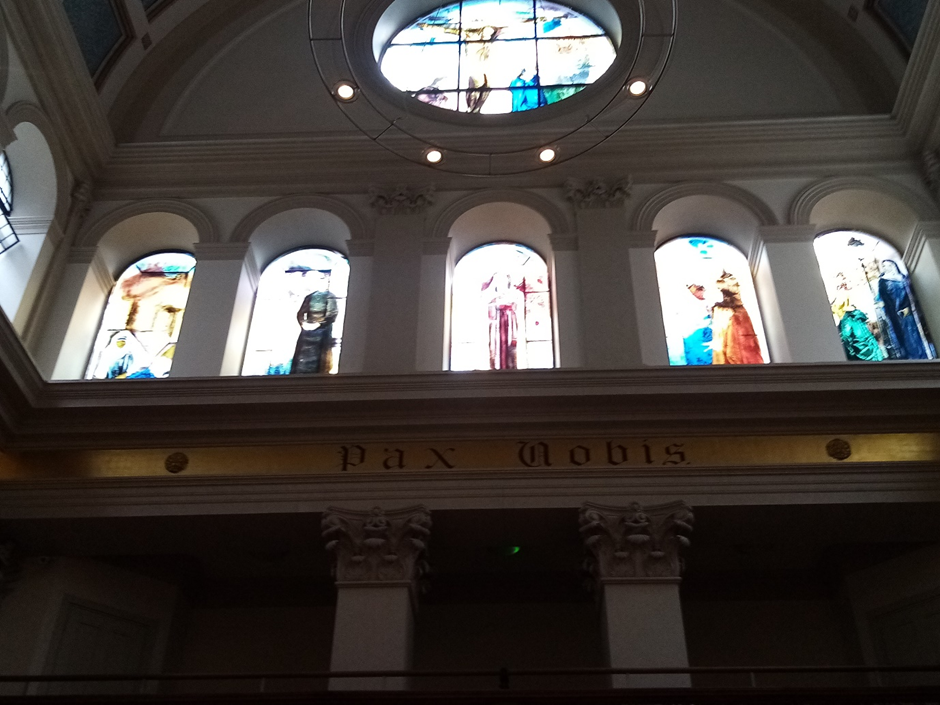
Source: Church Website
St Peters, Eaton Square

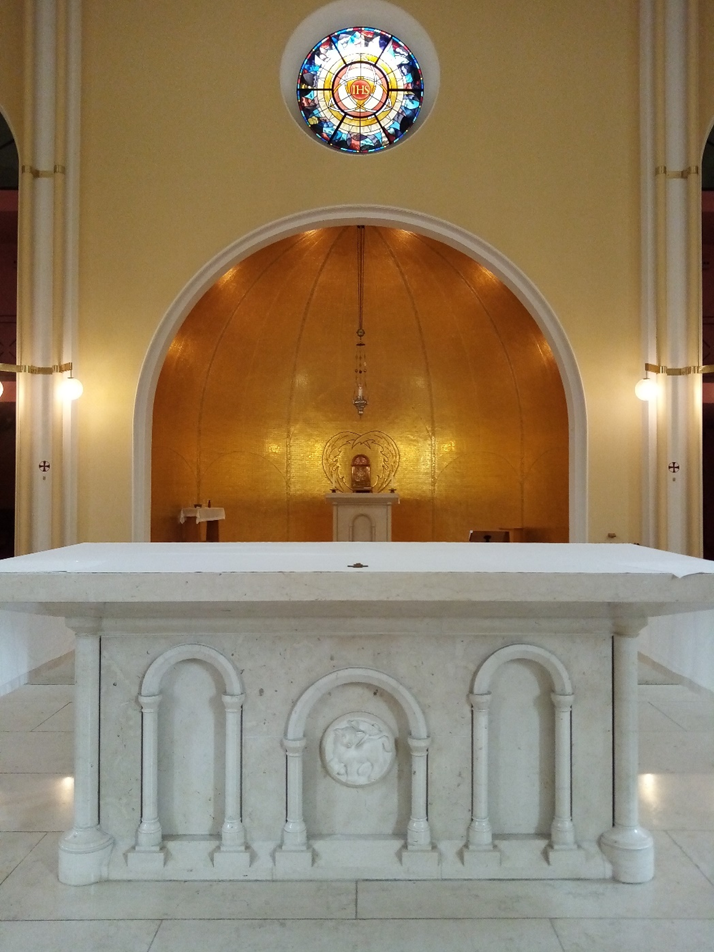
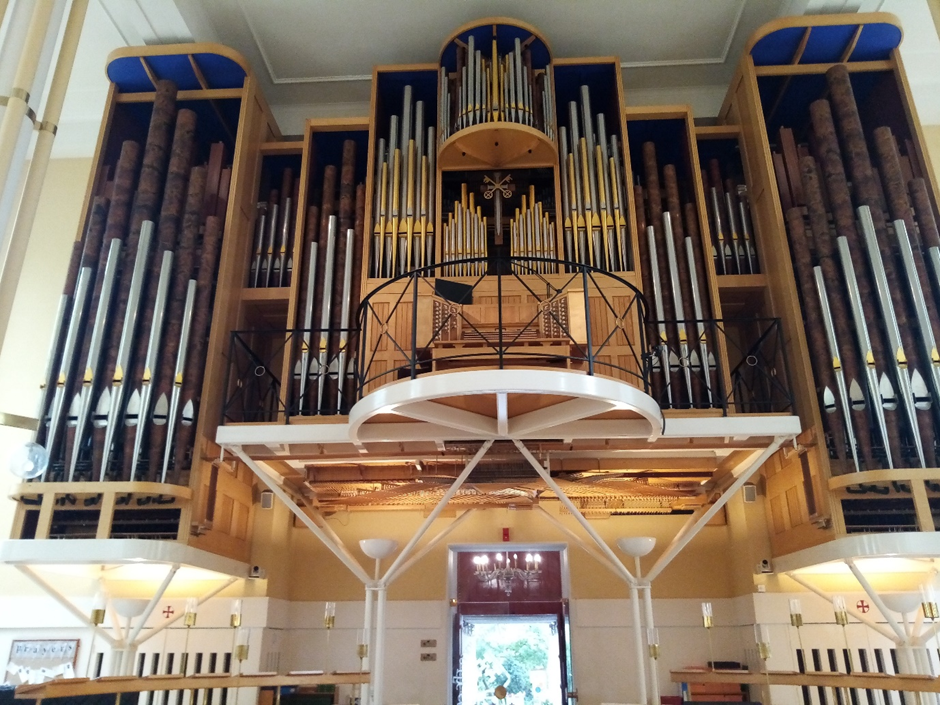
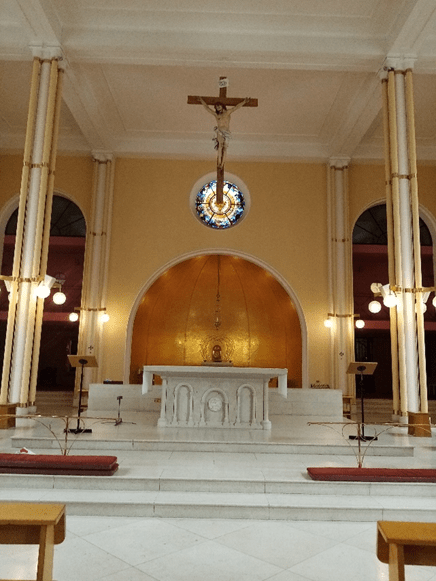
A couple of streets away from Buckingham Palace’s back garden, situated in the prestigious Eaton Square, is St Peters Parish Church. Another church with a posh postcode: beautiful inside and out but also intentional about outreach to the community. St Peters was built between 1824 and 1827 during the development of Eaton Square. Incredibly, the church has been gutted by fire twice, once accidentally in 1837, and again by an anti-Catholic arsonist in 1987 who believed that the church was a Roman Catholic chapel (it isn’t). Only the walls remained standing; a new roof and extensive repairs were made, and the interior was redesigned. The church website says, ‘St Peters has long enjoyed a reputation for musical excellence’, both for worship at services and also for the regular fundraising concerts for the many and varied charities that the church supports. St Peters hosts two seasons of concerts each year and is used by the BBC for concerts, recording and broadcasts. The church has developed a programme for volunteers working with refugees and asylum seekers in London, and the wider congregation hosts picnics and other events for refugees. Another practical work of the church is the free English classes offered once a week, open to anyone who needs them.
Sources: Church website and Wikipedia
 claresimons1