There are quite a few churches in the City which have been partially rebuilt following World War Two bomb damage or intentional demolition. Usually, the tower and sometimes walls remain, for example St Dunstan in the East and Greyfriars Priory which have been developed into beautiful gardens. The churches I’m featuring this month, however, consist of just the tower! Some of the towers have subsequently had a new building attached to them, usually due to change of use of the tower. This is always carried out ‘sympathetically’ to complement the existing tower, all of which are Grade One listed buildings. Here are five I know about, there may well be others.
St Mary Somerset
The first recorded church on this site was in the 12th century, destroyed in the 1666 Great Fire and one of 51 churches rebuilt by the office of Sir Christopher Wren. The main body of the church was demolished in 1871 and the parish was combined with St Nicholas Cole Abbey (the one that’s a café during the week, and a church on Sundays). The Union of Benefices Act of 1860 allowed parishes to be combined and churches to be demolished to make room for commercial premises, as the population of the City moved out to the suburbs. I like to think that the tower was preserved because of its eight Baroque pinnacles, which are probably the design of Nicholas Hawksmoor. Apparently they create an optical illusion, appearing to change heights when viewed from different viewpoints, I really should have tried that! This tower is on Upper Thames Street, which 900 years ago was much nearer to the bank of the River Thames. The parishes on the riverbank extended right into the Thames so that the churches could collect tithes (payments owed to the church) from the waterfront businesses, including from the numerous ferrymen plying their trade across a river with as yet only one bridge. The tower’s present-day use is a very tall, narrow private residence.
Sources: Wikipedia; lostlcp.com (lost London city churches project)
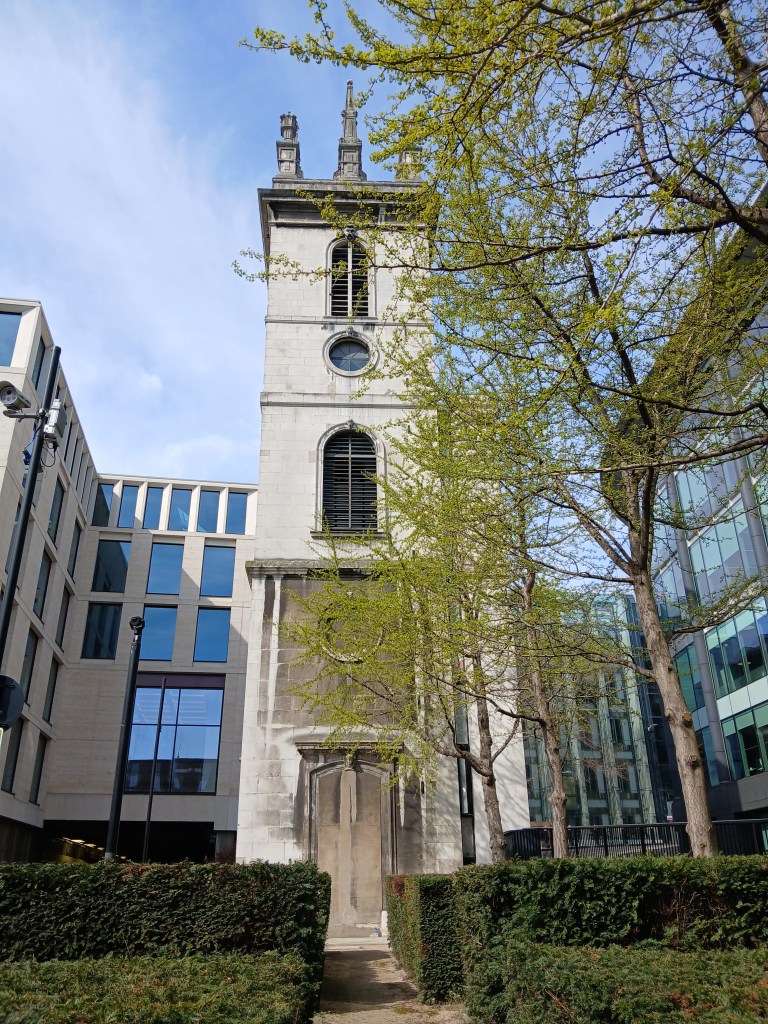
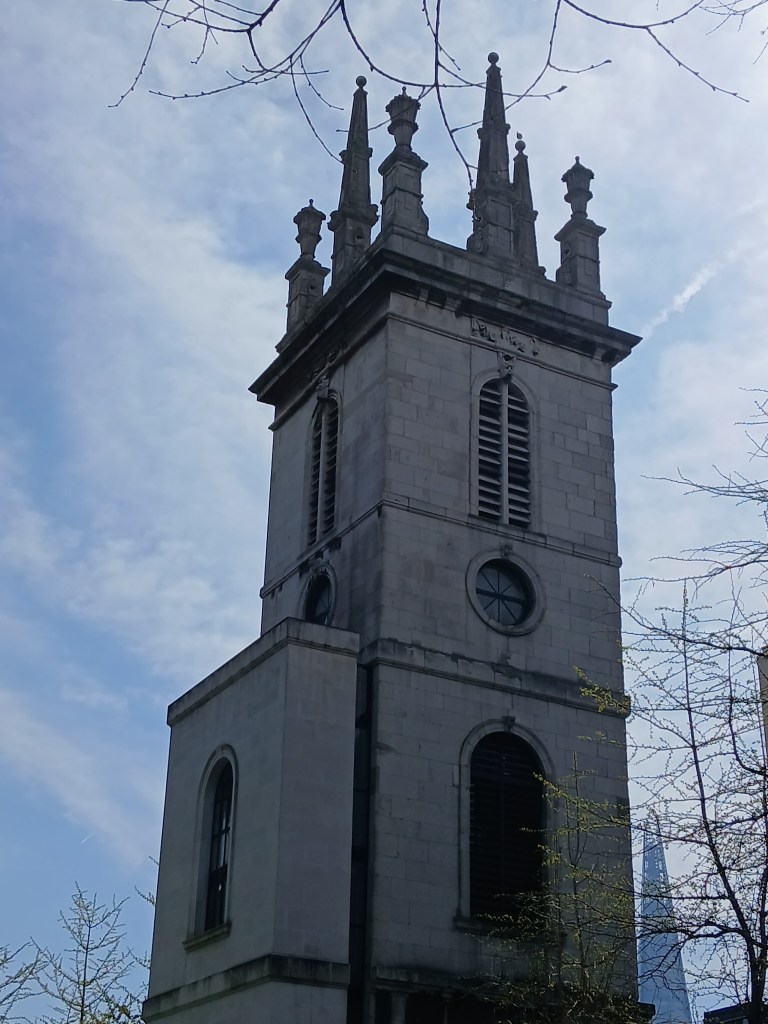
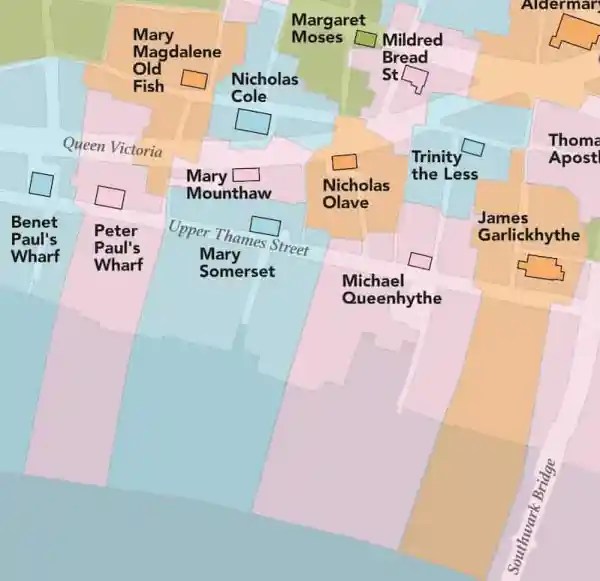
The bottom pic (from Lost London Churches Project) shows the parishes of the riverside churches extending half way across the River.
St Augustine, Watling Street
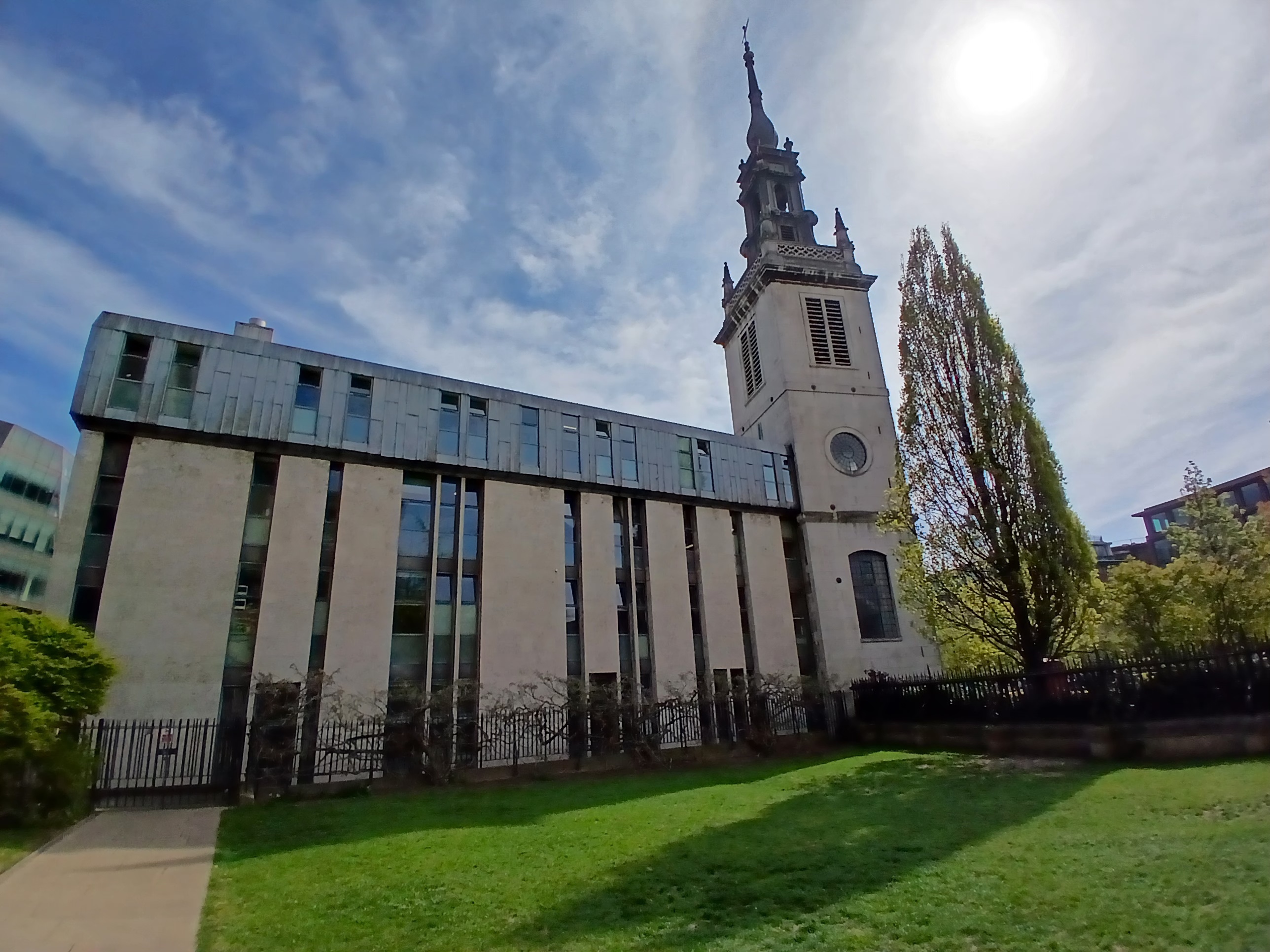
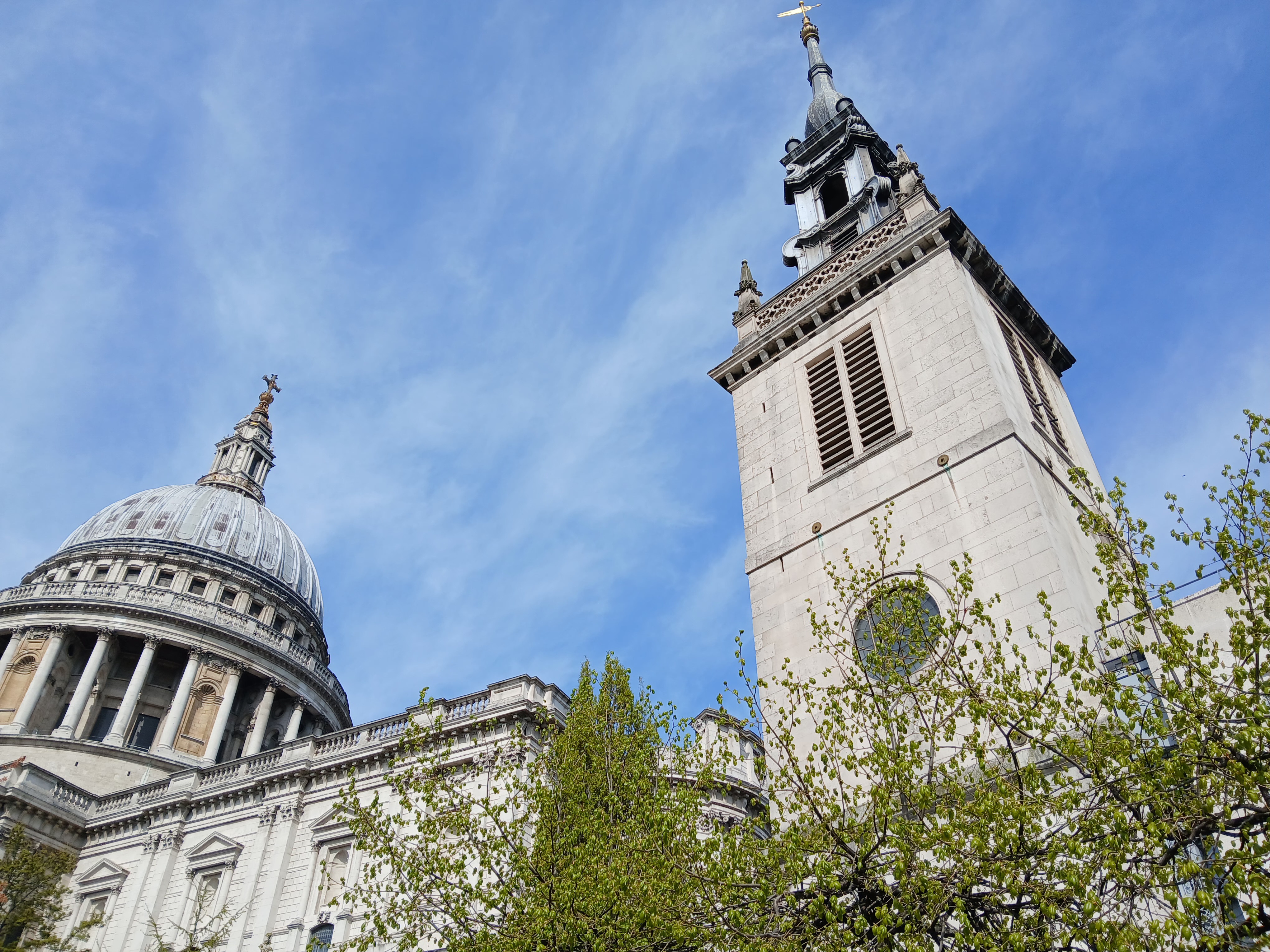
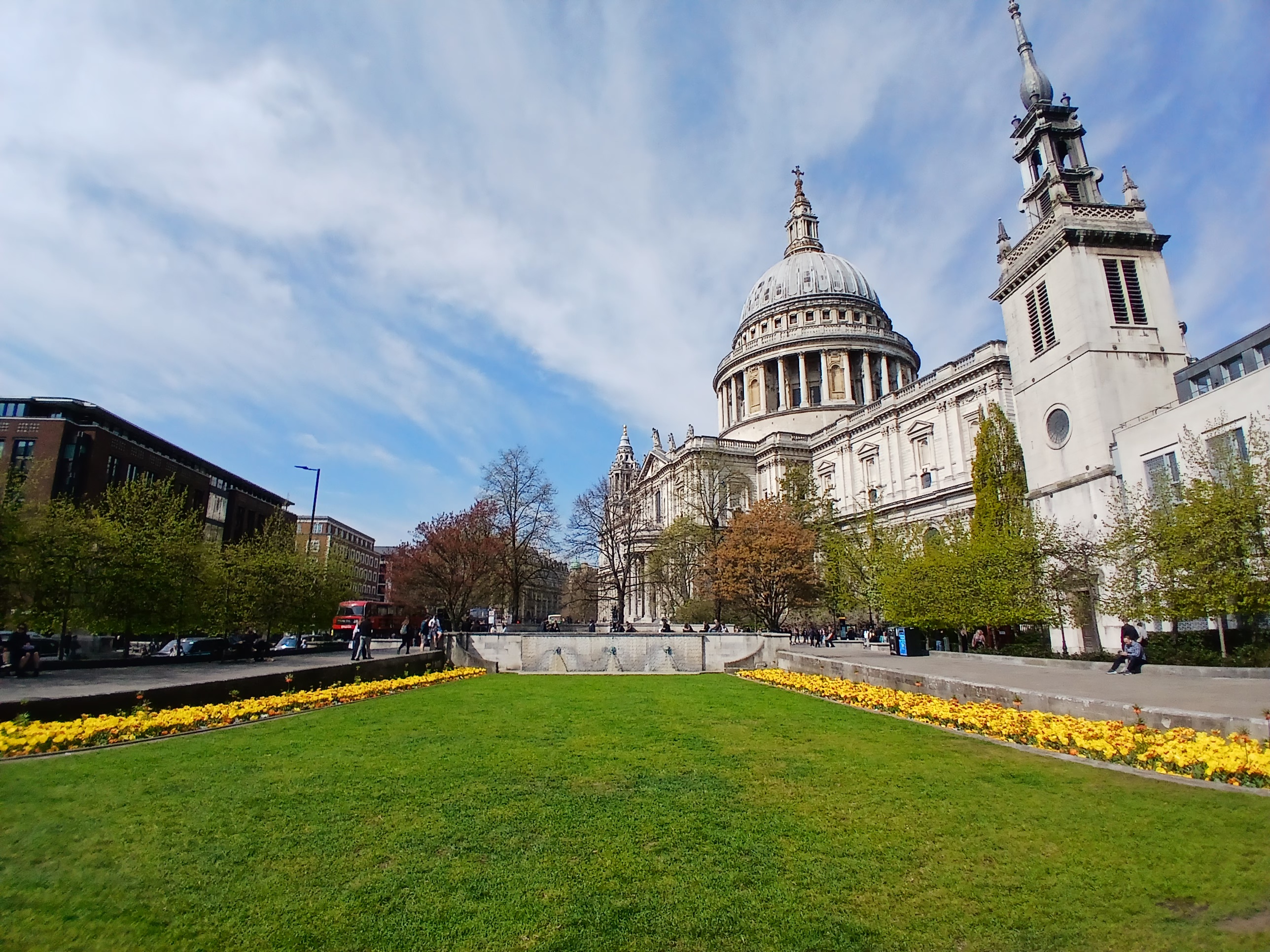
A ‘lone tower’ frequently overlooked because of its famous neighbour, St Augustine is situated at the end of the Roman Road Watling Street which ran from Canterbury to the City. Returning pilgrims would visit this church to give thanks to St Augustine of Canterbury for their safe journey home. The earliest church on this site dates from 1148, it was destroyed in the Great Fire and rebuilt to designs of Sir Christopher Wren. The tower, completed in 1695 is all that remains of Wren’s church, which had to be demolished due to bomb damage in the 1941 Blitz. Although damaged, the tower was restored and incorporated into a modernist building for the Cathedral Choir School in 1968. The original Choir School was established in 1123 in St Paul’s Churchyard, and was destroyed in the Great Fire along with the Cathedral itself. I think the ‘extension’ has been ‘sympathetically’ added to the tower, and the building has quite an open aspect with no surrounding tall buildings so it looks almost countrified!
Source: Wikipedia
St Alban Wood Street
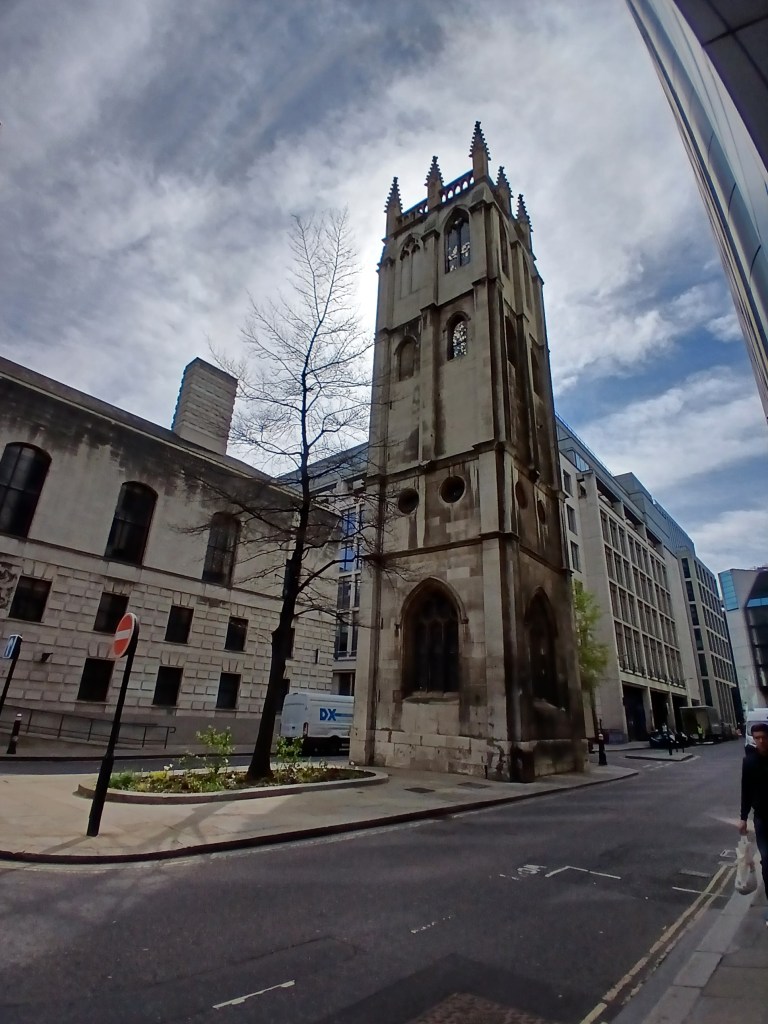
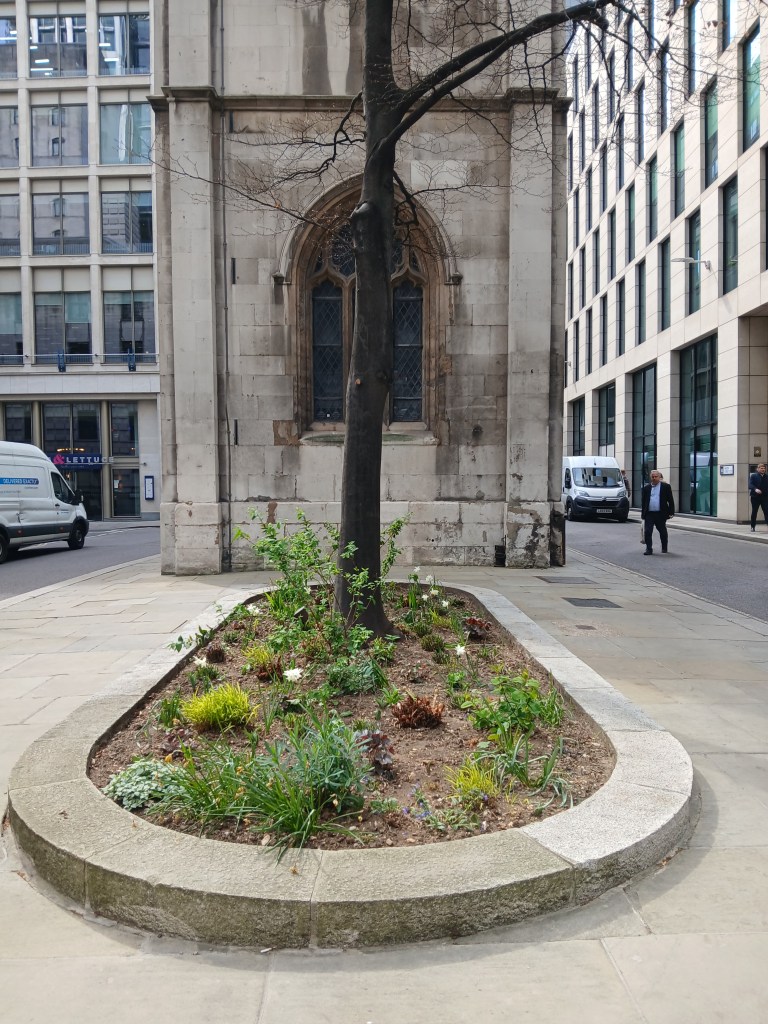
Contrast St Augustine’s with the tower of St Alban which is dwarfed by the surrounding office blocks. There has been a church on this site for more than 1,000 years; the first was dedicated by Offa, the king of Mercia. It’s hard to imagine now that Offa’s palace was on the site and the original church was its chapel. The first written mention is ‘St Alban Wudestrate’ in around 1200 AD. Successive churches on this site have been particularly unlucky: the Saxon church was demolished in 1633, being in a poor condition beyond repair. The new church constructed by Inigo Jones was completely destroyed only 33 years later in the Great Fire and rebuilt by the office of Sir Christopher Wren, whose Gothic style tower is the only part of the church remaining today. Falling into disrepair again, George Gilbert Scott restored and extended the church in 1858, but disaster struck again when it was partially destroyed in the 1940 Blitz. Wren’s tower was designated Grade ll listed and the main part of the church was demolished in 1965. Today the tower is used for storage, presumably by the City of London Corporation; I glimpsed what looked like hi viz jackets in the lowest window! There is now a tiny flowerbed where the church once was.
Source: lostlcp.com

St Martin Orgar
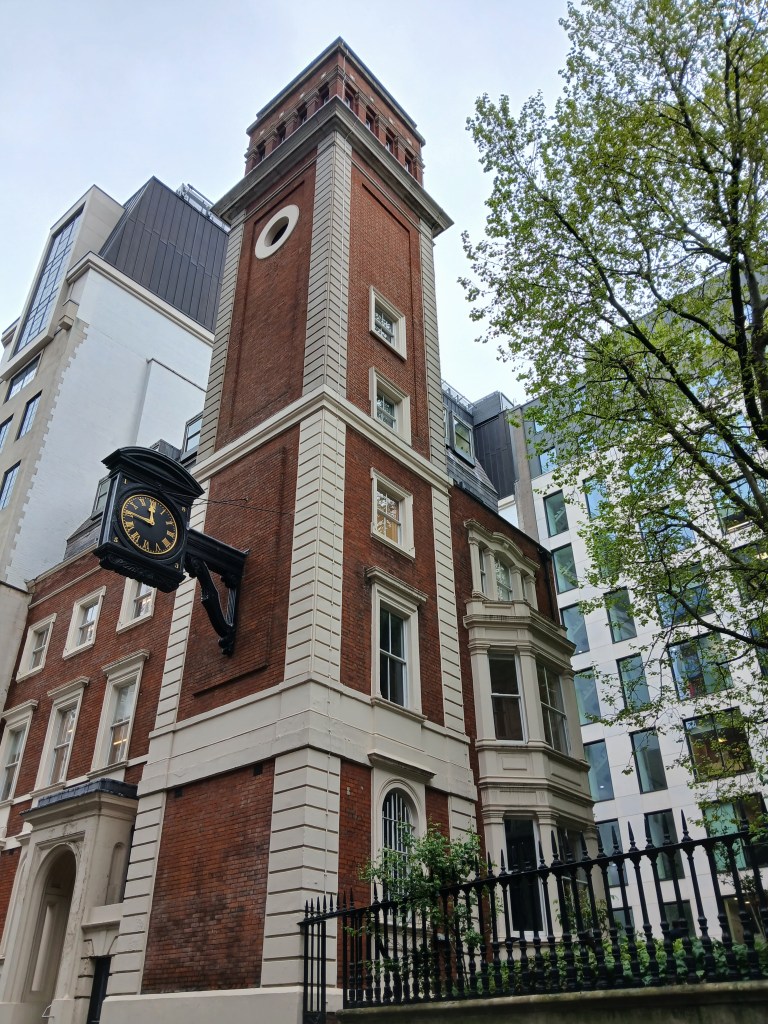
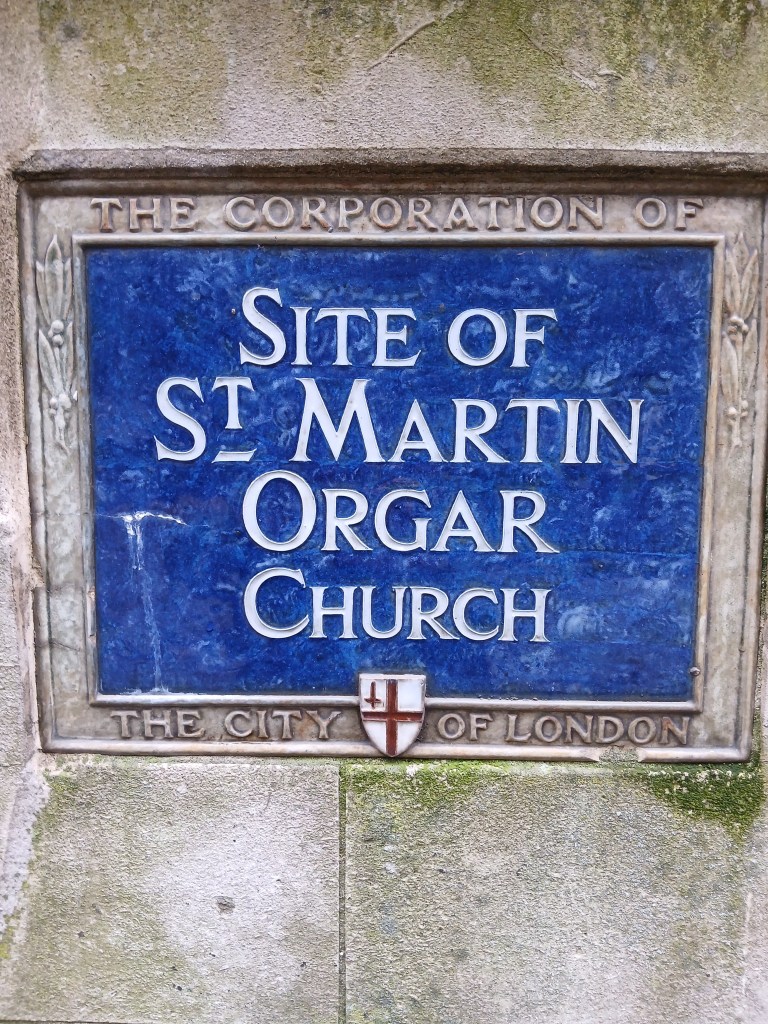
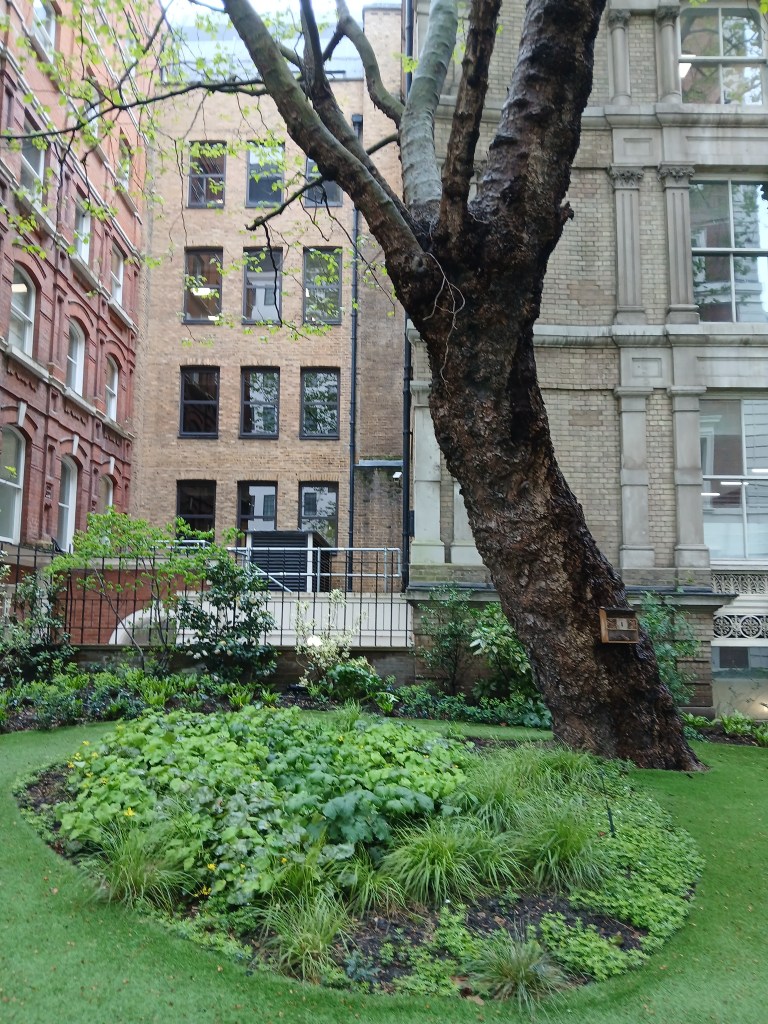
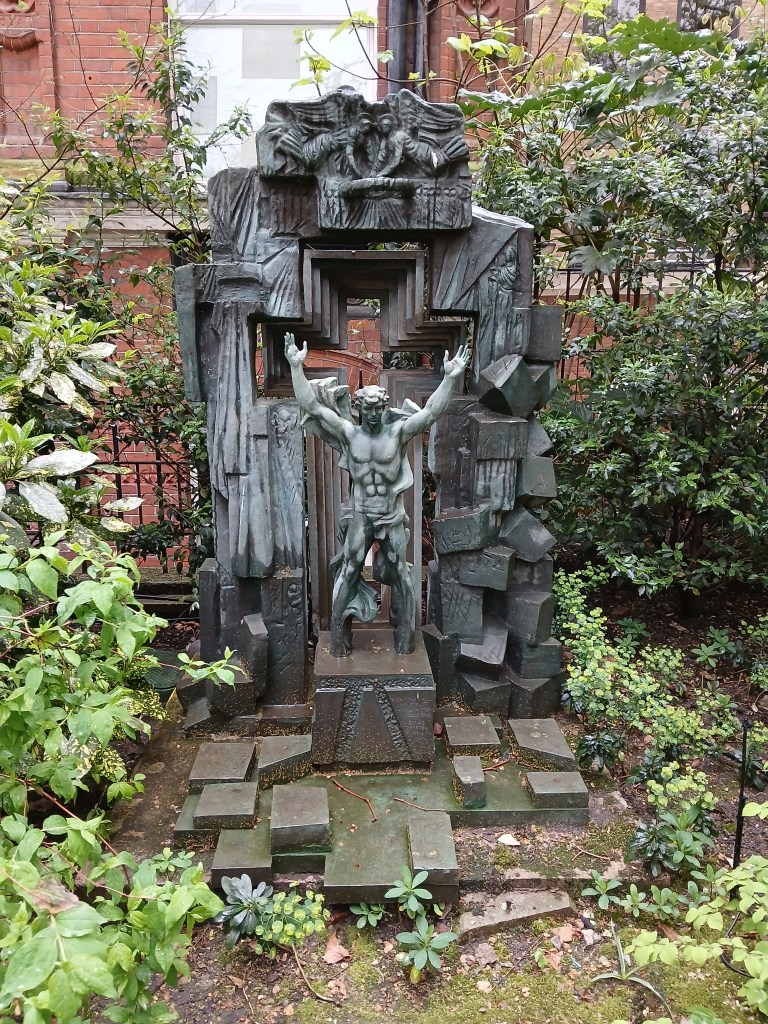
Situated in Martin Lane off Canon Street, this church is famous for being mentioned in the nursery rhyme ‘Oranges and Lemons’ about City of London church bells: ‘You owe me five farthings say the bells of St Martins’. The church was originally known as St Martin Candlewick Street, the Mediaeval name for Canon Street. The name of the church is said to derive from a Dane called Ordganus who donated the church to the canons of St Paul’s Cathedral. The original Saxon church was another one destroyed in the Great Fire, only part of the nave and the tower were left standing. The churchyard remained in use for burials and the parish was merged with nearby St Clement Eastcheap. ‘Oranges and lemons say the bells of St Clements.’ The remains of the church were restored and used by French Protestants until 1820, it was then demolished, including the tower, which was rebuilt in 1851. This is why the tower looks so much more modern than the other towers. The tower has been tastefully aligned with the next door building and the whole structure is now offices. The churchyard now has garden furniture for office workers to use, artificial grass and this strange sculpture.
Source: lostlcp.com
St Olave, Old Jewry
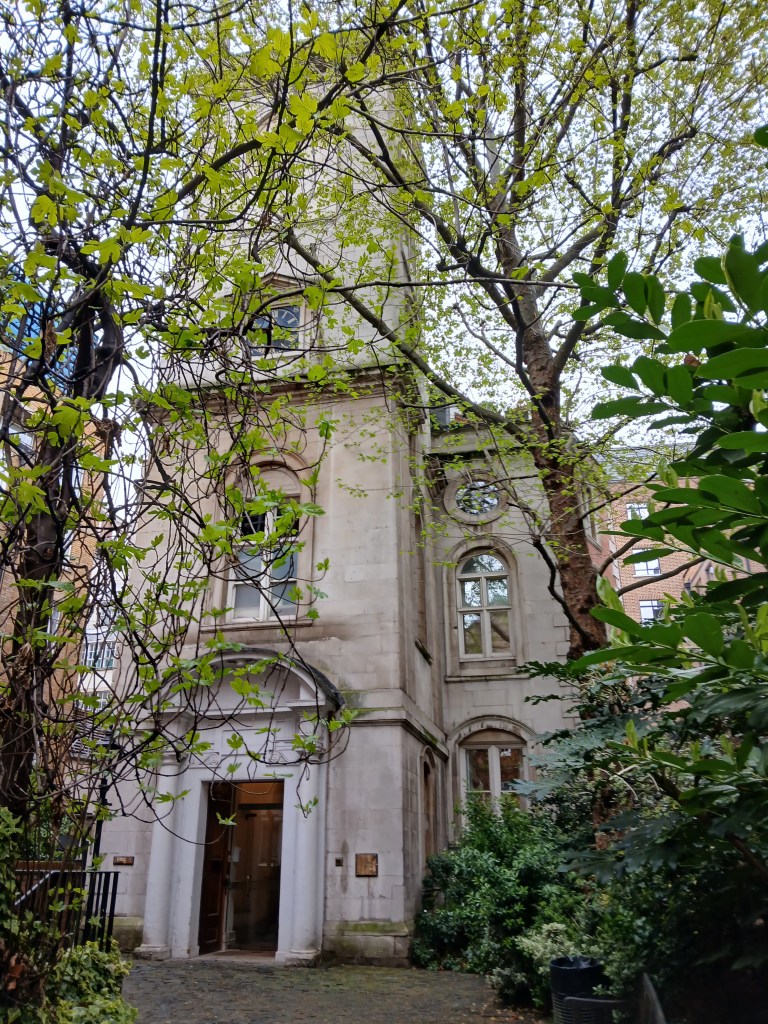
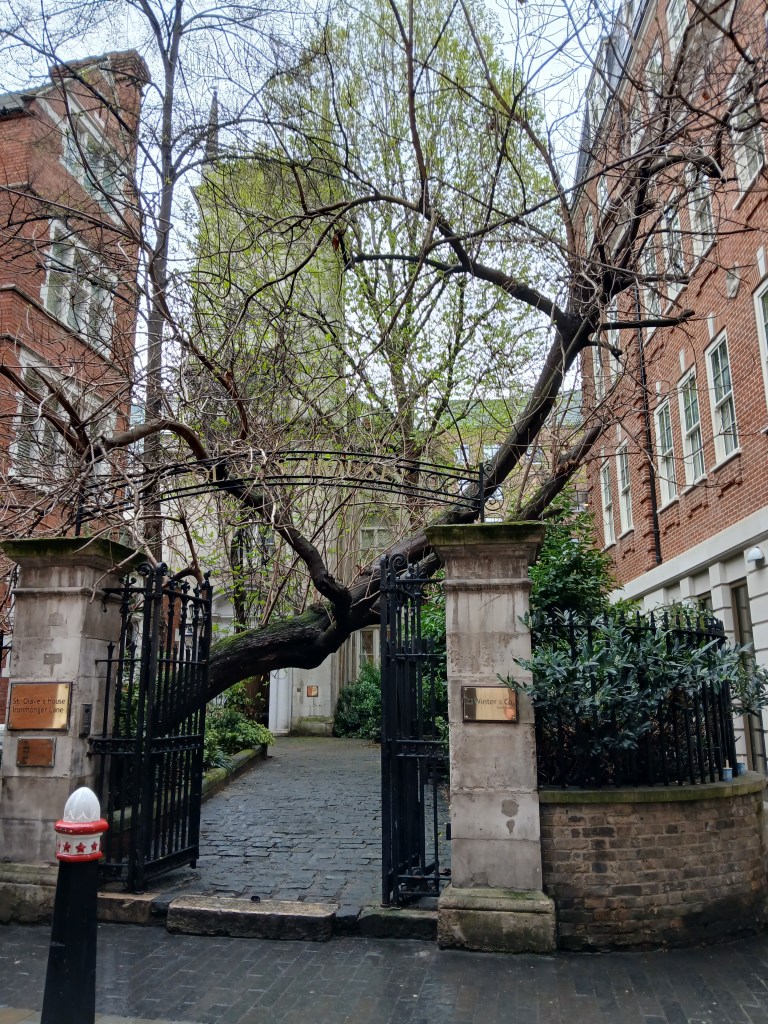
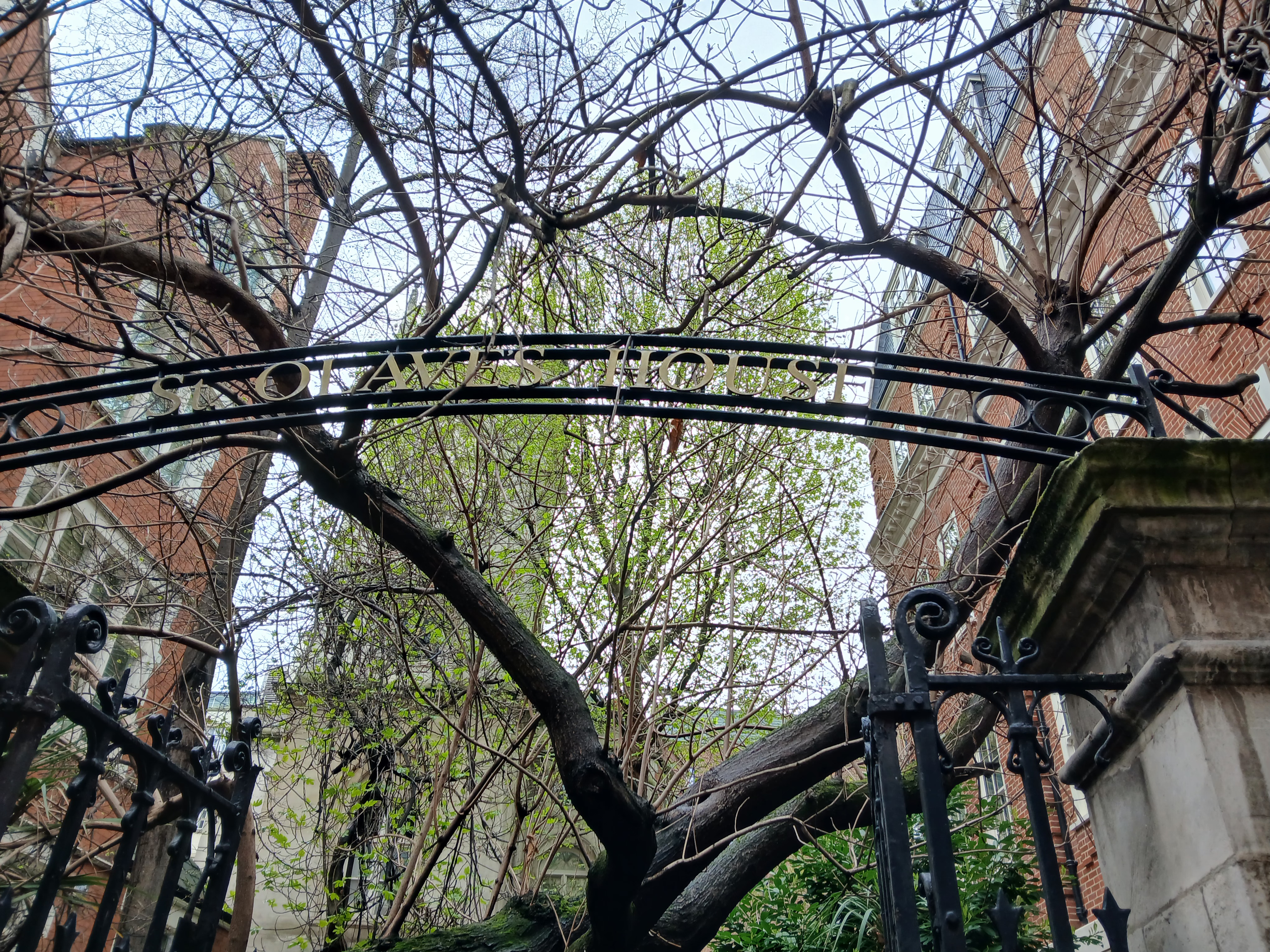
The most difficult to find of the towers, the churchyard of St Olave is down a tiny ally, off a street now known as Old Jewry, with a large tree trunk leaning over the entrance. Through a pair of black painted gates, a short path leads to the tower. This is one of several City churches dedicated to the 11th century patron saint of Norway, St Olaf. However, excavations carried out in 1985 when the tower was being repaired and repurposed revealed the foundations of an earlier Saxon church, possibly dating from the 9th century. In the Mediaeval era, the area was largely occupied by Jews who had their own synagogue in Old Jewry. In 1290 the Jewish population was expelled from England by King Edward 1st. Destroyed in the Great Fire and rebuilt by Sir Christopher Wren in 1671, the tower was unusually rebuilt as a separate structure. When Wren’s church was demolished in 1887, the tower was retained and incorporated into a new building which included a rectory for nearby St Margaret Lothbury. In 1986 the tower and adjacent building were converted to office premises (currently solicitors’ offices), taking the name St Olave’s House.
Source: Wikipedia
 claresimons1
Thank you, it is amazing what you have found, thank you for telling us about it
Best wishes – Cynthia
LikeLike