A very ten-uous link this month: I’m looking at churches closest to the All England Lawn Tennis and Croquet Club! The closest of these is 8 minutes’ walk away and actually rents out its adjacent field as a car park during the Championships. I took the opportunity to walk down Church Road last week to watch the busy preparations for the Tournament.
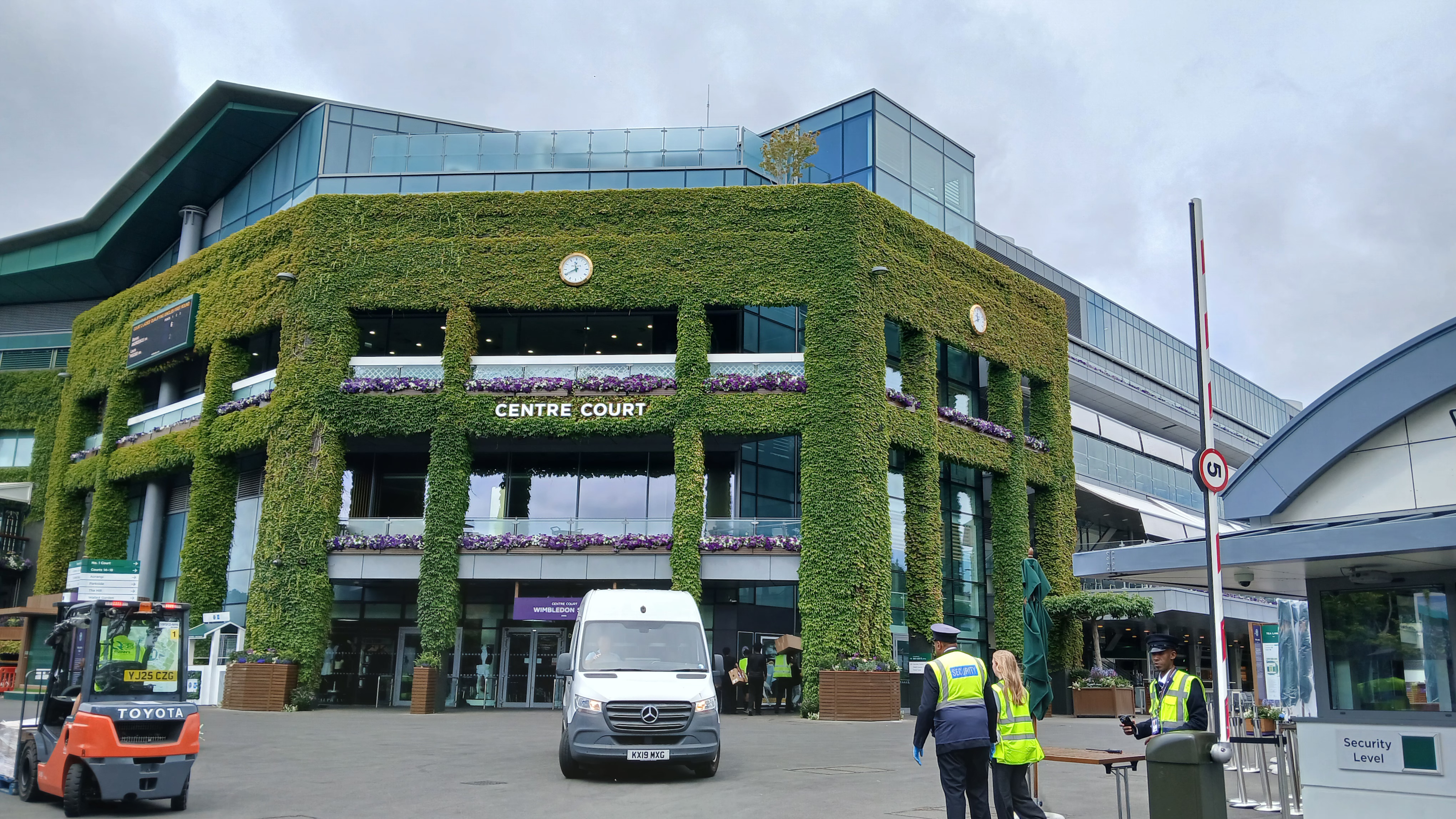
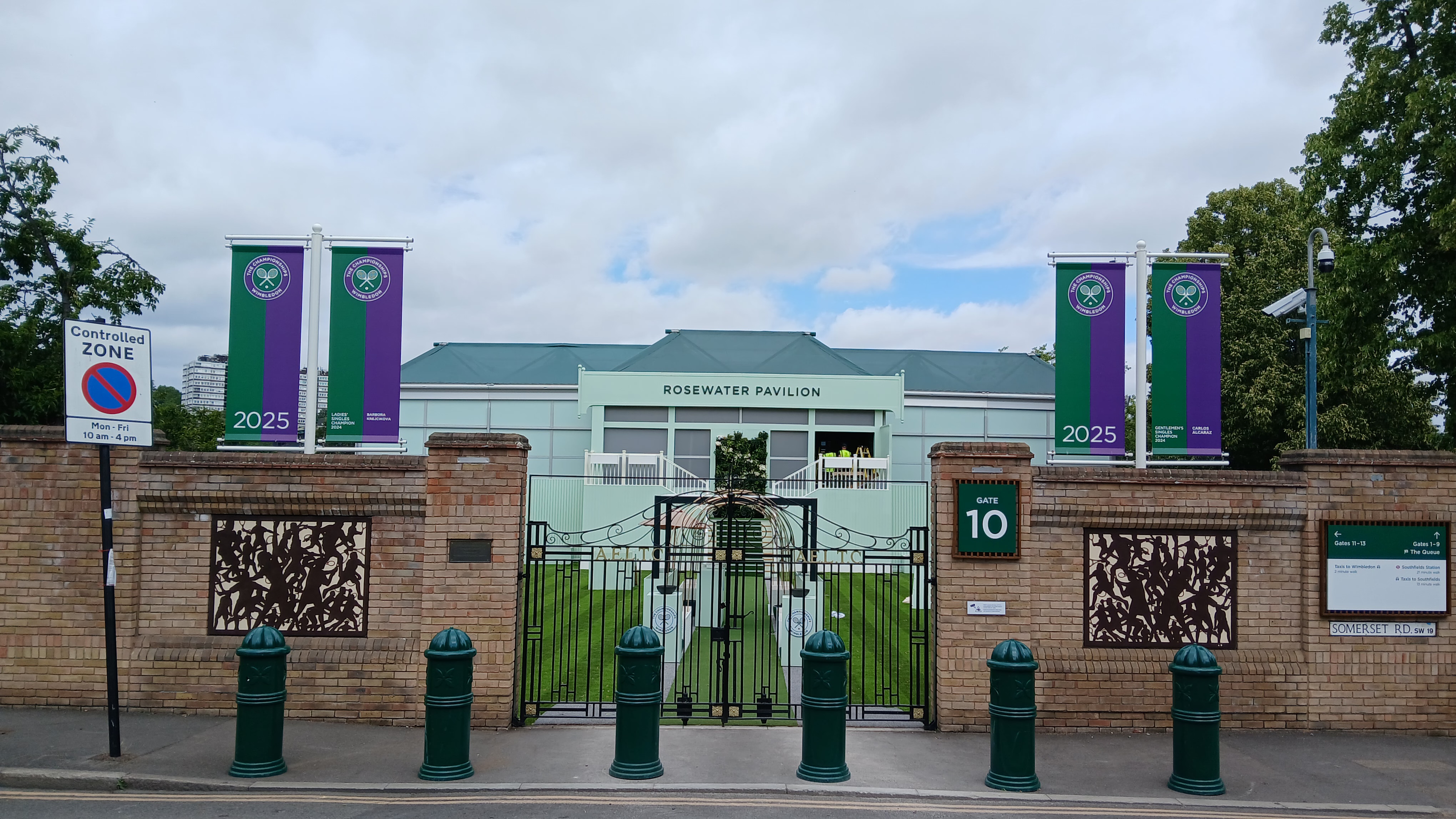
The Club was started as a private club for the popular sport of croquet in 1868. Its original ground was in Worple Road in Wimbledon Town, and the new sport of lawn tennis was introduced in 1875, with just one lawn set aside for this. The first Gentlemen’s Singles Championship was held in 1877 and was won by Spencer Gore, who is quoted as saying ‘Lawn tennis will never rank among our great games.’ Famous last words! In 1884 the Club added Ladies’ Singles and Gentlemen’s Doubles and in 1813 Ladies’ and Mixed Doubles. The Club moved to its present site in Church Road in 1922 and the current Centre Court dates from that year, much altered and improved over the years, with the installation of the sliding roof in 2009.
Source: Wikipedia
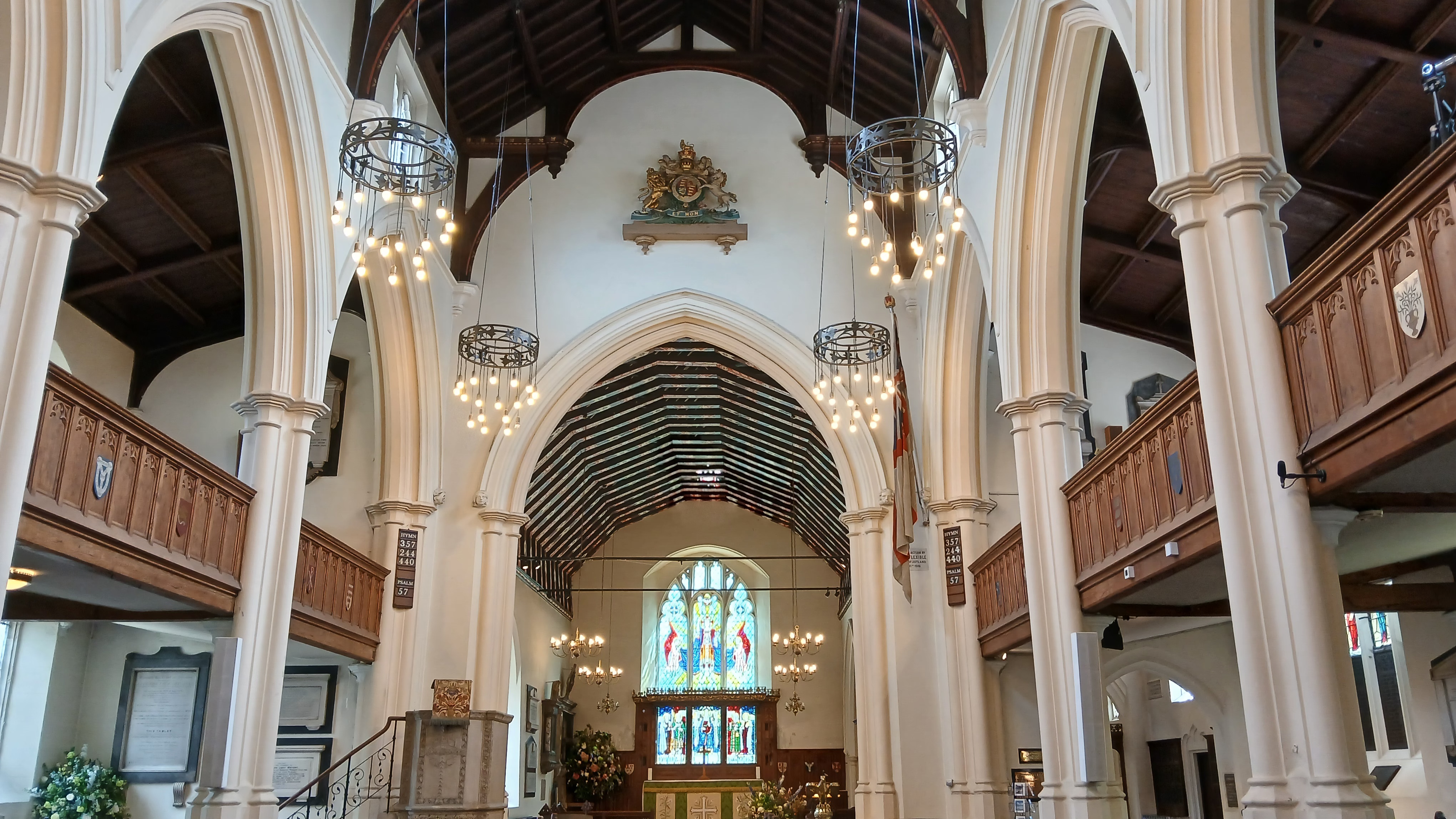
St Mary’s Church, Wimbledon Village
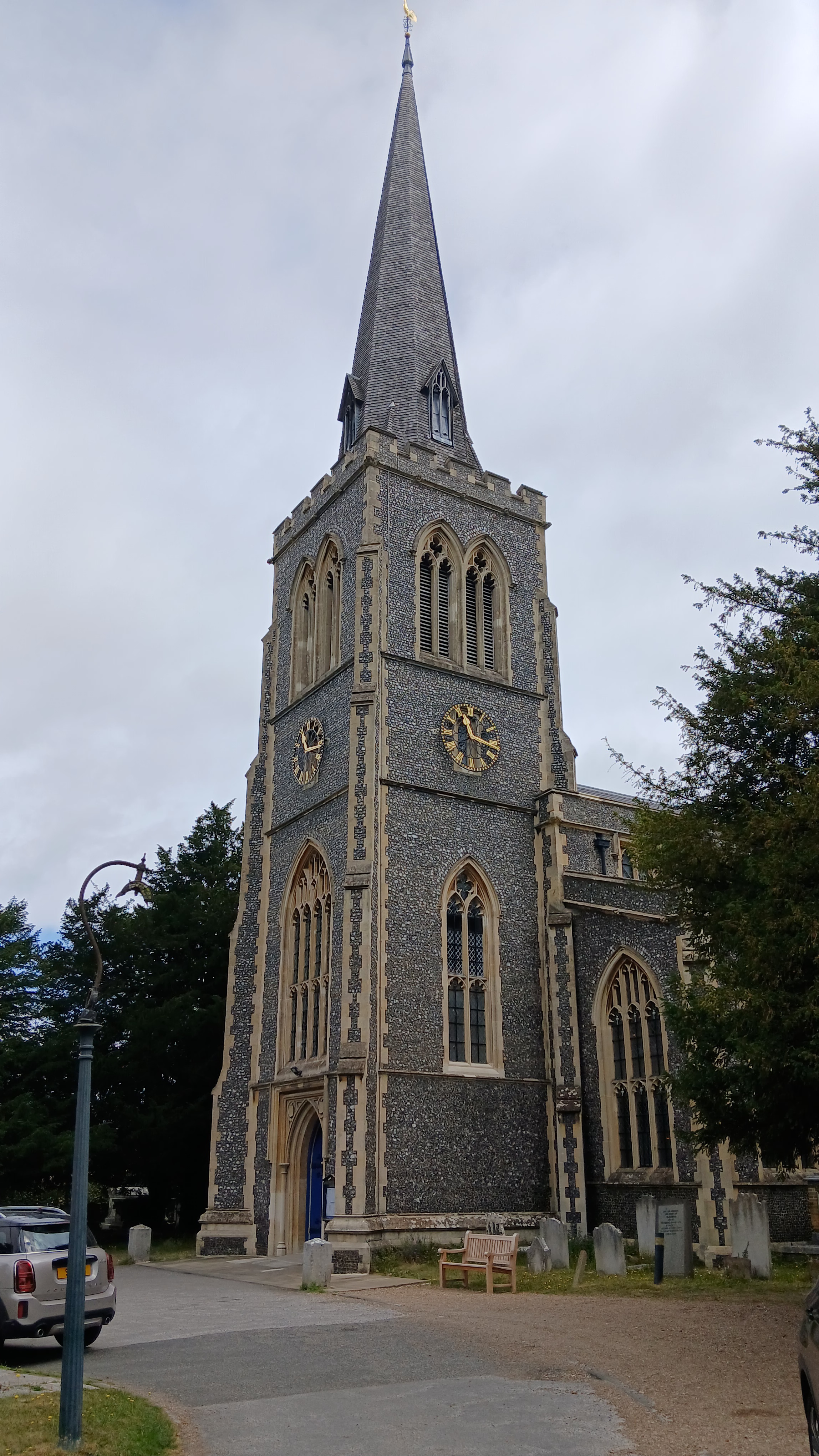
A large church on a substantial plot, this church looks quite rural from some viewpoints. The first church on the site was a simple wooden construction, serving a population of 100 in Wimbledon Village at the time of the Domesday Book, replaced by a stone building at the end of the 13th century. By the beginning of the 18th century the population of Wimbledon had increased only to 450 so the church remained adequate for the congregation. However, only 50 years later, from about 1750, the population of the whole country rapidly increased and the church building which was in urgent need of repair after 500 years of use, was substantially enlarged at a cost of £2,100. The arrival of the railway in 1838 and a doubling of the population to 2,600 made it necessary to provide a further 400 seats, and architects Messrs Scott and Moffat were chosen to extend the church and build a new tower and spire. Sir George Gilbert Scott went on to become one of the most prolific Victorian architects. In 1860 when the chancel (the altar part of the church) was being restored, some medieval rafters were discovered, having been covered over with a plaster ceiling. This beautiful artwork was carefully repainted by local architect Peter Bond in 1993.
Source: Church website
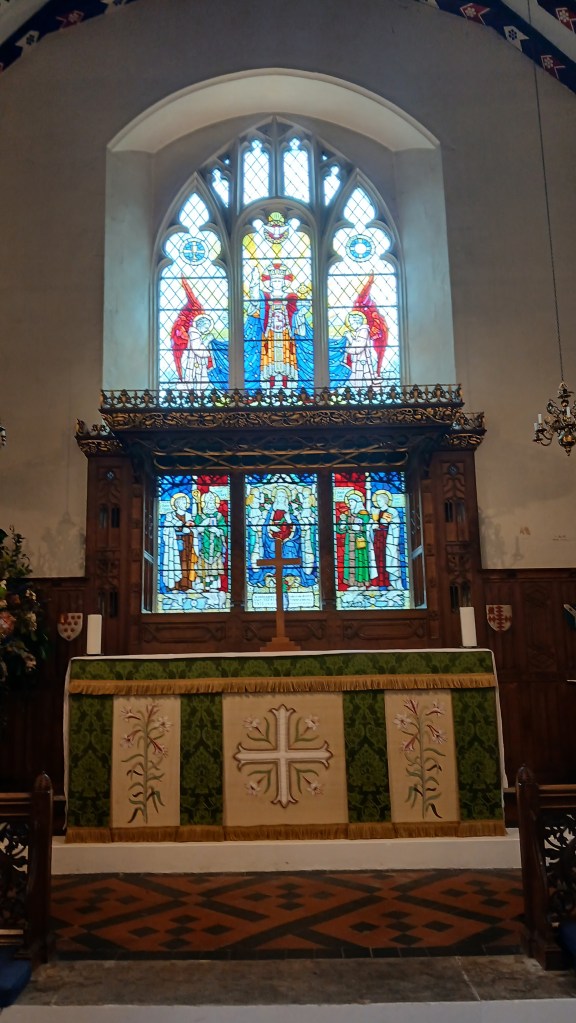
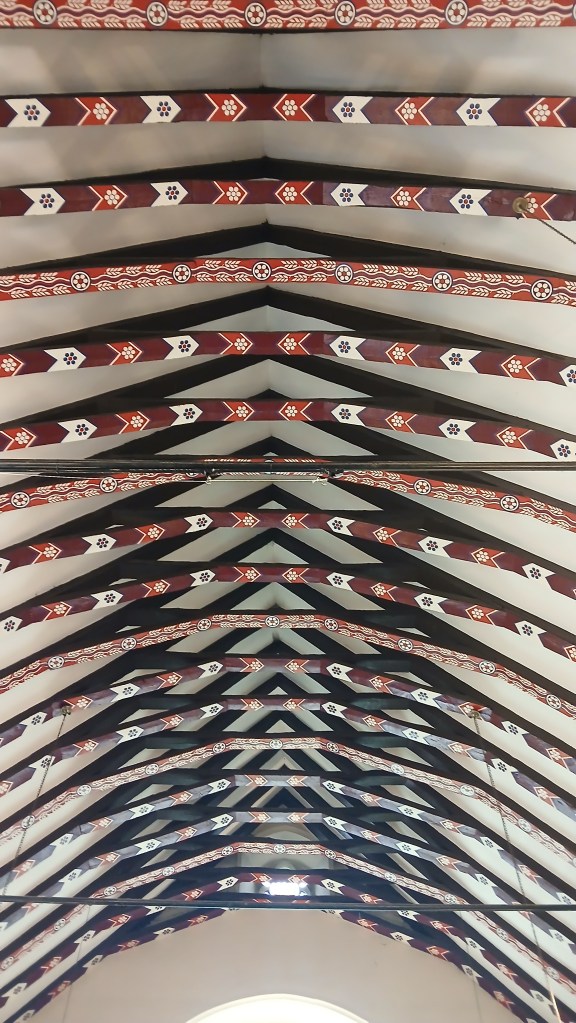
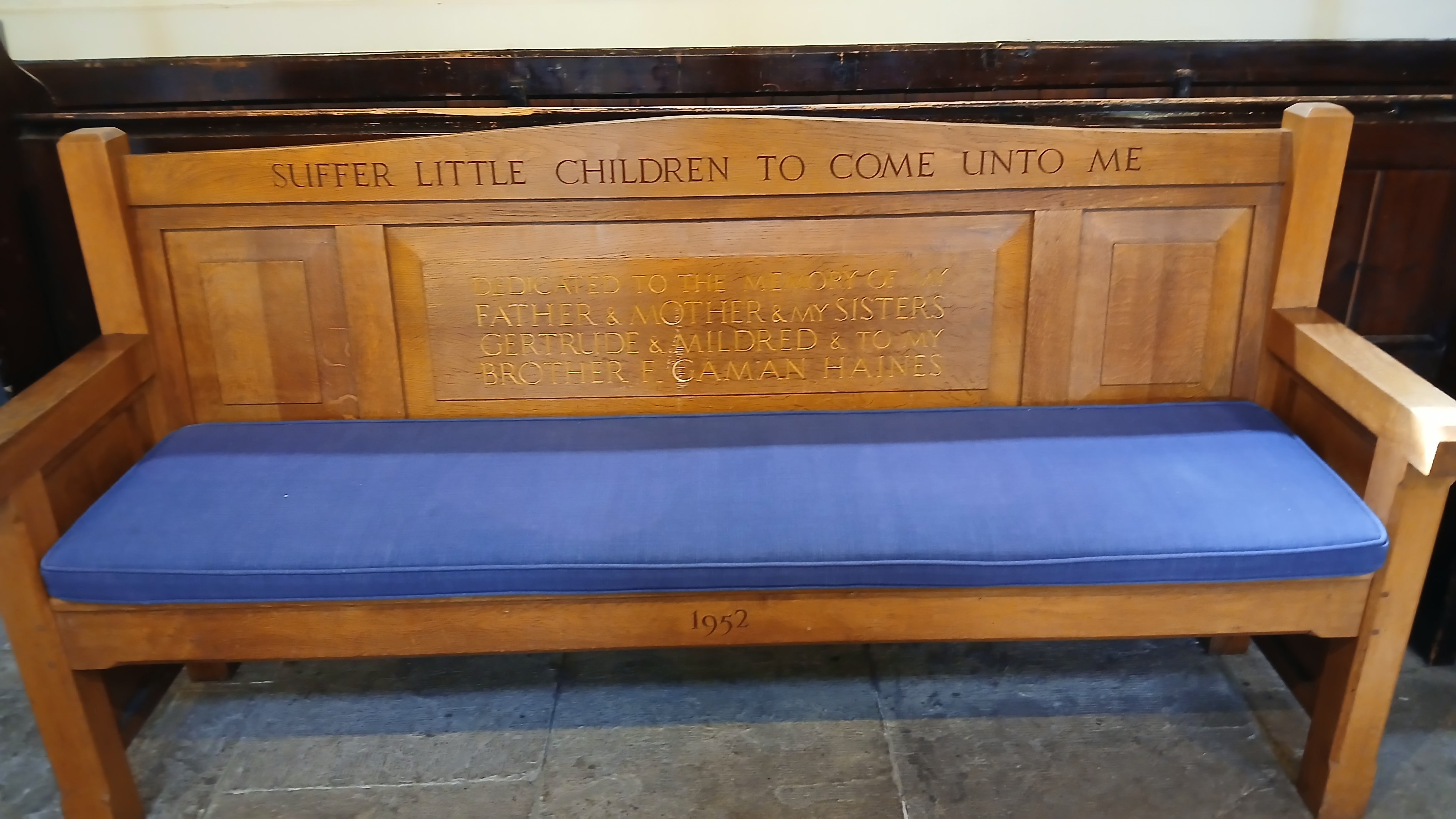
St Luke’s, Wimbledon Park
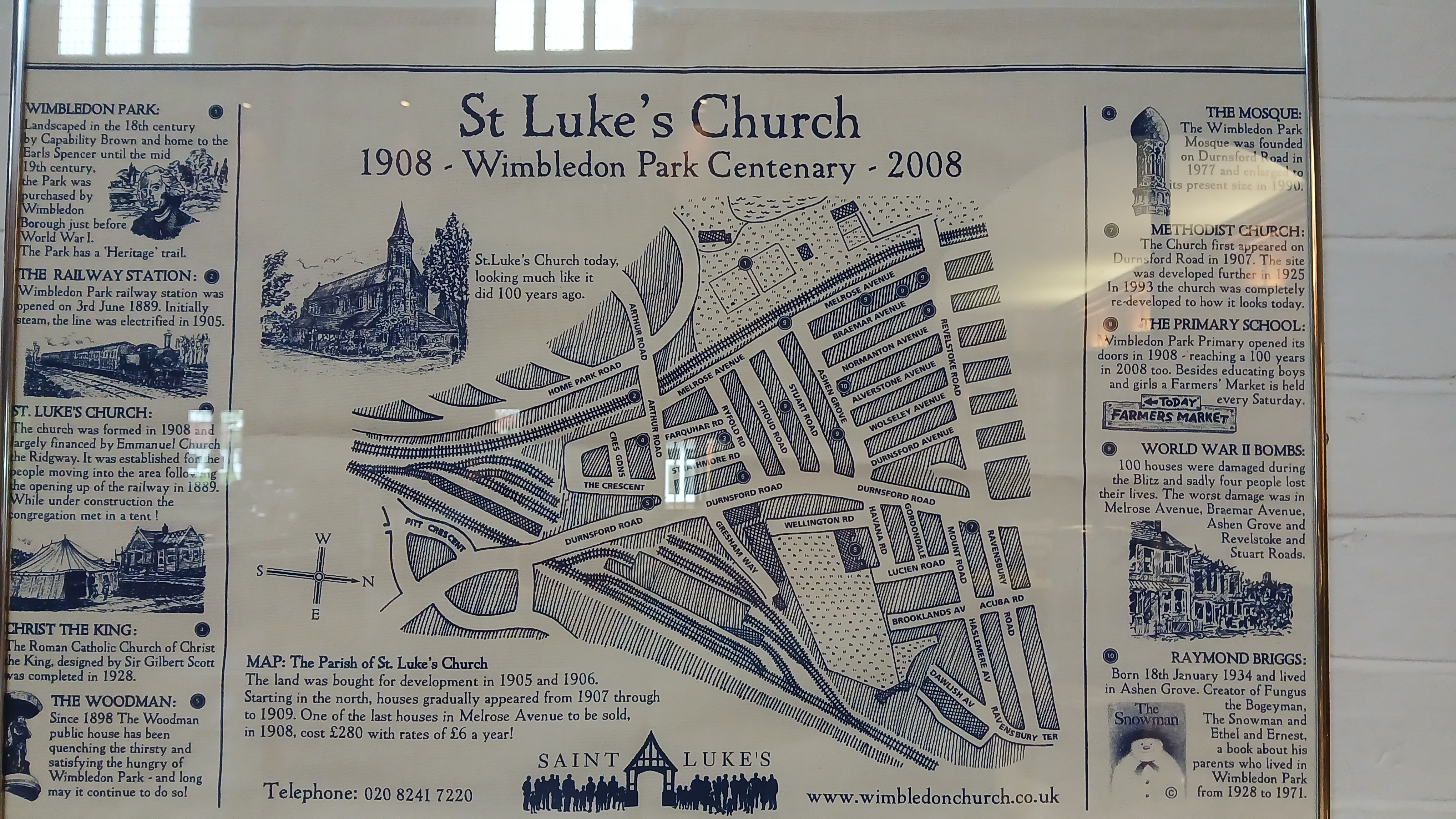
The second-closest church to the All England Club is St Luke’s, founded in 1908 as a Parish Church, built at the same time as the adjacent houses. The surrounding land was purchased for development in 1905/6, with the church being established for people moving into the new houses. Transport links to the capital were provided by the opening of Wimbledon Park railway station in 1889, originally steam powered and electrified in 1905, becoming a stop on the London Underground District Line (although it still runs overground at this point.) The lovely red brick church building was designed by architect Sir Thomas Graham Jackson and has a distinctive tower and spire. These made it easy for me to find the church and adds interest to this suburban residential street. In the spring of 1908 a marquee was erected and the congregation worshipped here before moving into the church hall and finally into the church itself. Thankfully, not much has changed inside or out since the early days, except the inevitable replacement of pews by chairs and the installation of audio-visual equipment.
Source: Church website
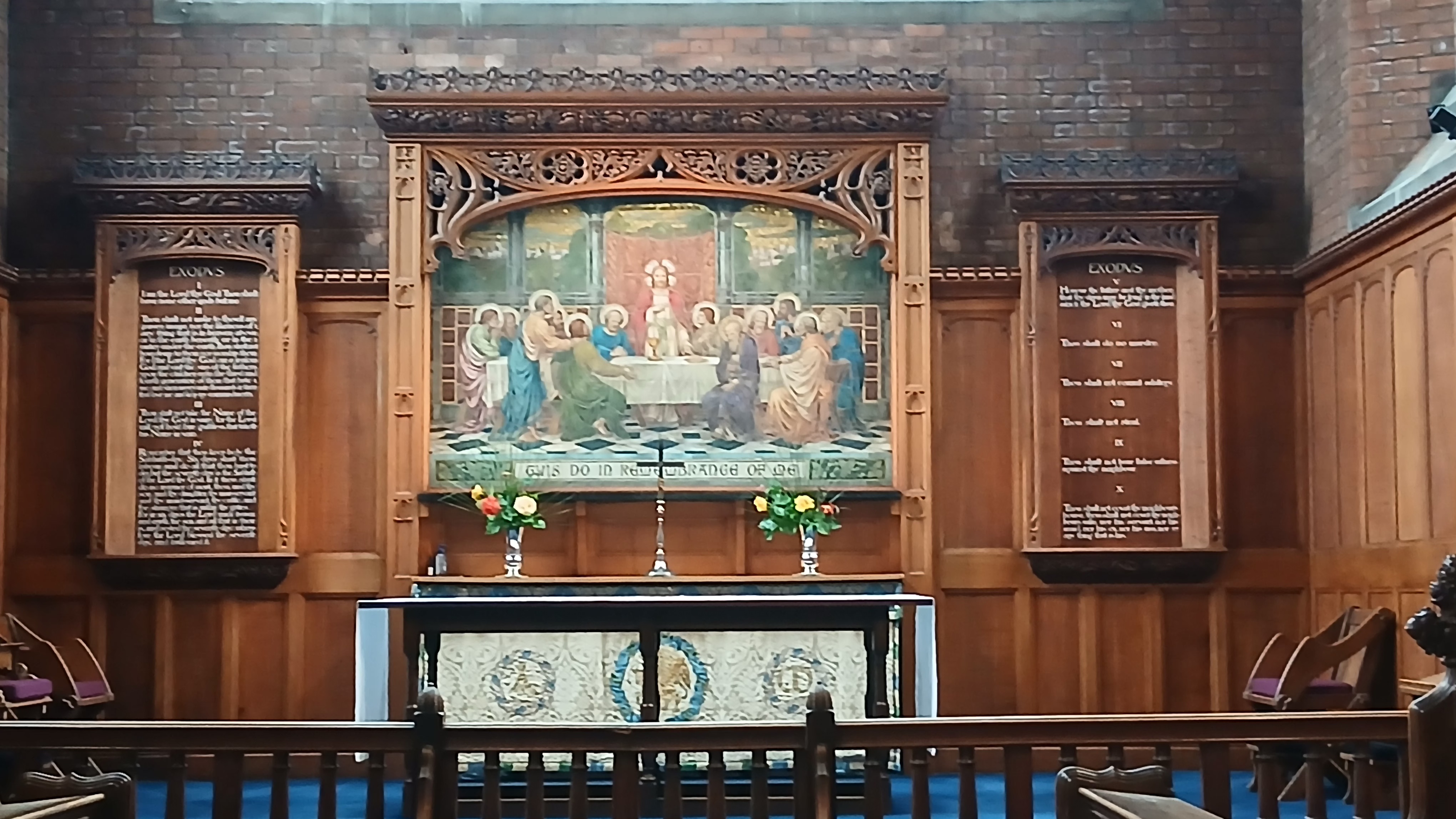
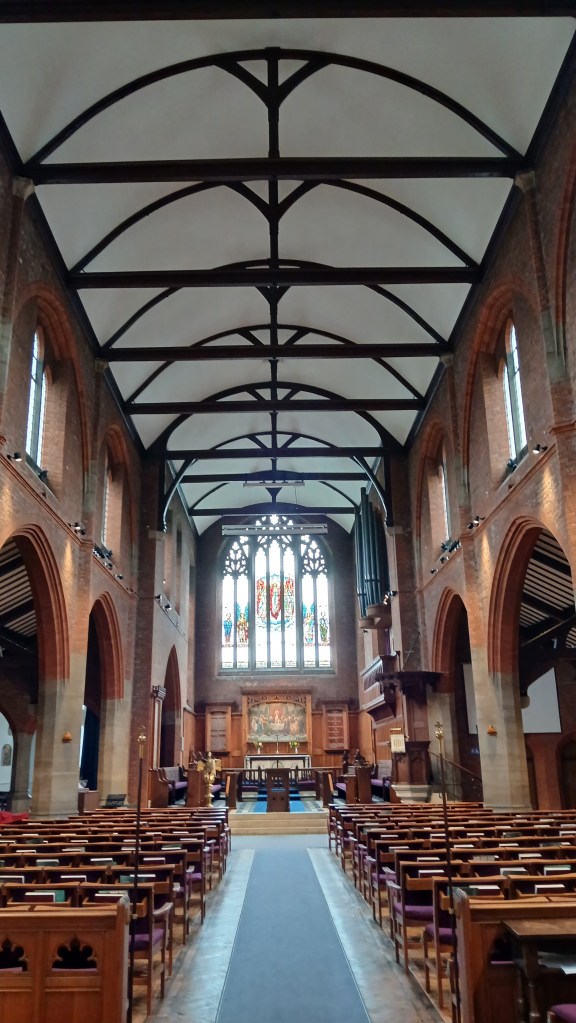
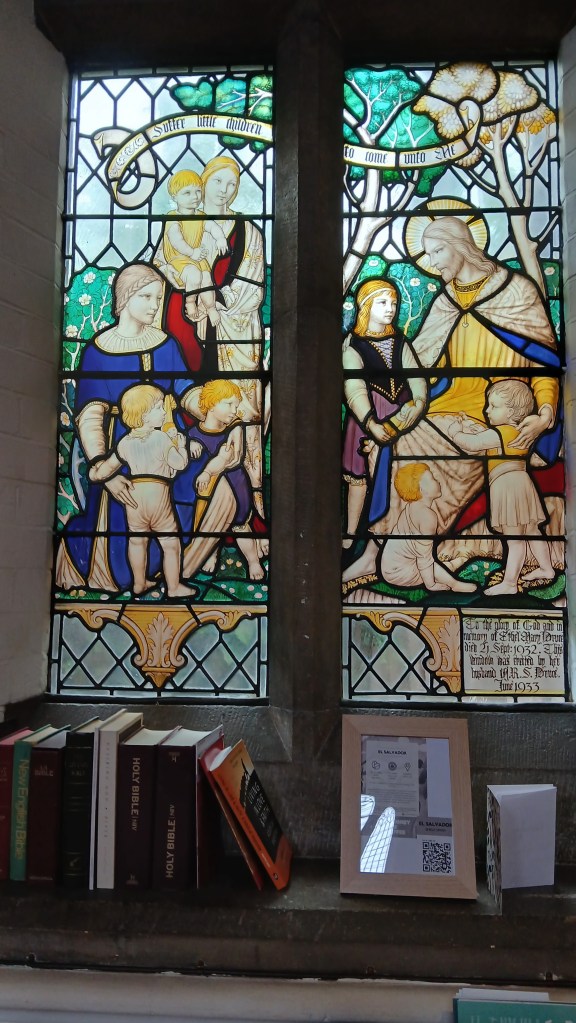
St Mark’s Wimbledon
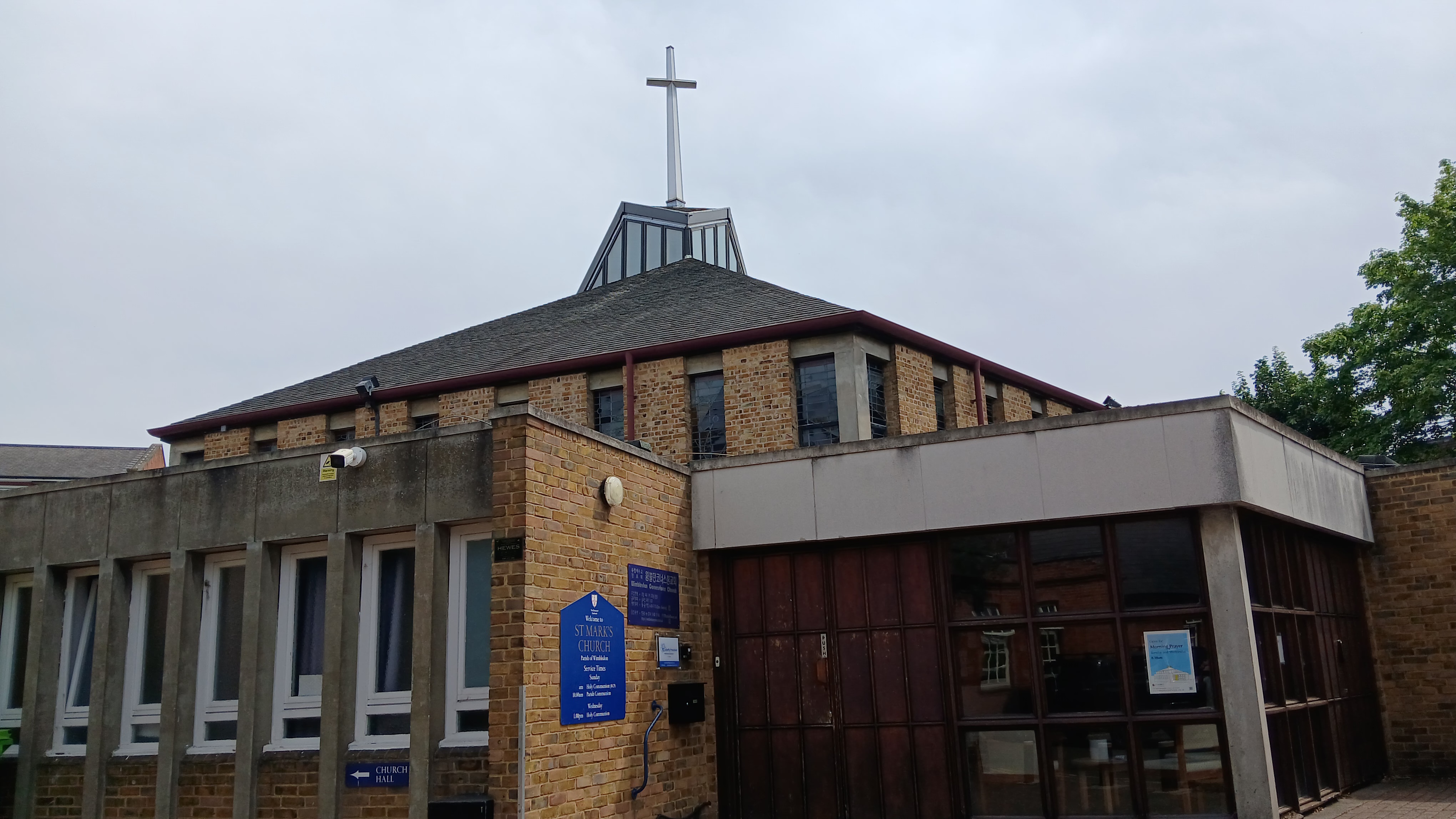
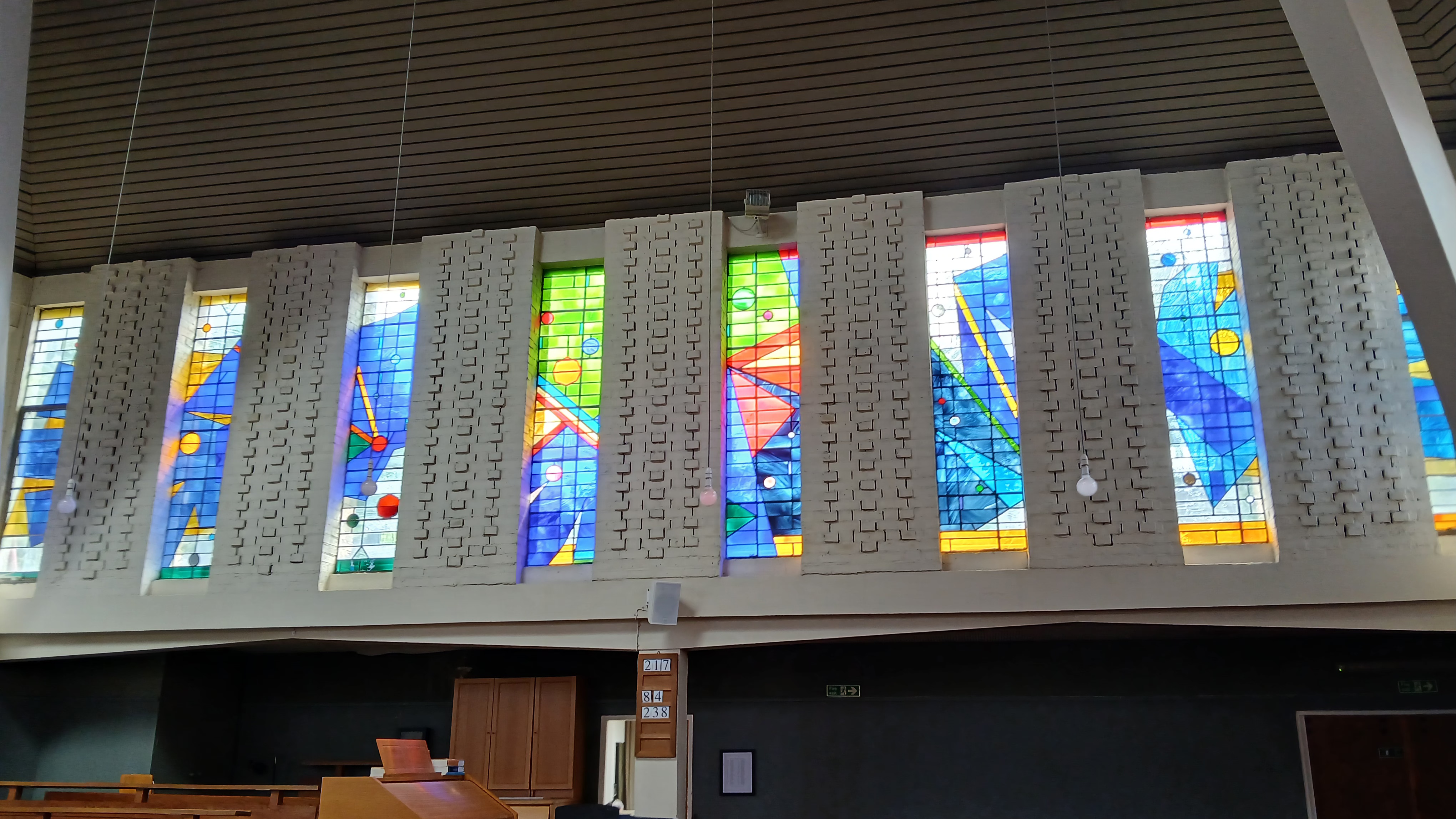
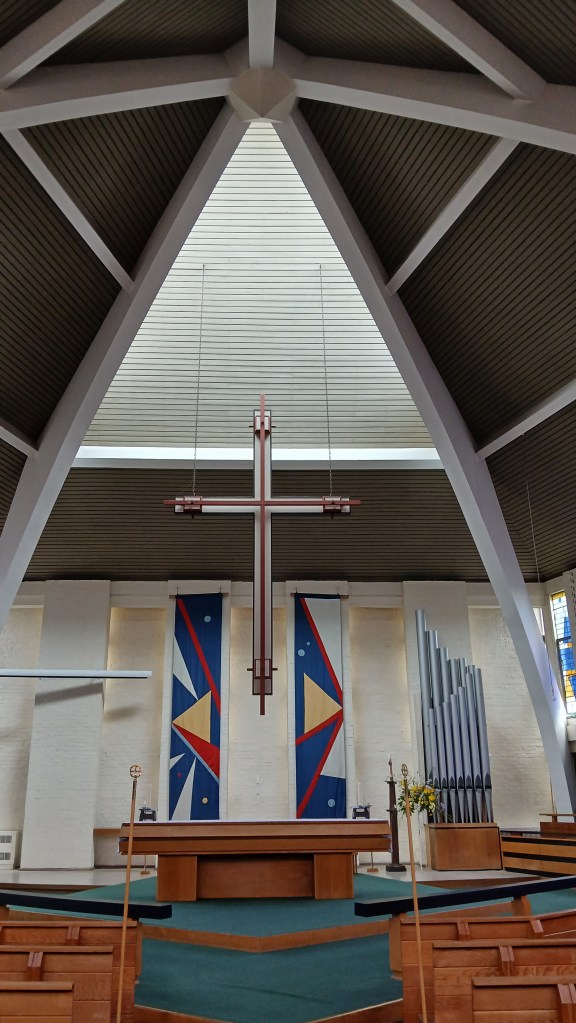
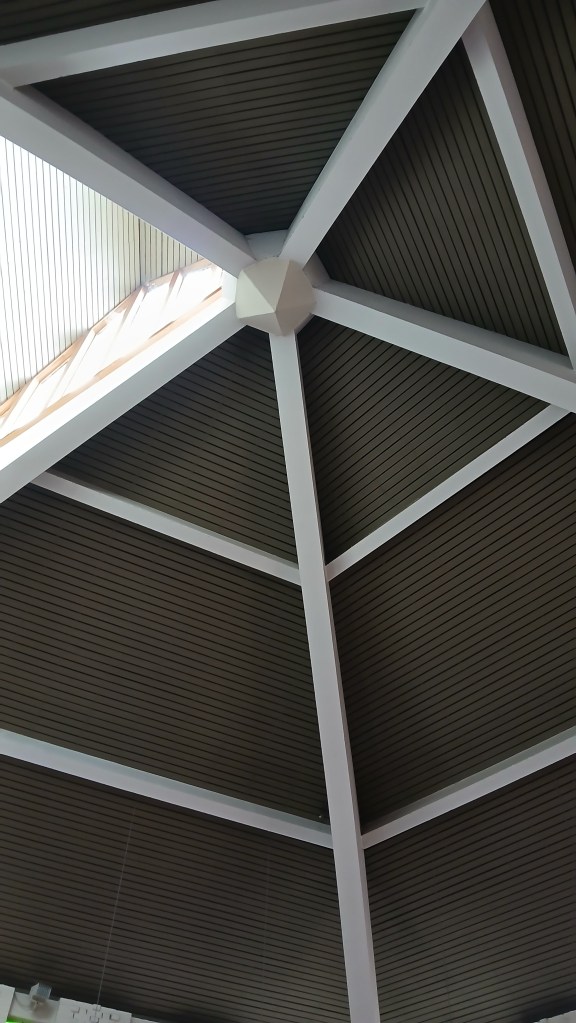
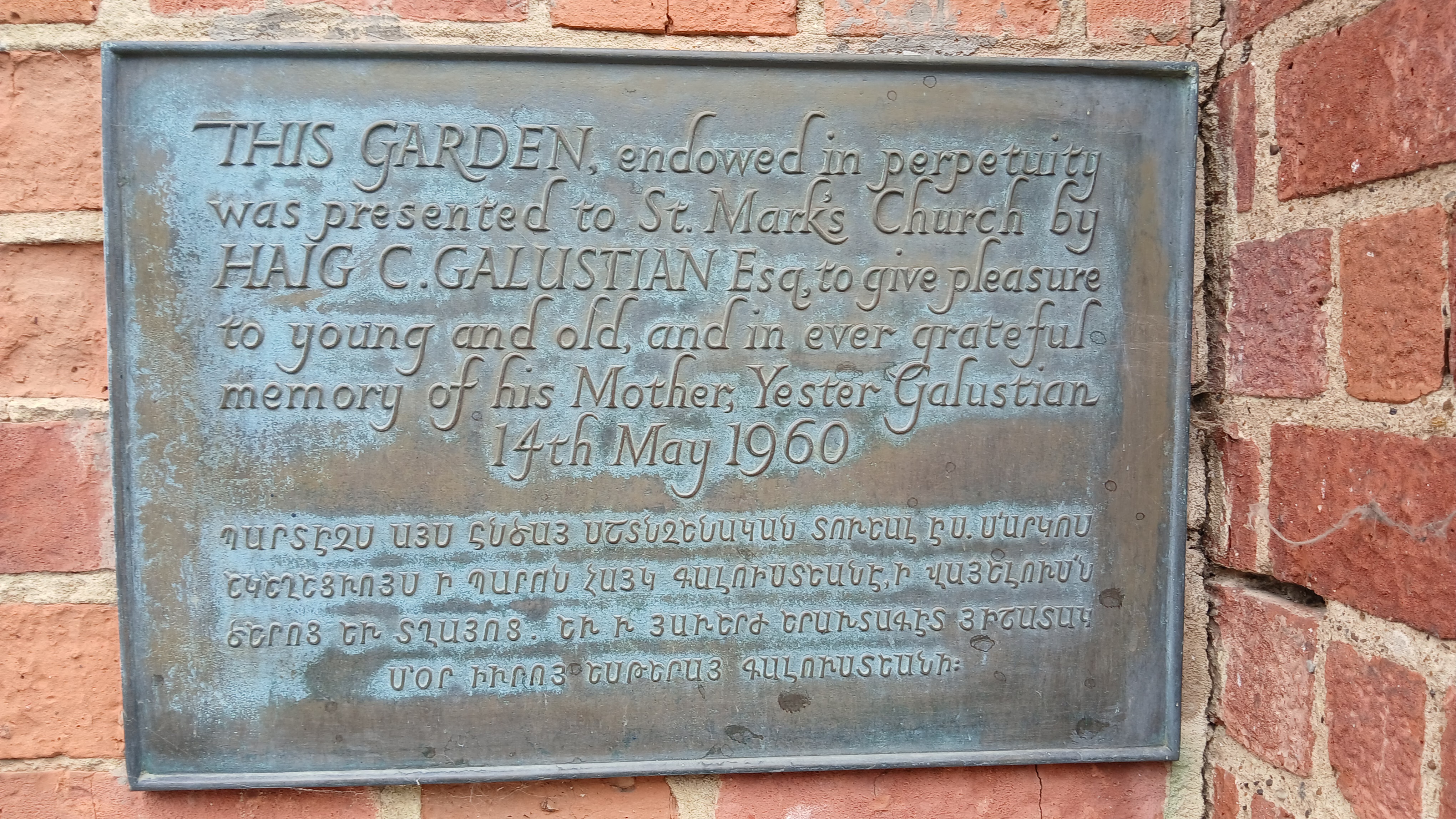
Back down the Hill in Wimbledon town centre is the Anglican church of St Marks. This one piqued my interest because it’s a mid-century modernist building which replaced a Victorian church which burnt down in 1966. The interior of St Marks is an absolute gem: the building is a pentagon shape, designed by architects Humphrys and Hurst and completed in 1969. A frieze of jewel-coloured glass runs along the upper part of four of the walls and behind the altar the fifth wall is a ‘tent-like, framed structure’ which allows light into the church. The five structural pillars which meet at the centre of the roof were constructed off-site and assembled in situ. The two banners which hang either side of the altar were designed by a member of the congregation to celebrate the 25th anniversary of the opening of the new building. Behind the church is a large garden which is shared by the church and the pre-school which is held in the church hall. The garden was the bequest of Mr Haig Galustian in memory of his mother and the plaque commemorating this is written in both English and Arabic.
Source: Church website and helpful church volunteer
Trinity URC, Mansell Road, Wimbledon
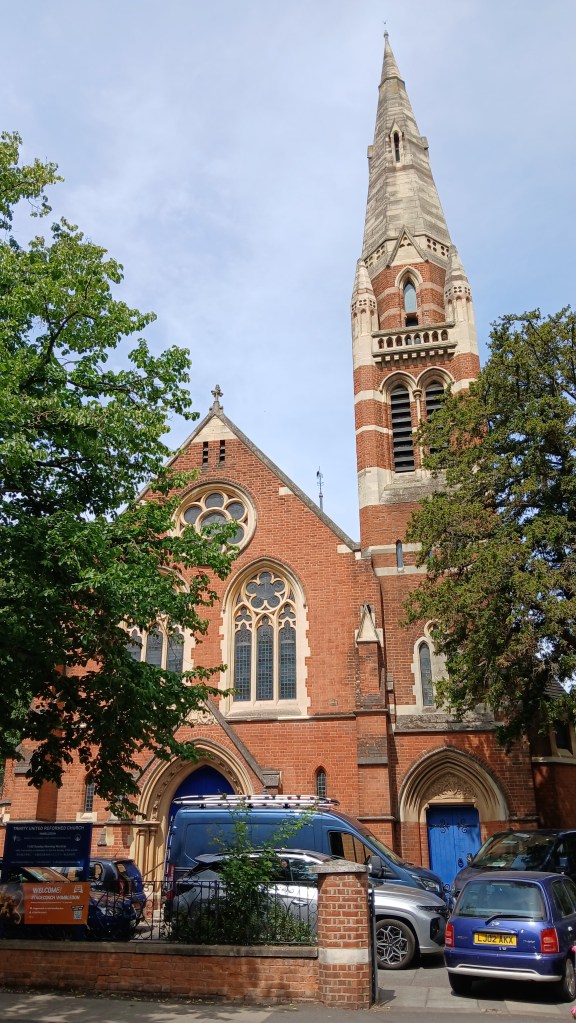
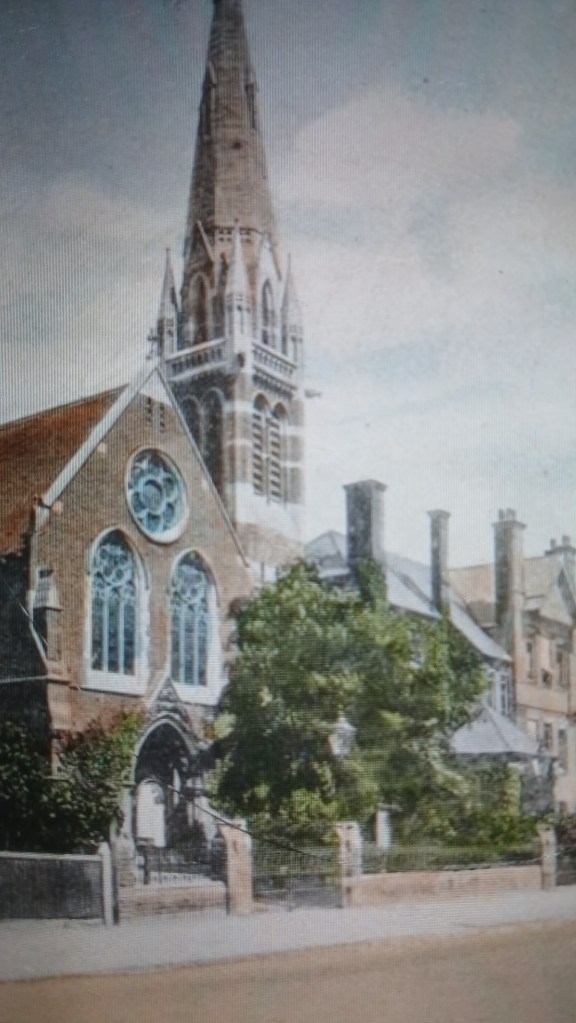
Also close to the town centre is another red brick church, Trinity URC, right next to Wimbledon GDST (independent girls’ school). On 30th October 1883 a group of ladies and gentlemen were invited to the home of Mr Patrick Kidd of Hill Road to discuss the establishment of a ‘Scotch Church’ in Wimbledon. The Presbytery of London was approached and as a result a ‘Preaching Station’ was formed – Trinity Presbyterian Church. The first congregation and Sunday School met in a hall in nearby St George’s Road, and as numbers grew, a permanent site for a new church was found in Mansell Road. Work started on what is now the Old Hall in 1886 and on the church building itself in 1890. There was a strong Scottish feel to the church as many of the members were ‘exiled Scots’. At this time, the church had a thriving Sunday School, held in the afternoons after the main service. As well as religious instruction, this provided social and educational activities for local children. 80 years later in 1972 the Presbyterian Church of England united with the Congregational Church to form the United Reformed Church. Today the church has a Chinese congregation which joins with the first part of the main service before moving to their own service in Cantonese.
Source: Church website
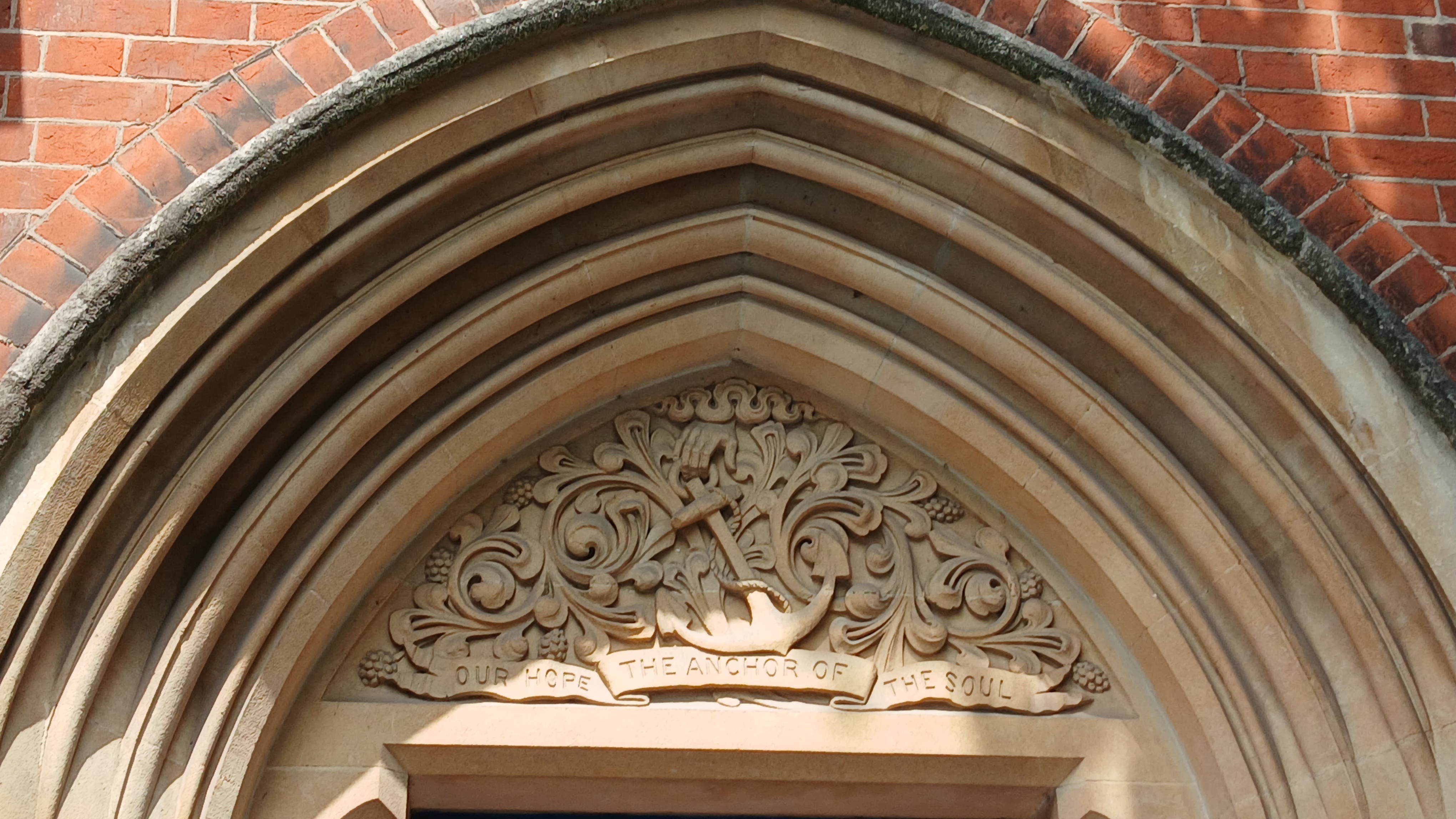
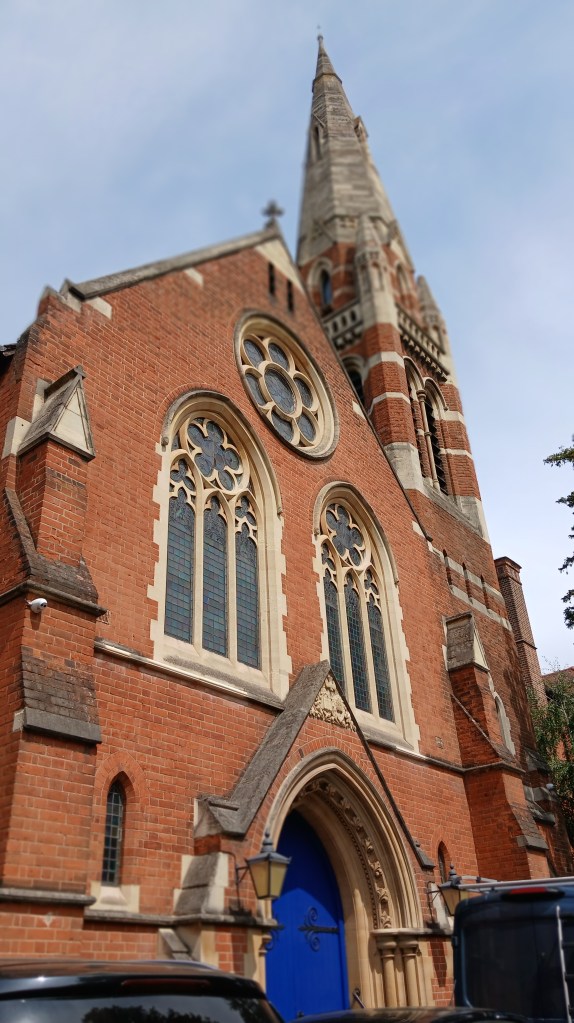
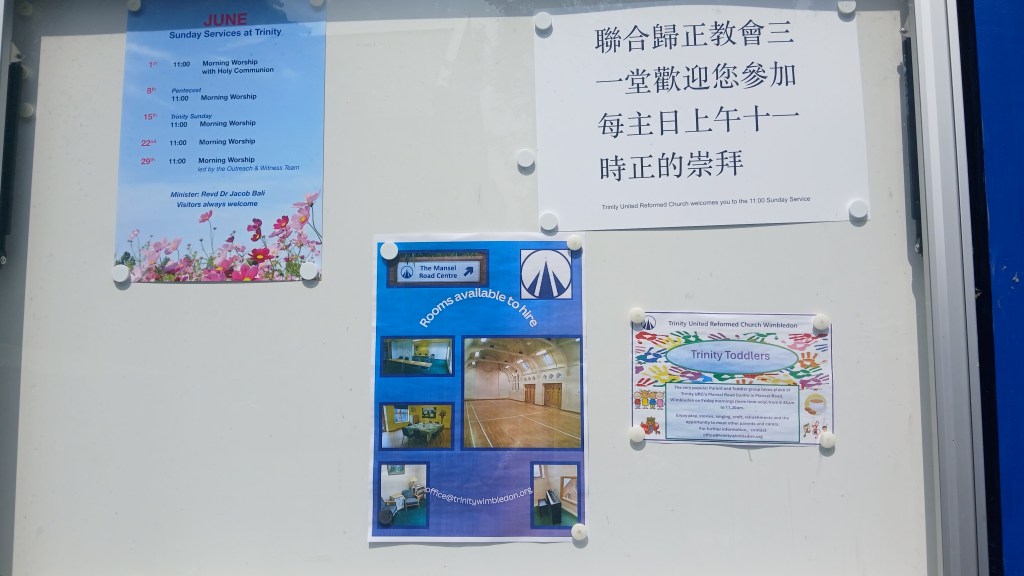
Note: photo credit for the first picture: the newly-built church, from the church website. I couldn’t go inside the church due to music exams taking place when I visited, hence exterior shots only.
 claresimons1
so interesting, thank you!
LikeLike