April – History of some Sutton churches

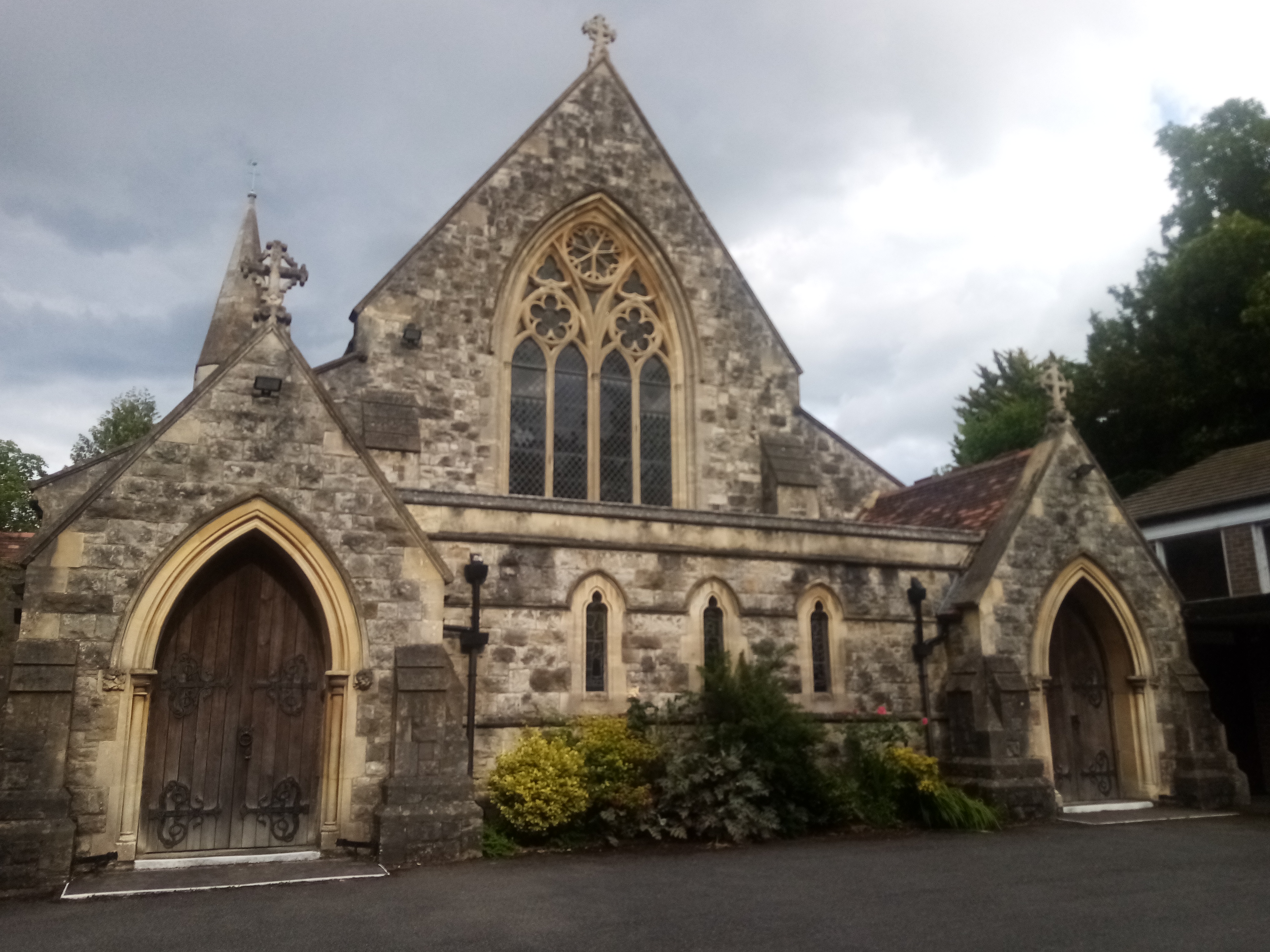
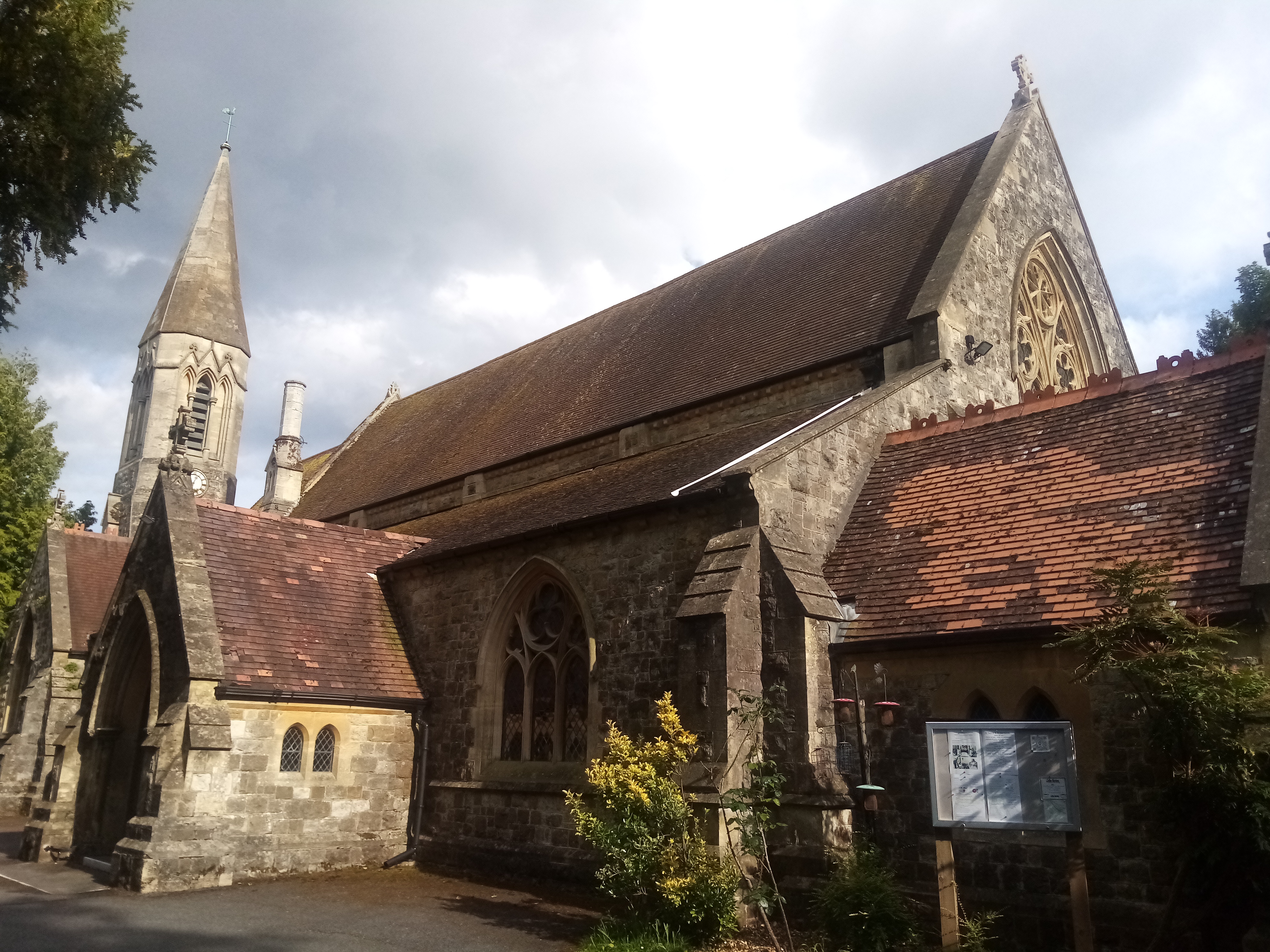
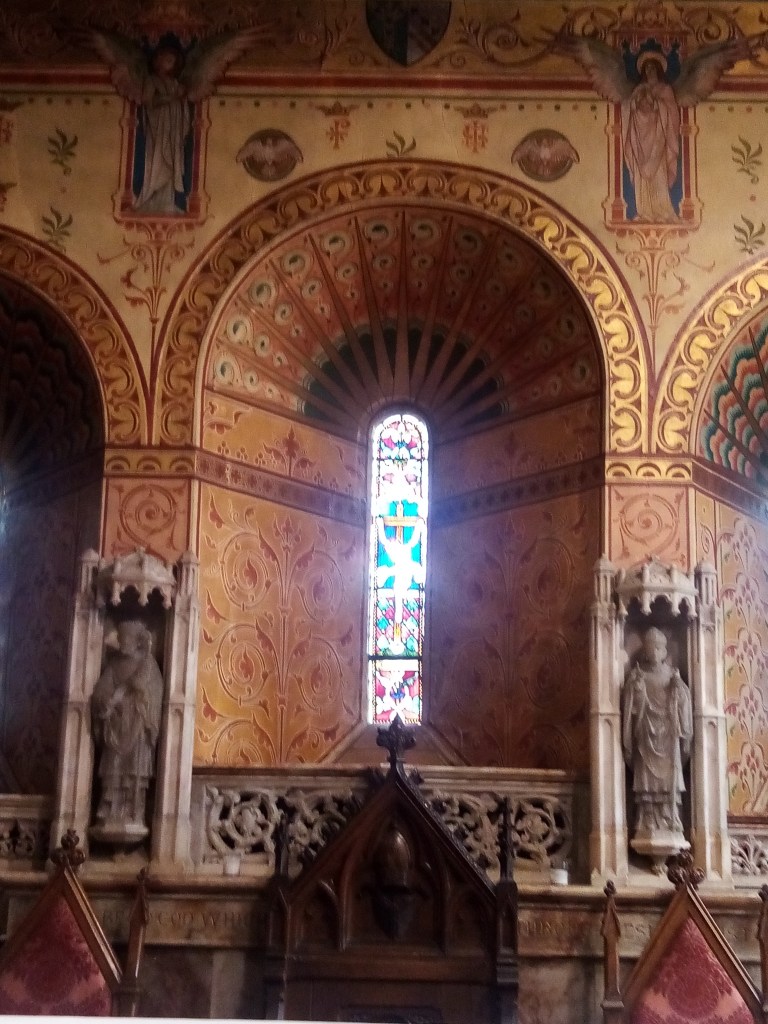
April’s blog is based on a guided walk of Sutton town centre which I recently led as part of my church’s 125th anniversary celebrations. While preparing for the Walk, I learned so much about Sutton’s history; humble beginnings as a hamlet of 200 hundred inhabitants and 30 dwellings recorded in the 1068 Domesday Book, through the 1700s as a major staging post, with coaching inns on either side of the London to Brighton Road, to a thriving suburban town with the coming of the railway in 1846. And of course, there are the churches; we looked at three close to the town centre and the fourth, slightly further out, my own church which has its own intriguing history.

St Nicholas

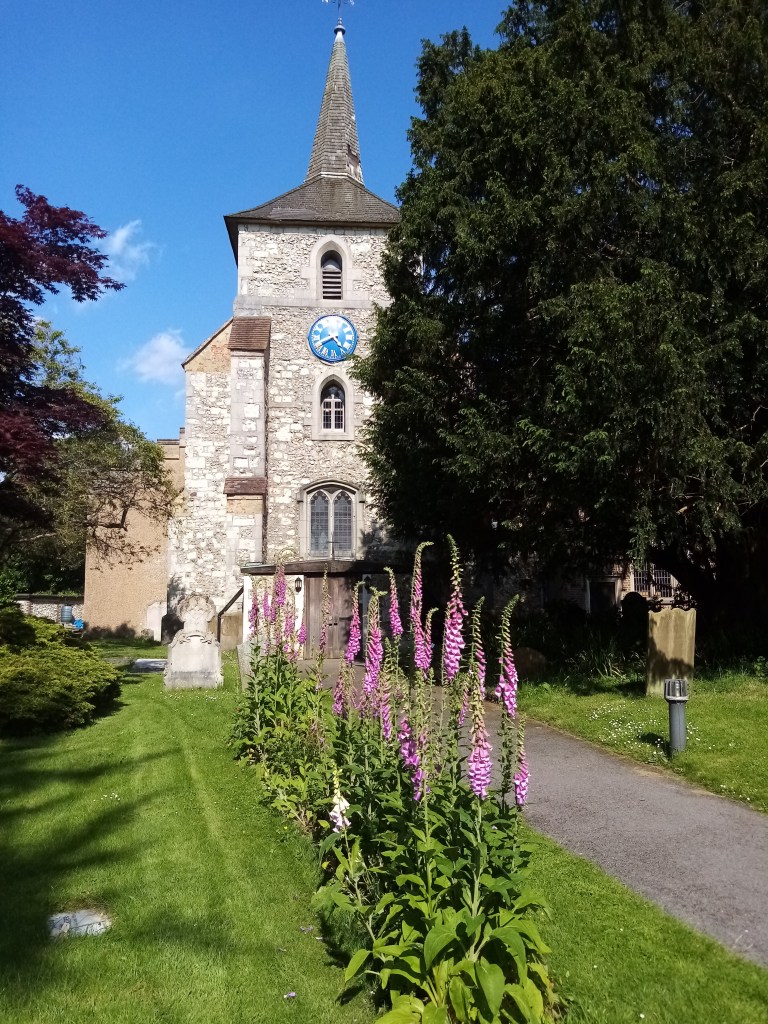
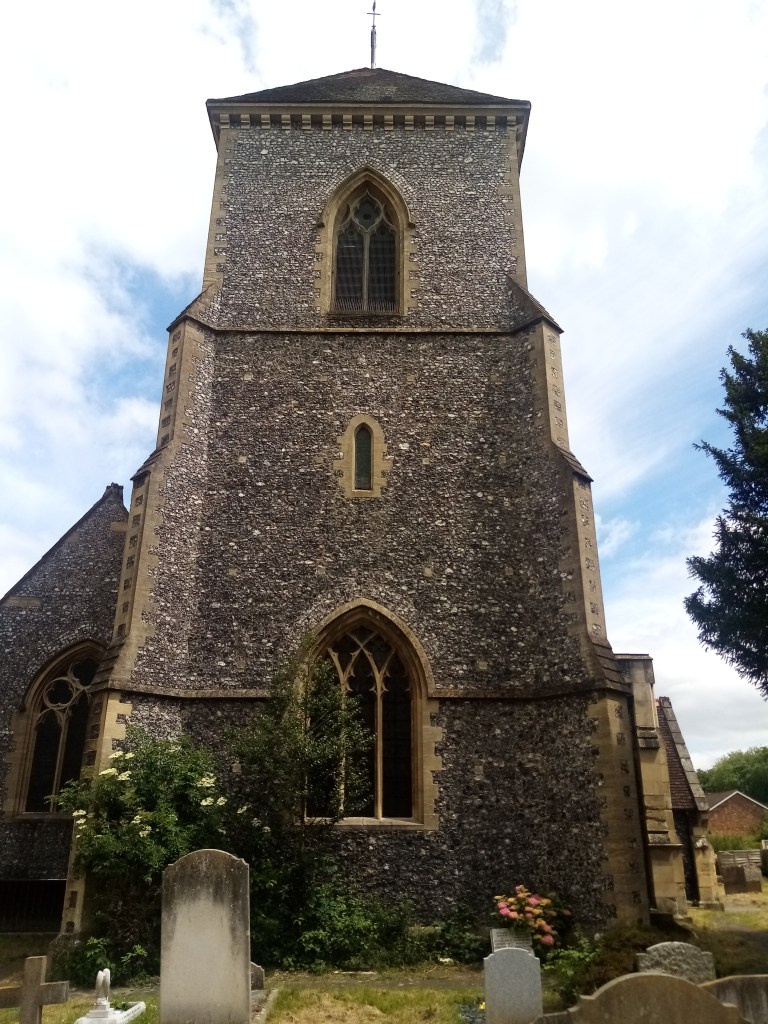
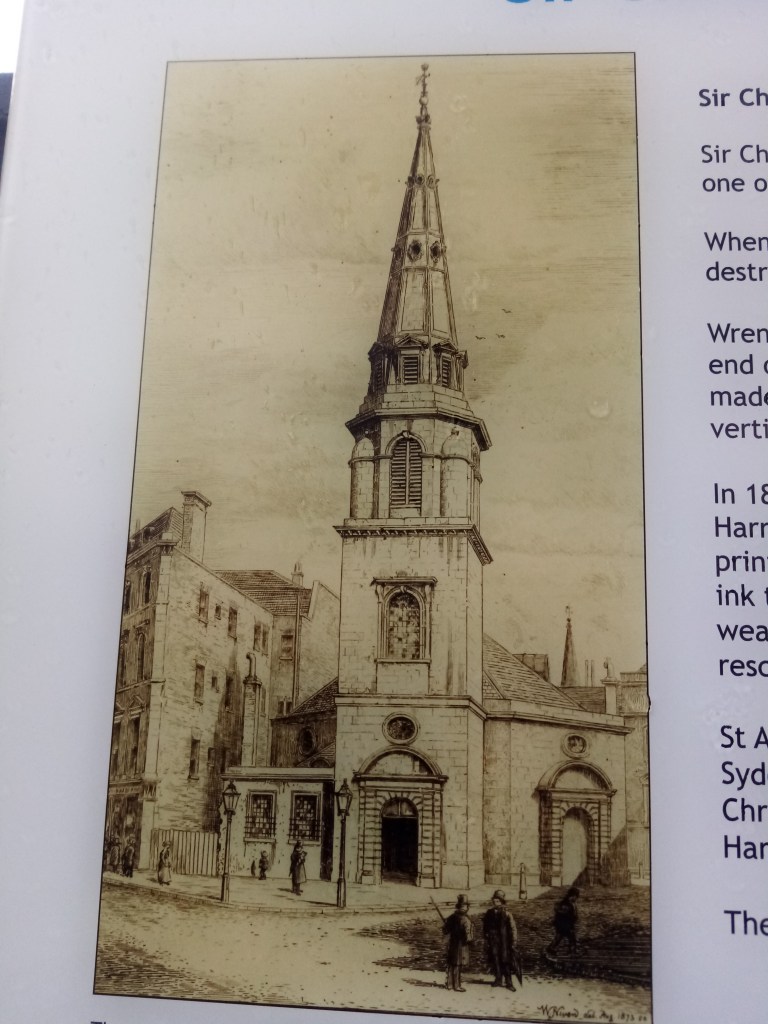
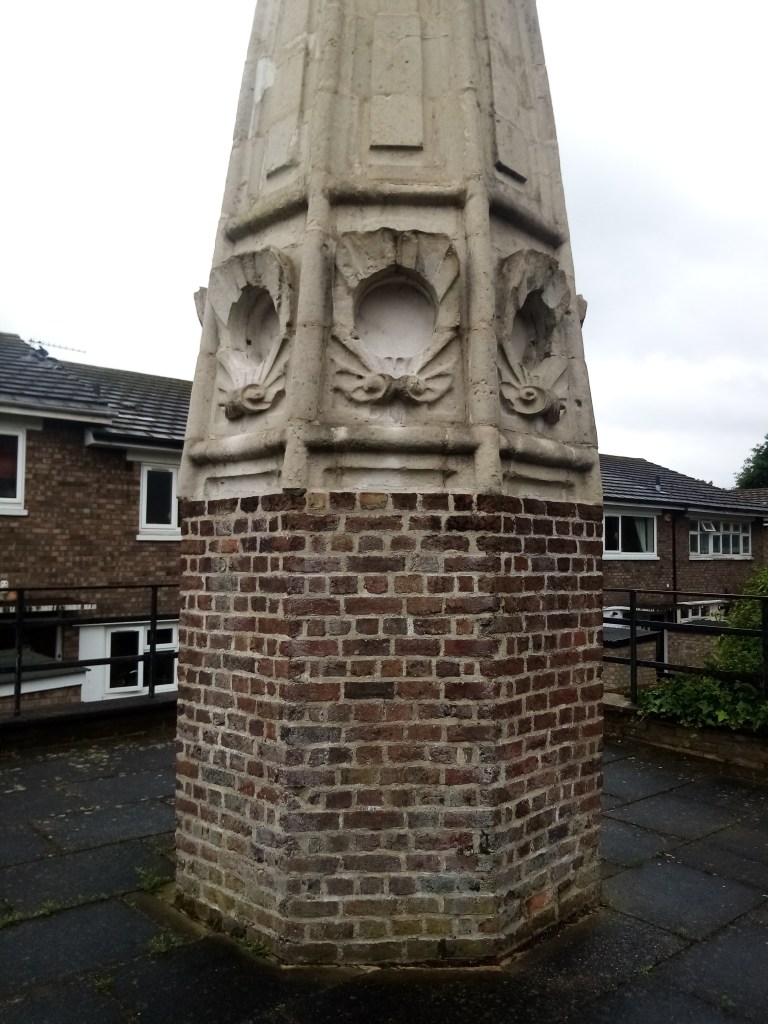
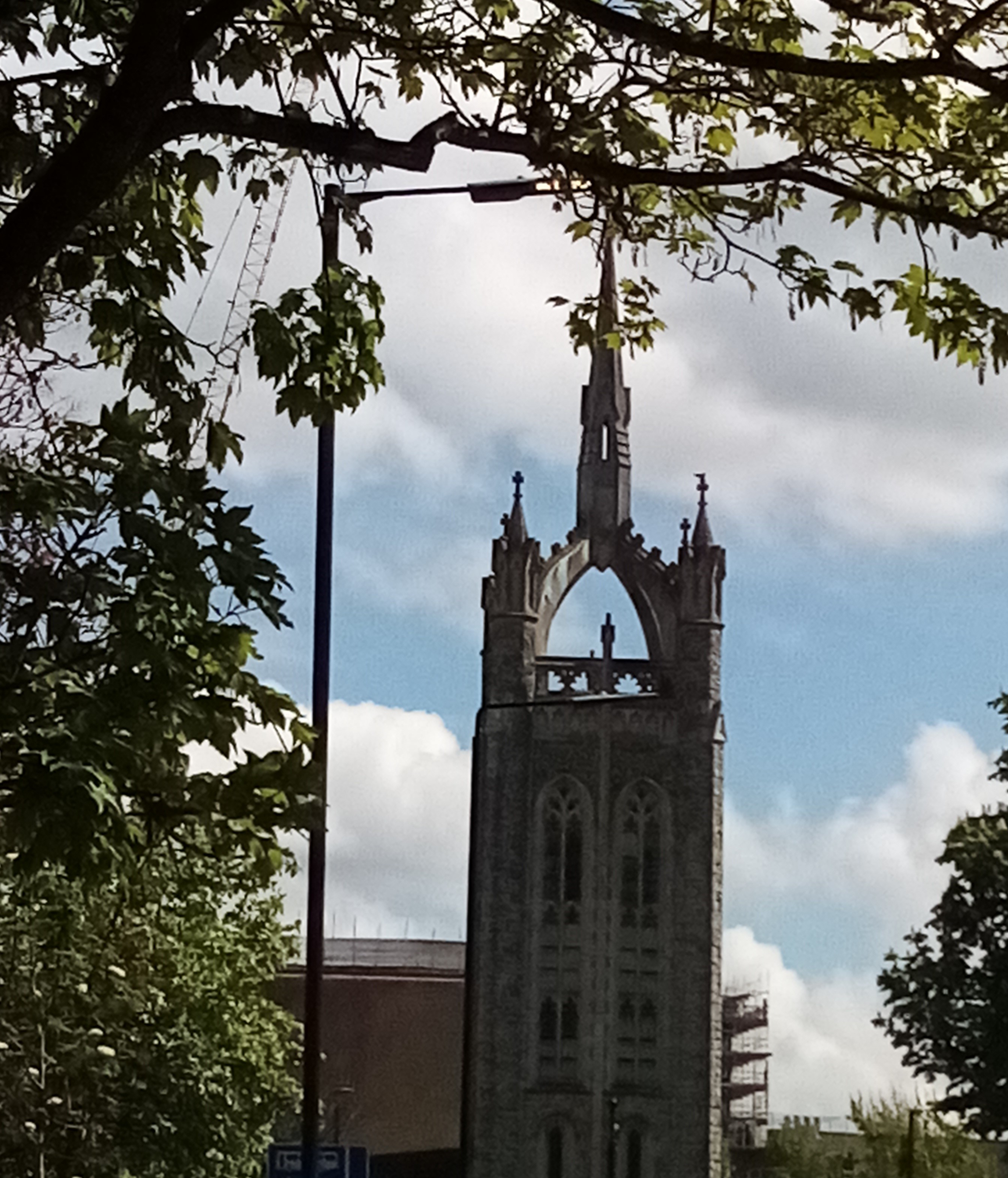
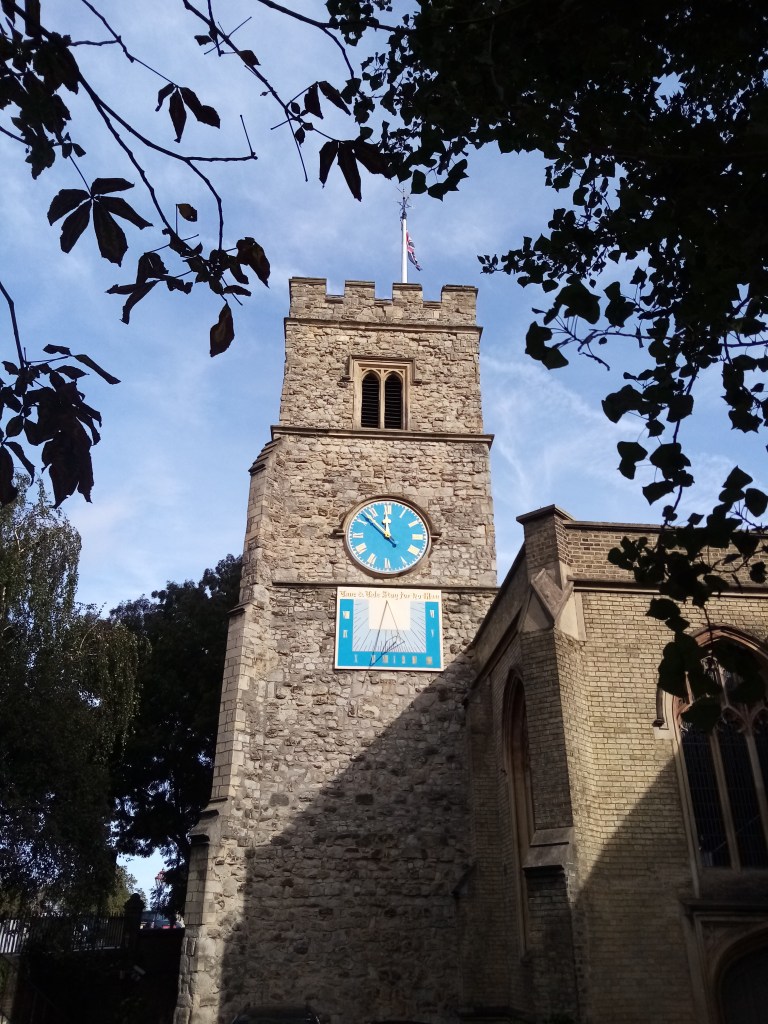
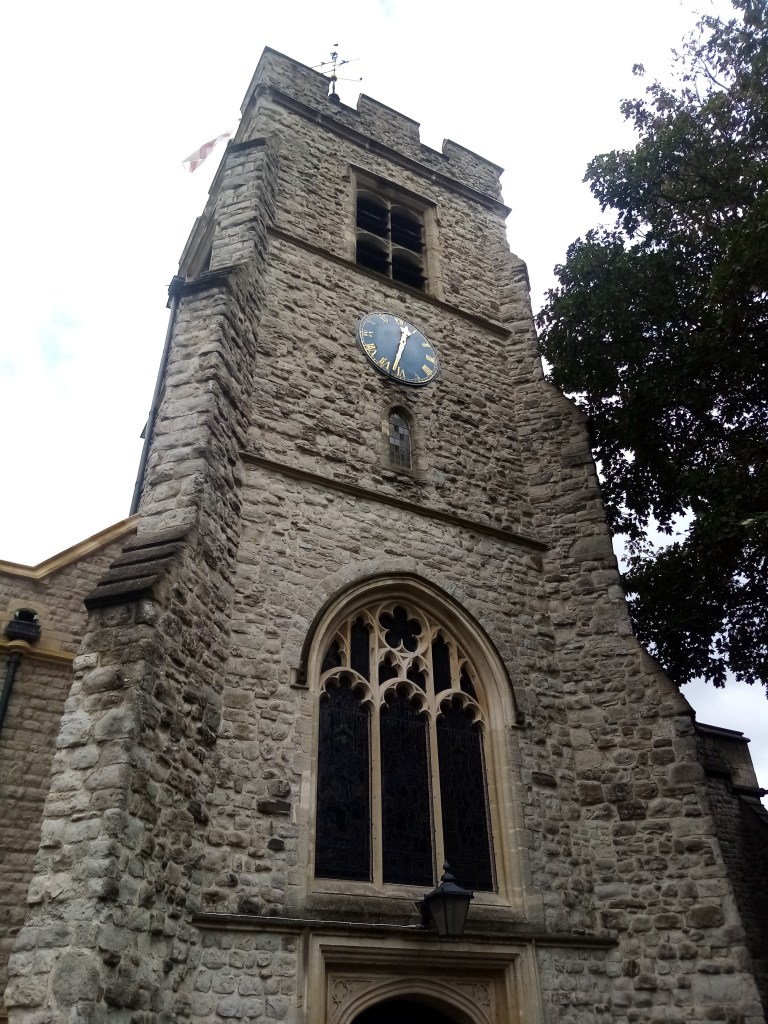
St Nicholas Tower

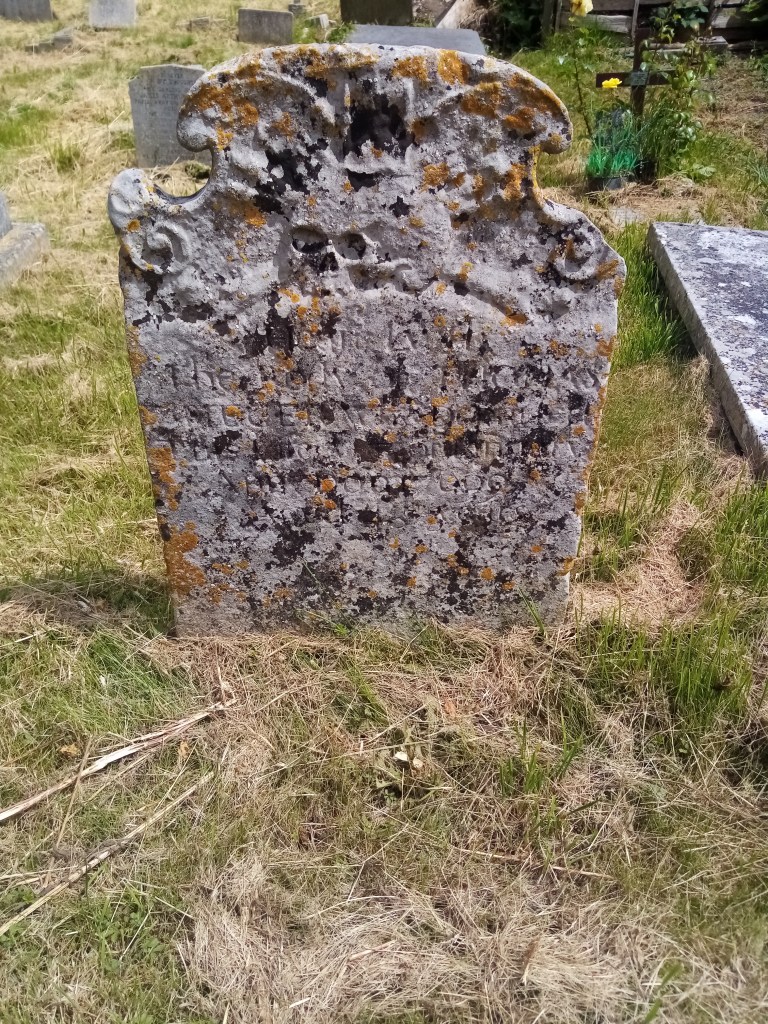
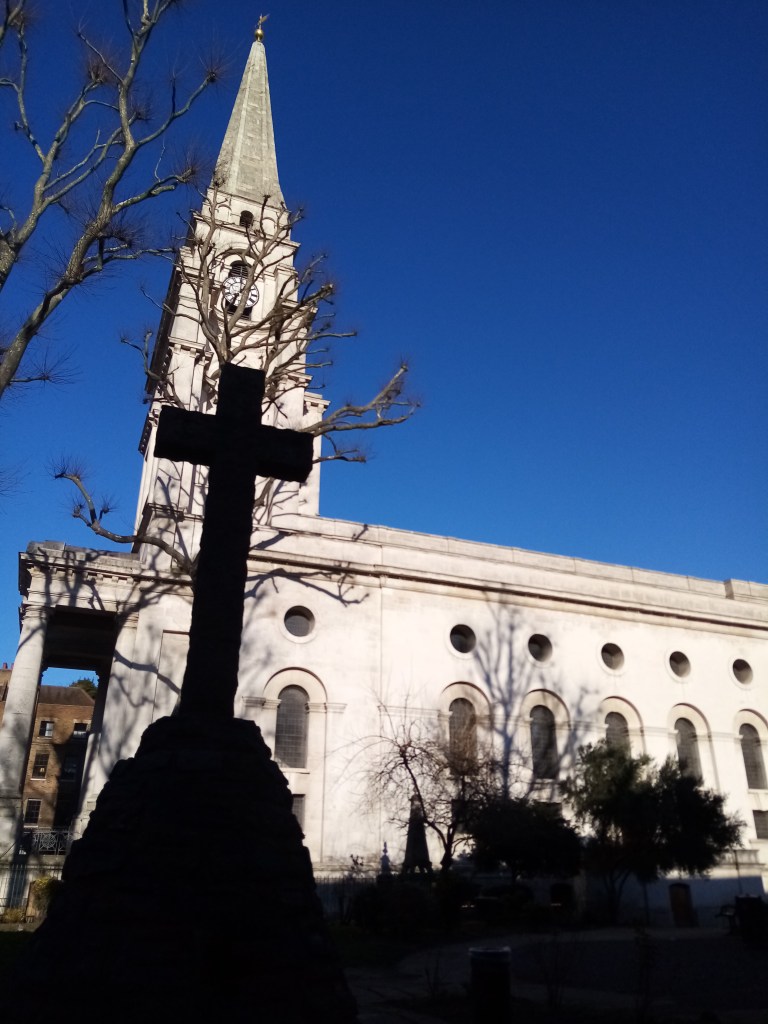
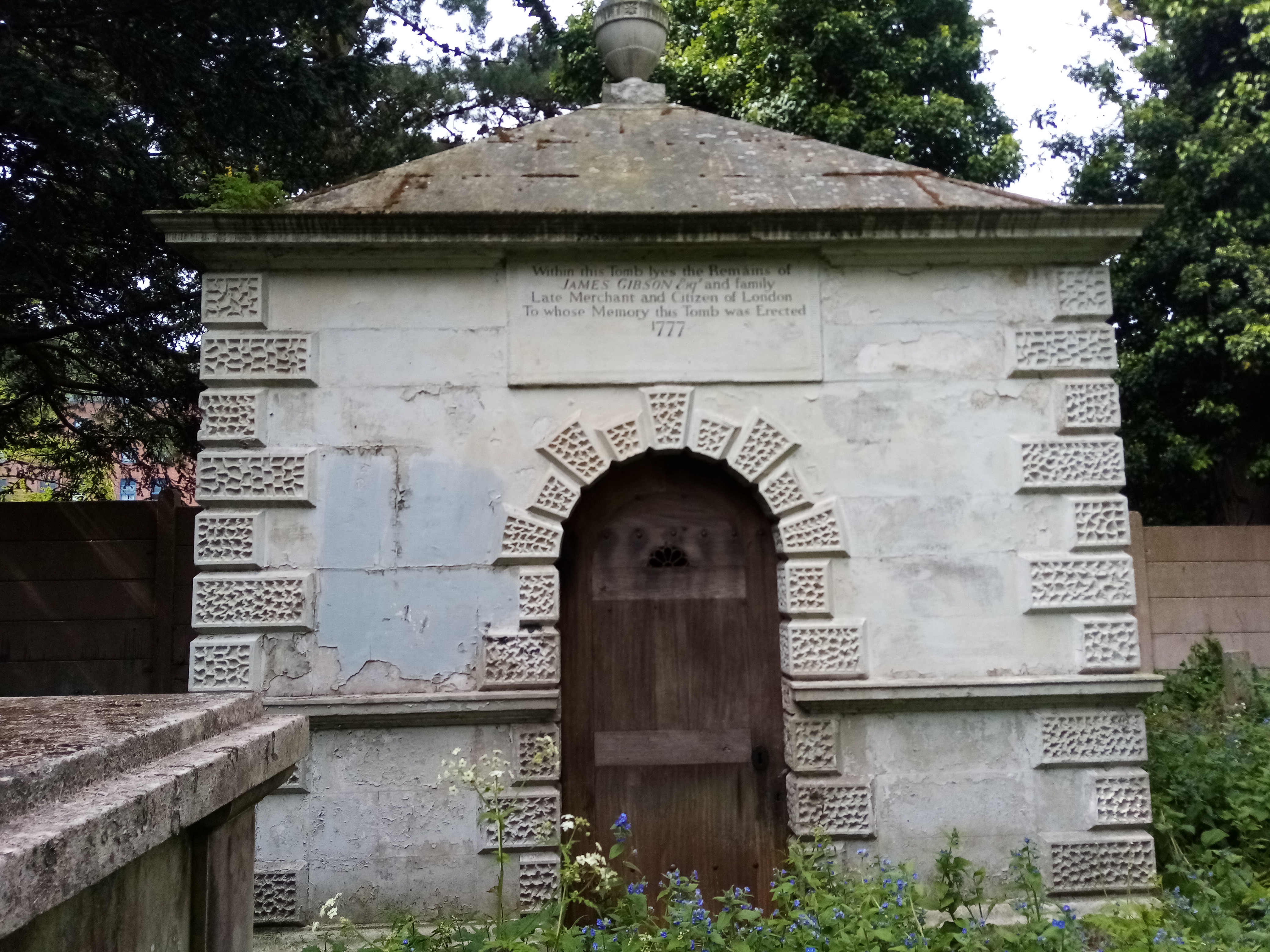
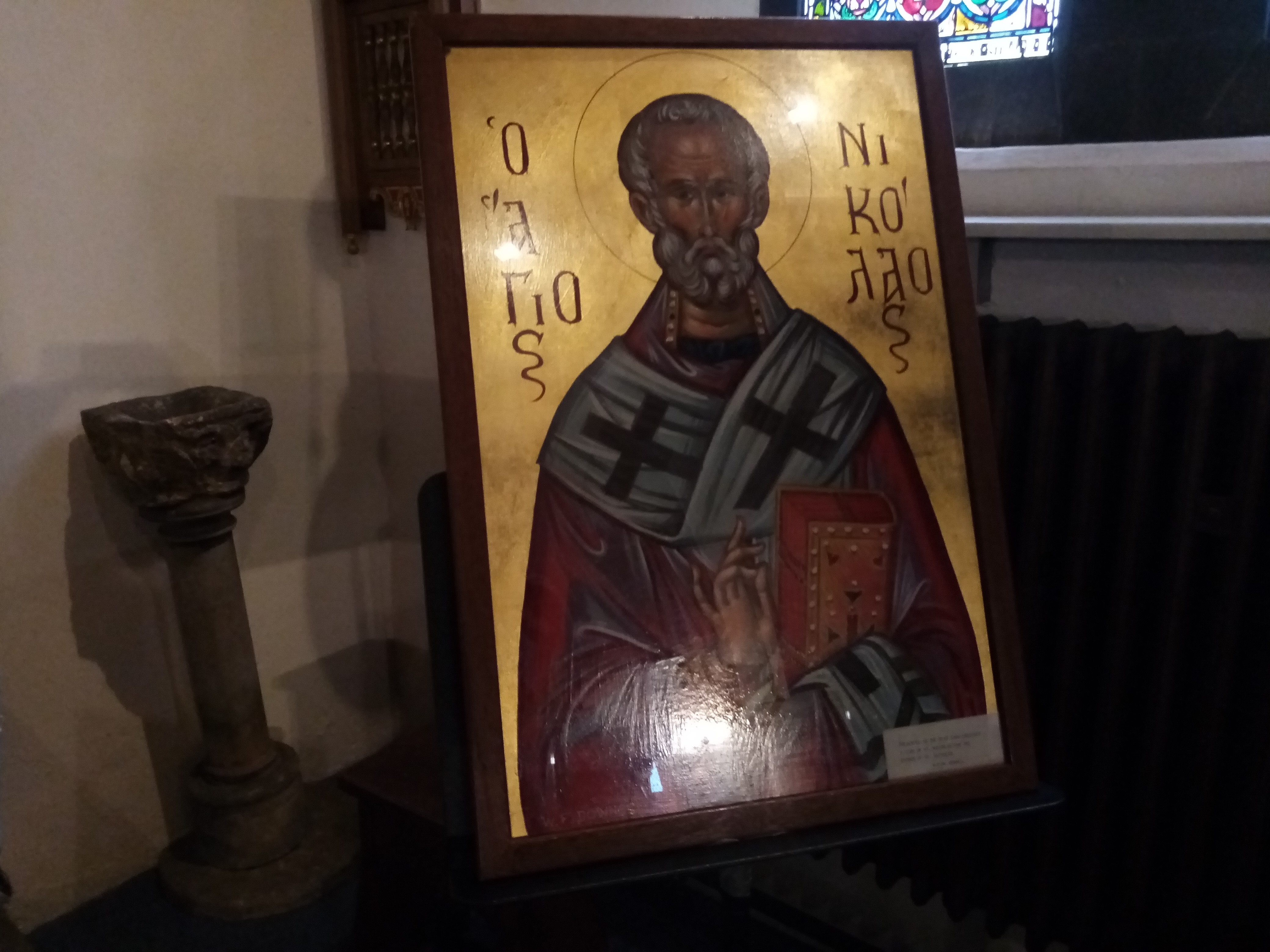
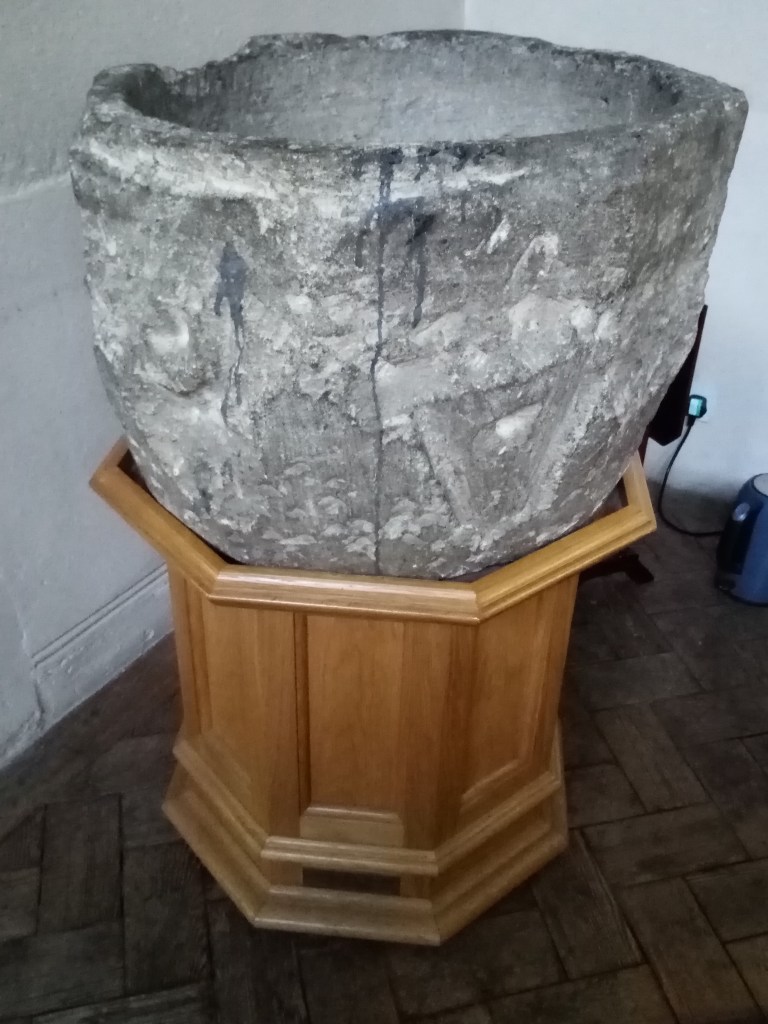
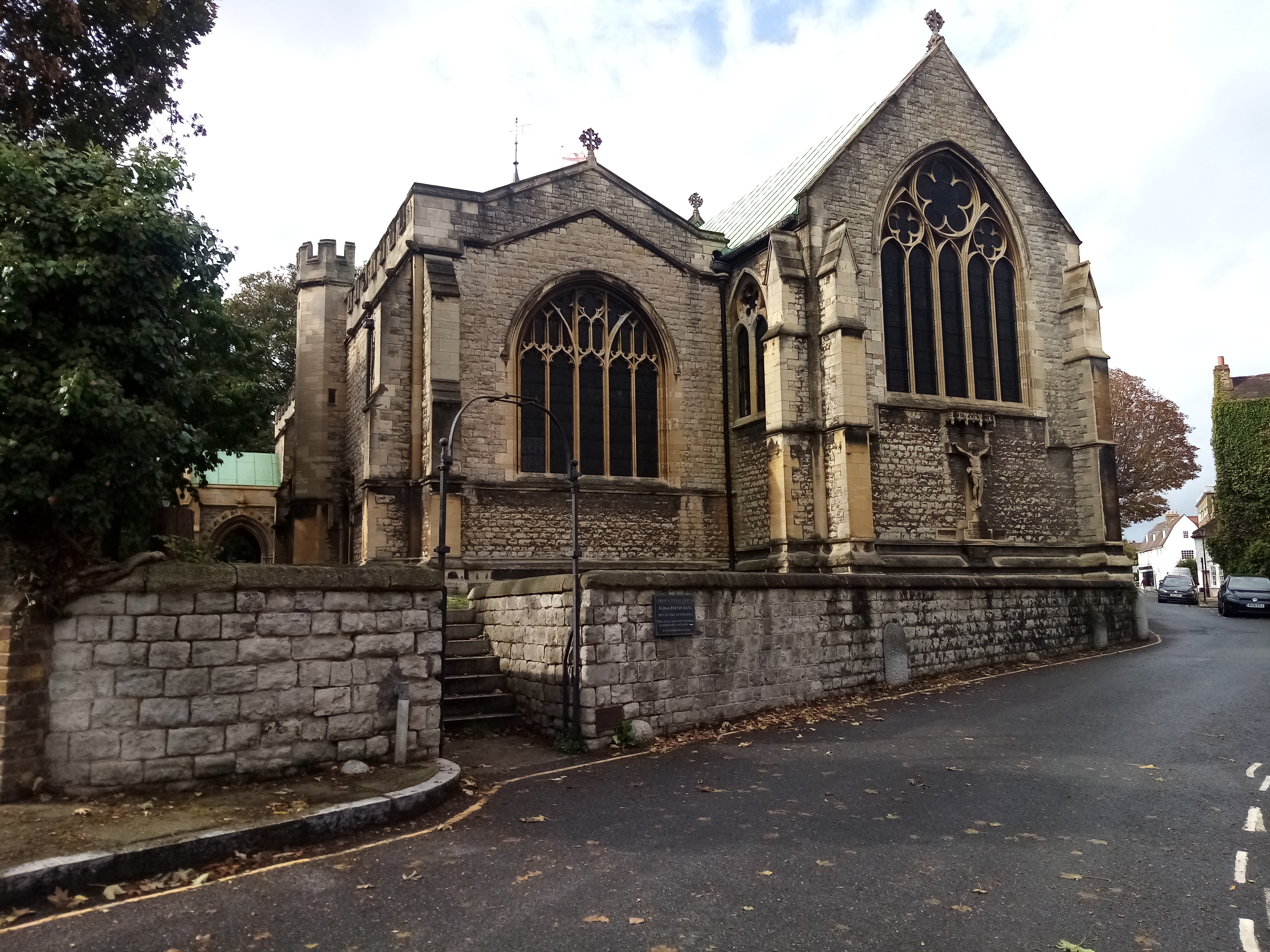
Still surrounded by its ancient churchyard, the present church was built in 1864 at a cost of £7,600, to accommodate the increase in population; the original mediaeval church was mentioned in the Domesday Book. The Revd Herbert Turner became the incumbent in 1866, two years after the building of the new church, and he was well known locally for his charitable work. He set up a committee of local tradesmen to provide dinners for 2,500 poor children during the winter months, and a ‘Clothing, Blanket and Boots’ club for the poor. The church continues its work in the community by being the HQ of the Sutton Street Pastors who go out from here on Fridays and Saturdays to engage with the people of Sutton. They have developed a good relationship with rough sleepers, some of whom ‘live’ in the churchyard. On the North side of the church the windows are plain glass instead of stained-glass as a reminder of the bomb which landed and exploded in the churchyard on the night of 24th September 1940. All the windows on this side were blown out, but this was the only significant damage to the church. In the churchyard stands the Gibson Mausoleum which was built in 1777, containing the remains of James Gibson, a London wine merchant and his family, paid for by his eldest daughter Mary. Both her parents died in 1776 and Mary used some of her inheritance to pay for them to be interred here instead of in the churchyard. Inside are 2 hexagonal sarcophagi and 5 hexagonal wooden coffins, all extended family of James Gibson. The tomb opens for annual inspection on August 12th and last year a distant relative from America attended the ceremony. One of the church’s treasures is the original small mediaeval font, rescued from the original church.

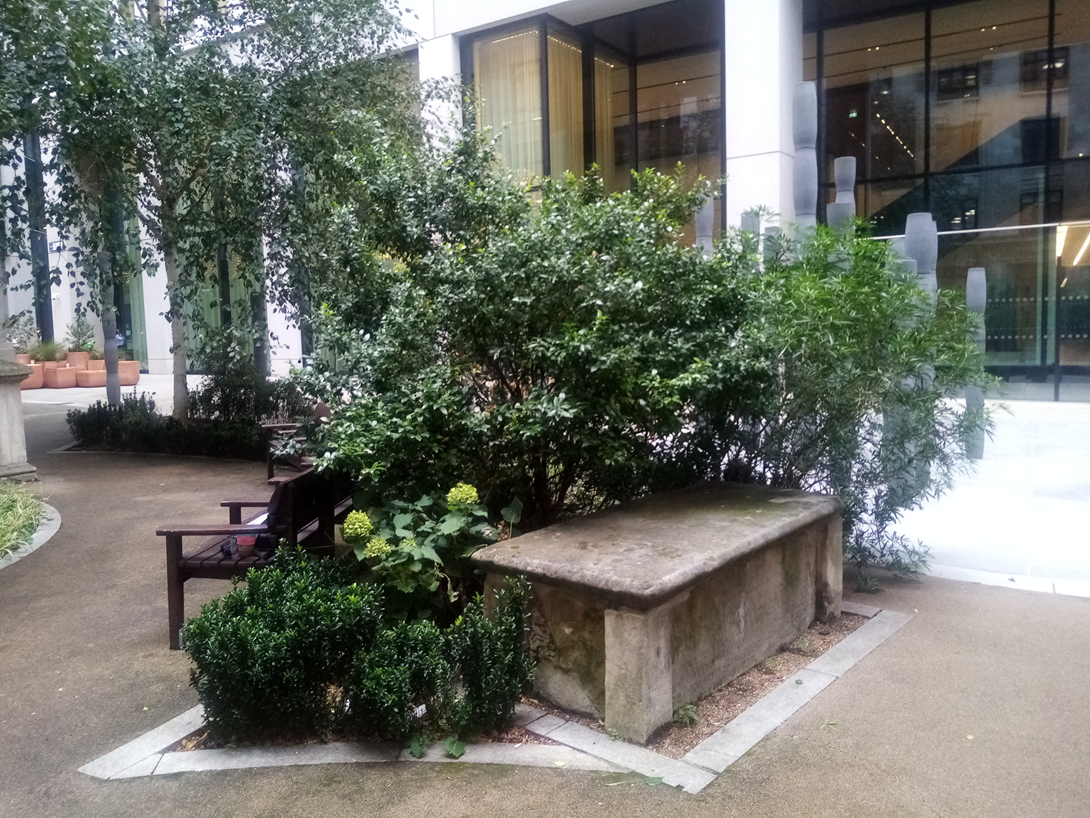
The Gibson Mausoleum


Tiny mediaeval font and image of St Nicholas
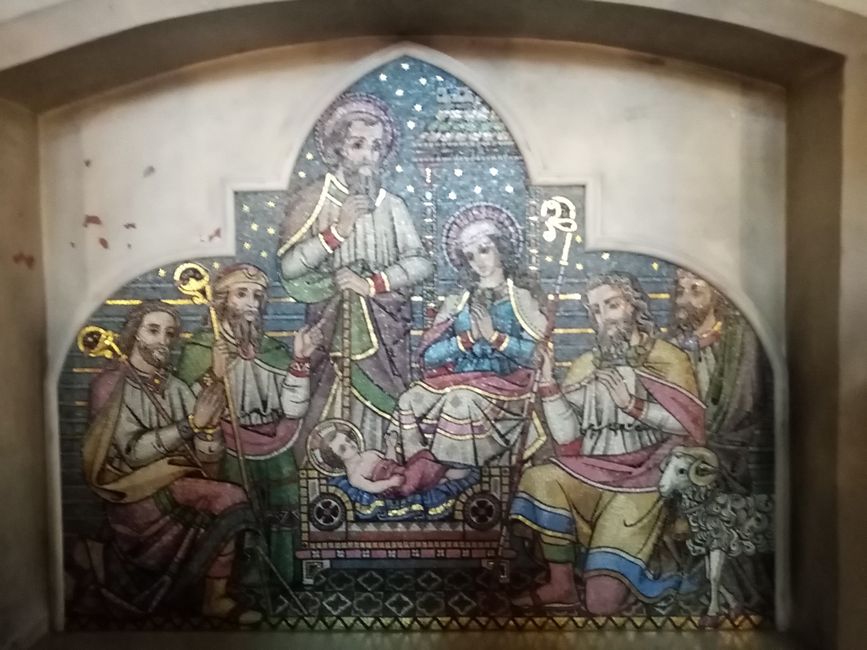
Delightful Easter tableau in the church

Trinity Church

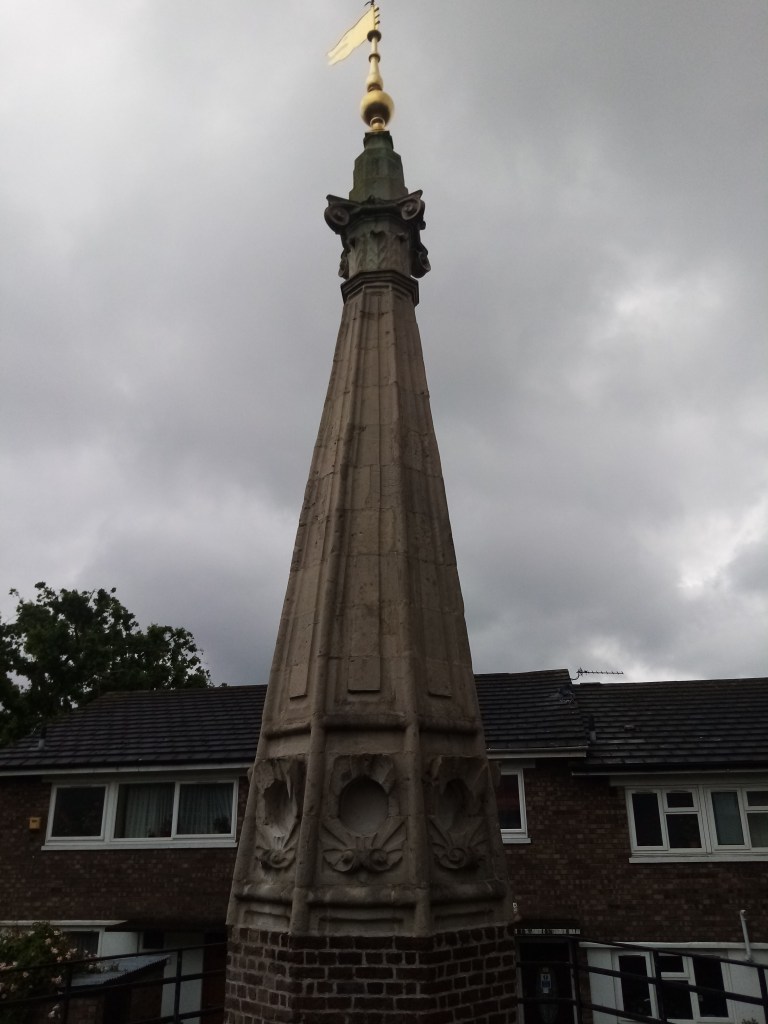
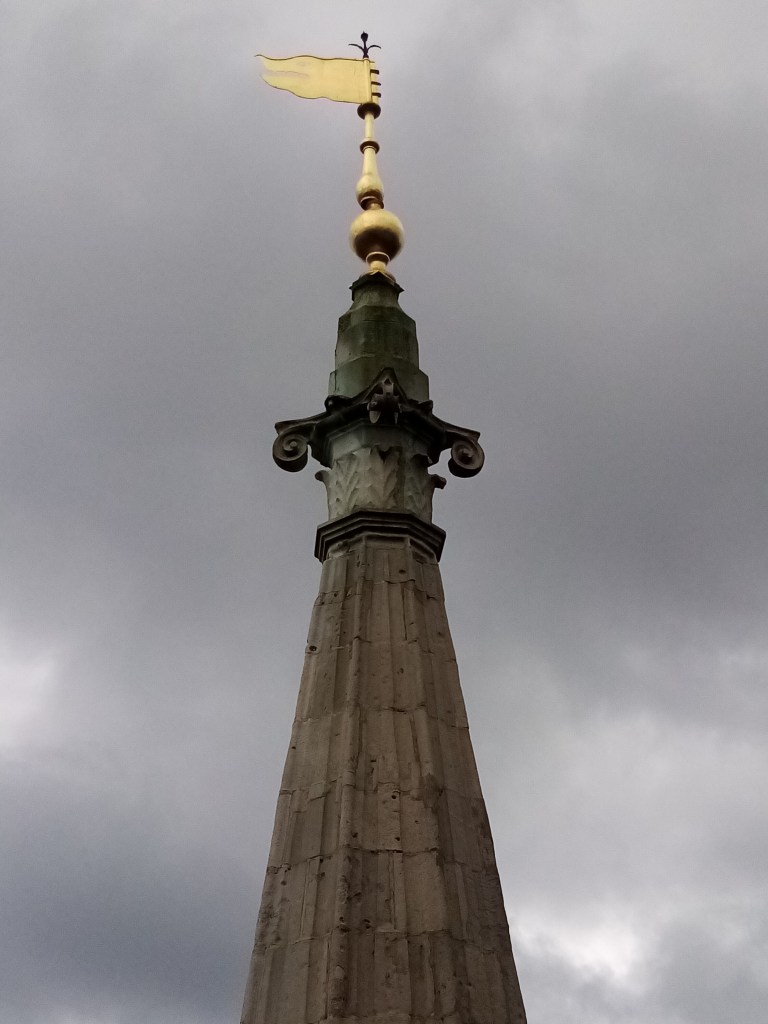
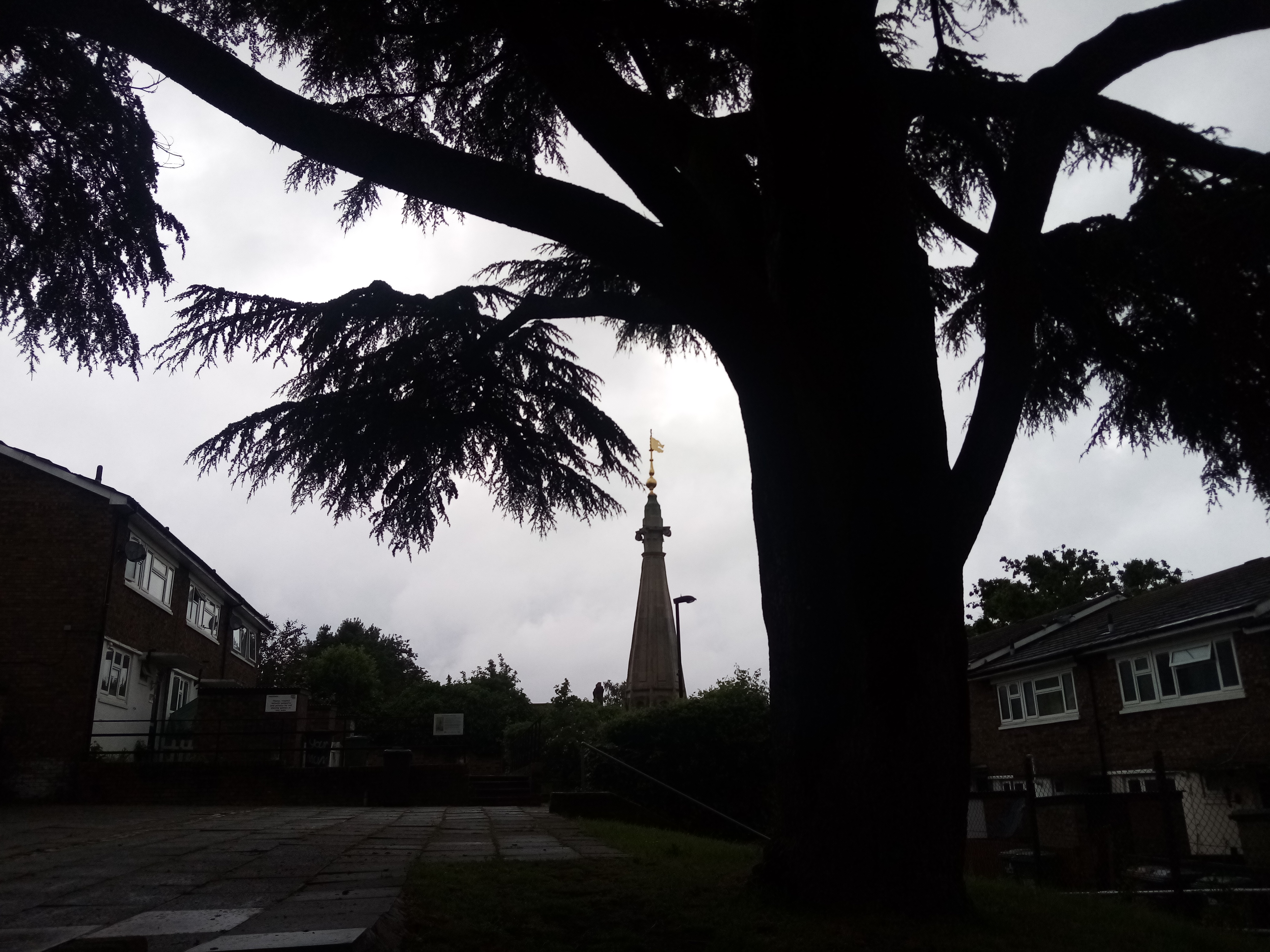
Spire of Trinity Church

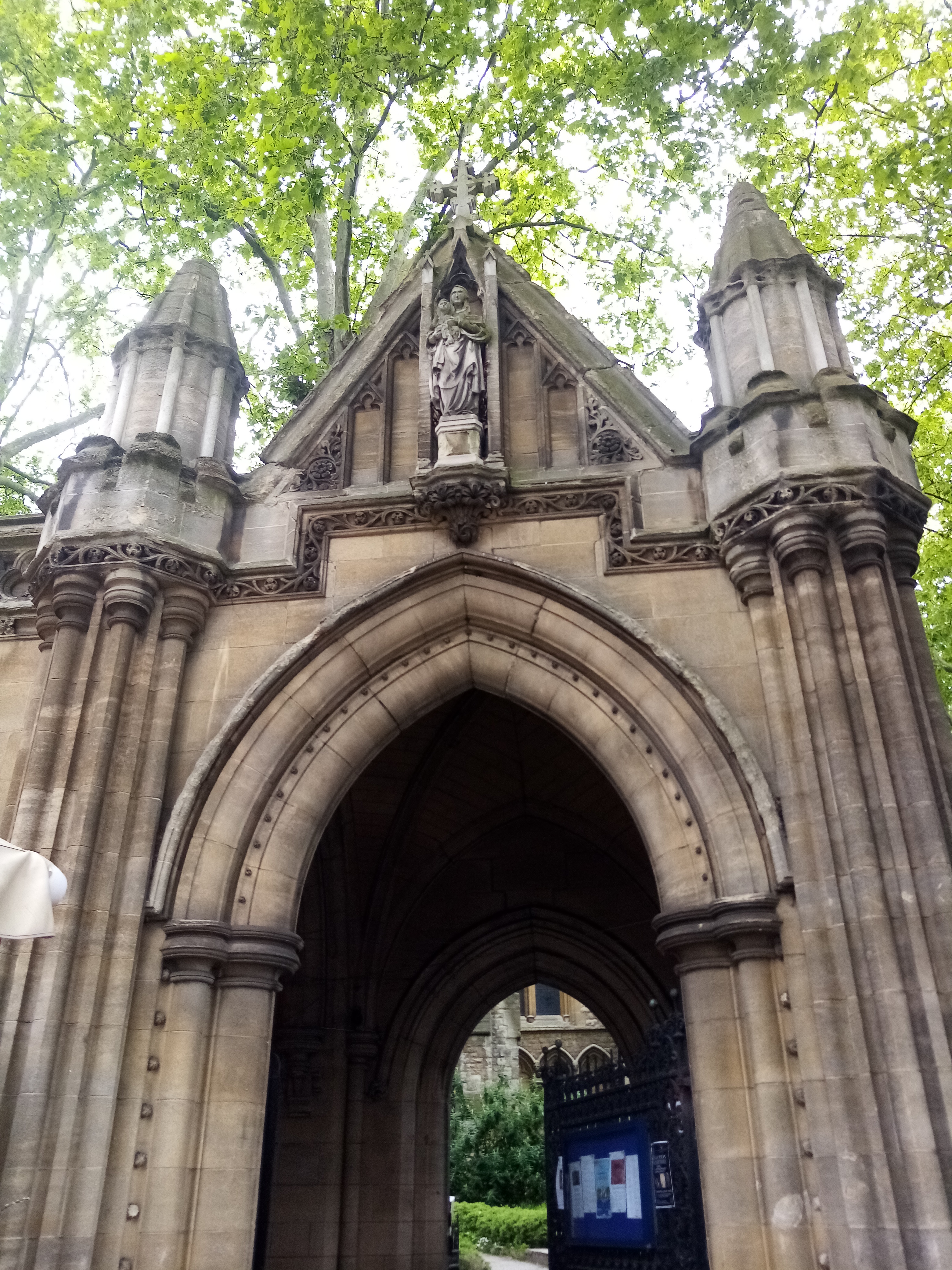
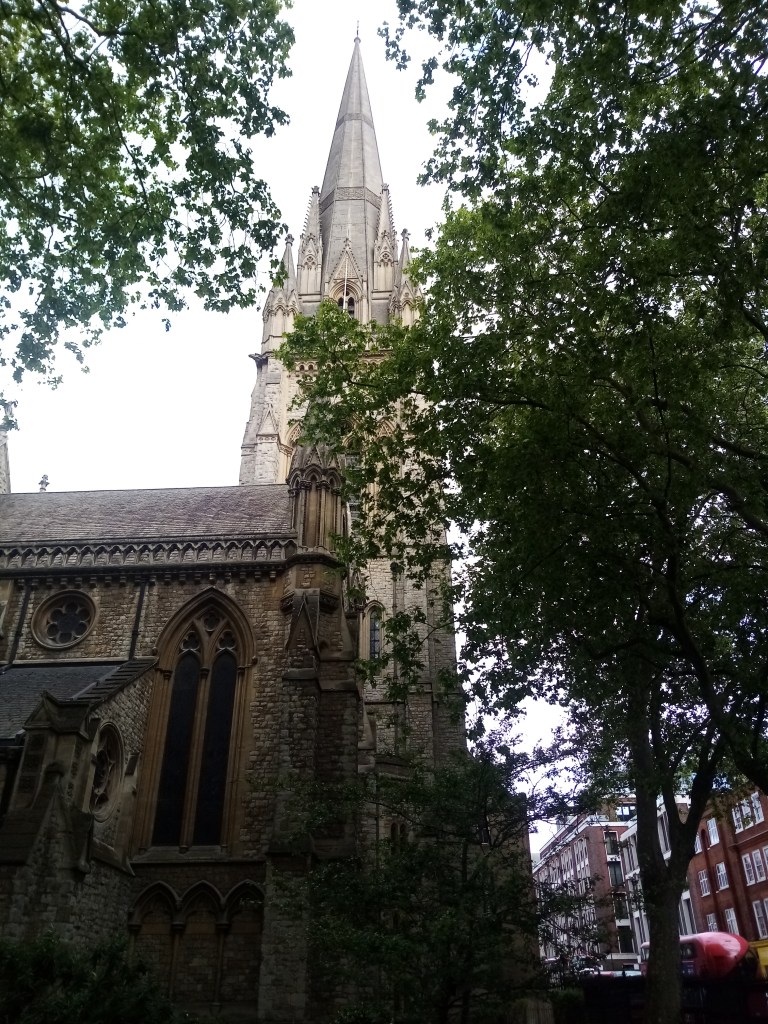
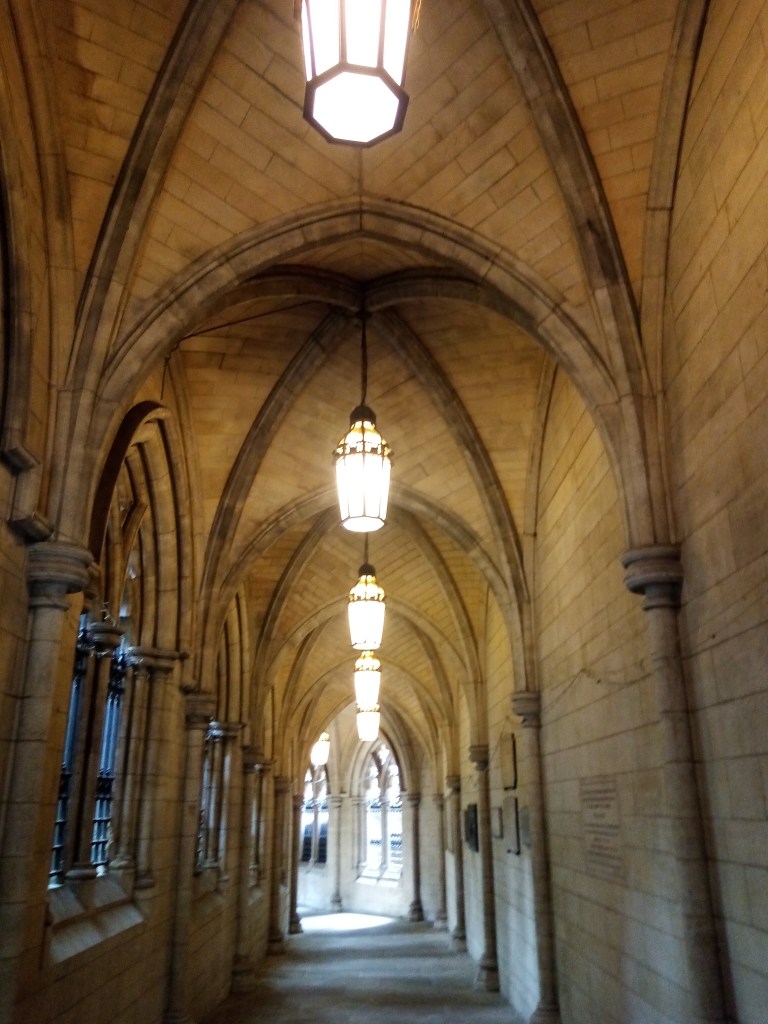
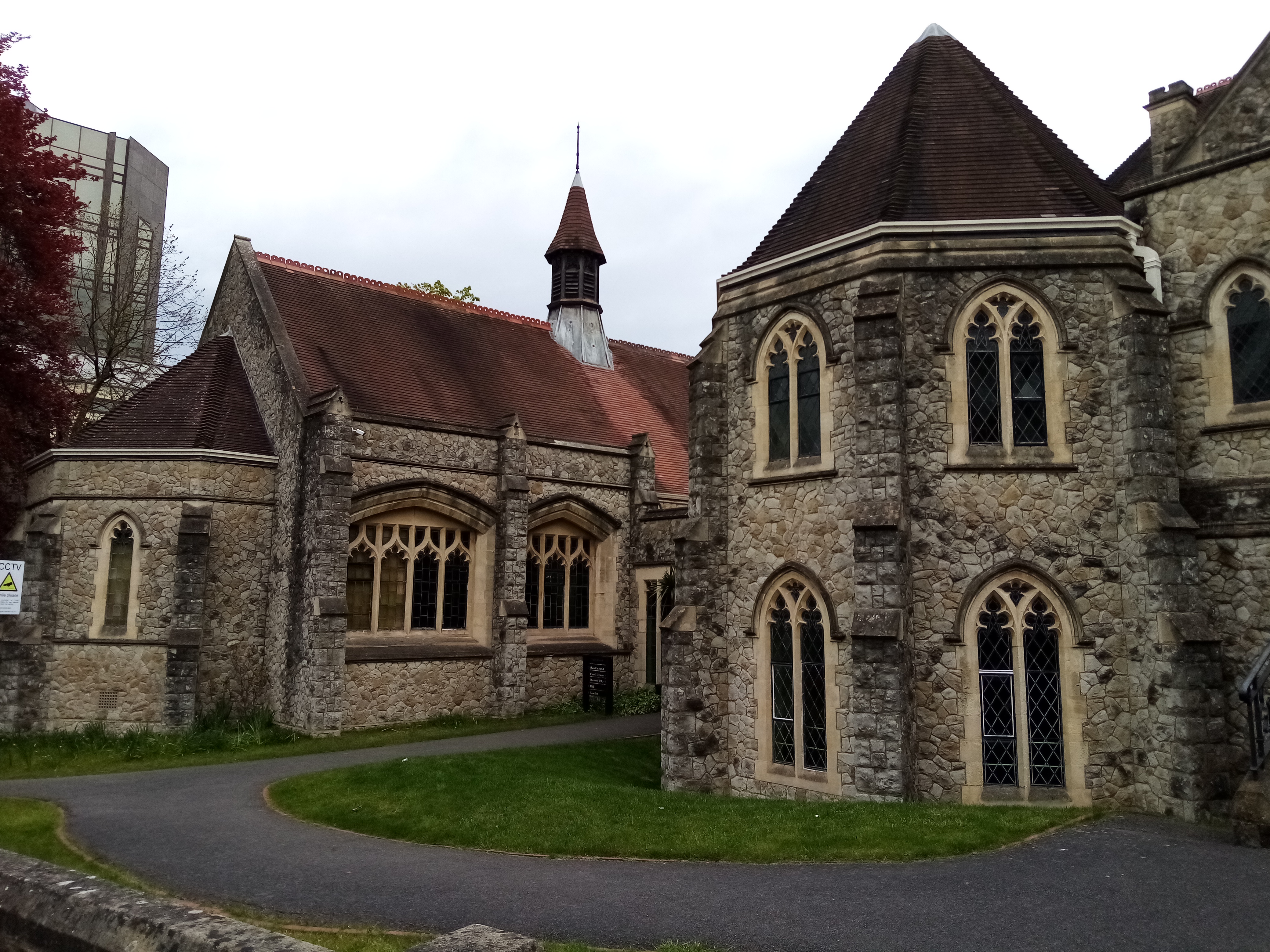
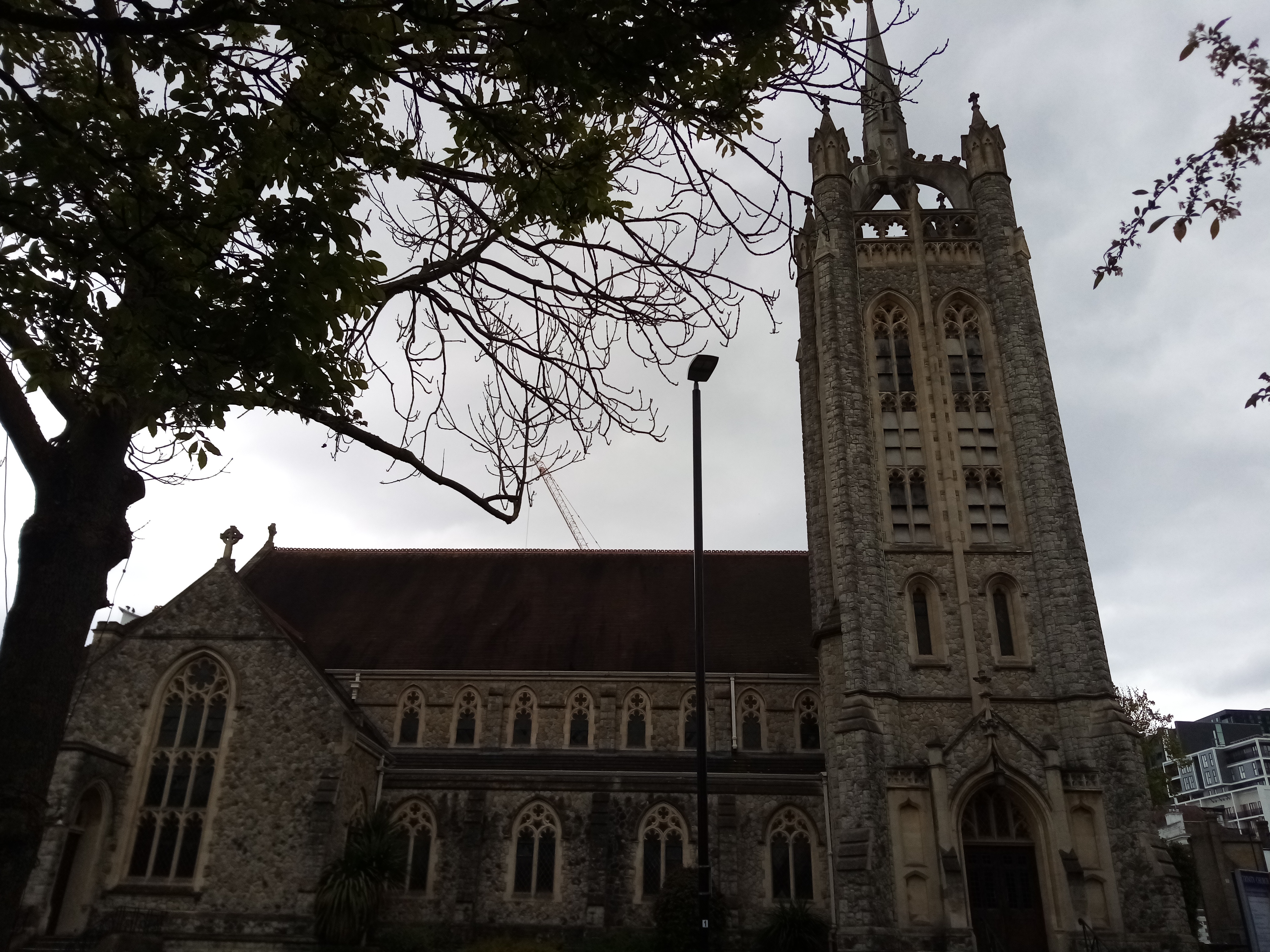
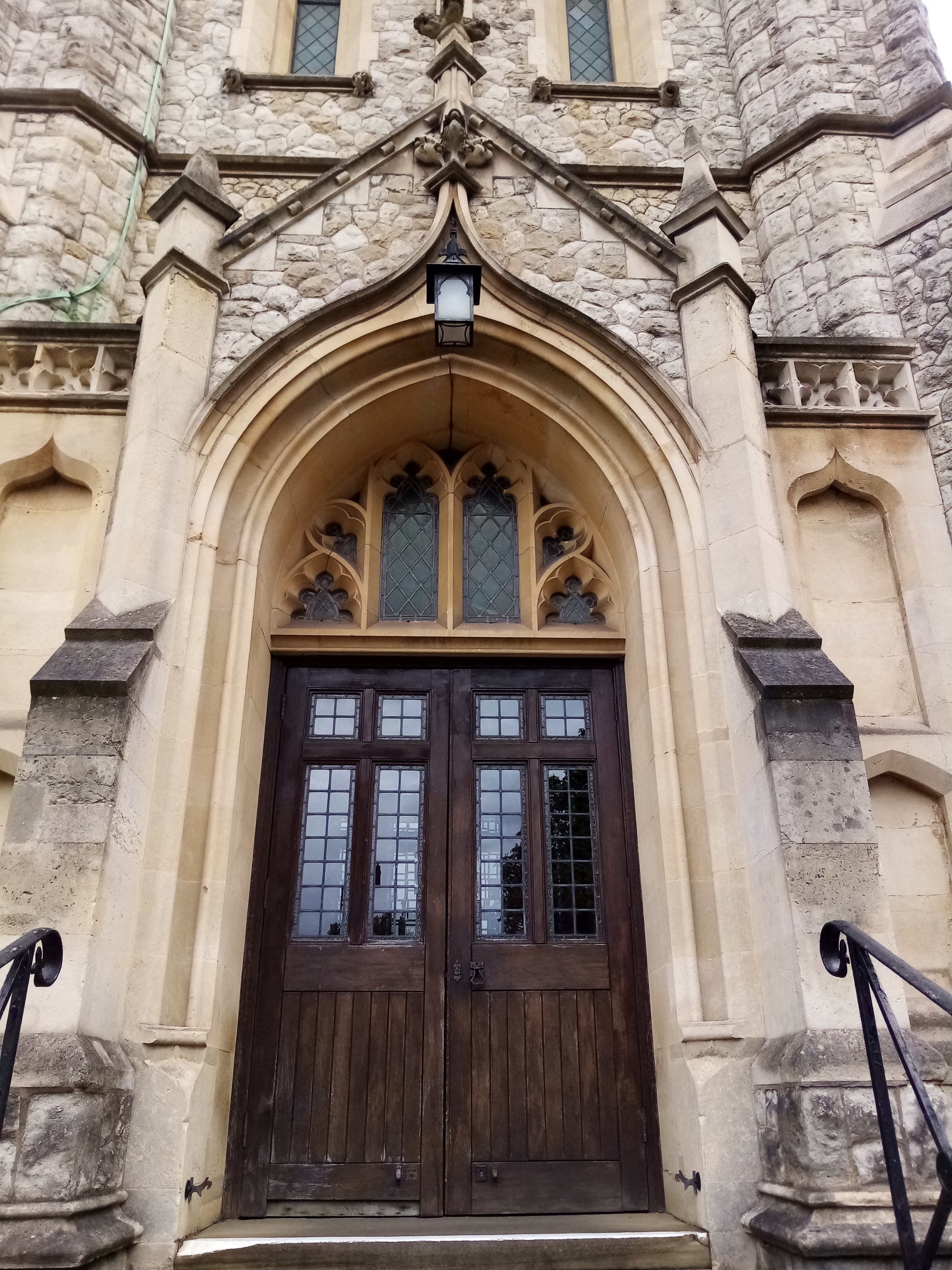
Trinity Church, built in 1907 in the Gothic style, is a lovely landmark in the town with its tall tower and unusual ‘crown and lantern’ spire, which it shares with Newcastle Cathedral and St Giles Cathedral in Edinburgh. So an ordinary church in what was a small suburban town has the same spire as two cathedrals! The church opened in 1907 as Sutton Wesleyan Church, replacing a smaller building further out of town. In 1973 the Methodist Church joined with the United Reformed Church (formerly Congregational Church) to form one congregation, and the church changed its name to Trinity. And two years before this, in 1971, the four central Sutton churches: St Nicholas Parish Church, Sutton Baptist, Methodist and Sutton Congregational Church, signed a covenant to work together for their congregations and for the wider community. Today, the regular congregation shares their building with Sutton’s Hong Kong Fellowship and the two congregations join together for social events and Carol Services .Trinity Church has several additional buildings, most added later but all in the same Gothic style. I think it’s a very beautiful and bold attraction in our town.

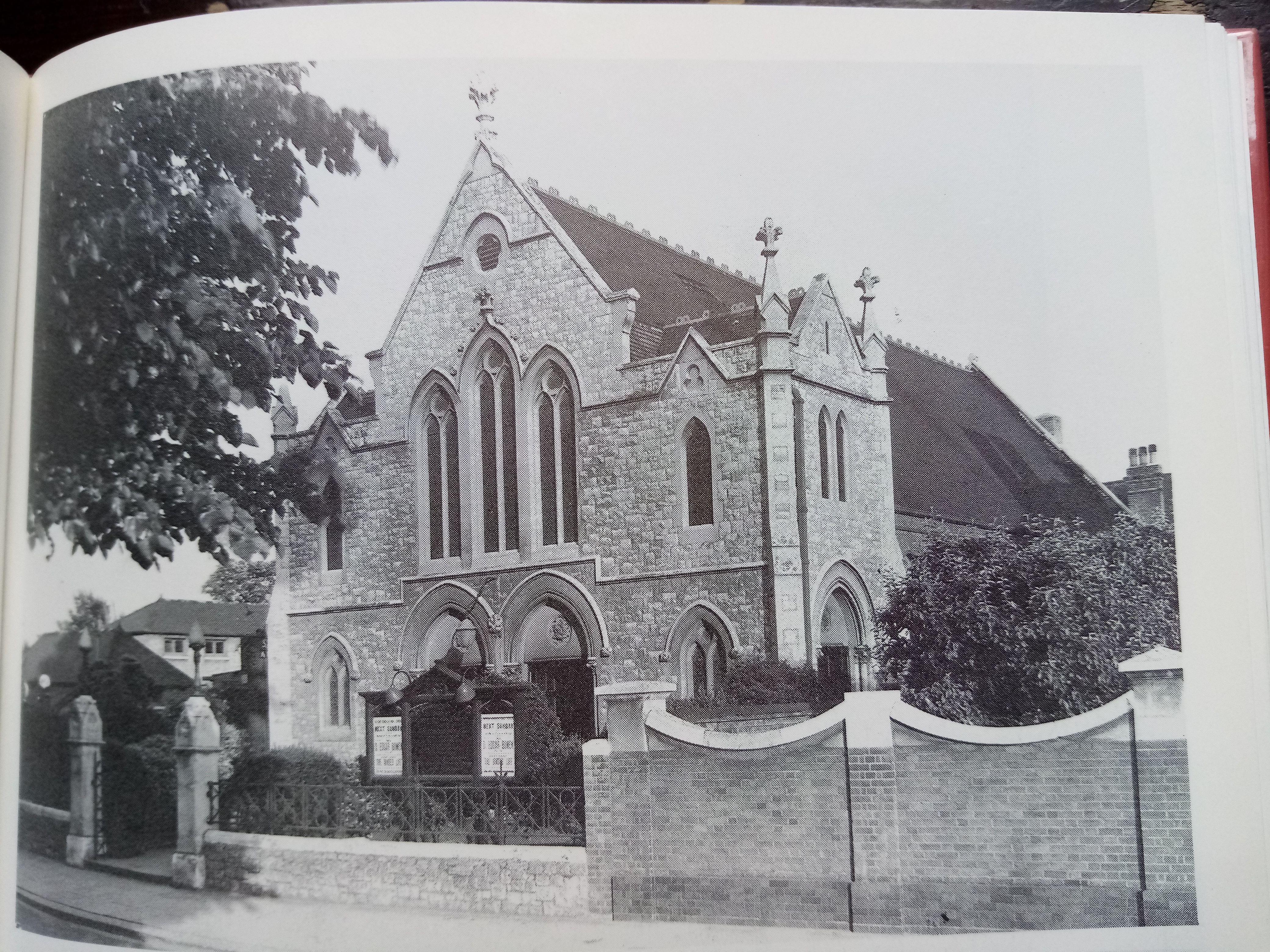
Attractive former Congregational Church (now demolished)*
Additional buildings of Trinity Church

Doorway of Trinity Church

Sutton Baptist Church

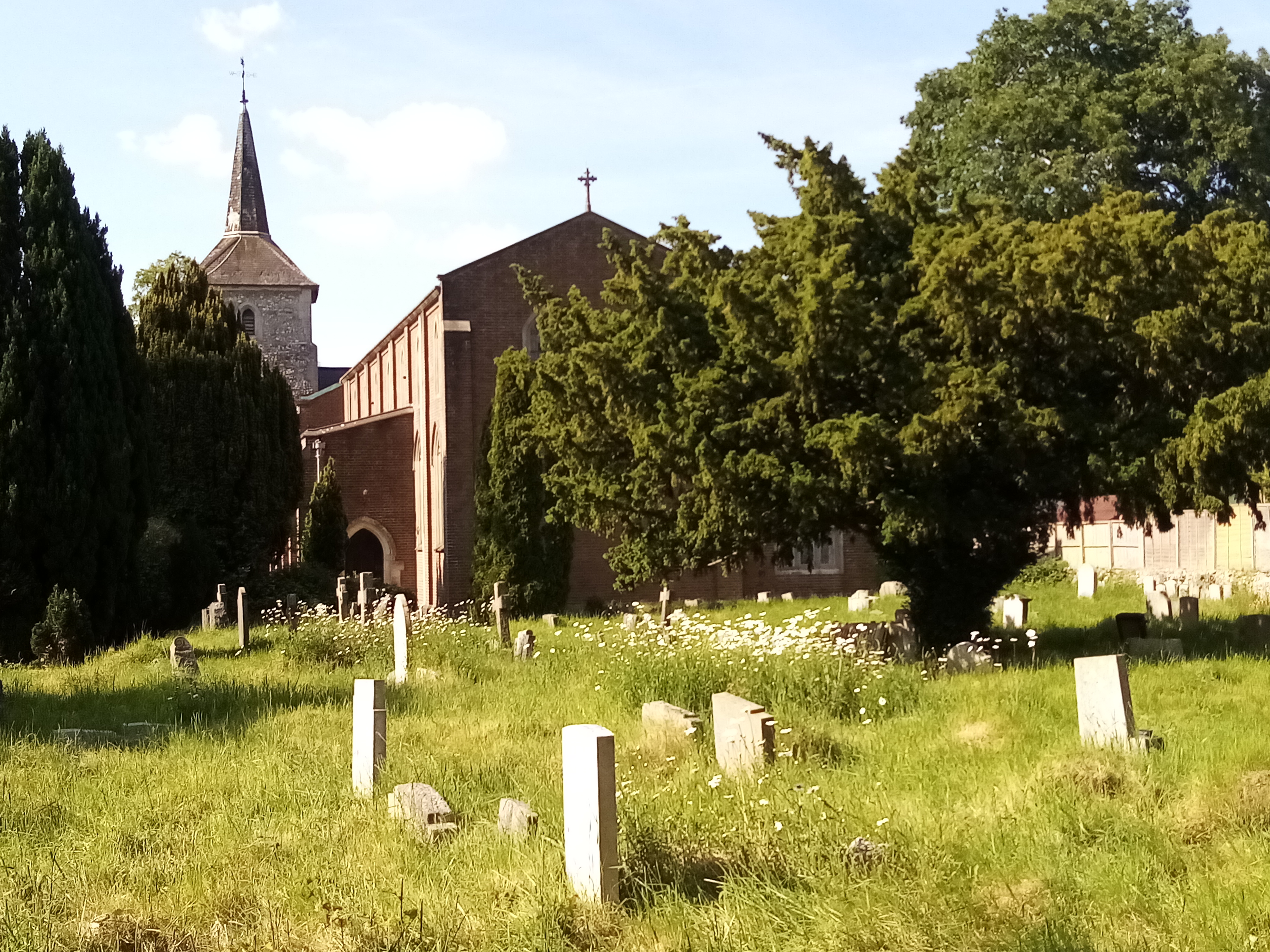
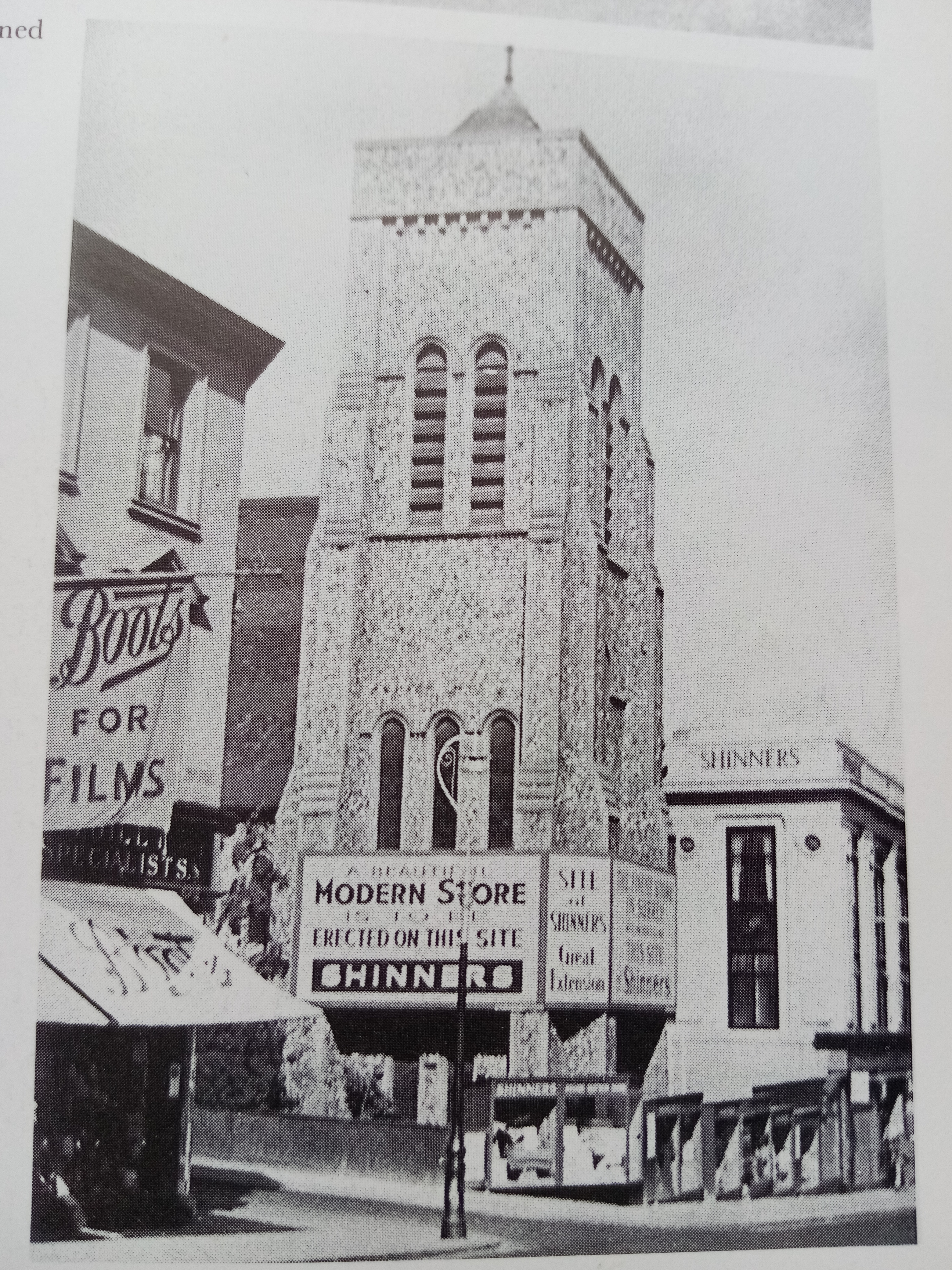
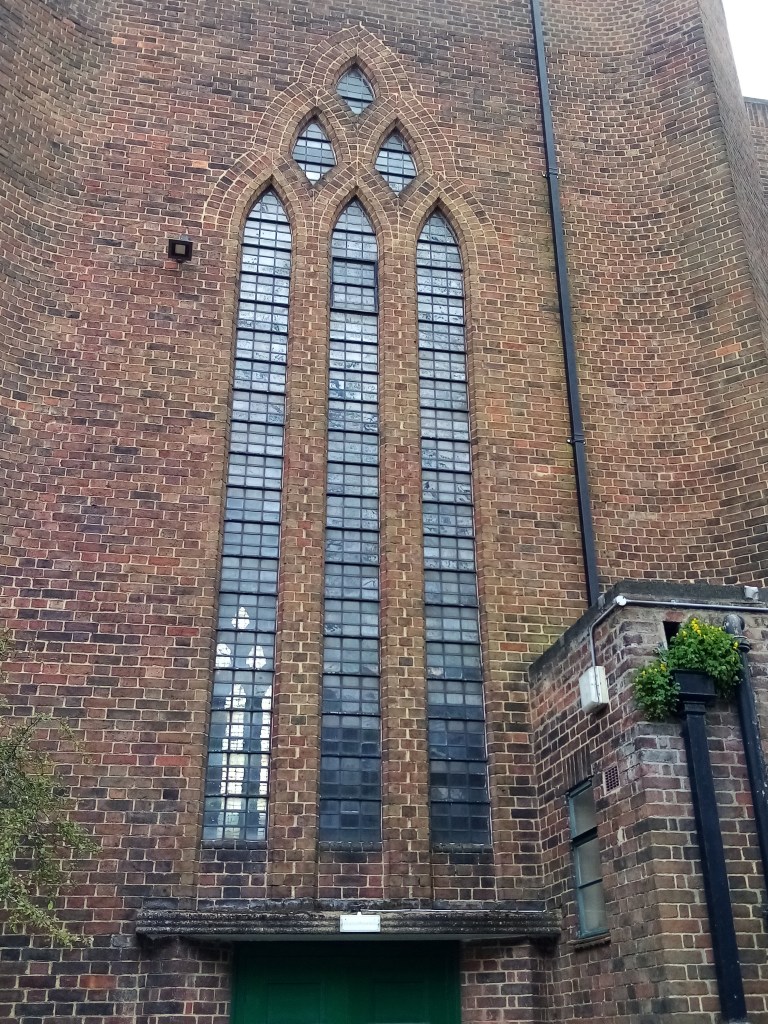
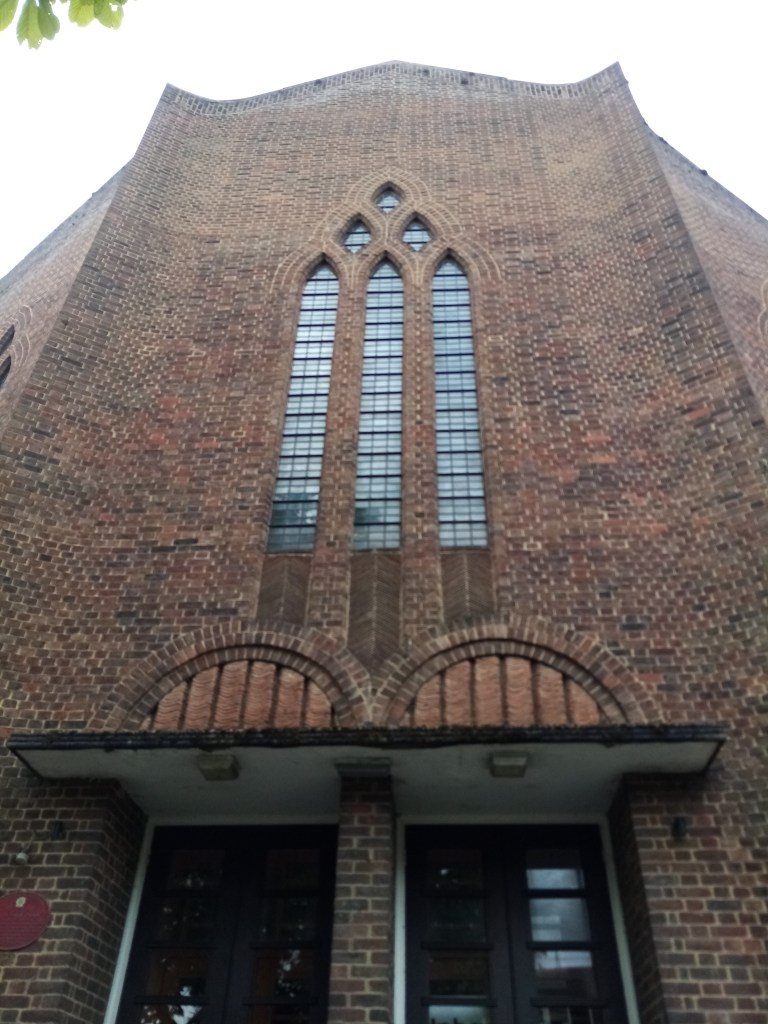
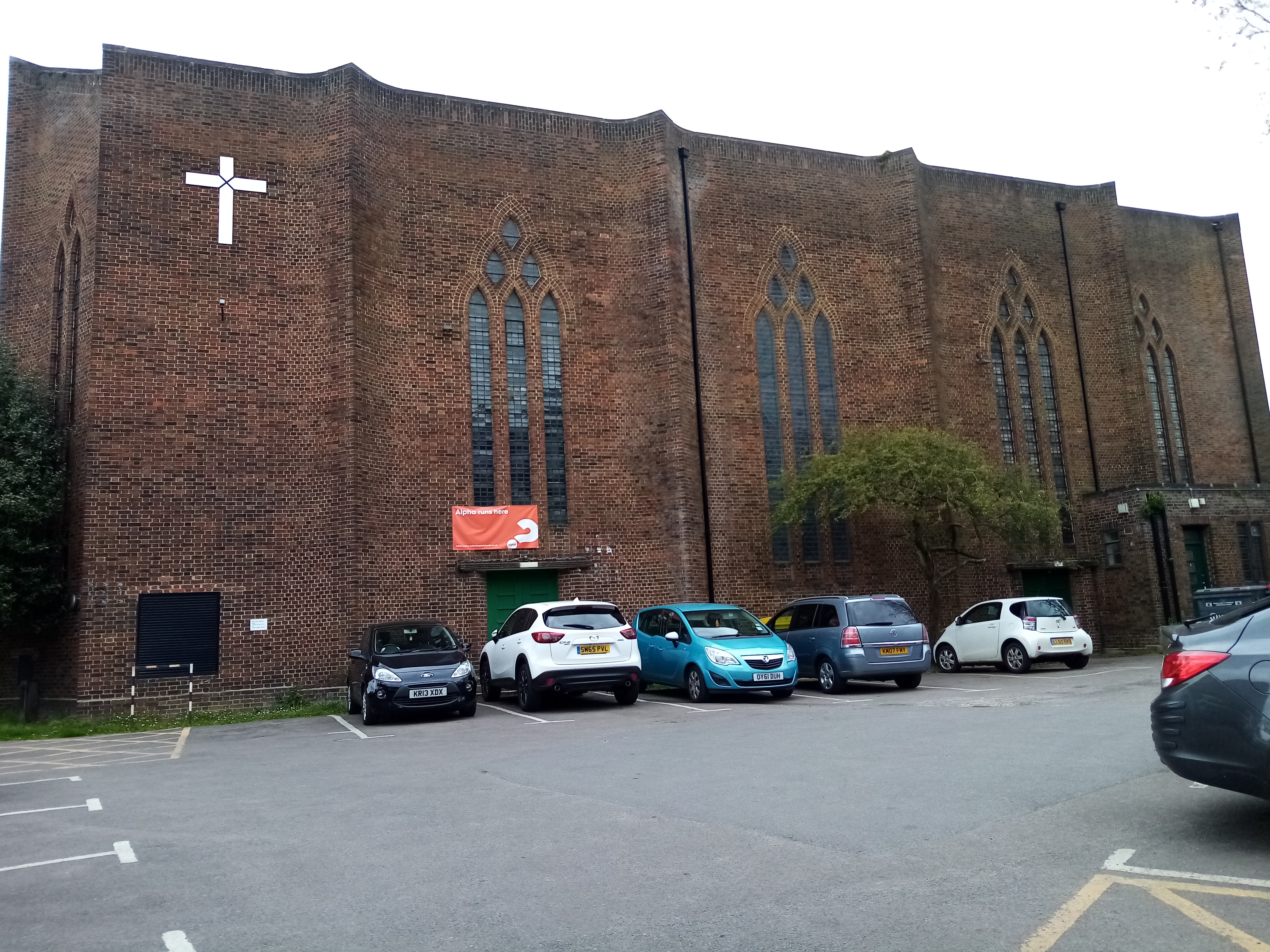
On the other side of Cheam Road, just outside the town centre, is the Baptist Church, built in 1934 in the ‘Arts and Crafts’ style. I thought that this late 19th/early 20th century movement referred to furnishings, room design and wallpaper, I didn’t realise it could apply to buildings. Trinity and the Baptist Church were built less than 30 years apart, but they couldn’t be more different. This building replaced a more ‘traditional’ style of church a little way down the High Street, which was bought by Mr Shinner who wanted to expand his shopping empire to create a department store. I think the picture below is rather sad: a big banner across the church building basically declaring that the church will have to ‘make way’ for progress and commerce. However, I do really like the ‘new’ building, built in red brick in the ‘Modern Gothic’ style. I love the detail over the doorway and the high windows in the main church, wish I could take a look inside! The church is a noted in the Heritage Department of the Borough for its cotemporary brick design, lots of sharp angles and varying surfaces. In its way, just as impressive as Trinity Church.

Former Sutton Baptist Church (now demolished)*
The side of Sutton Baptist Church (The parked cars give it scale)

Sutton Christian Centre

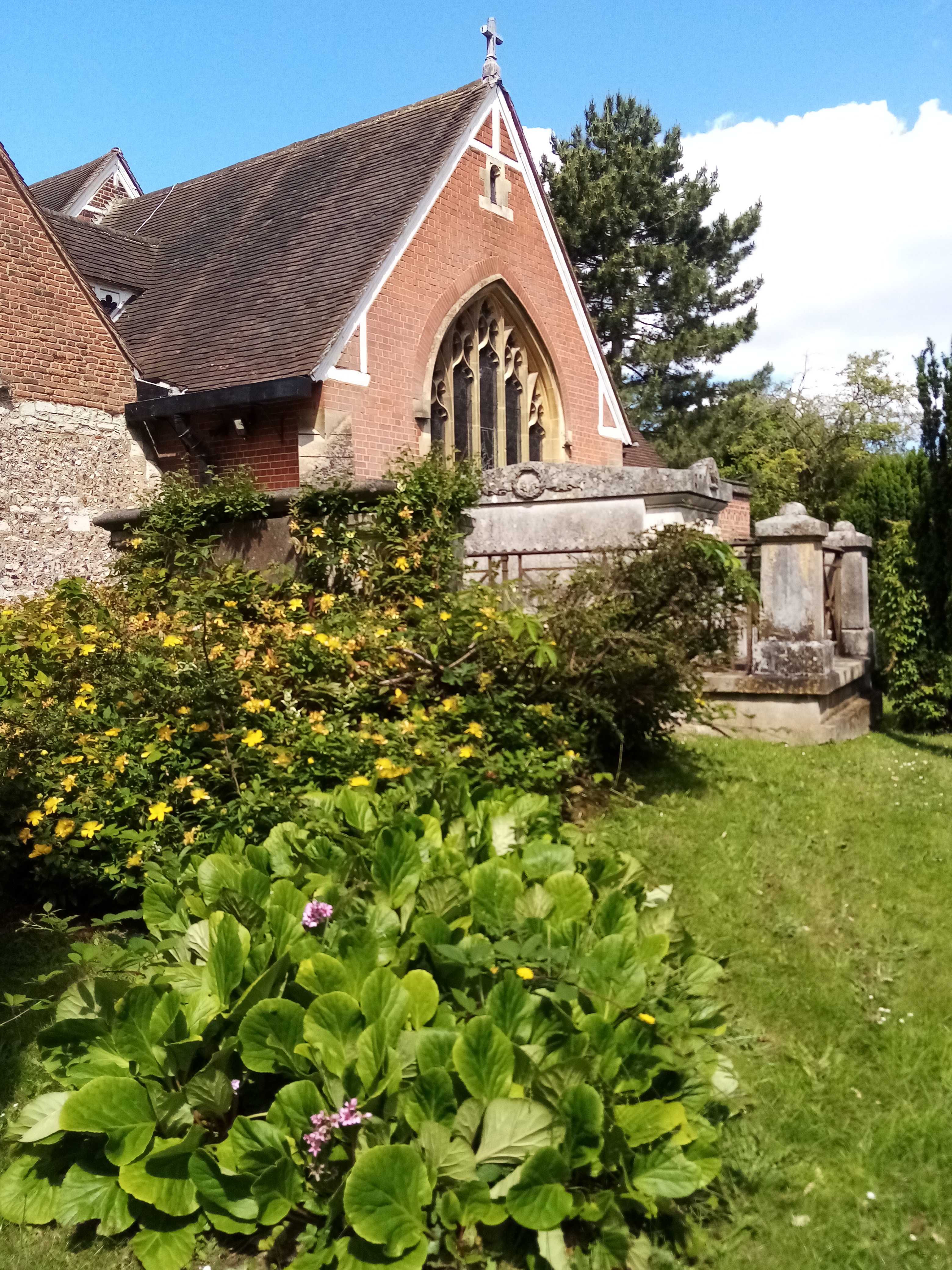
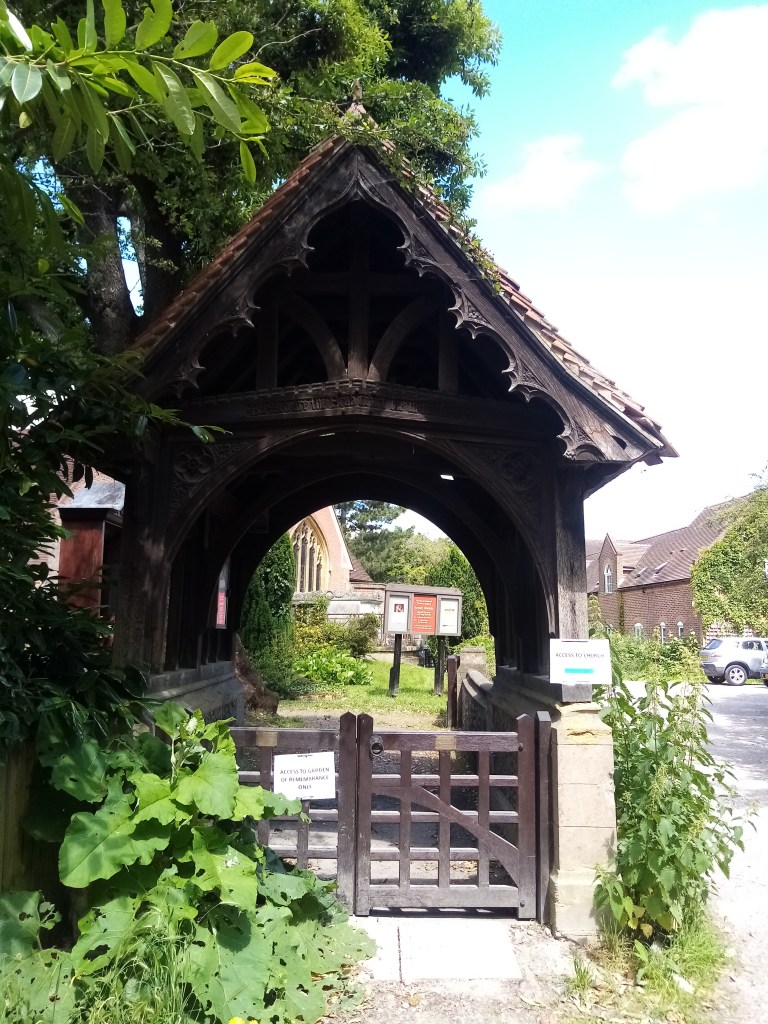
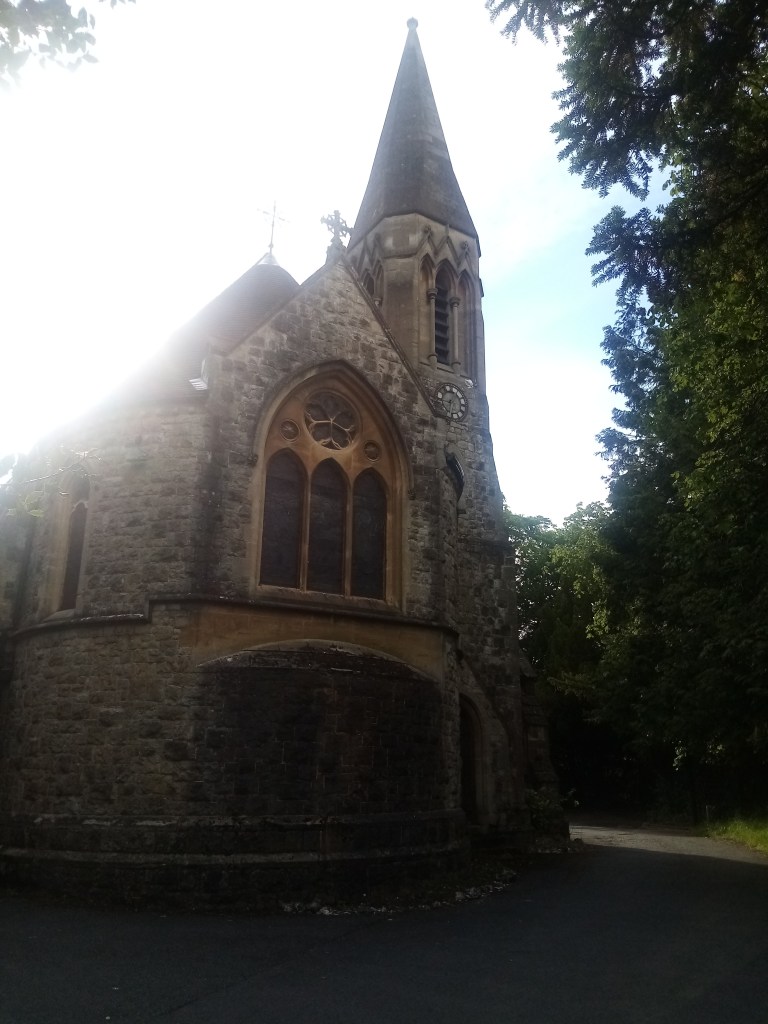
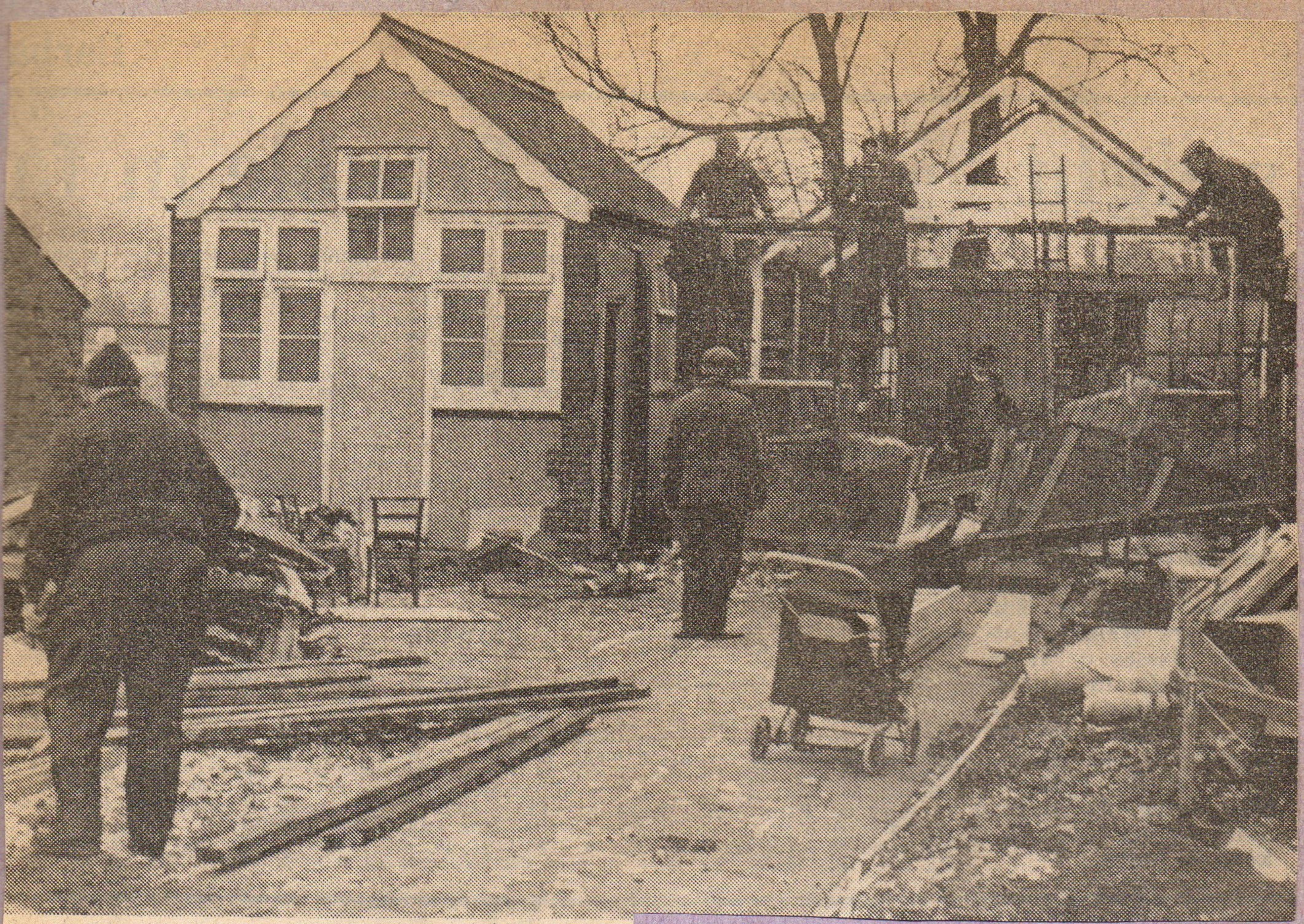
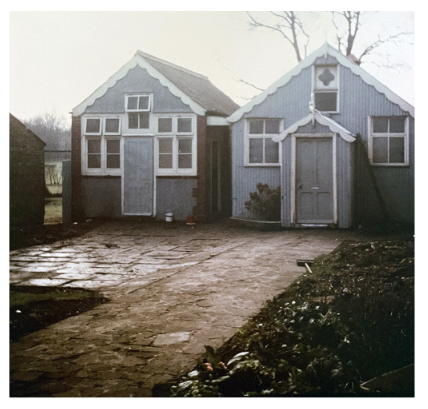
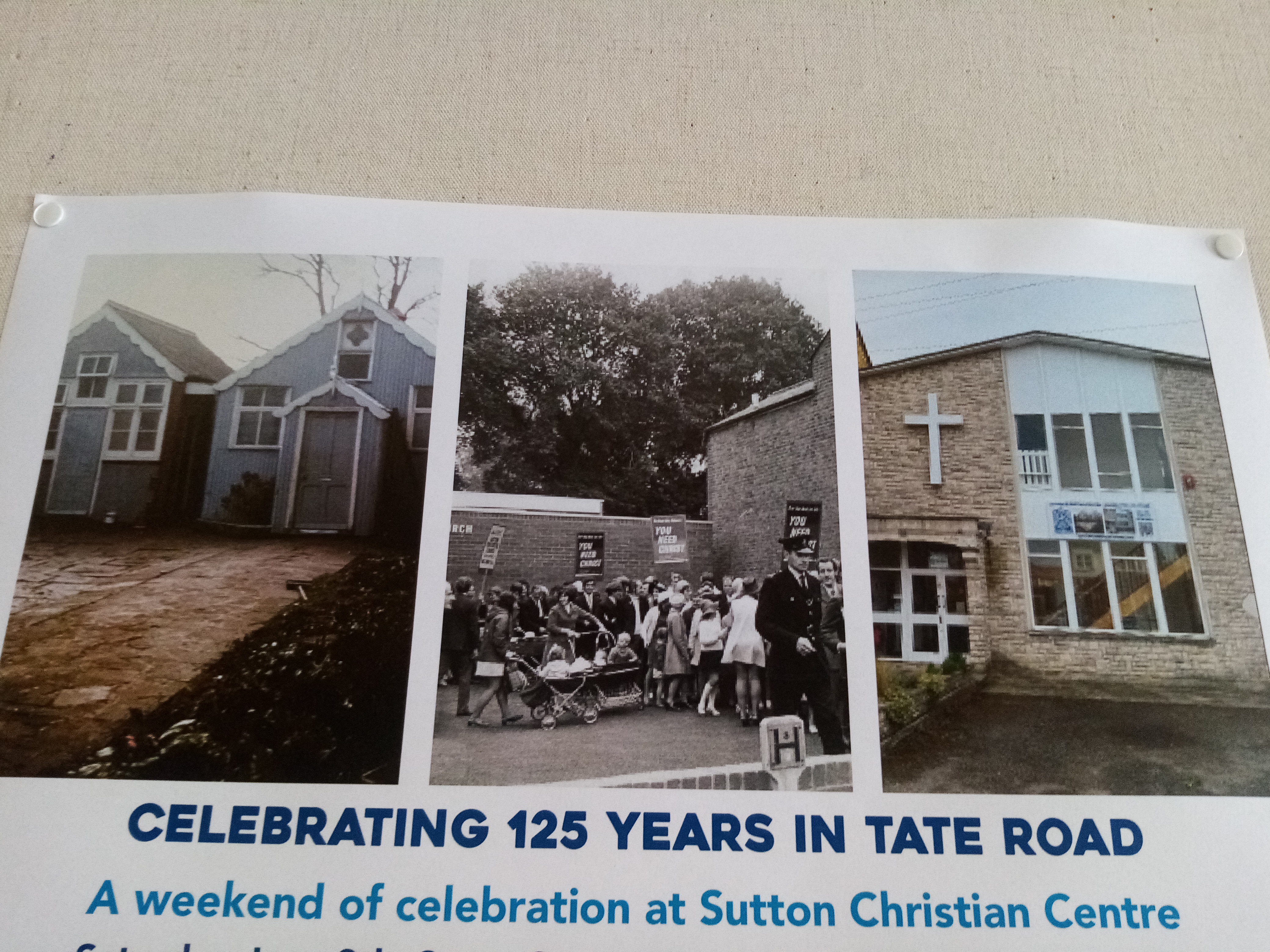
Finally just to the West of the town centre is Sutton Christian Centre. In November 1896 Elizabeth Ockenden purchased most of the land on the south side side of Tate road. The plot was divided into smaller plots on which were built a row of terraced houses and two pairs of semi detached houses. In between these sets of houses, one plot was left for the construction of the church. A map of 1913 shows houses on both sides of the road, a ‘Baptist Chapel’ (the church), allotment gardens and some woodland. A pair of Tin Huts were built and the Chapel had its official opening day on 1st January 1899 as East Cheam Baptist Chapel. Fast forward to 1970 and the tin hut and adjacent hall were demolished and a new permanent brick building with a flat roof was constructed. In 1981 this building was extended and improved, and the church became known as Sutton Pentecostal Church. Since then other improvements have been made, the church trustees purchased the semi next door and knocked a wall through so that the church and house were now connected. Originally the house was the home of the incumbent Pastor but later it became offices and space for meetings, etc. The Church changed its name to Sutton Christian Centre in the 1990s.

Brand new ‘Tin Huts’ in 1898*
Huts being demolished, notice the lack of ‘Health and Safety’ including a child’s pushchair on the site!*
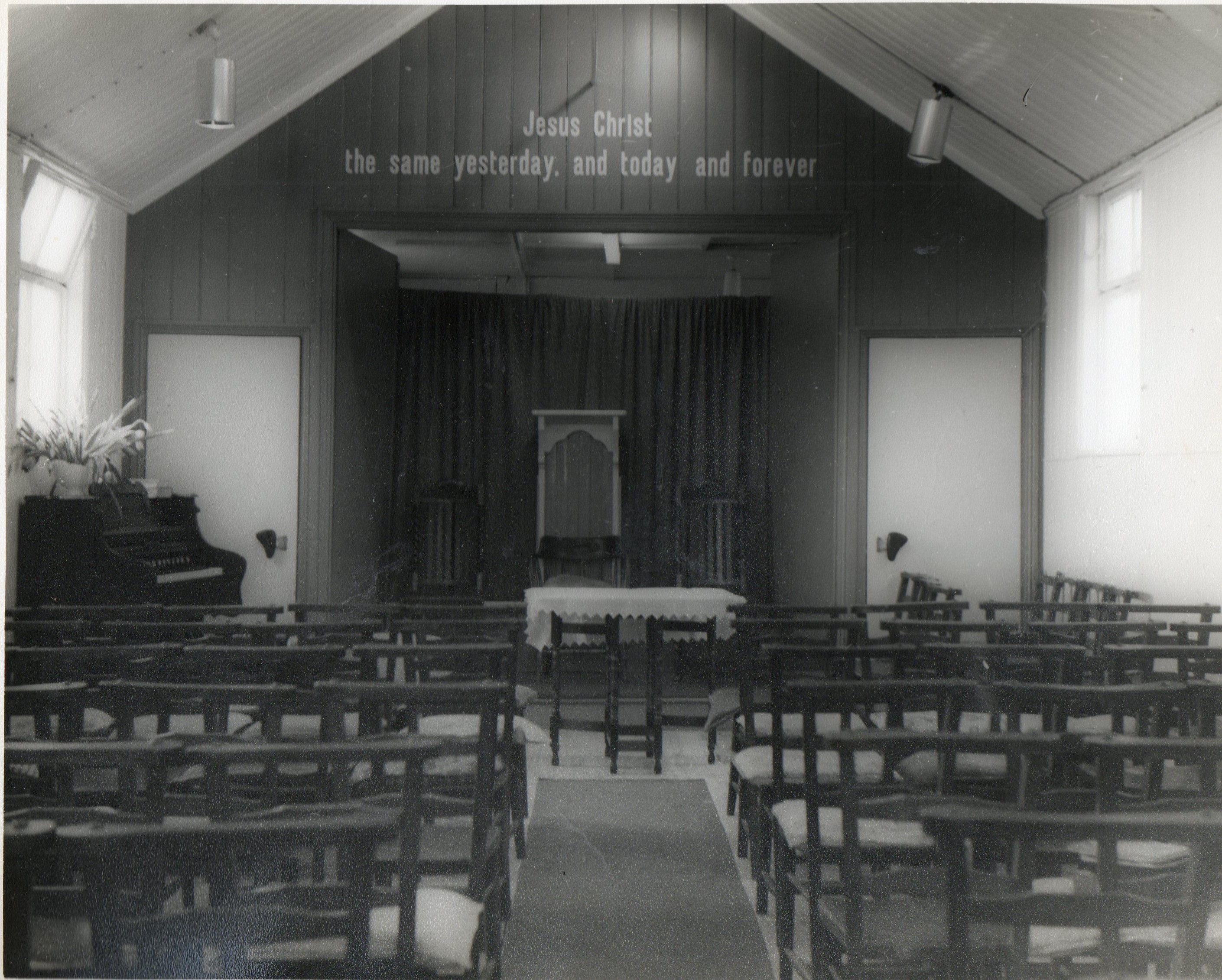
Interior of the original church*
Celebrating 125 years

* Photos from Sutton: A Pictorial History, Frank Burgess, 1993, Phillimore Press. Photos of the Tate Road site from Sutton Christian Centre’s collection

March – Charming Chapels

The difference between a church and a chapel: ‘A church is a community, while a chapel is a place.’ So says Wikihow, which appears to be a children’s Wikipedia. Churches usually have a permanent congregation and have a pastor or priest to lead regular services. Chapels are smaller places of worship and can be situated in a hospital, school, a private residence or a churchyard. Some large churches and cathedrals have chapels in the side aisles. Nowadays there are also chapels in airports and work places; some are simply rooms set aside for private prayer and contemplation. The four I’m going to write about are all separate structures with lots of history. All these chapels are free to enter, all well worth a visit.

Source: Wikihow

Fulham Palace Chapel  

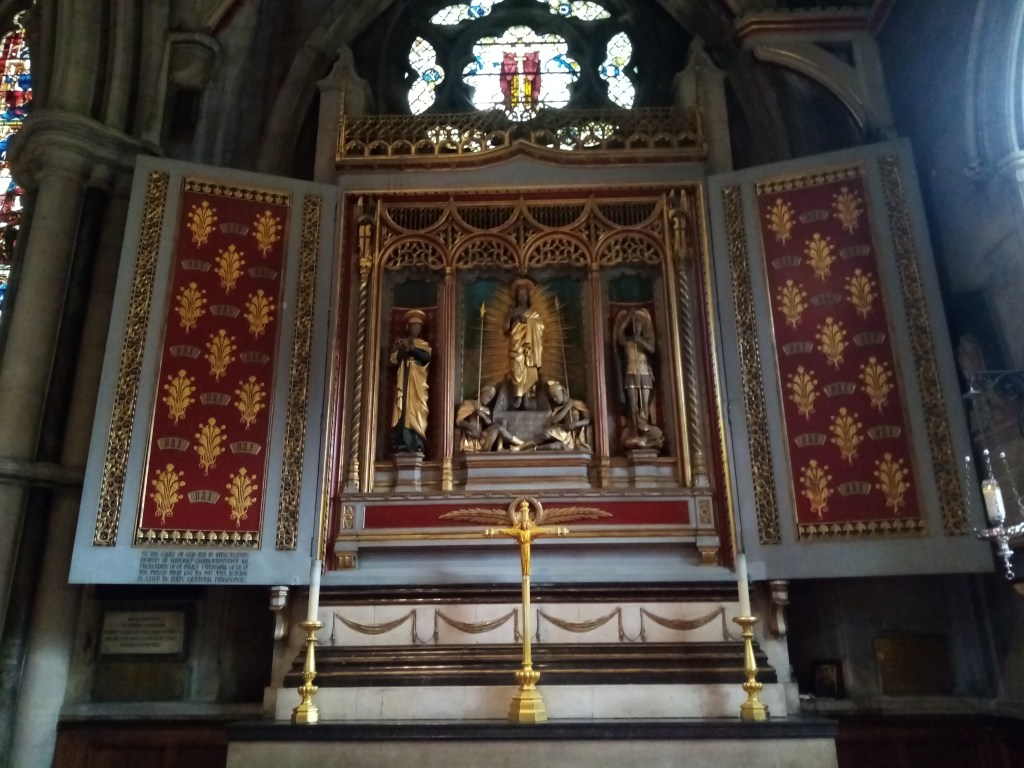
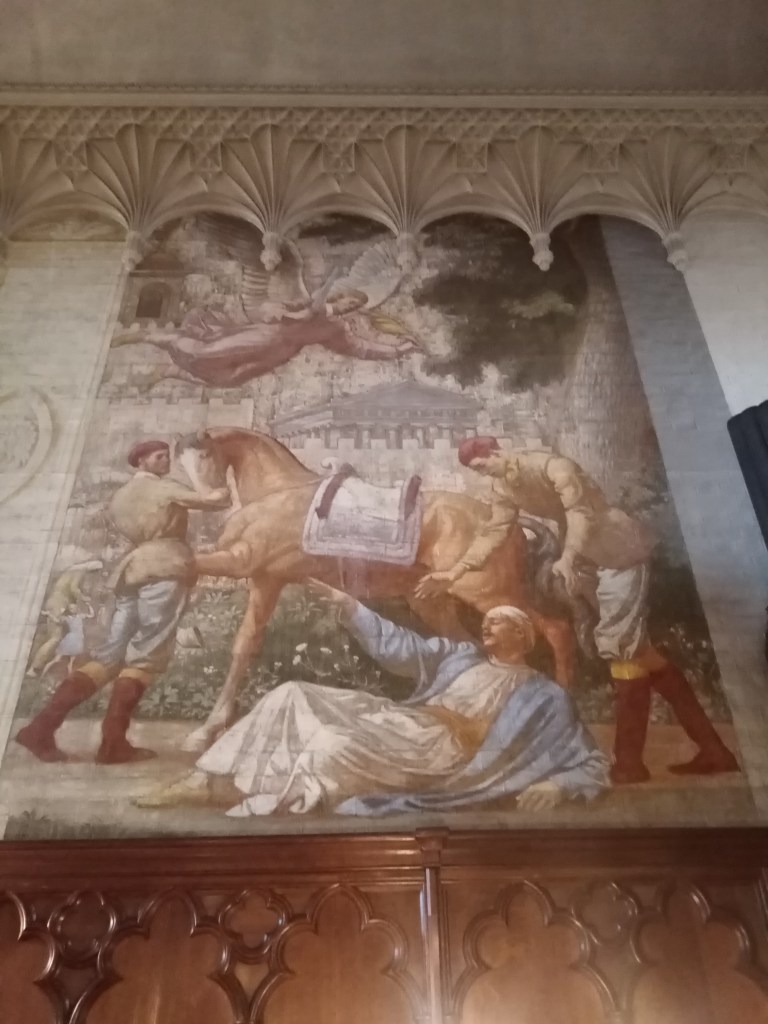
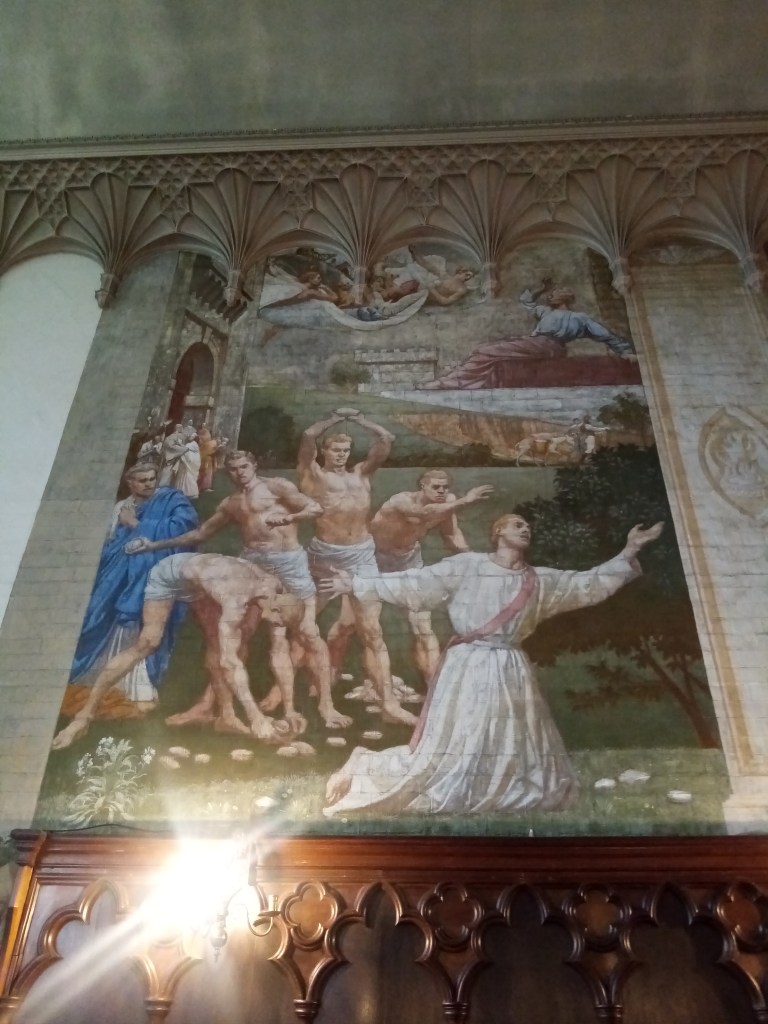
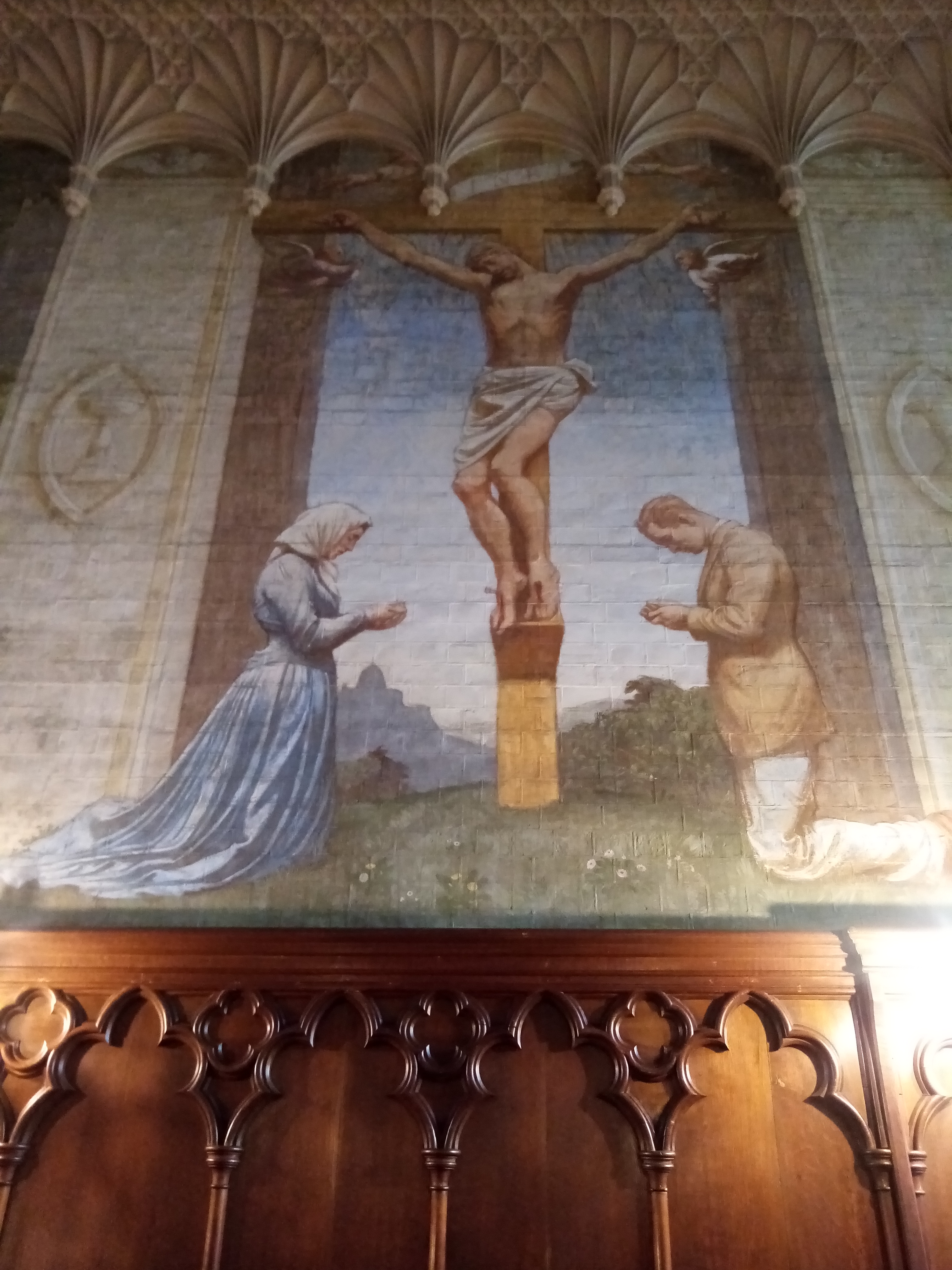
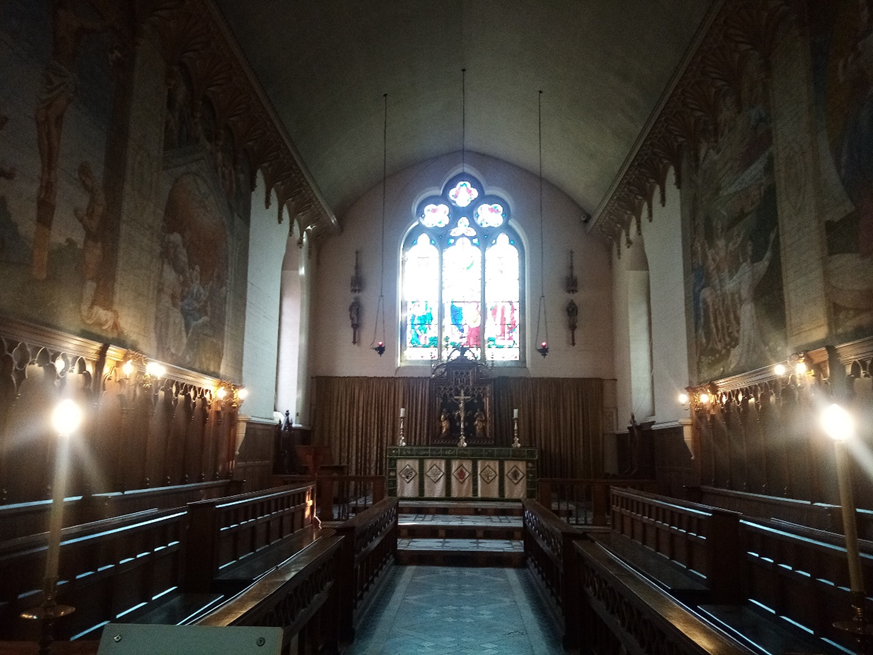
Fulham Palace was the home of the Bishops of London from the 11th century until 1973. It’s still owned by the Church of England though today it’s managed by the Fulham Trust and open to the public. The first chapel on the site dates from 1231 and the fourth one, the Tait Chapel was designed by William Butterfield for Bishop Tait in 1867. Damaged by a bomb in World War ll, the chapel was reorganised and redecorated in the 1950s for Bishop Wand. Students from the Byam Shaw School of Drawing and Painting painted murals over Butterfield’s decorative brickwork in 1953; the murals feature events from the New Testament. The large East stained-glass window shows the risen Jesus giving the command to Peter ‘Feed my sheep.’ On each side of this are portraits of Bishops Wand and Creighton.

The Nativity
The Crucifixion with modern figures

The King’s Chapel of the Savoy

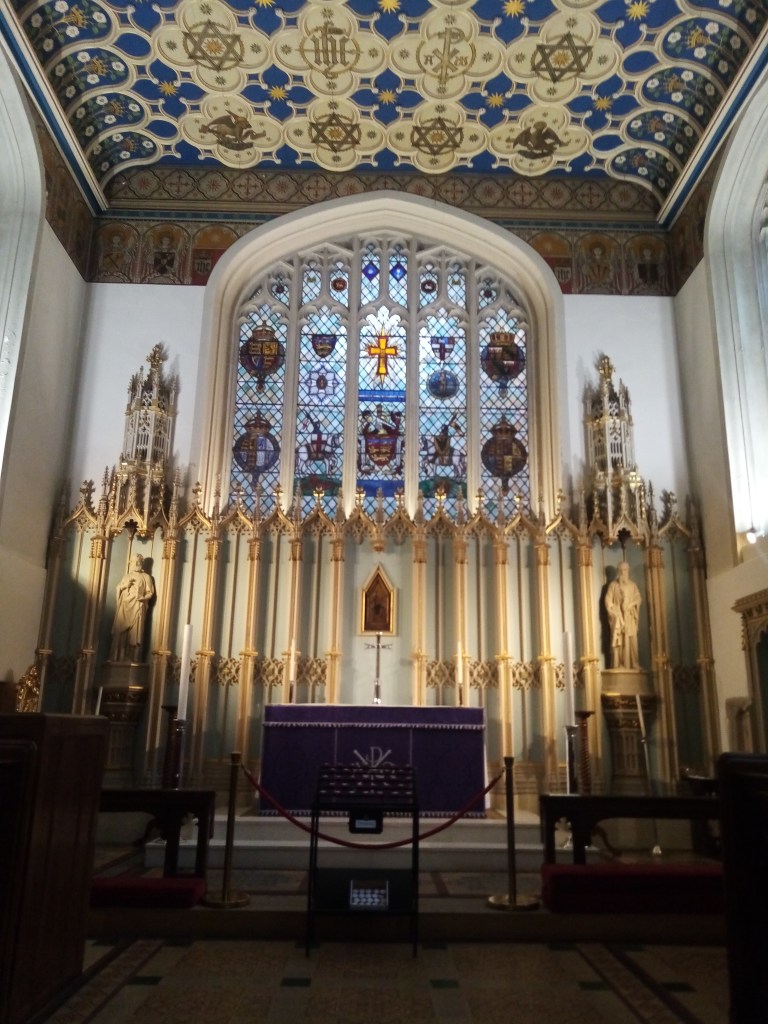
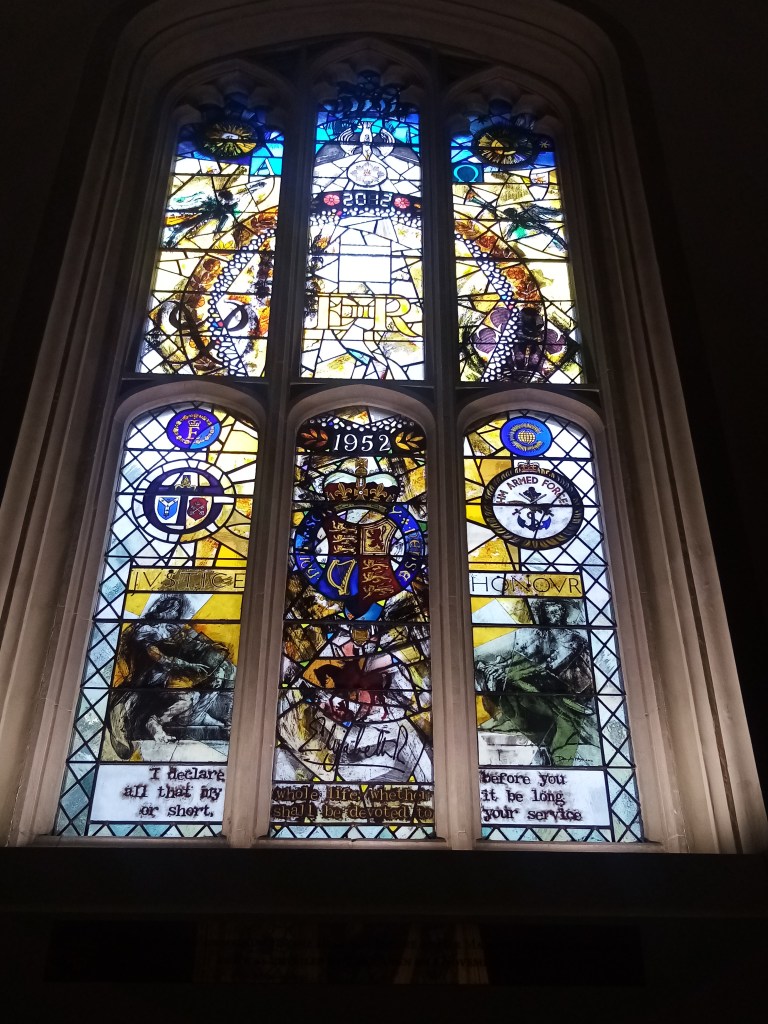
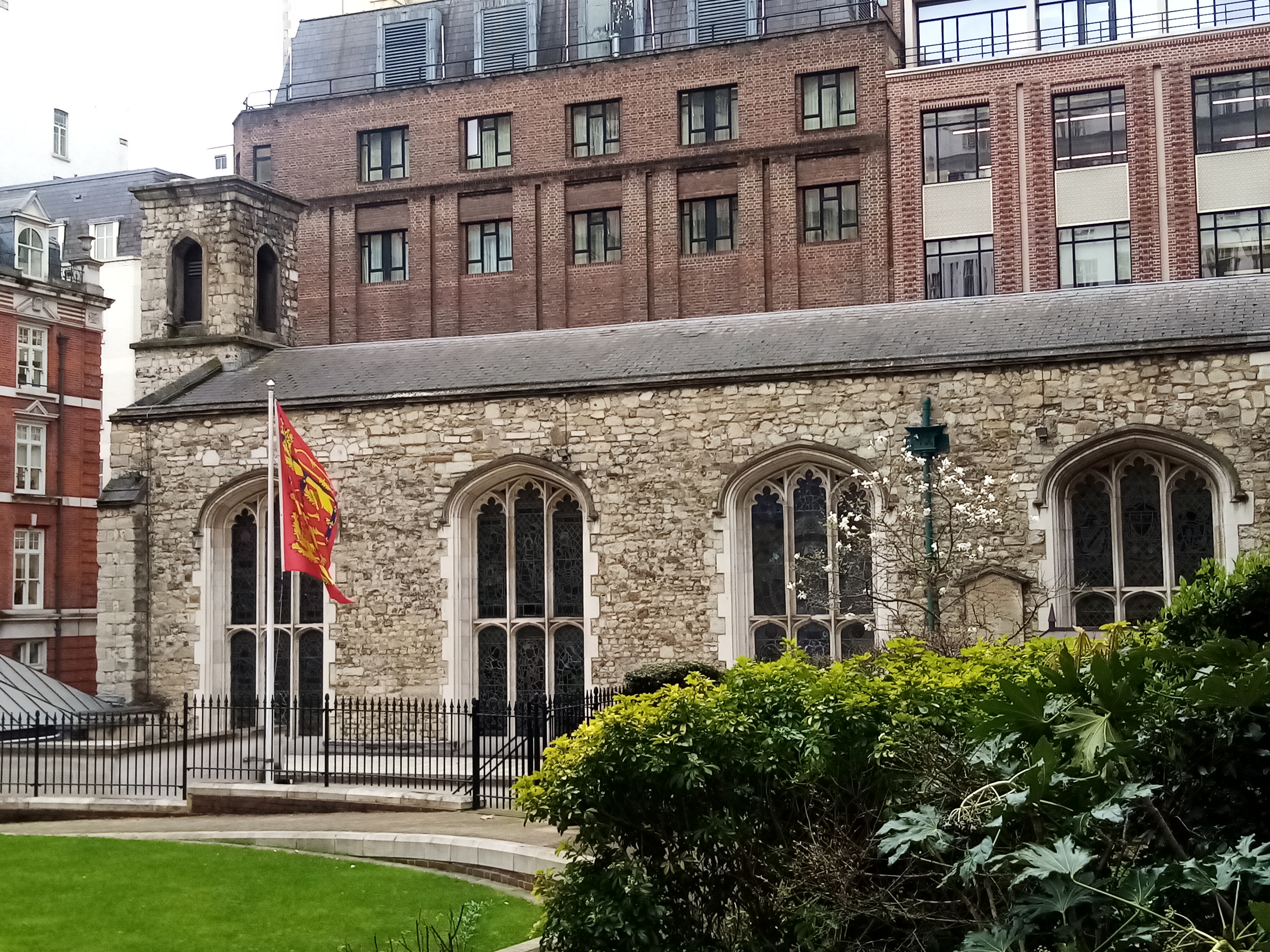
Also known simply as the Savoy Chapel, it was built as part of a charitable foundation under the terms of the will of King Henry Eighth. The chapel is all that remains of the Savoy Hospital, which replaced a 14th century palace on the site of the Savoy estate, built by John of Gaunt, younger son of King Edward Third. King Henry set up the foundation to provide lodging and food for 100 ‘poore and nedie’ men, presumably homeless. The original hospital, completed in 1515 consisted of a Great Dormitory and no less than three chapels; obviously the souls of the men were considered as important as their physical needs. The hospital was demolished in the early 19th century because of redevelopment of the area; the survival of the 500-year-old chapel is probably because it adjoined the main buildings rather than being an integral part. In 1937 the chapel became the home of the Royal Victorian Order and today it is still consecrated for services and also hosts musical concerts.

Source: royalchapelsavoy.org

Exterior of the Savoy Chapel

Fitzrovia Chapel

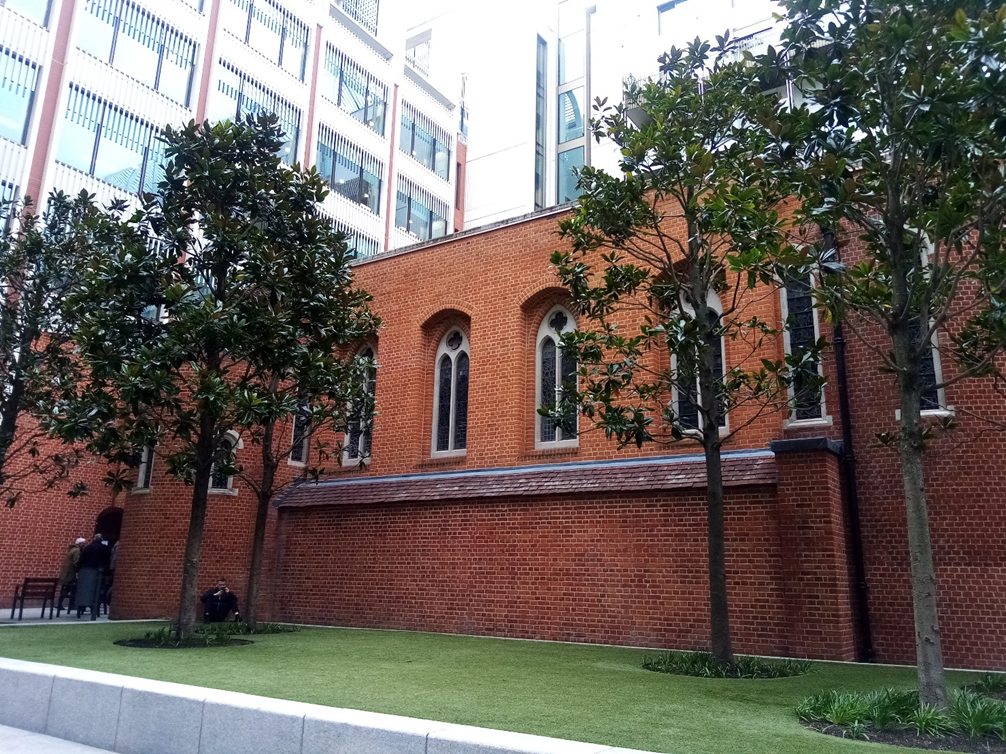
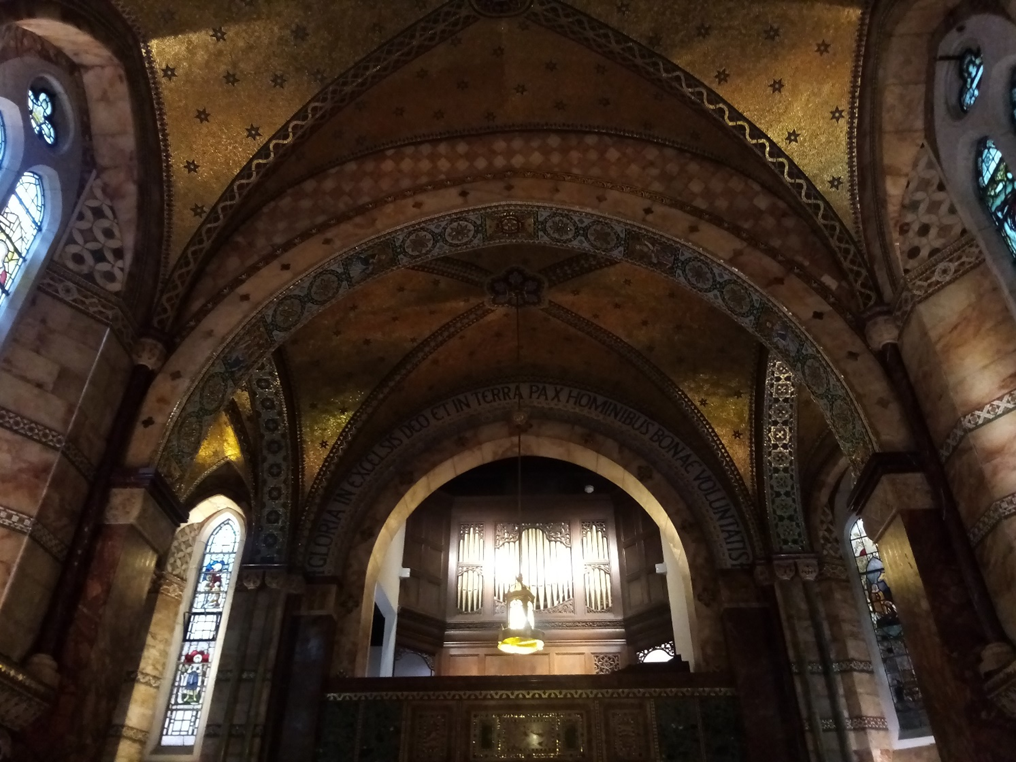
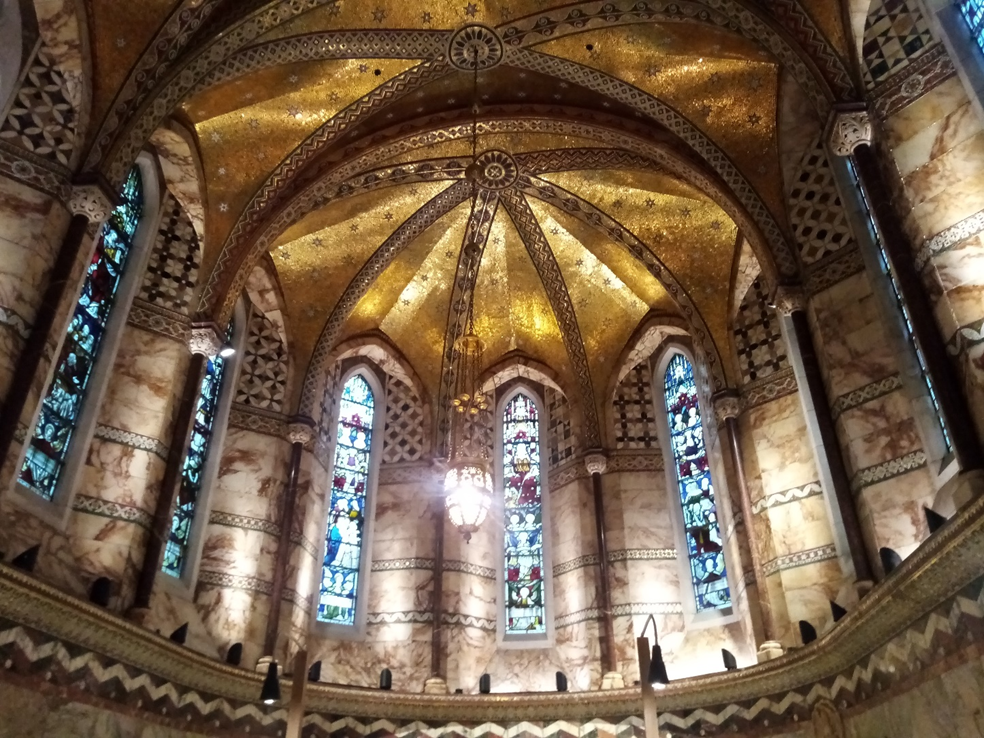
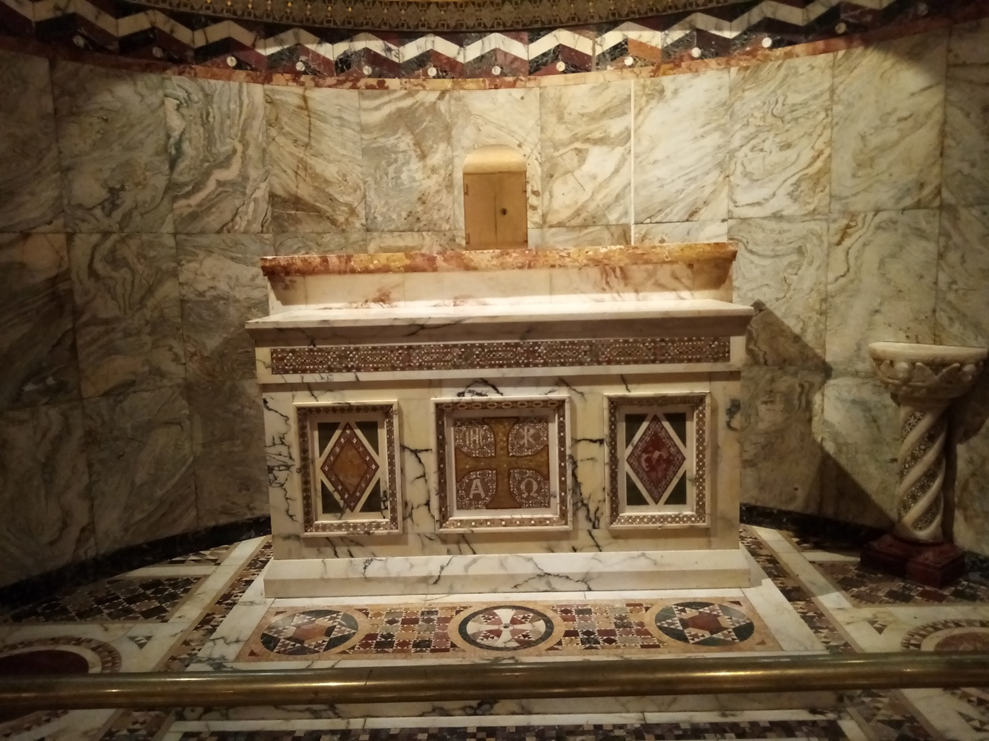
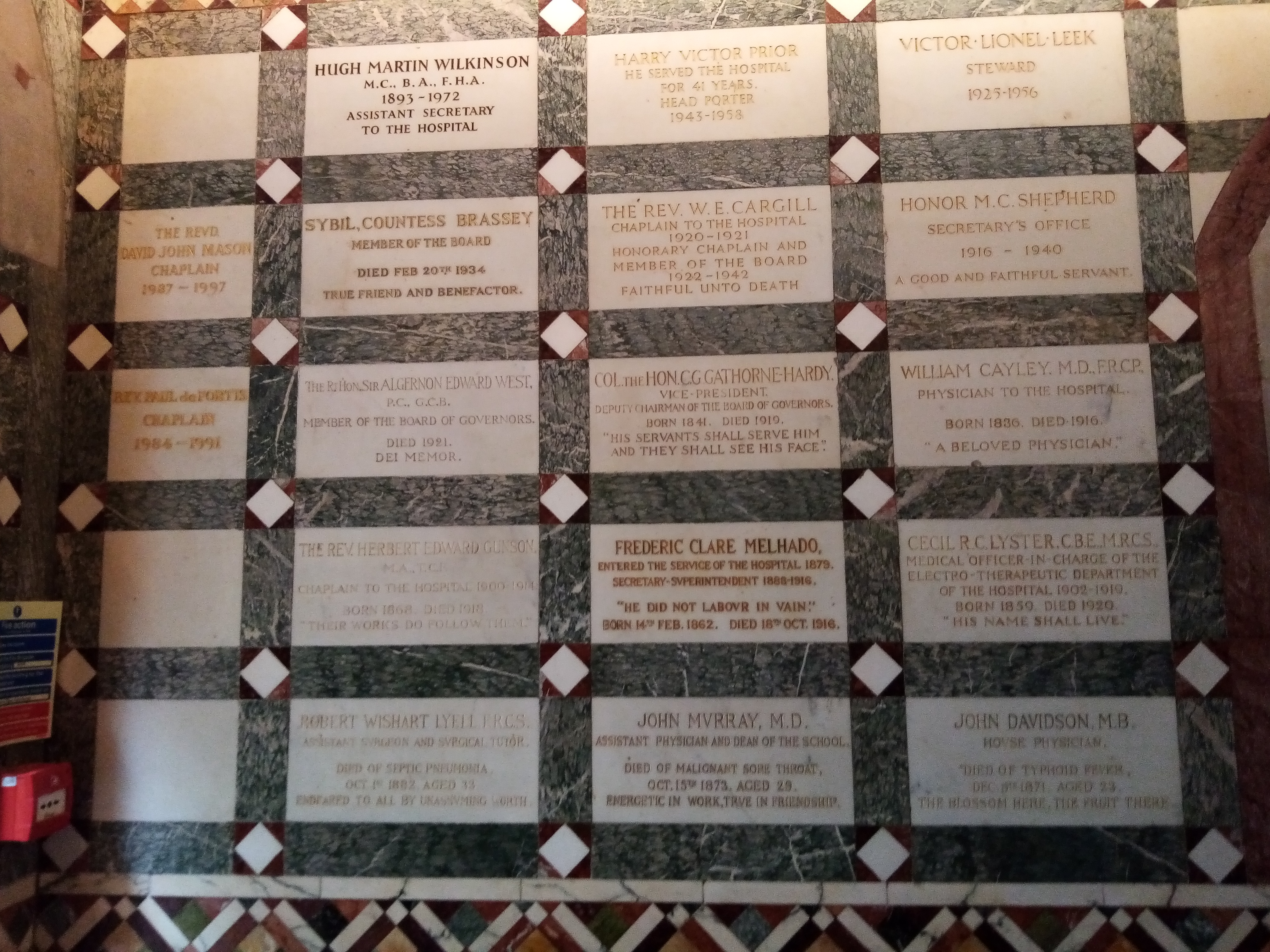
The Fitzrovia Chapel is located in the Fitzrovia Place Development in the central courtyard of the former Middlesex Hospital. It’s something of a surprise to enter the courtyard surrounded by residential and office buildings completed in 2015, and to see the late 19th century chapel, built in the Gothic Revival-style. It was built in 1892 as the Middlesex Hospital Chapel; the hospital itself was completely demolished between 2008 and 2015. Standing on a base of artificial grass with carefully spaced trees, the exterior of the chapel isn’t particularly impressive, but the moment you step inside – WOW! A written description, or even my photos, cannot do justice to the interior of this amazing space, it’s a must-visit! The Fitzrovia Chapel Foundation manages the Chapel today and regularly hosts art exhibitions.

Source: Wikipedia

The Chapel surrounded by new builds

Memorial Plaques to employees of the Middlesex Hospital

The Lumley Chapel, Cheam

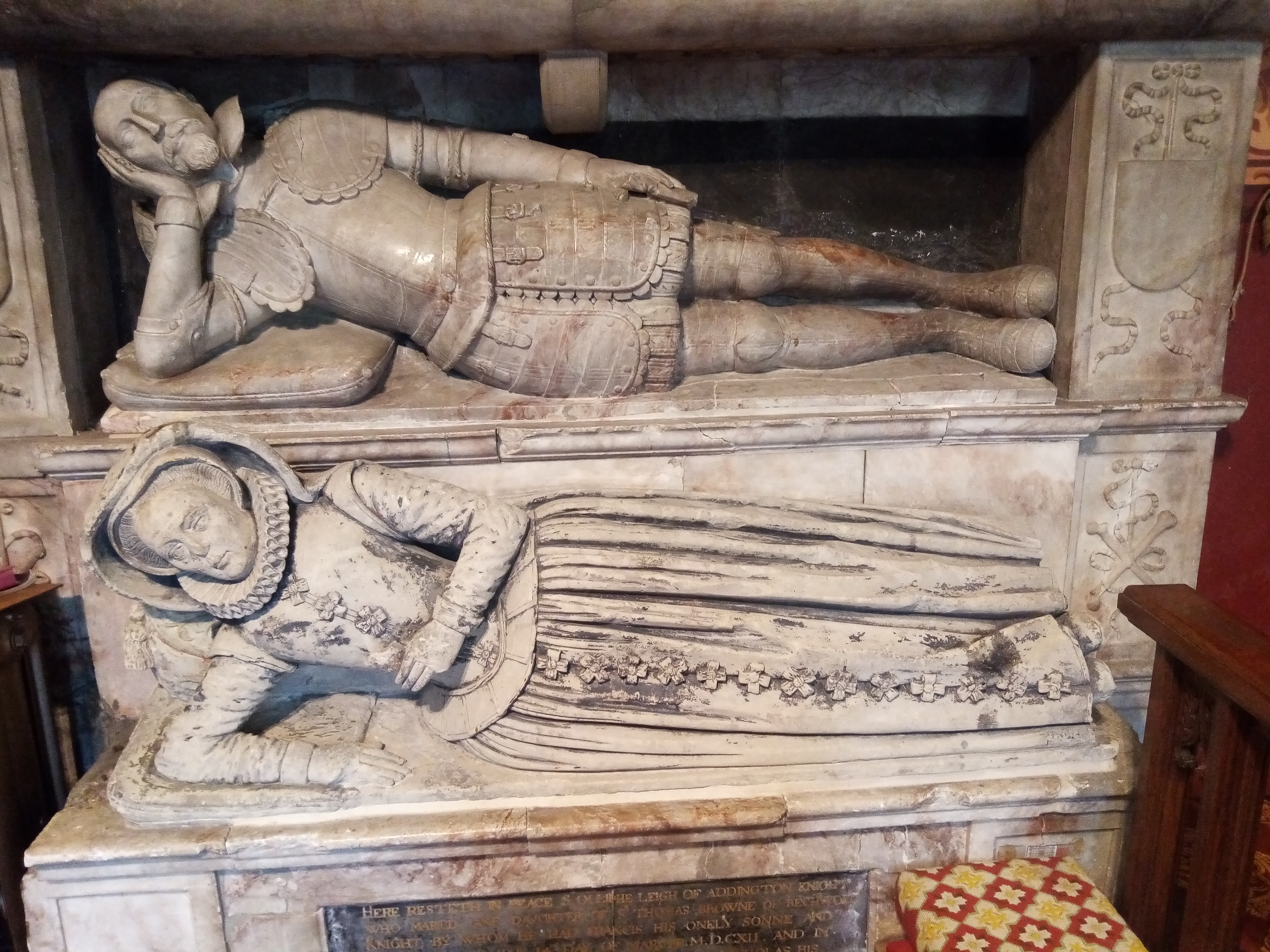
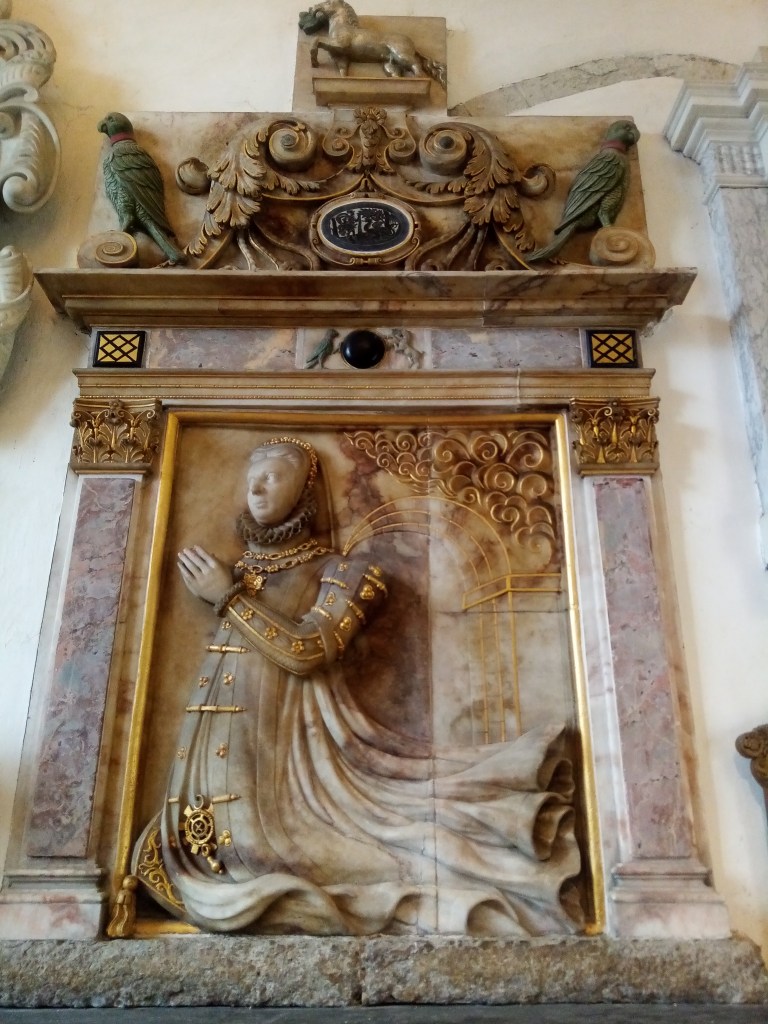
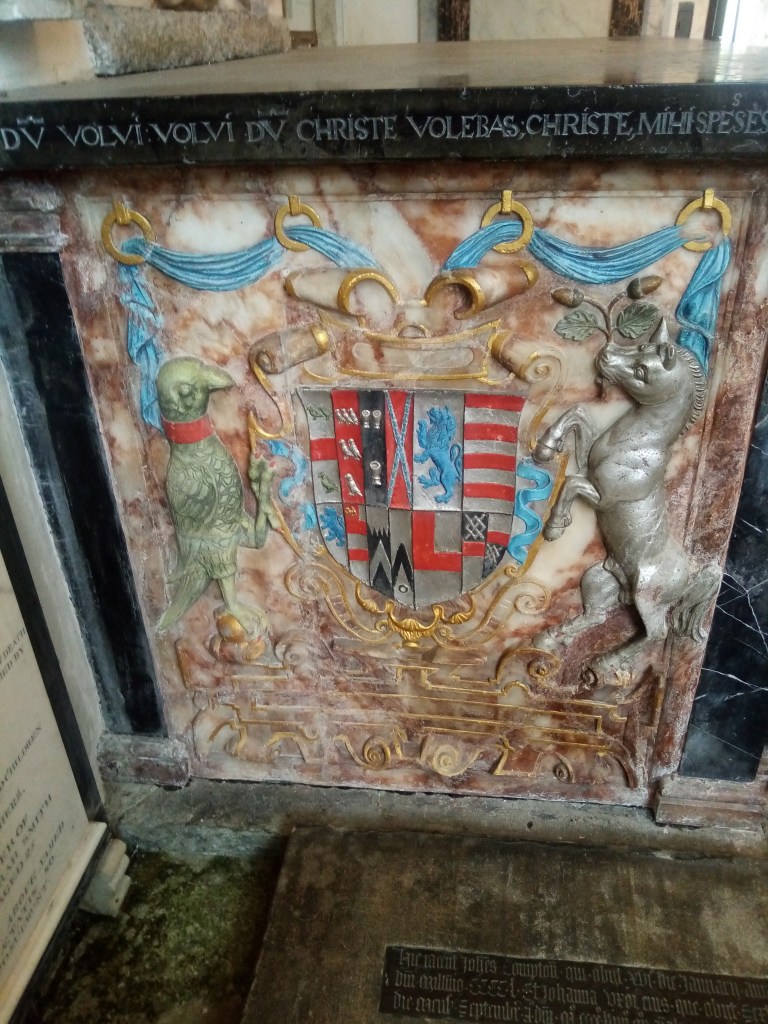
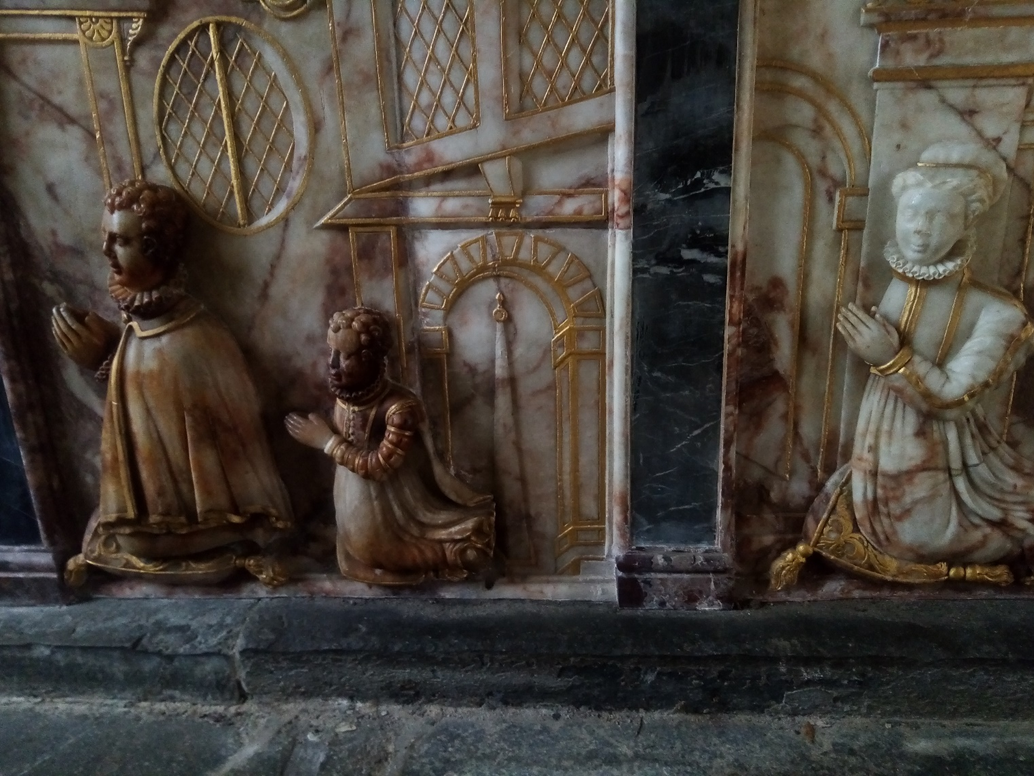
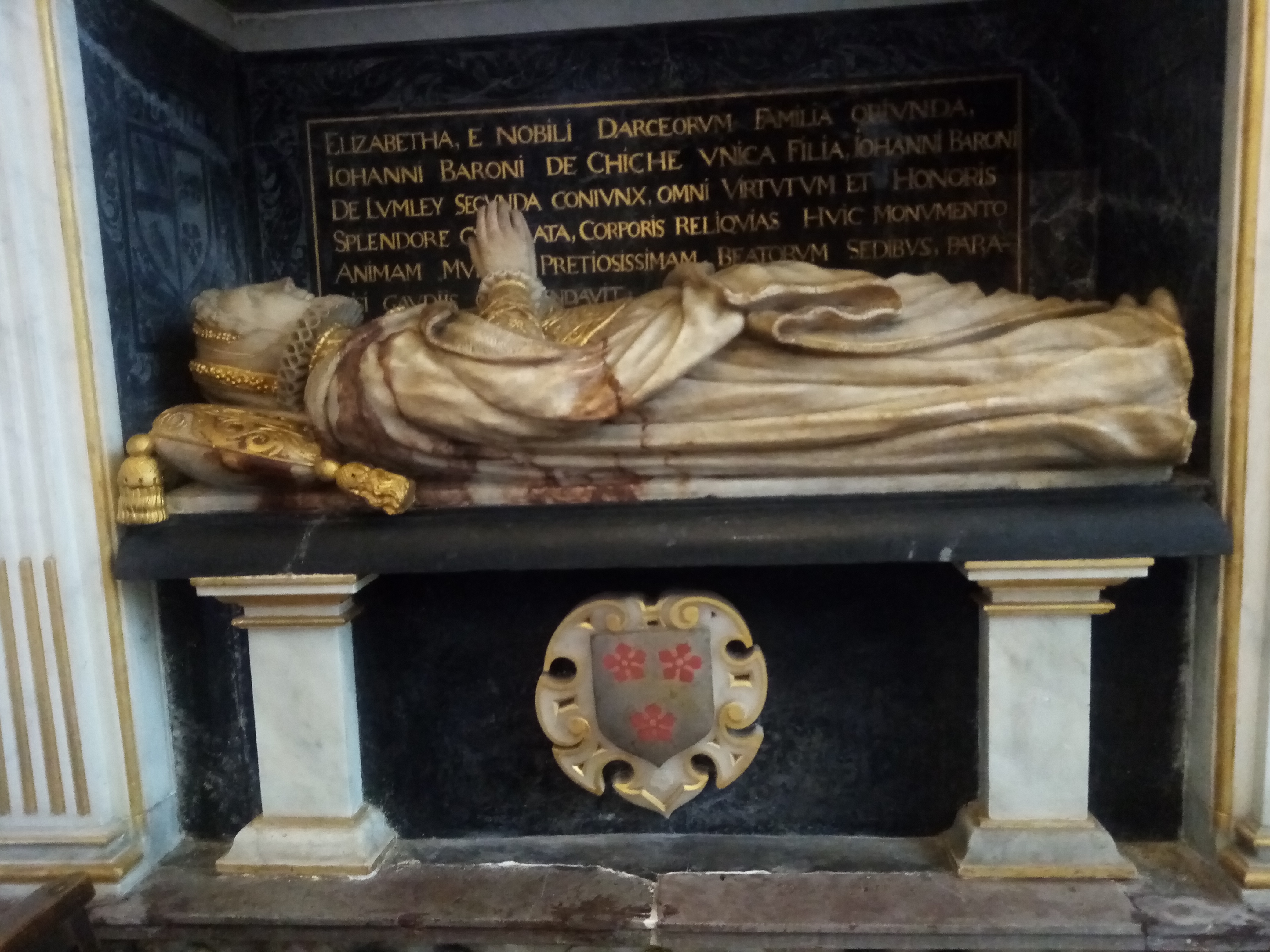
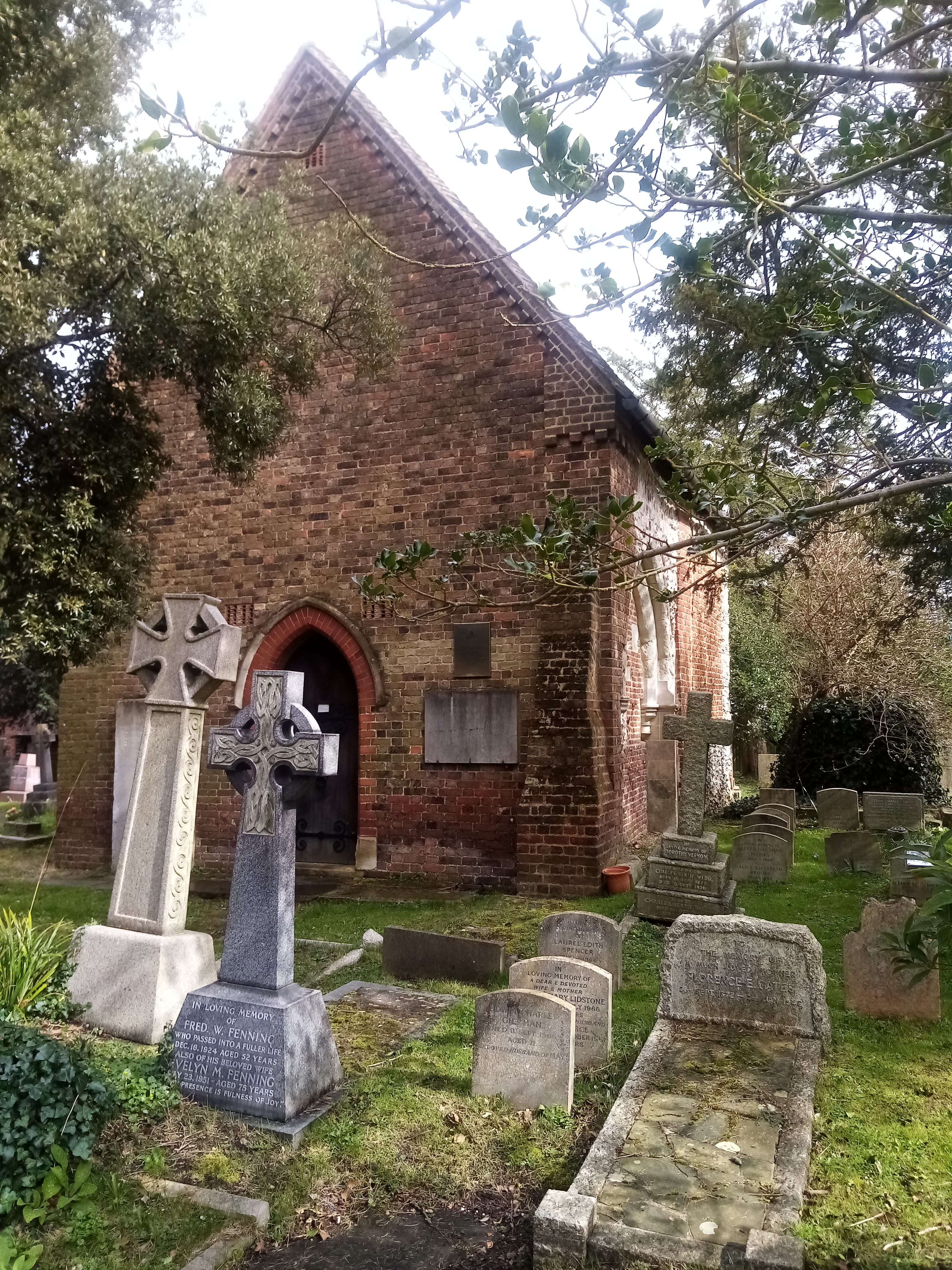
The Lumley Chapel is the oldest building in Cheam in the London Borough of Sutton and is in the care of the Churches Conservation Trust. It is situated in the churchyard of a Victorian church, St Dunstan’s and was the chancel or sanctuary of the original church of St Dunstan which was founded soon after 1018. Parts of the chapel itself are believed to be pre-Norman Conquest. In 1580, 1st Baron John Lumley inherited nearby Nonsuch Palace and in the 1590s he converted the church into a memorial chapel to his two wives. The most striking memorial is that to John’s first wife Jane, who died in 1578, which features depictions of their three children at prayer. Sadly all three children died in childhood. Lumley’s second wife Elizabeth died in 1617 and her recumbent effigy lies on her tomb in the chapel. This tiny chapel is crammed with memorials, monuments and wall plaques but somehow does not look overcrowded.

Source: cheamparish.org.uk; Wikipedia

The three Lumley children
Elizabeth Lumley
Lumley Chapel in St Dunstan’s churchyard

February – Churches in works by Charles Dickens

Charles Dickens was born on 4th February 1812, so this month I thought I’d take a look at some of the London churches which feature in his novels and other works. Most of the churches and lots of other buildings remain almost unchanged since Dickens’ lifetime, at least on the outside. I’m not going to say anything about the churches as I’ve written about all of them before; but I found some brilliant websites which give interesting information about the places mentioned in Dickens’ works, so I’m going to show how they feature and their significance to him personally, if any.

St Paul’s Cathedral

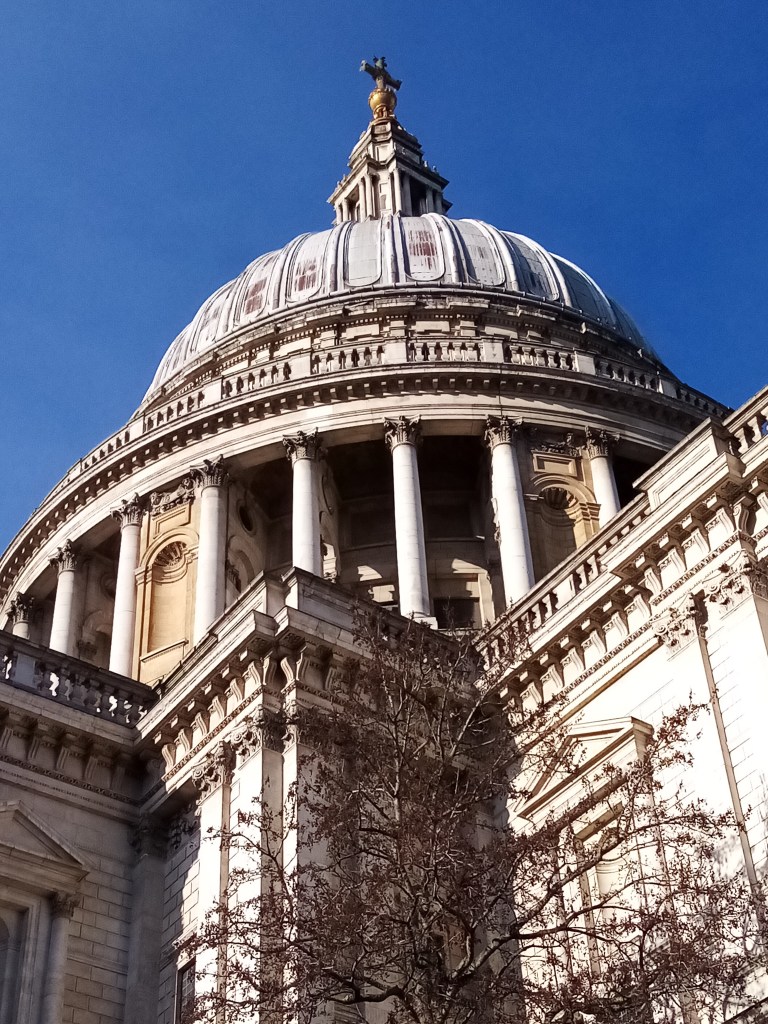
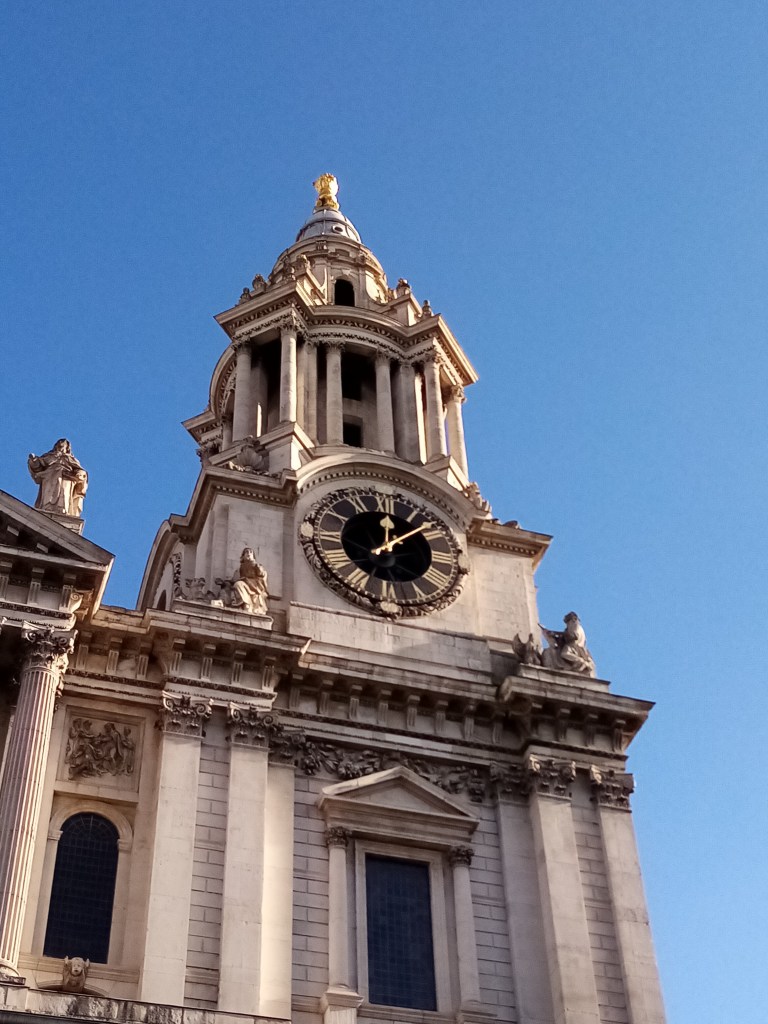
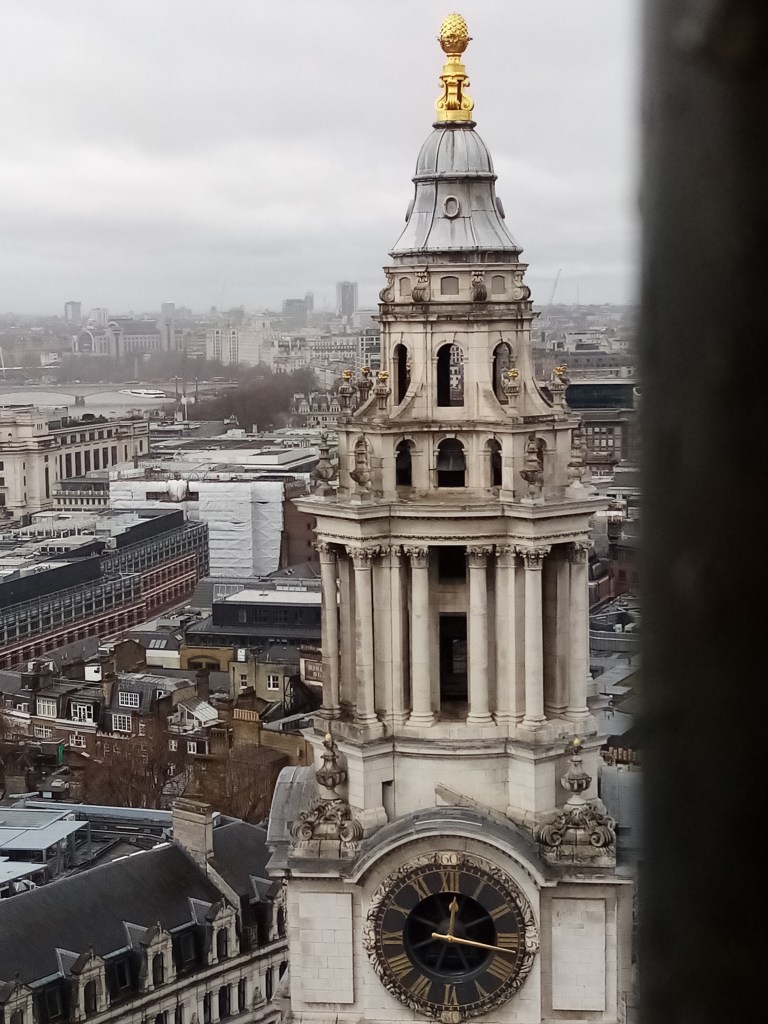
Sir Christopher Wren’s 1675 rebuild would have looked from the ground in the 1800s exactly as it does today. The iconic dome dominated the London skyline for nearly 300 years and is mentioned in at least seven of Dickens’ works, notably:

David takes Clara Peggotty to the top of St Paul’s in David Copperfield. Ralph Nickleby stops to set his watch right by the clock of St Paul’s in Nicholas Nickleby.

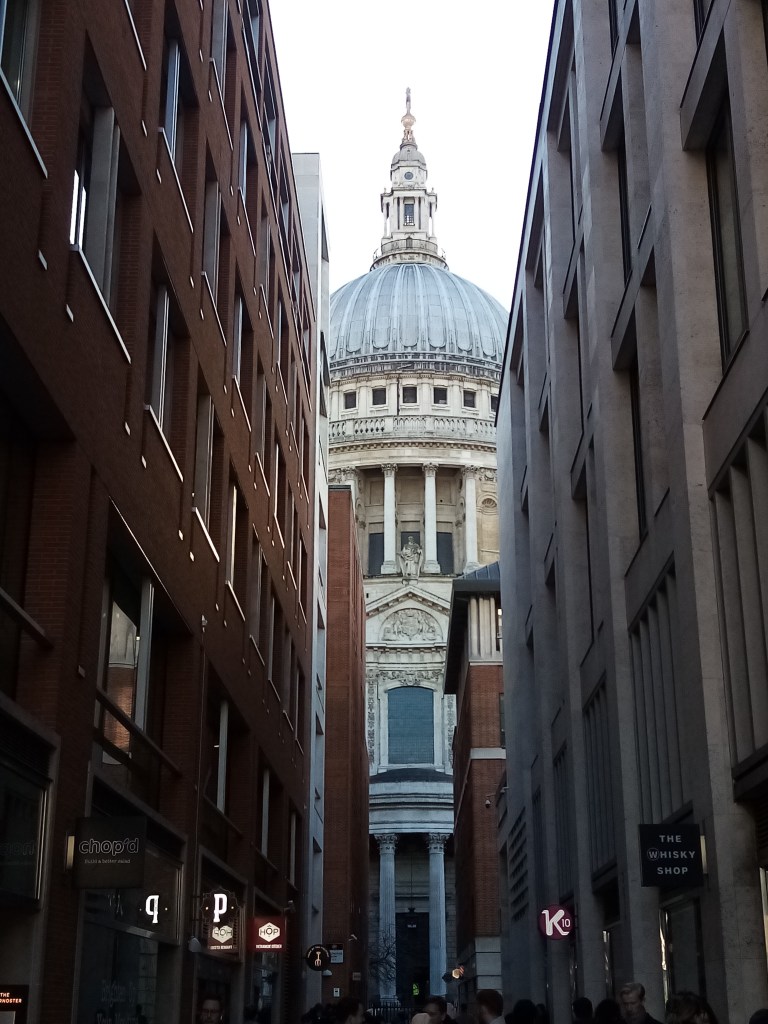
In Oliver Twist, Nancy hears the mournful bell of St Paul’s toll midnight on her way to meet Rose and Mr Brownlow on London Bridge. And in A Visit to Newgate, a magazine article in Dickens’ work Sketches by Boz, a condemned prisoner in Newgate Prison hears the bell strike one in the morning and knows he has only seven hours left to live. The second picture is one of my favourite views of St Paul’s; the modern buildings in this narrow alley have roughly the same footprint as they had in Dickens’ time, in fact, since mediaeval times.

Source: charlesdickenspage.com

St Peter upon Cornhill

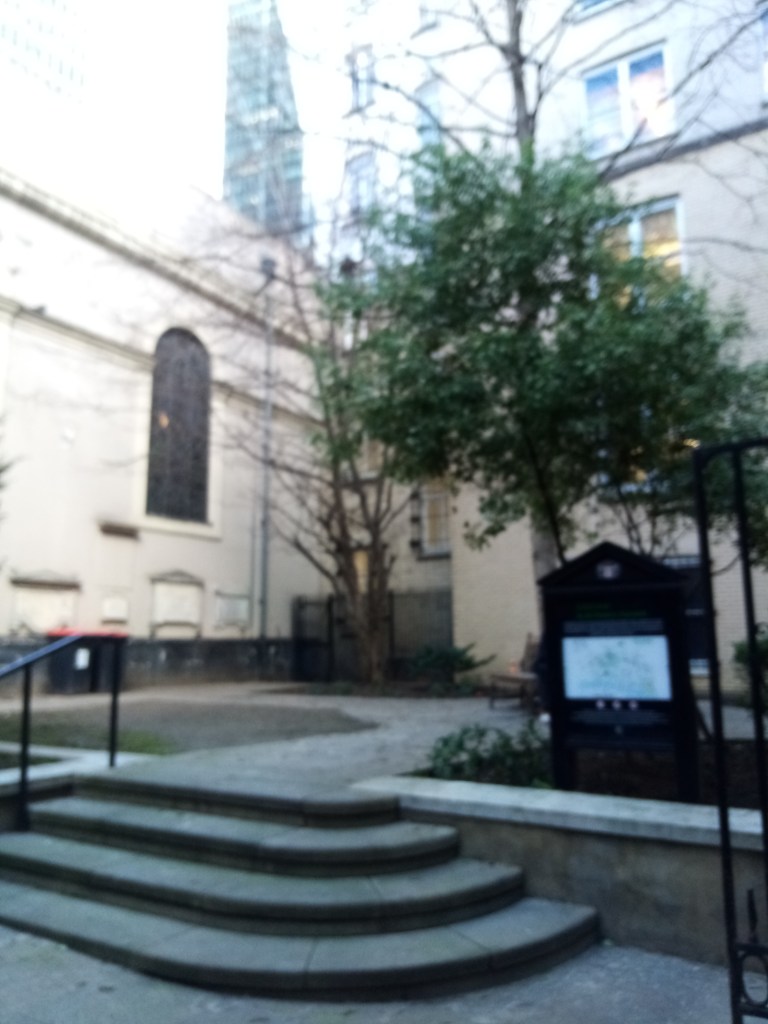
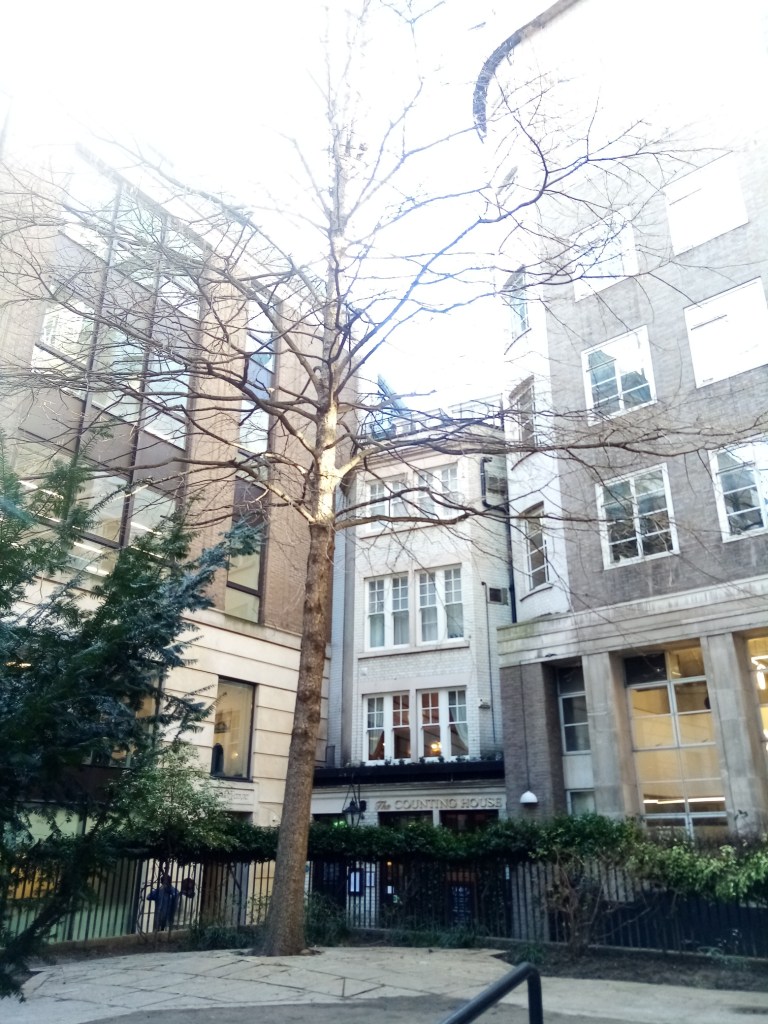
These are two views of the tiny, now paved over, St Peter upon Cornhill churchyard, which is generally believed to be the churchyard where The Ghost of Christmas Yet to Come shows Ebeneezer Scrooge his own gravestone, in a future which will come to pass if Scrooge doesn’t change his miserly ways. At the time of writing A Christmas Carol, this churchyard was a disused burial ground, derelict and overgrown with vegetation. Dickens describes it in his story as being choked with weeds and being surrounded by buildings, so it seems that St Peter’s might fit the bill. This whole area is wonderfully atmospheric, full of tiny courts and narrow alleys, just as it was in the 1800s.

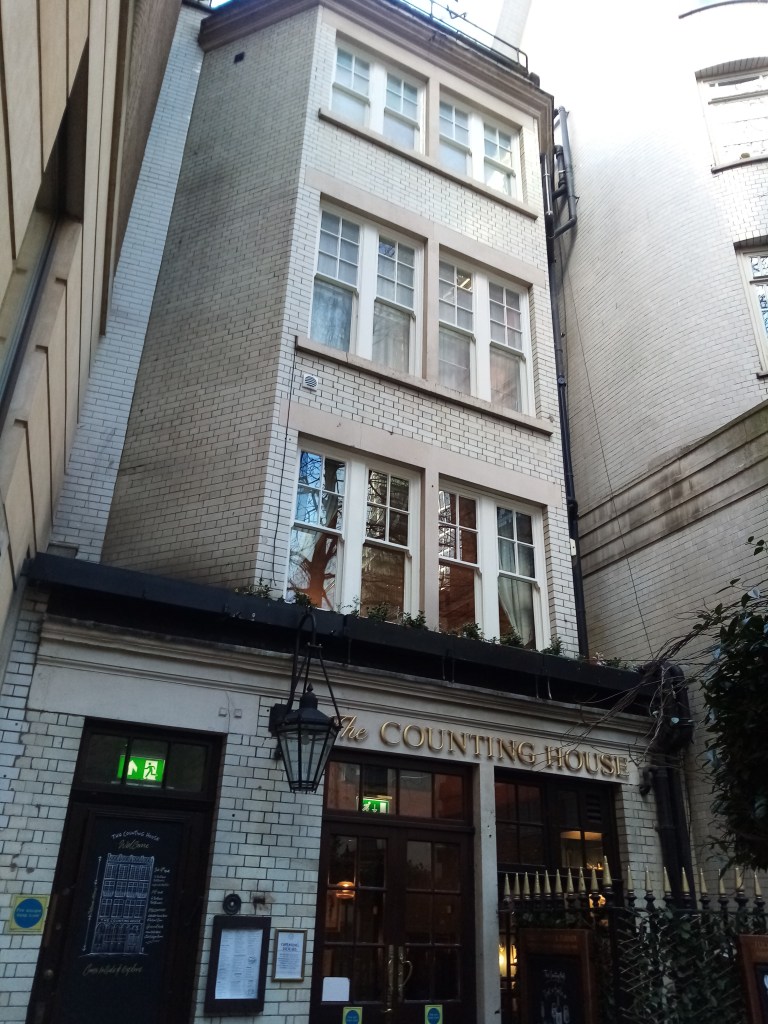
The first picture is of a side entrance to The Counting House in Cornhill, an opulent restaurant, bar and hotel just across the alley from the churchyard. I’ve tried to find out how it got its name without success, but I like to think that it could be the setting for Scrooge’s office, which is described in A Christmas Carol as a ‘counting-house’. The Ghost of Christmas Yet To Come leads Scrooge past his former office in a narrow court before reaching the churchyard, so that seems to fit. And lastly, a picture of the church surrounded by iron railings. The Spirit and Scrooge left the court and entered the churchyard through an iron gate, further evidence that this is the very place!

Source: london-beyond-time-and-place.com

St Olave’s Hart Street

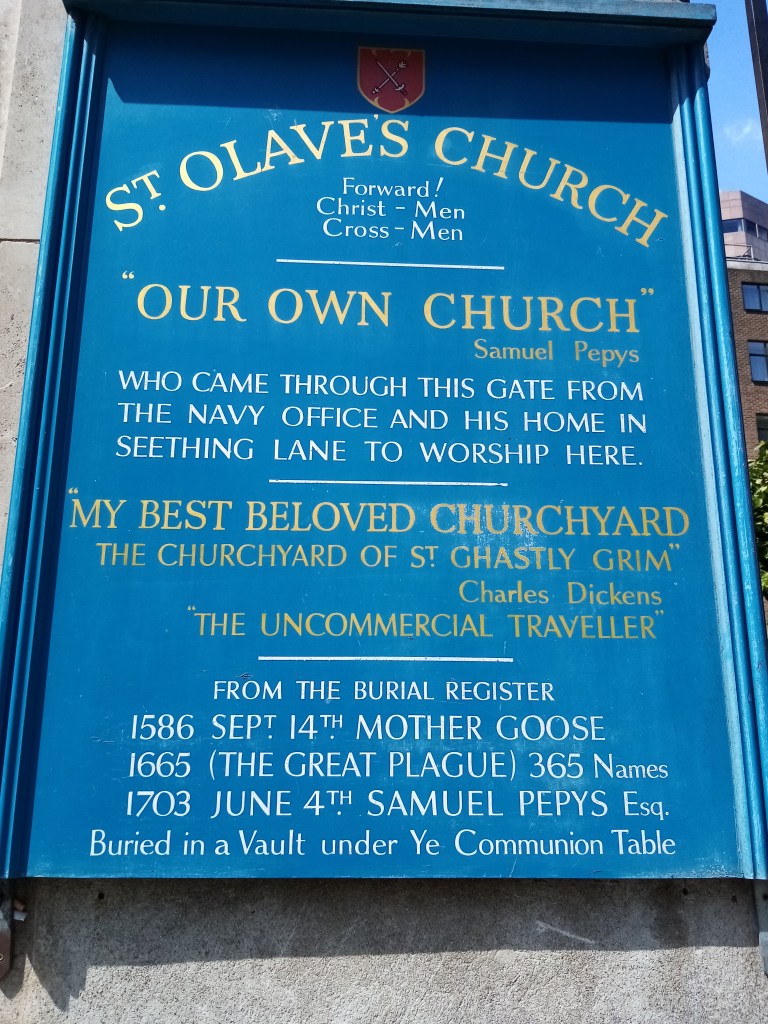
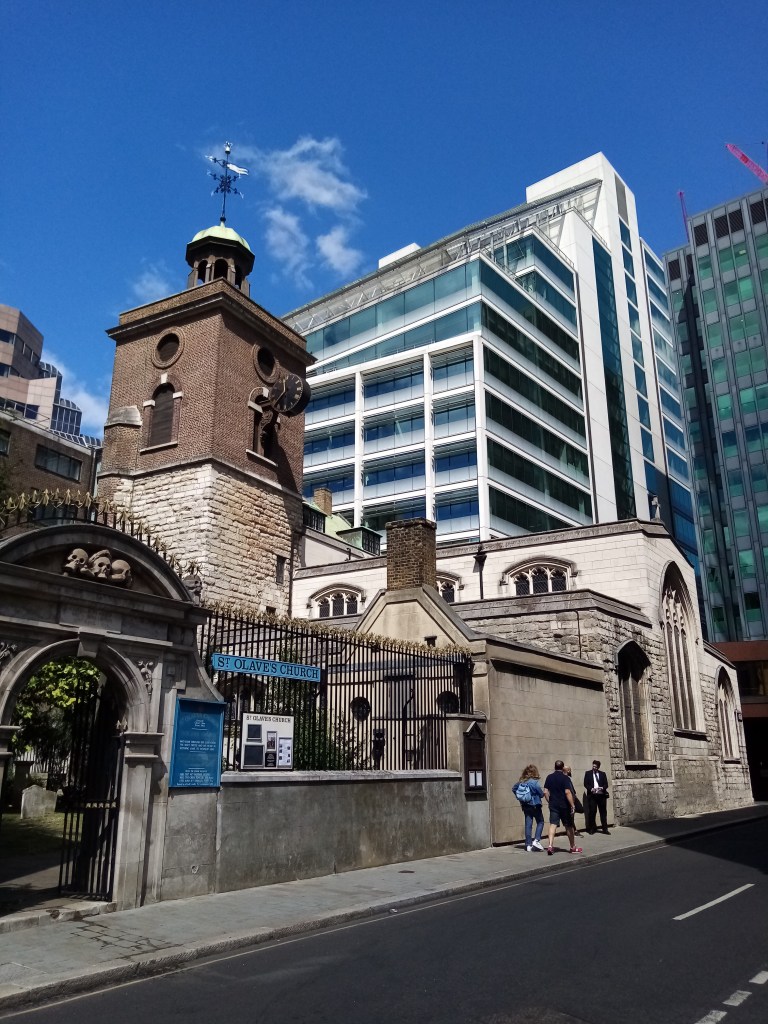
A little further north is St Olave’s church to which Dickens gives the name ‘The Church of Ghastly Grim’ in his collection of short stories The Uncommercial Traveller and calls it ‘my best beloved churchyard.’ He seems to have been fascinated with the 17th century gateway to the churchyard, once visiting it at midnight in a thunderstorm (for the true gothic horror experience, I suppose!) The actual church today is not as Dickens would have known it, having been gutted by bombs in 1941 and restored in 1954.

Dickens described the spikes on top of the gate as going down into the skulls! St Olave’s was a favourite church of Samuel Pepys too.

Source: Wikipedia

St George the Martyr, Southwark

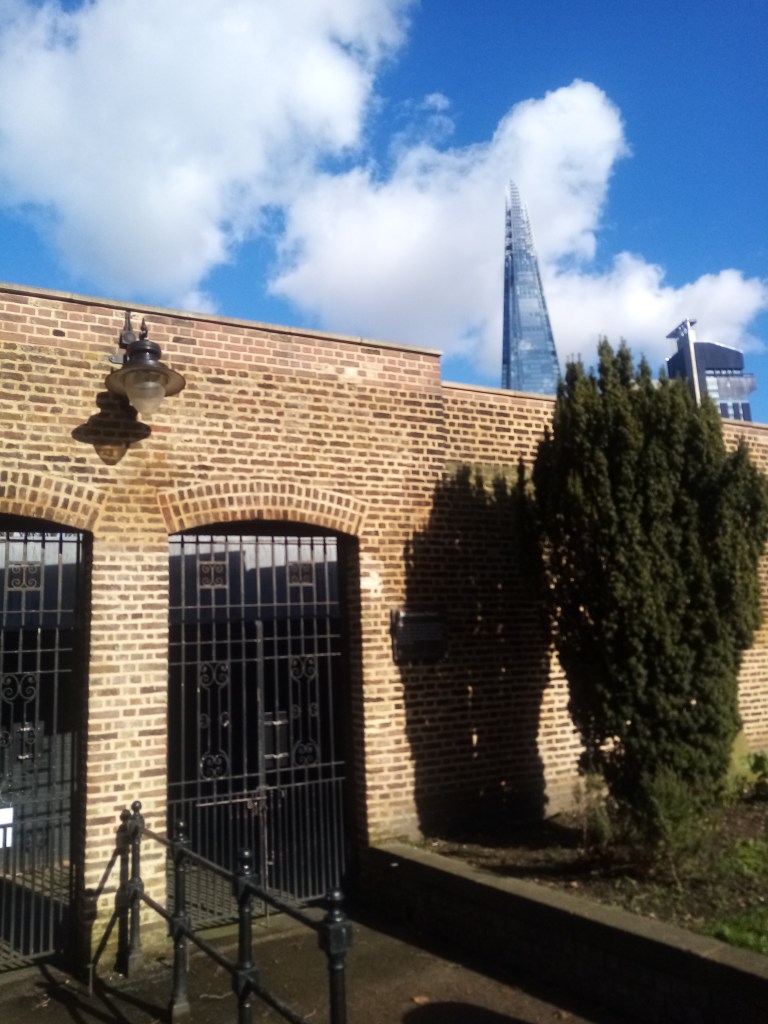
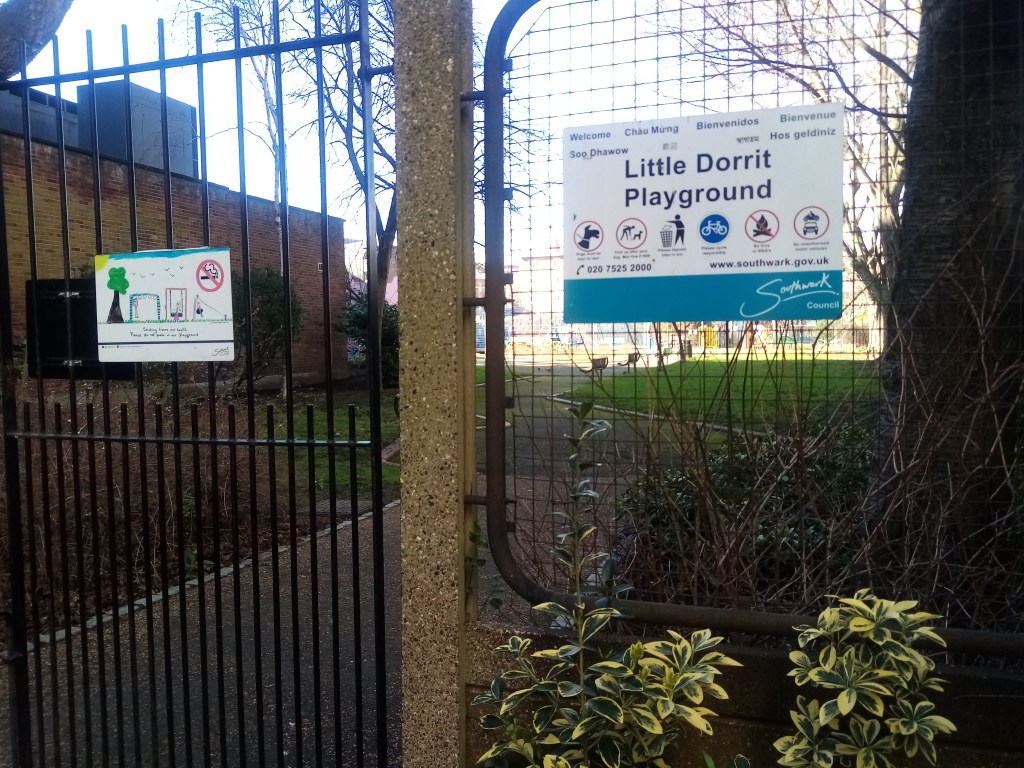
The borough of Southwark, south of the Thames, was also an area Charles Dickens knew well. He lodged with a family in Lant Street close to the Marshalsea Prison where his father was incarcerated for non payment of debts in 1824. The 12 year old Charles had to go out to work to help support the family, and this had a profound effect on him, and he often featured prison and debt in his works. Part of the remaining wall of The Marshalsea is a boundary of St George the Martyr churchyard, which in the 1800s would have been a burial ground. Both the church and the prison featured in Little Dorrit; Amy Dorrit was christened in the church and later married Arthur Clensham there. Amy’s father, William Dorrit was imprisoned in The Marshalsea. Little Dorrit Children’s Playground is across the road from the church, named in memory of the novel.

Source: charlesdickenspage.com

St Marylebone, Marylebone Road

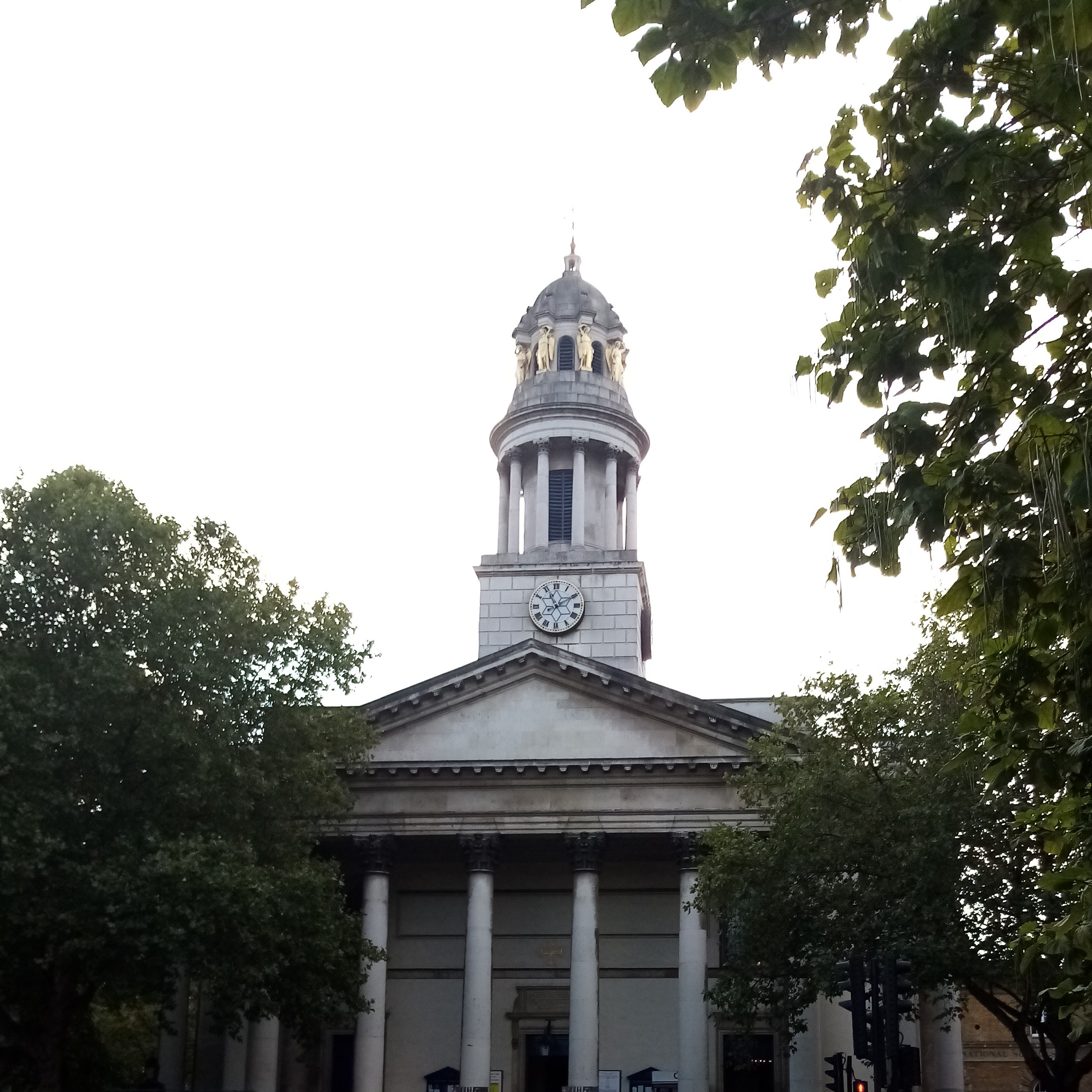
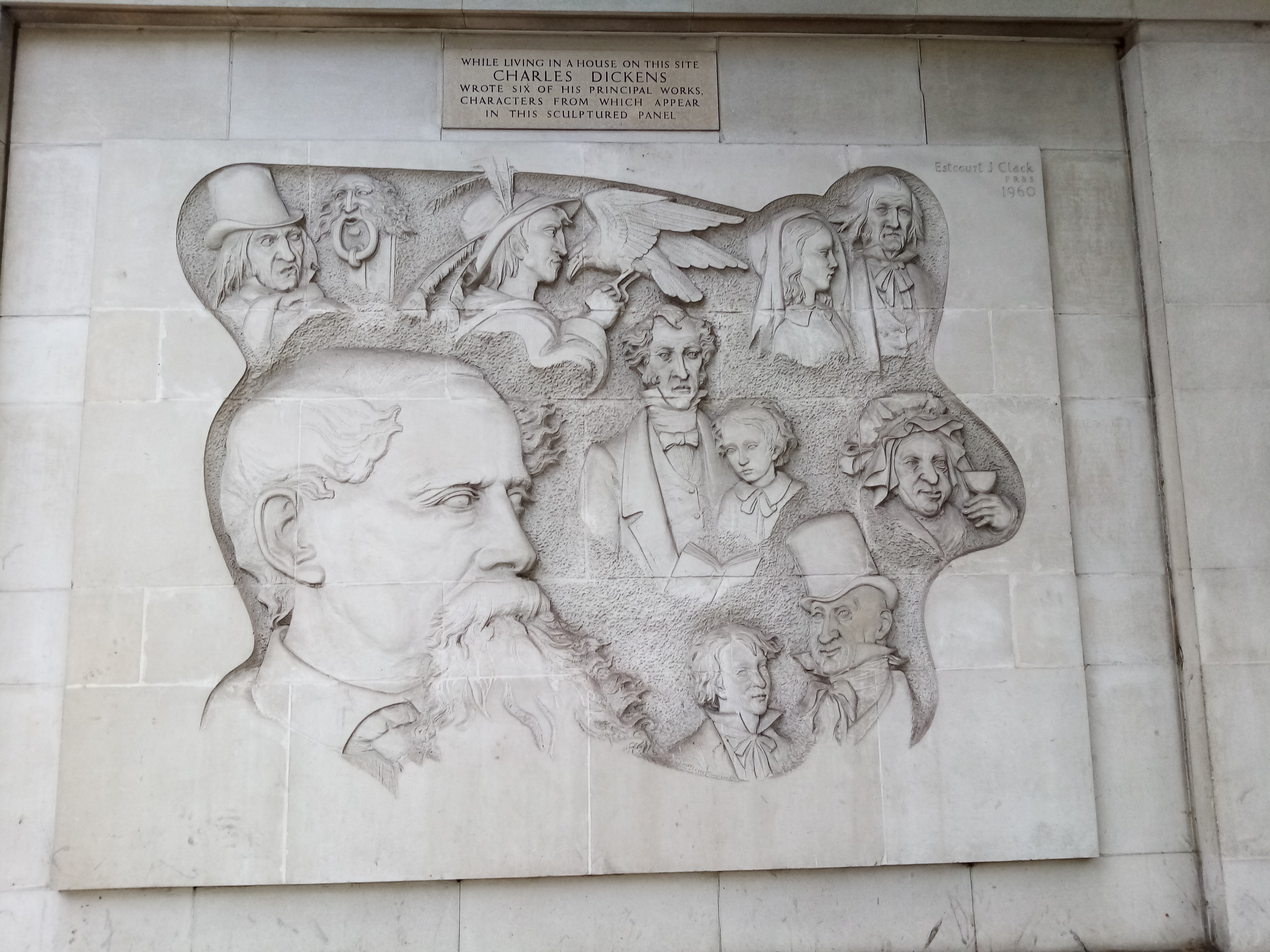
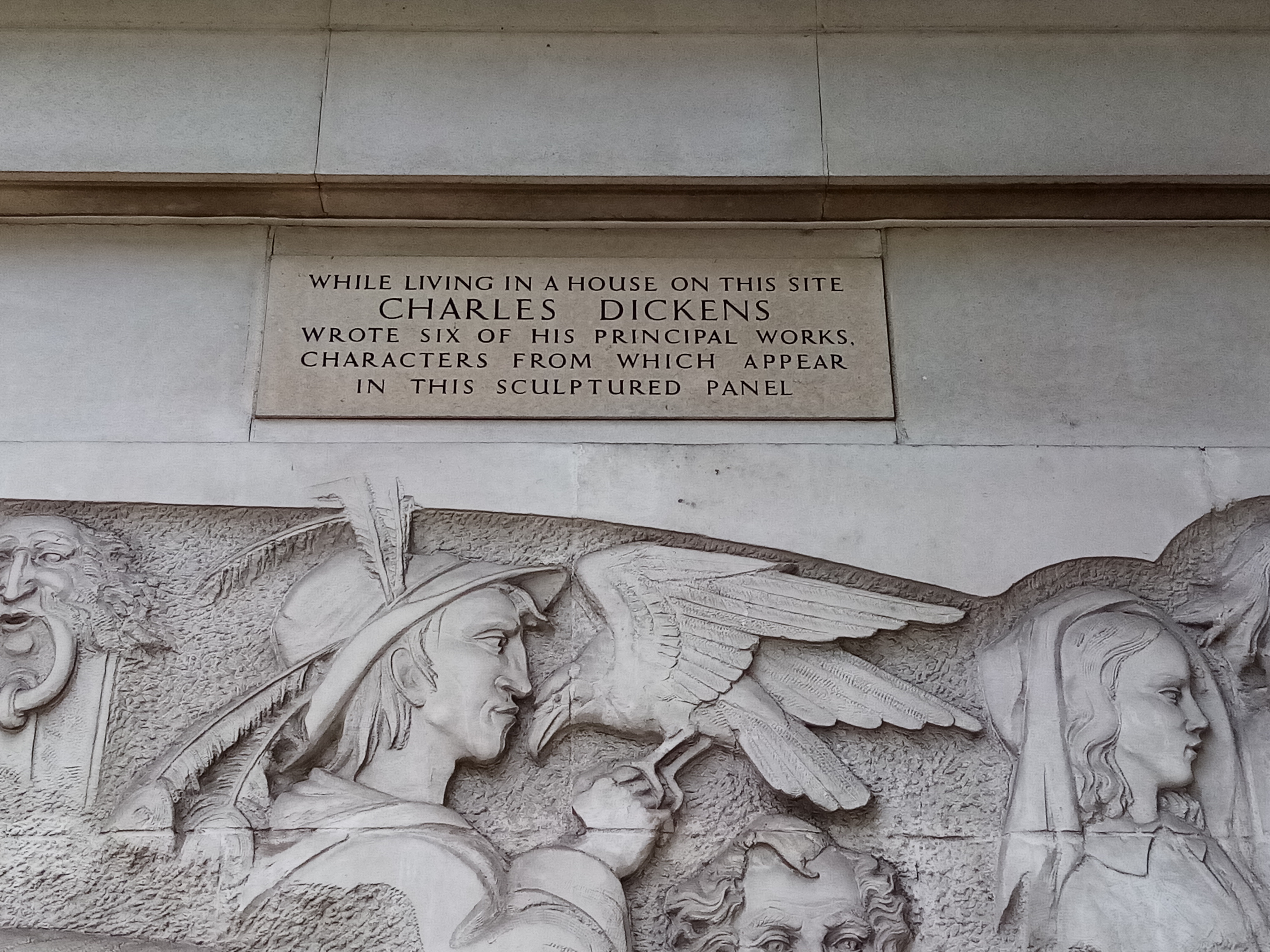
Dickens lived from 1839 to 1891 in Devonshire Terrace, close to the Parish Church of St Marylebone. His own son was baptised here and he used his experience of the ceremony in his novel Dombey and Son for the baptism of baby Paul. The house that Dickens lived in no longer stands but a relief plaque was erected on the present building showing characters from the six works he wrote while living here: Scrooge, Barnaby Rudge, Little Nell and Granddad, Dombey and daughter, Mrs Gamp, David Copperfield, Mr Micawber. The large head is unmistakably Dickens himself.

St Marylebone Church

Source: londonremembers.com

January – Nativity! ll

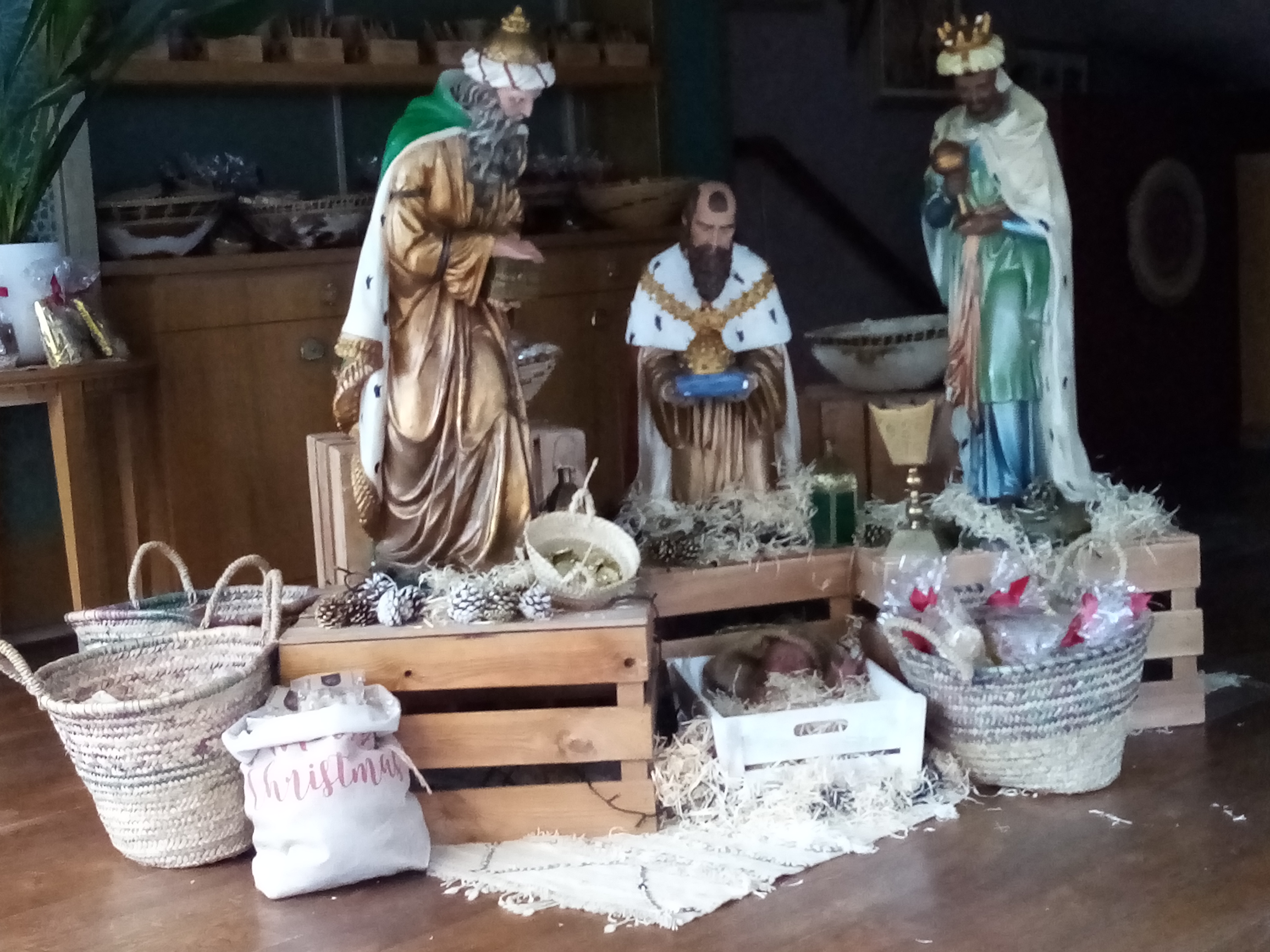
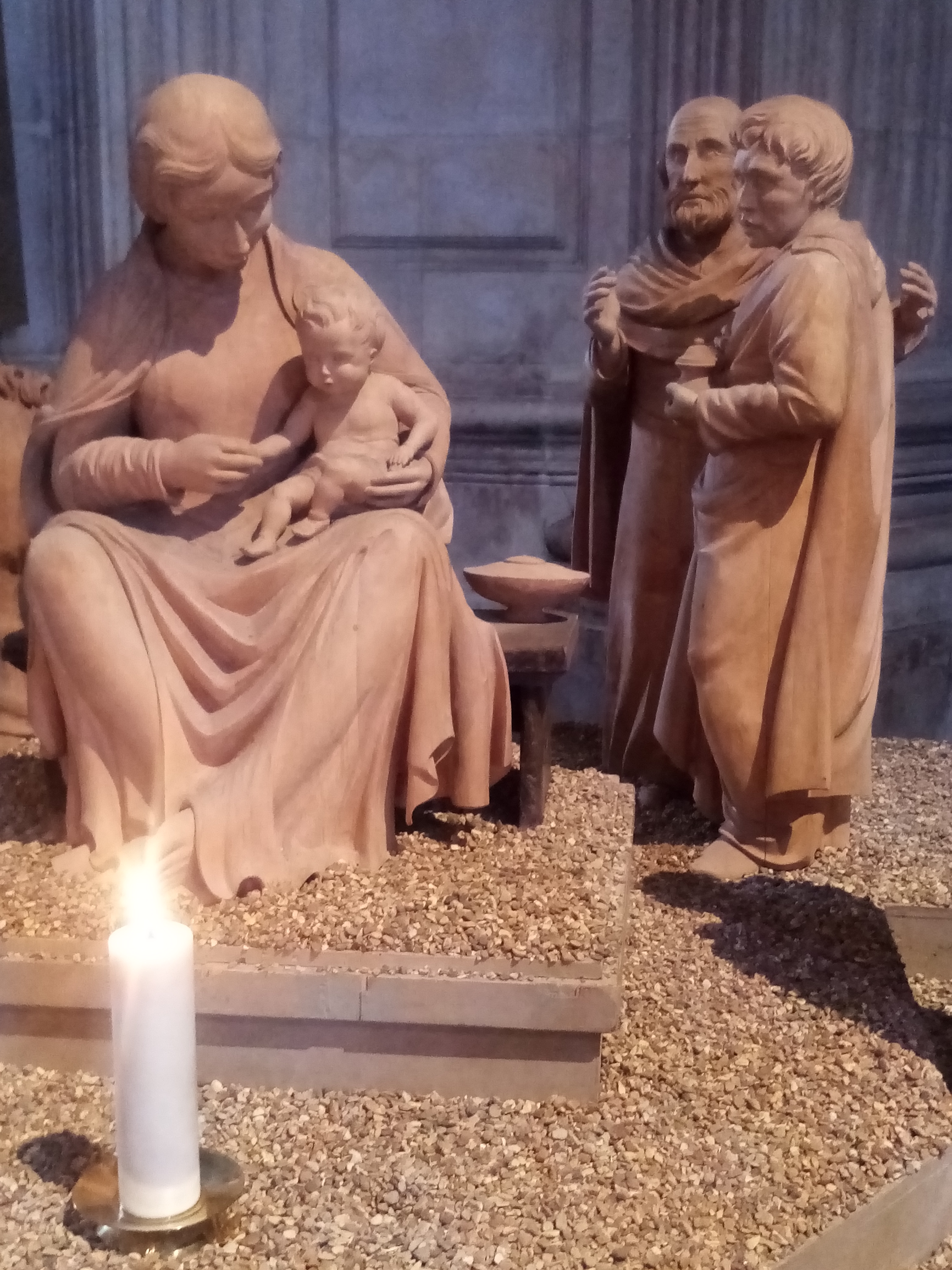
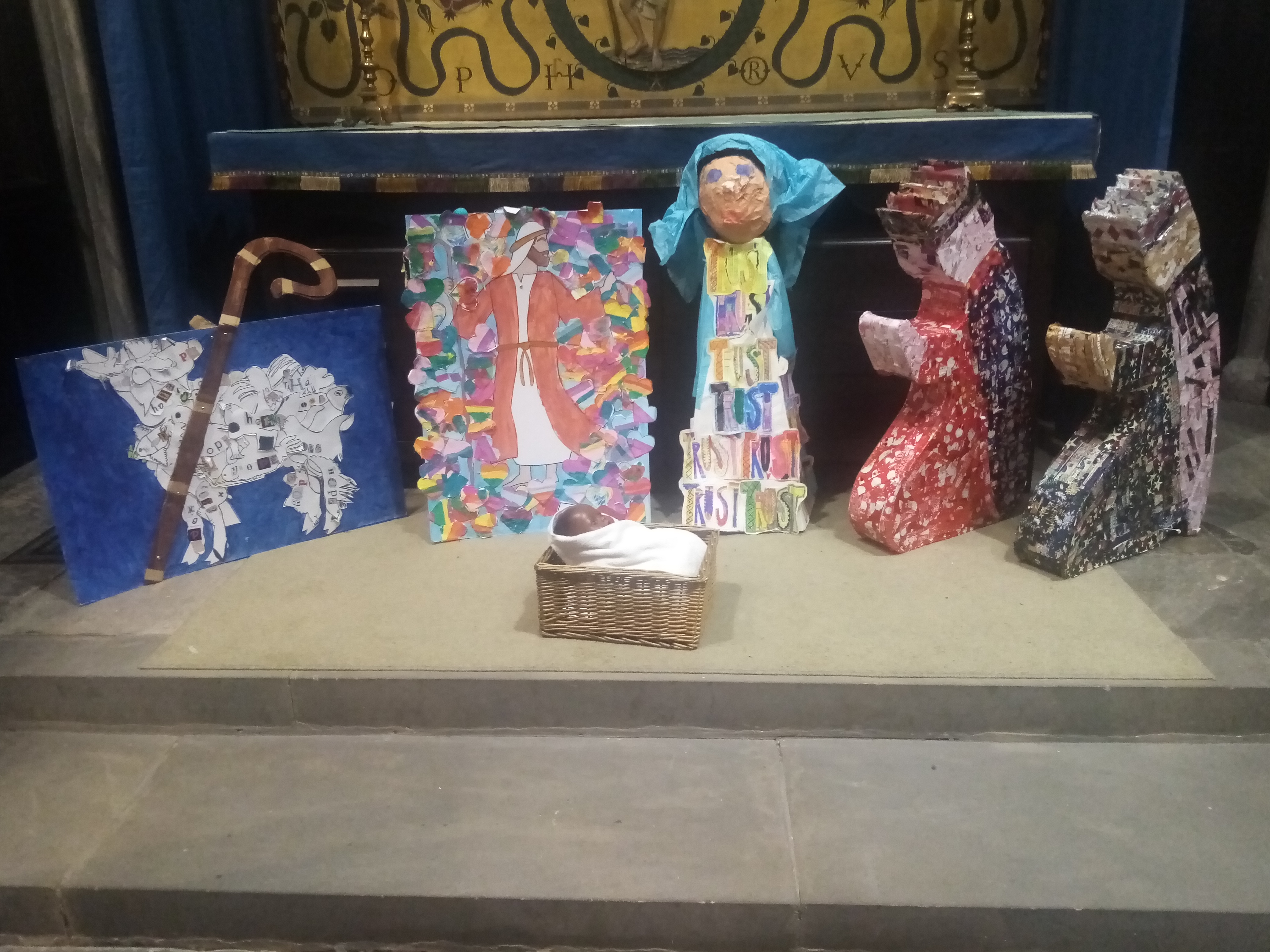
Traditionally, the visit of the Wise Men, or the Magi, is celebrated at the Feast of the Epiphany on 6th January, 12 days after Christmas Day. However, scholars of the scriptures generally agree that the visit would have occurred sometime after the presentation of Jesus at the Temple, around 40 days after his birth, after which the family returned home to Nazareth (Luke 2 v39). The Bible account says that the Wise Men visited Jesus at a house (Matthew 2 v10), where they worshipped him and gave him gifts of gold, frankincense and myrrh. There were possibly as many as twelve Wise Men; the depiction of three of them in popular carols and art comes from the fact that there were three types of gift. This varied selection of Nativities feature the Wise Men, three of them, present at Jesus’ birth, as cultural tradition has it!

Beautiful life sized figures in the Frankincense shop, Notting Hill
Westminster Cathedral Shop window, displaying ornate Wise Men and Camel
St Paul’s Cathedral. the baby Jesus seems to be a little older, but the scene still appears to be a stable!
The Wise Men look as though they are sharing their joy that: They were in the right place! They had arrived at the right time! Matthew 2 v10, The Message Bible

Nativity at Southwark Cathedral, made by local school children
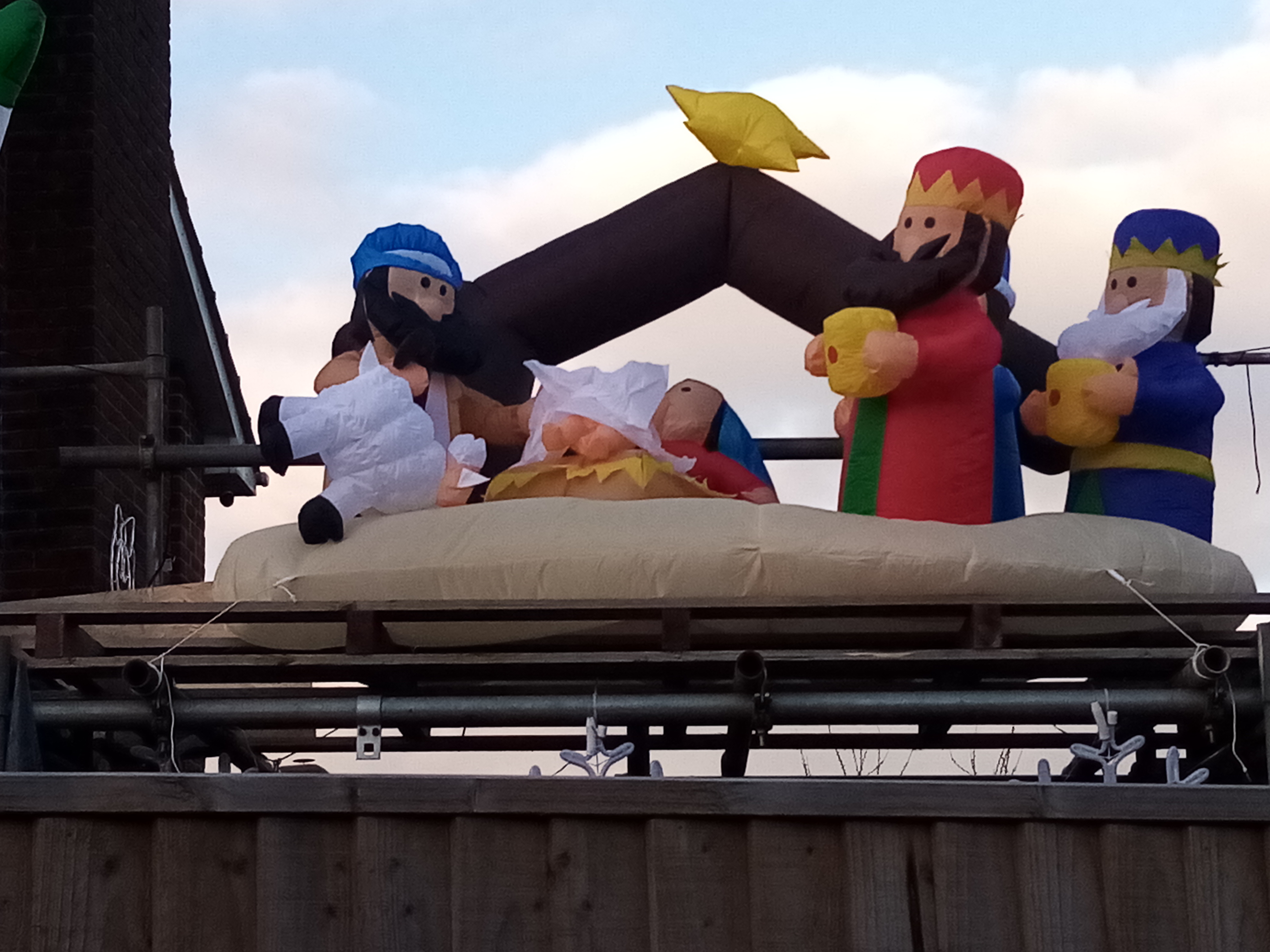
And finally, an inflatable Nativity at a private house. Brilliant!

December – Nativity!

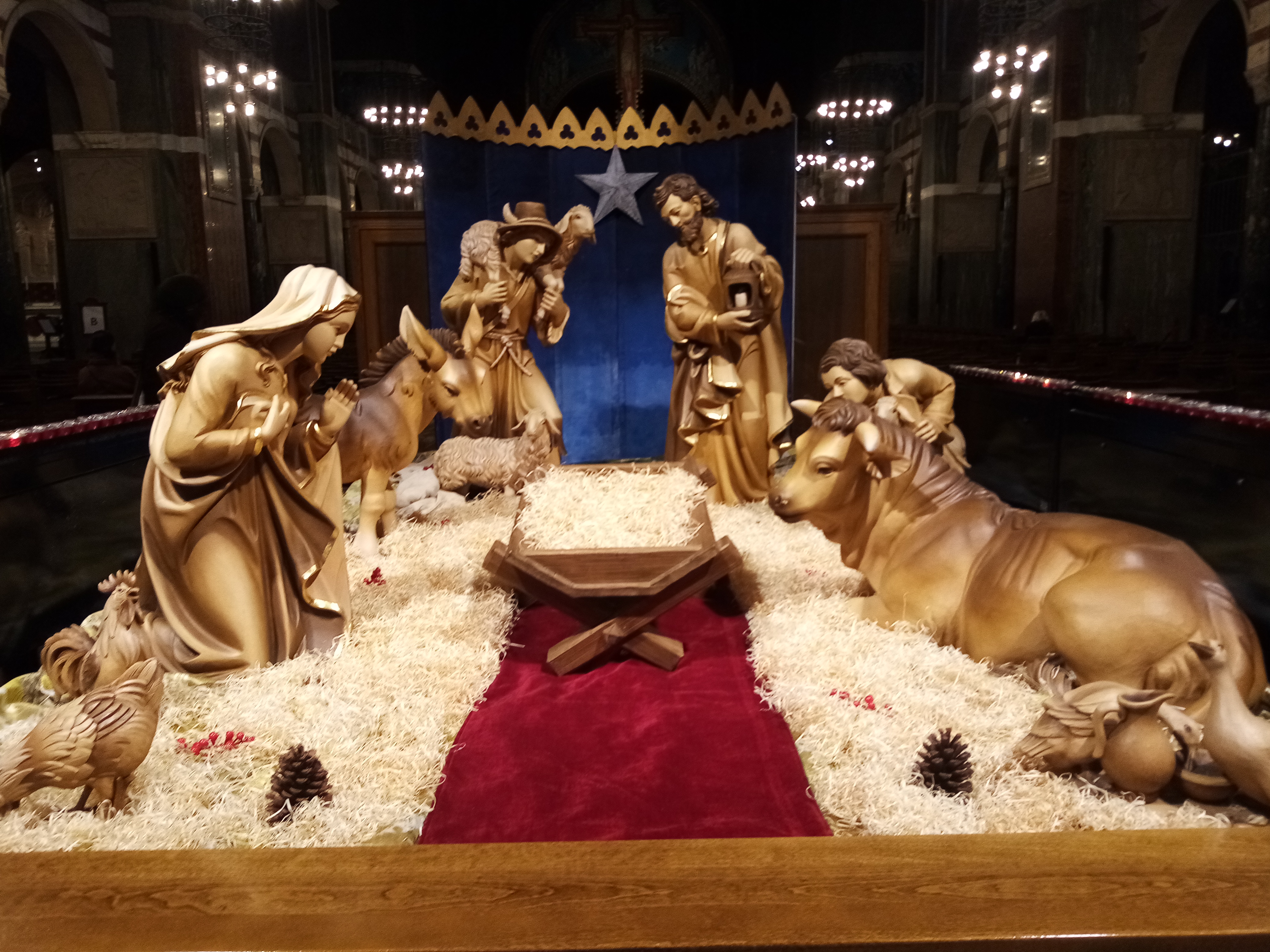
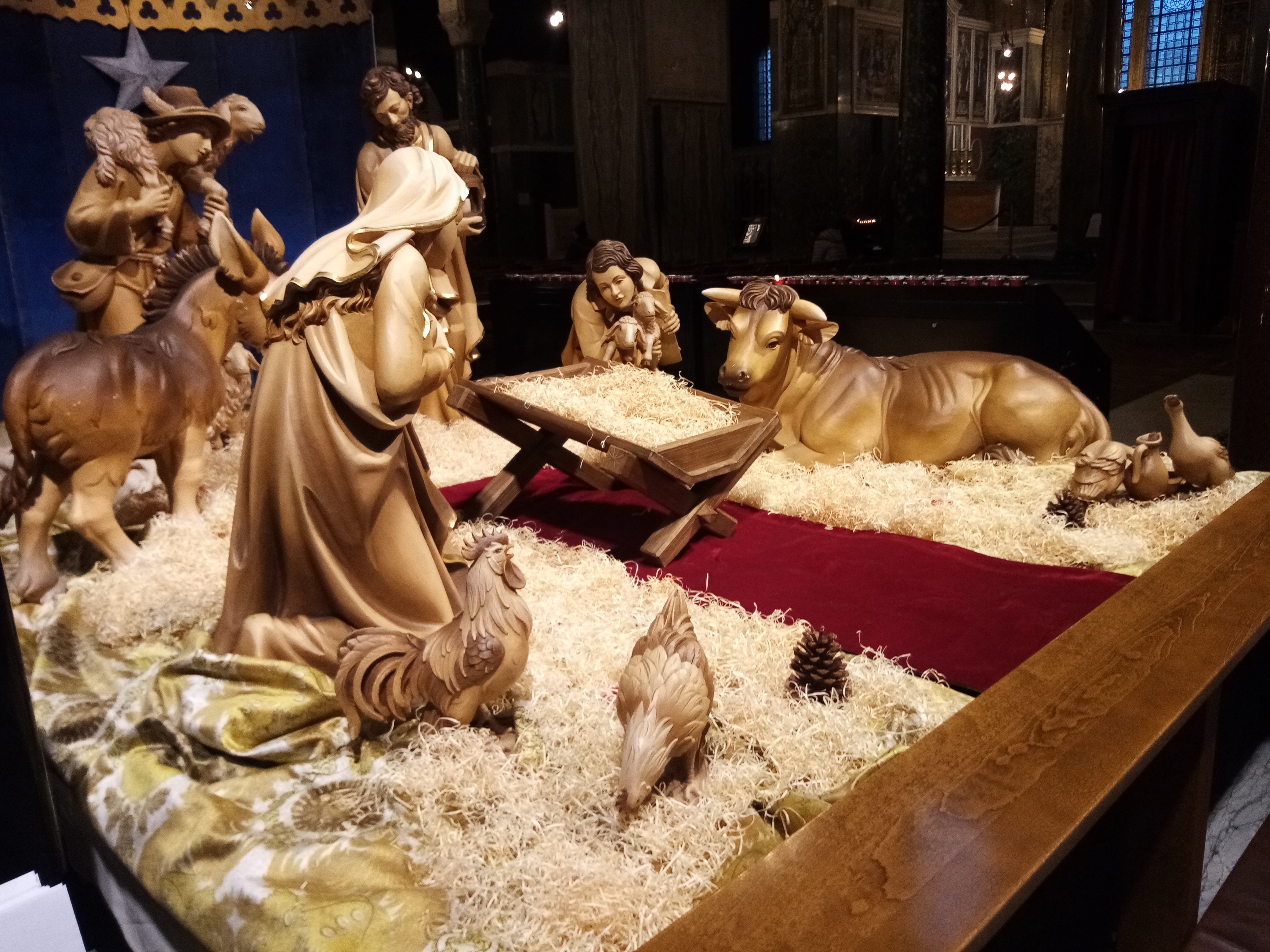
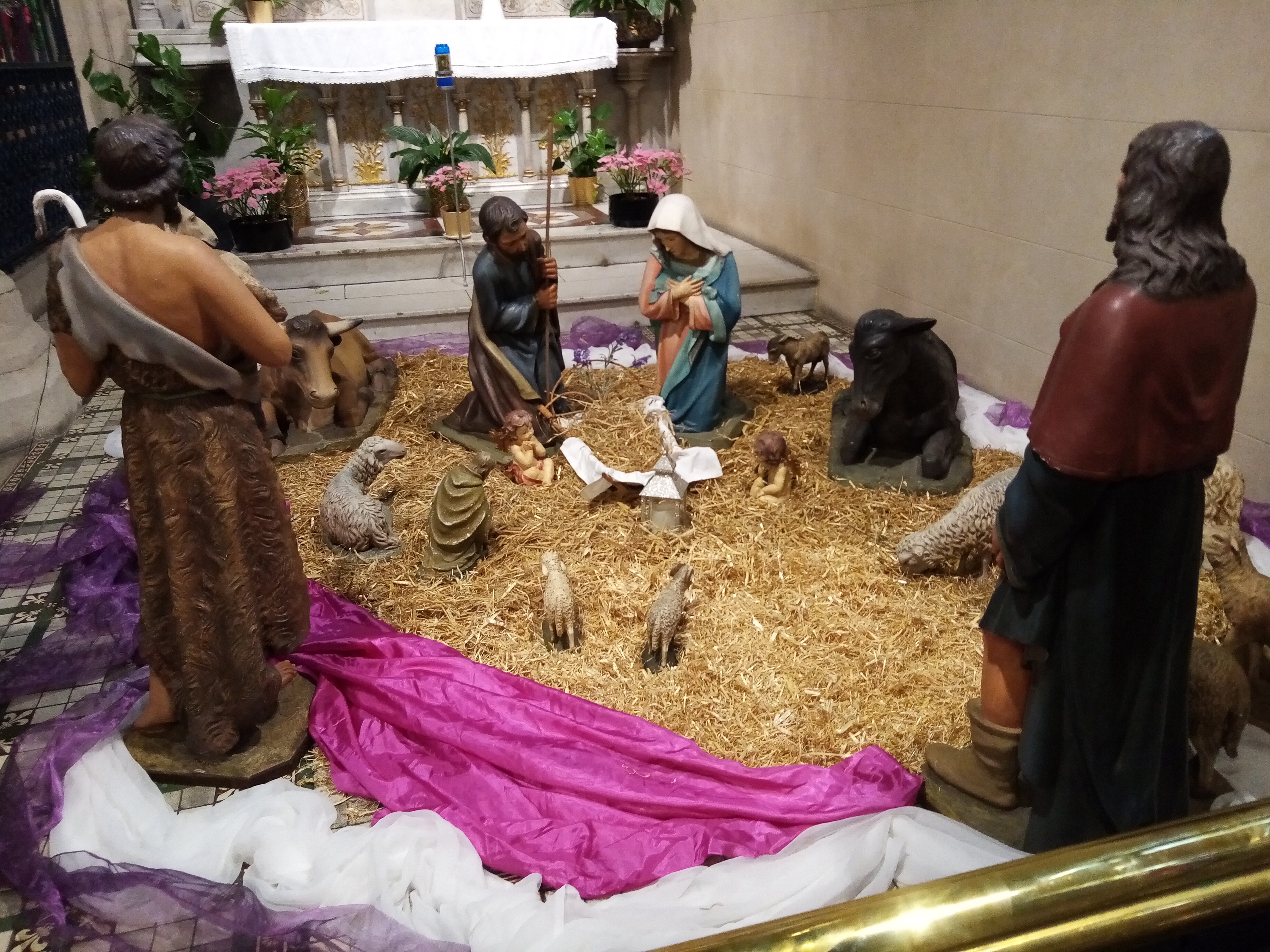
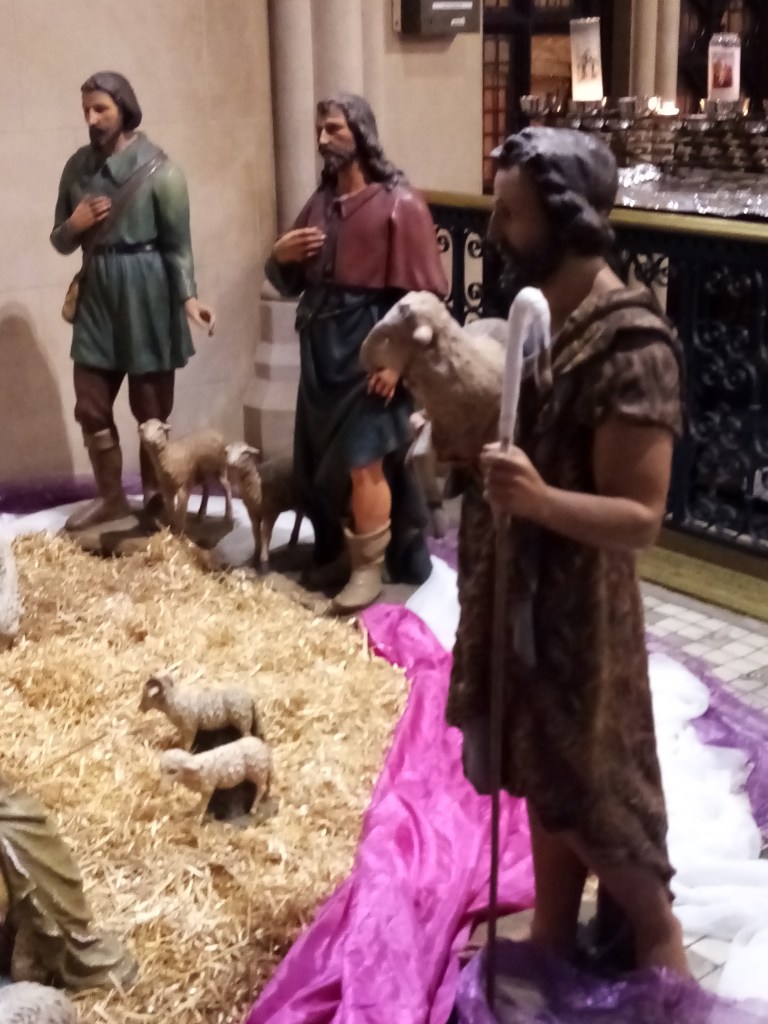
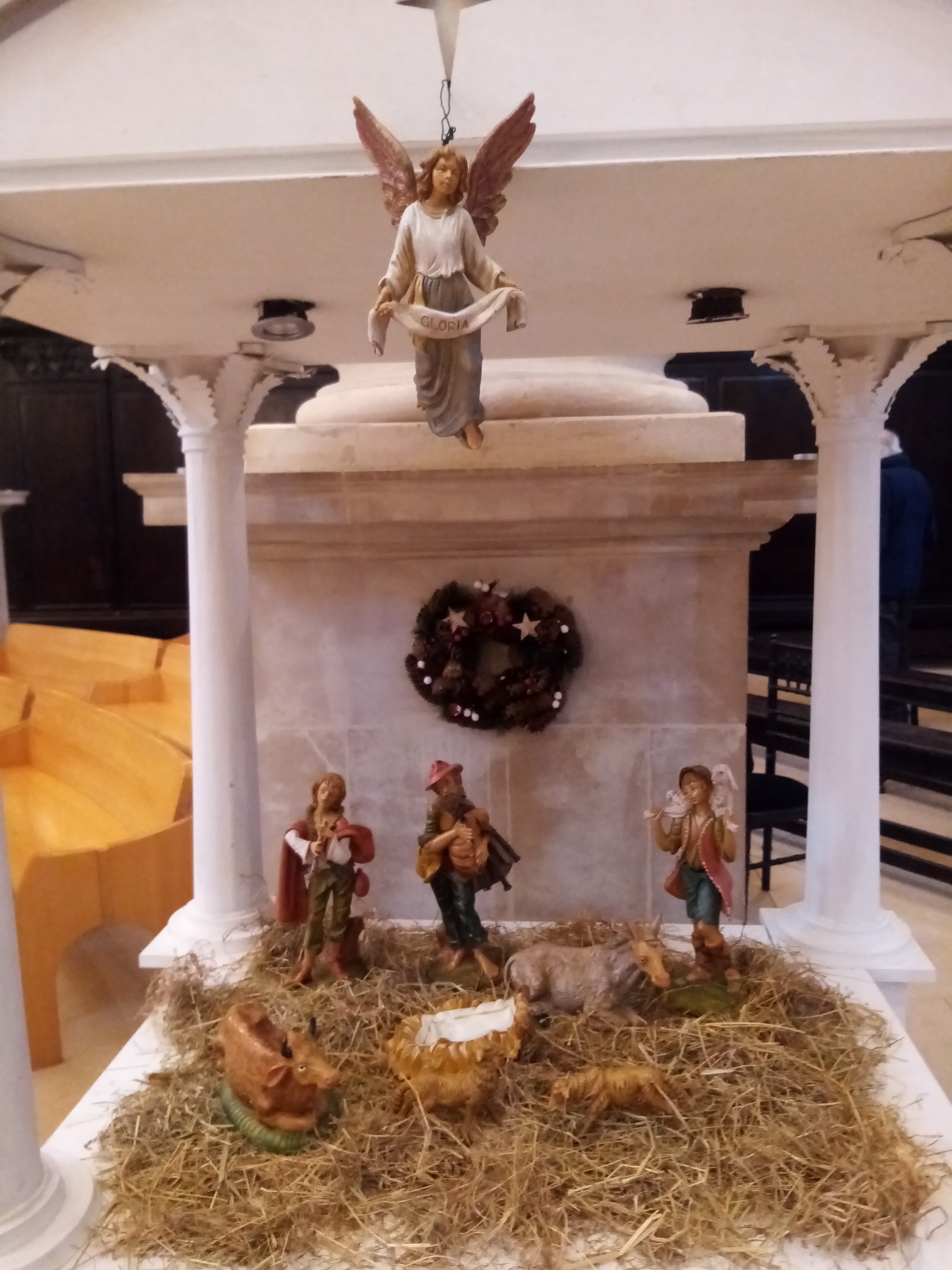
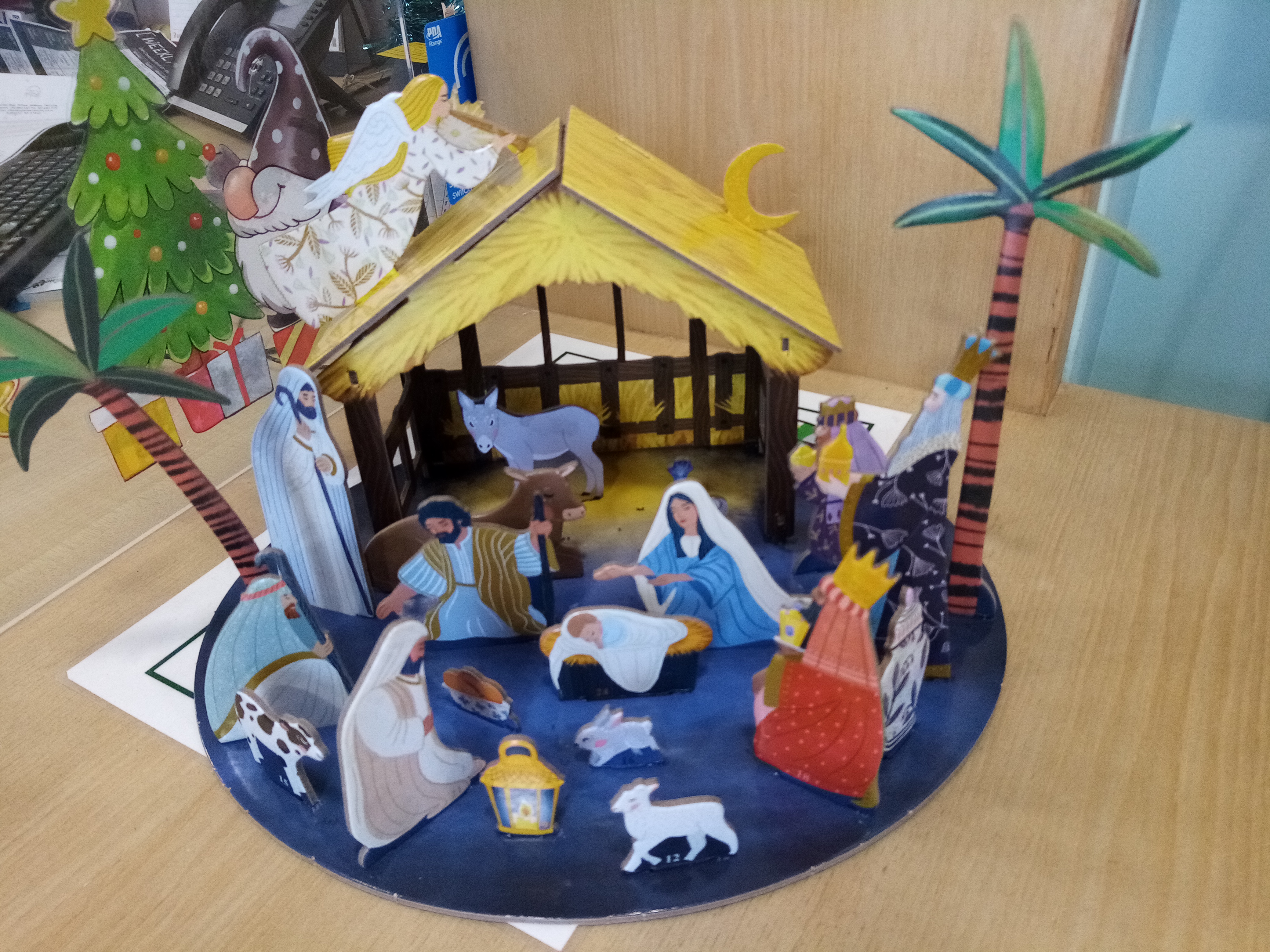
Another selection of Nativity displays around the capital, in churches, cathedrals, shops, and a couple of other places too. I’ve noticed that some nativity scenes show an empty manger, awaiting the birth of Jesus, with Mary, Joseph and the shepherds present, and others feature the Wise Men visiting Jesus with their gifts, traditionally after Christmas on Twelfth Night, the 6th January. So this year I’ve continued the Nativity theme into January to reflect these different styles. As usual I’ve included a few quirky/cute ones!
Westminster Cathedral
I like the inclusion of farmyard animals to set the scene!

St Mary of the Angels Catholic Church, Bayswater

St Stephen Walbrook, City of London

Three tiny nativities to finish off….

Paper Nativity, Highview Primary School
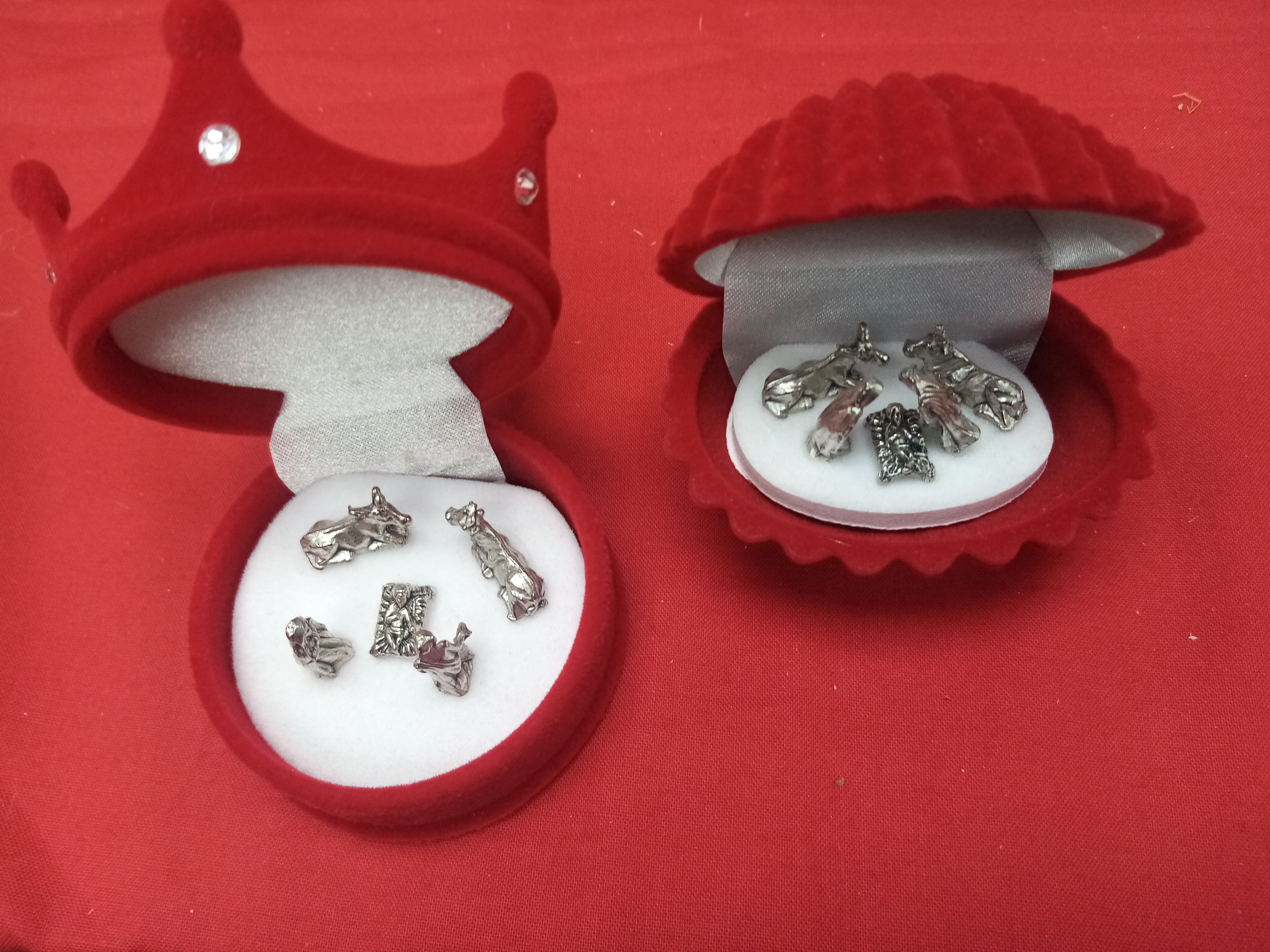
Miniature Nativities, Oasis Bookshop
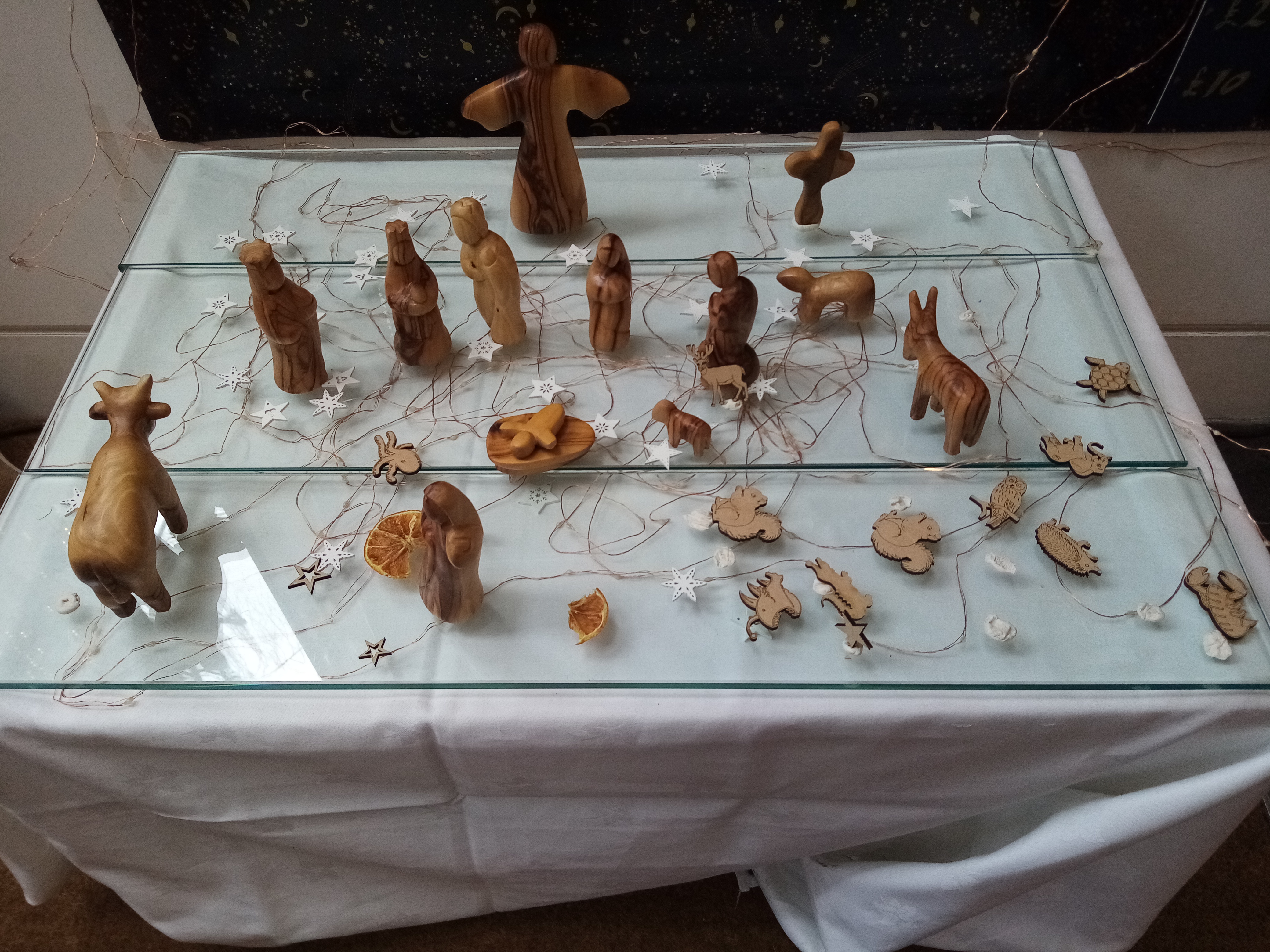
Table top Nativity, Westbourne Grove Church

November – Churches by the Thames ll

Four more churches situated close to the River Thames; two of them were actually built on the river banks, before extensive embankments were constructed in Victorian times. Three of the churches are located in West-Central London, one is further to the West, but still in a South London borough. All eight of the churches featured in October and November are mentioned in Thames Path by David Sharp, the Official National Trail Guide. I must have passed all of these churches without realising it, as I’ve walked the Path from Windsor to the Thames Barrier (as well as lots of other parts upstream!)

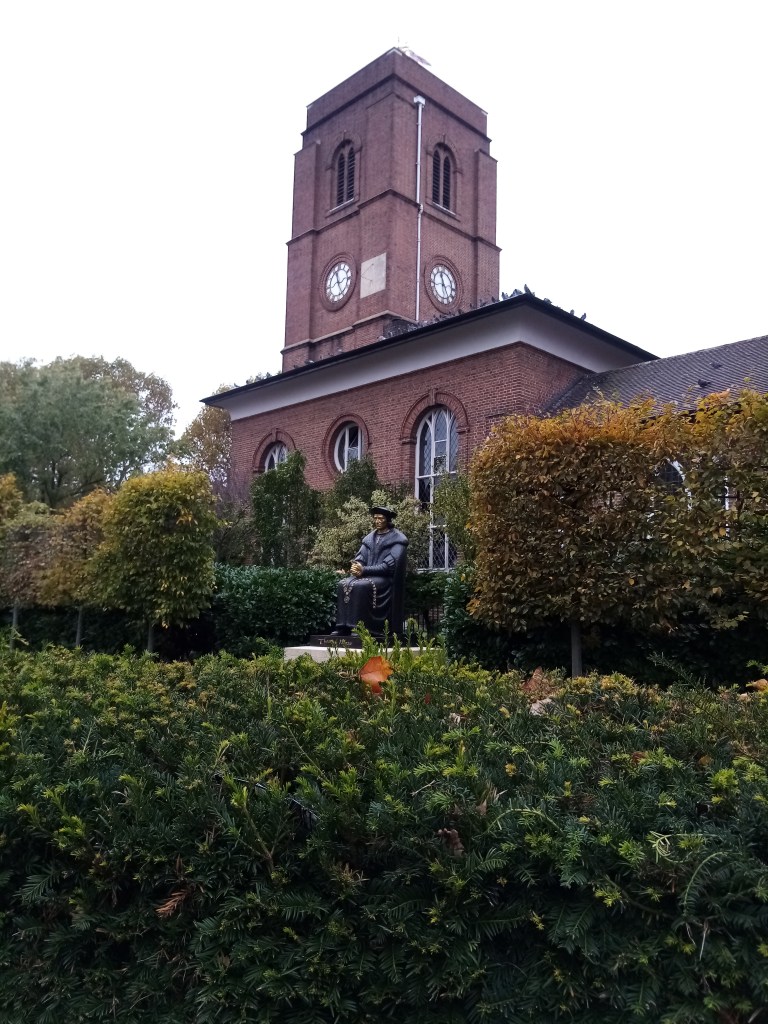
Chelsea Old Church

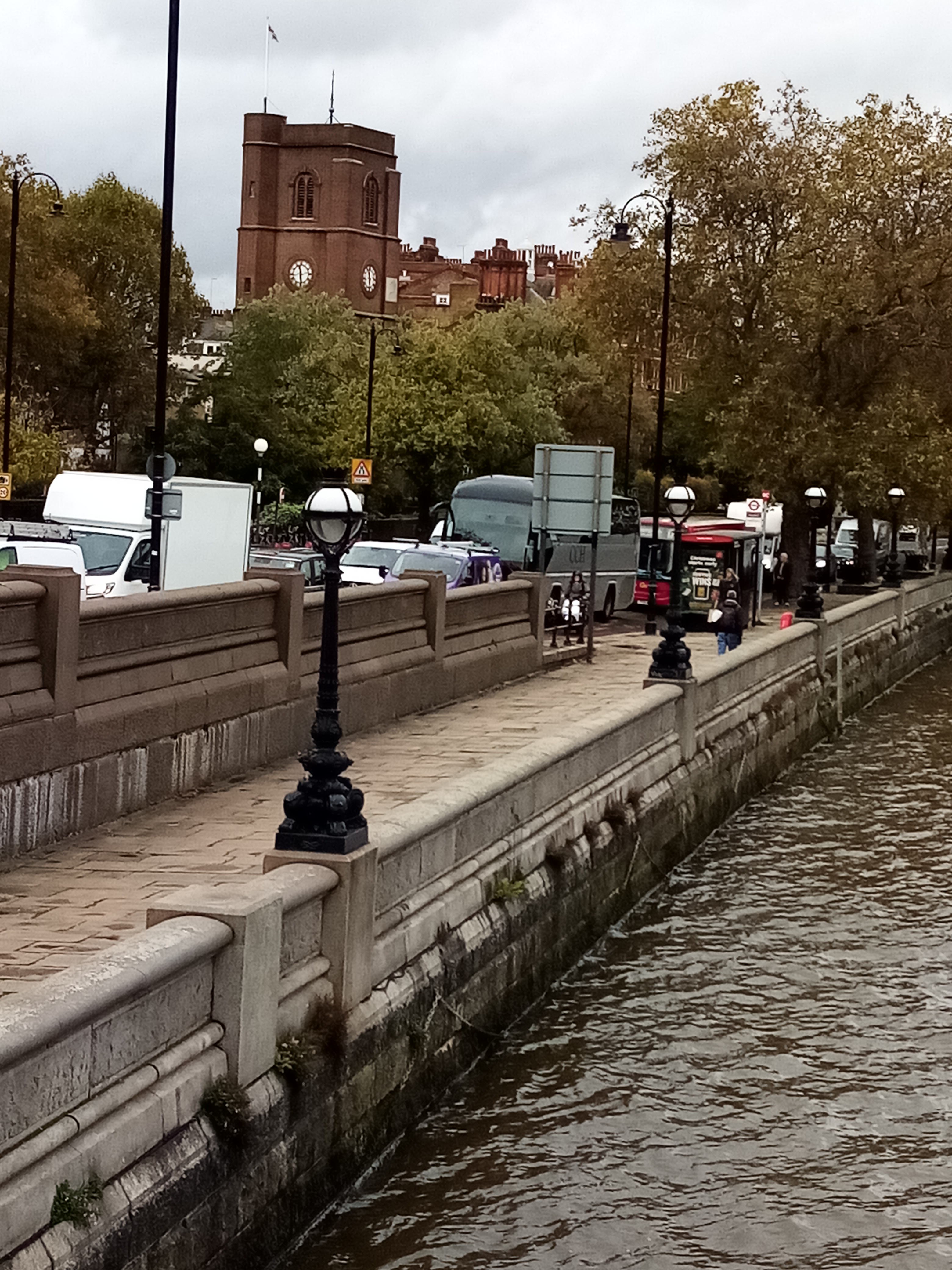
Chelsea Old Church from Battersea Bridge

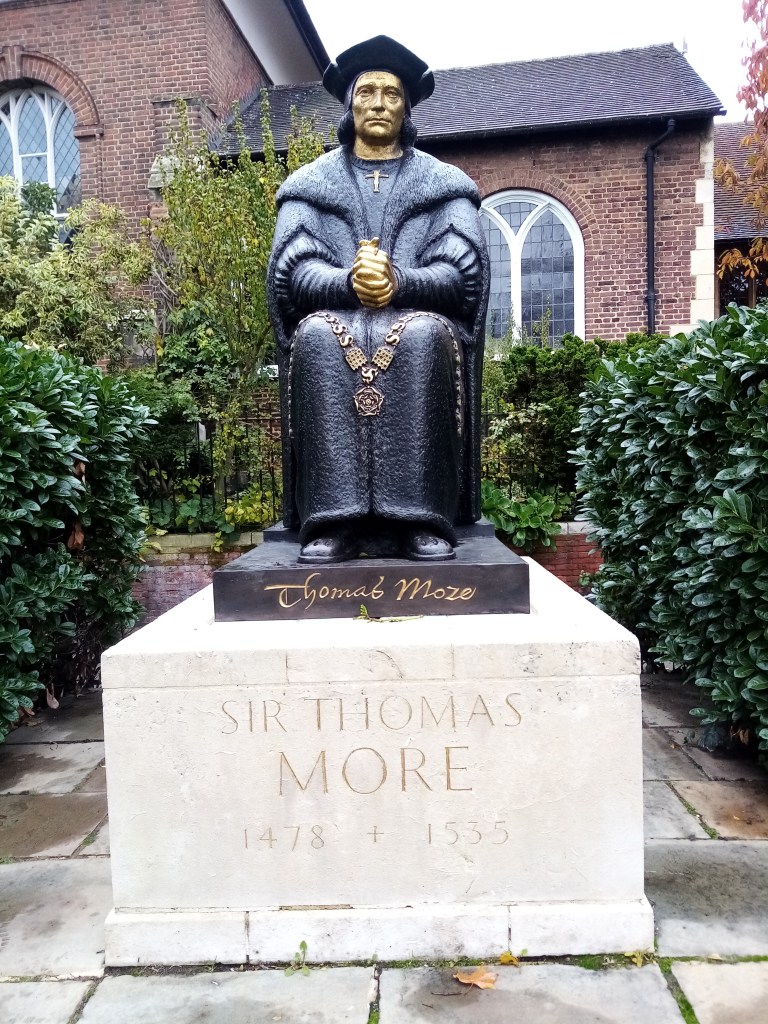
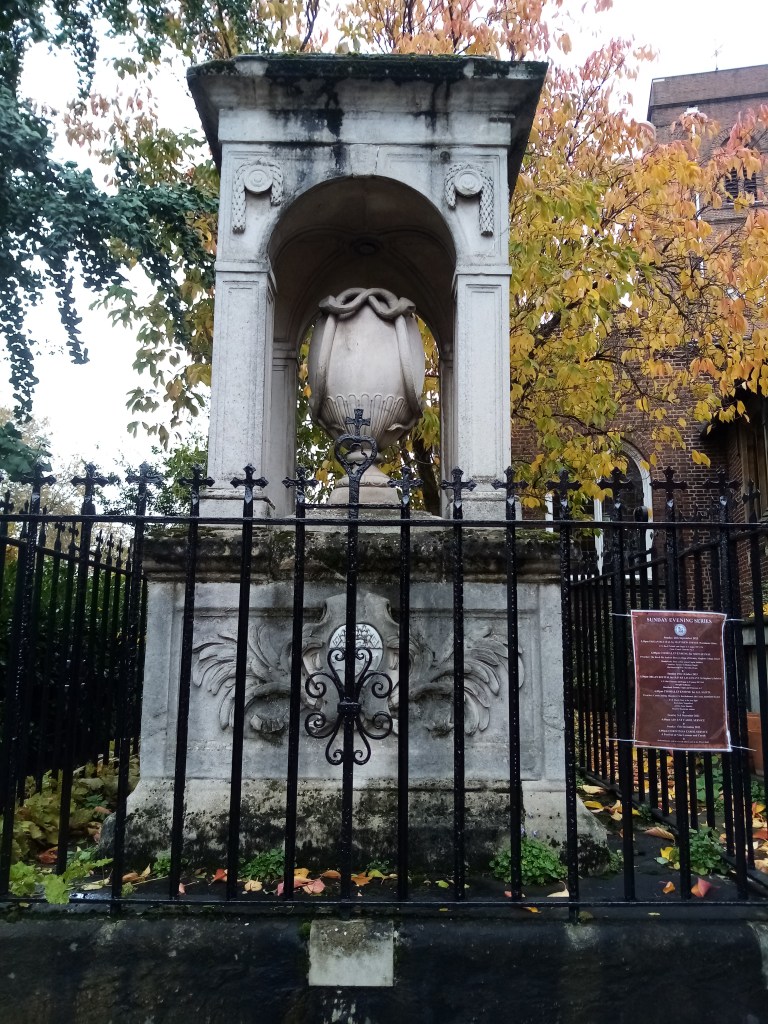
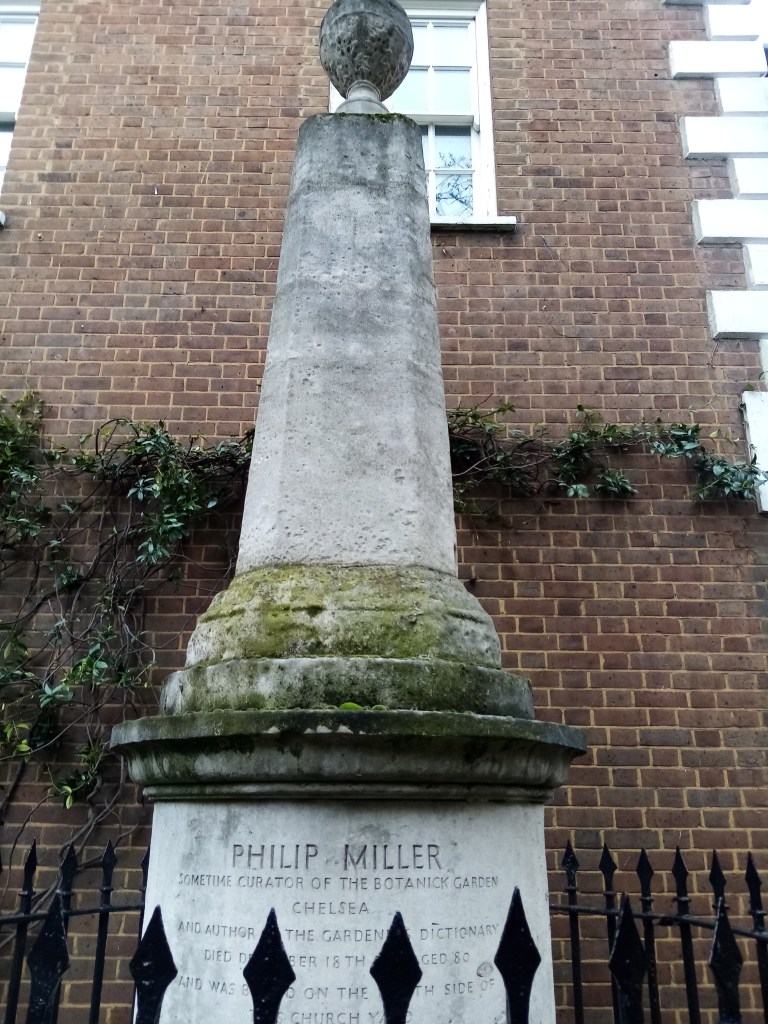
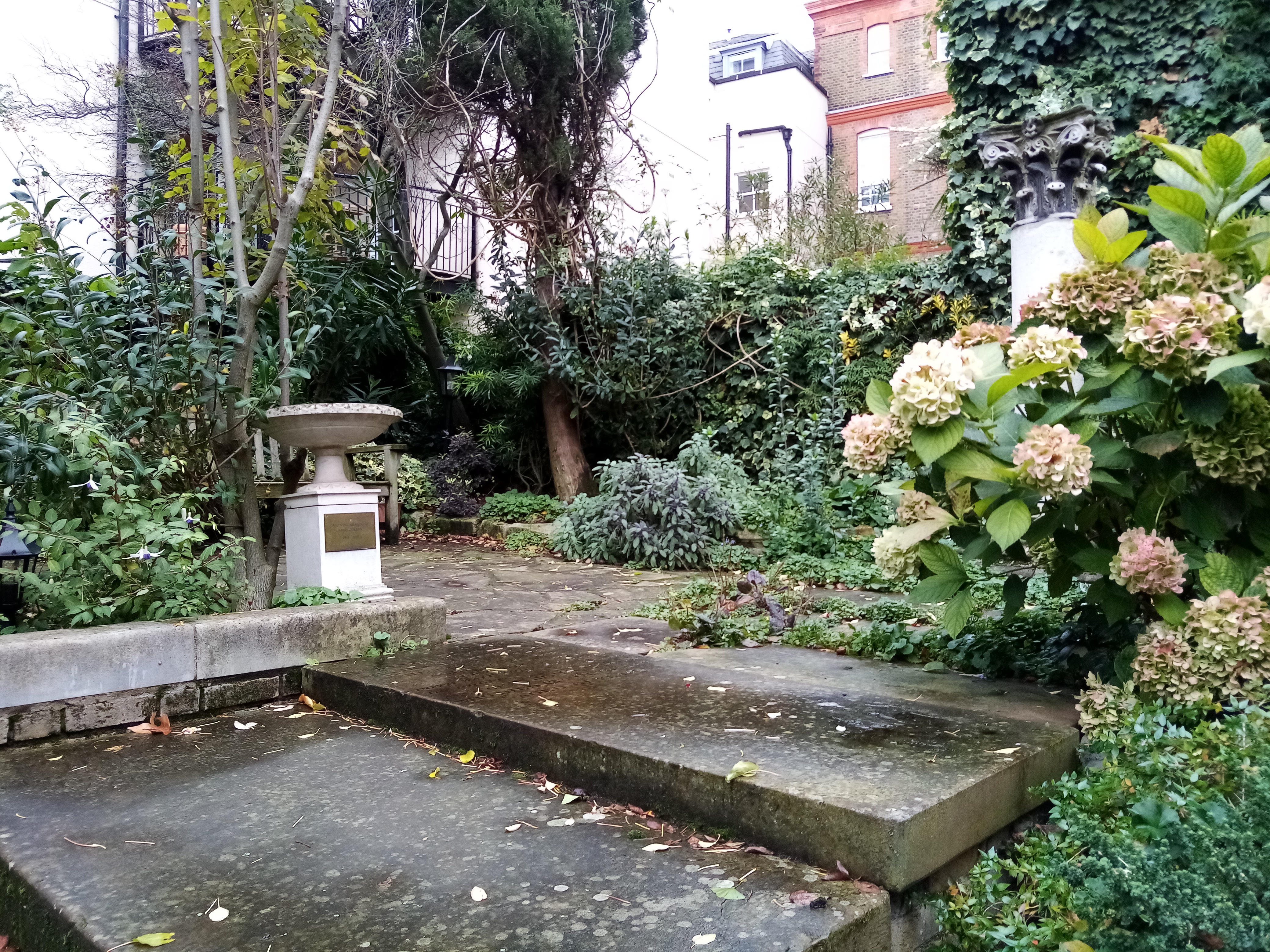
Also known as All Saints, this church is situated at one end of Cheyne Walk, which fronted the River before the construction of the Chelsea Embankment. Once the parish church of the village of Chelsea, the site comprised two private chapels as well as the public church building, which dates from the 13th century. One of the chapels was rebuilt in 1528 by Thomas More, Henry Vlll’s High Chancellor, for his private use. There’s a statue of More in the church grounds facing the River. Another royal connection is that Henry’s 6th wife, Katherine Parr who survived him, moved to the Manor House in the rural parish of Chelsea after the king’s death. She had been caring for her younger step-children, Princess Elizabeth and Prince Edward at court, and when 9 year old Edward ascended the throne, she continued as guardian to 13 year old Elizabeth and also to the ill-fated 9 year old Lady Jane Grey. So a former queen and two future queens would have attended this small country church together! The churchyard has a small, pretty garden which contains a memorial to Sir Hans Sloane, co-founder of the British Museum and the Natural History Museum. Nearby Hans Place and more famously, Sloane Square, are named after him.

Sources: Wikipedia, Chelsea Old Church website  

St Mary’s, Battersea

St Mary’s Battersea and the River

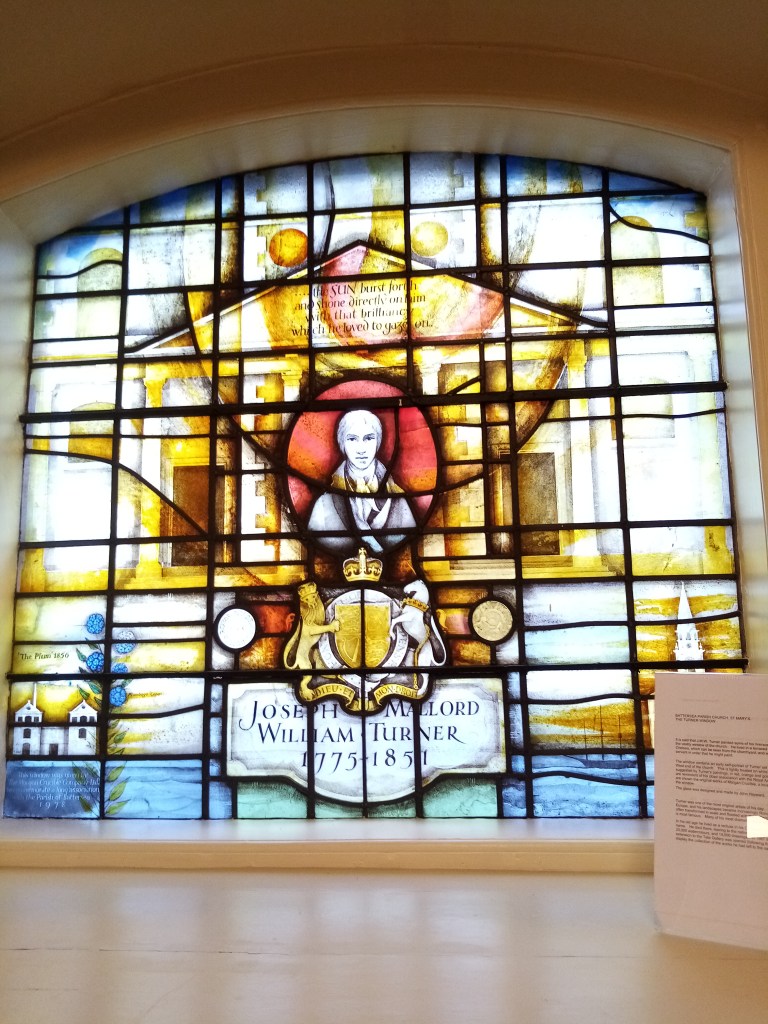
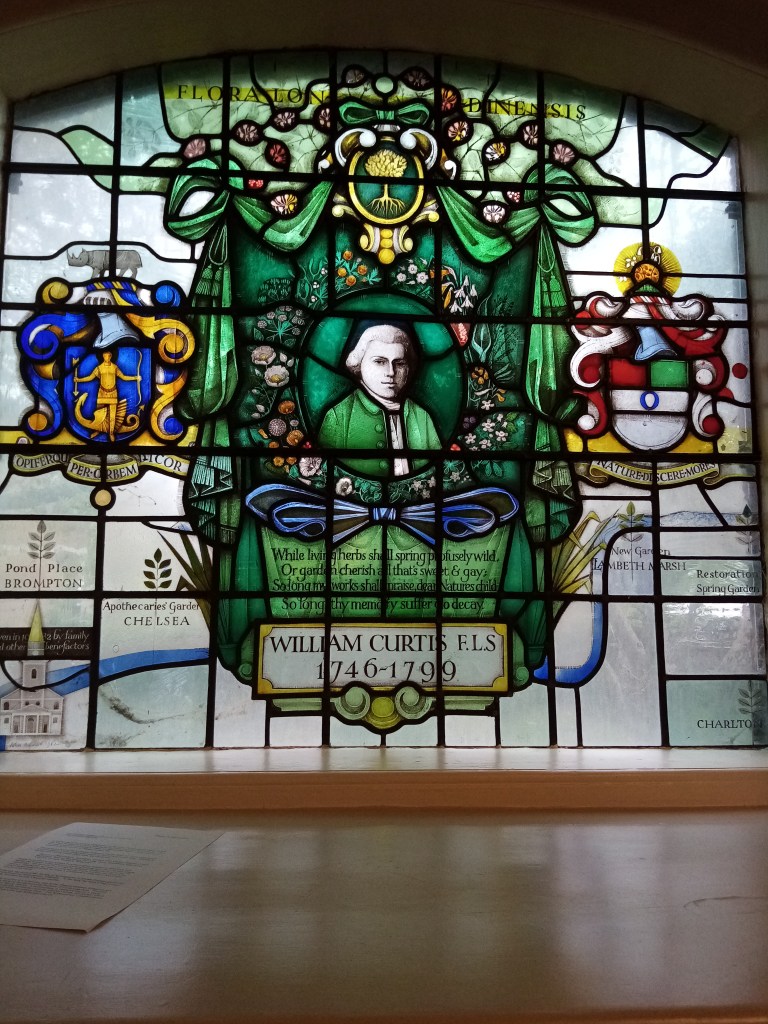
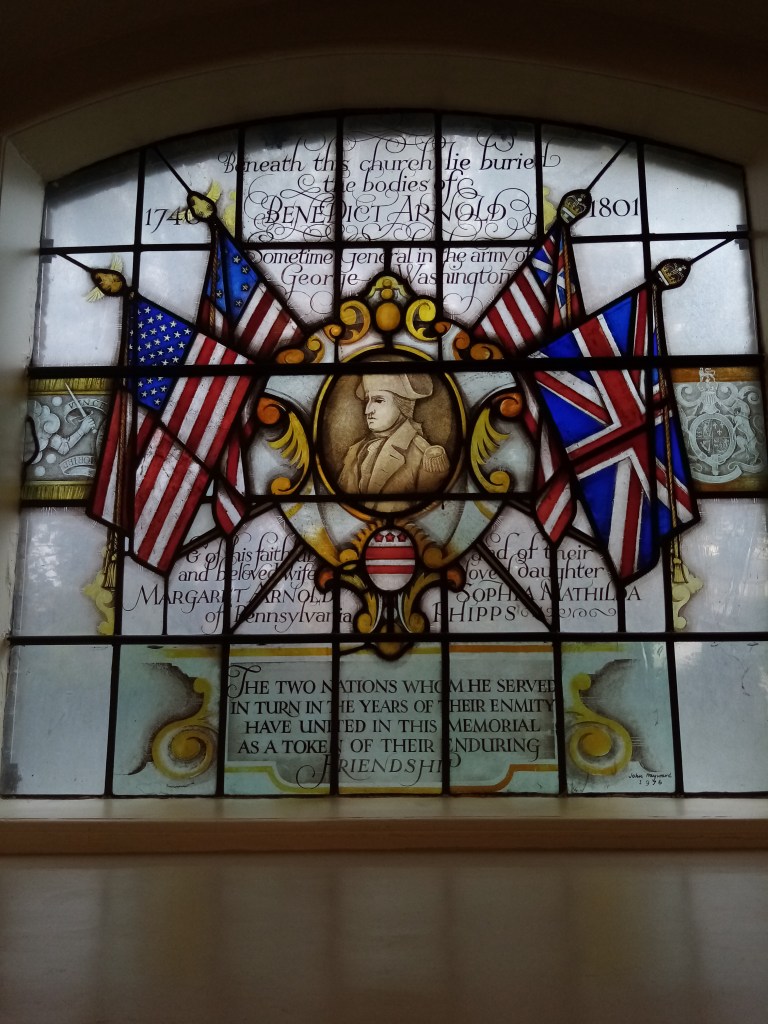
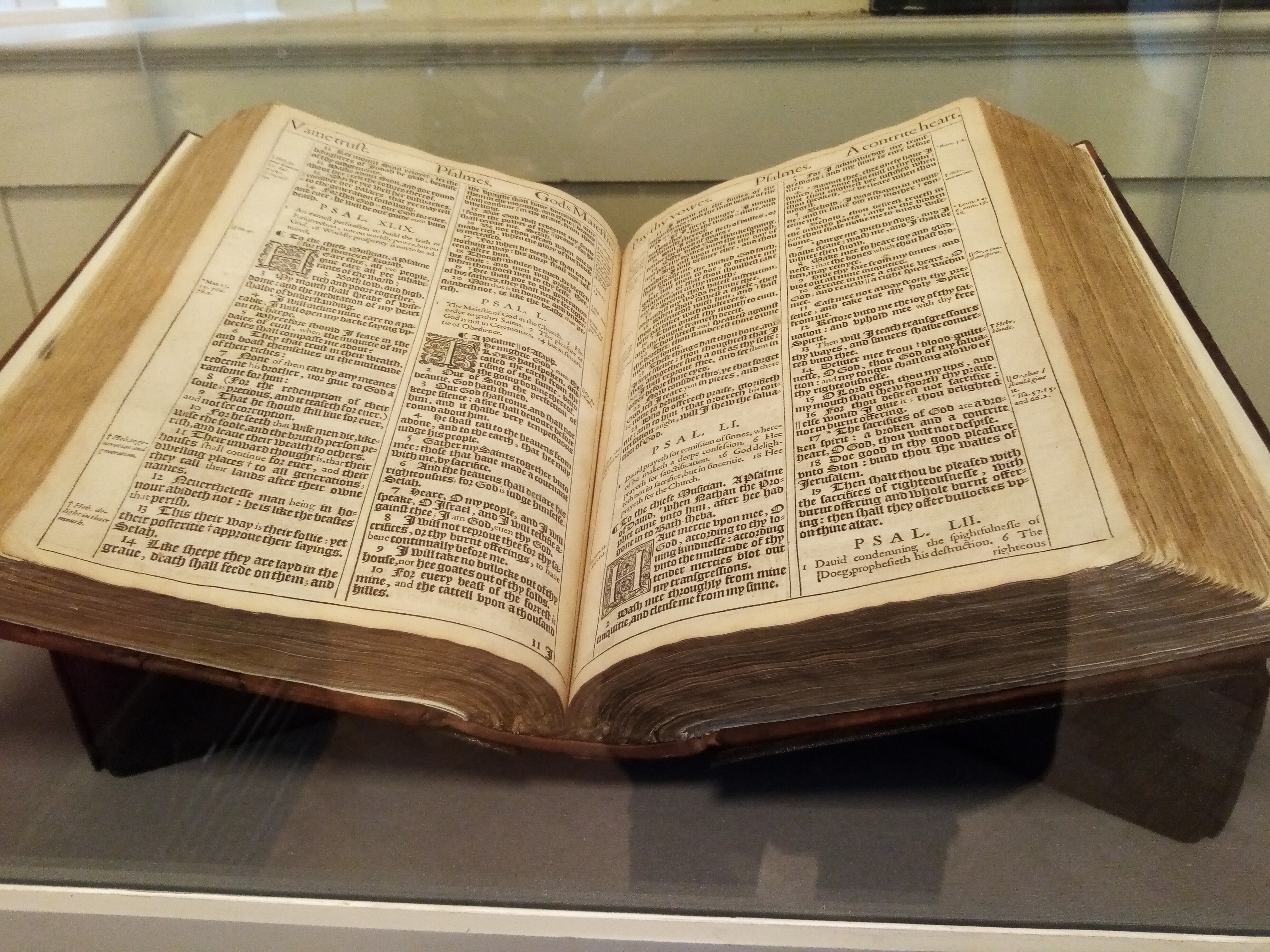
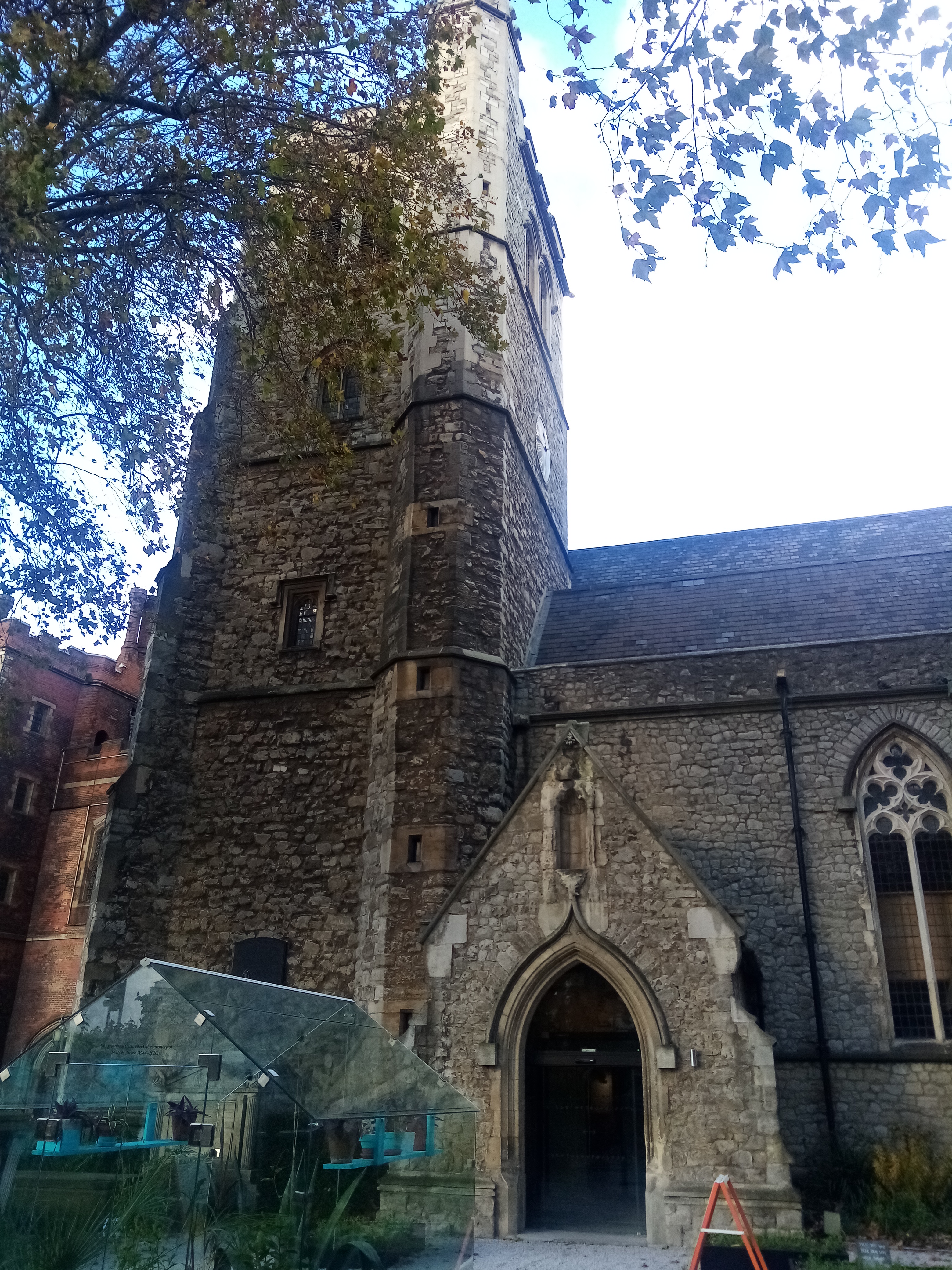
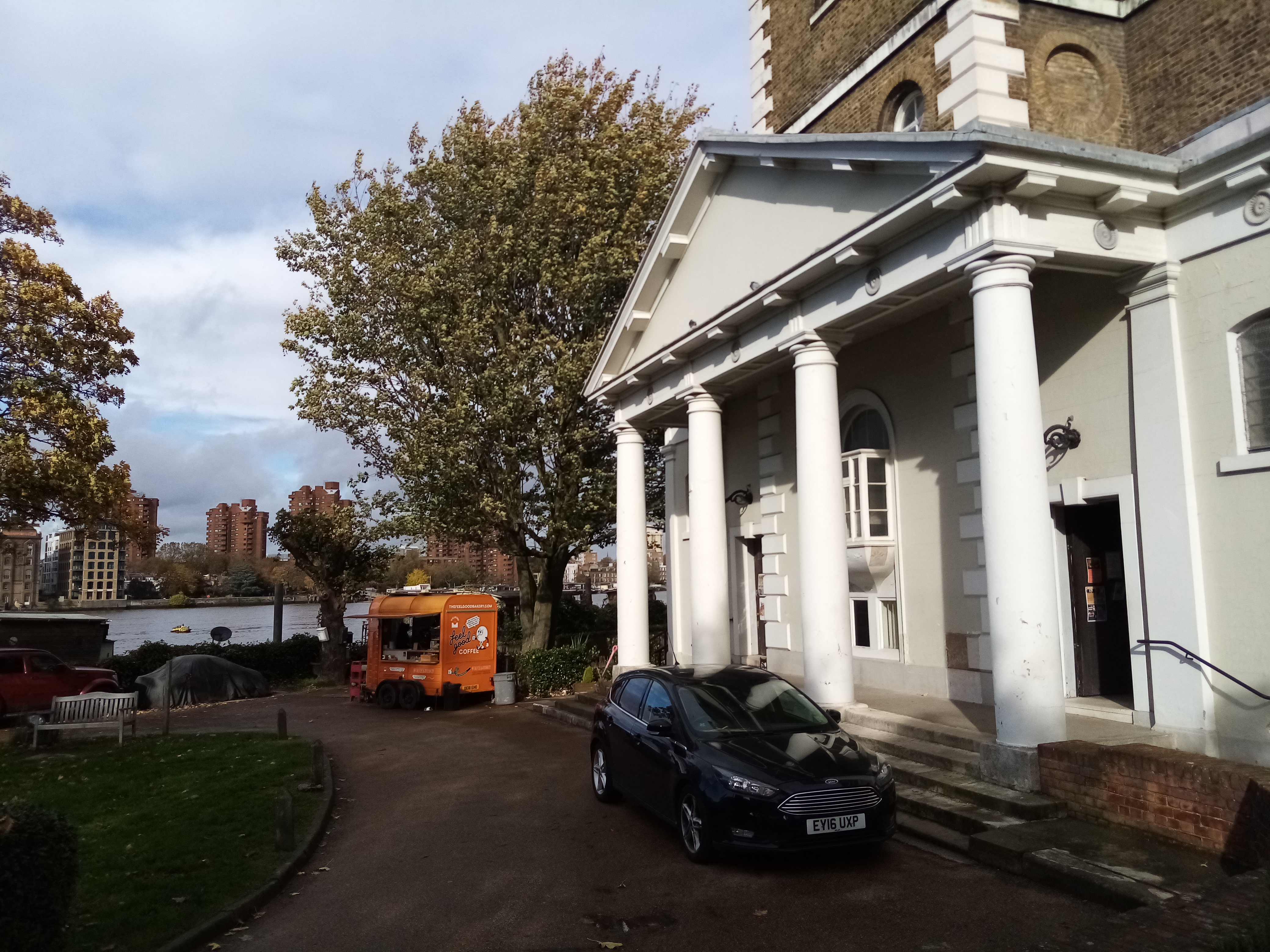
This church has so many interesting features, here are just three: Number 1, the Thames Path actually goes through the churchyard.  With its garden benches and bright orange coffee van, this is a great place to pause your journey along the Path. I bought a cup of excellent coffee and learned from the coffee guys that the week before, the Thames had flooded over the banks and into the churchyard, up to the wheels of the van! Number 2, inside the church there are four stained glass windows commemorating four famous people with a connection to the church: artist JMW Turner, poet William Blake, botanist William Curtis and one Benedict Arnold, who fought with George Washington in the American War of Independence and who ended his days in Battersea; he is buried in the crypt. Number 3, the church contains a very rare first edition of the King James Bible, on display in a glass case. Unfortunately, it was too difficult to read the print! The original church was one of the earliest Christian sites south of the Thames, being built around 800AD. The Manor of Battersea and the church were listed in the Doomsday Book in 1086, and the present church was designed by local architect Joseph Dixon and completed in 1777.  

Source: Wikipedia

First Edition King James Bible

St Mary-at-Lambeth

Greenhouse in churchyard

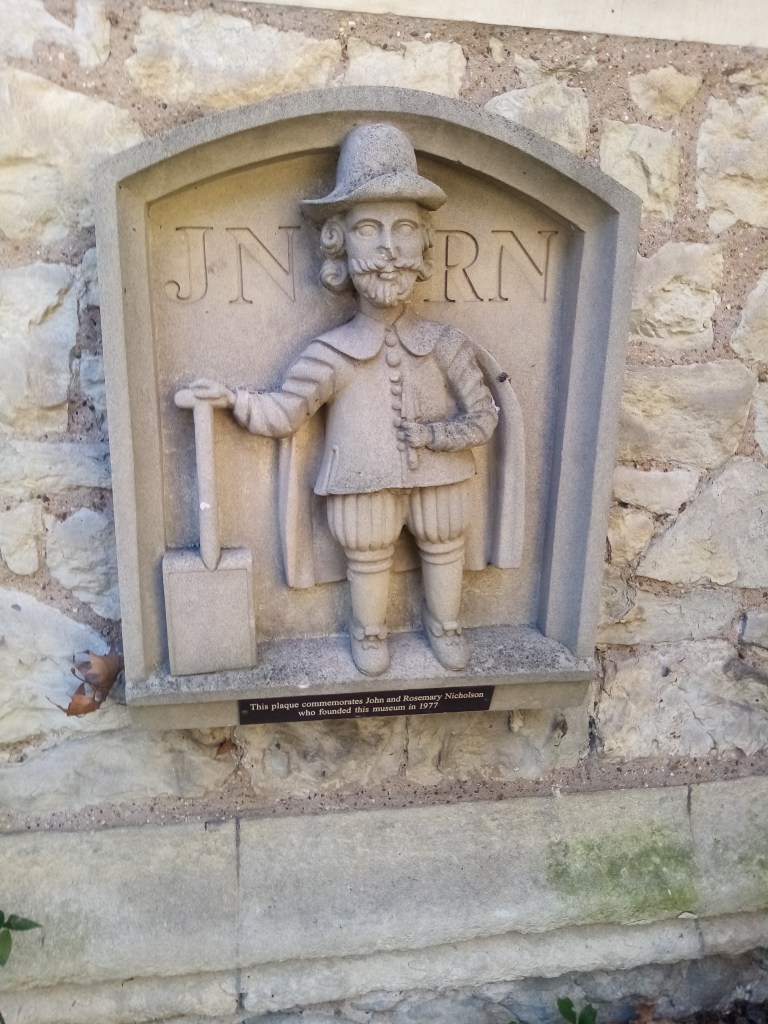
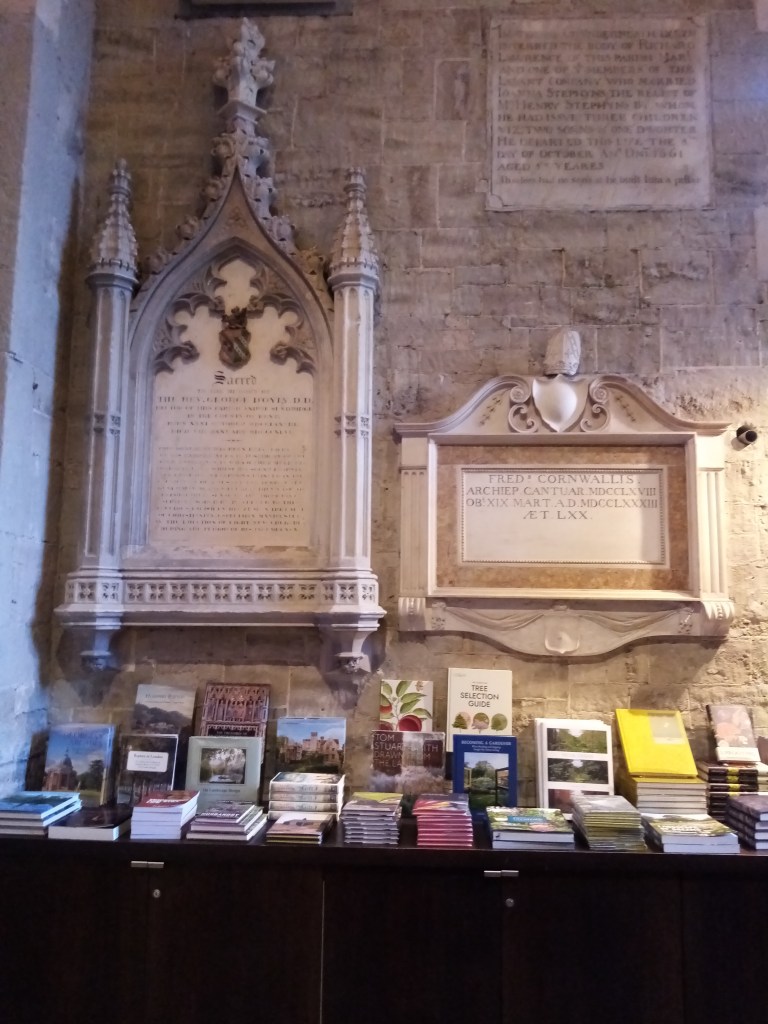
This Victorian church was scheduled for demolition in the 1970s as it was heavily bomb damaged in World War 2 and considered beyond repair. It was rescued and restored, not as a church but as the world’s first Garden Museum. In 1977, keen gardeners John and Rosemary Nicholson discovered in the churchyard the graves of John Tradescant the Elder and Younger who were royal gardeners in the 17th century. (Photo of commemorative plaque below.)The Nicholsons successfully applied for a government grant to create a unique museum dedicated to the history of gardening and garden design. The museum is upstairs and downstairs there’s a lovely open space for exhibitions and art installations. For me, the interesting part of the church is the original ‘artwork’, including a beautiful and very lifelike relief mural of the boy Jesus in the temple. The first church here was built by Goda, the sister of Edward the Confessor in 1062. Before the Norman Conquest it was common for women of noble birth to own lands in their own right on which they would establish a religious house (church or abbey) and a manor house.

Source: Wikipedia

Winter greenhouse

St Mary’s Hampton

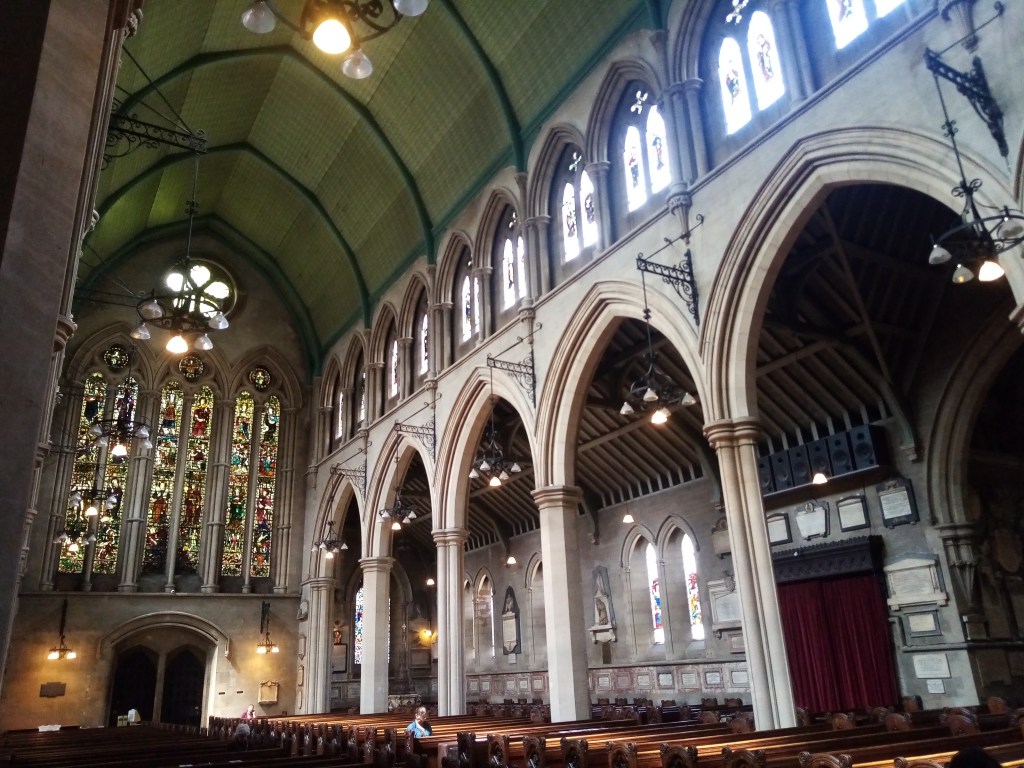
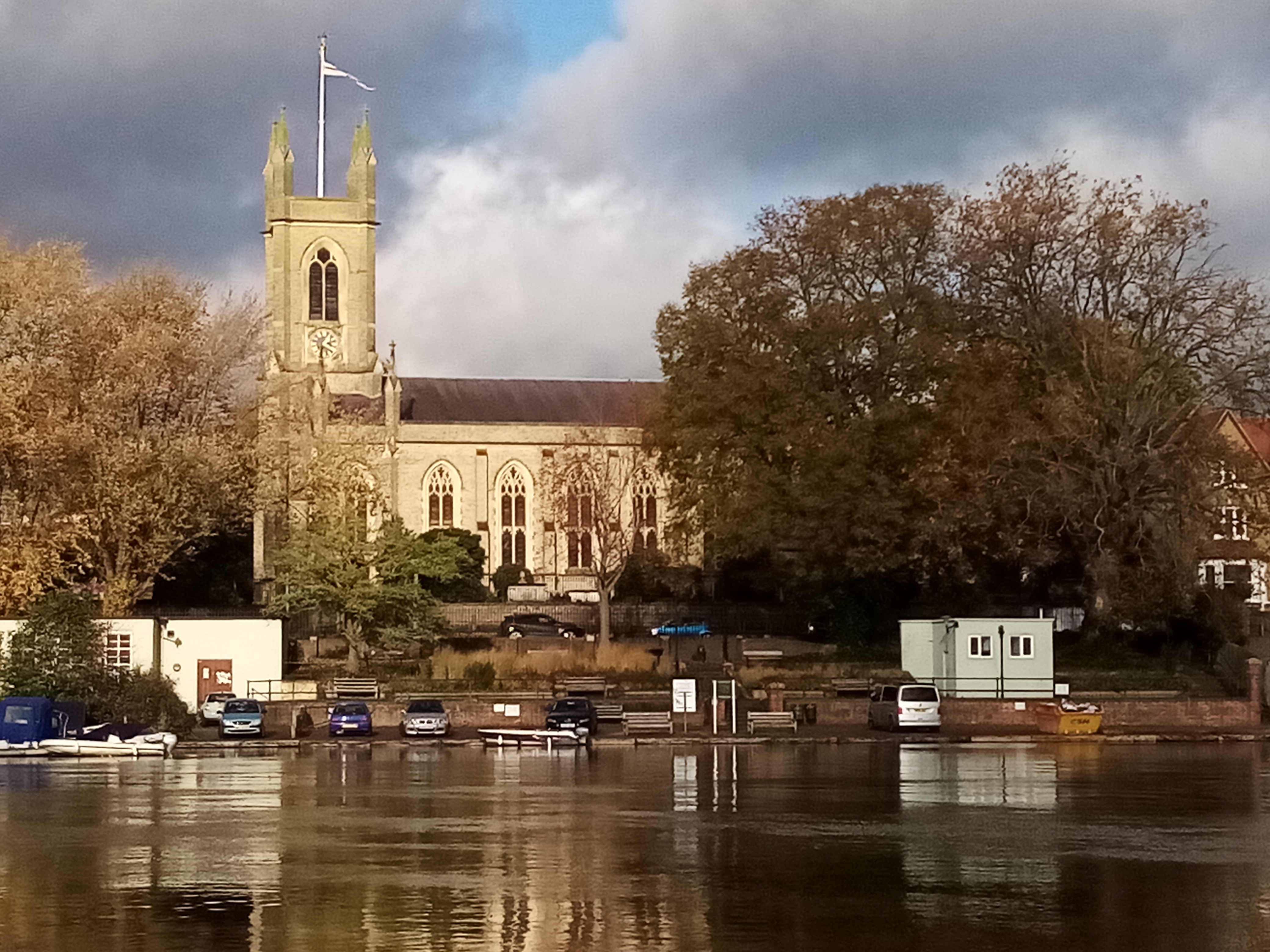
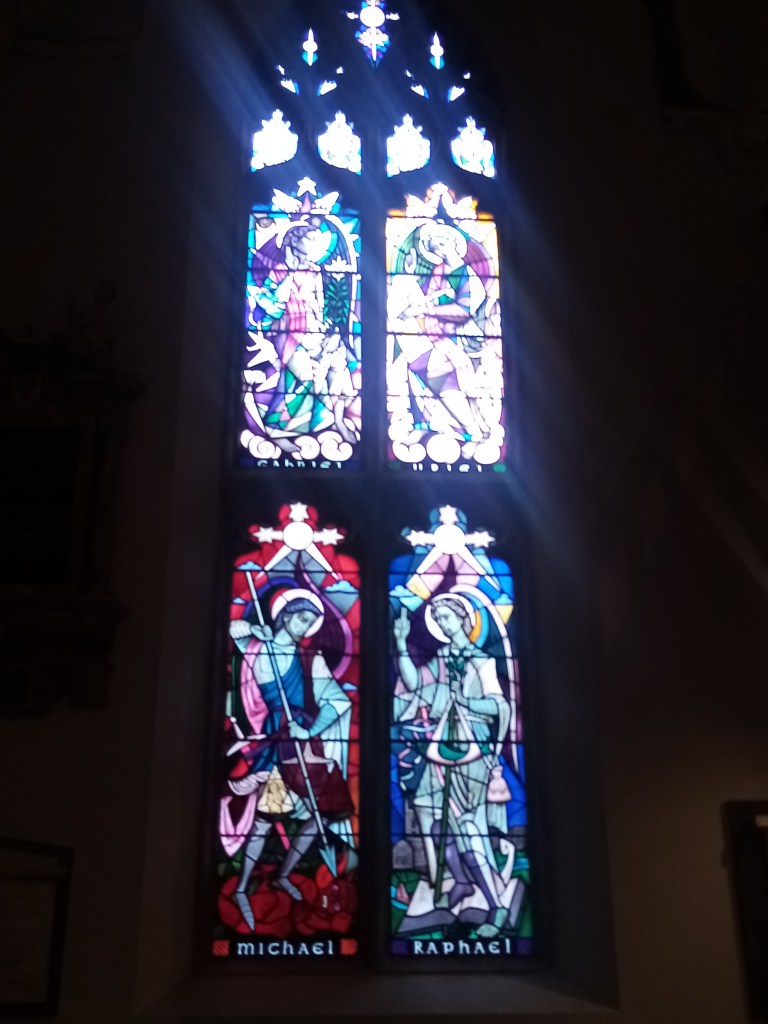
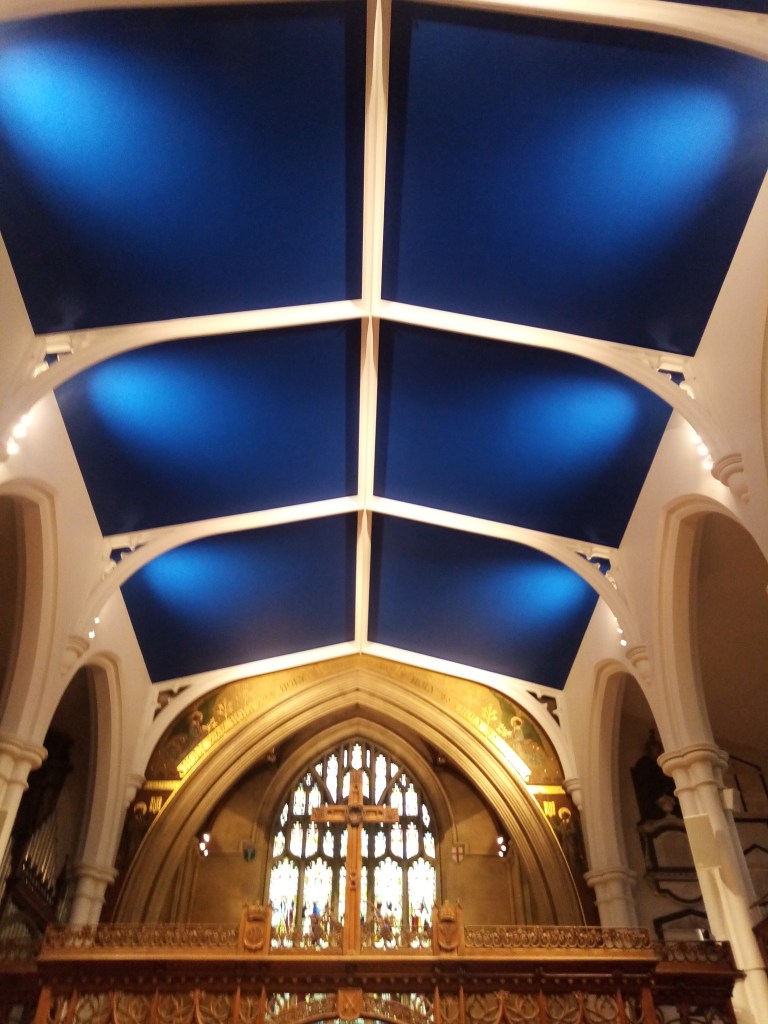
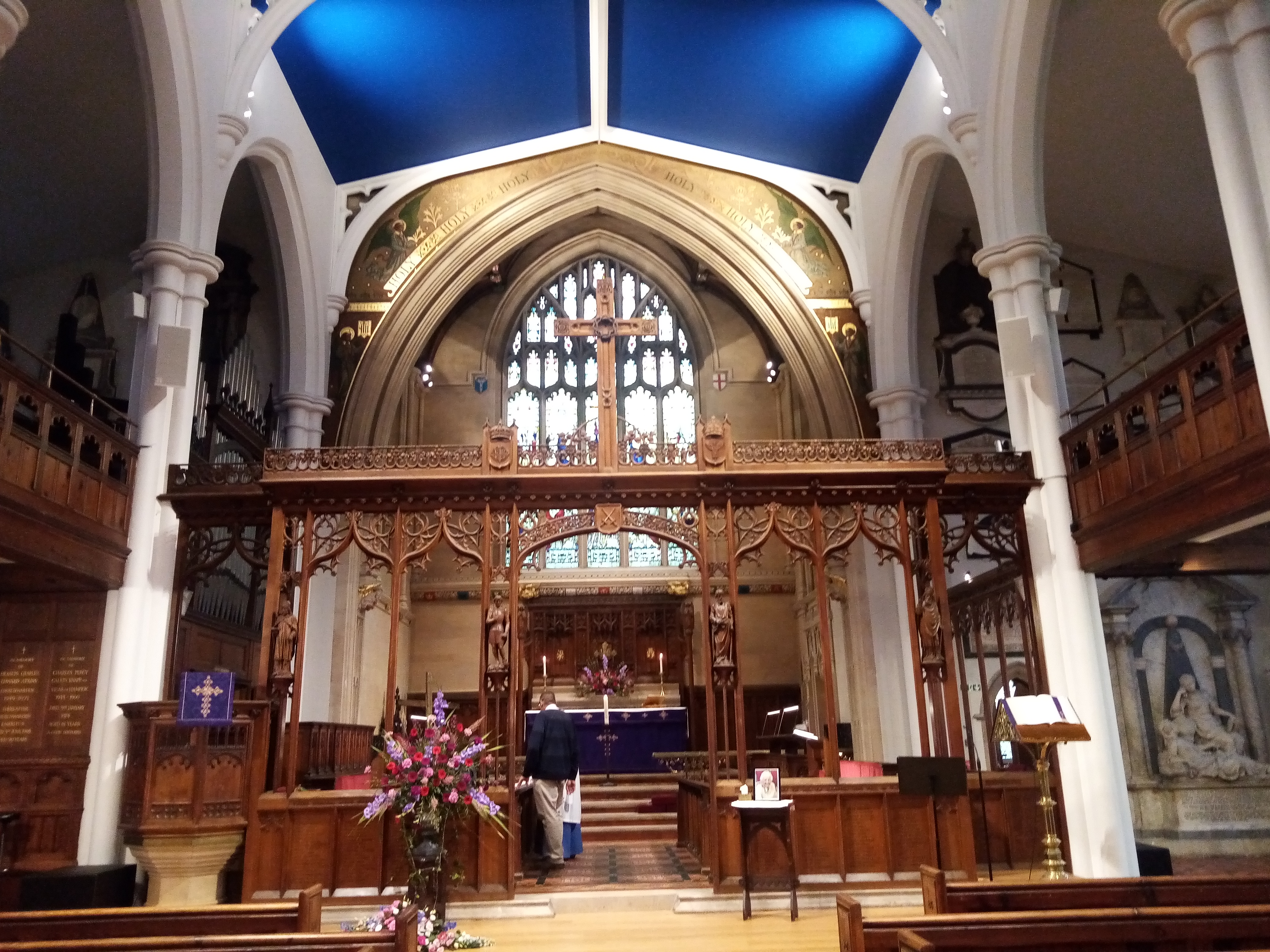
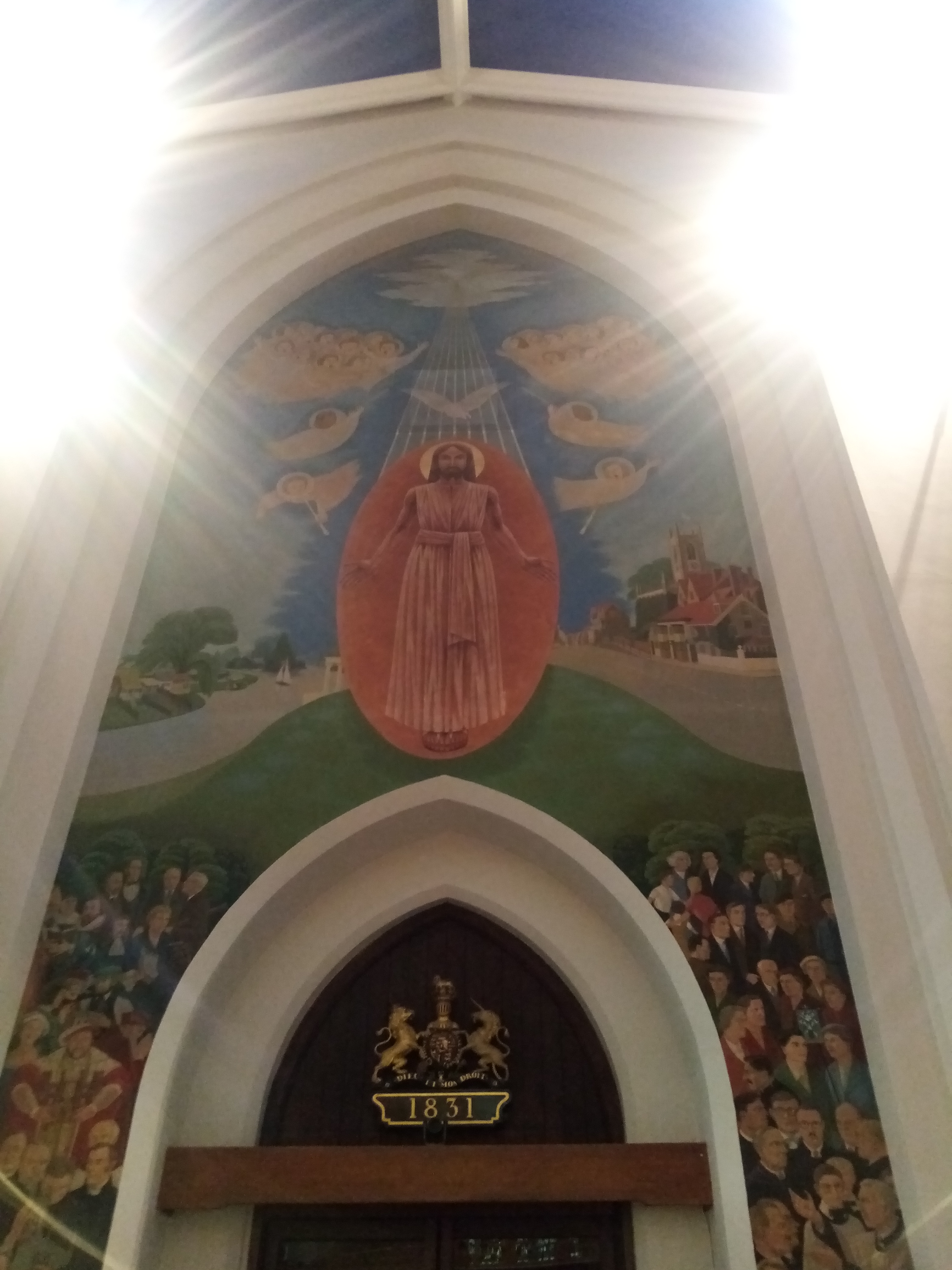
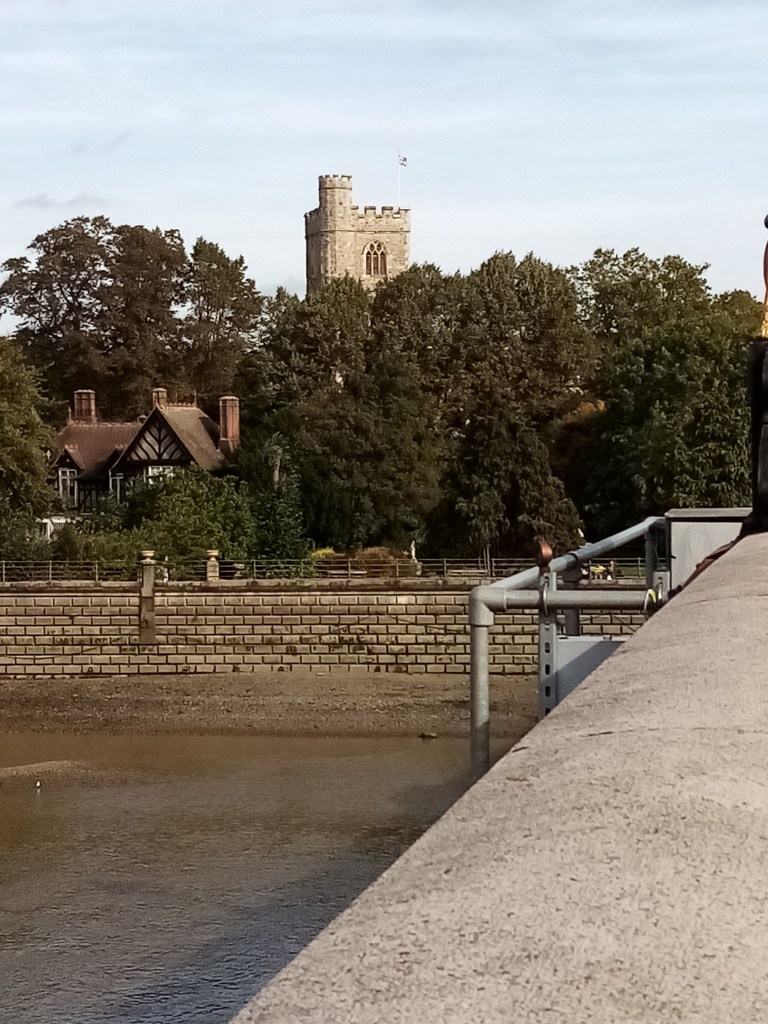
This church has the most picturesque setting in Hampton Village overlooking the Thames just down river from Hampton Court Palace. There has been a church here for at least 650 years so Henry VIII would passed by from his palace on the way to his hunting grounds or aboard the royal barge. The first recorded building was flint and stone in the 14th century, it was extended and repaired over the next 500 years but closed in December 1829 due to poor condition. The then congregation decamped to the Great Hall at Hampton Court Palace while the new church was built, I would liked to have attended one of those services! The church was open when I visited so I was able to see the striking interior. There’s a beautiful bright blue ceiling, recently repainted according to a churchwarden, and a lovely stained-glass window depicting the four Archangels: Michael, Raphael, Gabriel and Uriel. This was made by local artist Eric Fraser; his son Rev Geoffrey Fraser, designed and painted the mural on the West wall, which shows the figure of Jesus above the River Thames. The left-hand panel depicts people from local history and on the right side are members of the congregation of the time (1952.)  
Source: Wikipedia

October – Churches on the River Thames

Along with London churches, my other passion is the London River, the mighty Thames. This month I’m combining the two and exploring four churches situated close to the River. Three of these are out to the West of the capital and the fourth is right next to London Bridge in the City of London. All these churches have seen the Thames change dramatically over the centuries, from an important method of transport for people and goods to other parts of the country and out into the rest of the world, to a waterway now mainly used for pleasure.

St Mary the Virgin, Putney

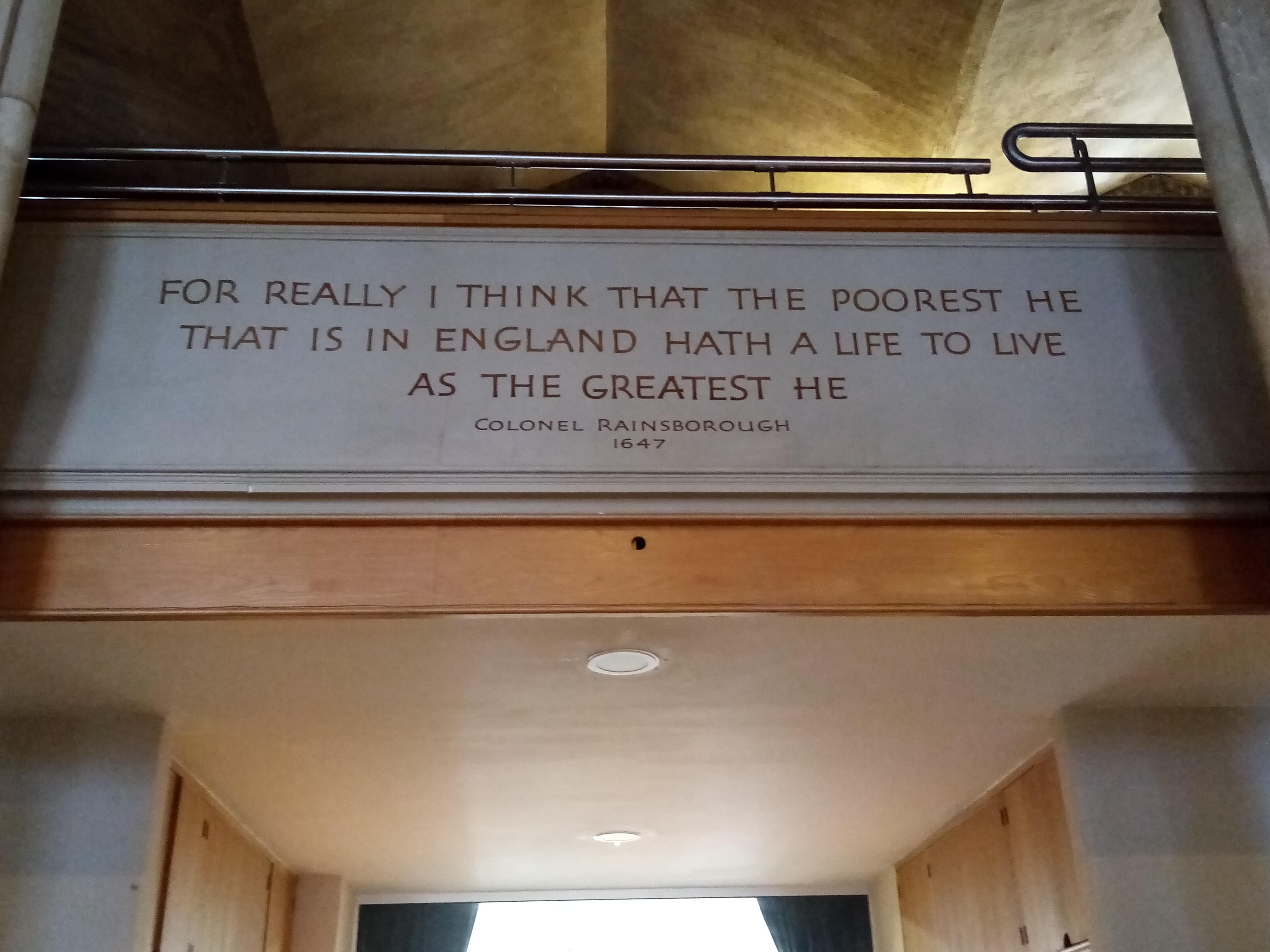
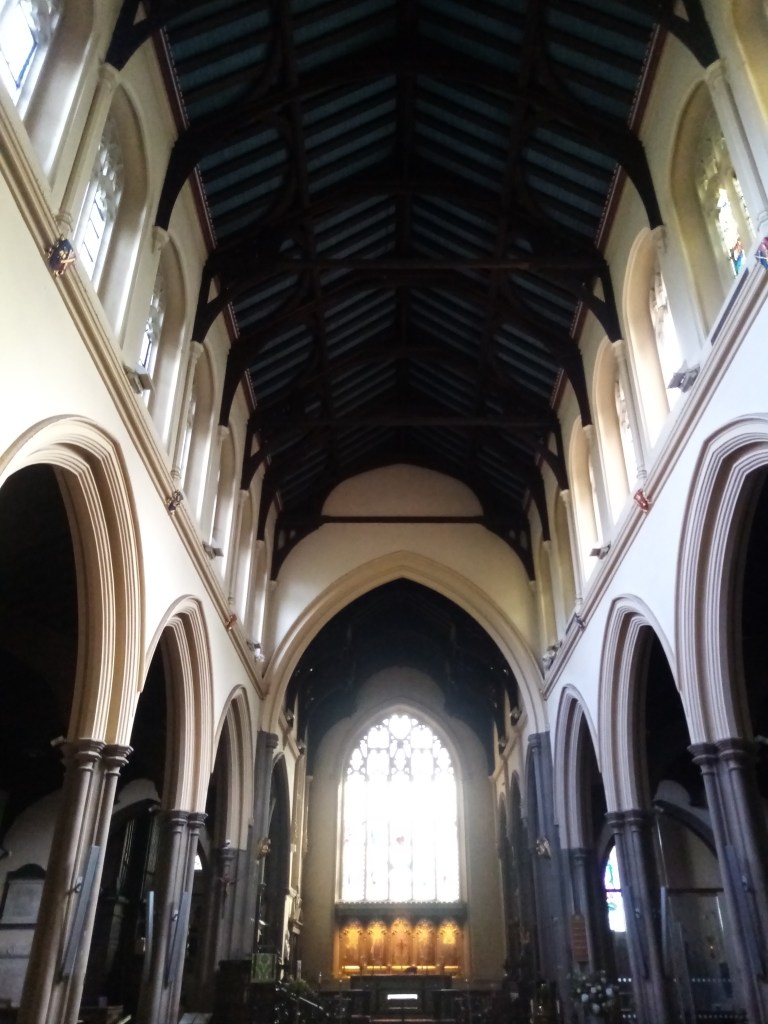
Putney Bridge is the only Thames bridge which has a church at both ends. Both St Mary’s, in Putney, and All Saints, in Fulham, have retained their almost identical 15th century towers, making them look confusingly similar from a viewpoint in the middle of the bridge. Looking back through my photos, I had to remember which tower was which! The first church on the St Mary site dates from the 12th century; the tower is the oldest remaining part of the church, which has been rebuilt several times. St Mary’s is famous for being the location of the Putney Debates of 1647: a series of discussions about the English Constitution following the success of the Parliamentarians in the English Civil War. One particular subject up for debate was whether political power should lie with a democratically elected parliament, rather than with the monarch! The interior of St Mary’s was substantially altered following a fire in 1973, after which the altar was repositioned halfway down the nave. The ceiling looks like its had a makeover too!

Source: Wikipedia

Ceiling of St Mary’s
Plaque commemorating the Putney Debates

All Saints, Fulham

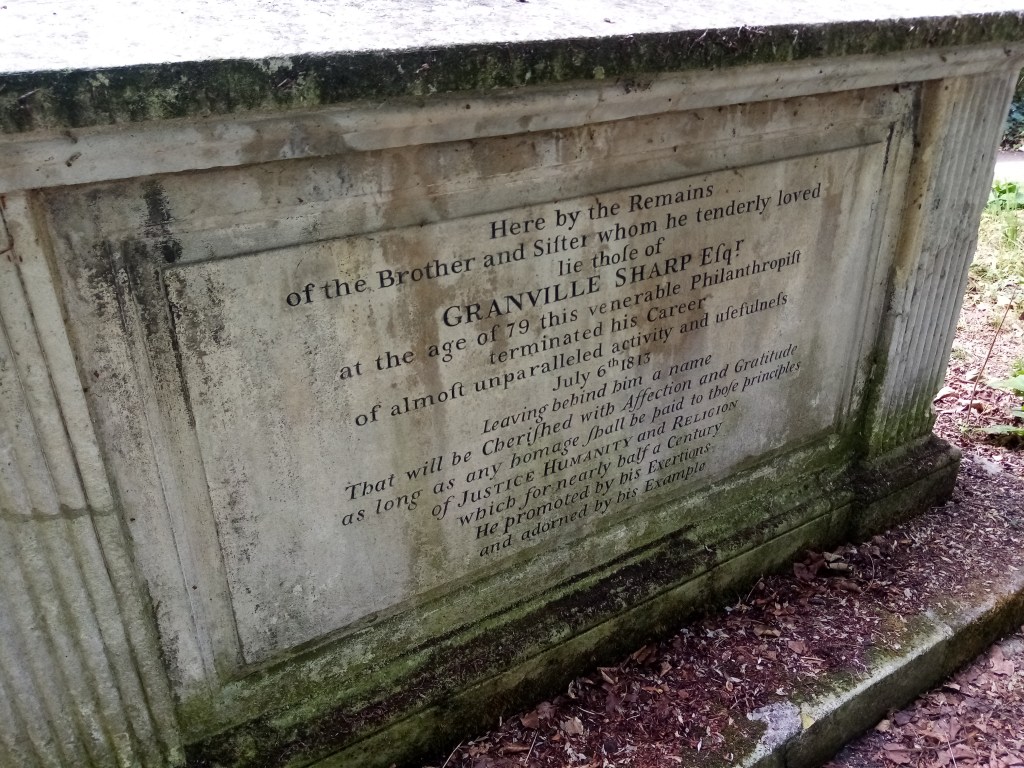
On the North bank of the River is the ancient parish church of Fulham, formerly in the County of Middlesex. There has been a church on this site for more than 900 years. The construction of the tower dates from 1440 but the present church is late Victorian, having been rebuilt in 1880/1. The church and churchyard are situated next to Bishops Park and the Tudor Fulham Palace, the country residence of the bishops of London from the 11th century until 1973. The churchyard is thus the burial place for most of the former bishops of London. Both the Park and the Palace (including a museum) are open to the public, free to enter and well worth a visit. The interior of the church is Grade ll Listed and boasts a beautiful hammerbeam ceiling and an interesting font. In the delightfully overgrown churchyard is the family tomb of Granville Sharp, abolitionist and contemporary of William Wilberforce.

Source: Wikipedia

St Nicholas Church, Chiswick

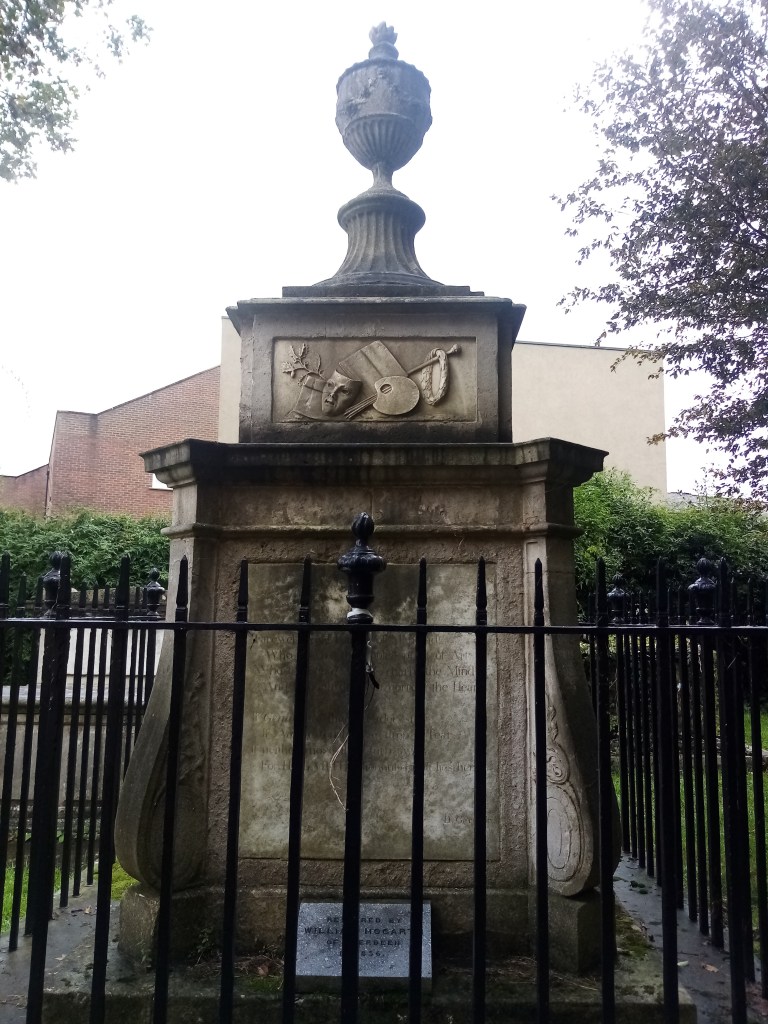
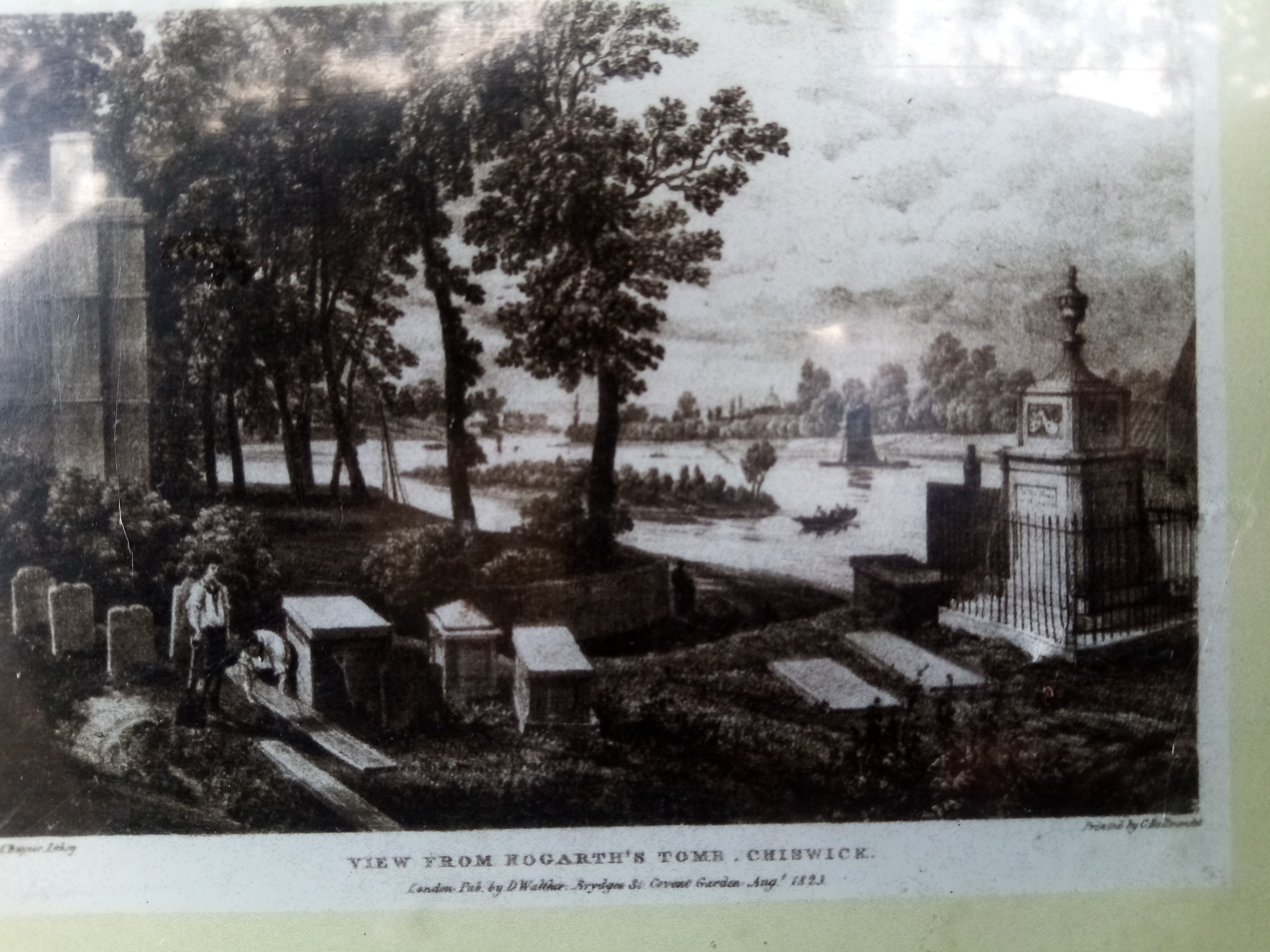
Upstream from Putney Bridge is St Nicholas, the Parish Church of Chiswick, situated unsurprisingly in Church Street, which once led down to the banks of the Thames to the ferry, the only means of crossing the River at this point for hundreds of years. The church is dedicated to St Nicholas, the patron saint of sailors and fishermen, a common practice where the livelihood of the parishioners depended on rivers or seas.  The village of Old Chiswick grew up around the first Norman church from about 1180, but there is some evidence of a pagan shrine on this site in the seventh century which was converted to Christian worship. Like the previous two churches, the tower, built between 1416 and 1435 is the only remaining part of the current church, which dates from 1882. The rebuilding of the church was financed by the brewer Henry Smith of the nearby brewery Fuller, Smith and Turner, now known as Fullers, Chiswick. The artist William Hogarth is buried in the churchyard; an engraving on the accompanying plaque shows how close to River the church used to be.

Source: Wikipedia, St Nicholas Website

St Nicholas Chiswick from Church Street, leading to the Thames

St Magnus the Martyr

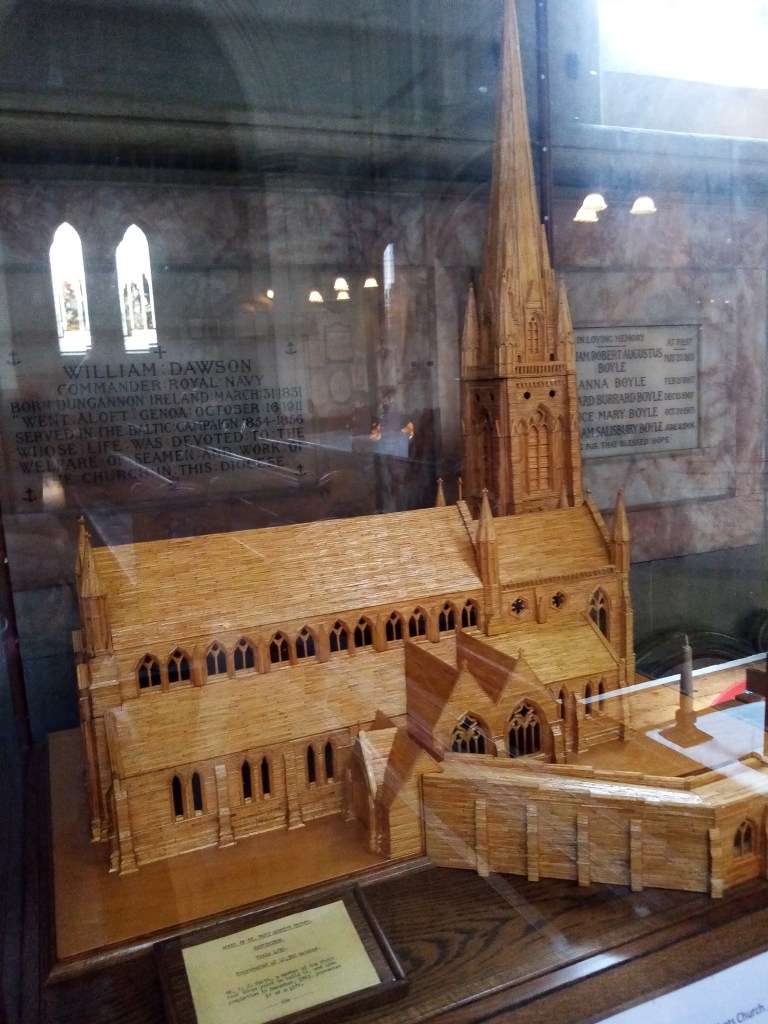
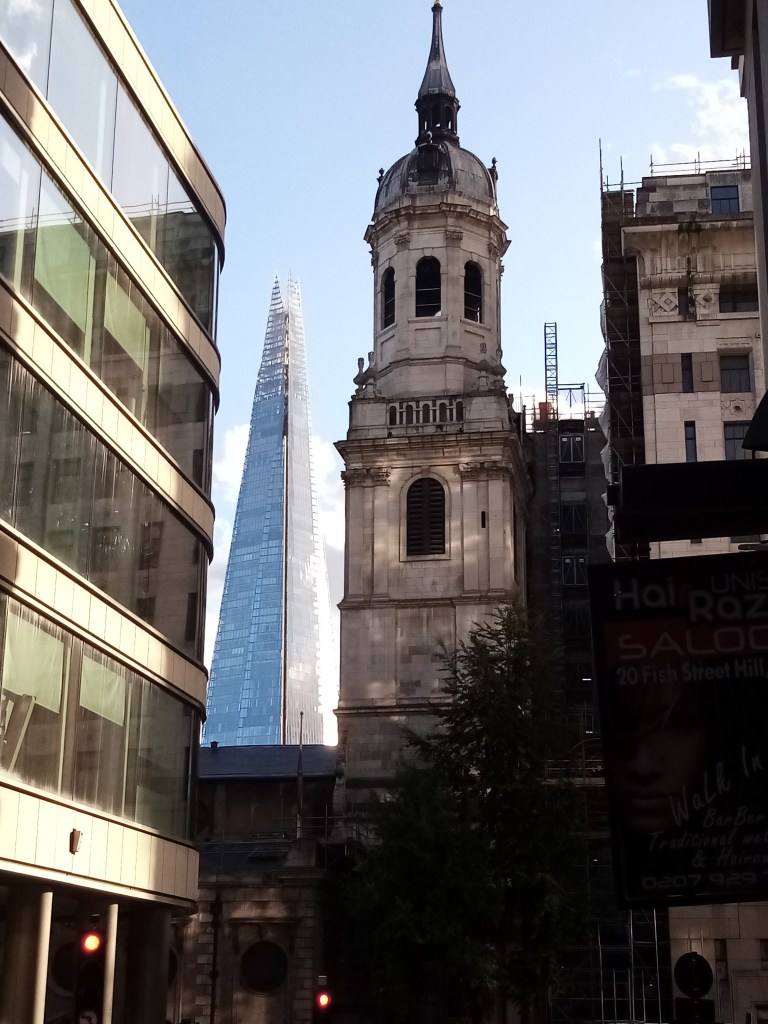
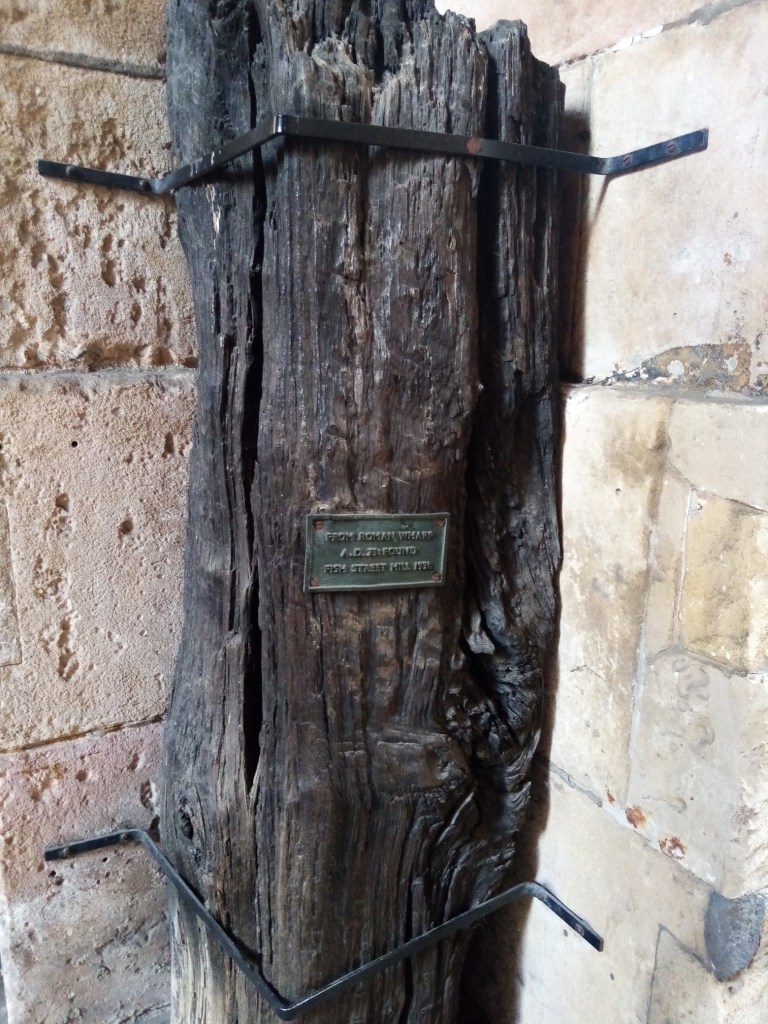
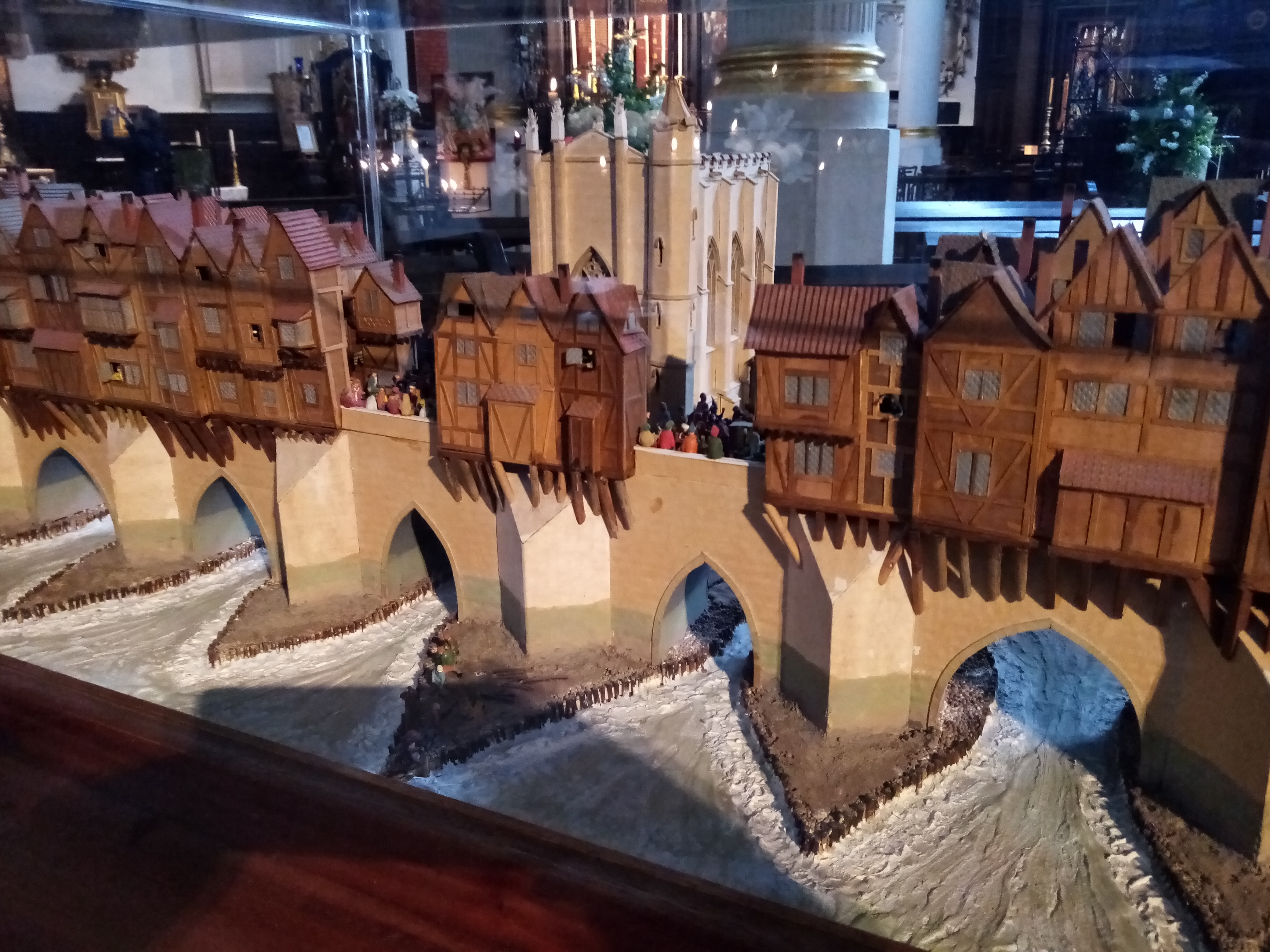
The first church on this site was built in the 11th century and the churchyard was formerly the gateway to the bridge that spanned the Thames there from 1176 to 1831, Old London Bridge. This was the bridge which was lined with houses and shops, and there is a beautiful scale model of the bridge inside the church. St Magnus was one of the first to burn down in the Great Fire of 1666, due to its proximity to Pudding Lane where the fire started, and following the fire, the first rudimentary fire brigade was established. Christopher Wren designed and built the present church in 1670, his design included arches which people had to pass through to set foot on the bridge; consequently it got very congested, as this was London’s only bridge. When a new bridge was commissioned in the 1830s it was built further upriver, where the Romans had built a series of bridges. In the churchyard outside there is a piece of wood from the Roman London Bridge and some stones from the Mediaeval bridge.

Source: Wikipedia

Model of Old London Bridge
This photo, from Wikimedia Commons, is taken from the top of The Monument to the Great Fire

September – Pocket Parks ll

This group of pocket parks is situated in the East part of the City. I hadn’t noticed before how different the size of the buildings is on the East side; the pocket parks are literally overshadowed by the huge sky scrapers. Some of the gardens look as if they are actually in an enclosed space, although all manage to catch some shafts of sunshine on a sunny day.

St Botolph without Bishopsgate Churchyard

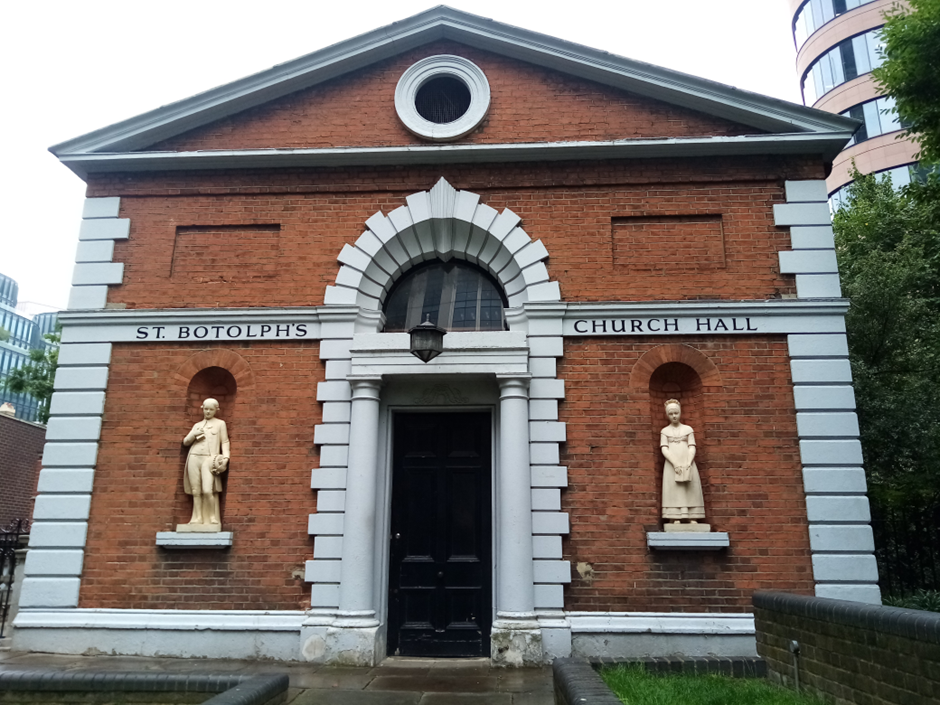
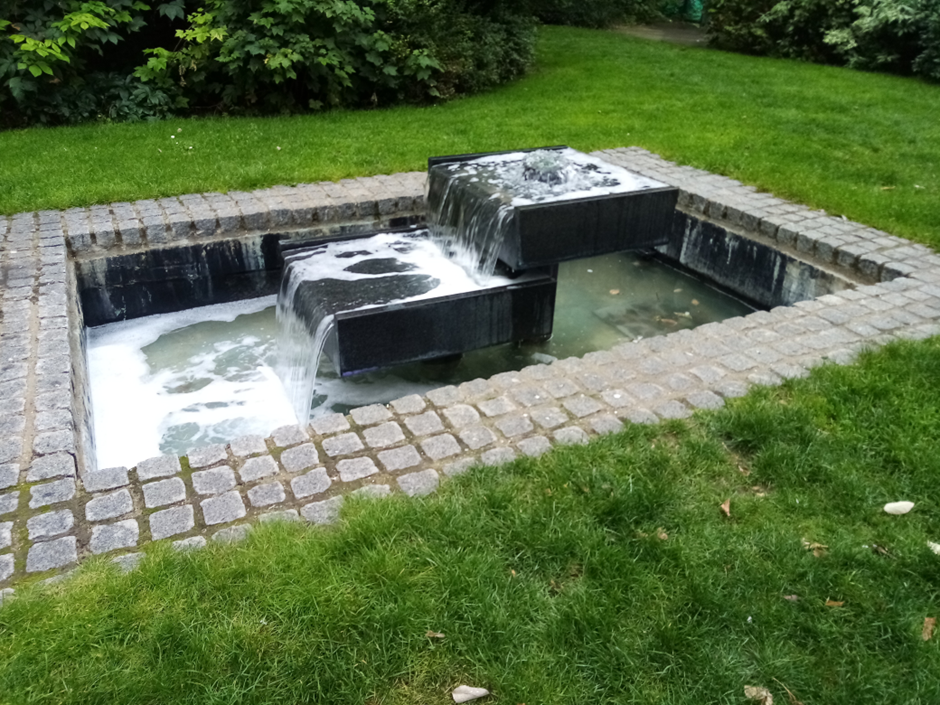
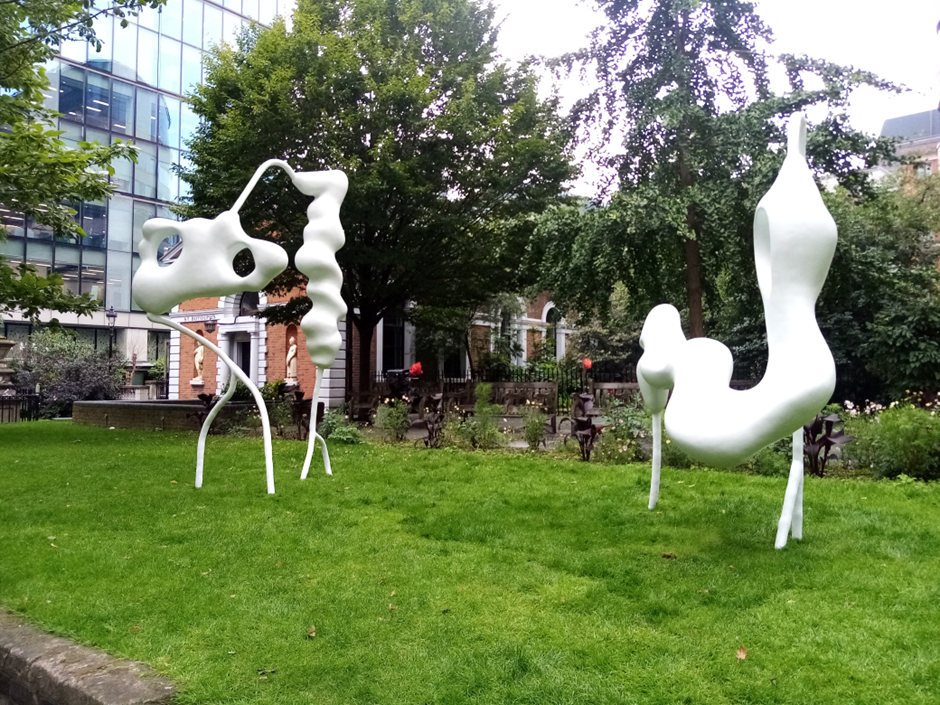
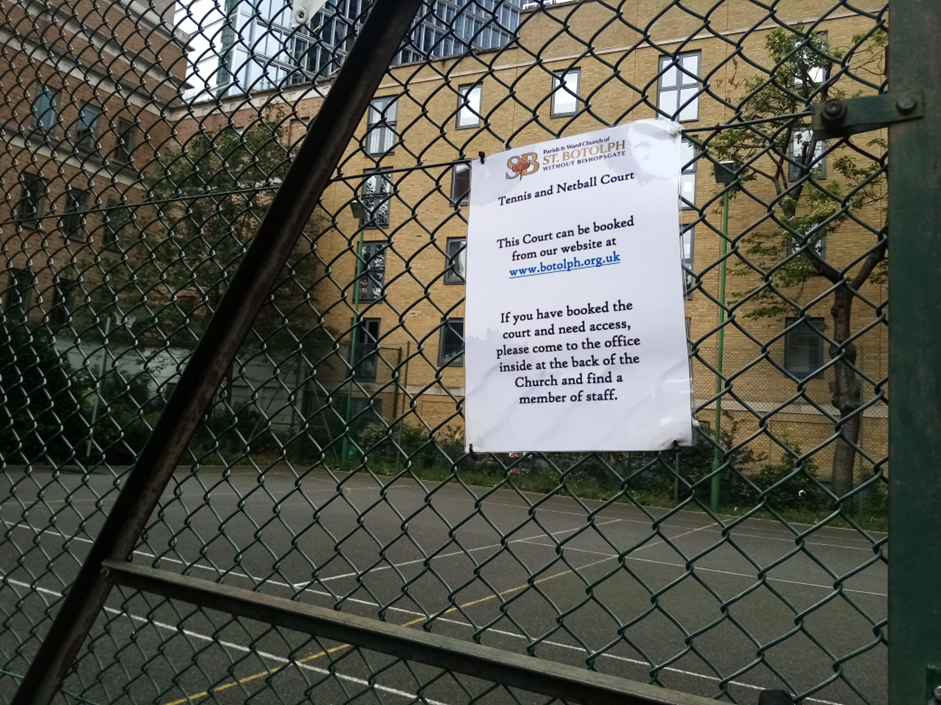
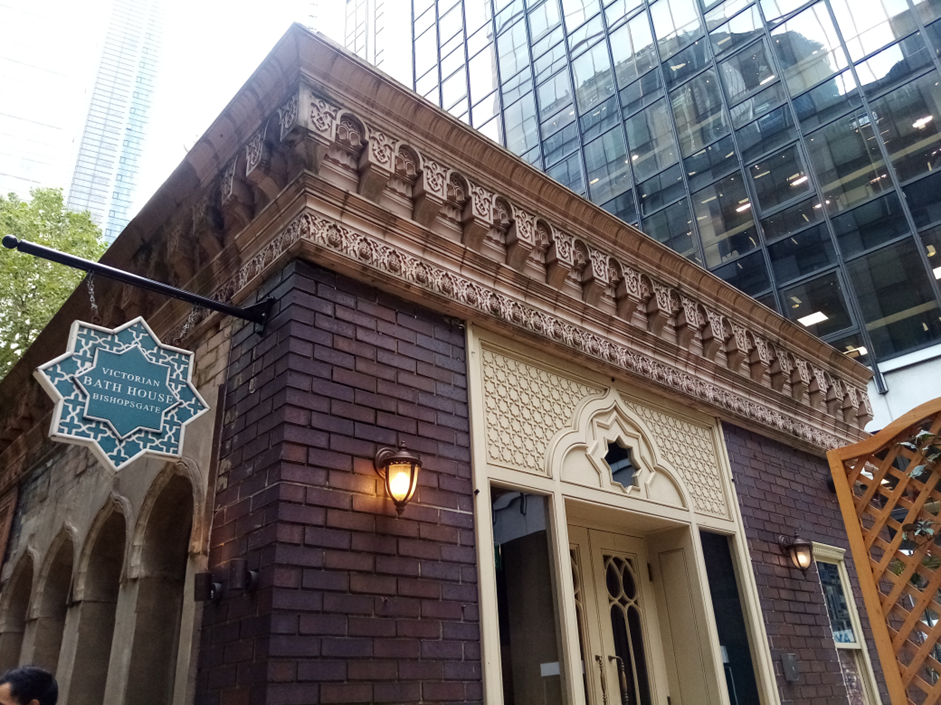
Actually, this one is too large to be described as a pocket park, but it has to be included because of its wealth of interesting features. The church of St Botolph lies outside the (now demolished) Eastern London Wall. The 7th century Saint Botolph or Botwulf was regarded as the patron saint of boundaries, travel and trade; there are four churches of this name on the London Wall, which travellers would visit on their journey into or out of the City. The churchyard has been transformed from a burial ground to a truly delightful park, featuring a Grade ll church hall, formerly the livery hall of the Worshipful Company of Fan Makers. The niches in the front of the building contain figures of ‘charity children’, these are actually replicas due to repeated attempted thefts; the originals are inside the hall. There are also some art installations, a fountain and, unusually, a tennis court, which can be hired from the church. Equally unusual is a Turkish bath situated just outside the churchyard but within the church grounds, which was designed by architect Harold Elphick and opened in 1895.

Source: Wikipedia

St Swithin’s Churchyard

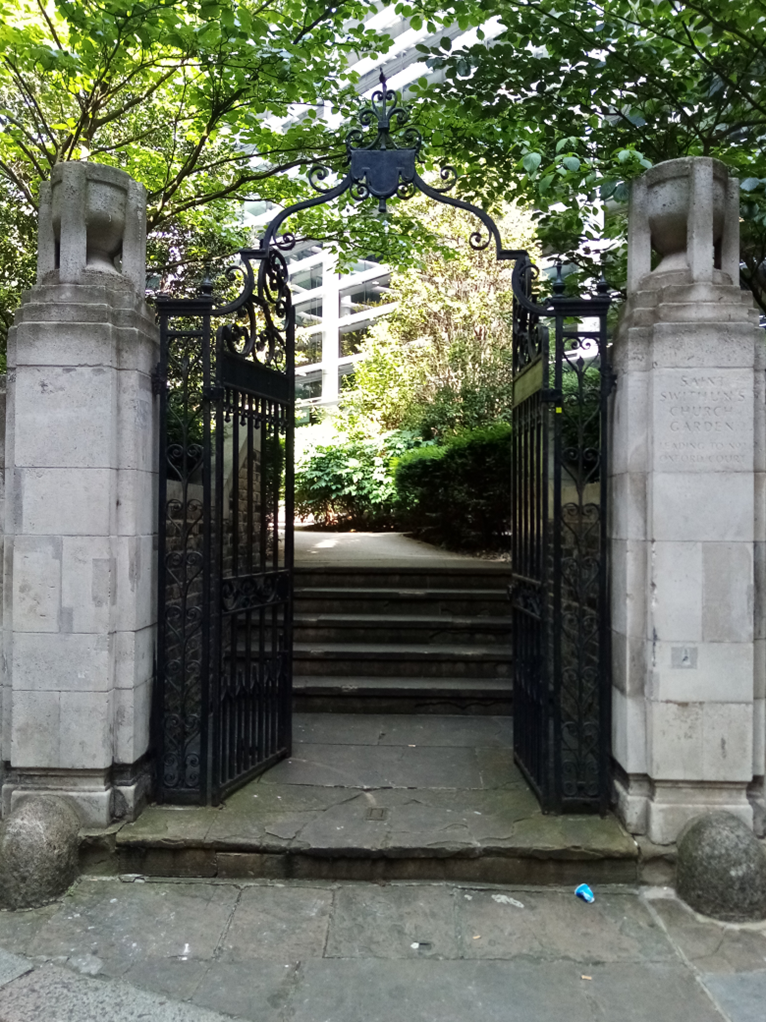
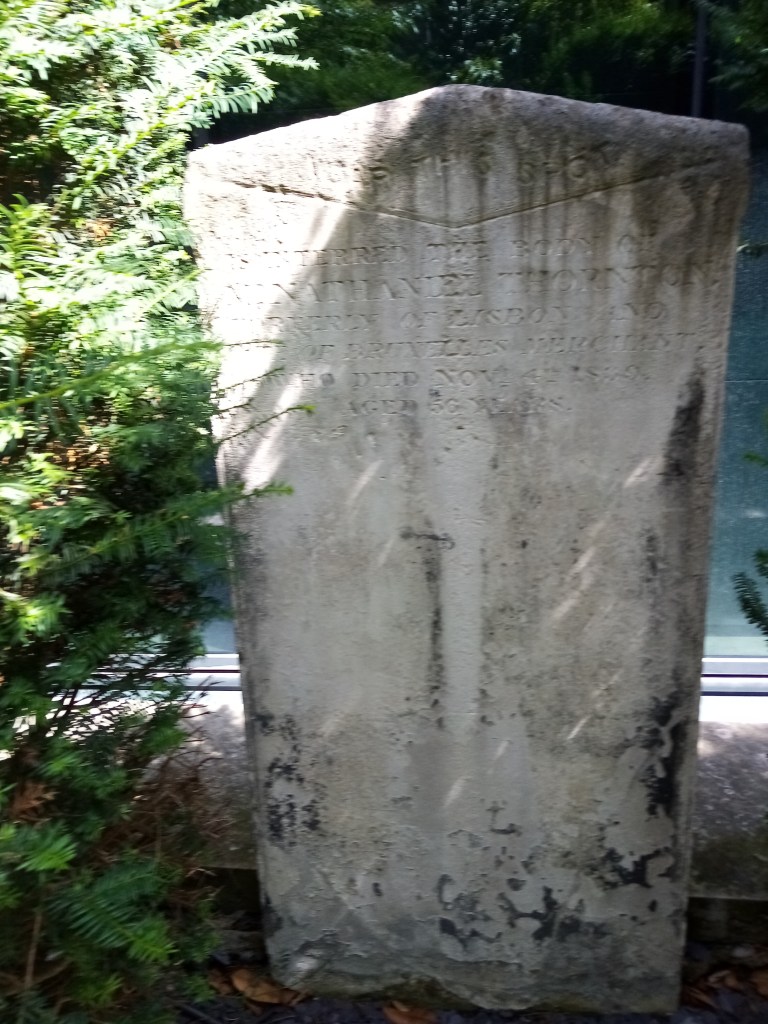
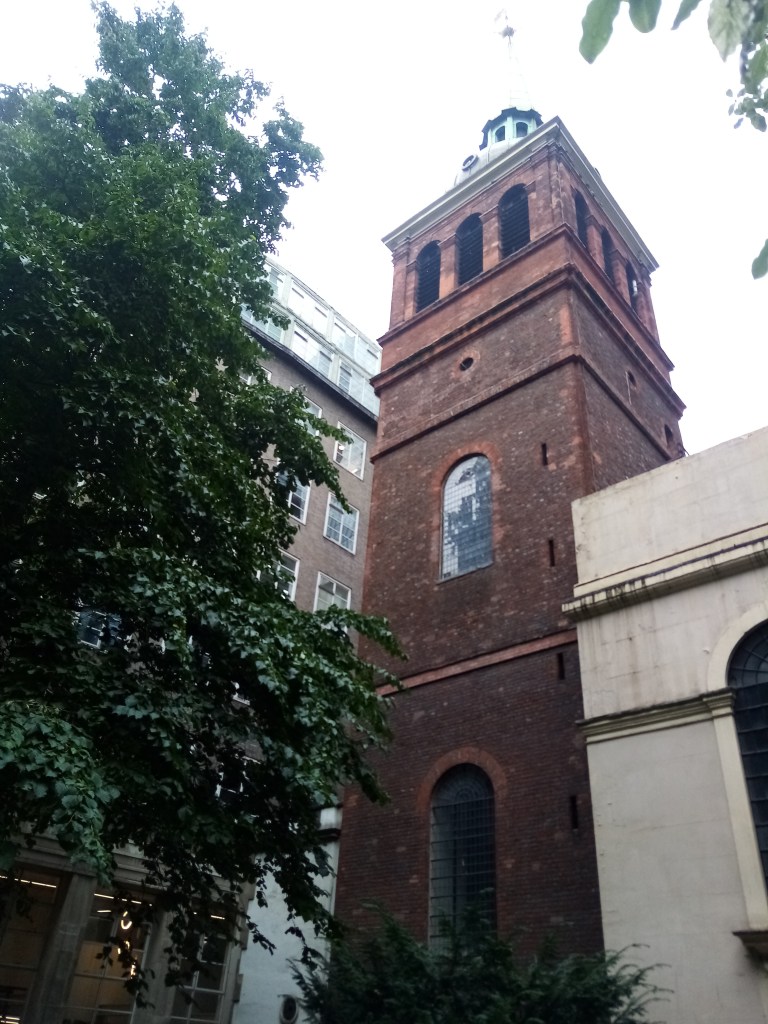
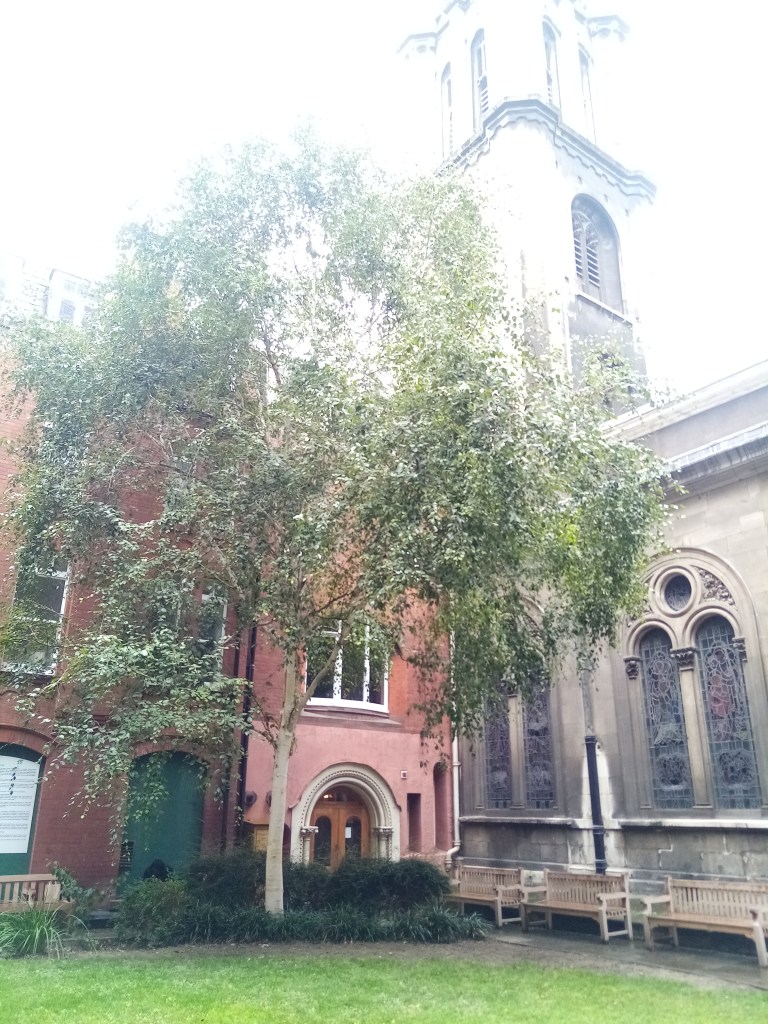
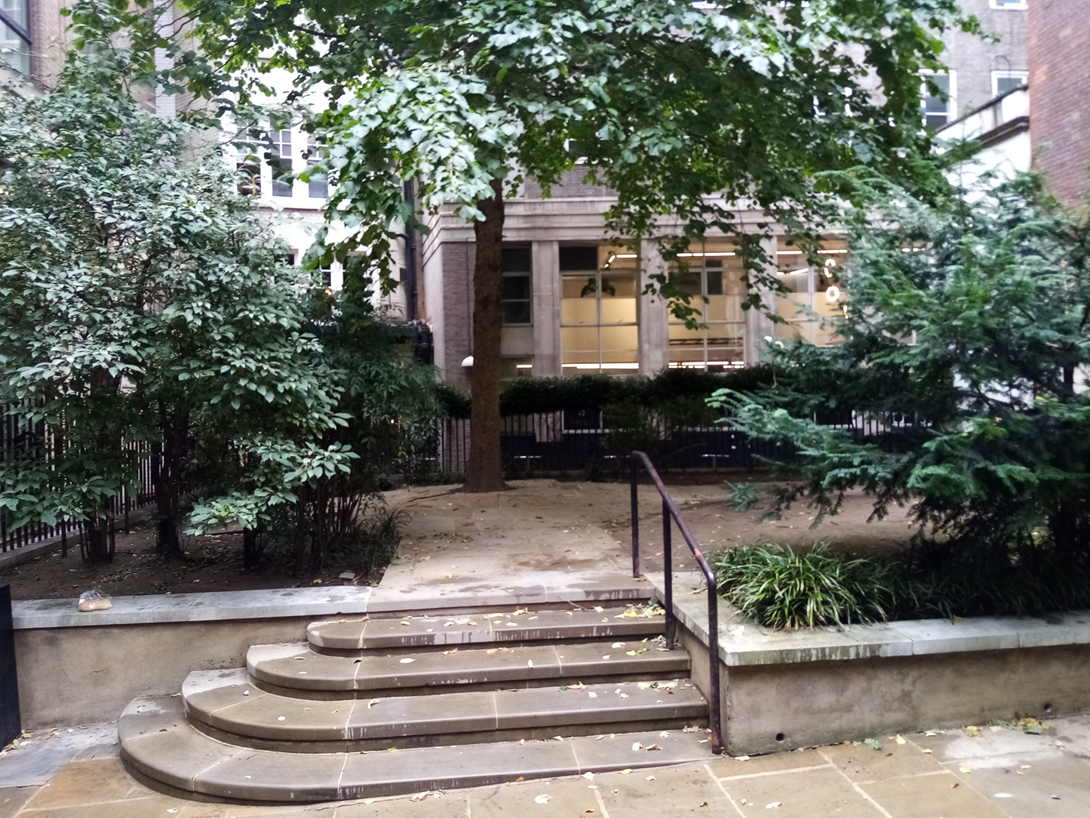
A small, attractive garden situated down a little side street opposite Cannon Street Station, an oasis of green in the concrete and glass. The beautiful stone gates are all that remains of the original church, looking somewhat out of place among the surrounding newbuilds. The first St Swithin church was recorded in 1270, it was rebuilt in 1420 but the medieval church was burnt down in the Great Fire. The Wren church which replaced it was subsequently destroyed in the December 1940 Blitz bombing and was not rebuilt. The most interesting thing about the park is the memorial to Catrin Glyndwr, whose husband Sir Edmund Mortimer and father Owain Glyndwr rebelled against King Henry lV to get the English out of Wales. Catrin was taken hostage by the English in 1409 and imprisoned in the Tower of London, where she mysteriously died. The memorial is dedicated to women and children who suffer in war. A single remaining gravestone in the garden is that of a merchant, Nathaniel Thornton.

Source: livinglondonhistory.com; Wikipedia

St Peter upon Cornhill, St Michael Cornhill

I’ve put these two churchyards together because they stand almost next door to each other on the ancient thoroughfare of Cornhill. Also they are the main contenders in the ‘tiniest churchyard’ competition. These two pocket parks are almost identical, each with a magnificent London Plane tree and a pocket-handkerchief lawn with benches. When I visited, there were the usual office workers enjoying lunch in the sunshine, and no less than three separate guided walking tours jostling for space! Both churches are sited directly above the location of the former Roman basilica built around AD90 – 120. Some of the foundations of both churches are directly on top of the Roman foundations; there is believed to be a pagan shrine room under the high altar of St Peter.  However, the original churches were not built at the same time but actually over 800 years apart! The original church dedicated to St Peter is believed to have been founded by Lucius, the first Christian king in Britain in AD179. St Michael was founded in 1055 by a priest called Alnod who gifted it to the Abbey of Evesham.

Source: Wikipedia

Entrance to St Peter’s Churchyard
Ornamental garden in St Michael’s churchyard

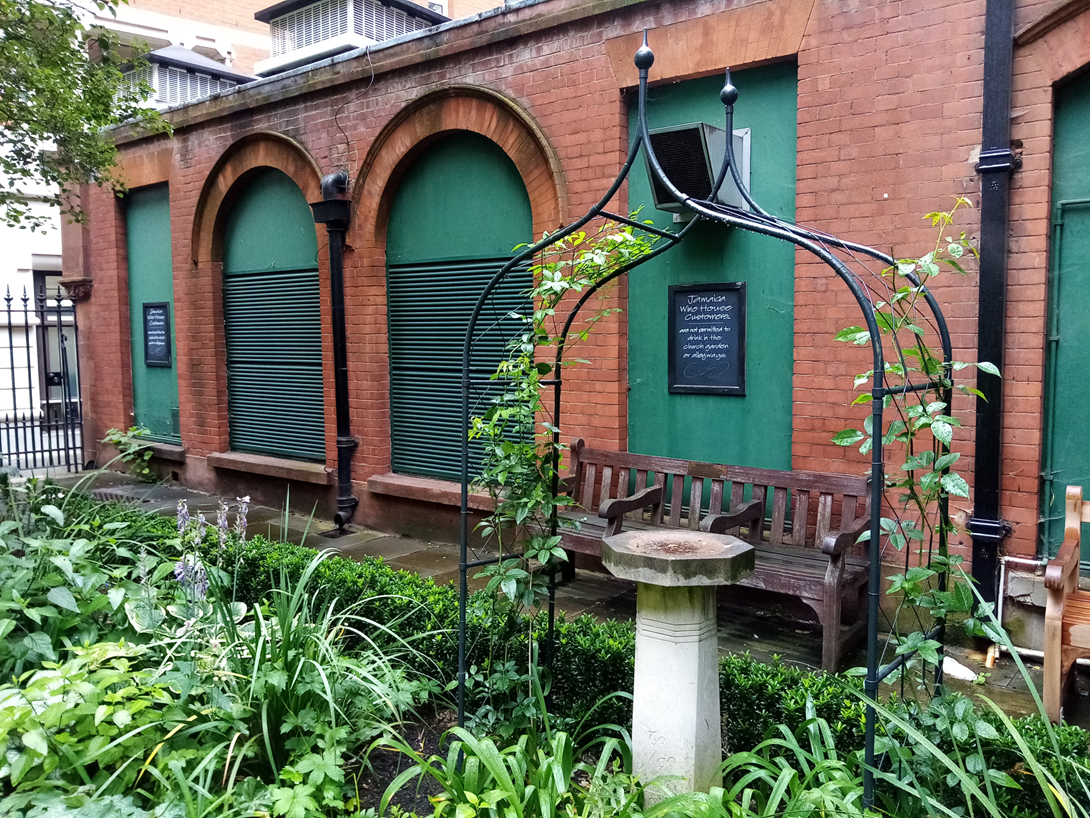
Fen Court, formerly St Gabriel’s Fenchurch Churchyard

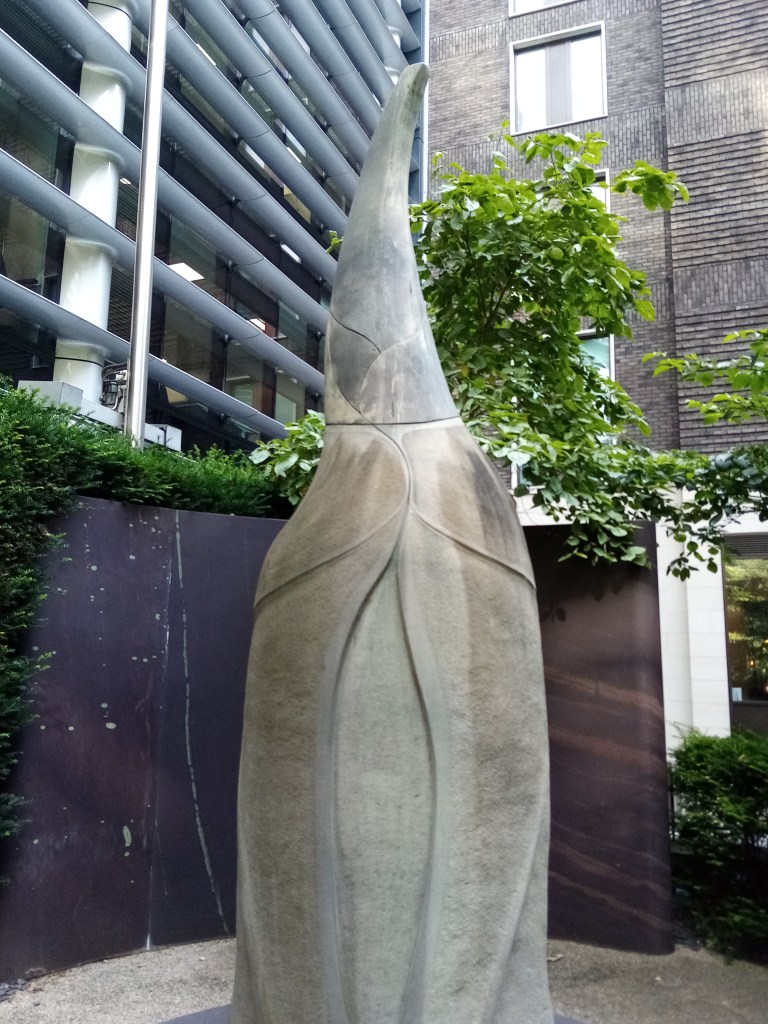
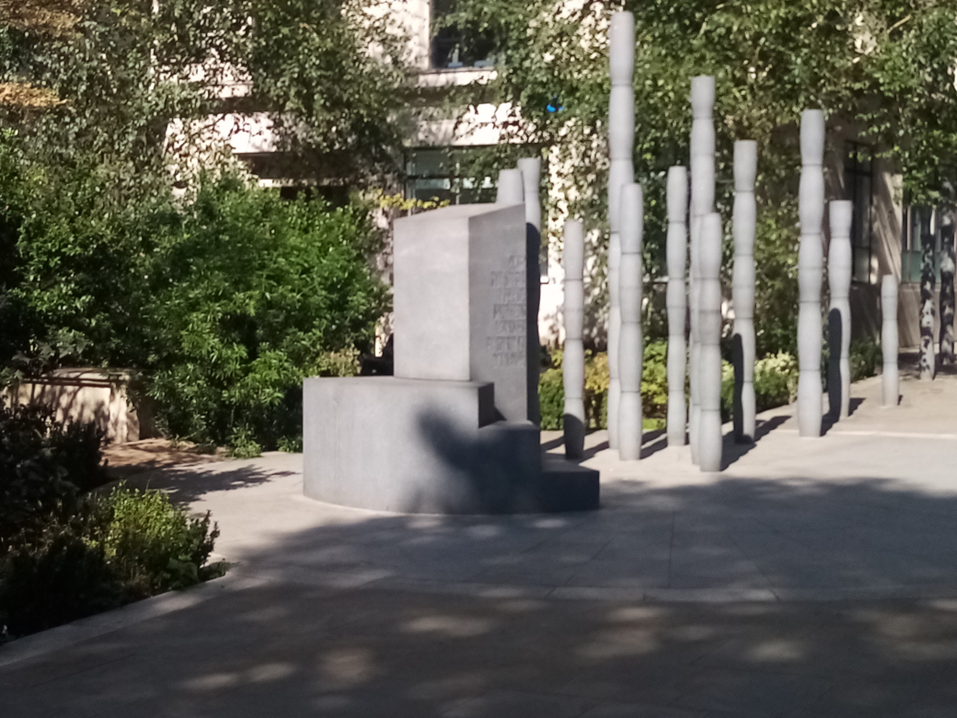
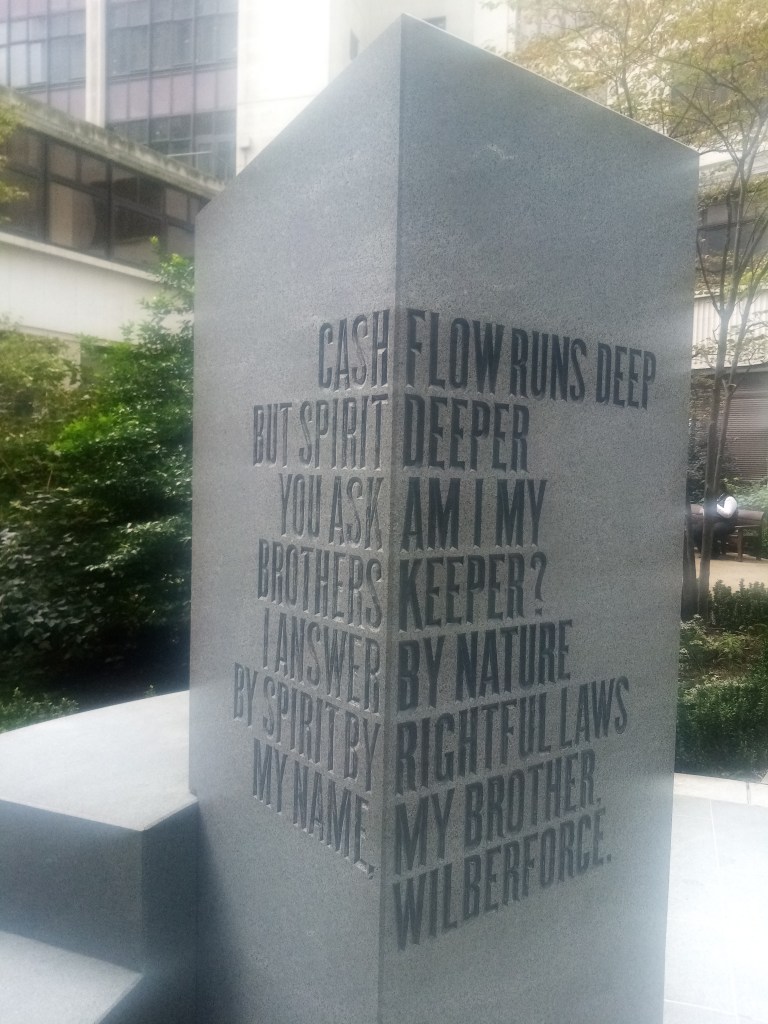
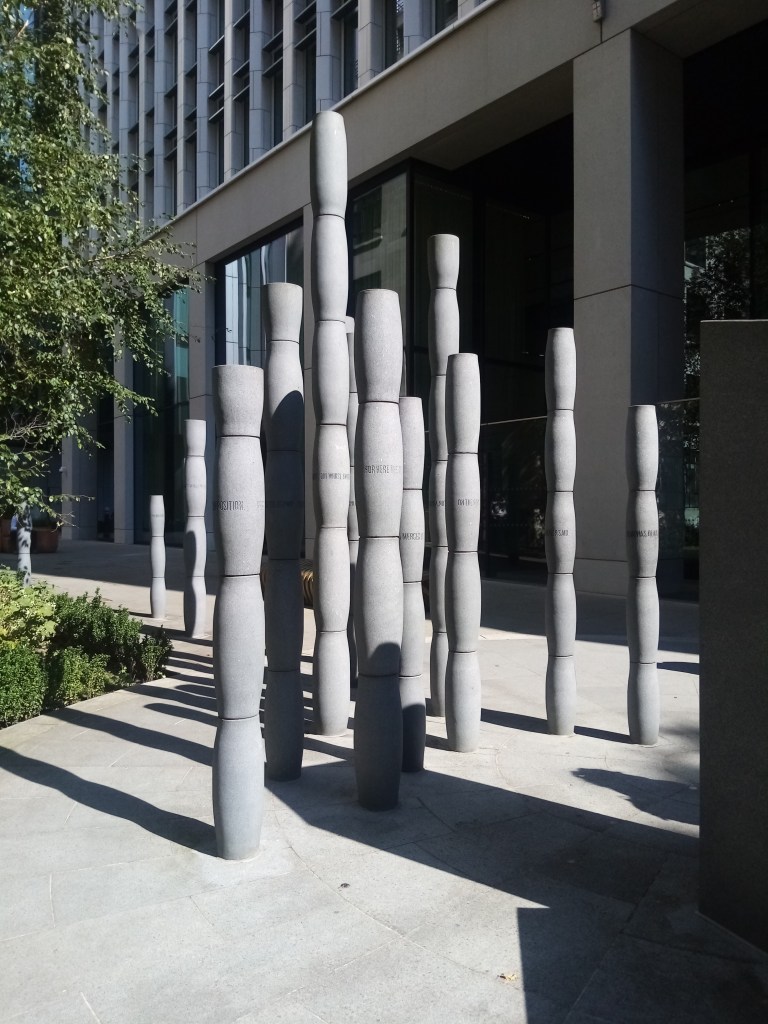
St Gabriel’s Fenchurch was destroyed in the Grear Fire and not rebuilt. The site lies in the parish of St Mary Woolnoth, Lombard Street which has a strong historical connection with the abolitionist movement. The Reverend John Newton, slave trader turned preacher and abolitionist, was rector of St Mary Woolnoth from 1780 to 1807, and worked alongside William Wilberforce. The granite sculpture in the garden commemorates 200 years since the abolition of slavery and was unveiled by Archbishop Desmond Tutu in 2008. It is composed of a group of columns surrounding a podium which could be a pulpit or alternatively a (slave) auctioneers platform. The columns are engraved with lines from a poem ‘The Gilt of Cain’ by Lemm Sissay, which links the slave trade with the City of London’s financial markets. ‘Gilt of Cain’ is a multiple pun: gilt is a reference to gold, but could also be spelt Guilt. Cain is a reference to the son of Adam who killed his brother Abel, but could also be spelt Cane, as in sugar cane, the crop grown on slave plantations in the West Indies. I had never come across this fascinating sculpture garden until a few weeks ago!

Source: Plaque displayed in the garden; londonontheground.com

A peaceful place to rest and reflect

August – Pocket Parks

I featured some gardens in City churchyards in January 2021 when it wasn’t possible to go inside churches because of COVID restrictions. But I didn’t know that these small oases dotted around the City are known as Pocket Parks. Mostly frequented by office workers in their lunchbreaks, they are lovely, leafy green spaces to sit and relax, especially in Summer. Here are four from the west of the City of London; three are sites where the church is long gone, the fourth is a somewhat larger pocket next to a church, and one of my favourite parks. I’m hoping to look at another four over to the East next month.

Christchurch Greyfriars Churchyard

The garden is in two parts: a beautifully restored flower garden in the nave of the bombed-out Wren church (I wrote about this in ‘Romantic Ruins’ way back in February 2020), and this plain grassed area with shady trees and benches. The two areas are separated by the restored church tower which looks very dramatic from either side. The reason for including this very ordinary looking garden is because part of this site was once a huge Franciscan monastery. The name Greyfriars is a reference to the grey habits that the monks wore. The first building (1225) was quite small but the replacement, begun in the 1290s was much larger, the second largest religious building in Medieval London. It was 91m long and 27m wide and had 11 altars! These two plaques are on the wall of the Bank of America building adjacent to the park; it’s a huge building but the priory would have been bigger! The monastery was dissolved in 1538 in the Reformation and the building and fittings were badly damaged and looted, and left in ruins. But in 1546 Henry VIII gave the priory to the City Corporation and the buildings were converted into Christ’s Hospital School in 1552, founded by Henry’s son, Edward VI. The word hospital was also a term for place of education or shelter, not just a place for health care. The school remained on this site for the next 350 years, relocating to Horsham in 1902.
Source: Wikipedia

Goldsmith’s Garden

The next Pocket Park is Goldsmith’s Garden, former churchyard of St John Zachary. The original church, dedicated to John the Baptist (John, son of Zachary) was destroyed in the Great Fire and not rebuilt. The site was first laid out as a garden by World War Two fire wardens in 1941 and is now owned by the Worshipful Company of Goldsmiths whose livery hall is across the road on the other side of Gresham Street. In 1995 the garden was refurbished by the Worship Companies named on the plaque above, creating the garden we see today. The garden is on two levels: at street level there are benches and flower borders with a huge London plane tree in the centre offering welcome shade. Down some steps to a square sunken garden with a small fountain in the middle of a grass lawn and in one corner, The Three Printers, a statue by Wilfred Dudeney. It depicts a newsboy, a printer and an editor, and surprisingly, is Britain’s only public monument to the newspaper industry. The statue was originally situated in New Street Square, Holborn but was relocated when the square was redeveloped. The other interesting items in the garden are these plaques of golden leopards, the symbol of the Goldsmiths’ Company.

Sources: Wikipedia; ianvisits.co.uk

St Olave’s, Silver Street

Photo taken from the garden looking towards 1 London Wall and the Museum of London

The Medieval London City landscape looked vastly different to how we see it today. Instead of modern office blocks of various sizes there were churches – lots of churches, so many of which did not survive fire and war. St Olave’s Silver Street is a stone’s throw from Goldsmith’s Garden and is on the corner of Noble Street and the dual carriageway that is London Wall. The church that stood here was destroyed in the Great Fire and never rebuilt but the site was maintained as a churchyard for burials.  The church was dedicated to St Olaf, one of three churches with this name in the City; Olave is the anglicised spelling of Olaf. He was the first Christian king of Norway and fought alongside the English against the Vikings at the Battle of London Bridge in 1014. On his death, Olaf was canonised and remains the patron saint of Norway. This area was one of the most heavily bombed in World War Two, consequently it was completely redeveloped post-war, with the creation of the Barbican Estate and the construction of London Wall, which the original Silver Street became part of. Some interesting things about this Pocket Park: William Shakespeare lived on Silver Street for a few years in the early 1600s, very probably he attended St Olave’s. A very worn plaque, found in the rubble of the Blitz reads: ‘THIS WAS THE PARISH CHURCH OF ST OLAVE SILVER STREET DESTROYED BY THE DREADFULL FIRE IN THE YEAR 1666.’ And lastly, I love this reflective pool of water in what is probably one of the church’s columns.

Source: livinglondonhistory.com

Photo Credit: livinglondonhistory.com

Postman’s Park

Postman’s Park opened in 1880 on the site of the former churchyard of St Botolph’s Aldersgate, a church still standing and in use (I wrote about it in ‘Churches on the London Wall’ February 2022). The Park is so named because the General Post Office (GPO) had its headquarters nearby and the park became very popular with workers in the building. The churchyard continued as a burial ground for the next 20 years and then in 1900, the artist and sculptor George Frederic Watts proposed a national monument be erected to the bravery and self-sacrifice of ordinary people. After rejecting the idea of a single huge bronze figure ‘a statue to Unknown Worth’, he came up with the idea of recording acts of self-sacrifice on individual tablets to be displayed on a memorial wall. The Vicar of St Botolph’s purchased the land from the City Parochial Foundation (who planned to build on it) and Watts himself paid the £700 (£84,000 in 2023) and Watt’s Memorial to Heroic Self-Sacrifice was created. By the time of Watt’s death in 1904 only 13 of the planned 120 memorial tablets were in place; his wife Mary continued the project, overseeing the installation of a further 40. In 2009, a new tablet was added to the memorial, the first for 78 years. I love how spacious this park is and that it’s not overlooked by tall buildings, and has some lovely palms and ferns. Absolutely worth a visit, it’s where we stopped for lunch on my ‘Churches on the London Wall’ Walking Tour.

Source: Wikipedia

Gravestones stacked against a wall at Postman’s Park

And lastly….I spotted the City gardeners’ van, thanks guys!
smart

July – Churches with Domes

The dome of Christopher Wren’s masterpiece church, St Paul’s Cathedral, is one of the most iconic and recognisable landmarks in the City of London, a must-see for every tourist. It even features on the moquette seats of the London Underground, along with the London Eye! I’ve featured St Paul’s before, but the wonderful dome has its own interesting story and deserves its own entry. There are several other London churches which feature domes, all with interesting histories and beautifully designed interiors:
Notre Dame de France, Leicester Square

This is a French Roman Catholic Church located just off Leicester Square. The use of the building as a church dates back to the mid-1800s, but the building itself is older and previously served a completely different purpose. In 1861 the Archbishop of Westminster, Cardinal Wiseman, wanted to establish a church to support the large French community in the area around Soho. In charge of the project was Father Charles Faure, who discovered and purchased a circular building known as Burford’s Panorama; an early form of visual entertainment and a tourist attraction in the early 1800s (precursor to the moving picture house which now dominates Leicester Square.) Faure employed a French architect to transform the building into a church, retaining the dome as a feature. The church was badly damaged by bombing in 1940 and had to have extensive structural repairs and redecoration, finally reopening in 1948. The French cultural attaché Rene Varin, with the support of the French Ambassador and British Prime Minister Anthony Eden, wanted to create ‘a sacred space that would honour France’ and approached eminent artists of the time to create artworks to decorate the newly rebuilt church. The interior of the church feels like part worship space, part art gallery and looks surprisingly modern, definitely not 75 years old. Worth a visit if you are in Leicester Square, here’s a taster of the artworks:

Sources: Notre Dame de France Church Website; Wikipedia

Mosaic of the Nativity by Russian artist, Boris Anrep (1954)
Crucifixion by Jean Cocteau (1960)
I nearly forgot to include the dome!

St Stephen Walbrook

Model of St Stephen inside the church

Situated in the City, originally beside the Walbrook stream, the first church on this site was built as early as 700AD, or more likely, 980AD. A Saxon church, it was built on the foundations of the Roman temple of Mithras, following the practice of hallowing a pagan site. By 1428 this church and its graveyard were too small for the parish and a larger church was built on higher ground twenty metres to the East; soon after, the Walbrook was culverted and became a street. This church was completely destroyed in the Great Fire of 1666, and was one of the churches chosen to be completely redesigned and rebuilt. Enter Sir Christopher Wren, creative genius, who worked as surveyor, architect, structural engineer and in the case of St Stephen, labourer; it is said that he was personally involved in the construction of the church. The rebuilding of the church began in 1672 to a unique design; Wren lived at No. 15 Walbrook, so this was his own parish church. The 19-metre-high dome is based on Wren’s original design for St Paul’s Cathedral and is centred over a square of twelve columns. The walls, tower and columns are made of stone, but the dome is made of timber and plaster covered with copper. In 1953 the Samaritans charity was founded by the rector of St Stephen’s, Dr Chad Varah. The first branch of the charity operated from the crypt beneath the church before moving to Marshall Street in Soho. The first telephone used by the charity is displayed in a glass box in the church. In 1987 a massive white polished stone altar commissioned from the sculptor Henry Moore by churchwarden Peter Palumbo was installed in the centre of the church, a dramatic addition to the church furnishings.

Sources: Leaflet in the church; Wikipedia

The magnificent Dome of St Stephen’s
Stone Altar sited under the dome
Exterior shot of St Stephen with a new build in the background

Temple Church, Inns of Court

The church’s website says: ‘Welcome to the prayerful and beautiful Temple Church, steeped in the history of Christendom, this country and the whole Common Law World.’ The ‘Round Church’ as it was once known was constructed in 1162, probably England’s earliest Gothic building. It is modelled on the round church of the Holy Sepulchre of Jerusalem, the site of Jesus’ death, burial and resurrection. In medieval times, Jerusalem was the centre of the world, so the Round Church in London represented Jerusalem in the capital of England. If you were standing under the dome of Temple Church, you were spiritually as close as you could be to Jerusalem. The site was originally a much larger monastic complex, headquarters of the Knights Templar and a military training facility for the military branch of the Order. Fast forward to 1215 and Temple Church is King John’s London Headquarters. Here, in January 1215, the King was confronted by barons who demanded that the monarch be subject to the Rule of Law like every other citizen. Six months later, as proof of his allegiance to the Rule of Law, John signed the Magna Carta at Runnymede on the banks of the River Thames: the very beginning of democracy and the Rights of the Common Man. Temple Church is owned jointly by the Inner Temple and Middle Temple Inns of Court, and the Church serves the lawyers and other staff of the Inns of Court with pastoral care, church services and a dedicated programme of music. Not surprisingly, the church is hired for use as a film location, concert venue, lecture hall and reception venue. A wonderfully atmospheric space!

Sources: Temple Church website; Wikipedia

Dome of St Paul’s Cathedral

When Sir Christopher Wren submitted his designs for his new cathedral to the Church Commissioners, they were not keen on his plan for a huge dome, preferring the idea of a more traditional steeple topped by a spire or cross. After extensive negotiations a compromise was agreed: a smaller dome would be topped by a spire, but Wren never actually added the spire! Instead, he designed a magnificent stone lantern to be built on top, which Wren believed would dominate the horizon – he was right there! A golden cross completes the iconic look. The dome weighs 65,000 tonnes, one of the largest cathedral domes in the world and there are three galleries incorporated into its design. The Whispering Gallery runs around the interior of the dome, so-called because a whisper against the wall can be heard on the opposite side of the gallery. The Stone Gallery and the Golden Gallery run around the outside, the latter is just below the lantern and is 85 metres (528 steps) from the floor. During the Second World War, Winston Churchill declared ‘St Paul’s must be saved at all costs’, and at the height of the Blitz, he would ask on waking each day, ‘Is the dome still safe?’ He rightly believed that the cathedral was a target for enemy bombers and that its destruction would have been a severe blow to the morale of Londoners and to the whole country. To this end, he deployed teams of volunteers to patrol the network of passages and roof spaces of the cathedral 24 hours a day, putting out fires from incendiary bombs before they could spread. The cathedral received two direct hits, but the dome was undamaged. After a night of intensive bombing in 1940, the area around St Paul’s was mostly reduced to rubble, but the cathedral remained standing.

Source: St Paul’s Cathedral Official Souvenir Guide

Brass plaque in the floor directly under the centre of the dome
Looking down to the floor of the cathedral from inside the dome (I took this photo through glass from about two thirds up the 528 steps!)
The original ‘Warrant Design’ which Wren altered to his own specification. Wikimedia Commons: File 74 -AS ll.13. S elevation.jpg