This month’s post is one of an ‘occasional series’ about other cities in the UK and Europe. I visited Lisbon, capital of Portugal last year, a city small enough to explore its highlights in a week. Lisbon was a landing post established by the Phoenicians in circa 1200BC, it was later occupied by the Romans and then North African Moors. When the city was retaken from the Moors in 1147, Afonso Henriques declared himself King of Portugal and Lisbon was properly established as the capital city. The 15th century was known as the ‘Age of Discoveries’ when maritime explorers set off from Lisbon to explore (and conquer) new lands: first the island of Madeira, and later parts of West Africa and India and notably, Brazil. In 1755 The Great Earthquake struck Southern Portugal and devasted Lisbon and its surroundings, affecting most of the buildings of the city, and followed by equally devastating fires and tidal waves. Here are three beautiful (for different reasons) churches and one spectacular statue.
Source: Explore Lisbon, Insight Guides
Igreja de Sant Antonio de Lisboa (Church of St Antony of Lisbon)
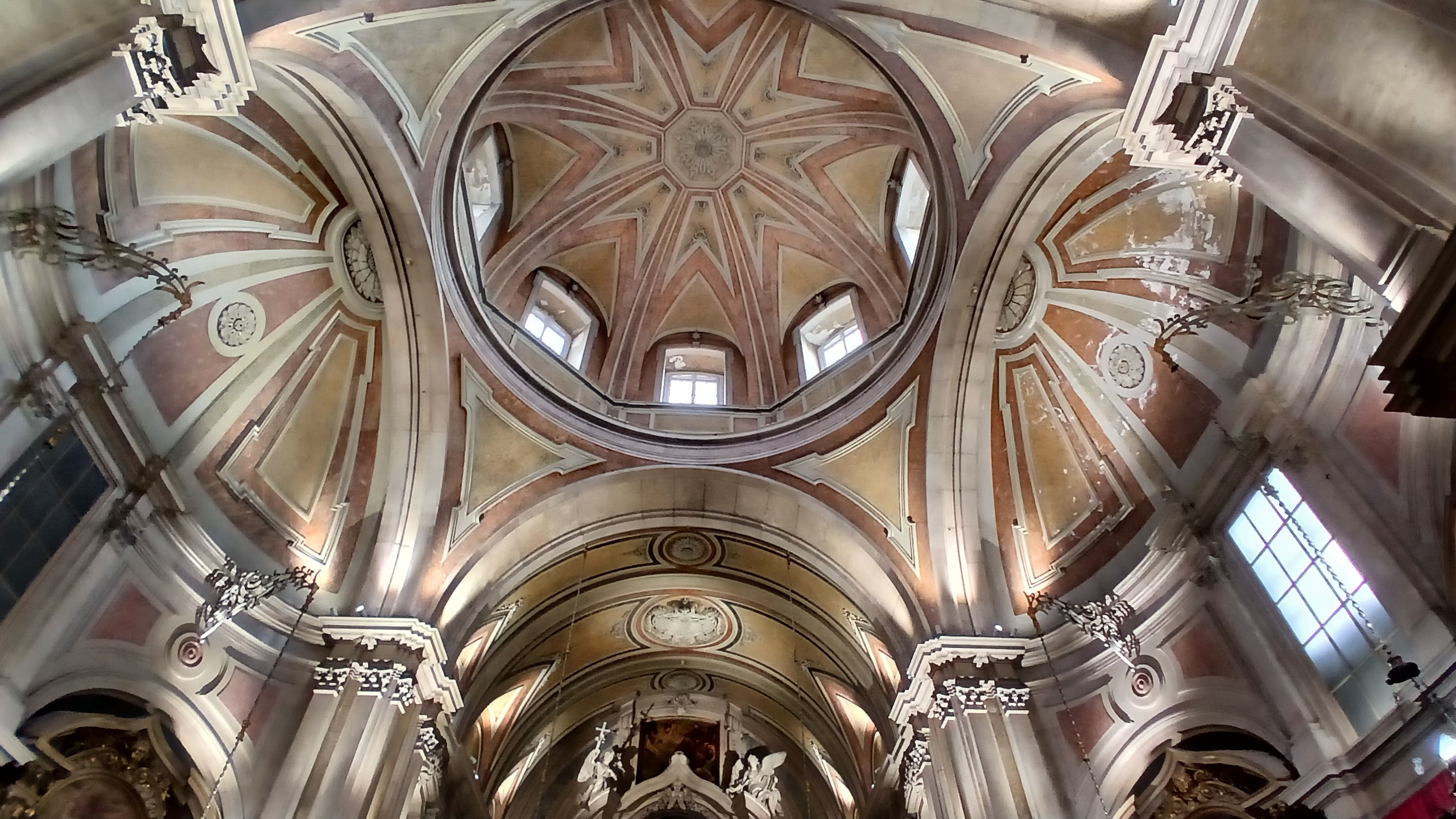
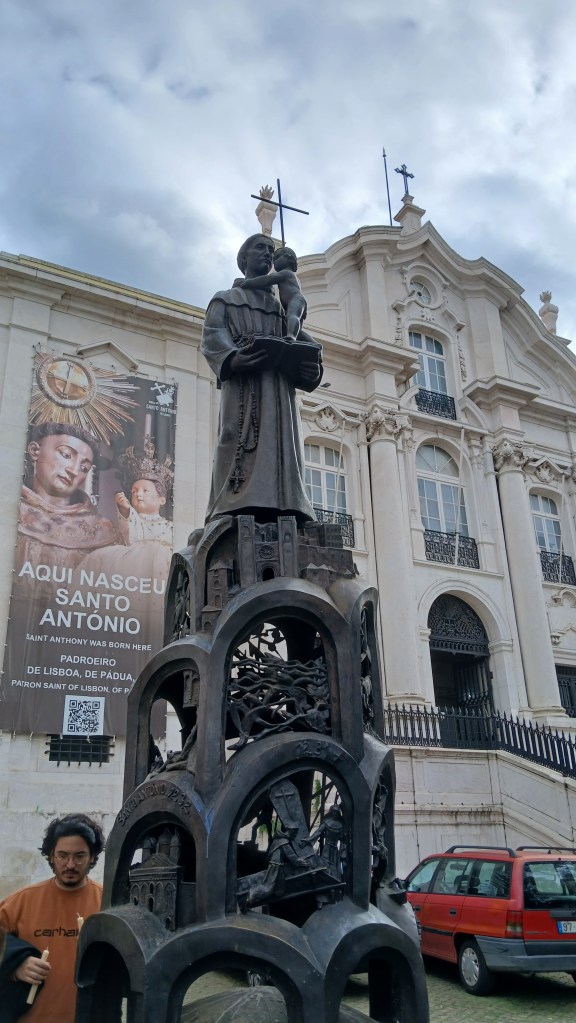
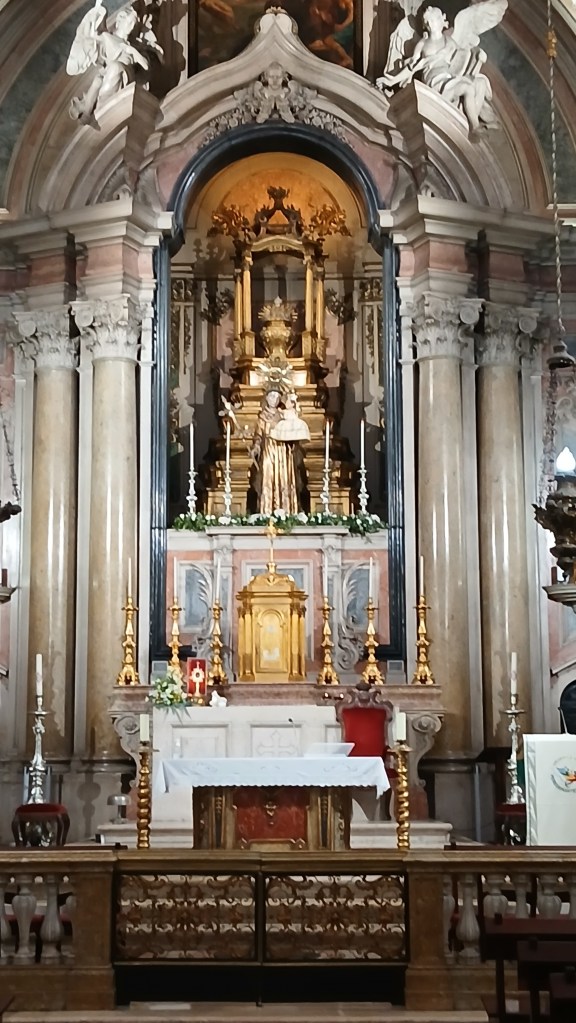
The church is built on the site of the house where St Antony was born in 1195. He is known worldwide as Antony of Padua because his missionary journey took him to Padua in Italy, but he is Santo Antonio de Lisboa to its citizens. A small chapel was built on the site in the 15th century, rebuilt in the early 16th and again in 1730, but this one survived only 15 years, being destroyed in the 1755 earthquake. The church that stands today was built in 1667 in the Baroque Rococo style. St Antony’s Feast Day is 13th June and is the most important of the ‘Popular Saint Festivities’ celebrated in Lisbon. There are street parties across the city with music, food and dancing all day and into the night, and a ‘cheerfully noisy’ parade down the wide Avenida da Liberade.
Sources: Wikipedia; Explore Lisbon, Insight Guides
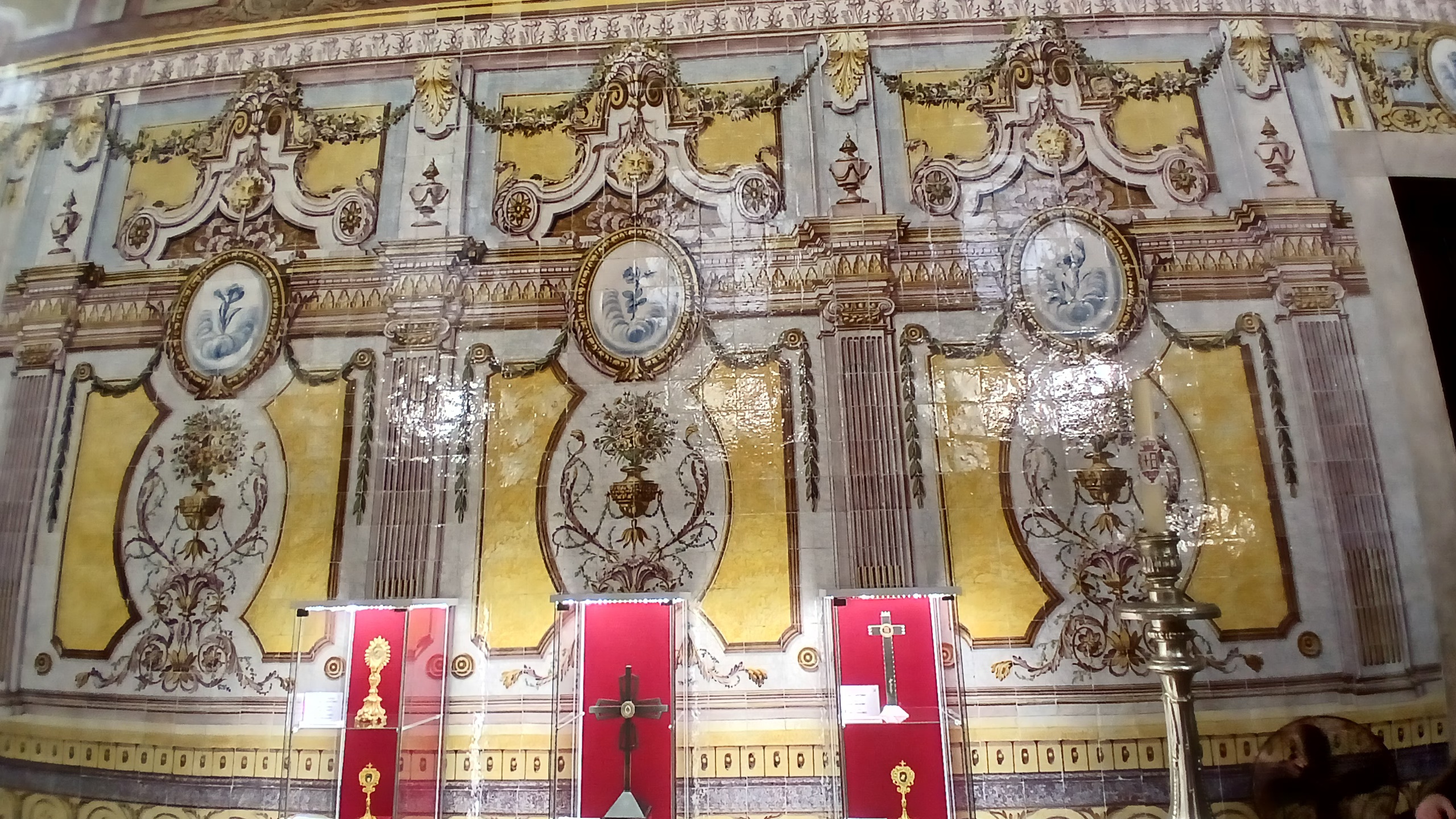
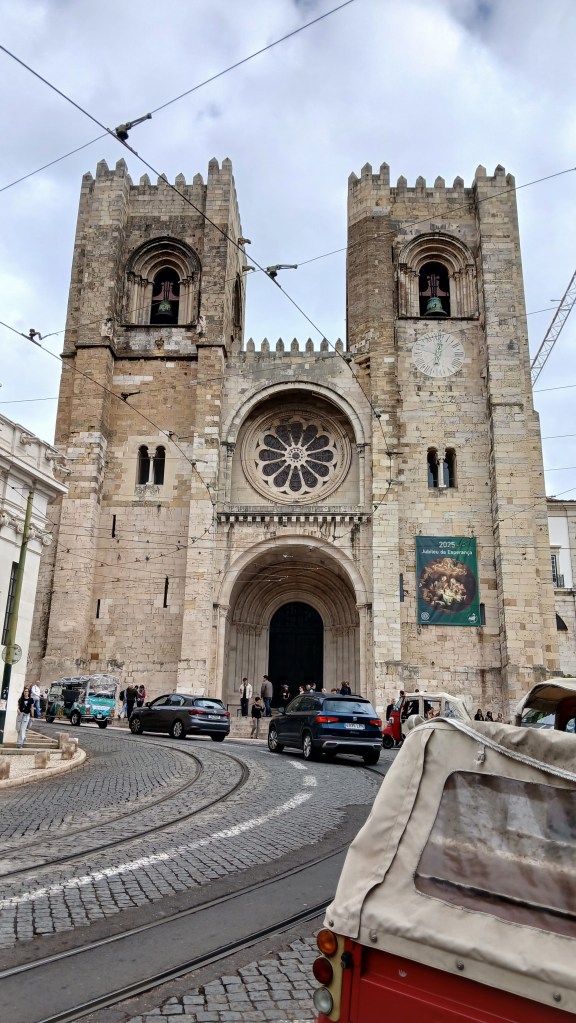
Se de Lisboa (Lisbon Cathedral)
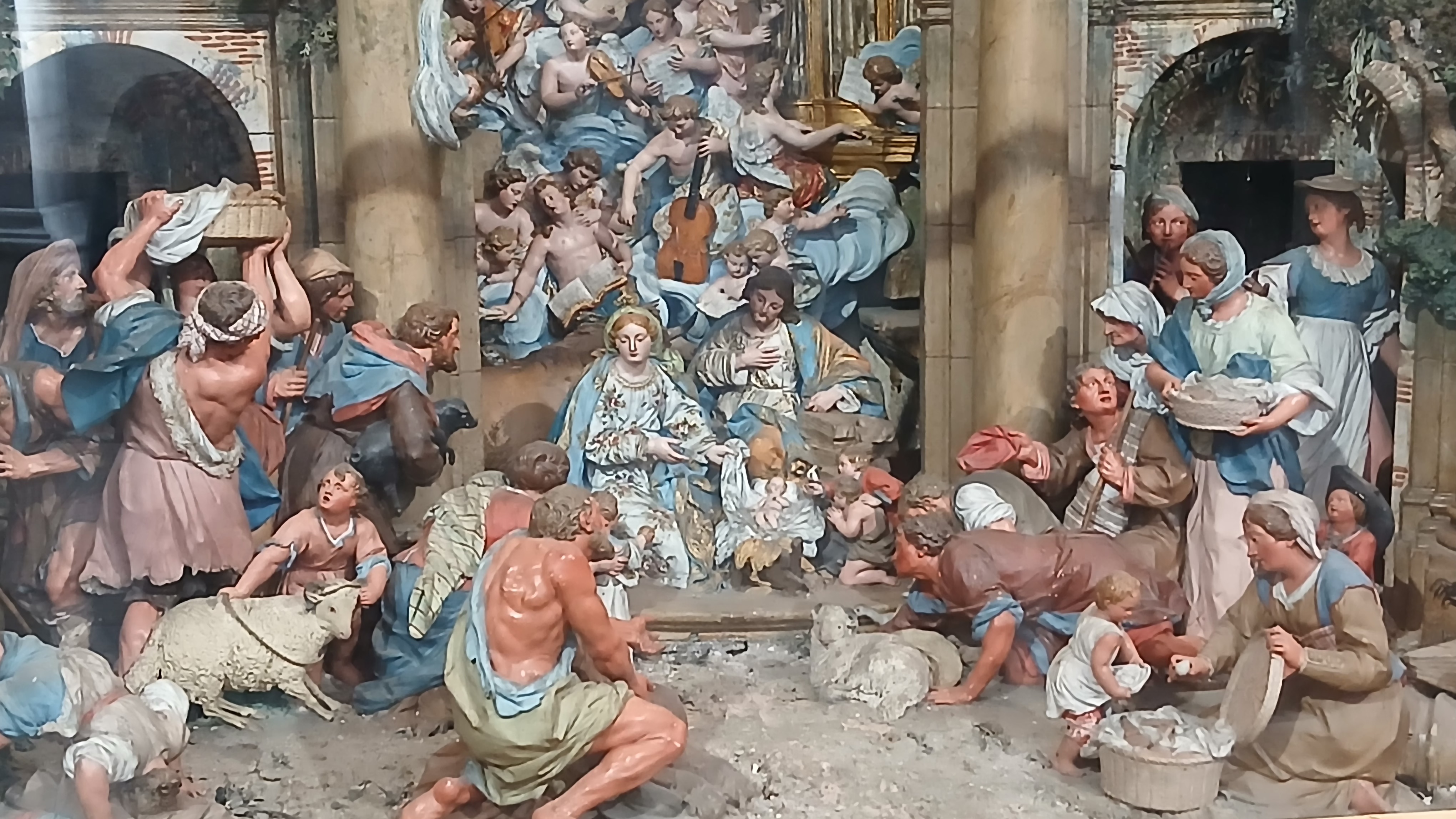
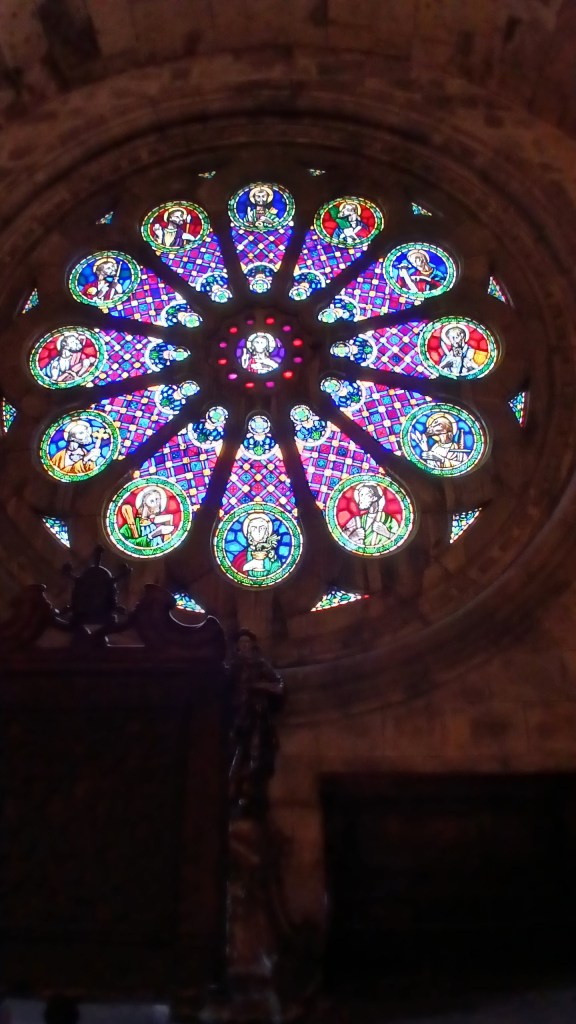
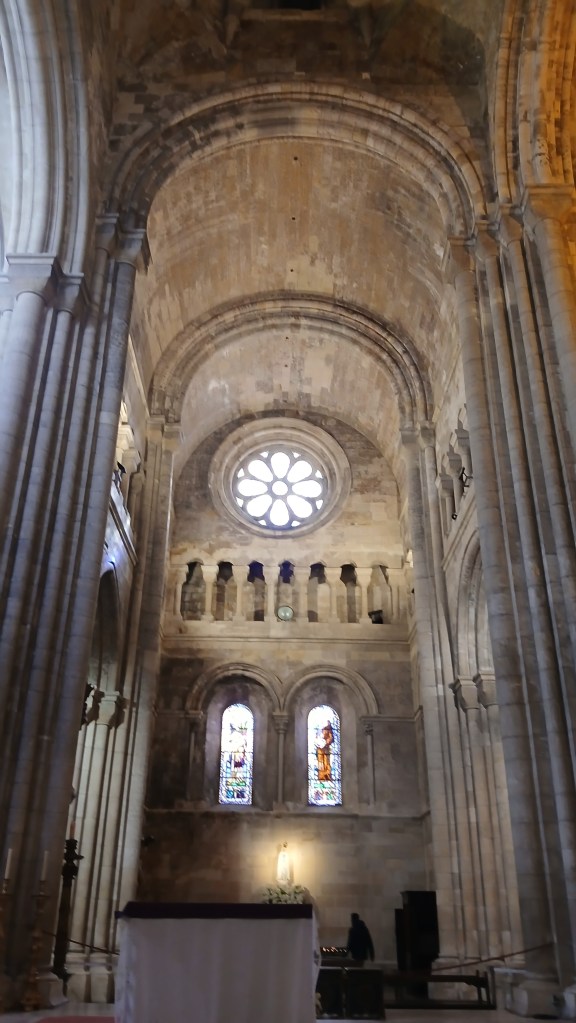
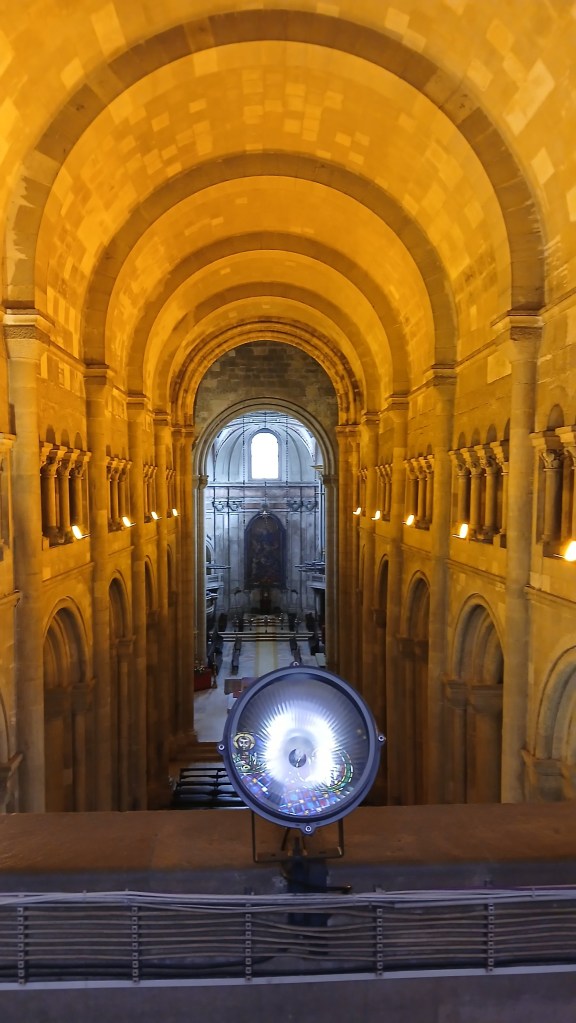
Just up the road from St Antony’s is the city’s cathedral, with its Romanesque facade: twin castellated towers and stunning rose window. A cathedral was built shortly after the recapture of Lisbon from the Moors in 1147. The site was formerly that of the city’s main mosque when under Moorish occupation. The cathedral was extensively restored following severe damage from the 1775 earthquake, including the destruction of a third tower, taller than the two towers we see today. St Antony of Lisbon was baptised in the original cathedral and is said to have attended the cathedral school. Today there is a small museum, The Treasury, which houses artworks and a collection of elaborate clergy vestments. The 13th century cloisters have been excavated and signs of Iron Age, Roman and Moorish occupation have all been discovered. Among the interesting things to see, I particularly like this tableau of the Nativity, which includes a heavenly choir and orchestra and lots of ordinary ‘country folk’ looking on.
Source: Top 10 Lisbon, DK Eyewitness
Igreja do Carmo
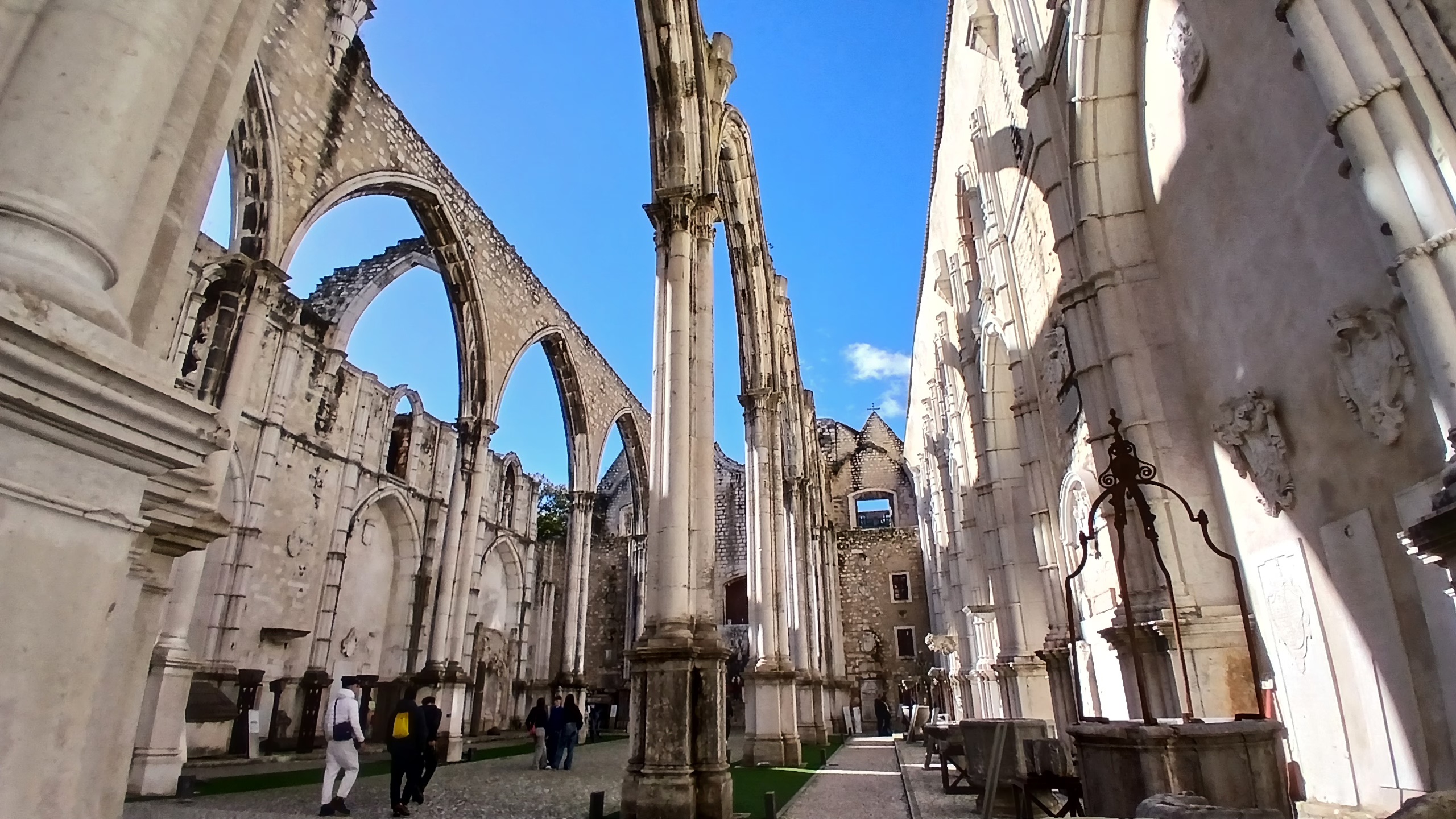
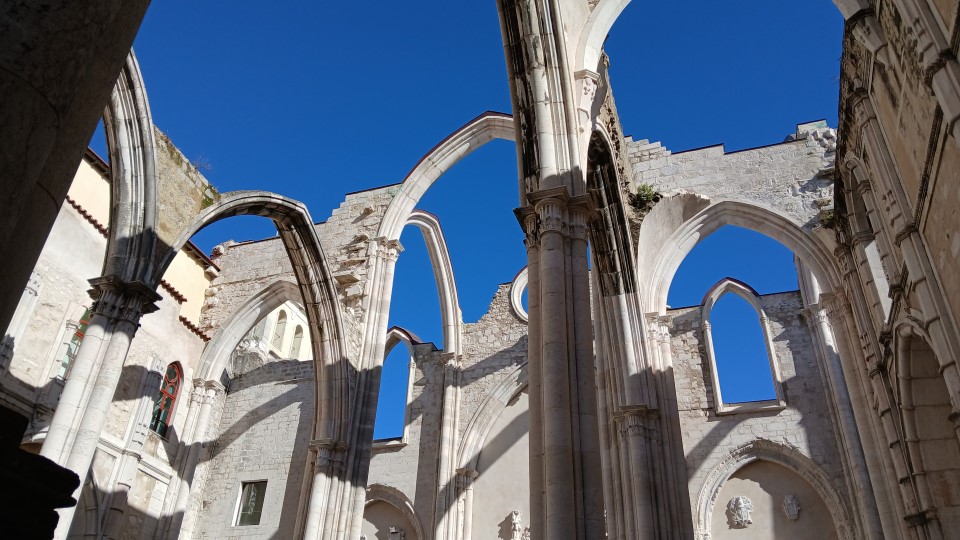
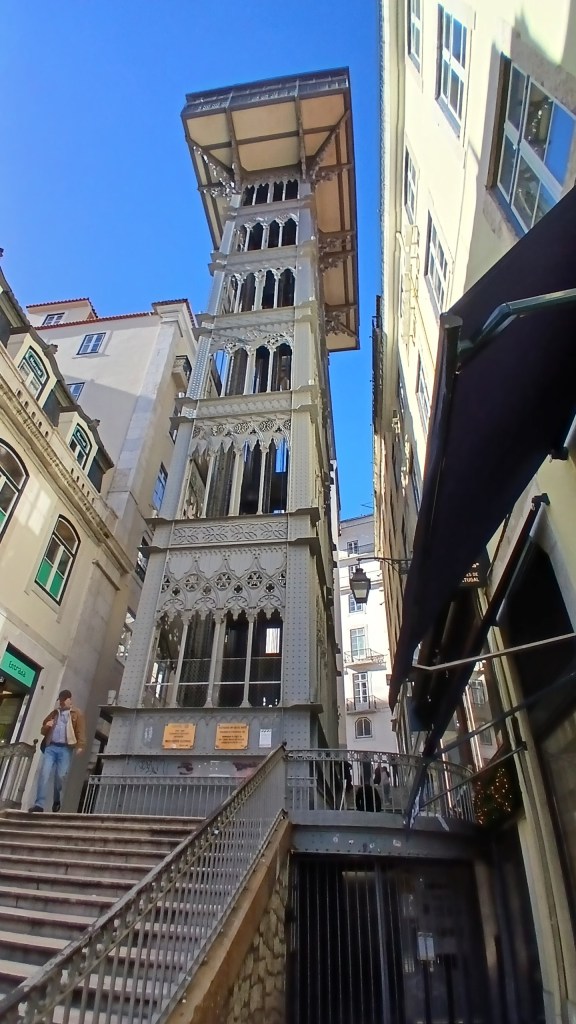
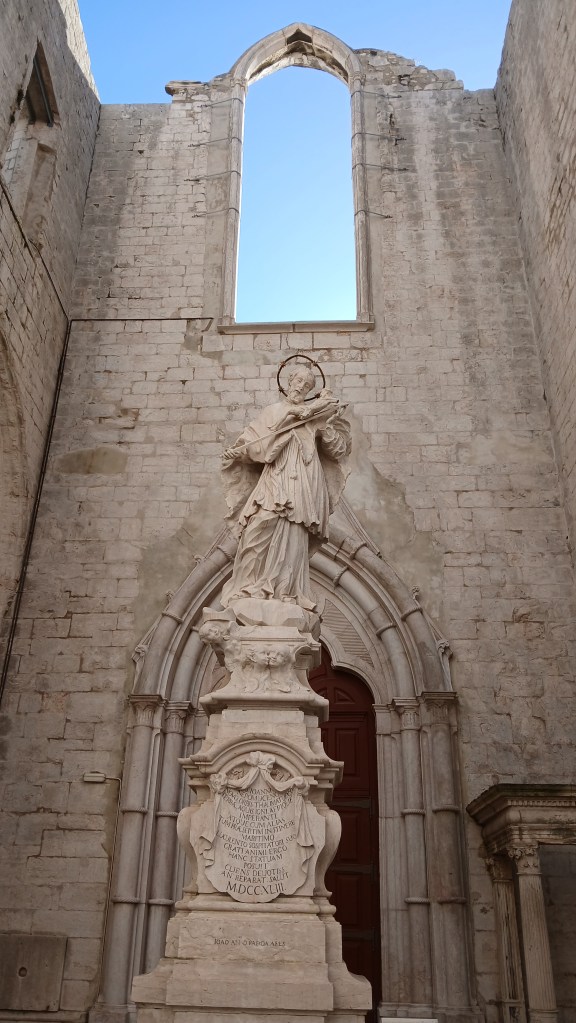
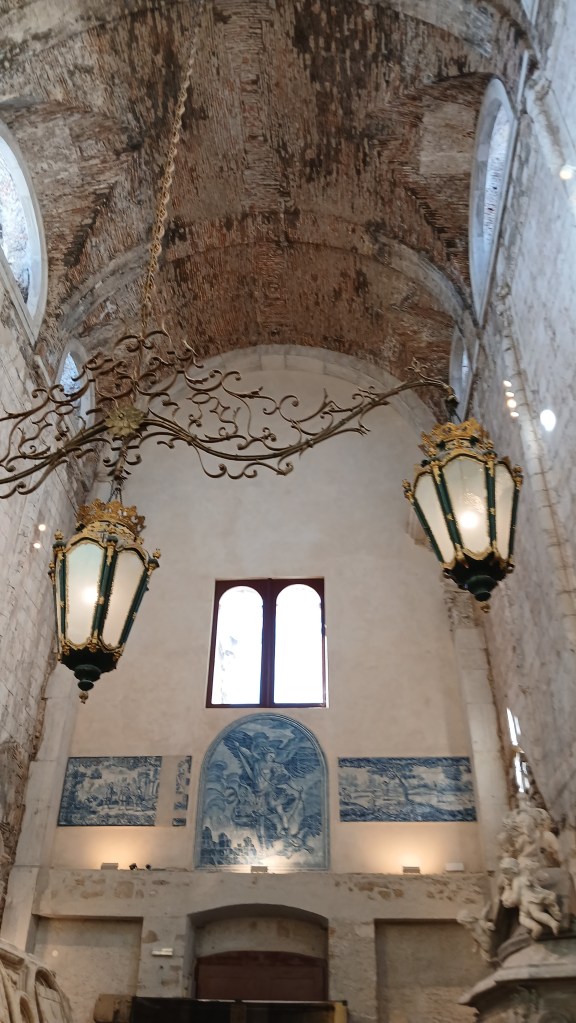
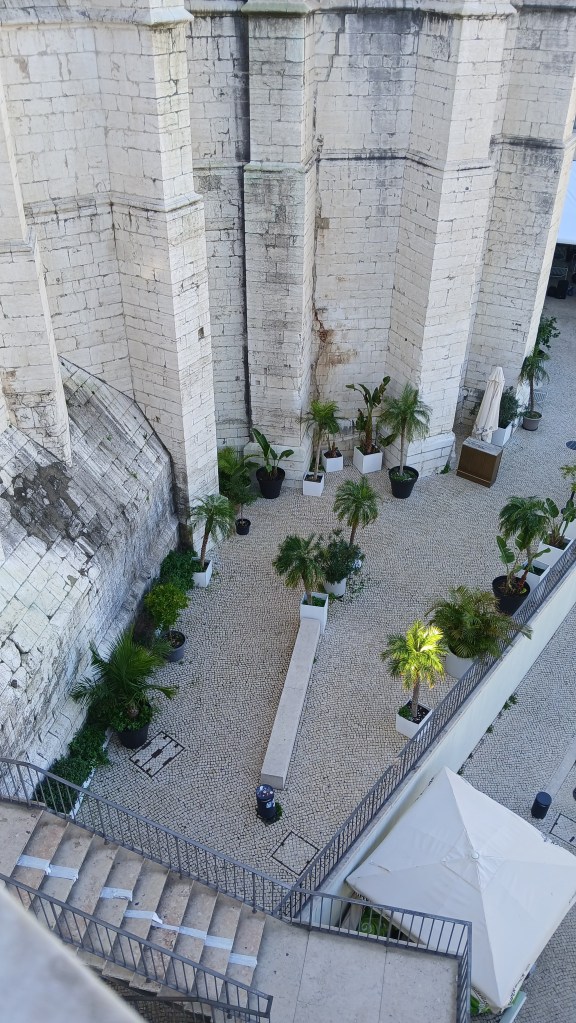
In my opinion, the exposed Gothic arches of this church ruin are Lisbon’s most spectacular attraction. This 14th century Carmelite church was partially destroyed in the 1755 earthquake and the beautiful remains have been restored as a memorial to those who died. The earthquake struck on All Saints Day, consequently the church was full of worshippers who all perished when the roof of the main part of the church caved in. Reconstruction work started in 1756 but was suspended in 1834. The Museo Arqueologico do Carmo was installed in 1864 housing a valuable collection of historical, archaeological and artistic pieces, ranging from the pre-historic era to contemporary times. One of the rooms in the museum shows a 15 minute film charting the six centuries of the church. The church is accessible by the Elevador de Santa Justa, an outdoor lift which takes passengers from ground level to the hillside where the church stands. It’s fascinating to look down from the viewing platform to the foundations of the church, metres below.
Sources: Explore Lisbon, Insight Guides; Leaflet in the church
Cristo Rei (Christ the King) statue
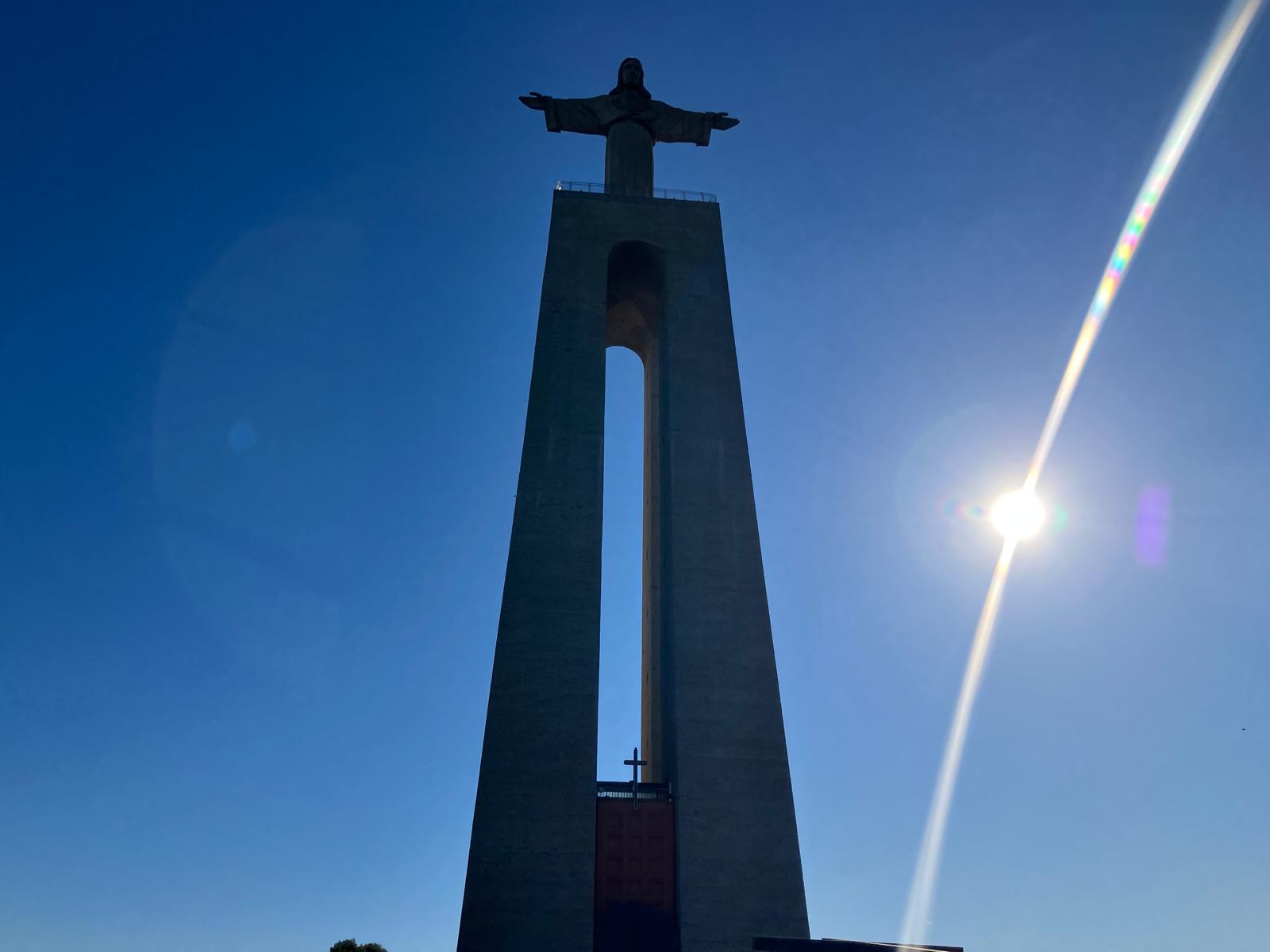
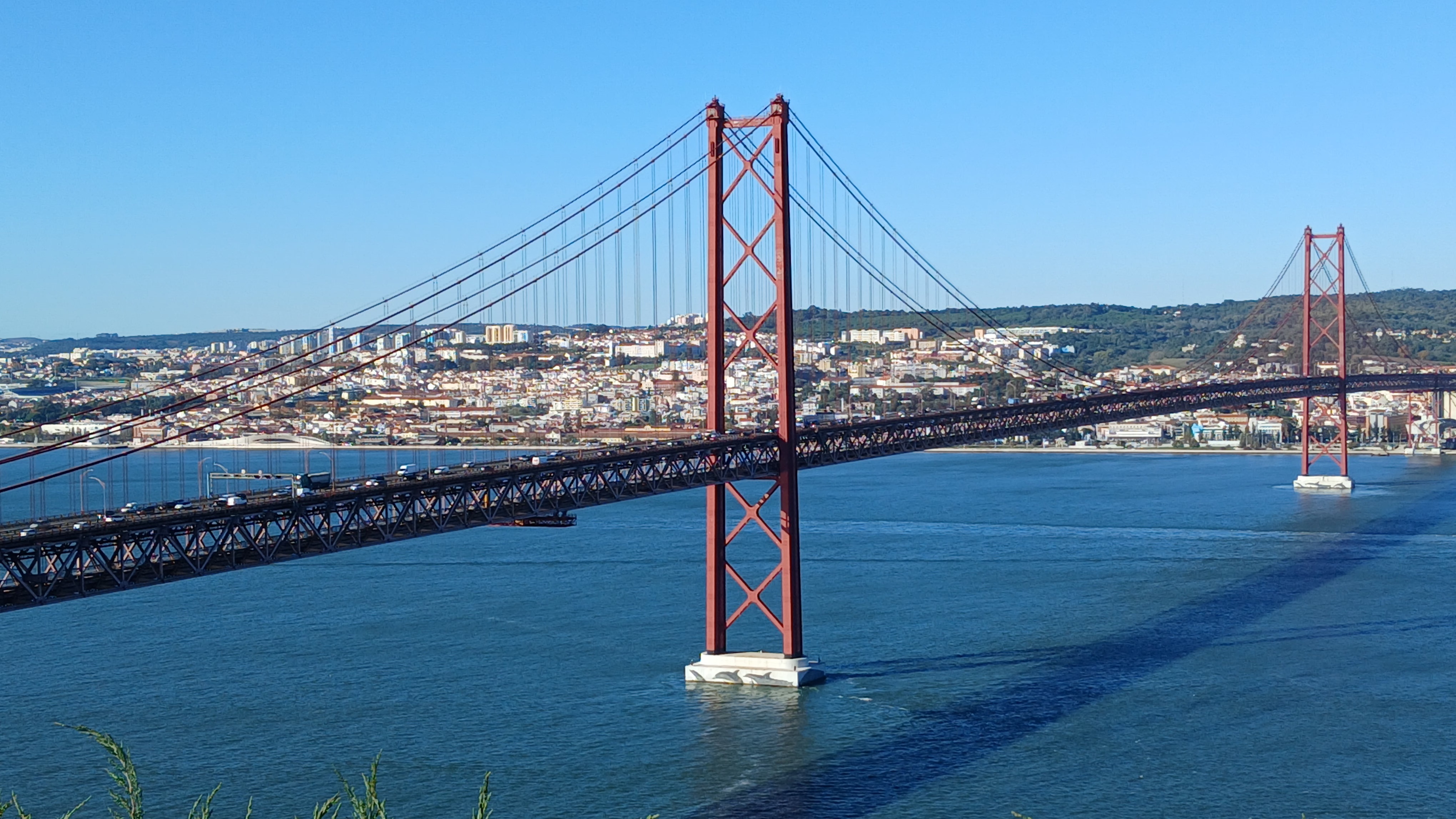
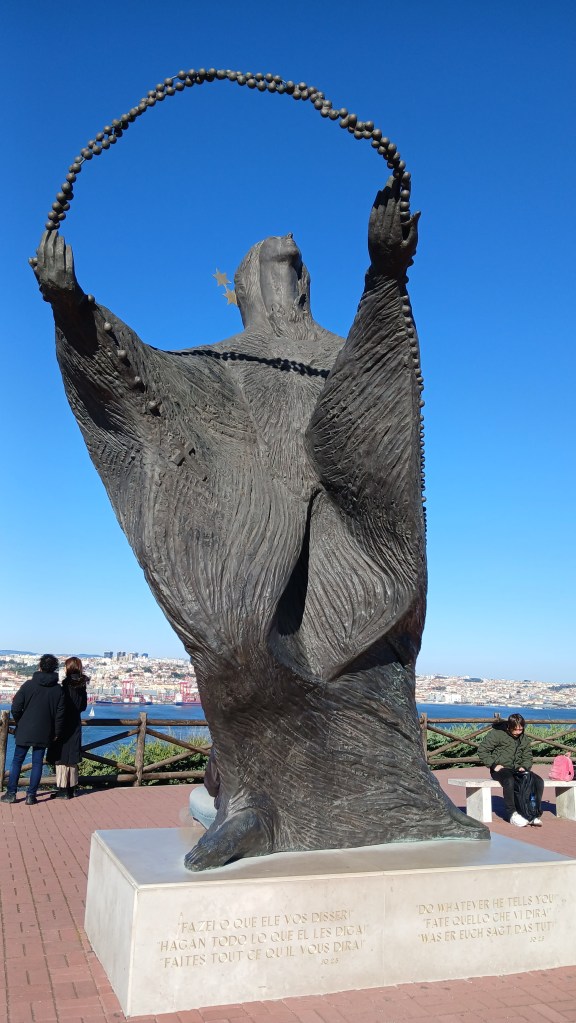
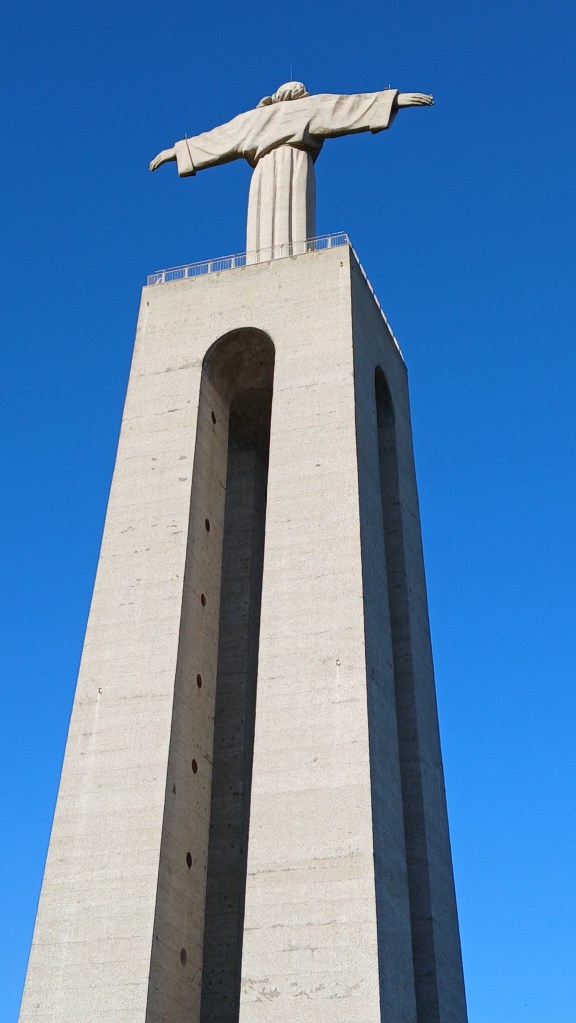
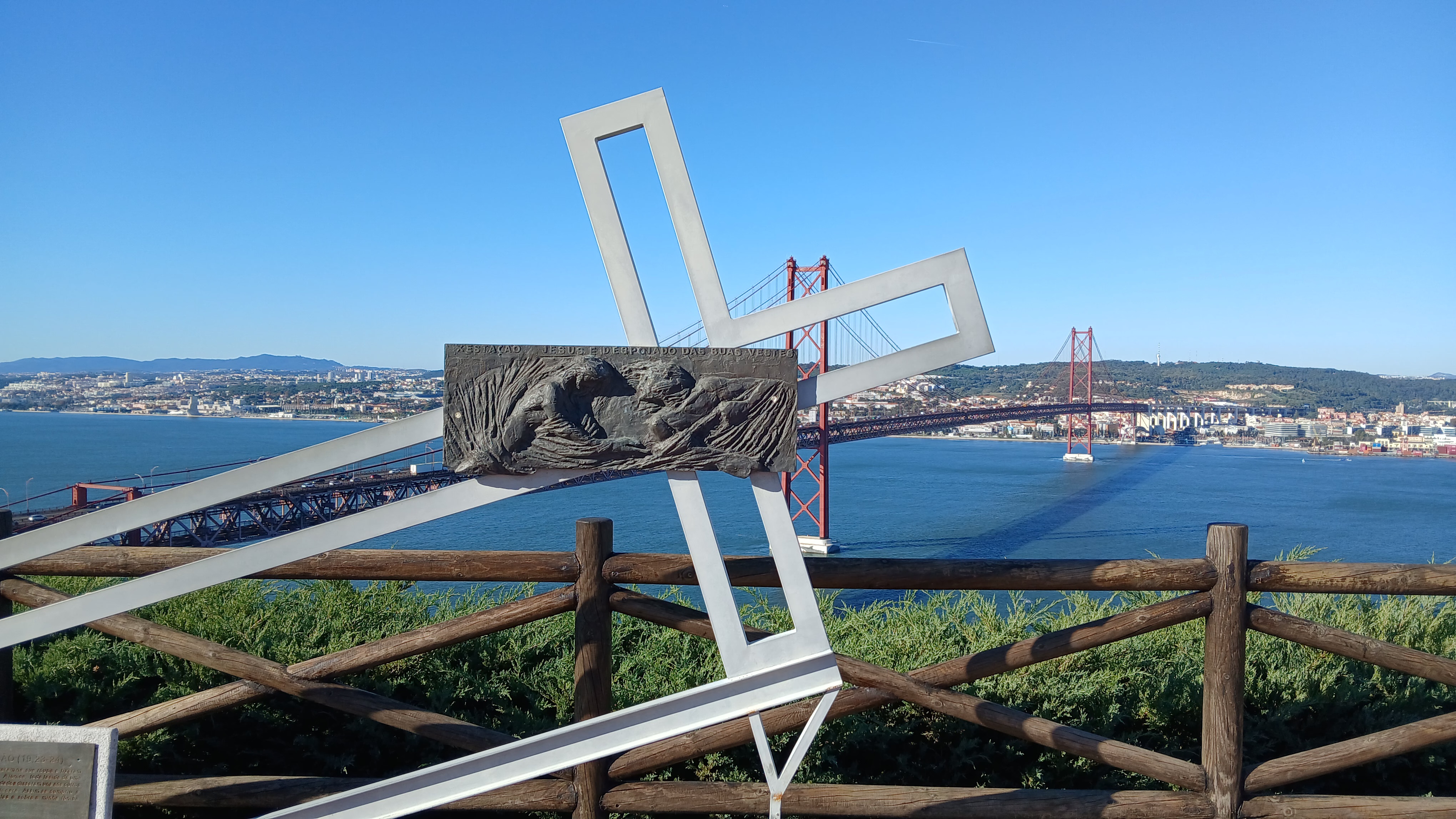
The Cristo Rei statue is another must-see. It can be viewed from many parts of Lisbon but is actually across the Tejo River in the smaller city of Almada, reached by ferry. The statue is 28 metres tall on an 82 metre pedestal and was inspired by the famous Christ the Redeemer statue in Rio de Janeiro, Brazil. In 1940 the bishops of Lisbon decided to erect a monument over Lisbon if Portugal was spared from the Second World War. Portugal maintained neutrality for the duration of the War. Construction began in 1949 and the statue was completed in 1959. There are lifts inside the pedestal which ascend to a viewing platform at the base of the statue, offering 360 degree views over the two cities. The statue is set in a beautifully landscaped garden featuring a modern statue of Jesus’ mother Mary, inscribed with the words ‘Do whatever He tells you’ (John 2:5) on the plinth; and two large crosses. The bridge spanning the Tejo is the Ponte 25 de Abril and was inspired by San Franciso’s Golden Gate Bridge. Originally named Ponte Salazar after Portugal’s long-time dictator, it was renamed in honour of the bloodless revolution, the so-called ‘Carnation Revolution’ of 25th April 1974 which restored democracy to Portugal.
Sources: Explore Lisbon, Insight Guides; Leaflet in Tourist Information
 claresimons1