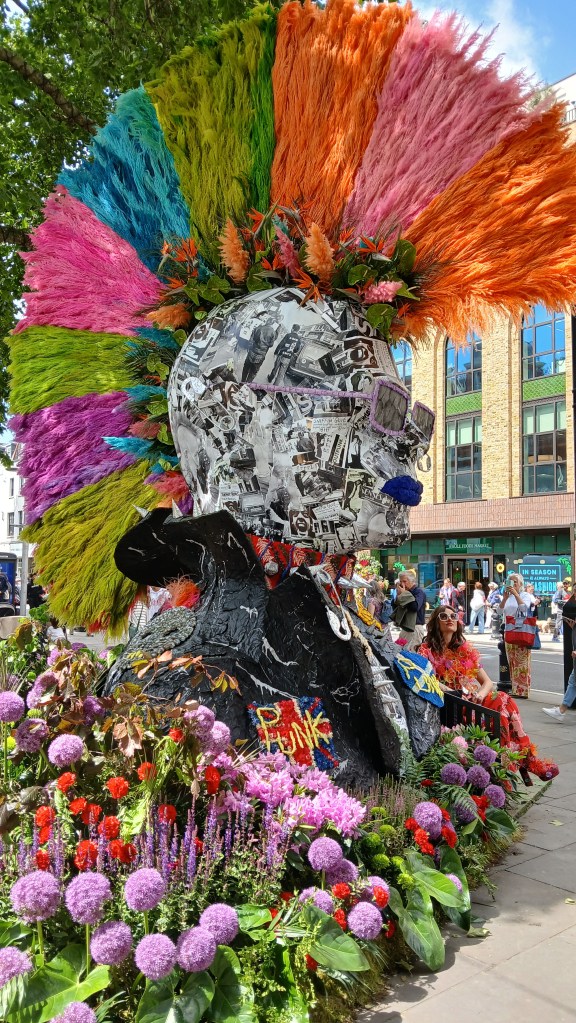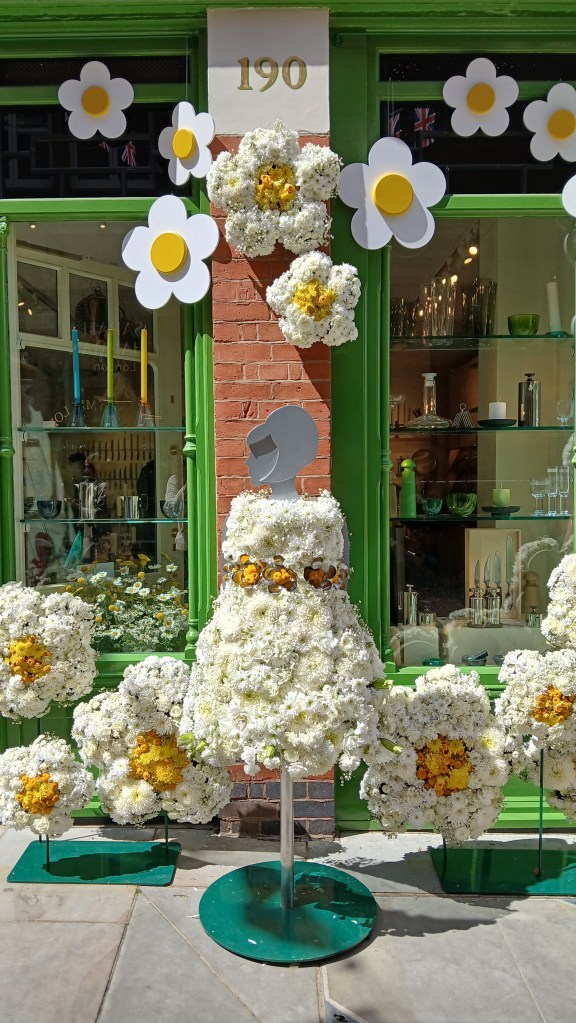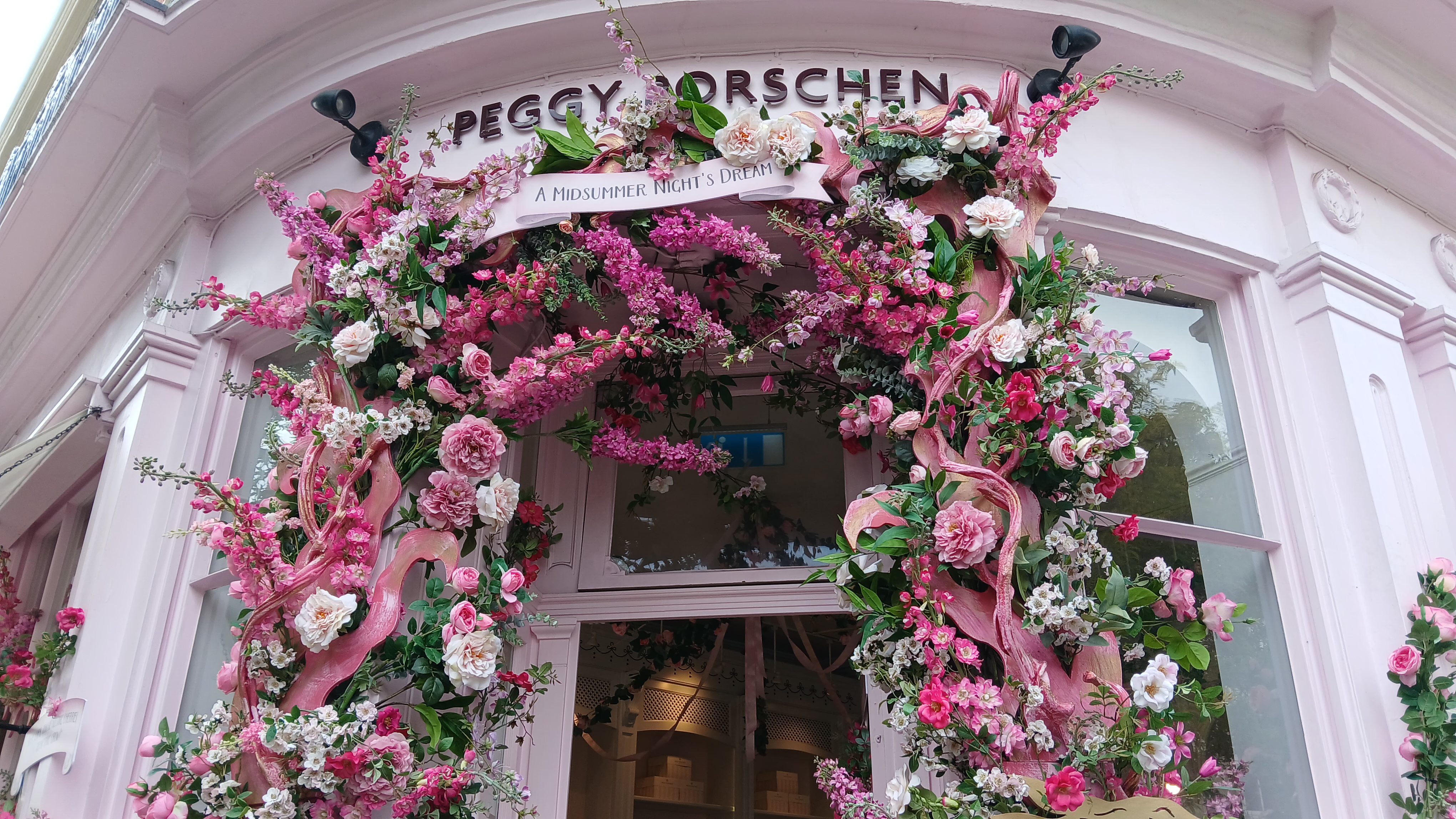
Chelsea is world famous for so many things: Chelsea Flower Show, Chelsea FC, Chelsea Pensioners. There always seems to be a lot going on in Chelsea, particularly this month; I have included a couple of photos from Chelsea in Bloom 2025 at the end. A brief history: originally a rural Anglo-Saxon fishing settlement called Cealc-hythe meaning ‘chalk wharf. From Saxon times until 1900AD (over 1,000 years) Chelsea formed a manor and parish in the Ossulstone ‘hundred’ or subdivision of Middlesex. From 1900 it became the Metropolitan Borough of Chelsea and then in 1965 along with Kensington, the Royal Borough of Kensington and Chelsea. The royal connections I will say more about next month, as ‘Churches in Chelsea’ will continue into June. Historically one of the most affluent areas of London, this part of the borough boasts high-end boutiques and restaurants, and estate agents displaying eye-wateringly expensive properties for sale. In the 1970s the term ‘Sloane Ranger’ was coined to describe the residents of the ultra-posh Sloane Square area.
Source: Wikipedia
Holy Trinity Church, Sloane Street
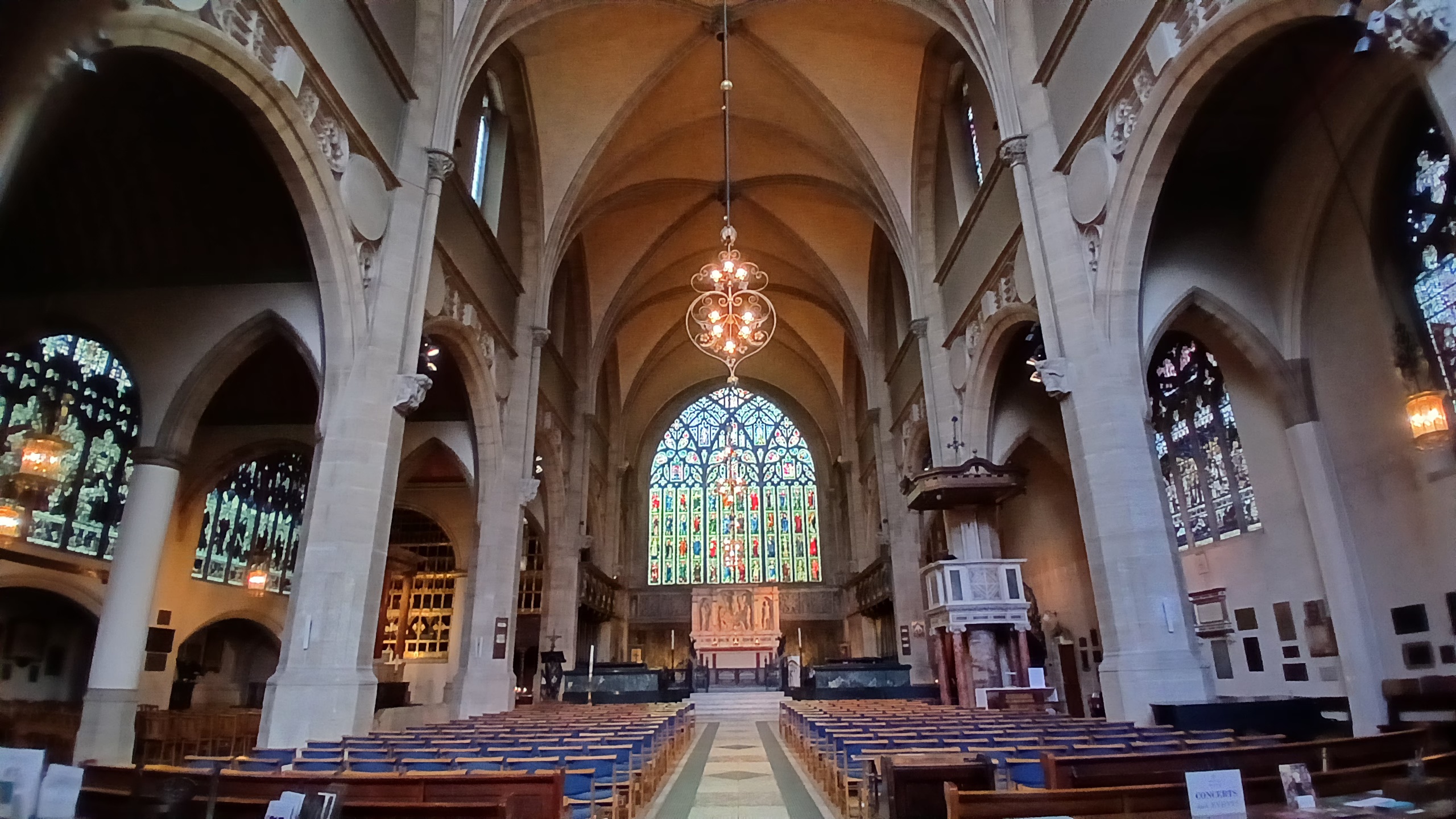
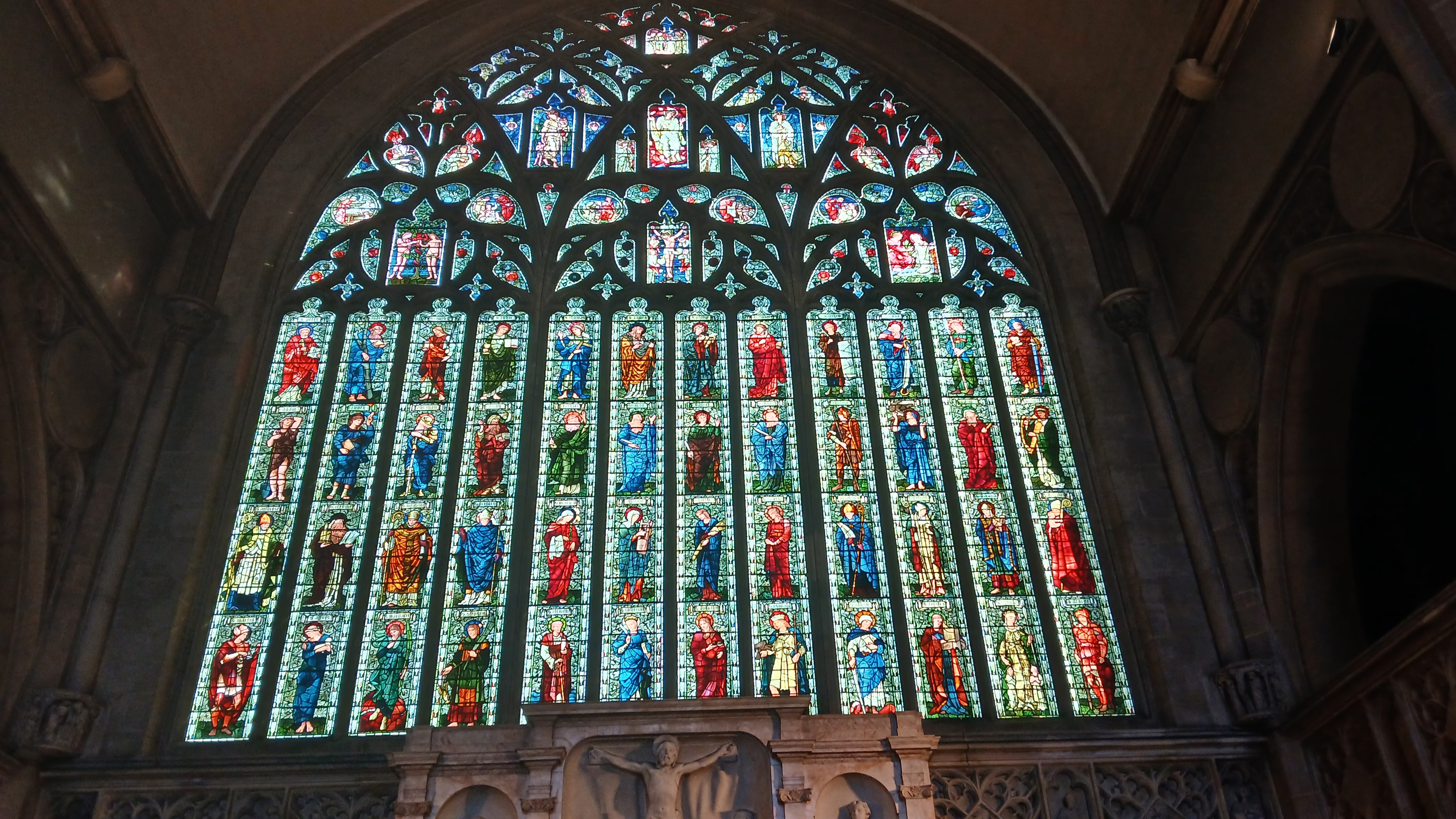
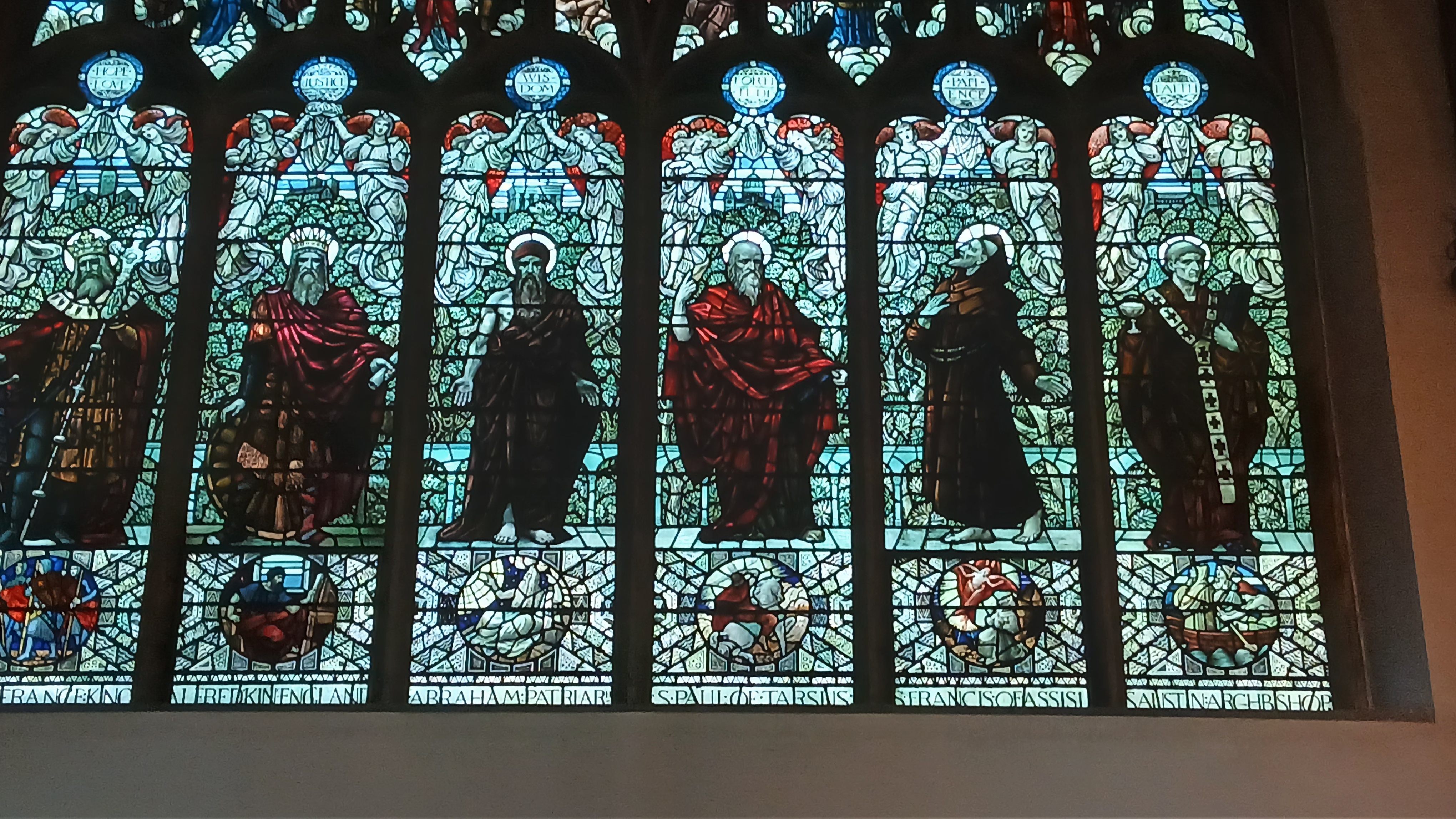
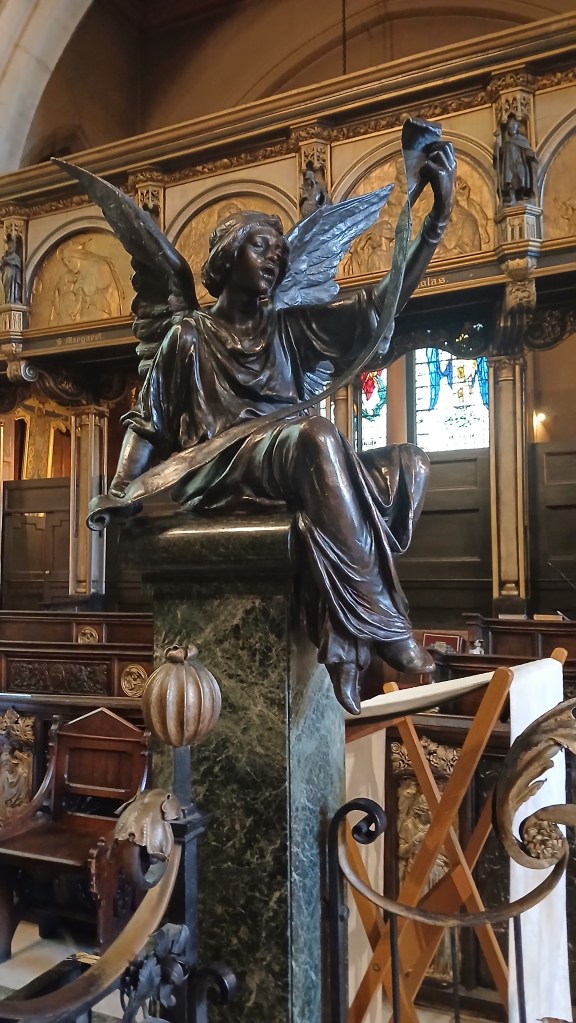
Known as the ‘Cathedral of the Arts and Crafts’, the church is famous for its large East window designed by Edward Burne-Jones and William Morris, prominent artists and textile designers of the 19th century. The first church on the site was a Gothic design construction built between 1828 and 1830. This was completely demolished less than 60 years later, being too small for its growing congregation. The current church, built in 1888- 90, is twice the size of its predecessor, it was designed by the architect John Dando Sedding and paid for by 5th Earl of Cadogan, being located in his London estate. It is the widest church in London, exceeding St Paul’s Cathedral by 23cm (9 inches.) The church was badly damaged by incendiary bombs in World War Two but was faithfully restored in the 1960s. After that, there was an attempt by church authorities to close and demolish the building and replace it with a smaller one (how could they even think such a thing?) Happily, this was thwarted by a campaign led by the poet John Betjeman and the Victorian Society. Today the church has a large congregation and continues its long connection with the world of fine art and music. Because the pews have been removed and replaced by moveable chairs, the large nave provides flexible space for concerts and other events, including an annual summer festival, the Chelsea Schubert Festival.
Source: Wikipedia
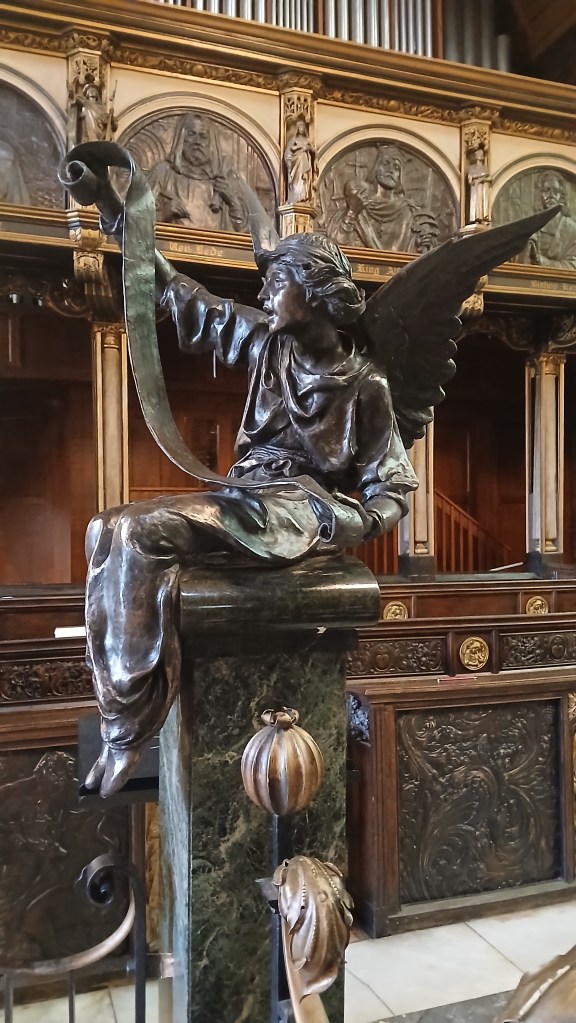
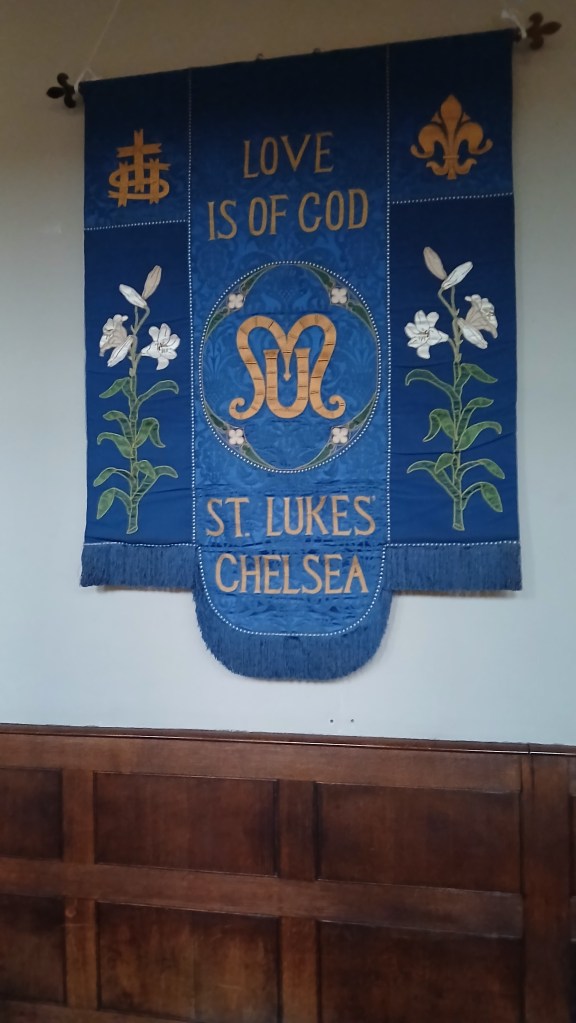
St Luke’s and Christchurch, Chelsea
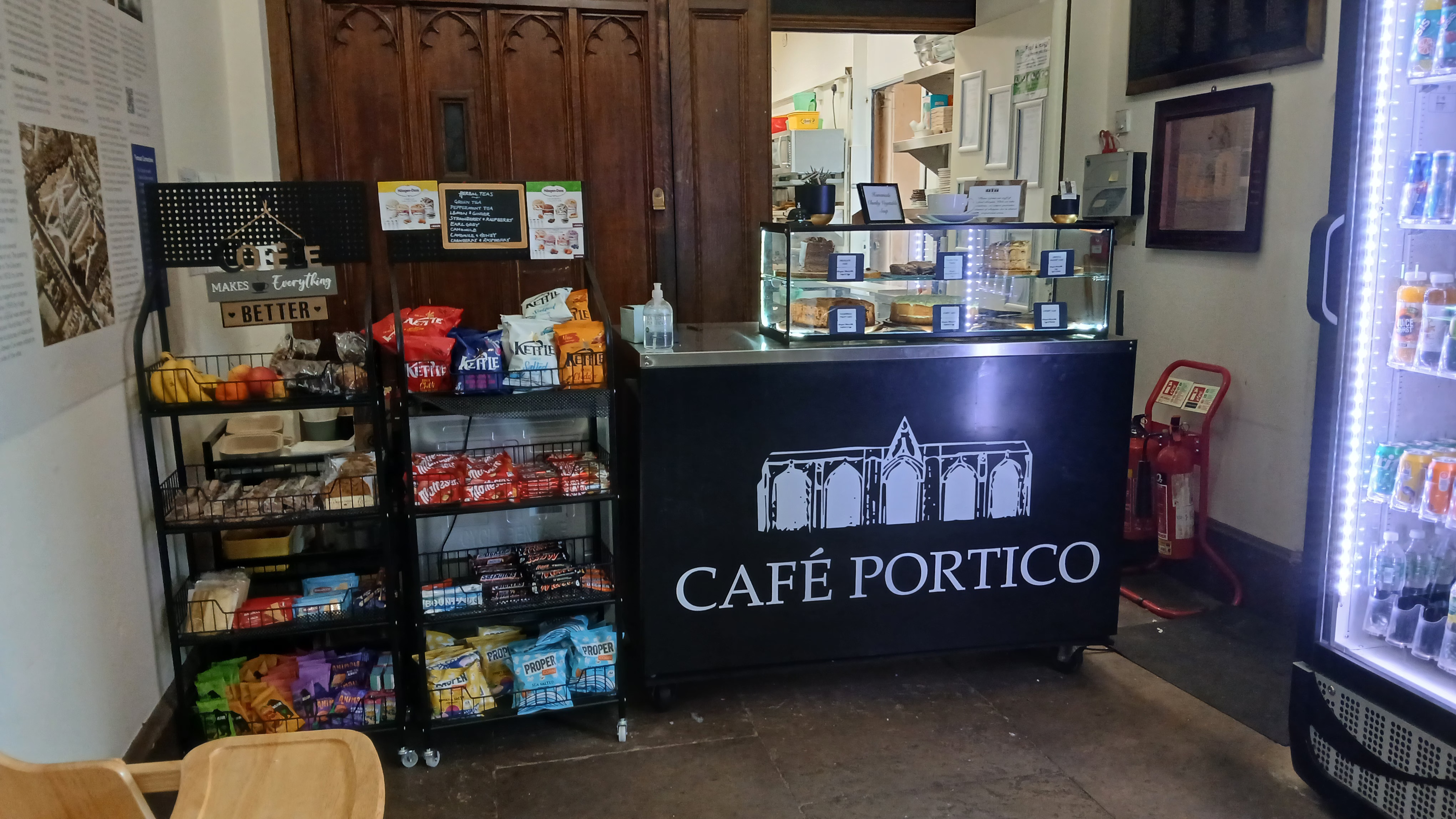
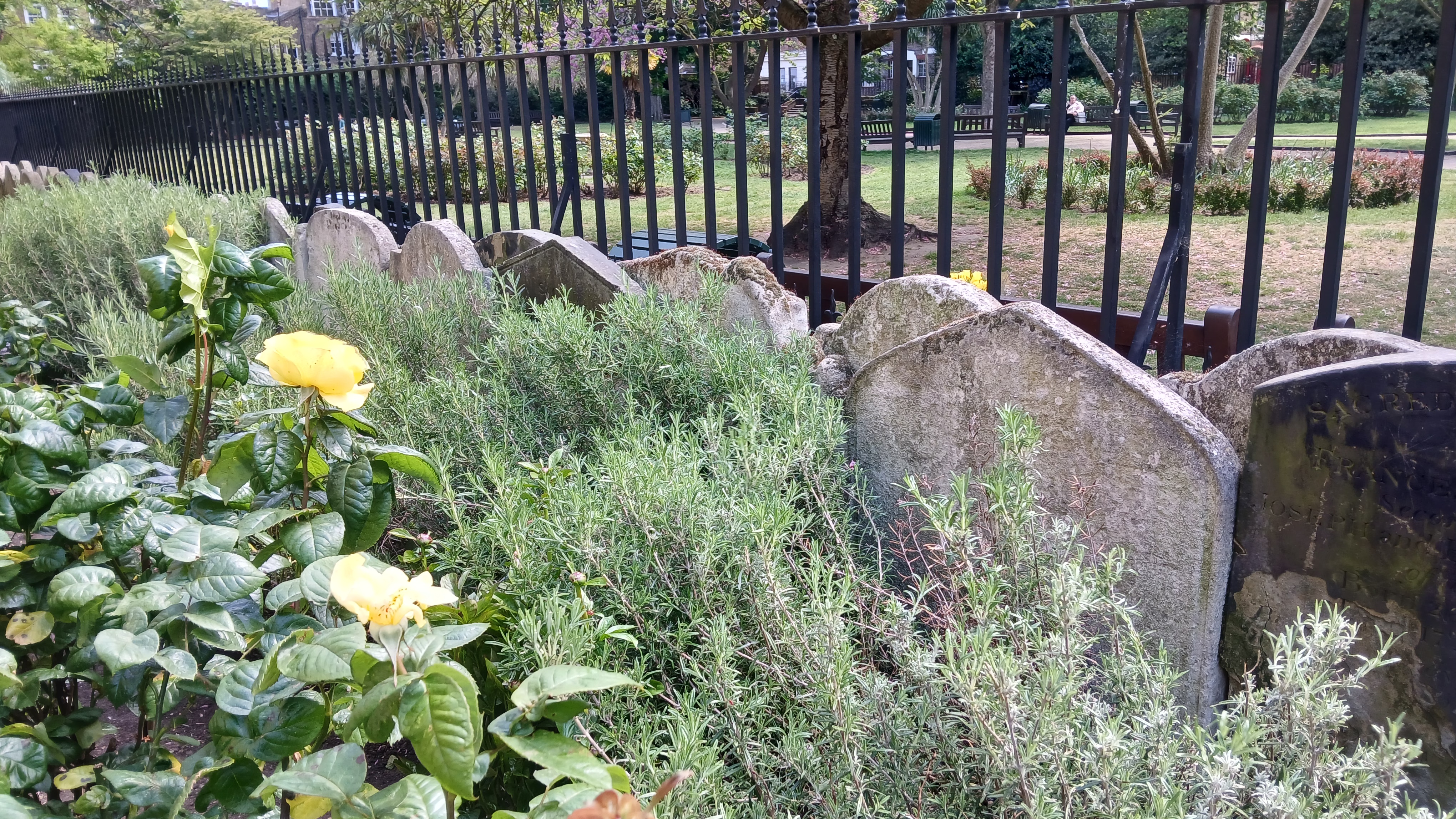
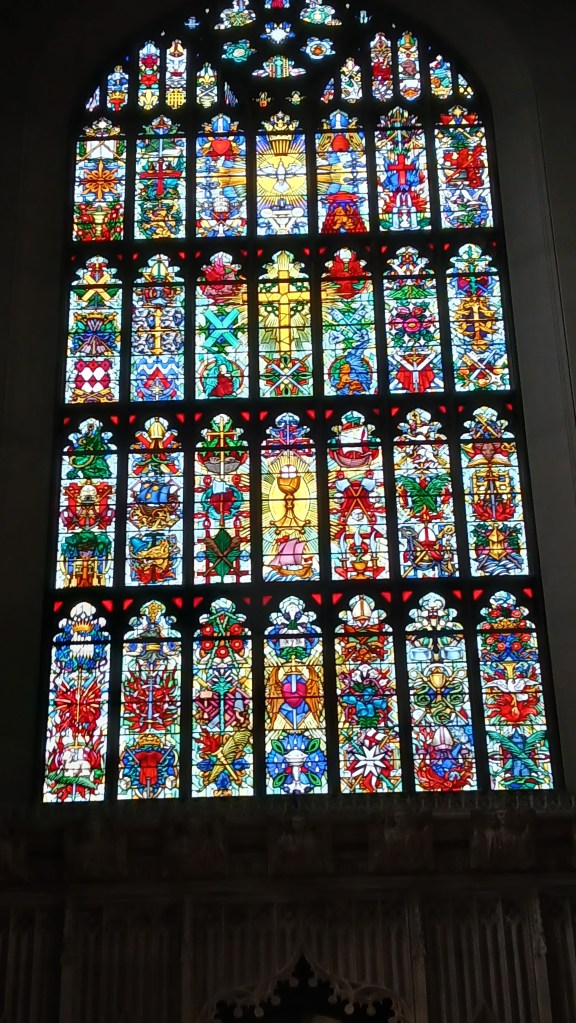
Of course, I had to visit Café Portico first – the Café in the Porch of St Luke’s. The church is situated just off the Kings Road, opposite the Royal Brompton Hospital; it is Grade 1 Listed in National Heritage and sits in beautiful Grade 2 listed gardens in Historic Parks and Gardens – photo at the top of this post. Designed by James Savage in 1819, the church is the earliest of the Gothic Revival churches in London to be a completely new construction. In the early 19th century Chelsea was expanding from a village west of central London to being part of the capital. St Luke’s replaced Chelsea’s original parish church, now known as Chelsea Old Church. It was one of the first group of Commissioners’ churches, being partly funded by Parliament as a result of the Church Building Act 1818. Another London church which lost stained glass during the Blitz, a replacement East window was installed in 1959, designed by prolific stained glass artist Hugh Eaton. Unusually, rather than depicting Biblical characters, the window incorporates the heraldic symbols and devices of the Evangelists, Apostles and Doctors of the Church. The most famous of people associated with St Luke’s is Charles Dickens who married Catherine Hogarth, a resident of Chelsea, here in 1836. The wedding took place two days after the publication of The Pickwick Papers, his first successful novel.
Source: Wikipedia
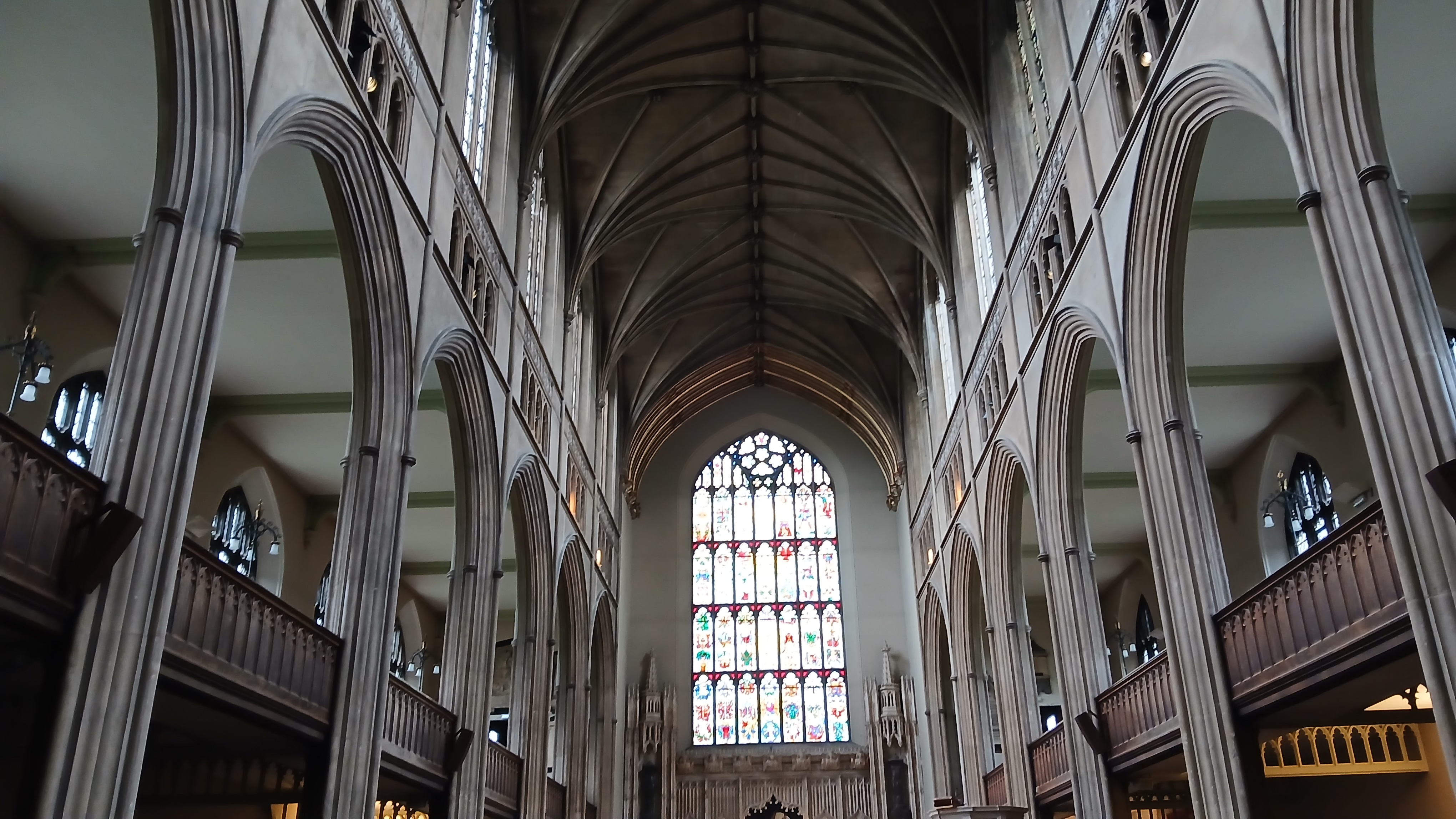
HTB Onslow Square
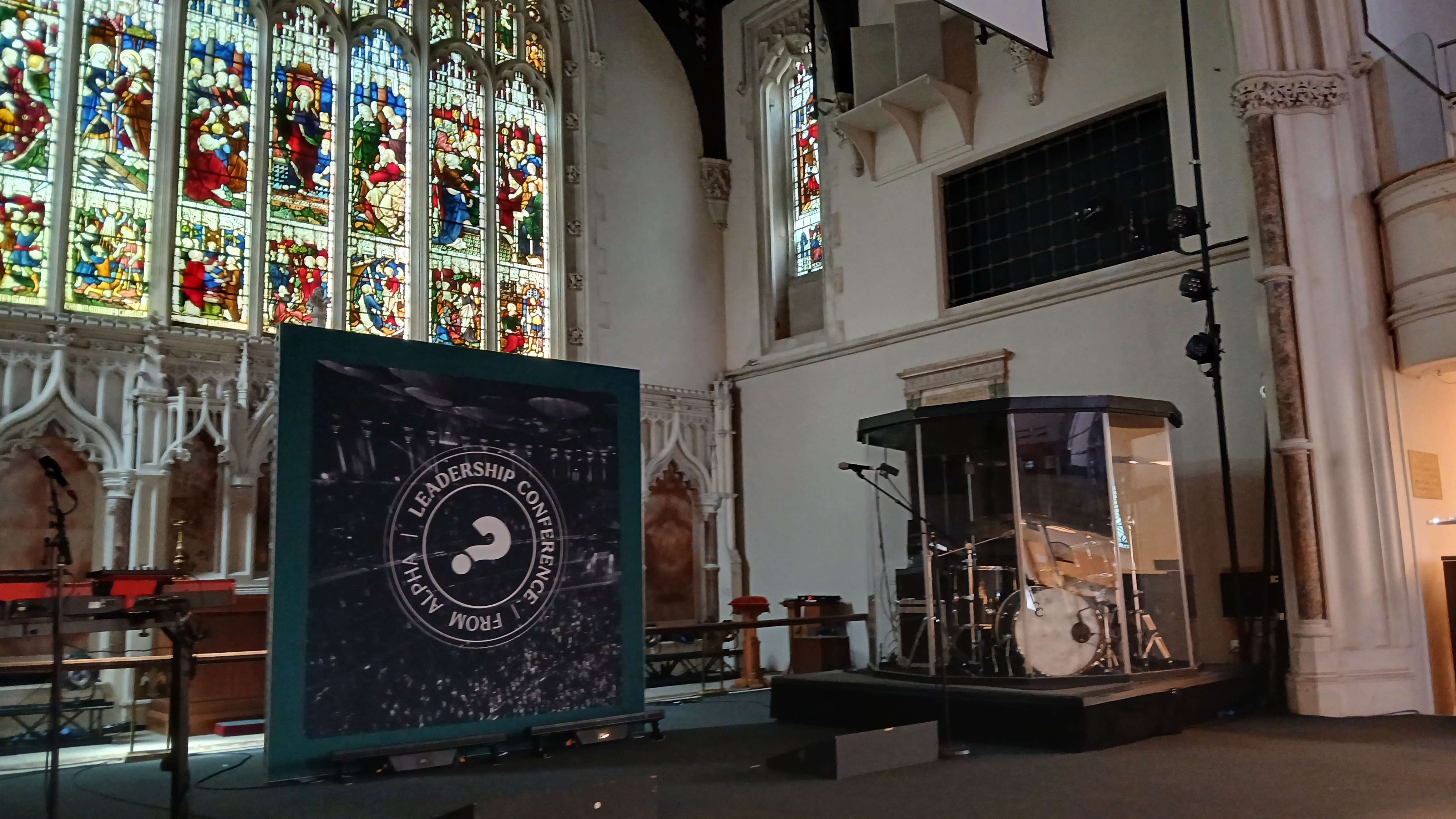
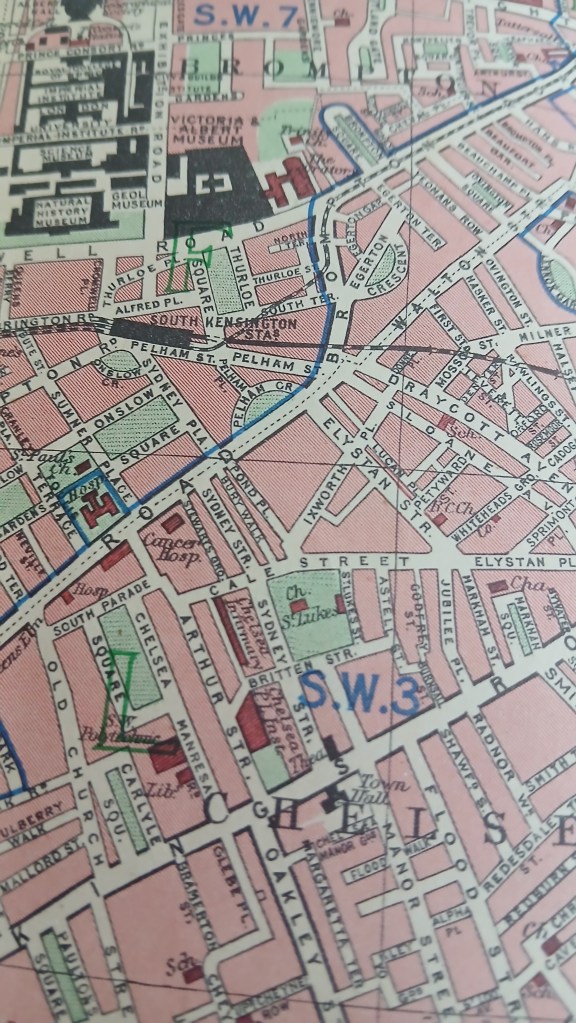
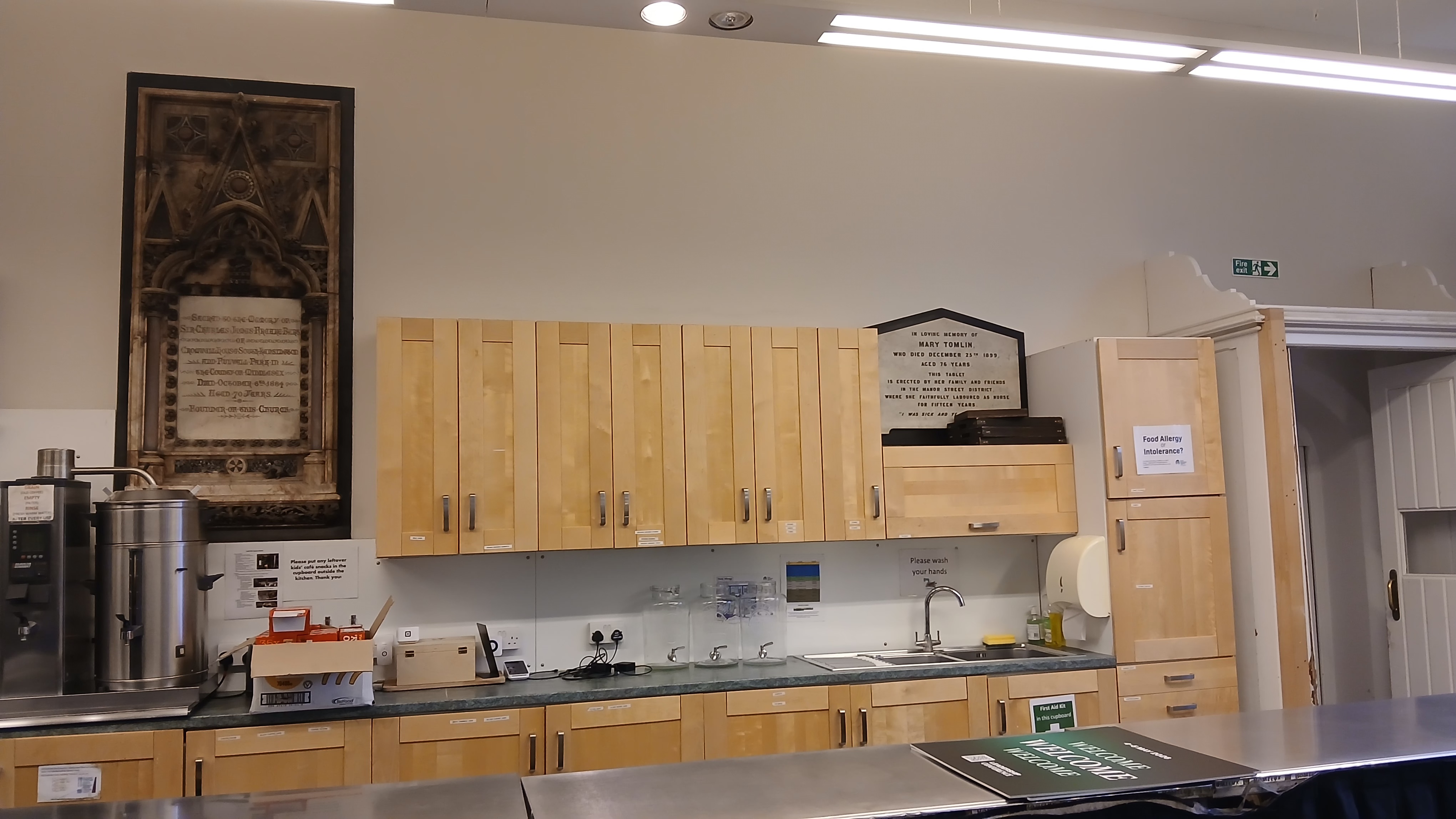
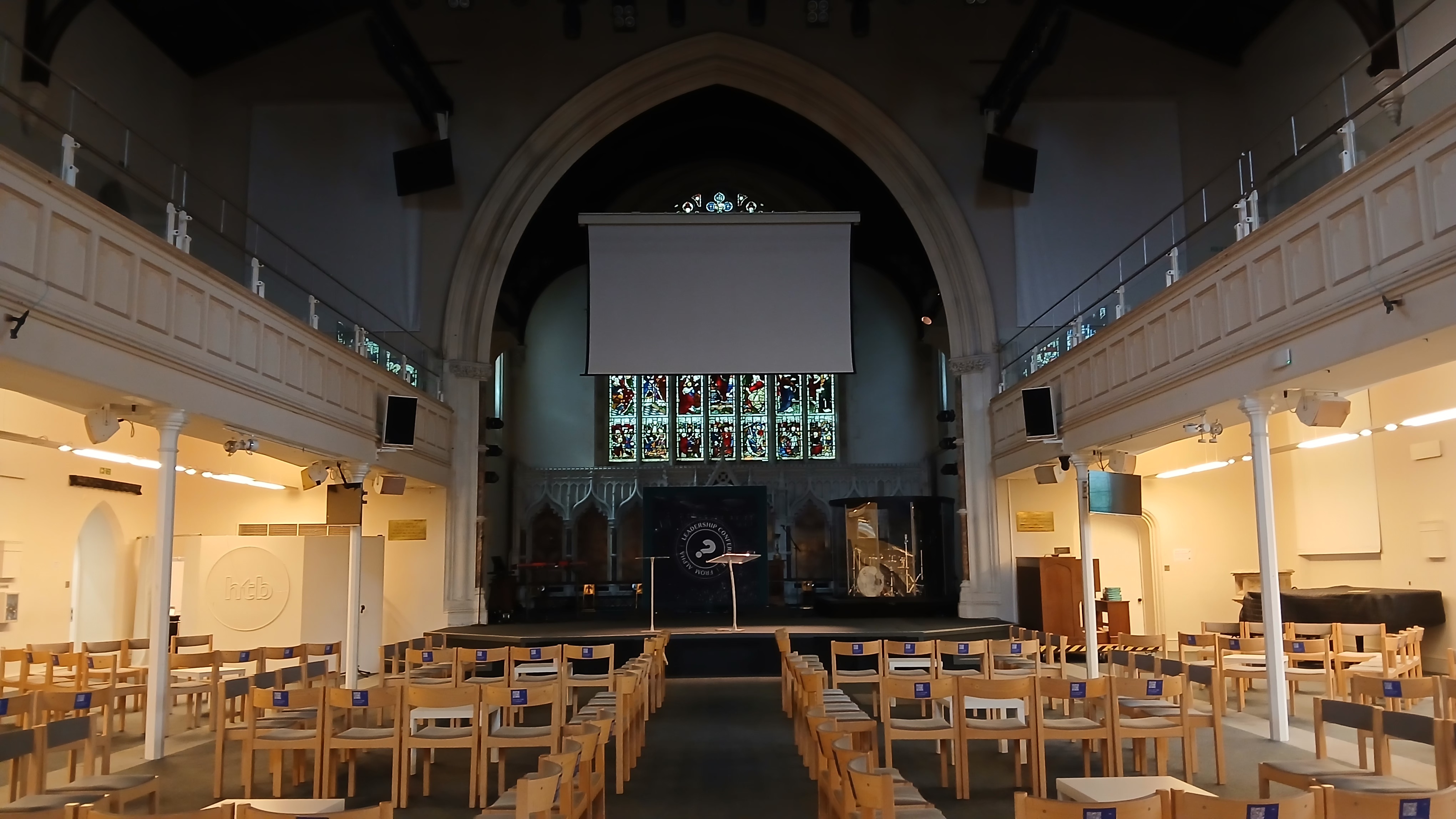
The map below shows that this church was once known as St Paul’s Parish Church. It is now part of the Holy Trinity Brompton church organisation which has six church sites across West London. The map shows the church’s proximity to South Kensington Railway Station (now Underground Station) and also shows St Luke’s Chelsea. I inherited from my late Dad Bartholomew’s Reference Atlas of Greater London published in 1949, which maps the whole of the Greater London area, and which I often look at to see ‘how things were.’ The Onslow Square church, while having all the latest tech required for the 21st century church, has retained many of its mid-Victorian features both inside and out. The church was built in 1859-60 in the Perpendicular style; it was extended to include a church hall and accommodation for the incumbents through the following 100 or so years, but by the 1980s congregation numbers had fallen and eventually services ceased altogether. Enter HTB and the church is thriving once again; there are three Sunday services including a specific youth service at 4.30pm. Being part of a para-church organisation, the church offers a range of courses and events, including the world famous Alpha Course, and also several social action projects.
Sources: htb.org/onslow; onslowsquare.org.uk/history-st-pauls-church
St Mary’s Cadogan Street, Chelsea
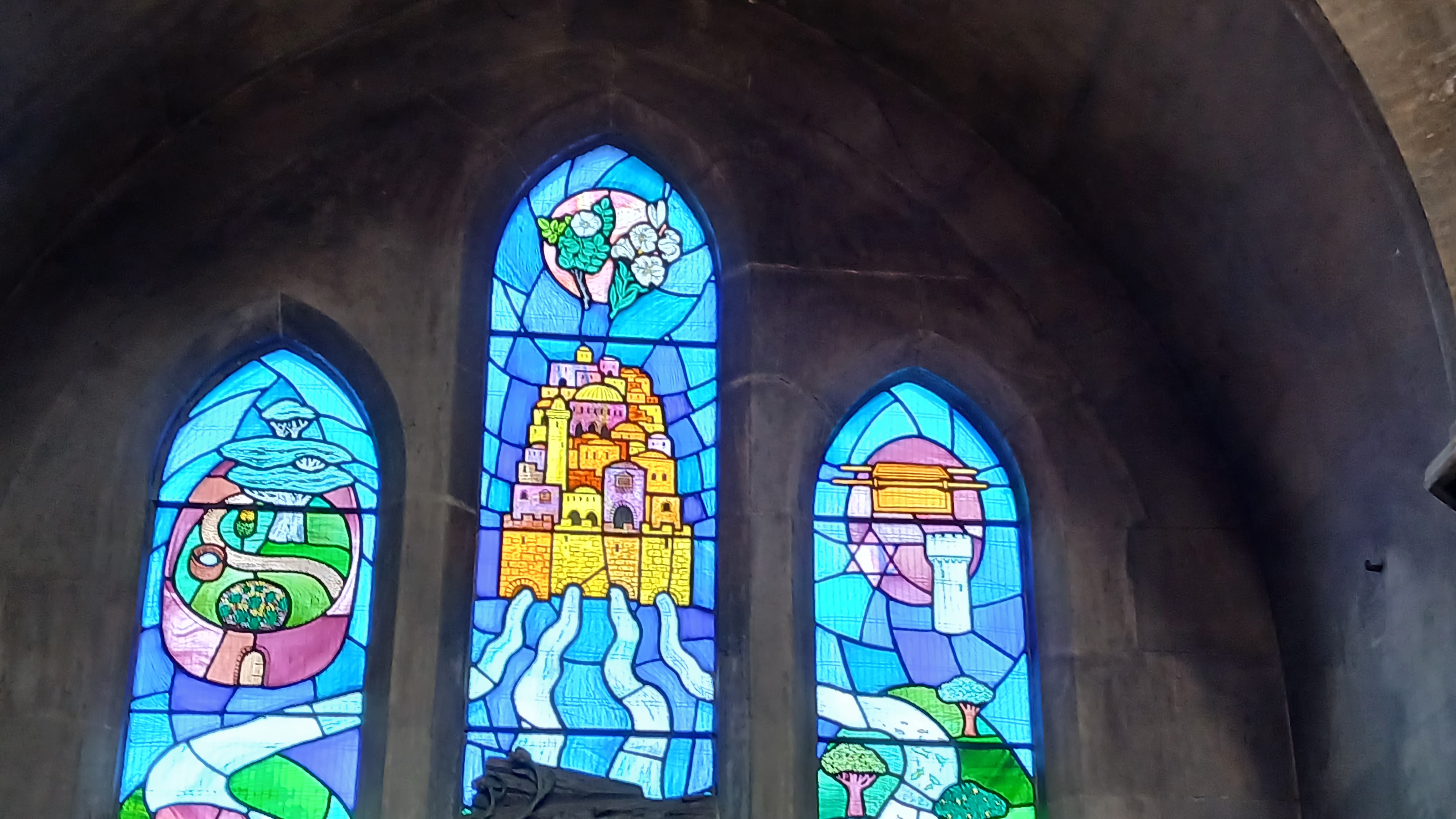
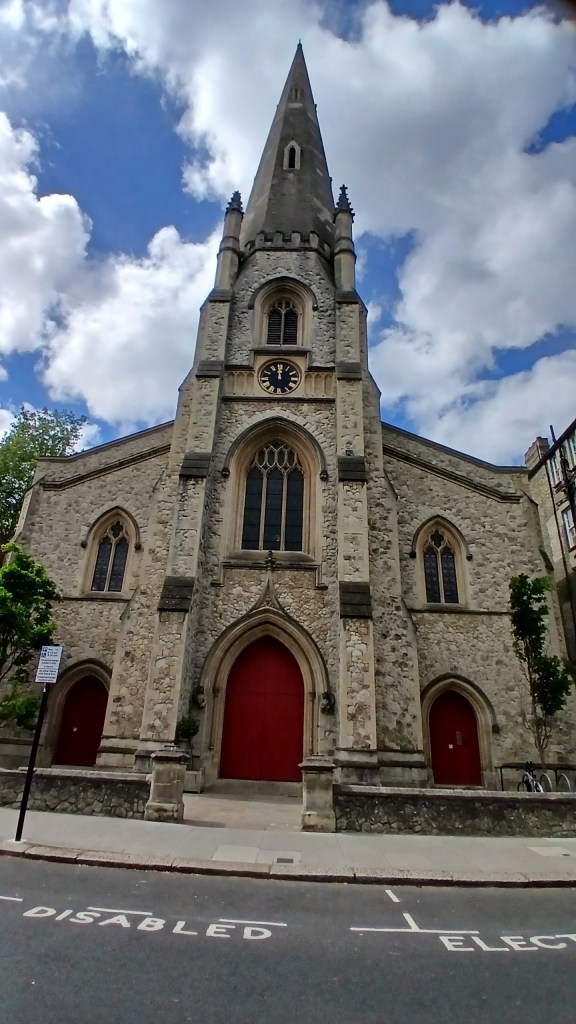
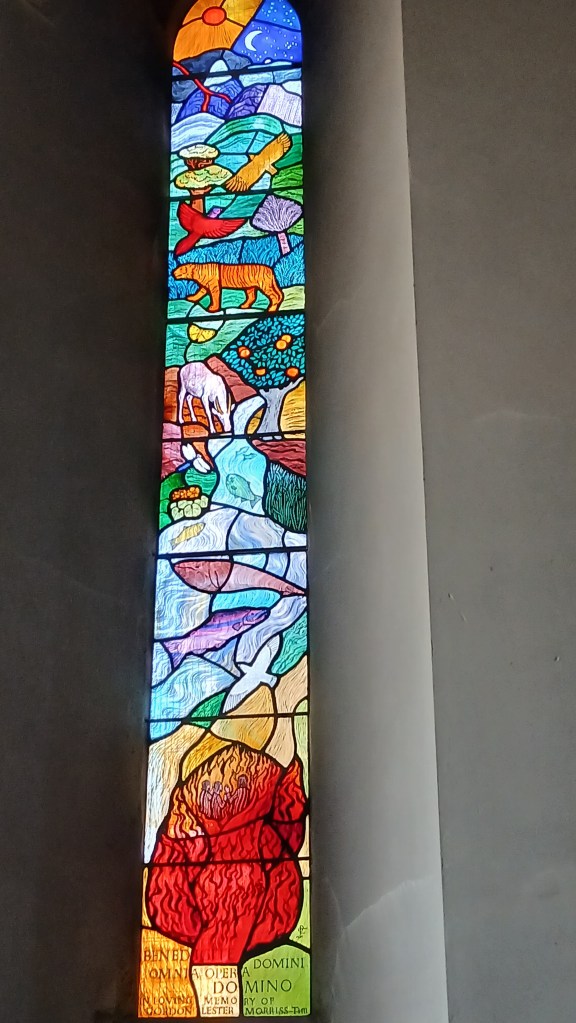
This church has some beautiful, modern stained glass windows; the church itself is one of the oldest Roman Catholic parishes in central London. In 1812 a Catholic chapel was erected close to the present church, one of the first since the Reformation. It was founded by Abbe Jean Voyaux de Franous who had arrived in London in 1793 and had been given special charge of the spiritual welfare of veterans soldiers at ‘Chelsey Colledge’, now the Royal Hospital and home of the Chelsea Pensioners, and the soldiers at Chelsea Barracks. When the Abbe died, his work was continued by Joseph and Mary (great names!) Knight who established a foundation to purchase 2 and a half acres of land, a site which now contains the church, a rectory, St Josephs’ Primary School and St Josephs’ Almshouses, all built between 1845 and 55. The church was designed by John Francis Bentley, a church architect, primarily of Roman Catholic churches. His chief work was Westminster Cathedral near Victoria Station. Today the parish has a diverse congregation including people from continental Europe, the Philippines, South America, the US and Africa.
Source: stmaryscadoganstreet.co.uk
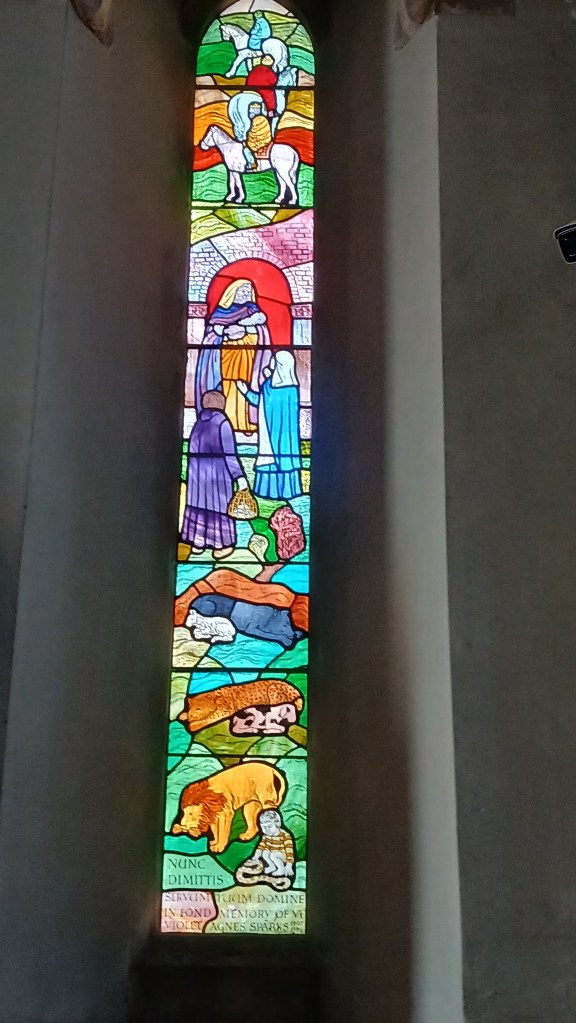
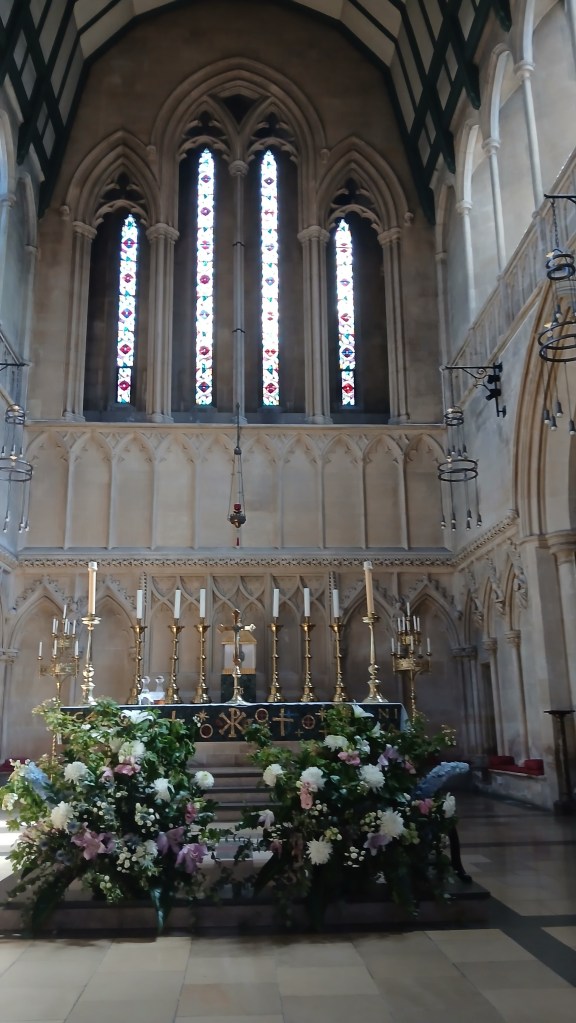
And to finish, some photos from Chelsea in Bloom 2025