I was back in the Royal Borough of Kensington and Chelsea in June – so how did it obtain its royal status? The Metropolitan Borough of Kensington was granted royal status in 1901 by Queen Victoria who was born in Kensington Palace in 1819. The boroughs of Kensington and Chelsea merged in 1965, and surprisingly RBKC as it’s known is the smallest London Borough and also one of the most densely populated. Despite being small, the two parts of the borough have retained their unique characteristics and recognisable institutions: Kensington has its museums, royal palace and ultra posh shops, and Chelsea its Football Club (though Stamford Bridge stadium is actually located in Hammersmith and Fulham), Flower Show, Royal Hospital and expensive properties. Here’s a look at some more Chelsea churches, perhaps I’ll explore Kensington churches another time.
St Columba’s Chelsea (Church of Scotland)
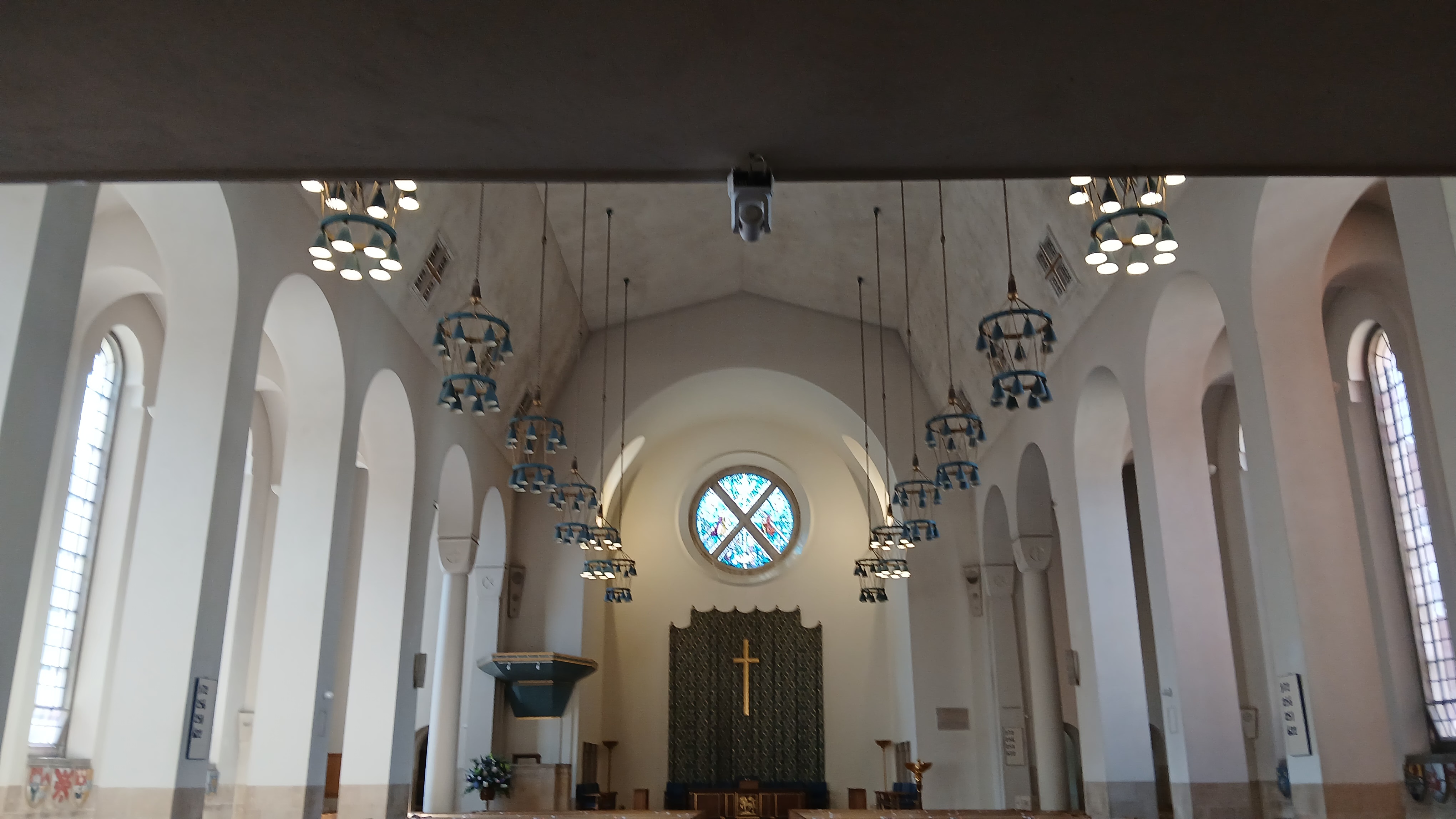
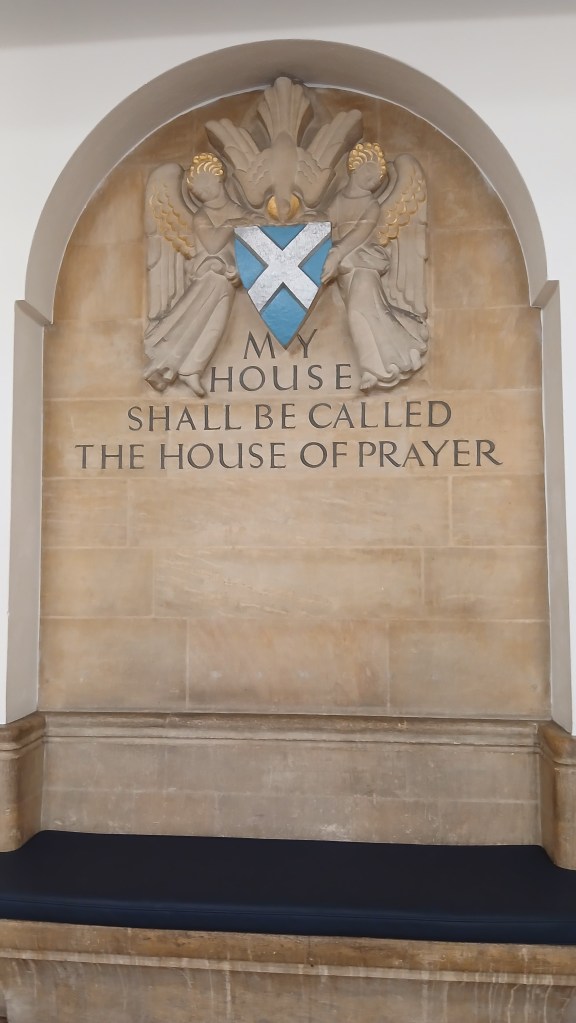
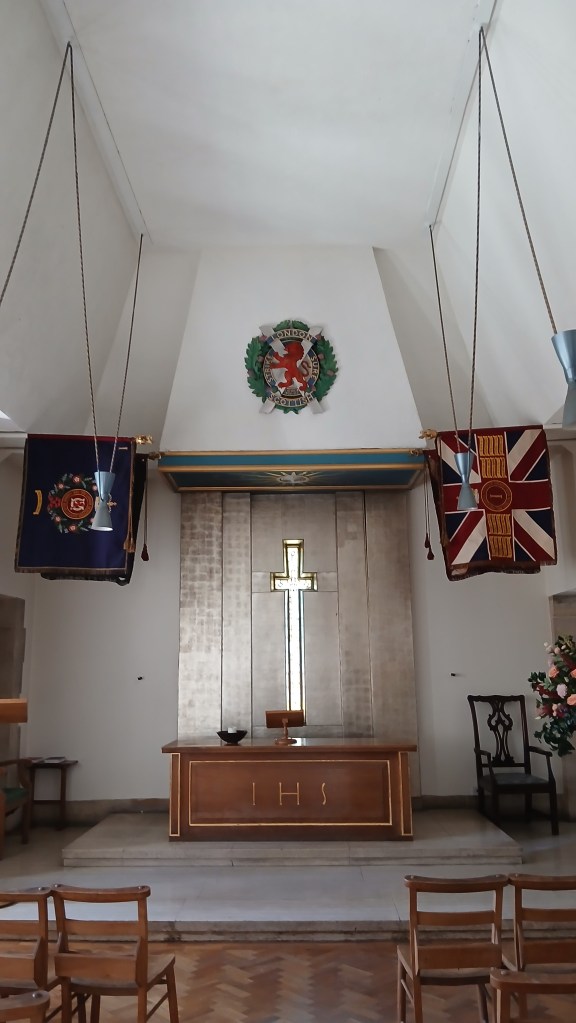
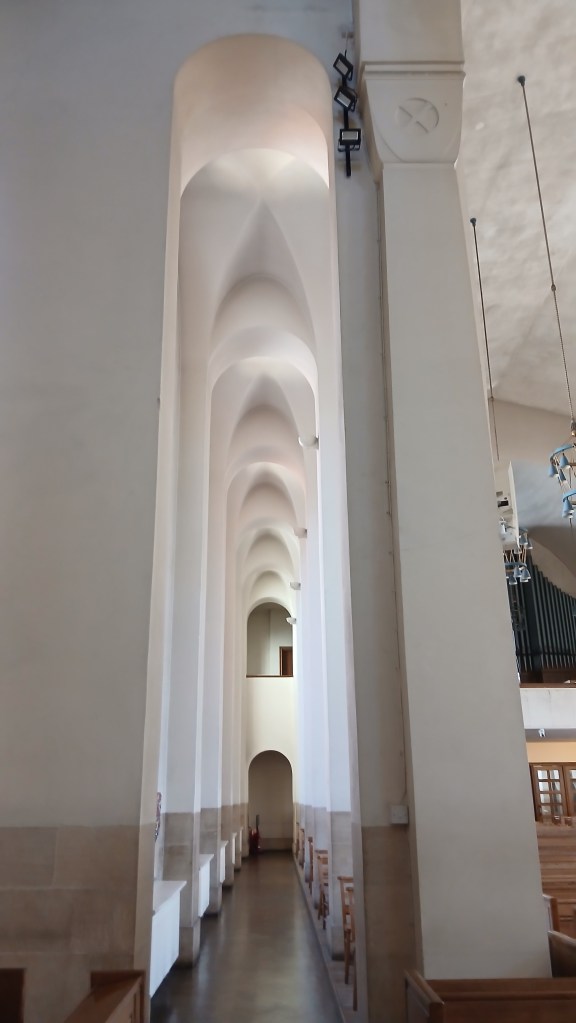
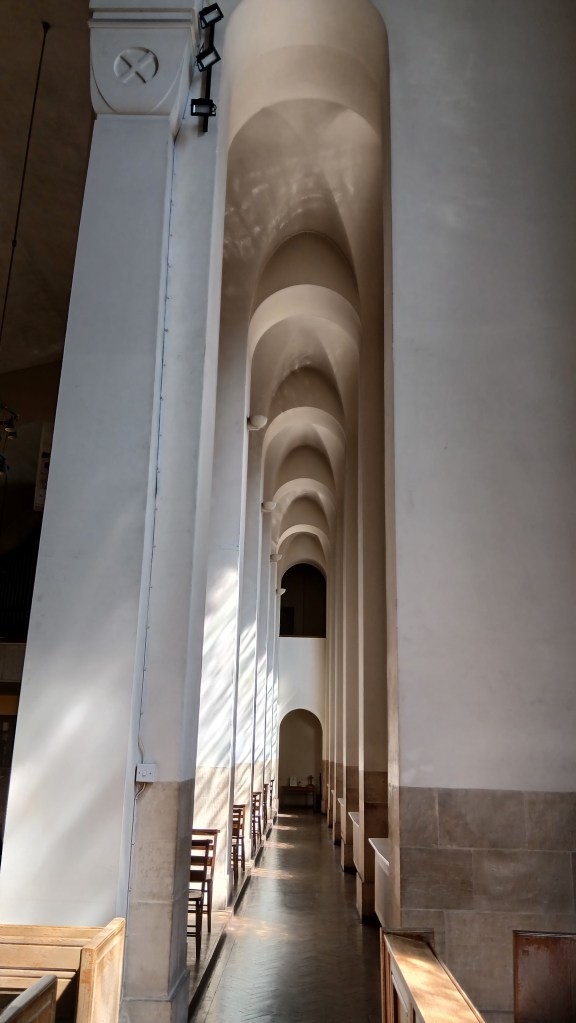
The interior of St Columba’s is stark but beautiful; the pale stone, simple alters and high arches contribute to a peaceful, contemplative atmosphere. The first Scots church in London was Crown Court Church in Covent Garden in 1719, but a growing Scottish congregation in the London area gave rise to the idea of establishing a sister church to the west and a new ‘kirk’ was finally built in 1884. The church thrived under visionary leadership, including providing hospitality and welfare to nearly 50,000 Scottish troops in World War ll. On the night of 10th May 1941, however, an incendiary bomb landed on the church and completely destroyed it. The large congregation used Imperial College for their Sunday services, spiritually and emotionally sustained during this dark time by the ‘wise leadership’ of the Rev Robert FV Scott. Work began on a new church after the war, and the new St Columba’s was dedicated in 1955. The 60th anniversary service and celebration was attended by HM the Queen and HRH the Duke of Edinburgh. Today the church regularly hosts music recitals, an annual Burns Supper (of course) and every Friday evening of the year, the ReStart Lives Drop In provides a hot meal, support and company for homeless people and those experiencing housing insecurity. The Founding Fathers of St Columba’s would be proud of the continuation of their legacy 142 years later!
Source: stcolumbas.org.uk/our-history; magazine in the church
St Simon Zelotes
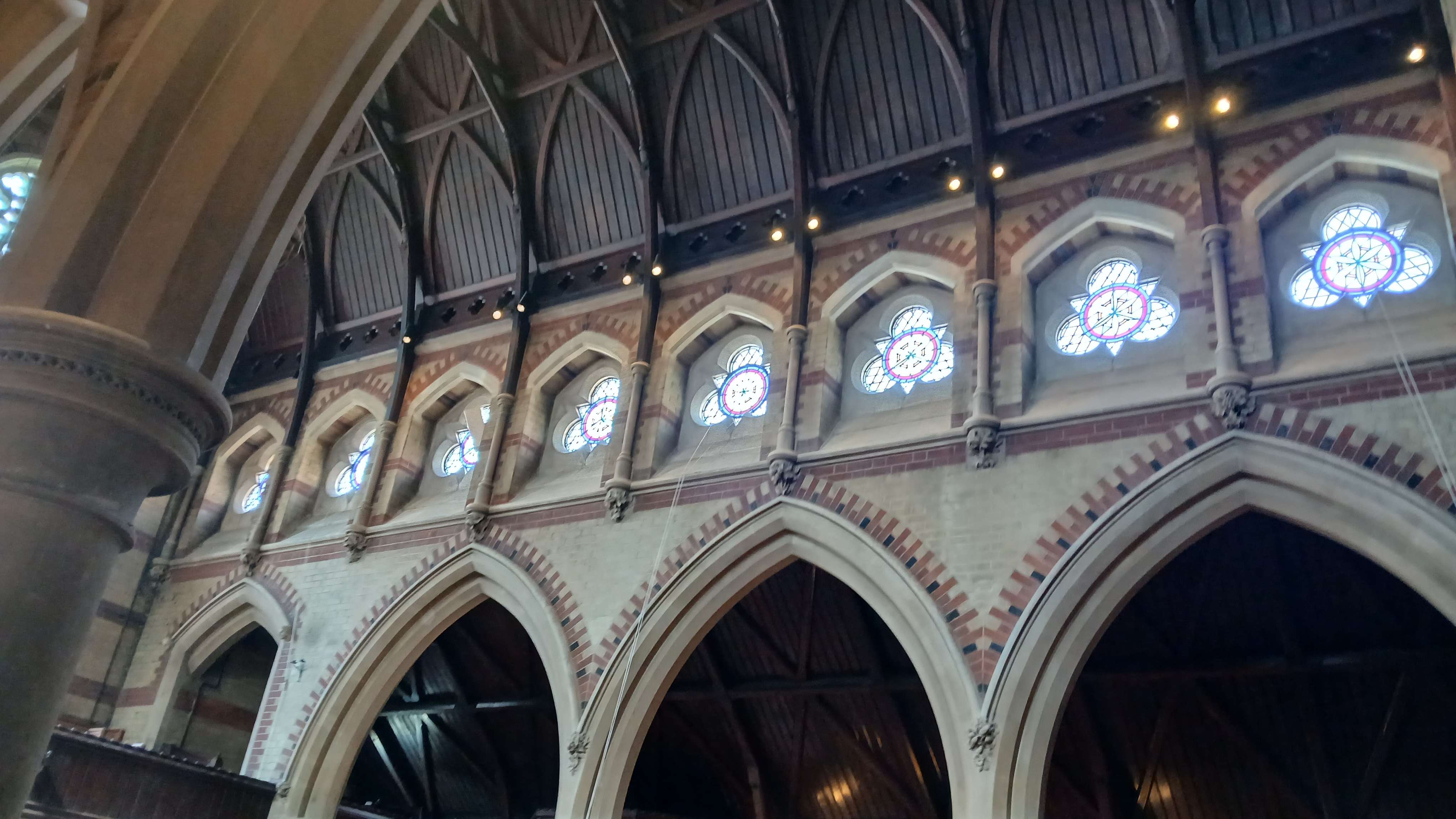
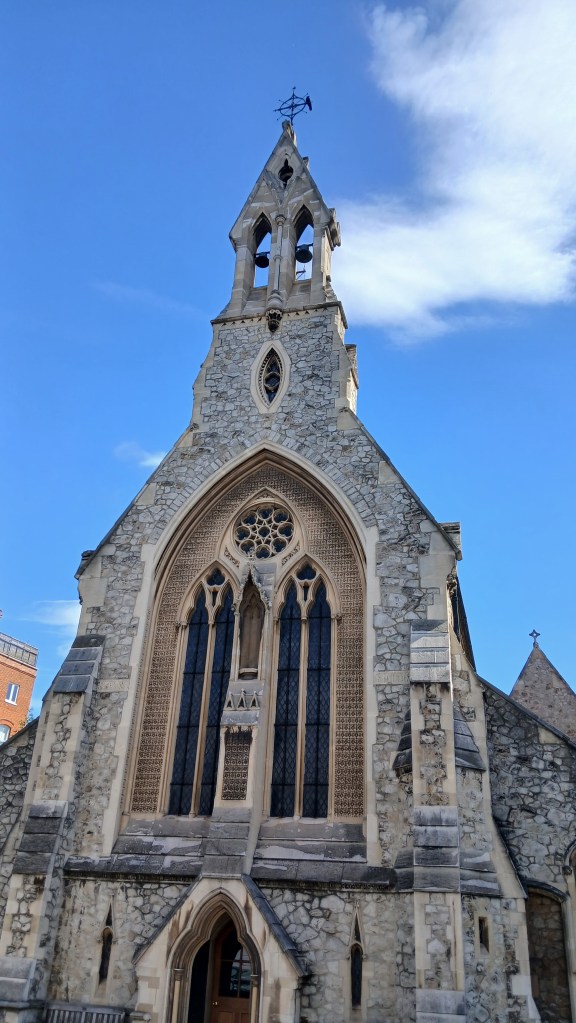
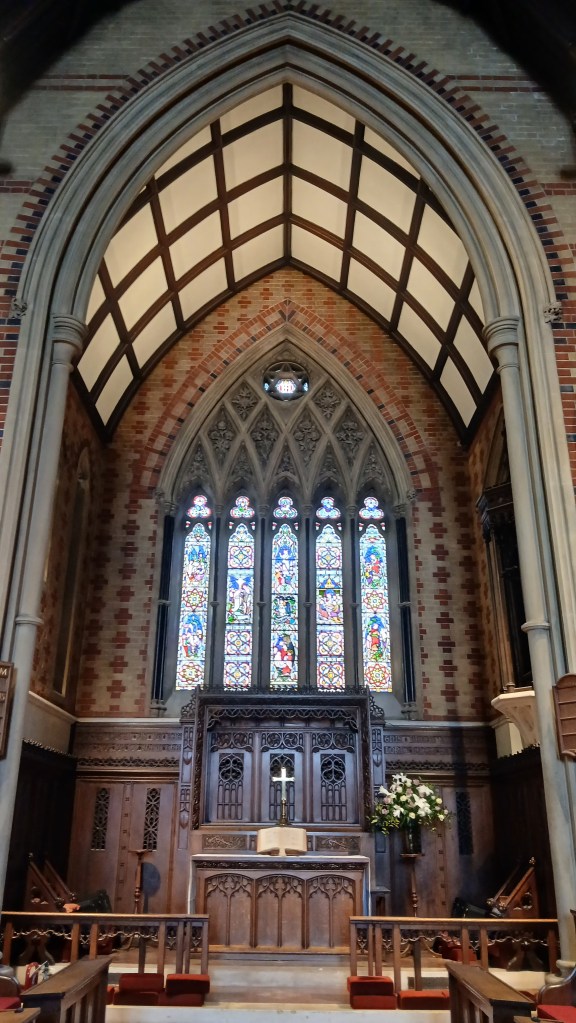
This is a small, pretty Victorian church which I popped into on the way to St Columba’s, noticing it was open. It was built in 1858-59 by the architect Joseph Peacock and described as his ‘most complete surviving work.’ St Simon’s as it’s known, has a Kentish Ragstone exterior and a polychrome brick interior, to which alterations have been made in recent years, all done to blend into Joseph Peacock’s original designs. Certainly a ‘striking and distinctive church’ as stated on their website. I thought the church had a curious name, so I decided to find out more about its saint. Simon the Zealot was one of the disciples of Jesus, born in Cana and so-named because he was probably a former member of the Zealots, an anti-Roman political movement. Therefore he was given the name ‘Zelotes’ to distinguish him from Simon Peter. Tradition holds that he travelled overseas, preaching in Egypt, Persia and possibly the Roman Province of Britain, where he may have died as a martyr. The small church community of St Simon’s support London City Mission, Compassion UK, Elam and St Barnabas Bible Church.
Sources: Wikipedia; stsimonzelotes.com
Chelsea Old Church
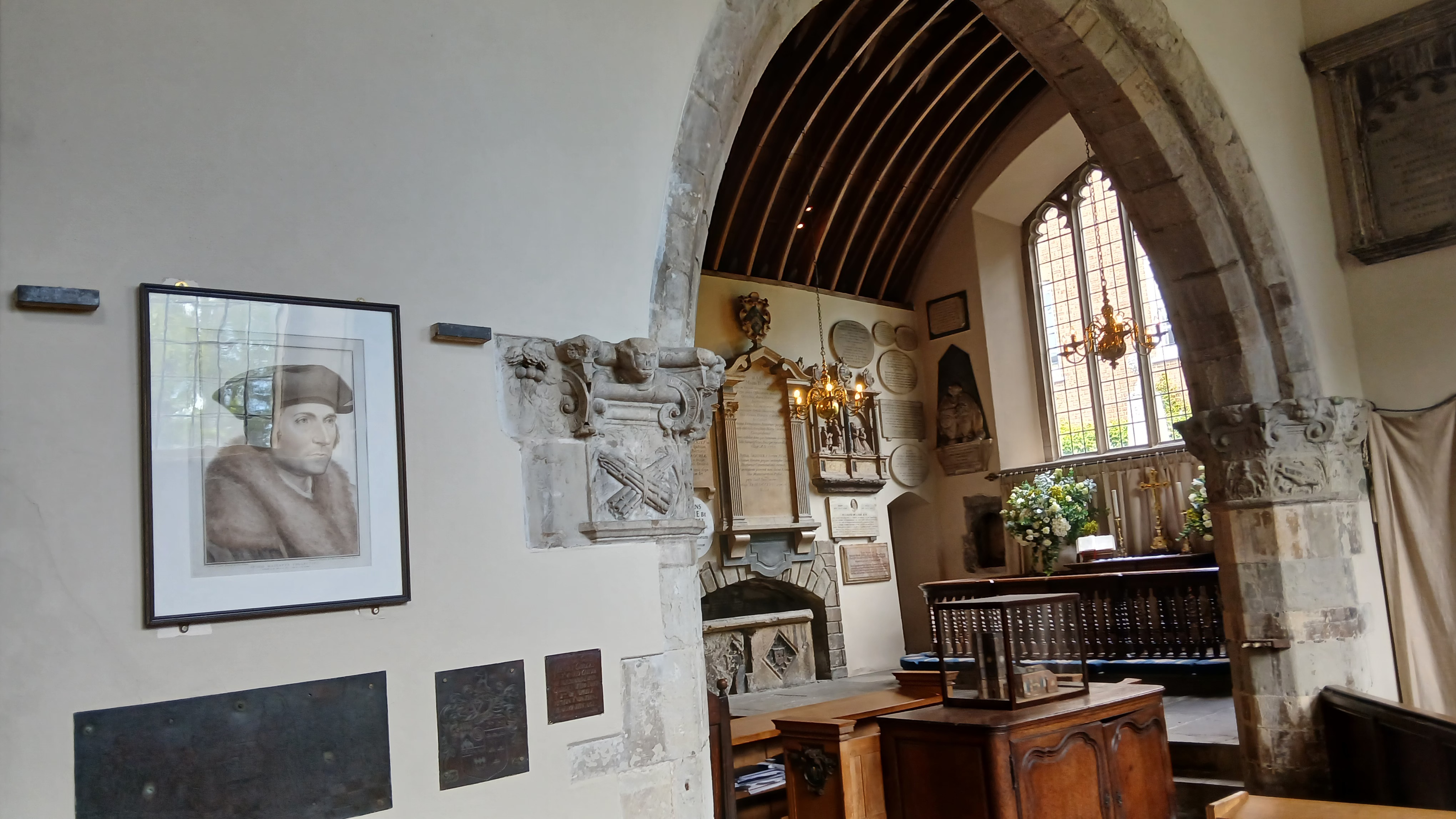
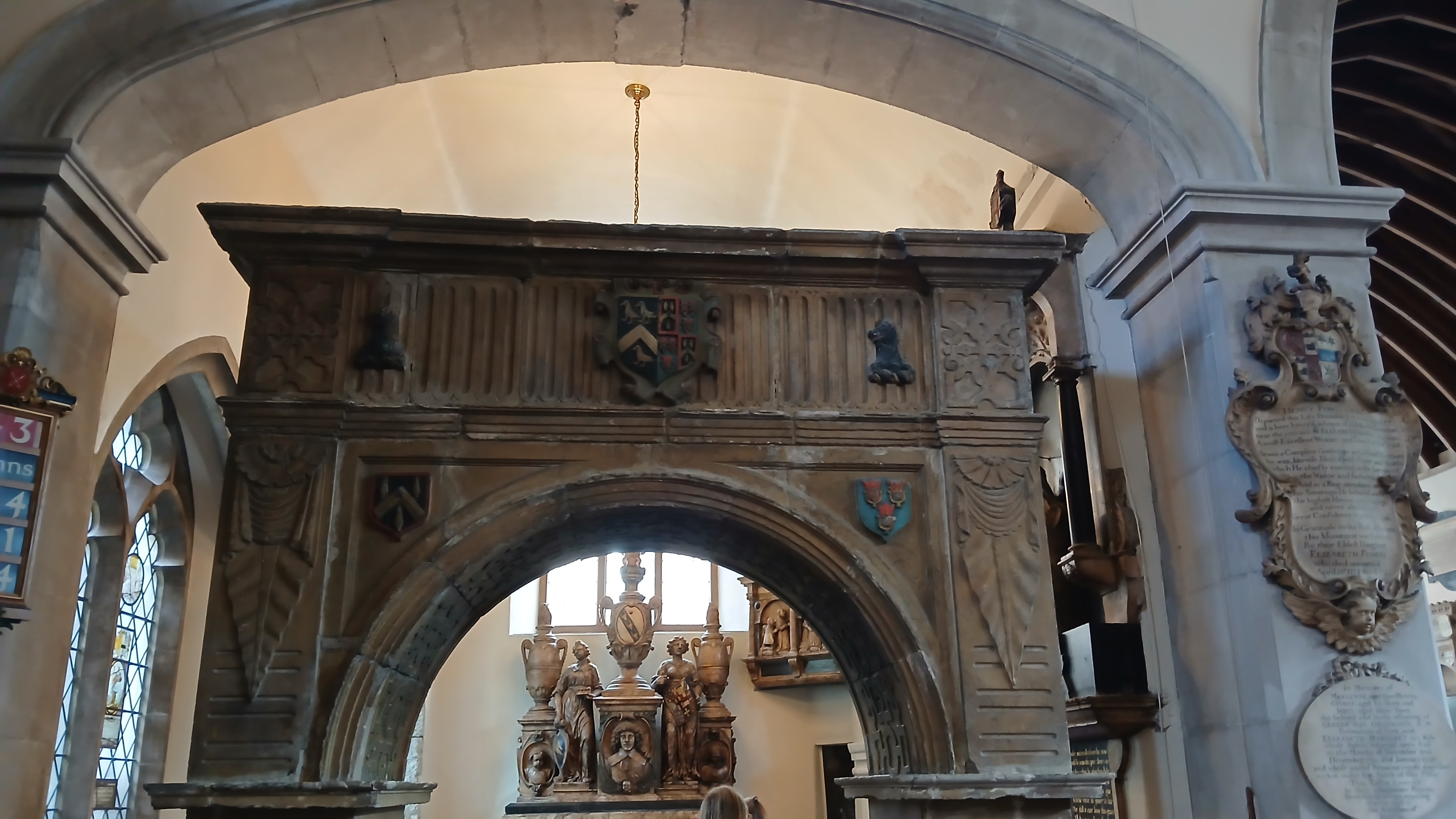
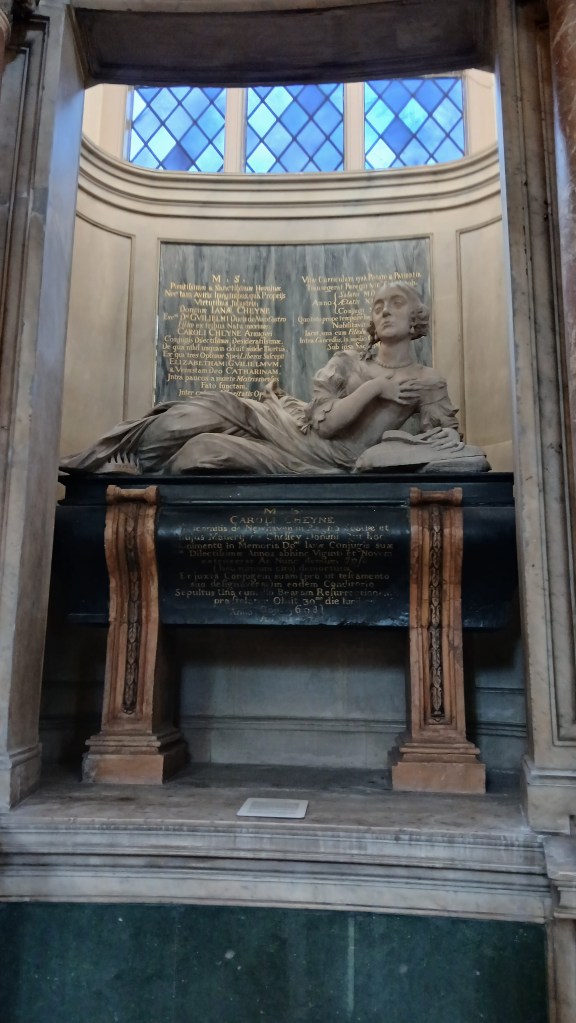
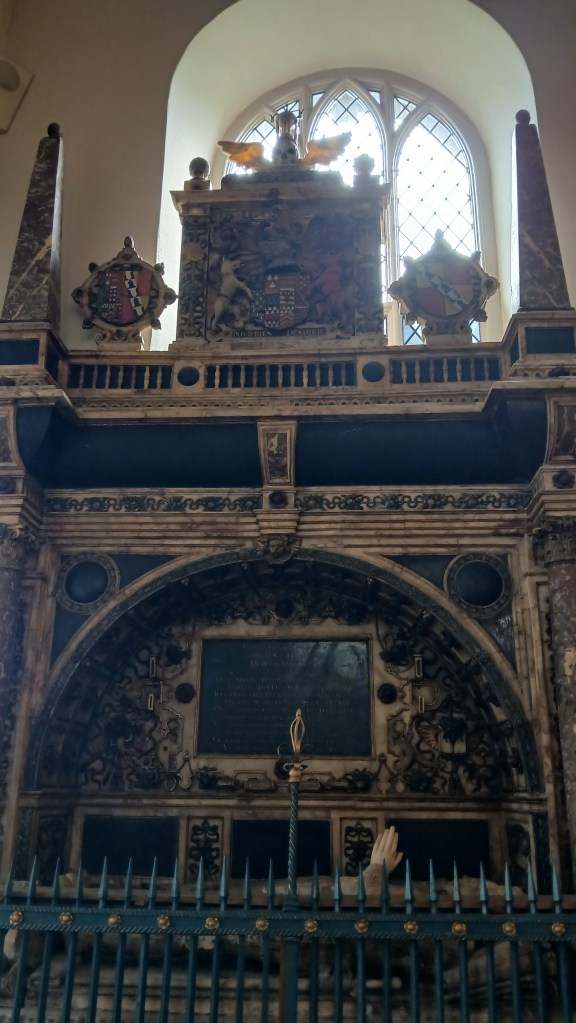
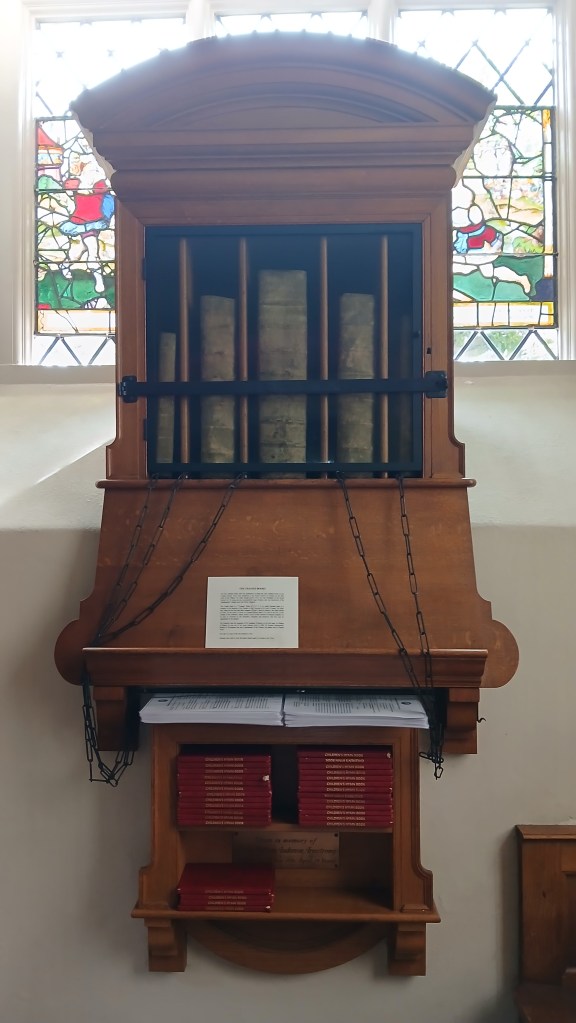
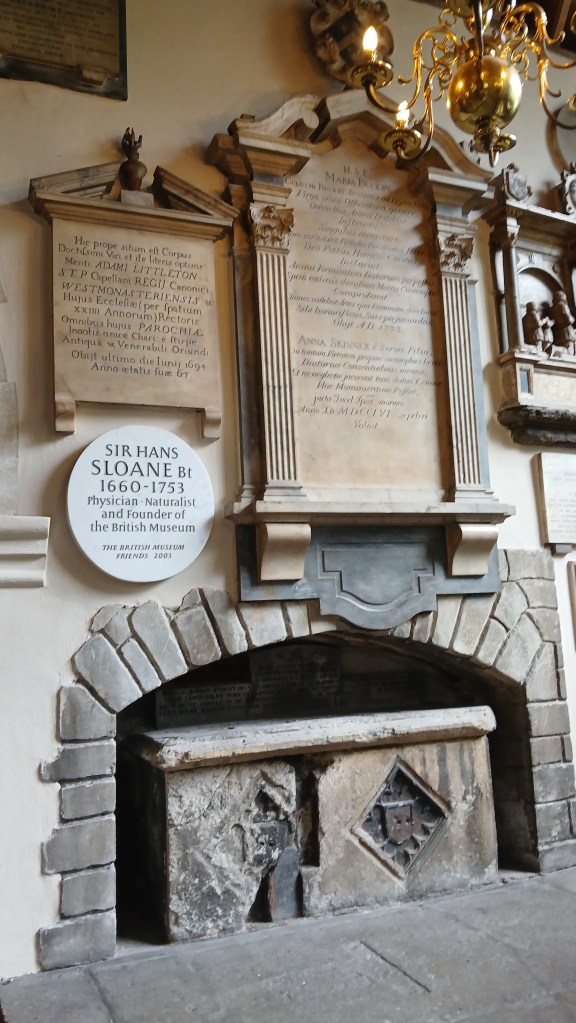
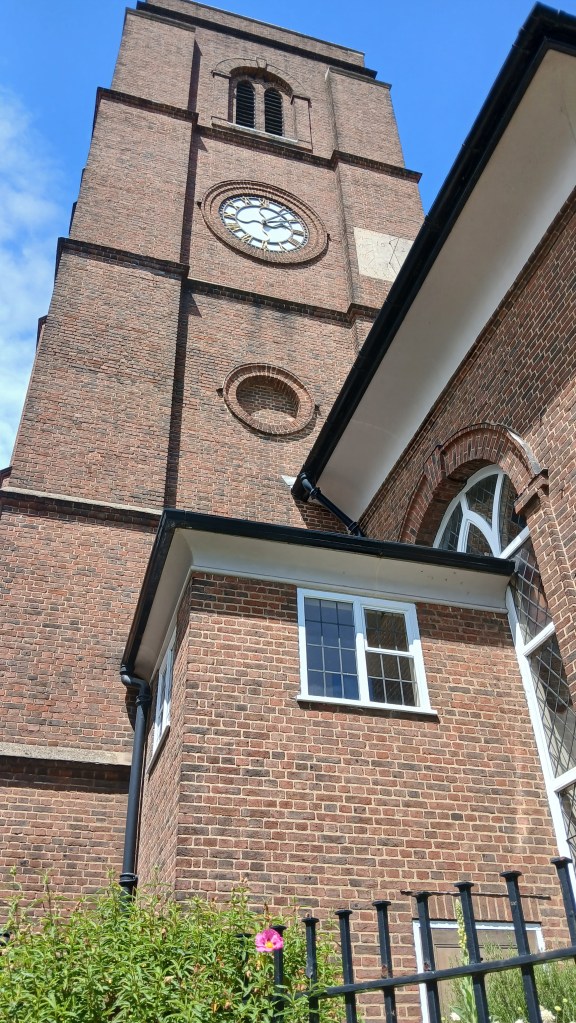
A gem of a church steeped in history. A leaflet in the church says that there has probably been a place of worship on this site ‘since Christianity came to England’. In 1120 a church and monastery were established in the village Parish of Chelsea and the church was added to over the centuries. In the early 16th century, Sir Thomas More, lawyer, MP and one-time Lord Chancellor to Henry VIII, purchased land between King’s Road and the River Thames and built a large house across the road from the church, building a chapel for his private use. King Henry often visited More and in 1536 he bought Chelsea Manor which he rebuilt. He never lived there but his daughter, Princess Elizabeth, son and heir Prince Edward and their relative, Lady Jane Grey, lived there under the care of Henry’s last wife, Catherine Parr, who settled there after his death. They all worshipped at Chelsea’s then Parish church. I was surprised to learn that the church was completely destroyed by bombing in the Second World War, and the then congregation made the momentous decision to have the church rebuilt ‘as it was, where it was.’ Hence the church and its many monuments have been restored to almost exactly how they would have looked before the war. Below are photos of notable features of the church: monument to Lady Jane Cheyne (1669), benefactor to the church and village of Chelsea, Cheyne Walk is named after her; elaborate Dacre monument (1595) to Gregory Fiennes Lord Dacre and his wife, who inherited Thomas More’s Chelsea properties. The chained books, these were a gift of Sir Hans Sloane and are the only chained books in a London church. The collection includes a Bible, prayer books and Foxe’s Book of Martyrs. I absolutely recommend a visit to this intriguing church!
Sources: leaflet in church; chelseaoldchurch.org.uk
Petyt Hall and Chelsea Old Church Garden
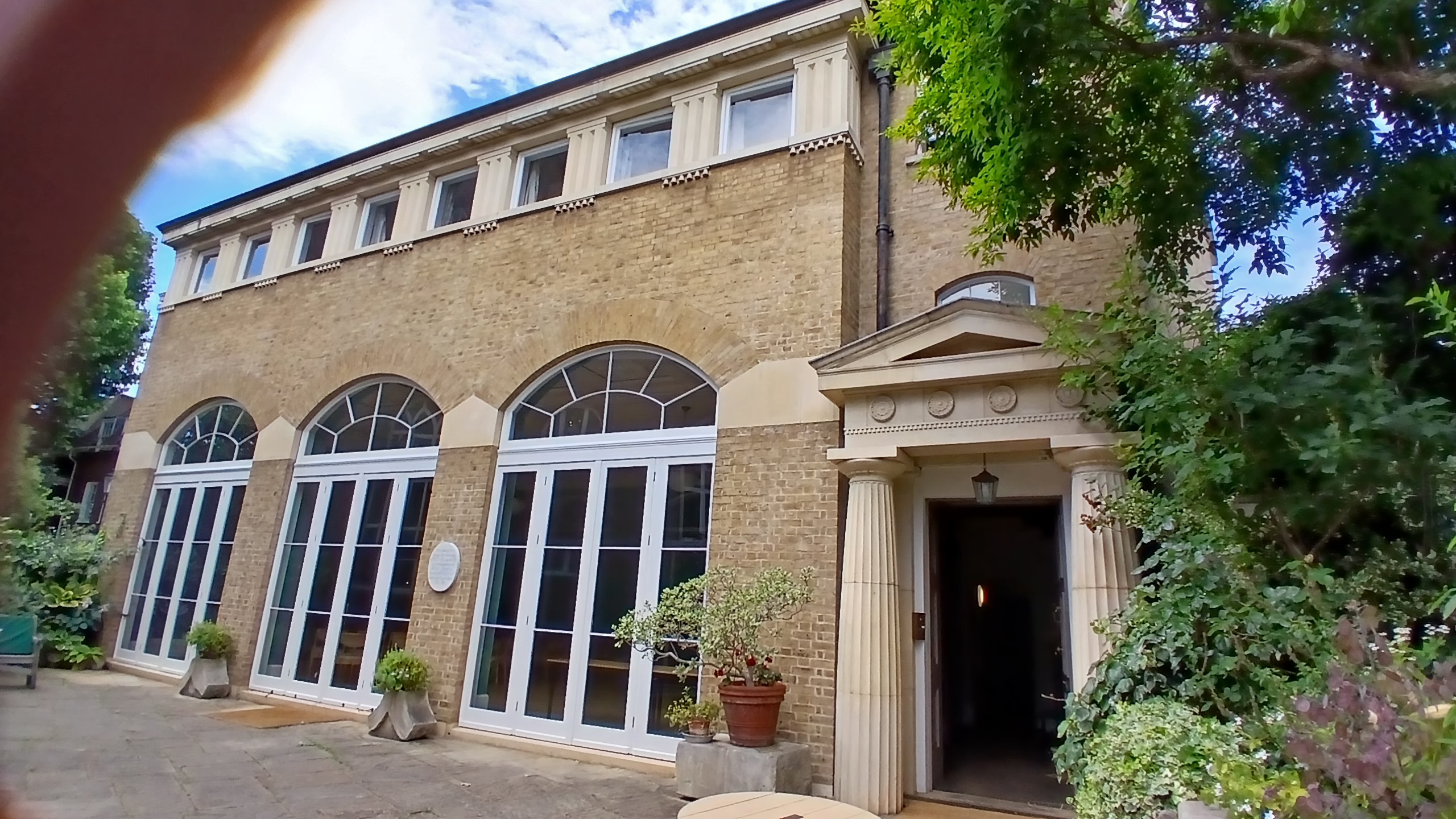
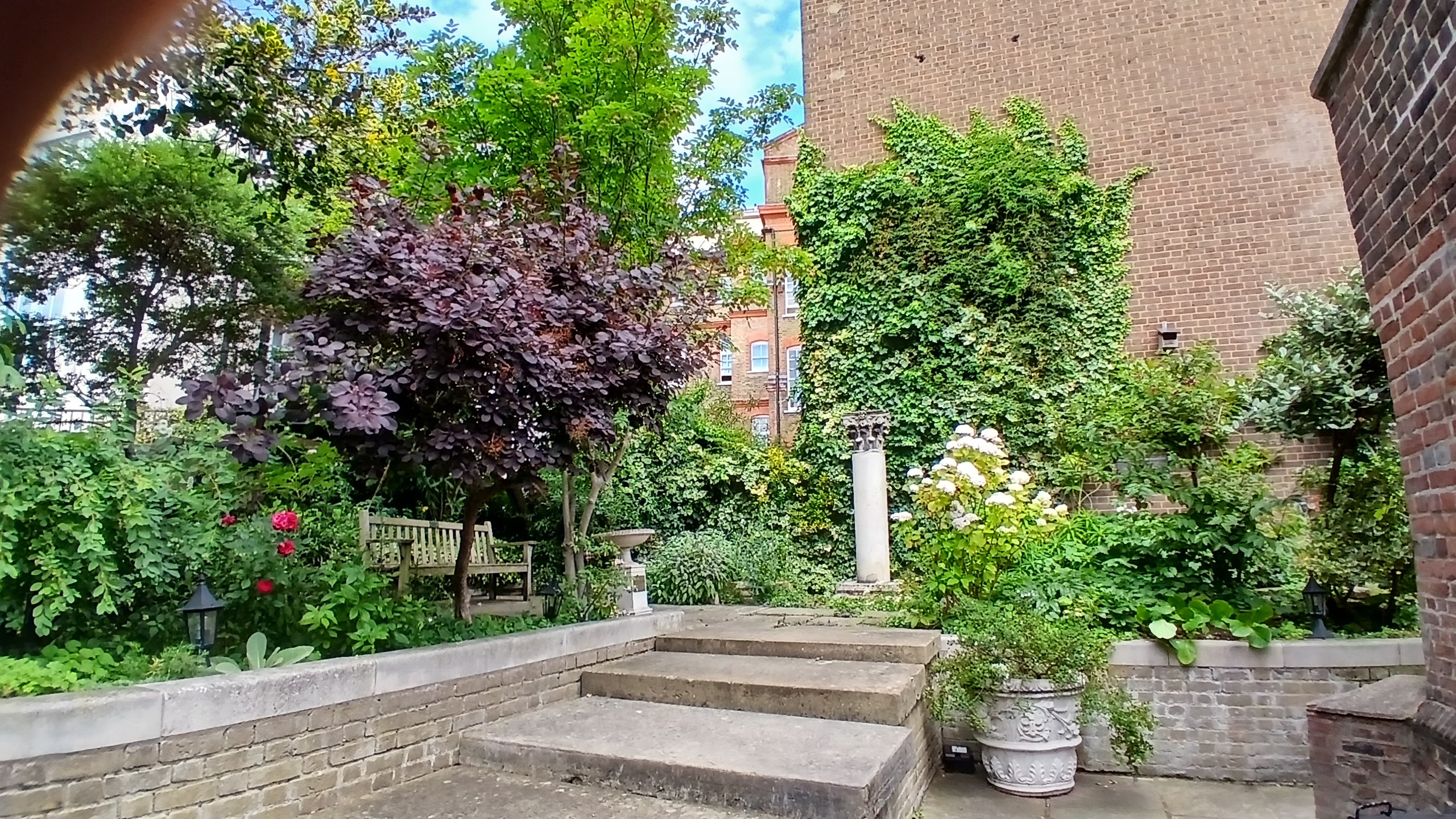
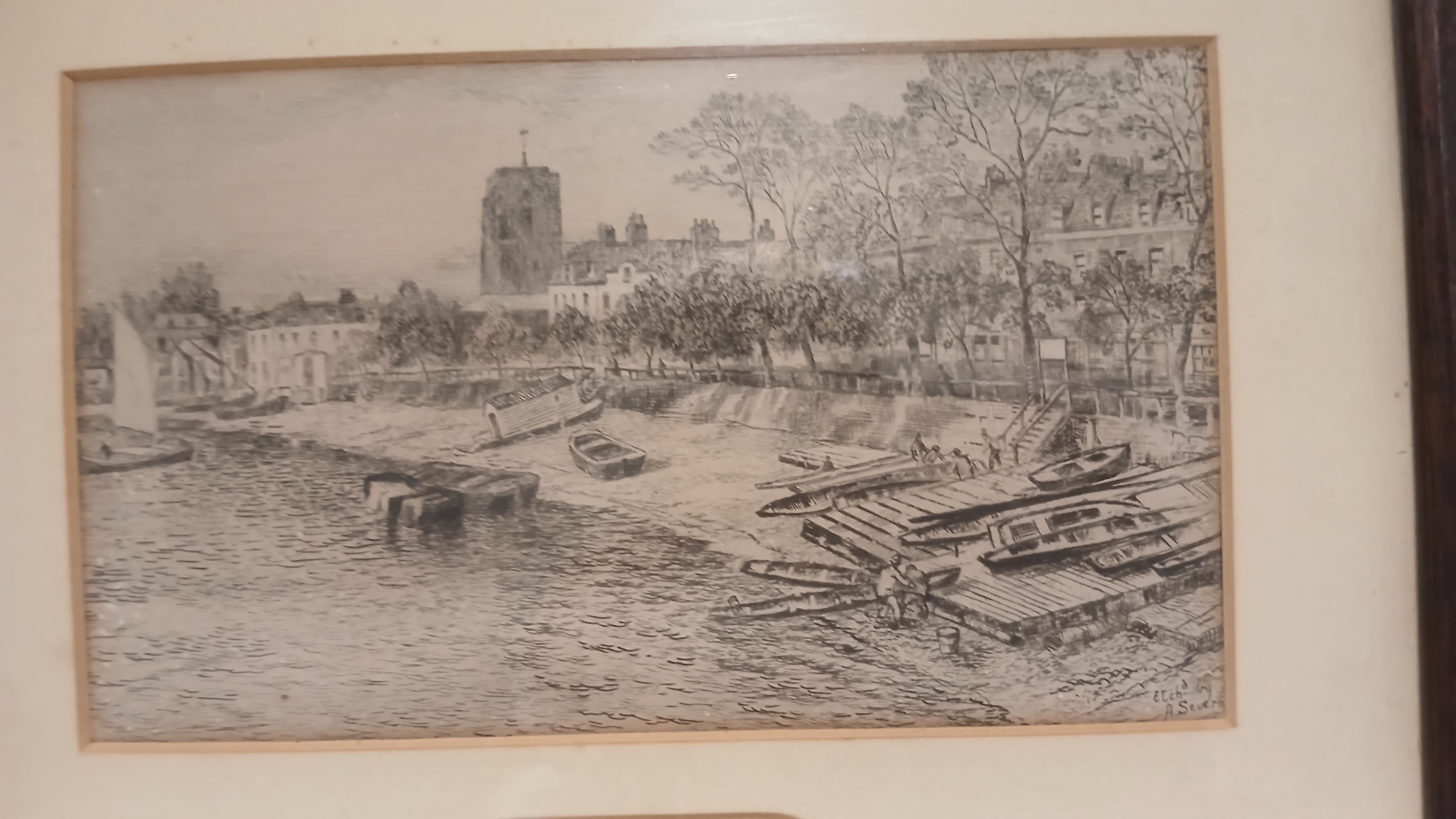
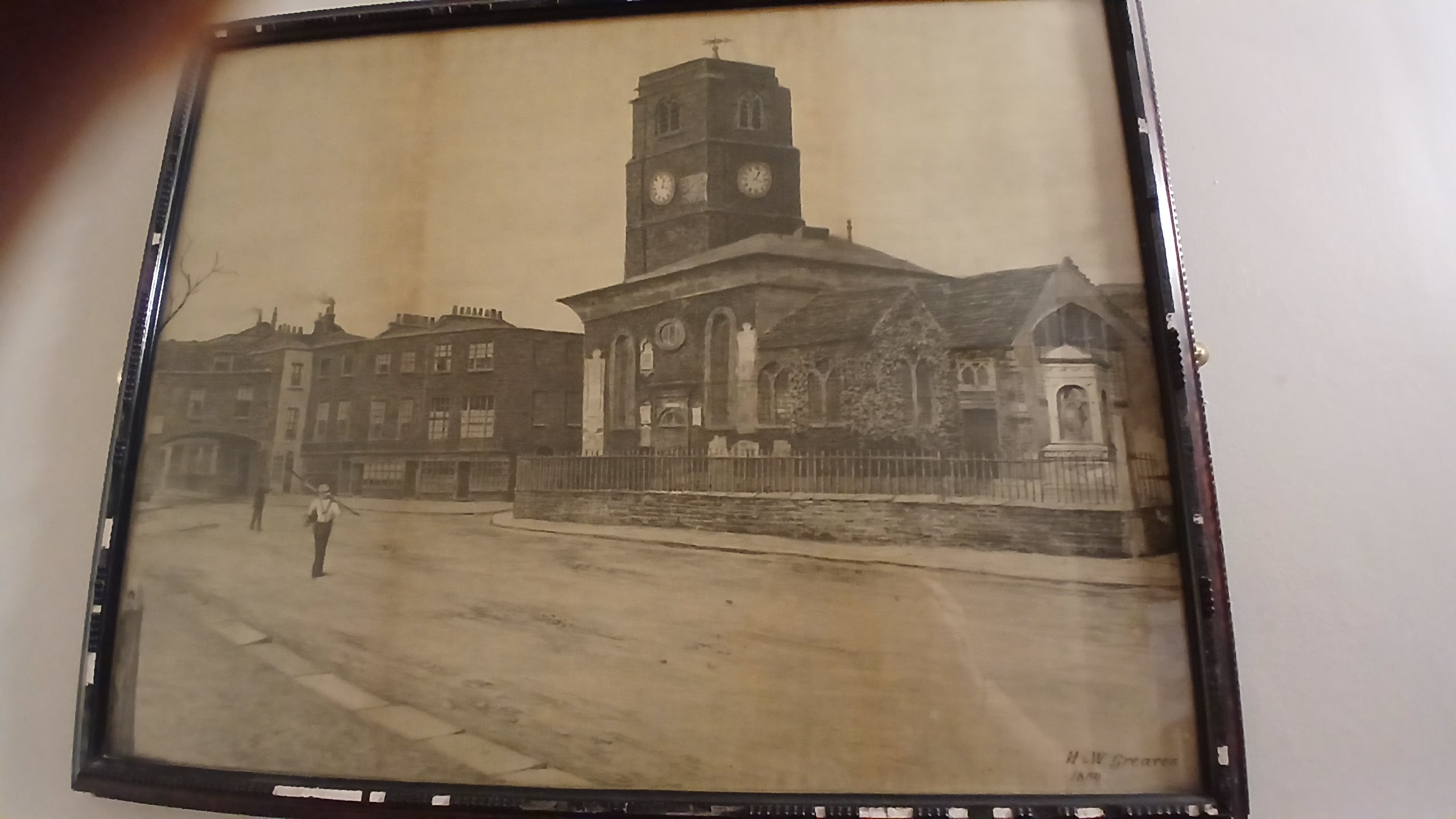
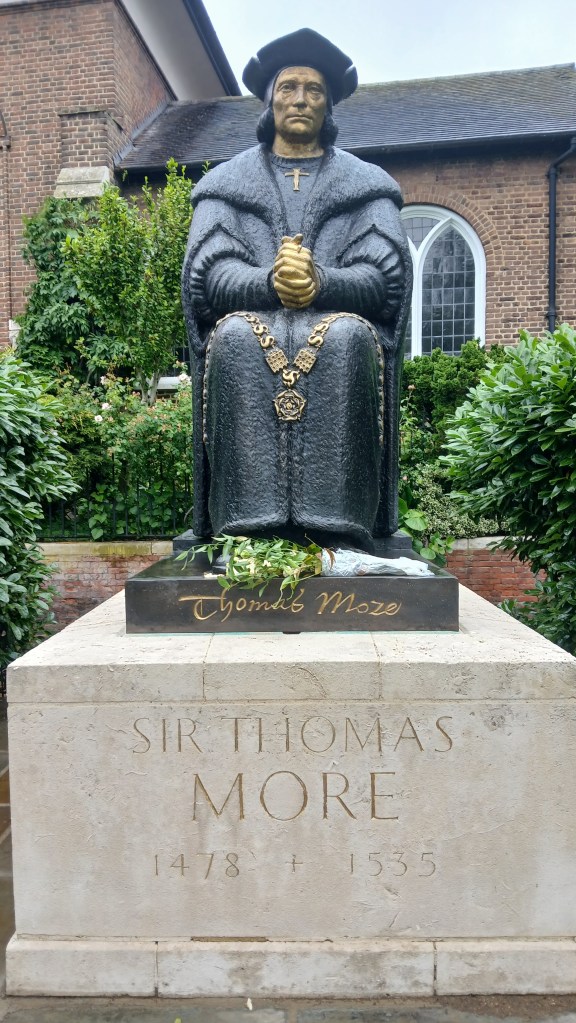
Continuing at this location, I’m finishing with the church’s hall and garden. The vicarage and Petyt House, the buildings on this site, were demolished along with the ruins of the bombed church; subsequently a new vicarage and church hall, Petyt Hall, replaced them, being opened in 2002. The buildings were designed by John Simpson, architect of the King’s Gallery of Buckingham Palace. The hall is used by the church for their own events and is available to hire for private functions. What piqued my interest was the ‘gallery’ of pictures of the pre-war church and riverbank in the entrance hall and basement. Surrounding the church on all sides is the prettiest ‘cottage’ garden, which is maintained, I was told, by two ladies from the church congregation. In front of the church is a statue of Sir Thomas More designed by L Cubitt Bevis and erected in 1969. Despite being a loyal servant to King Henry, More was executed at the Tower of London in 1535 for refusing to acknowledge Henry as Supreme Head of the Church of England.
Sources: leaflet in church; chelseaoldchurch.org.uk
 claresimons1