On 4th July 1776 the thirteen united states of America voted unanimously to become independent sovereign states no longer subject to British colonial rule. 4th July 2026 marked the 250th anniversary of the Declaration of Independence, so what better time to explore churches which have an historic connection to London? Turns out there are quite a few churches, some with quite a few connections! Here are four, with two short bonus entries at the end.
St Mary Aldermanbury, Aldermanbury Street
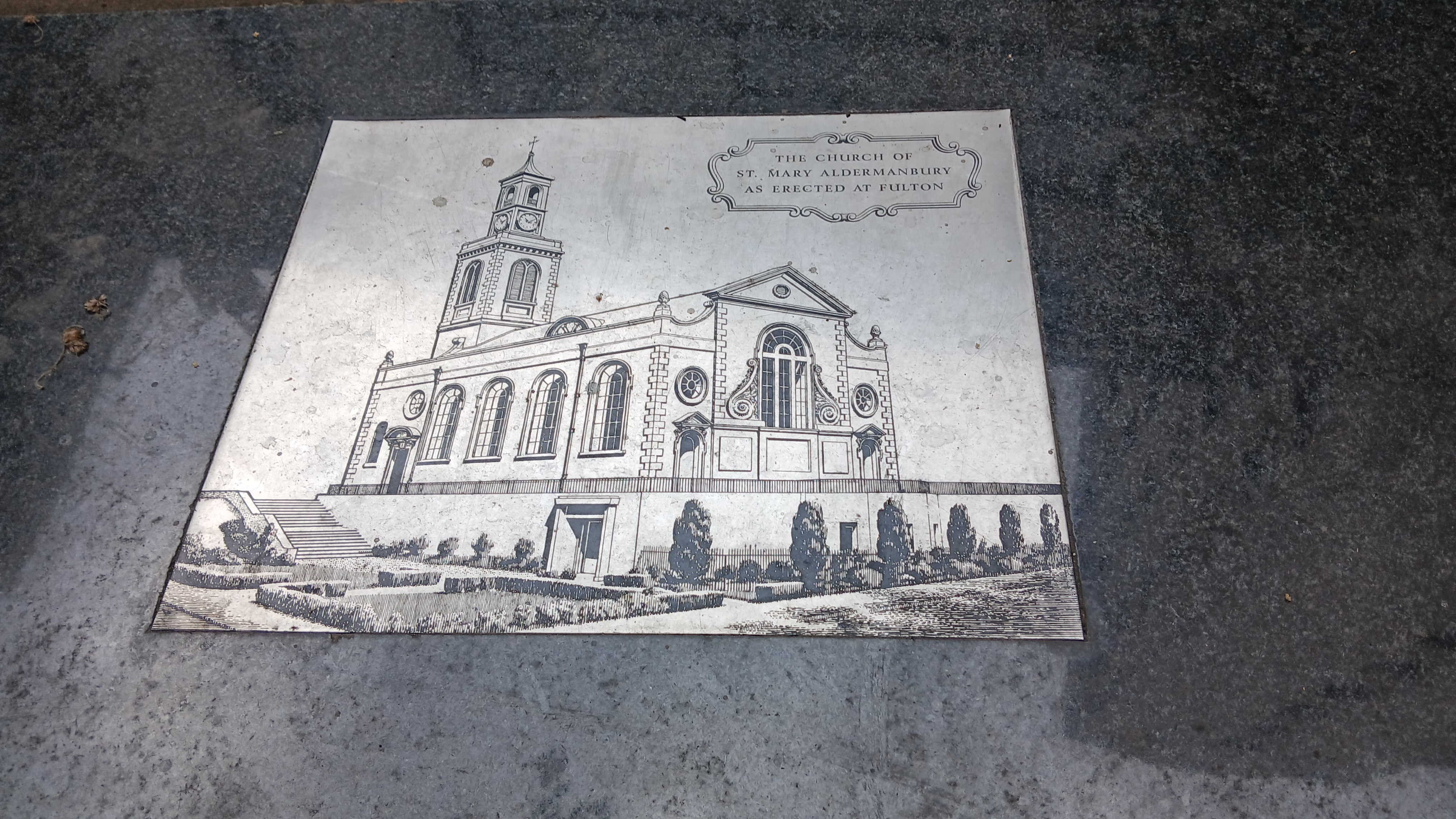
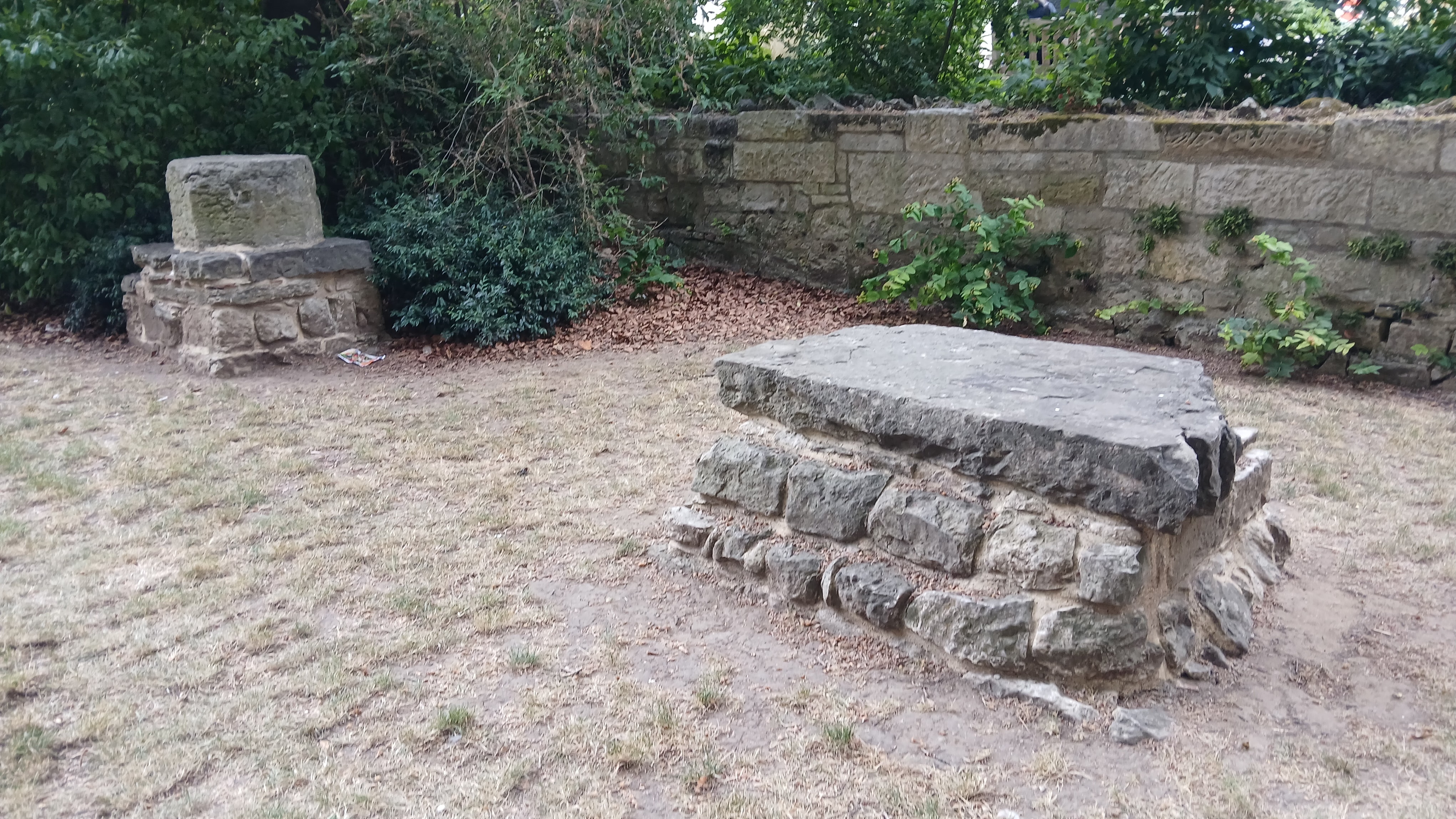
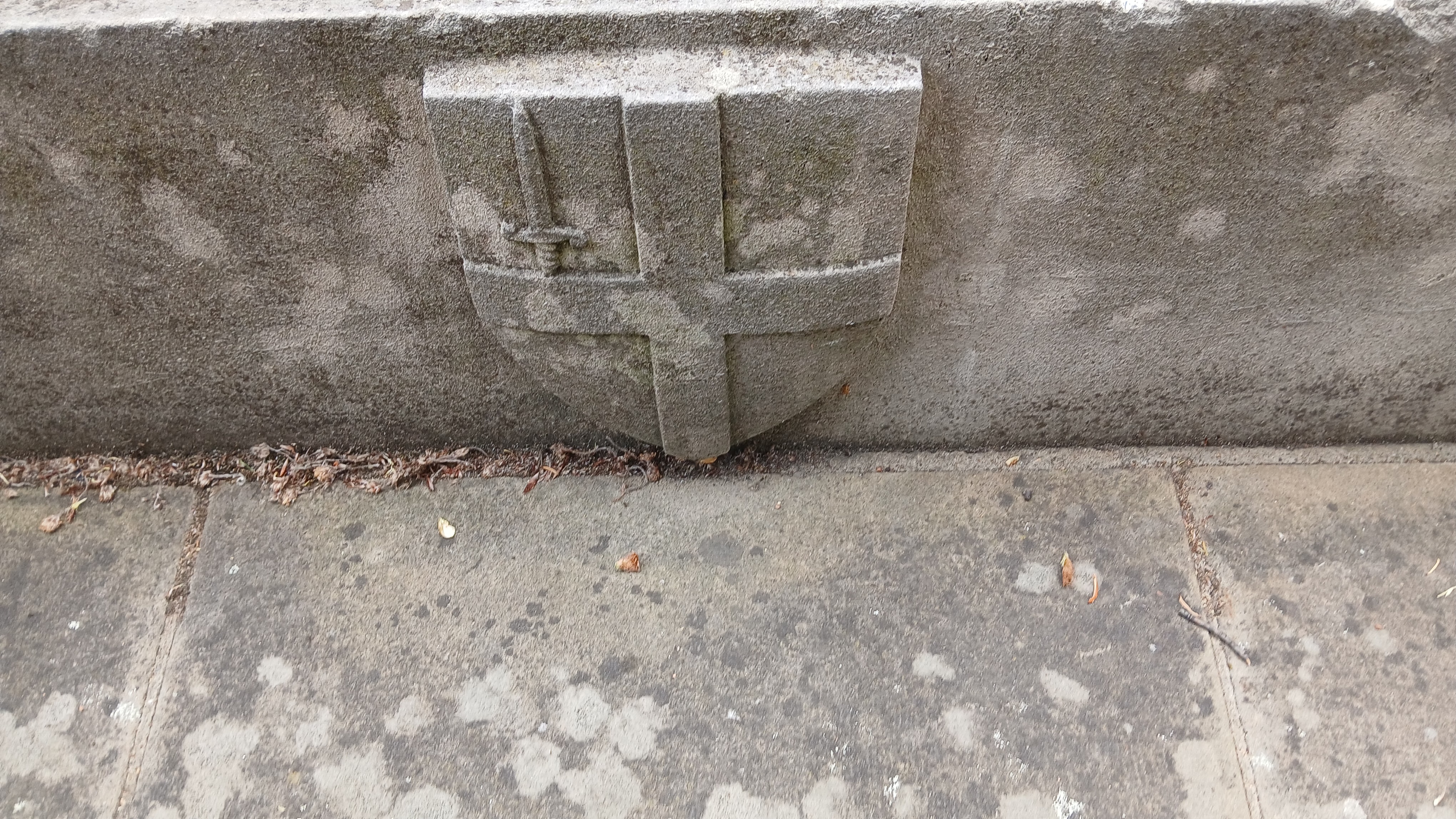
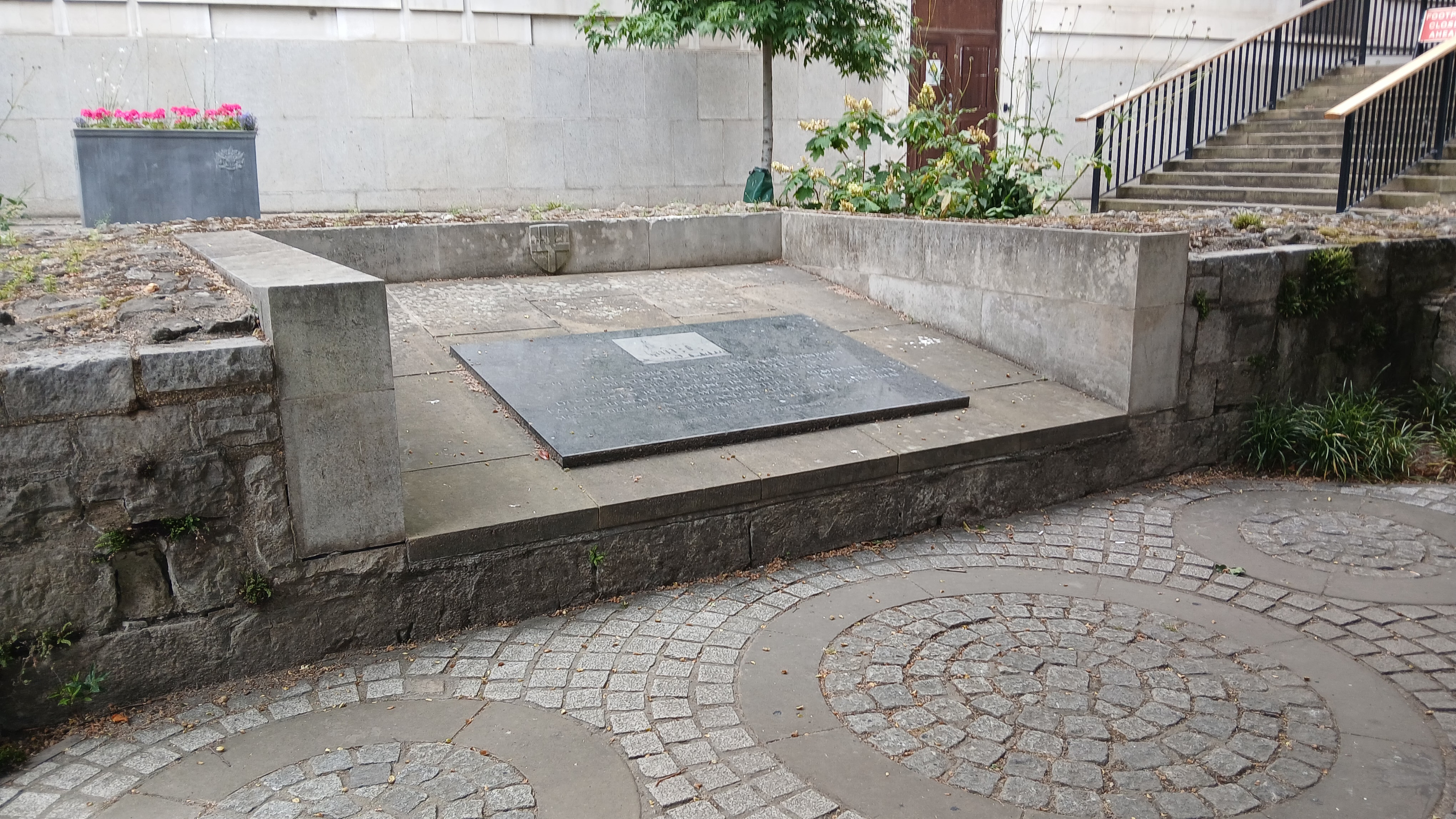
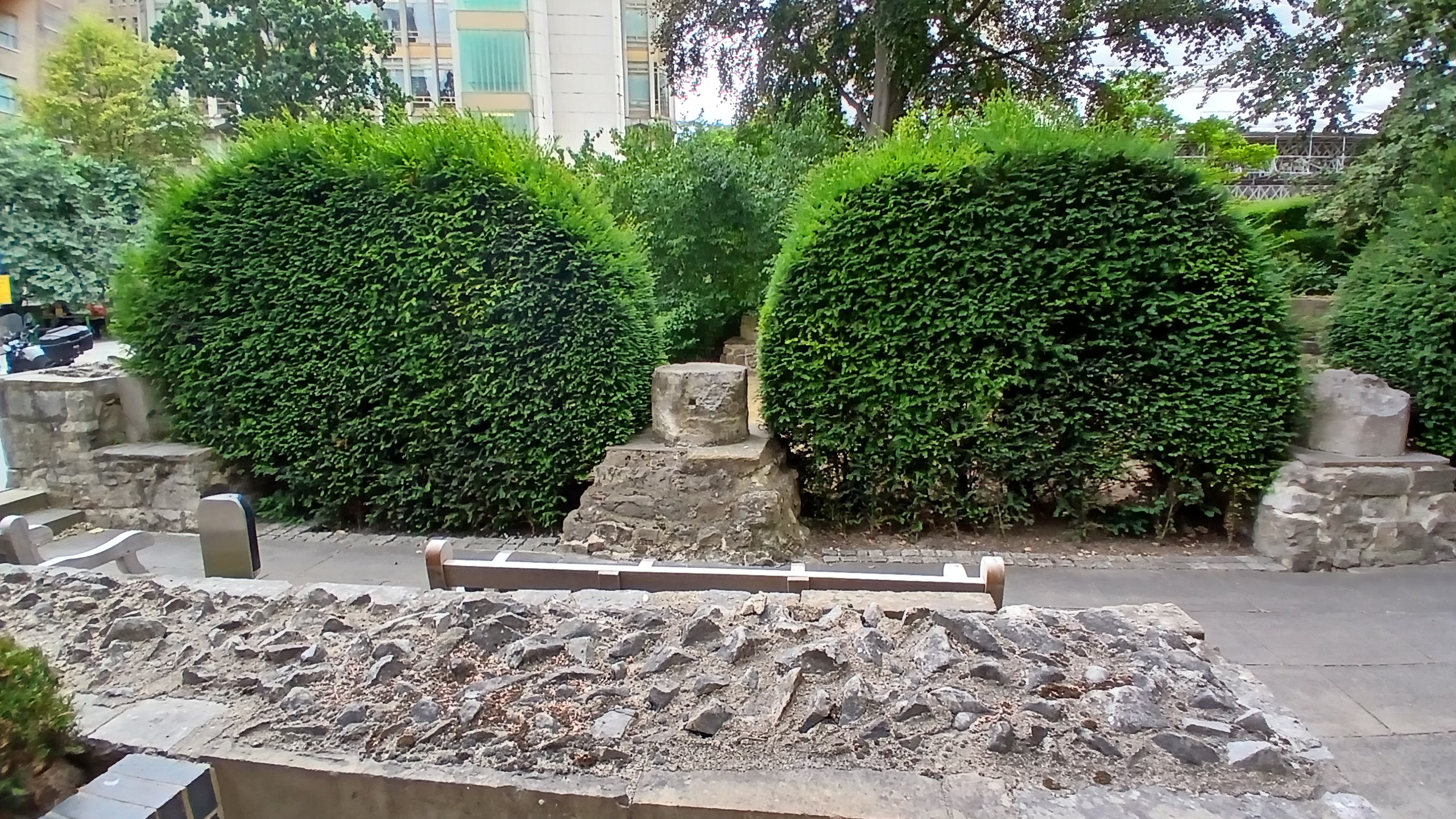
The first of these churches is no longer here! The church formerly on this site has its origins in the 12th century, was destroyed in the 1666 Great Fire and subsequently rebuilt by Sir Christopher Wren in the 1670s. This building stood for nearly three centuries until the night of 29th December 1940 when it was damaged almost beyond repair in the London blitz. For 20 years the church was left in its ruined state; then something surprising happened. Across the Atlantic Ocean, Westminster College in Fulton, Missouri, was looking for a way to commemorate the famous ‘Iron Curtain’ speech made by Winston Churchill on the college’s campus in 1946. ‘Among the suggestions of plaques and statues, someone proposed bringing over a Christopher Wren church and rebuilding it in honour of Churchill’s visit.’ As you do! The plan was endorsed by Churchill himself and every stone of the ruined church was carefully removed and taken by ship and rail to Missouri, where it was ‘meticulously’ rebuilt on the campus. The original site is now a City Church Garden with a plaque commemorating the church’s interesting history. The remaining foundations show the footprint of the church and there are also some footings (remaining low walls) interspersed with plantings of hedges. The City of London’s shield carved in stone can be seen on part of the foundations.
Source: anglotopia.net
All Hallows by the Tower

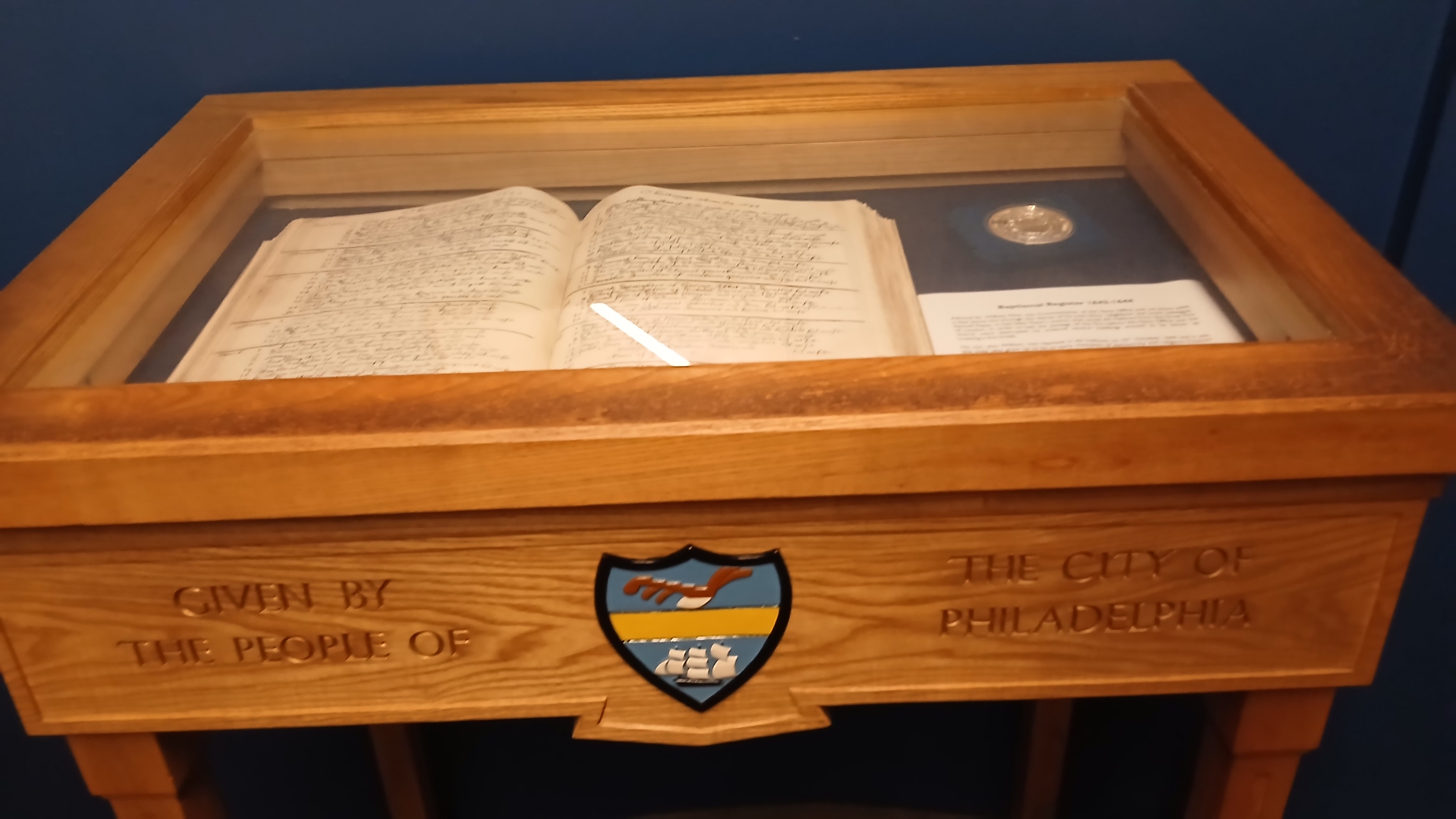
There are two American connections with All Hallows, said to be the City of London’s oldest church founded in AD675. Firstly, William Penn, son of Admiral Sir William Penn, was baptised in the church in 1644. The younger William Penn grew up to be a champion of democracy and religious freedom, and founded the US Province of Pennsylvania, one of the original 13 states. In 1681 King Charles ll granted Penn an area of land in the American colonies in lieu of money owed by the Crown to his father the Admiral. The story goes that Penn wanted to call the new province ‘New Wales’ which was objected to by the Secretary of State, a Welshman. Penn suggested the name ‘Sylvania’ meaning wood and the Privy Council added the prefix ‘Penn’. Being a modest chap, the younger Penn protested but then reluctantly accepted the name. The second US connection is the marriage at All Hallows of the 6th President of the United States, John Quincy Adams. Born in Massachusetts, Adams spent much of his life in Europe including an appointment as the US Minister to the Netherlands by then President George Washington in 1794. Spending the winter of 1795-96 in London, he met Louise Catherine Johnson, daughter of American merchant Joshua Johnson. Louisa accepted Adams’s marriage proposal but his parents disapproved of his choice of marriage to a woman ‘who had grown up in England.’ Adams would not change his mind and the couple were married at All Hallows on 26th July 1797. They returned to the United States and Adams served as President from 1825 to 1829.
Source: Wikipedia
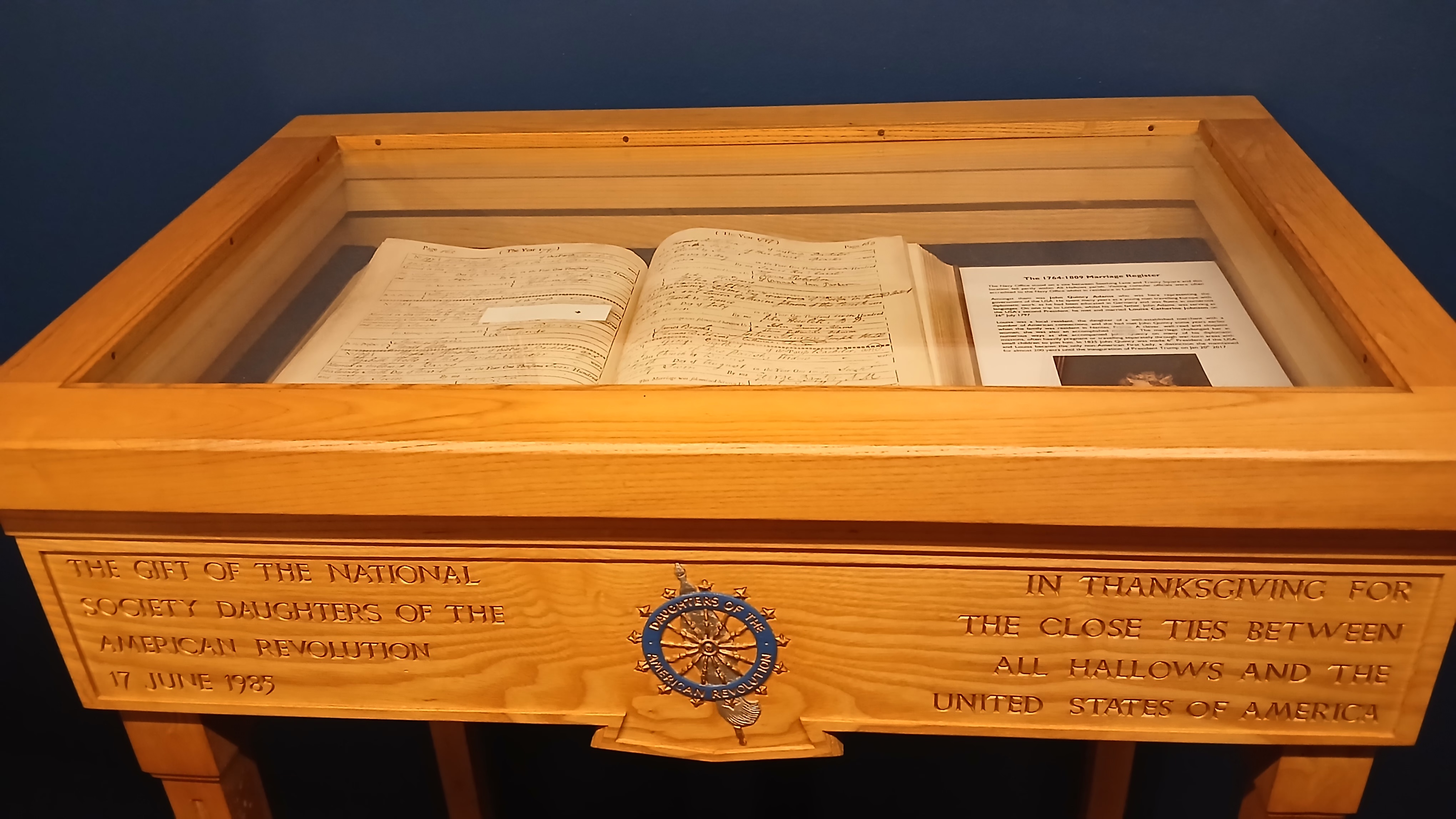
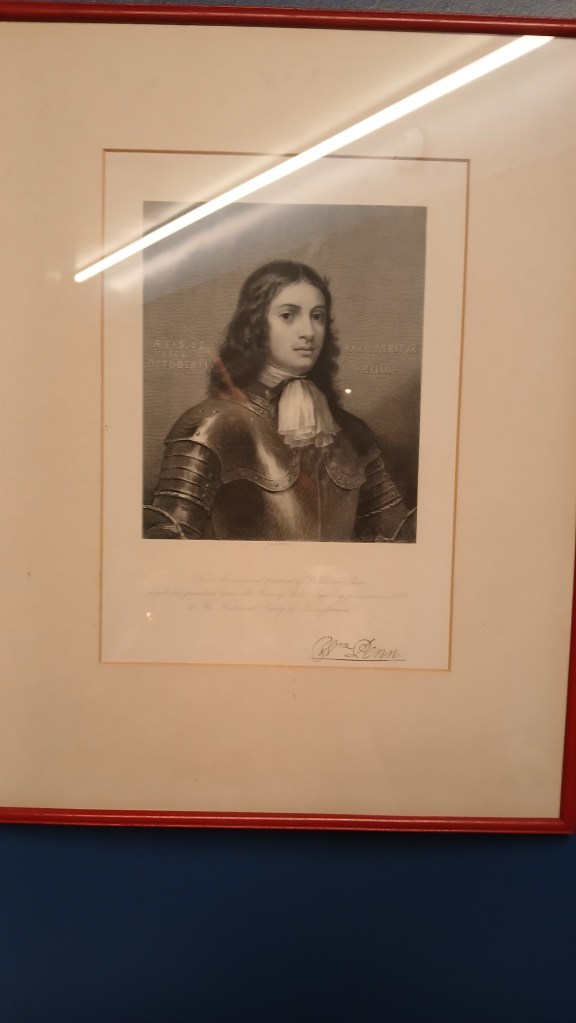

Portraits of William Penn and John Quincy Adams respectively in the crypt of All Hallows; apologies for the reflection of the strip lighting, which I was unable to avoid!
St Bride’s Church, Fleet Street
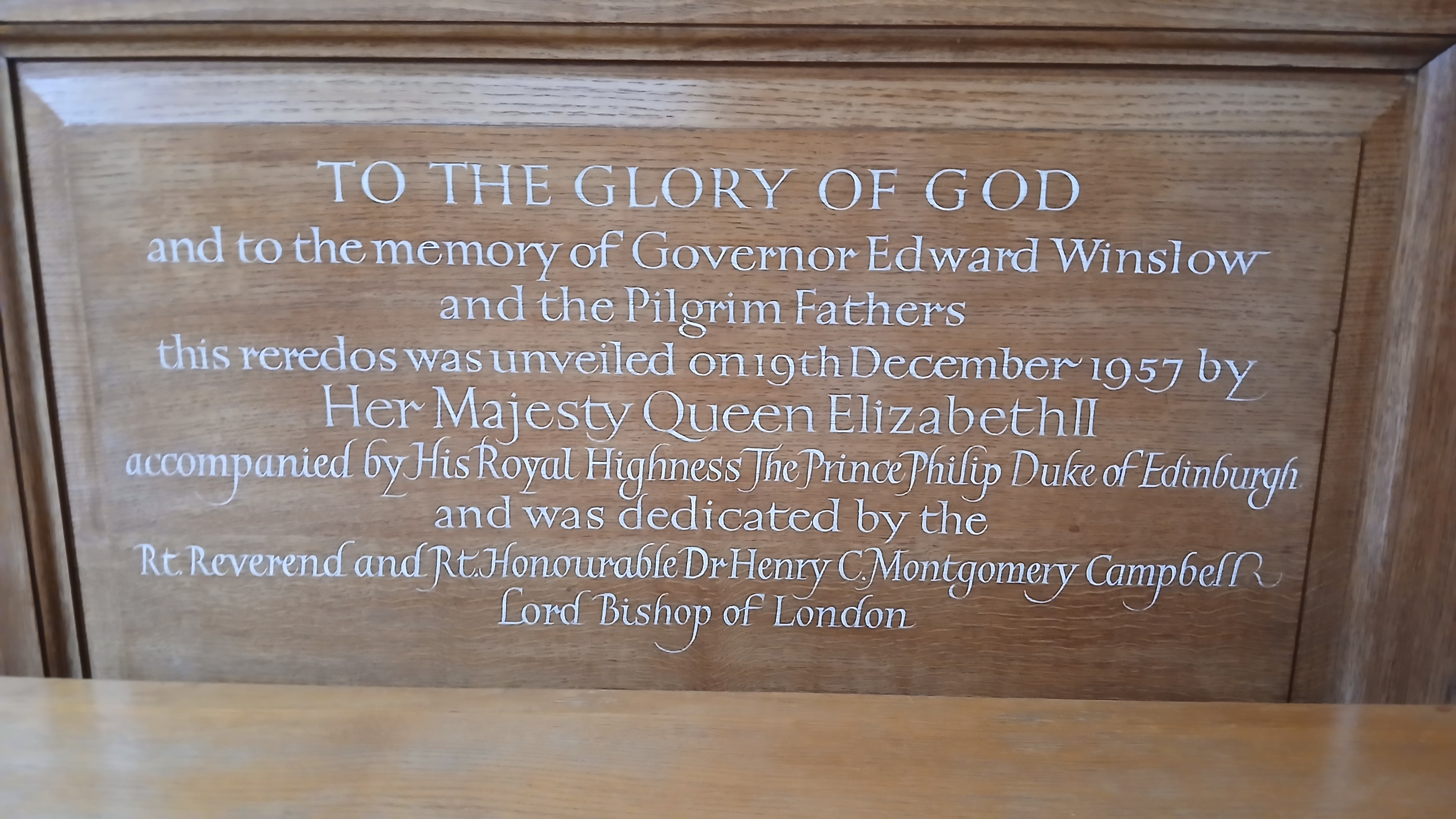
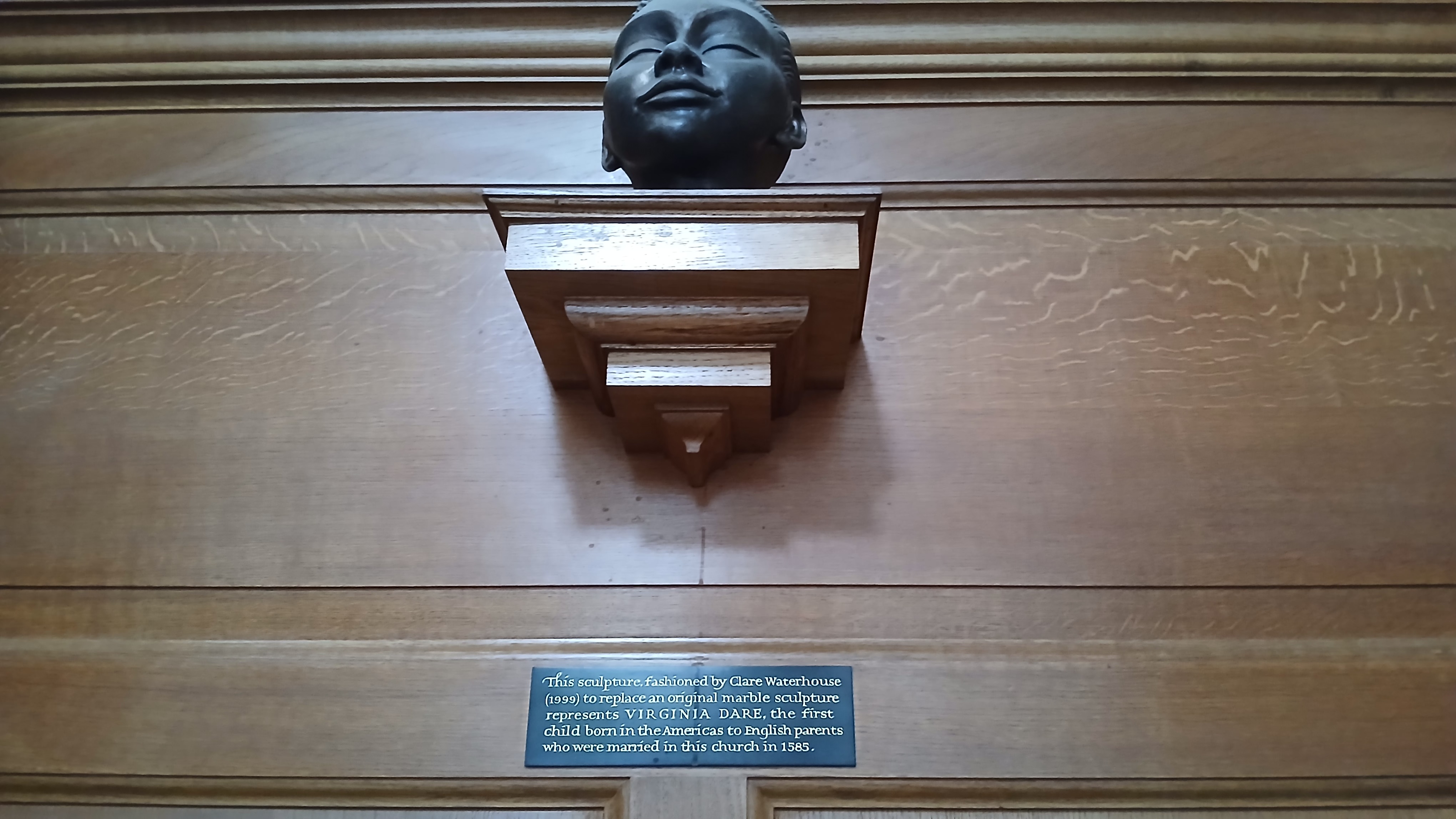
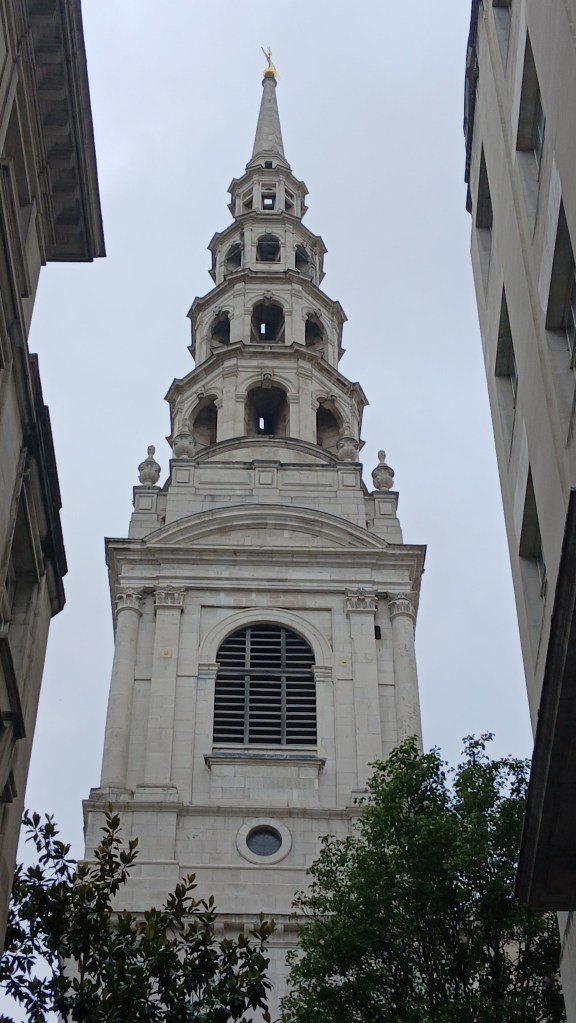
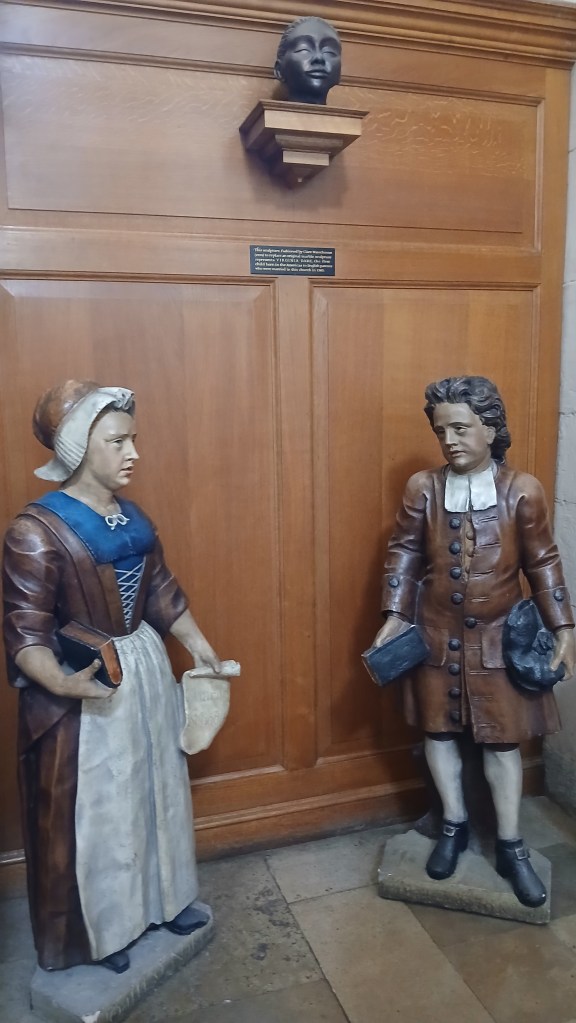
There are no less than three American connections to St Bride (the church’s name is a variation of St Brigid). The church’s famous ‘wedding cake’ spire was struck by lightening in 1764. American Founding Father Benjamin Franklin, inventor of the lightening rod, had a ‘discussion’ shall we say, with King George lll about the type of lightening rod to be installed: those with a pointed end (Franklin) or those with a blunt end (the King.) Of course, the King got his way, despite Franklin being the expert! Secondly, in the church there is a plaque commemorating Edward Winslow and the Pilgrim Fathers. Winslow sailed on the Mayflower in 1620 and went from being an apprenticed stationer in the City of London to becoming Governor of New Plymouth, Massachusetts, being re-elected twice more. St Bride is the Printers’ and Journalists’ church and in Winslow’s time the Worshipful Company of Stationers managed the printing trade. Winslow attended St Bride before travelling to America and his parents were married here. The third connection with the first American colonies is the bust of Virginia Dare, the first English child born in the ‘New World’. Her parents were married in St Bride in 1585 before travelling to the Roanoke Colony in Virginia, hence their daughter’s name. The bust was made by sculptor Clare Waterhouse in 1999, replacing the original which was stolen. The figures beneath the bust don’t depict Virginia’s parent as I first thought. They were originally situated outside the Bridewell Hospital Orphanage, which sent 100 orphaned boys and girls to Virginia in the 1600s to populate the new colony. The scheme was so successful that the Governor requested a further 100; on their coming of age all the young people received grants of land to begin their adult lives with promising prospects.
Sources: timetravelbritain.com; stbrides.com/aboutus/our-history.
American International Church, Tottenham Court Road
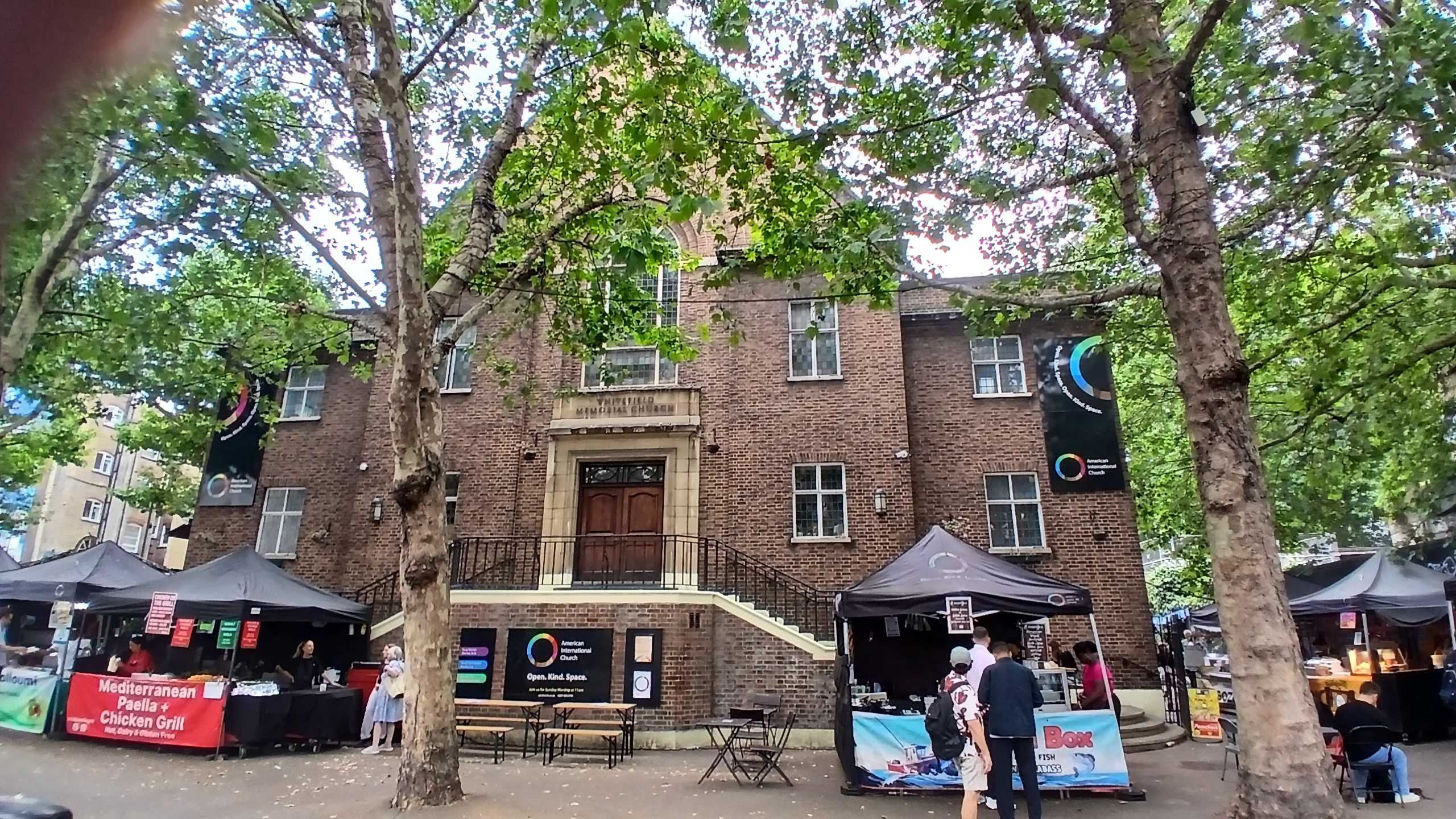
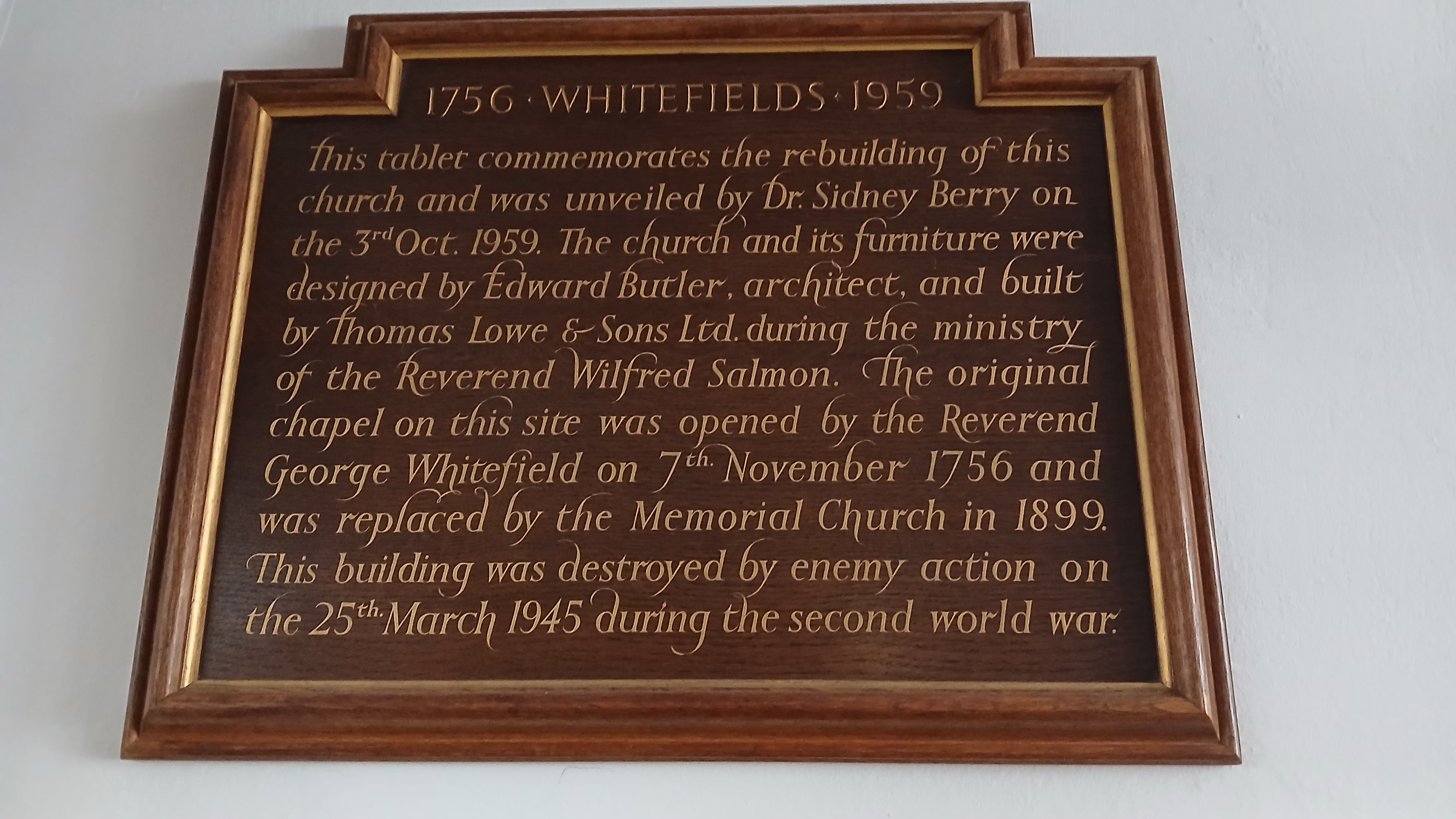
The church is located in the Whitefield Memorial Church on Tottenham Court Road, originally being located in a building in North Audley Street, close to the former site of the American Embassy. The church was known as the American Church in London as it was set up to provide a place of worship for American expats living and working in London. The name change in 2013 reflects the 30 plus different nationalities now attending the church. History of this site: a chapel was built on the site in 1756 for Evangelical preacher John Whitefield, a contemporary of John and Charles Wesley. In 1890 the chapel was taken down and re-erected as Whitefield’s Central Mission, but on Palm Sunday 1945 the building was destroyed by the last V-2 rocket to fall on London. The present church was built in 1957, becoming the home of the American Church in 1972. The church stands in a pedestrian thoroughfare and in the front and right hand side of the building is a wonderful World Food Market, independent vendors selling street food which the church hosts from 11am to 2pm, Monday to Friday. There’s plenty of seating in the market and in Whitfield Gardens to the left of the church. The variety of food available is amazing; I wasn’t able to stop for lunch but I did try some fee samples on offer! In 1986 the church launched The Soup Kitchen which serves hot meals to local people in need six days a week; they also support C4WS Homeless Project, offering a seasonal night shelter for homeless people and staffed by volunteers in the congregation.
Sources: wikipedia;amchurch.co.uk


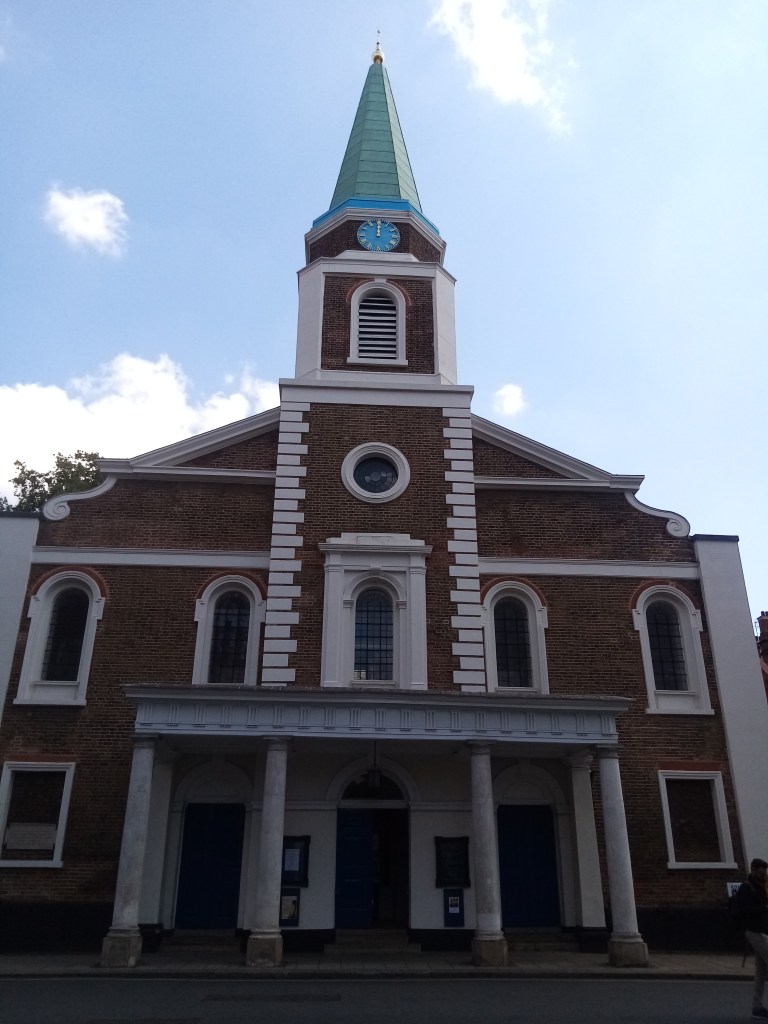
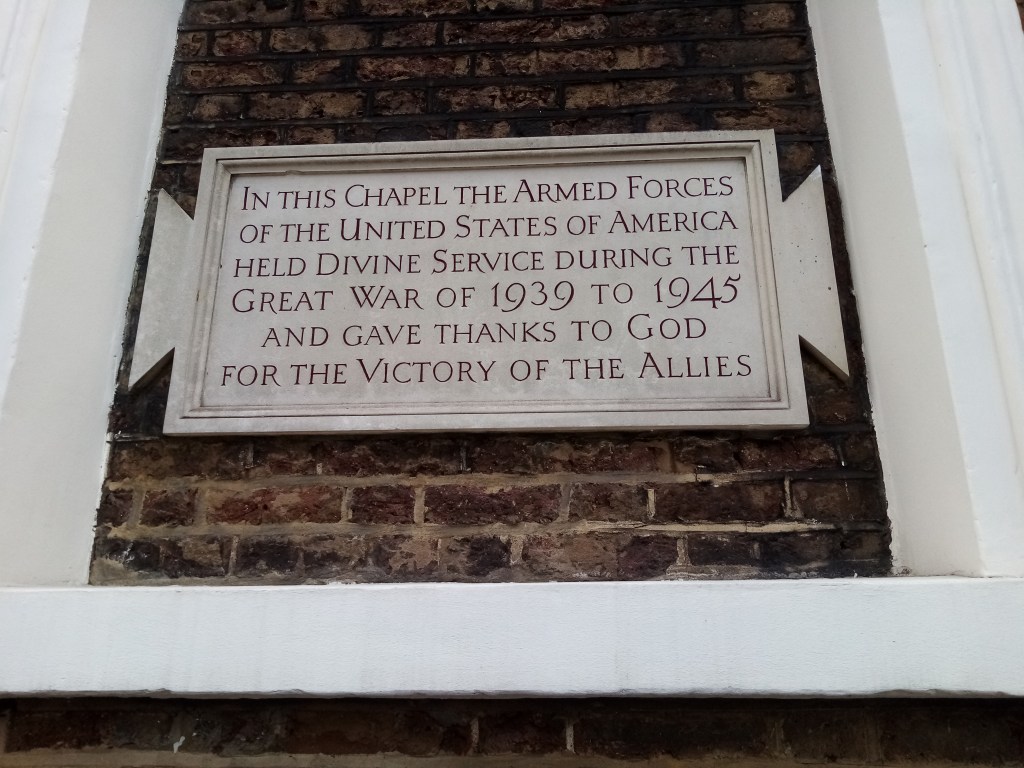
Two more American connections:
The Grosvenor Chapel in Mayfair, constructed in 1730, was the inspiration for many church buildings in New England in the Northeastern USA. During the Second World War American servicemen and women were welcomed into the Chapel for Sunday services. The Chapel is located in South Audley Street, close to the former site of the American Embassy.
Source: Wikipedia
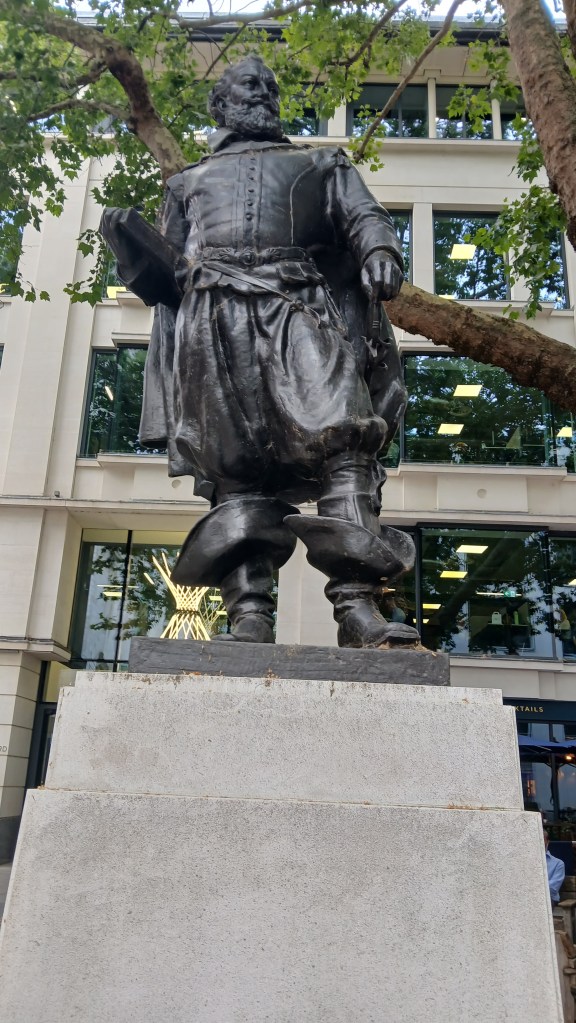
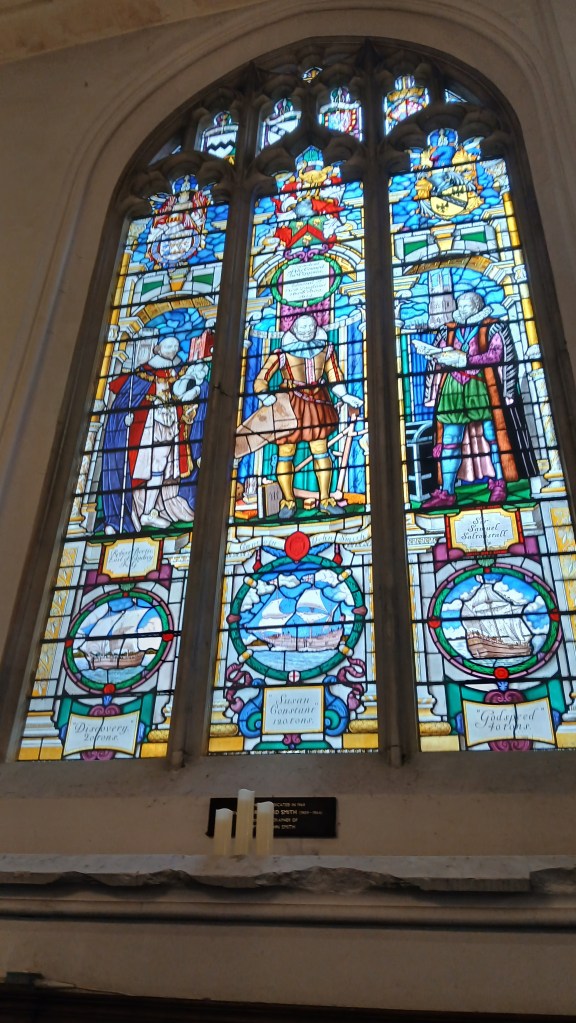
Outside Mary le Bow Church on Cheapside is a statue of American explorer and settler Captain John Smith, which as the website Lookup London says: ‘doesn’t look quite the same as Disney’s reimagining of him.’ Smith sailed to Virginia in 1606 and helped to establish the colony of Jamestown, later becoming Governor of Virginia. He was captured by the Powhaton tribe and was said to have been saved from execution by the chieftain’s daughter, Pocahontas, who threw herself across Smith to save him. The Disney version of the story has her marrying John Smith, but she actually married another settler, John Rolfe. Smith was buried at St Sepulchure-without-Newgate and is commemorated with this lovely stained glass window in the church which depicts the three ships from his first Virginia expedition: the ‘Discovery’, the ‘Susan Constane’ and my favourite name, the ‘Godspeed.’
Sources: lookuplondon.com; livinglondonhistory.com
 claresimons1