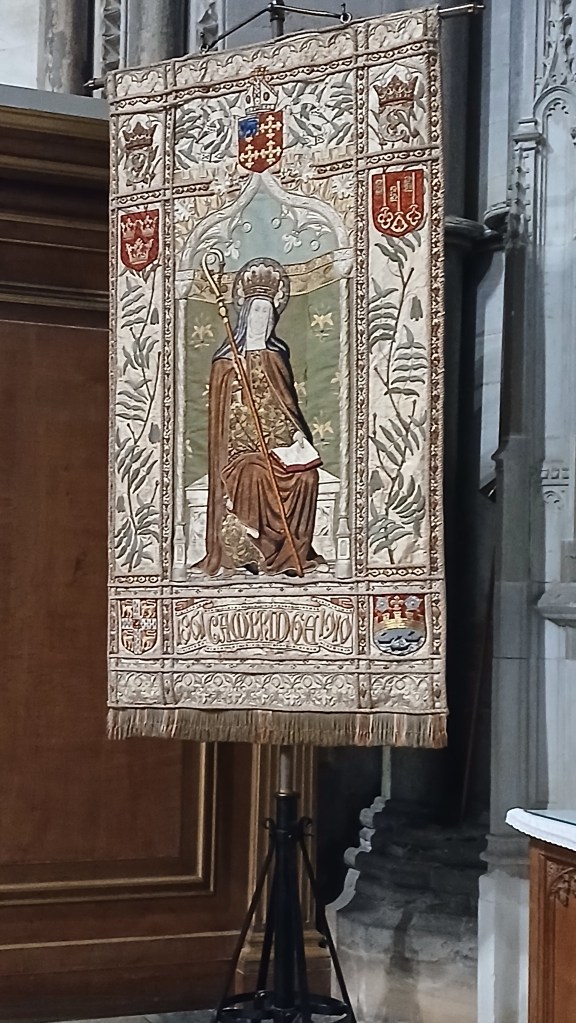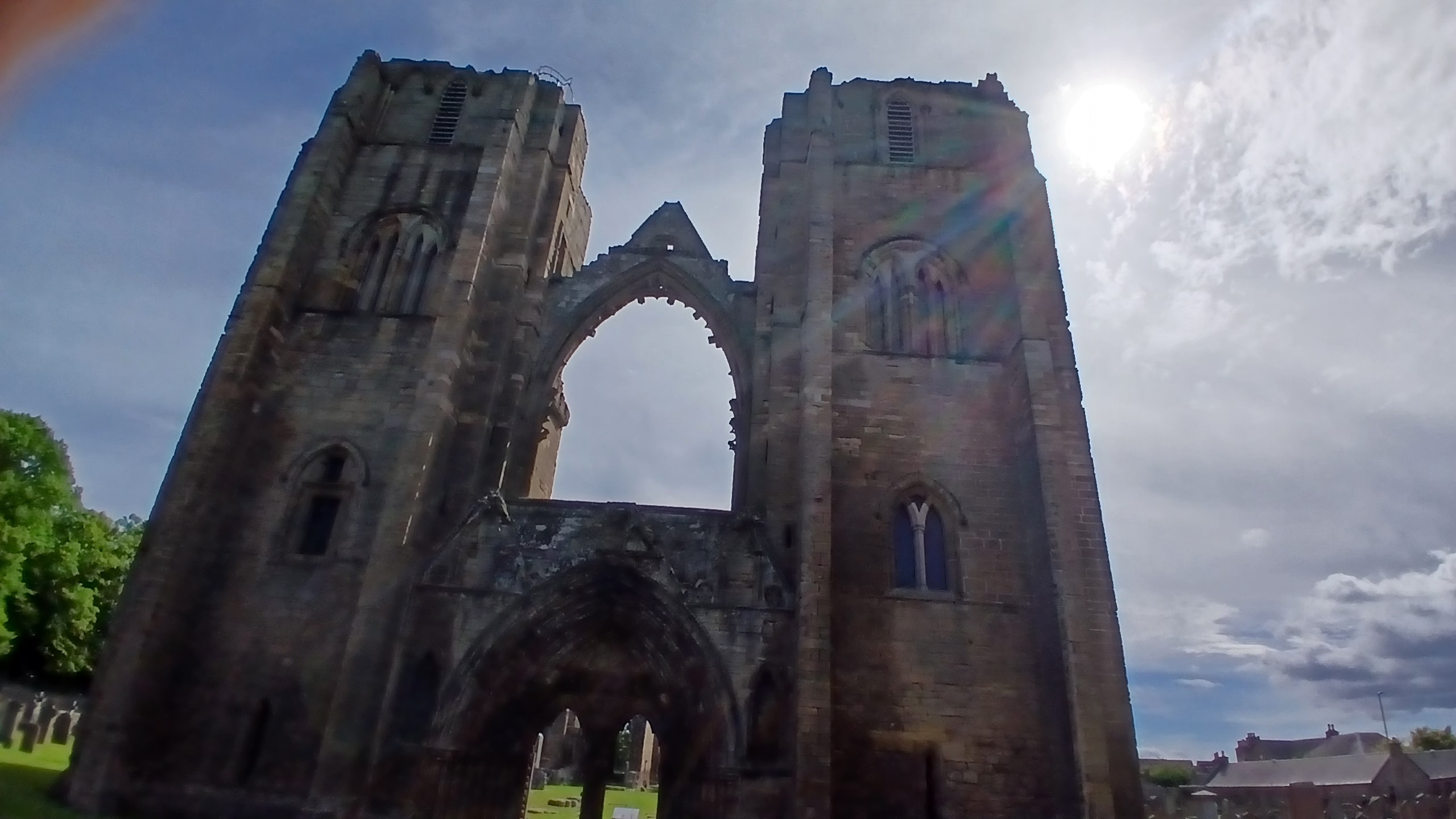
August was mostly too hot to visit the capital, so instead I searched my photos and decided to share visits I made to Elgin and Ely Cathedrals in June and July respectively. Elgin Cathedral is a spectacular ruin with much of its structure still standing. Ely would be a small East Anglian town were it not for its huge, somewhat out of proportion cathedral, which gives it city status. I’ve also included some photos and info about the Elgin Biblical Garden, adjacent to the Cathedral.
Elgin Cathedral
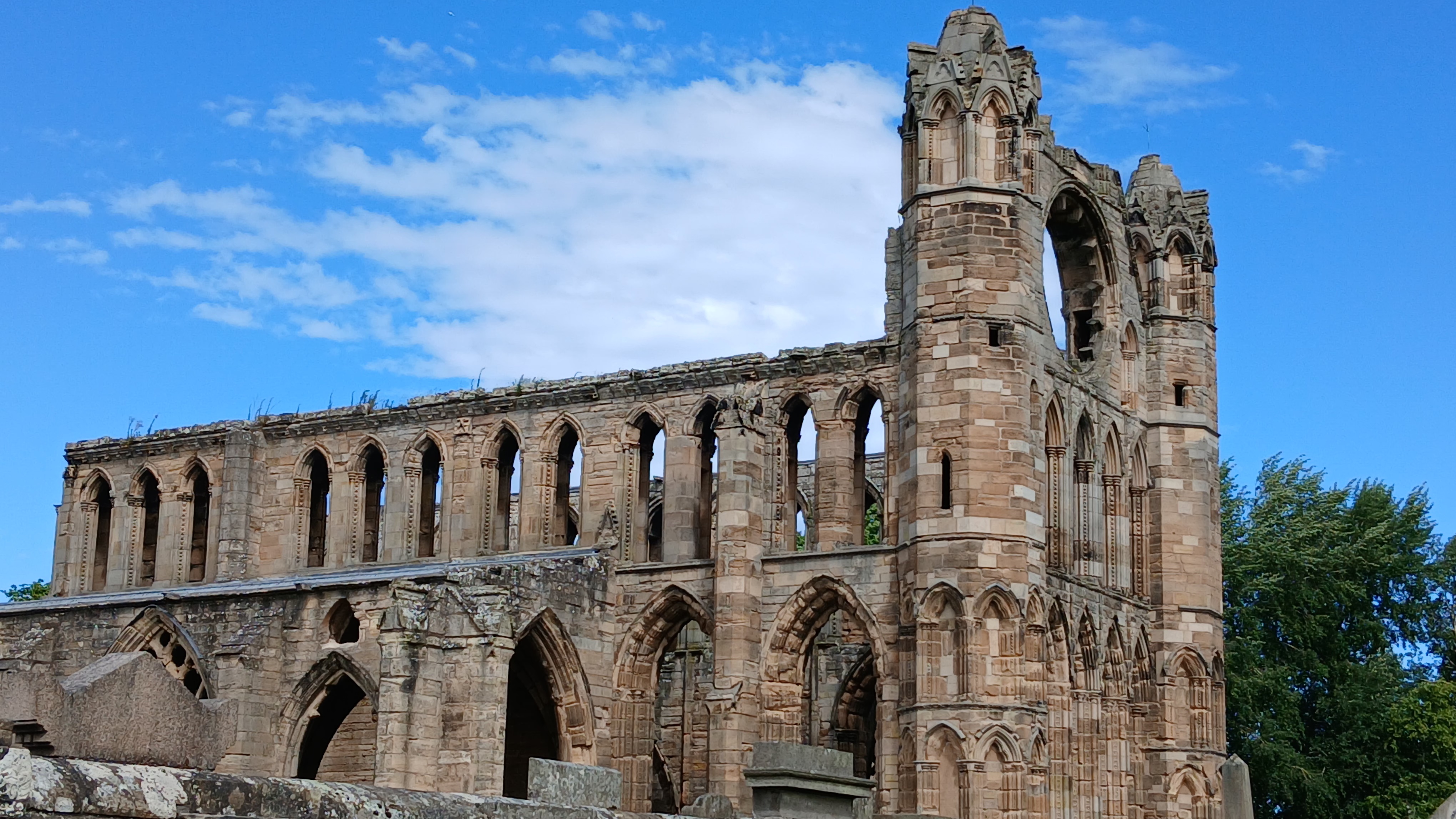
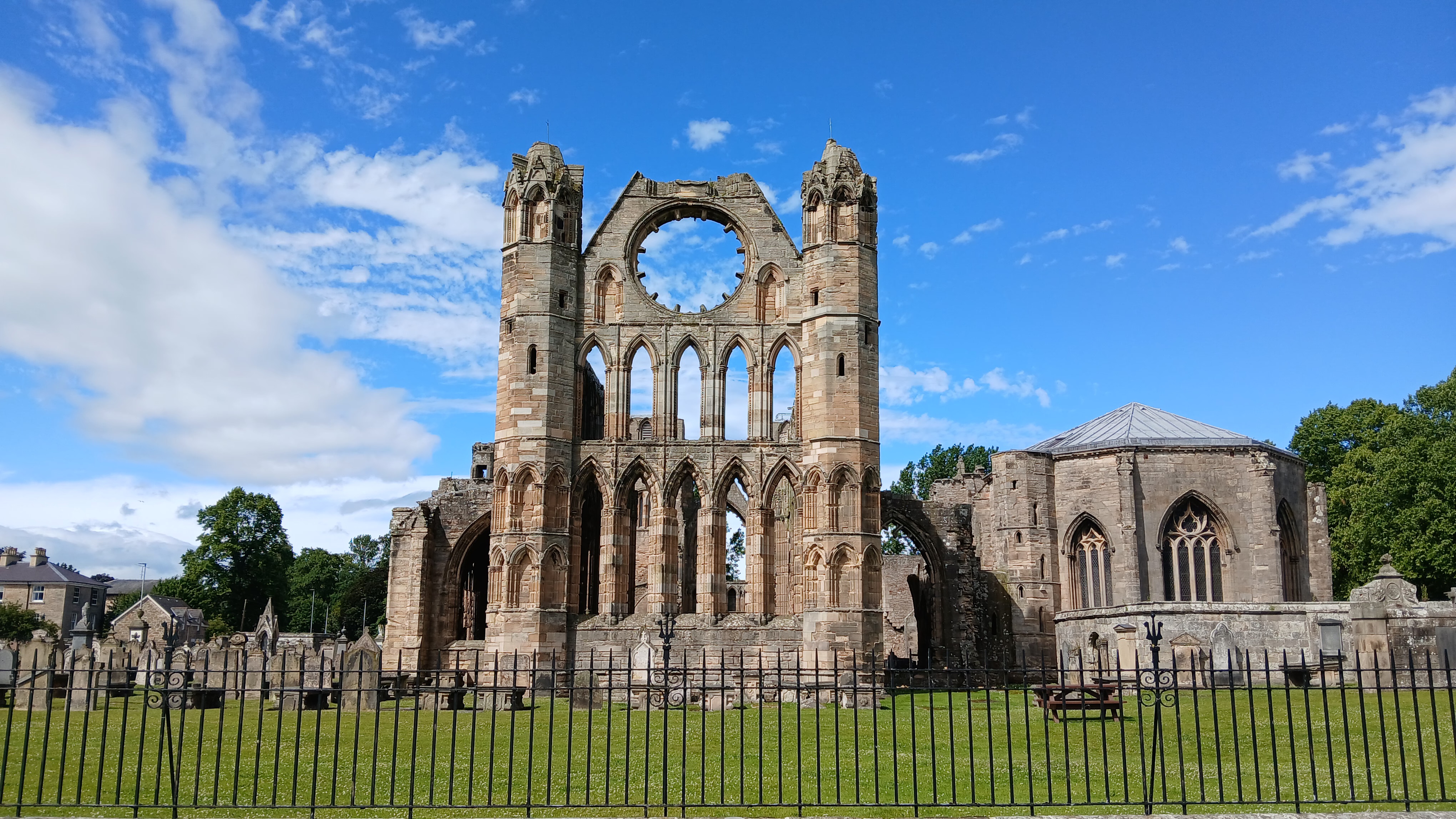
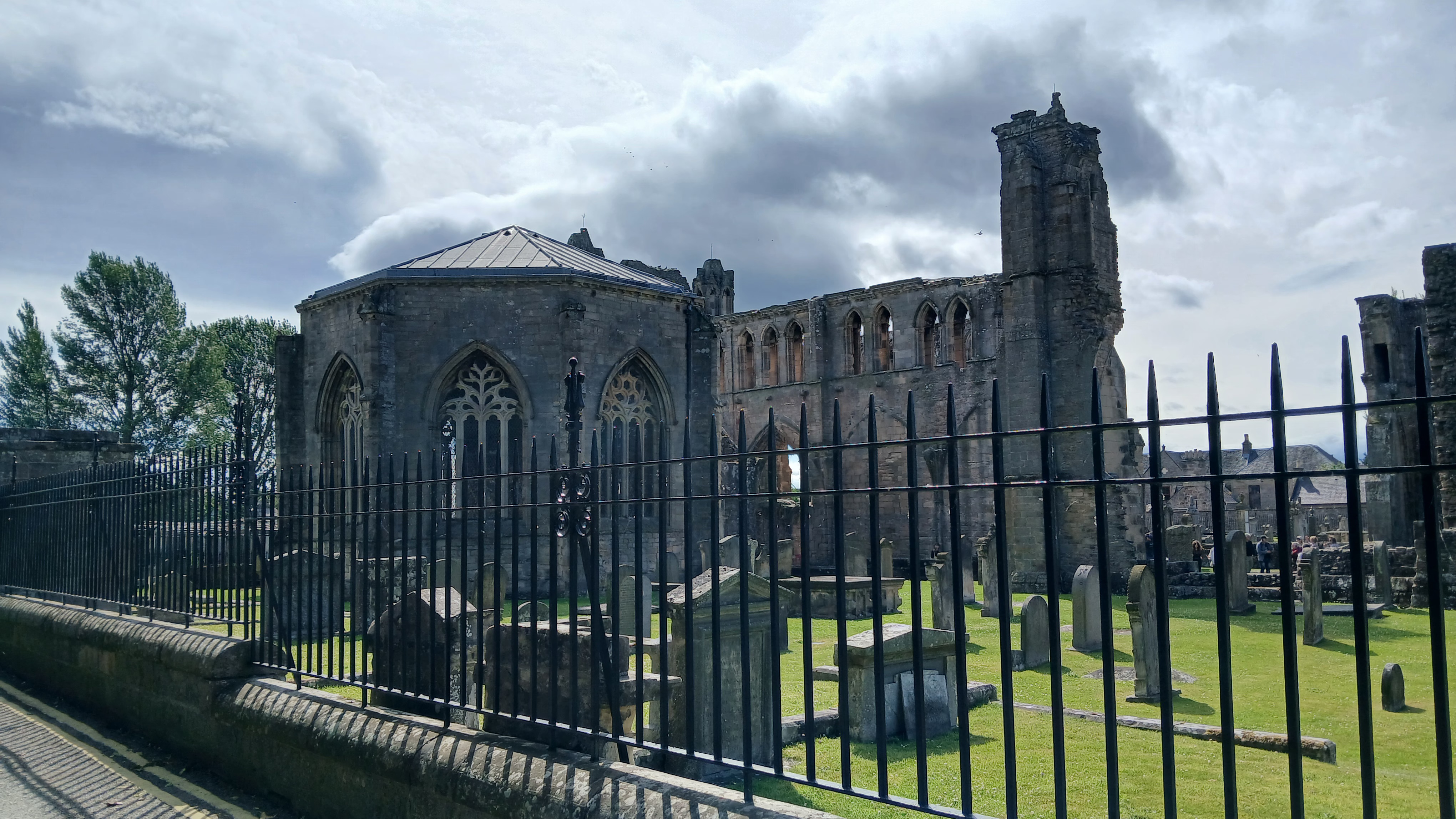
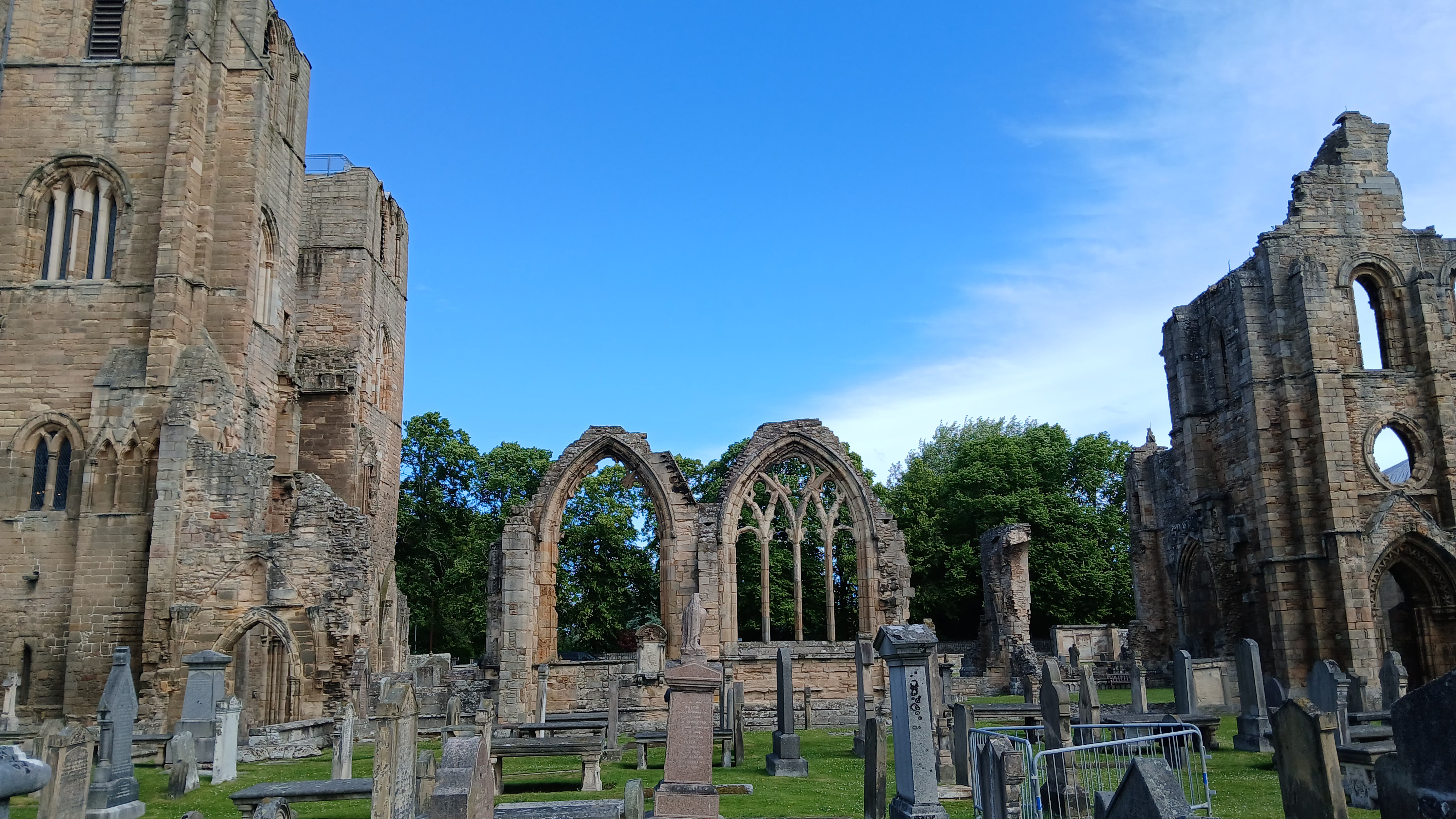
The cathedral is also known as the ‘Lantern of the North’ and is located in Moray, North East Scotland; it was established in 1224 and was the seat of the Bishops of Moray. At the time of its construction it was regarded as ‘the ornament of the realm’ and ‘the glory of the Kingdom’, second largest cathedral in Scotland after St Andrews. Over its 800-year history the cathedral has experienced ups and downs, you could say. Widespread fire damage in 1270 and an incendiary attack in 1390 was followed by extensive rebuilding and additions, including the wide west front with its twin towers and the octagonal chapter house, both of which are still standing. However in the 1560s the congregation was moved to the parish church of St Giles and the Privy Council ordered the removal of the cathedral’s lead roof to sell to help fund the military. Subsequently there were structural failures (I don’t know what they thought would happen) resulting in the collapse of the choir roof and the central tower much later in 1711. One hundred years later at the beginning of the 19th century, major conservation and refurbishment work begun, followed by stabilisation and maintenance work which is ongoing to make the structure safe to visit. Elgin Cathedral is a scheduled monument managed by Historic Environment Scotland.
Source: Wikipedia
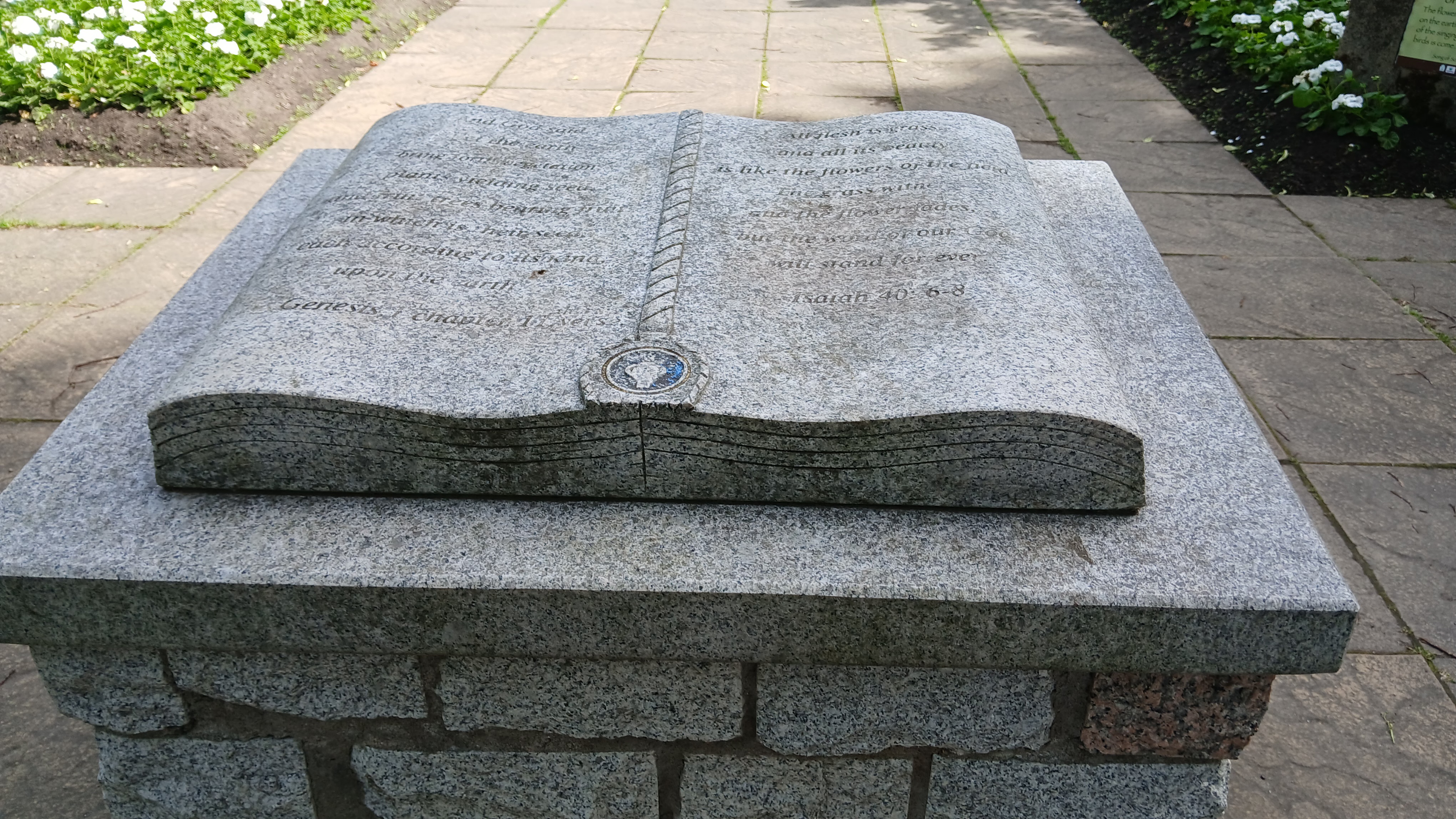
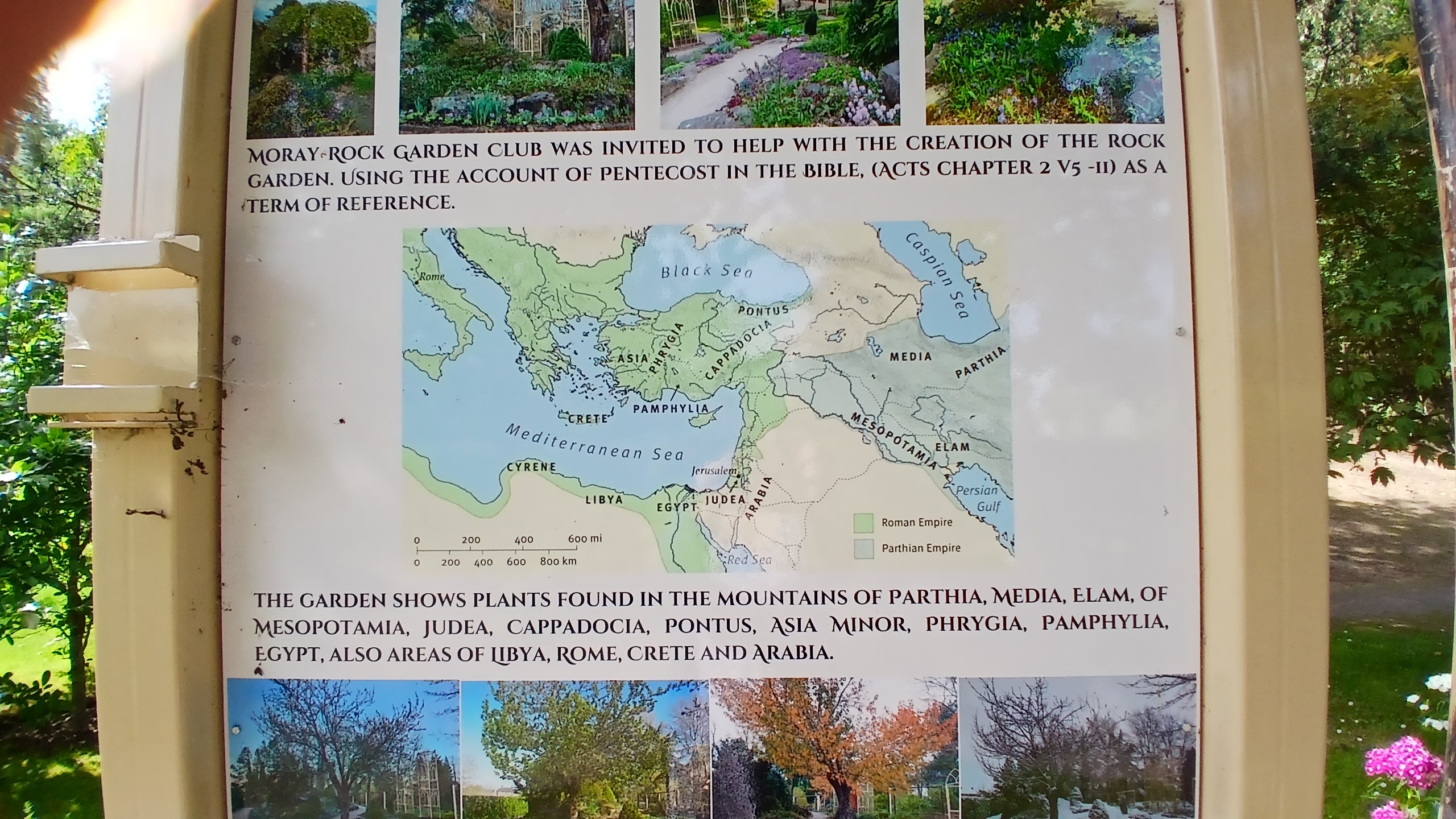
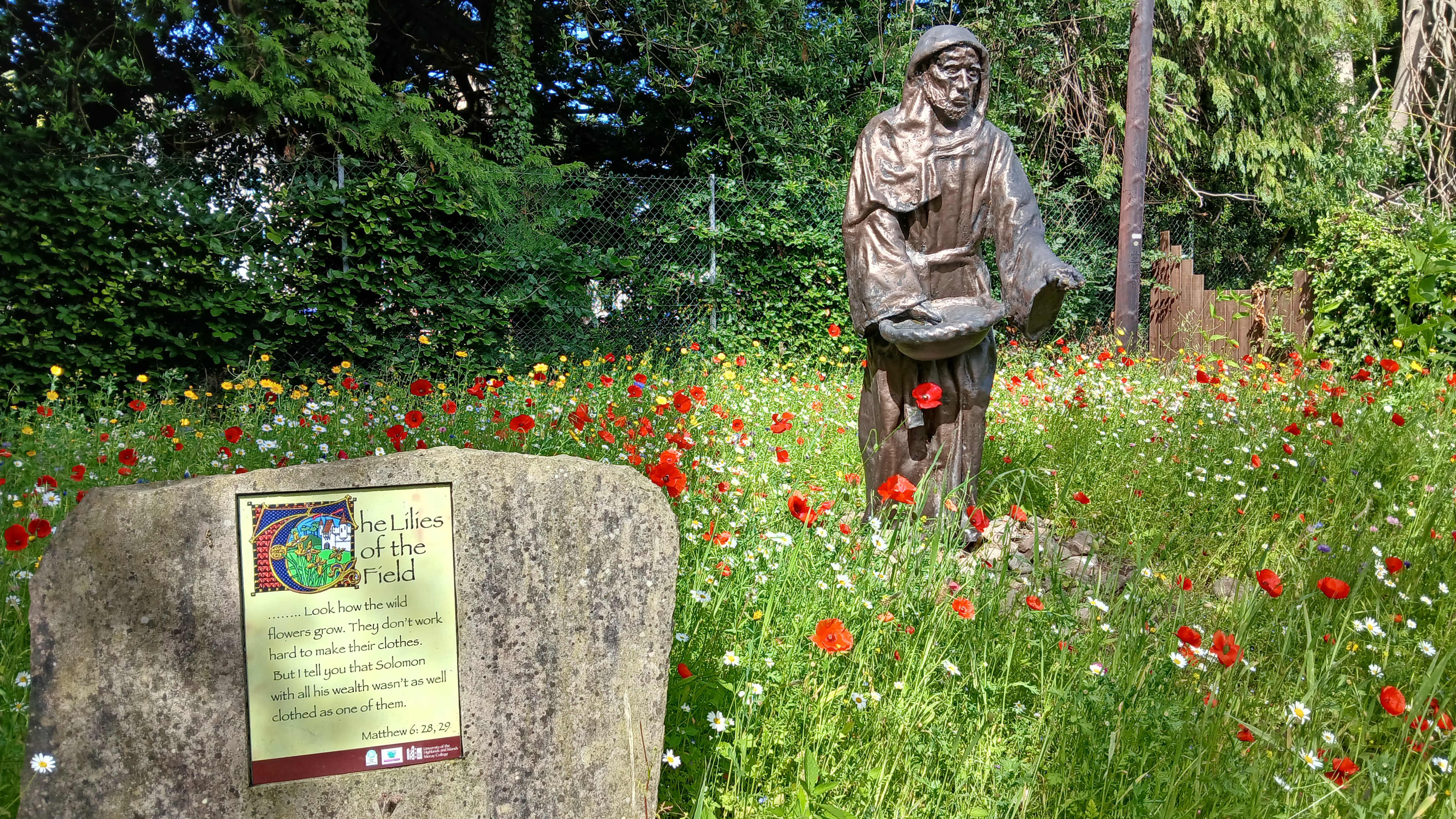
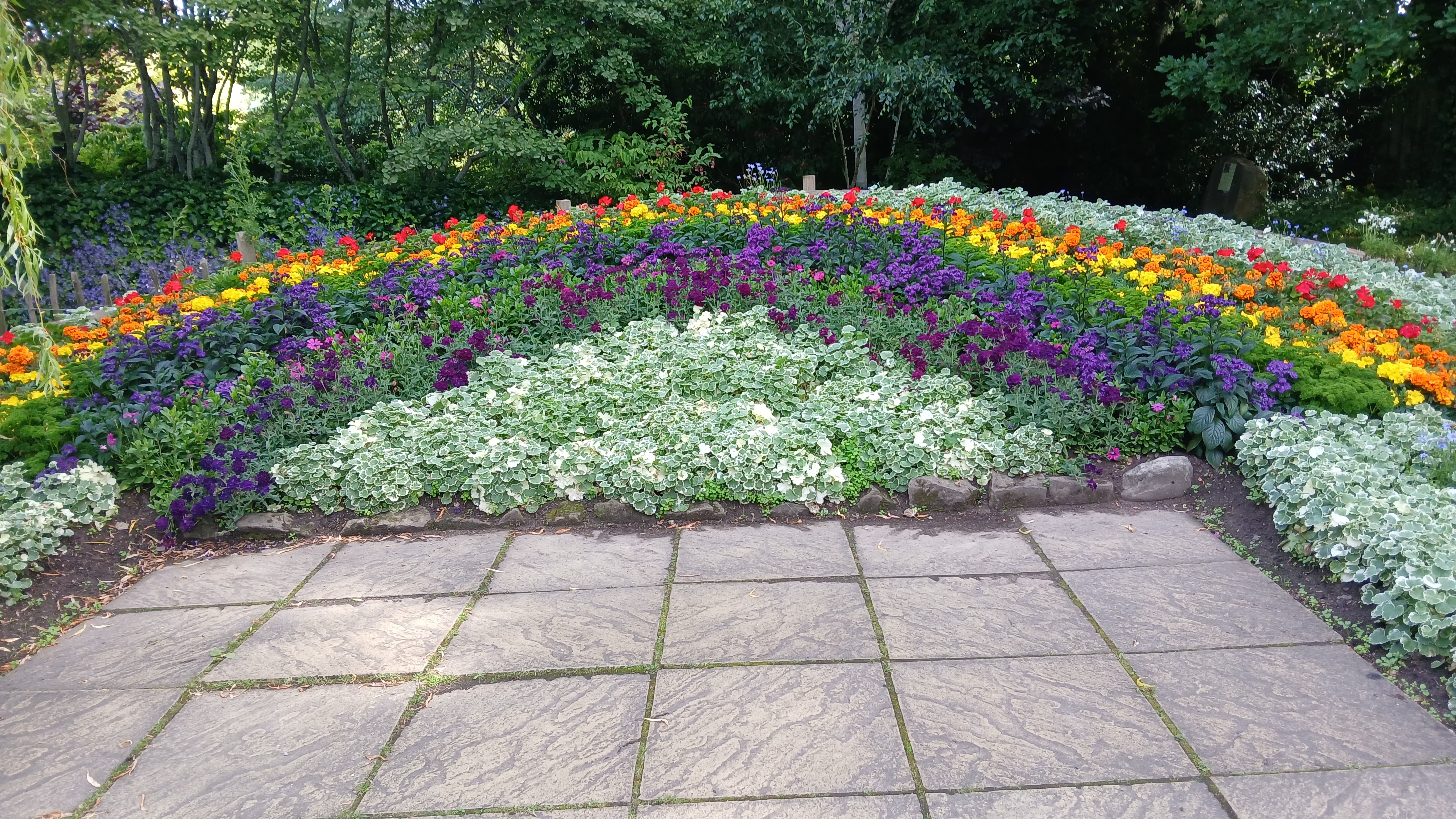
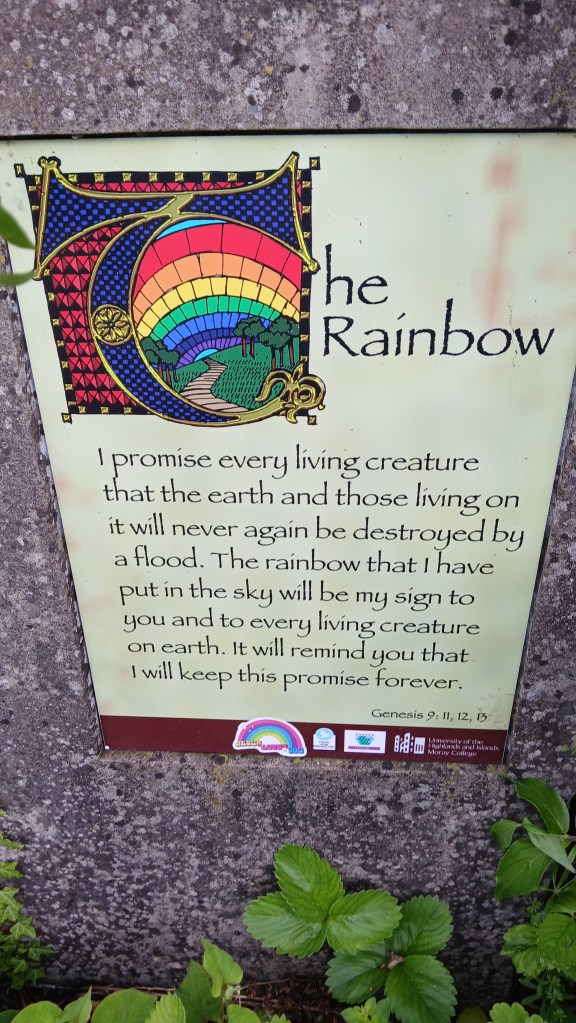
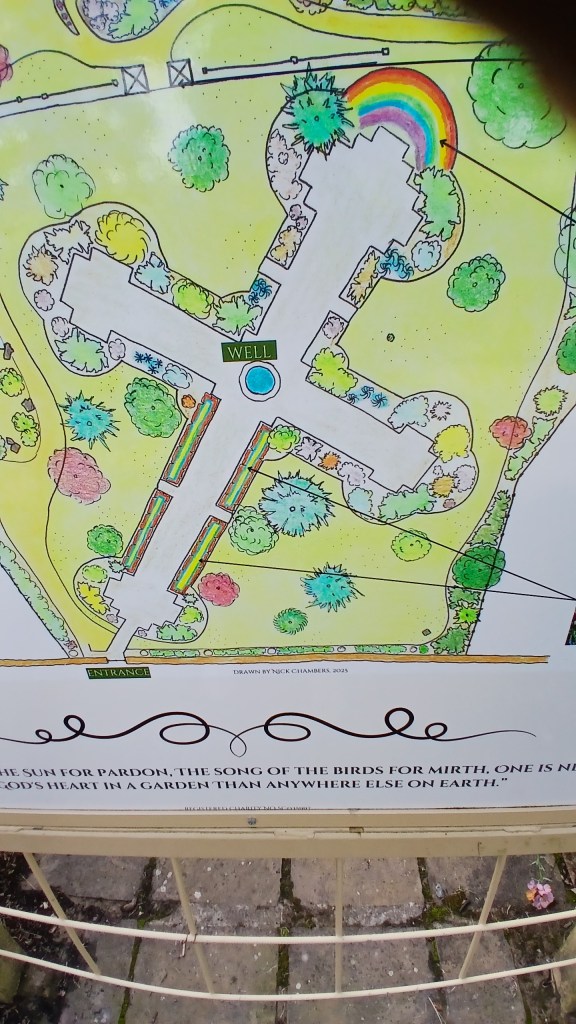
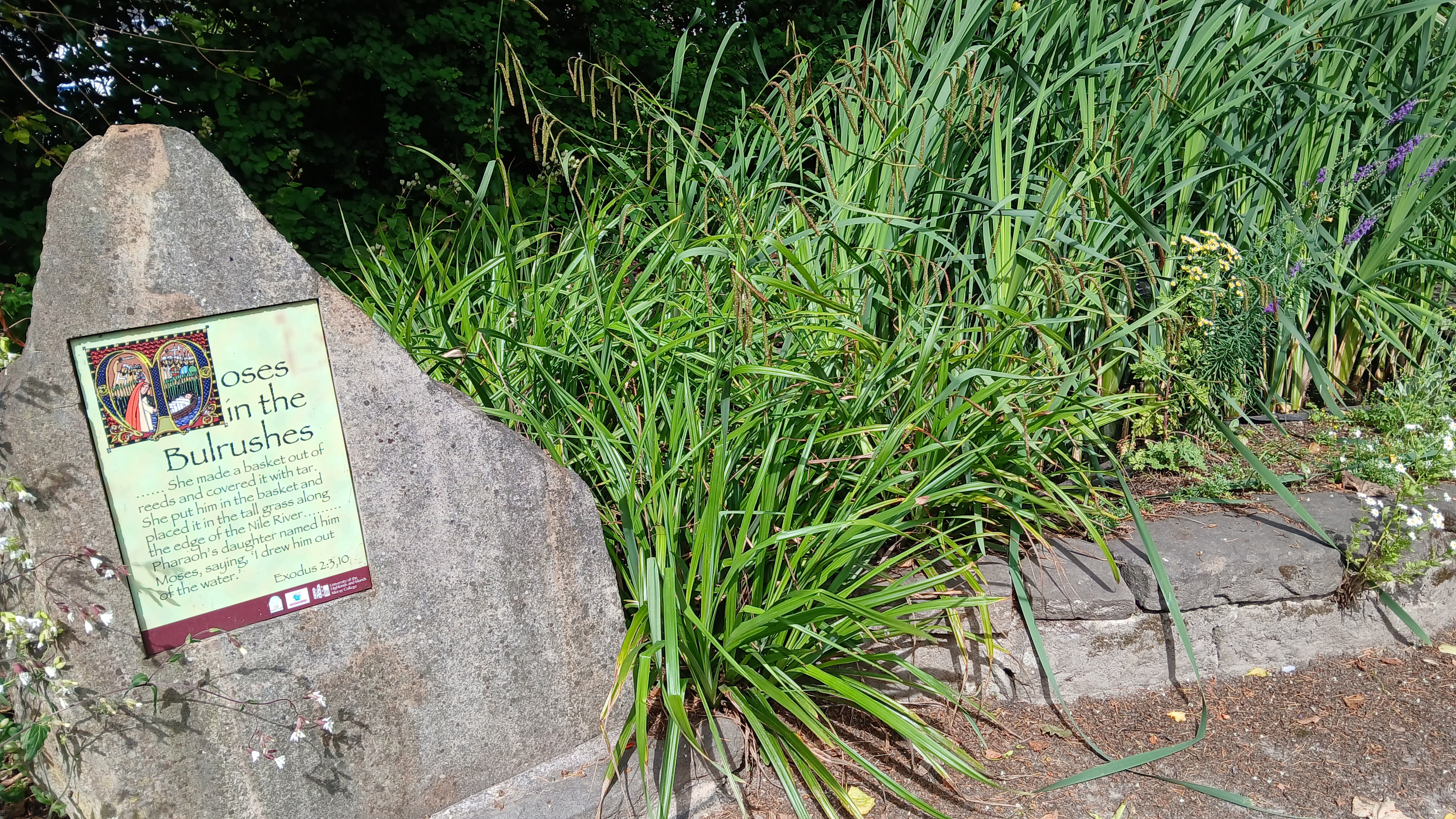
Across the road from the Cathedral is the Elgin Biblical Garden, a community garden which opened in 1996, a partnership between the Friends of the Biblical Garden, Moray Council and Moray College UHI. Students of horticulture use the Garden to develop their skills and generous donations from local businesses, churches, schools and individuals help to maintain the Garden. It is a beautiful community space featuring well-known Bible stories and containing plants mentioned in the Bible. Free to enter and well worth a visit if you’re in the Aberdeen area of Scotland.
Source: biblicalgardenelgin.co.uk
Ely Cathedral
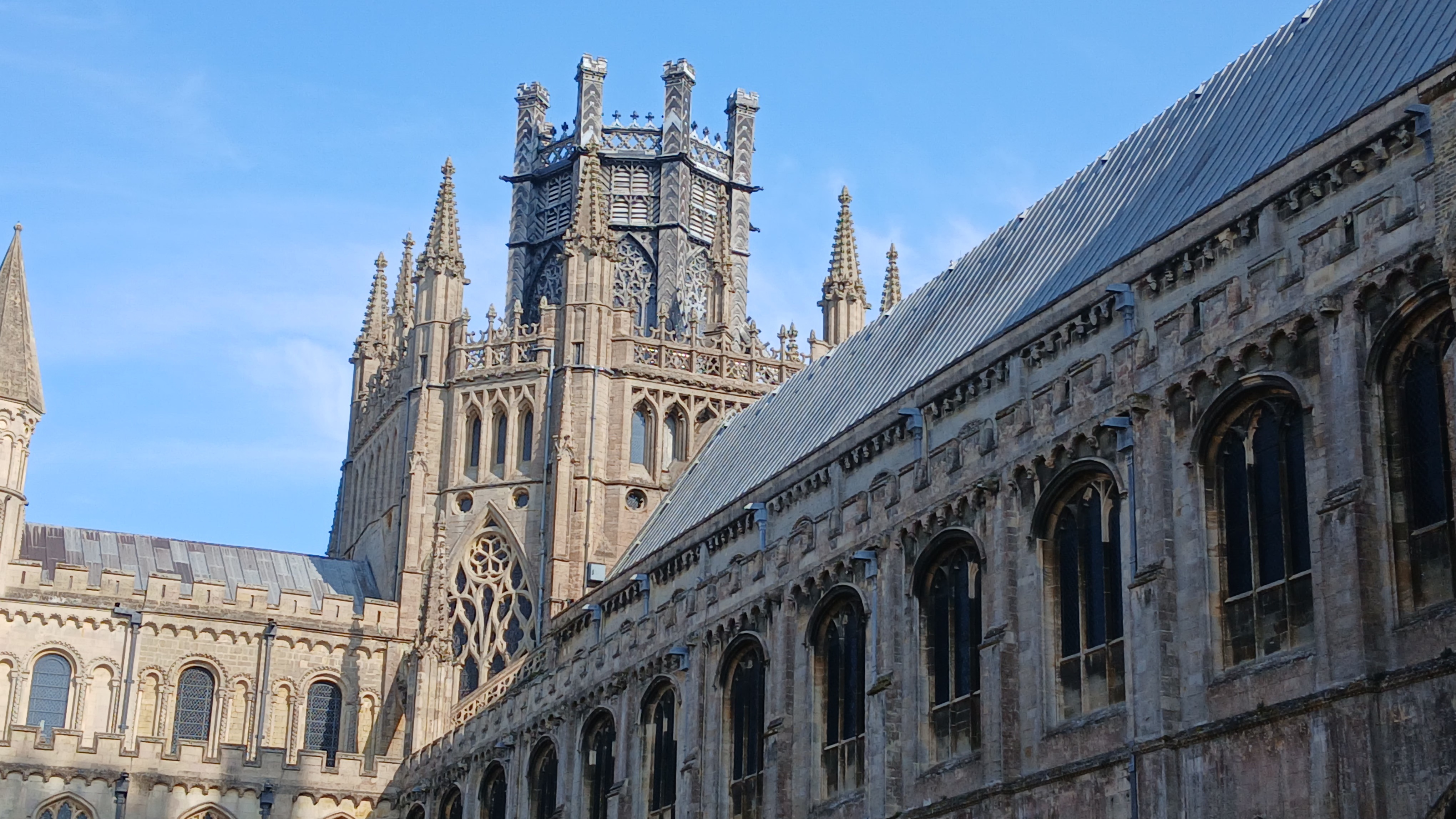
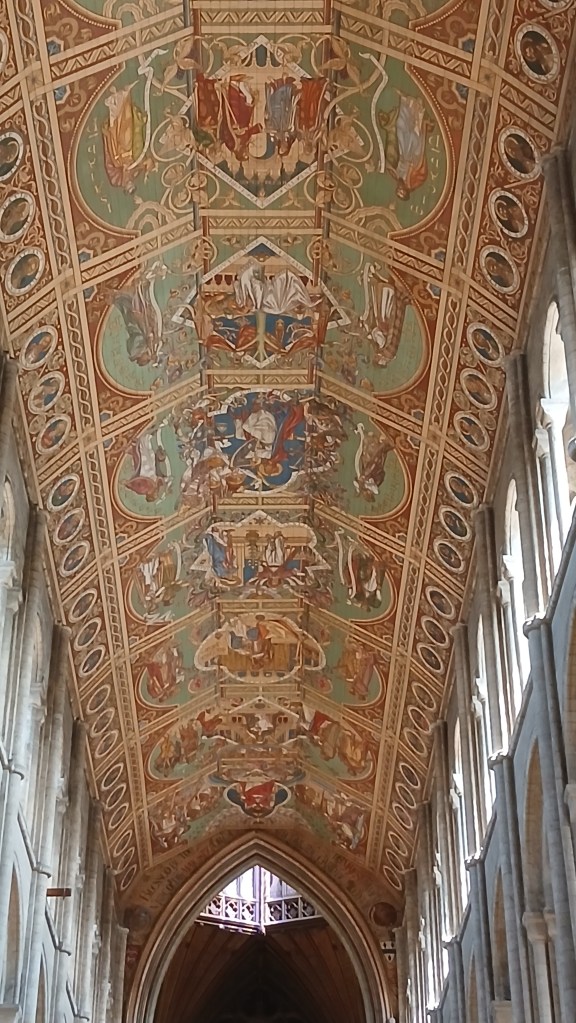
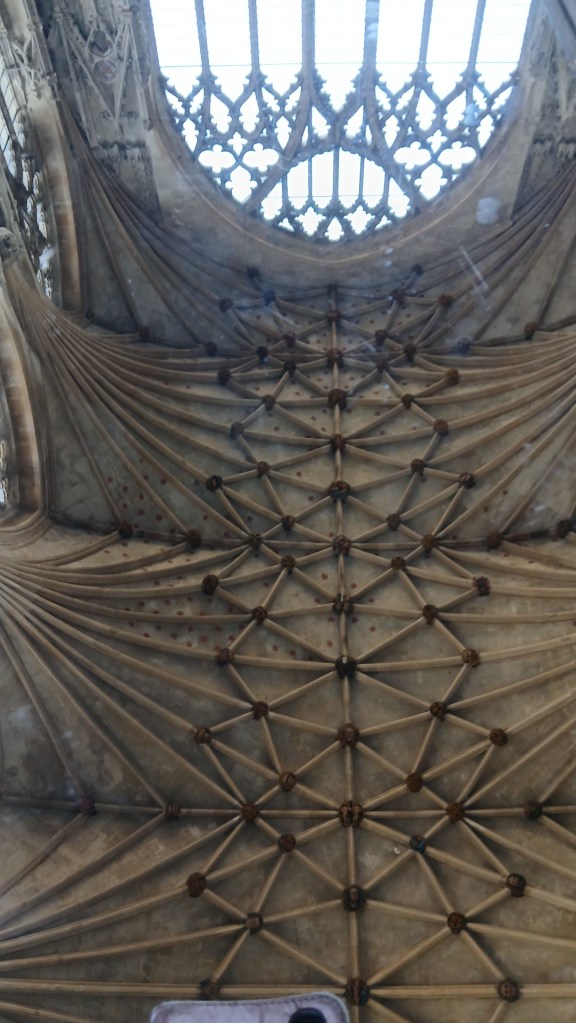
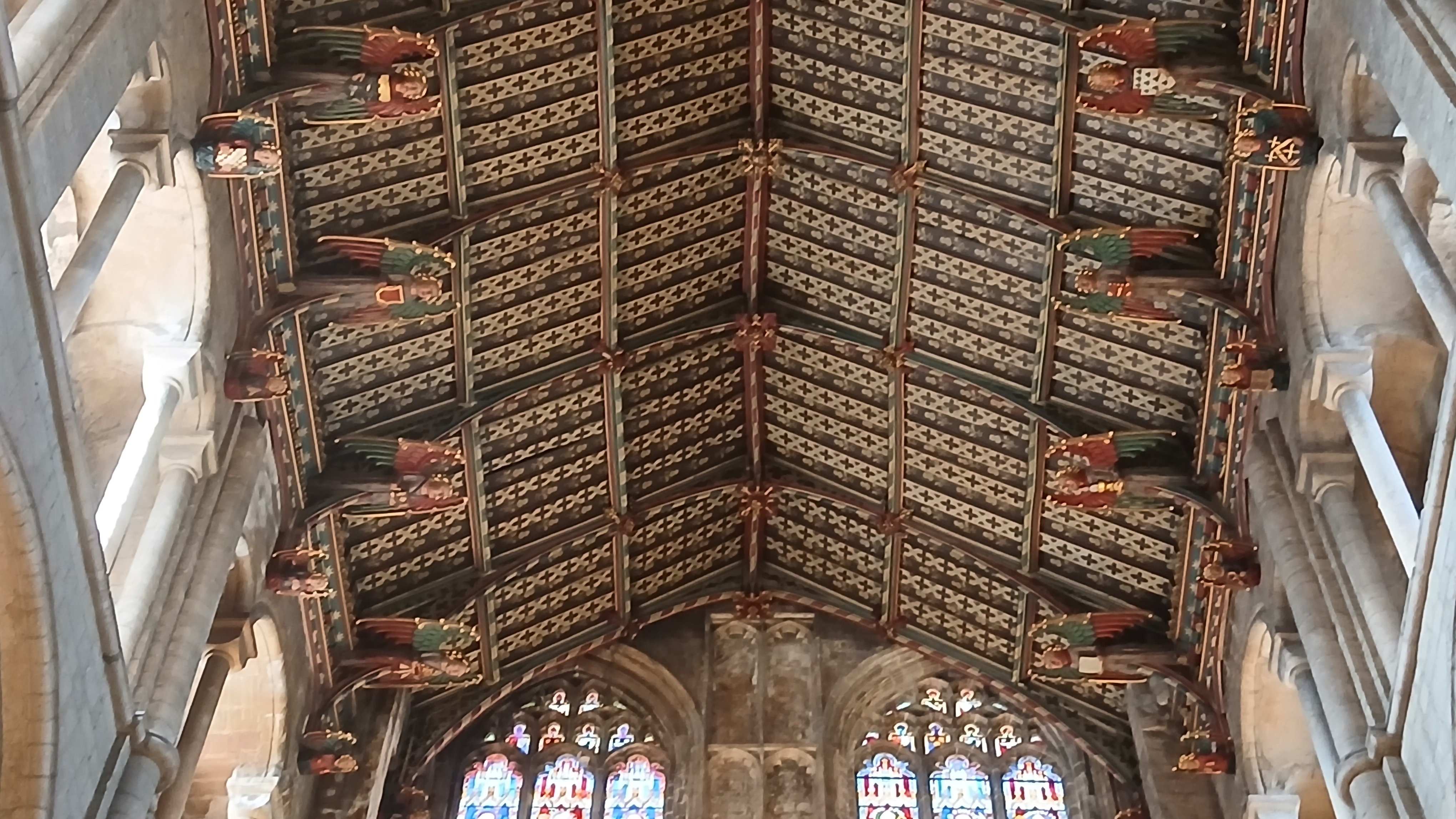
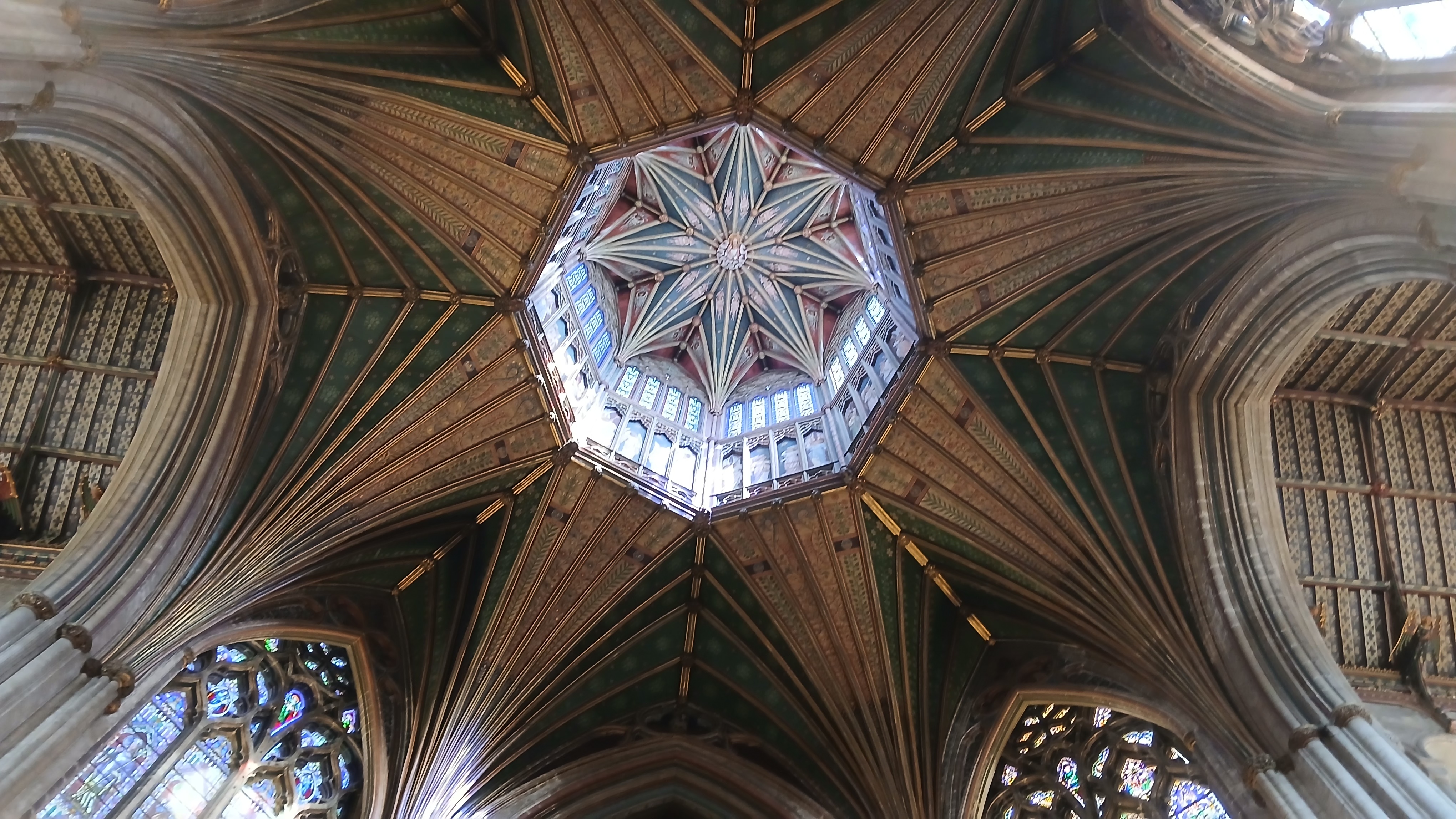
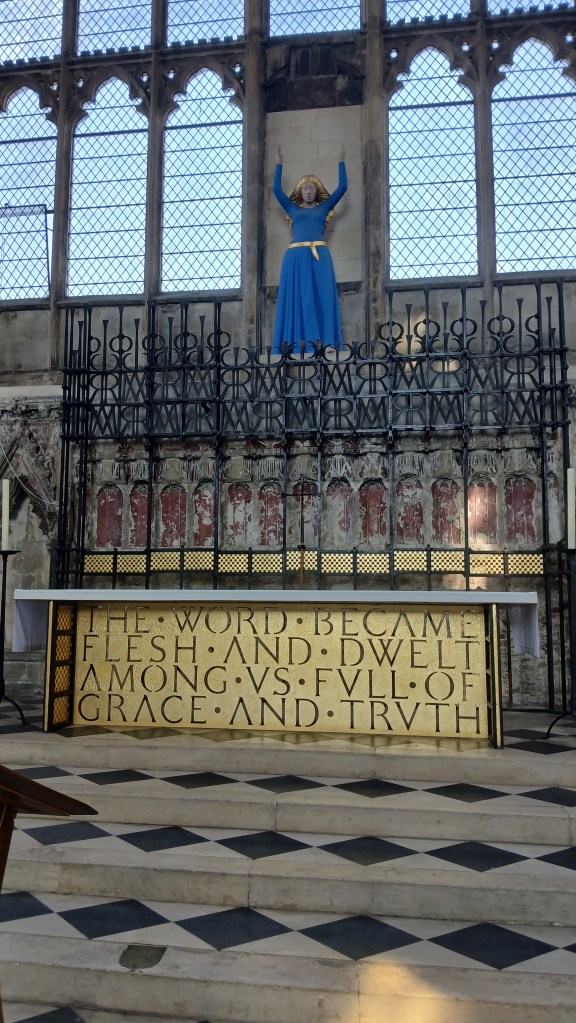
An impromptu visit to Ely while in Norfolk for the weekend attending a wedding! The cathedral’s origins date from 672AD when an abbey was founded on the site by St Aeelthryth (Etheldreda). The abbey was refounded in 970 under the Rule of St Benedict, later becoming one of the most successful Benedictine abbeys owning extensive lands, a library and means of book production. At the time of the Norman Conquest, almost 400 years after its establishment, the abbey was exceeded only by Glastonbury. The earliest parts of the standing building date to 1083 and it was granted cathedral status in 1109. Because of the cathedral, Ely has city status but is only the size of a small town; this is because the area around the cathedral was marshy and could not be built on until the marshy areas were drained much later. In fact the cathedral used to be on an island in the River Great Ouse and was known as the Ship of the Fens. It is the Cathedra (Bishop’s Seat) of the Diocese of Ely, covering most of Cambridgeshire and western Norfolk. The first cathedral was built in a ‘monumental Romanesque style’; later additions were in ‘exuberant Decorated Gothic’, these are descriptions from Wikipedia! The cathedral has a central octagonal tower with a roof lantern above, not actually a lantern but an architectural structure providing natural light into the space below. I could write much more about this magnificent cathedral, but I’ll just mention the beautiful and diverse ceilings, which you can view through a mirror to save looking up! Also the Lady Chapel, added in 1321 and originally a separate structure. The life-size statue of Mary, installed in 2000 above the alter, was criticised by some local people, but its vibrancy reflects that when originally built, the chapel would have been decorated in bright colours; I like it!
Source: Wikipedia